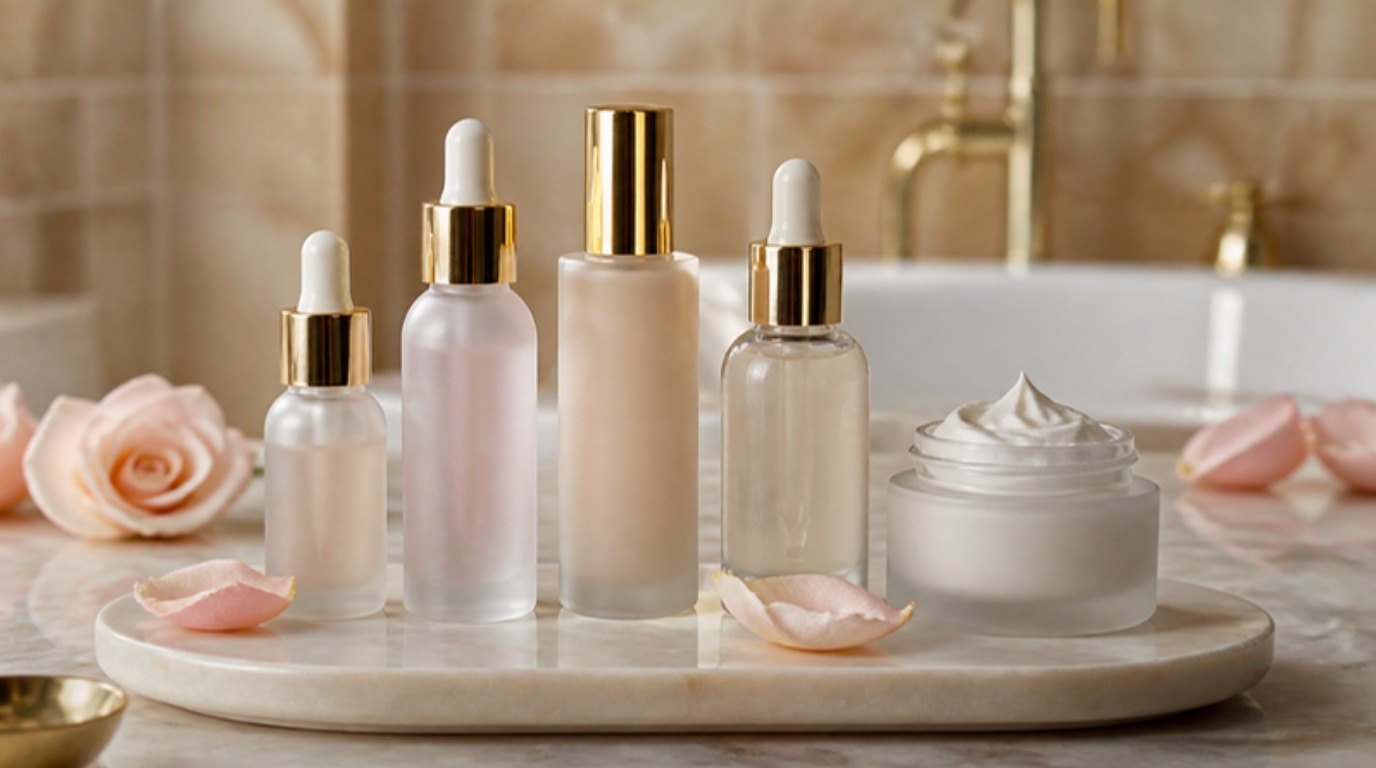
The fastest way to irritate your skin is to use every strong product you own, every single night. The fastest way to calm it down is surprisingly simple: give each active ingredient its own night, then give your skin a couple of nights off to recover. That rotation is the whole idea behind skin cycling, and it's one of the kindest routines a beginner can start with.
It took me a while to accept that "more" isn't the same as "better" when it comes to skincare. My combination, sensitive skin (hello, shiny T-zone and pink cheeks) taught me that lesson the hard way. Exfoliants and retinoids are wonderful, but stacked together on the same night they can leave your face tight, flaky and stinging.
This guide walks you through skin cycling for beginners step by step: what it is, why it works, a 4-night calendar you can screenshot, exactly what to do on each night, a simple morning routine, how to adjust it for your skin type, the mistakes to skip and when it's time to ask a dermatologist for help.
Think of it as a calm, repeatable rhythm instead of a complicated regimen. Four nights, a handful of products, and a lot less guesswork.
What Is Skin Cycling?

Skin cycling is a nighttime routine built on a repeating four-night schedule. Instead of using your active ingredients every night, you rotate them:
- Night 1: exfoliation night (a chemical exfoliant like an AHA or BHA)
- Night 2: retinoid night (a retinol or other vitamin A product)
- Night 3: recovery night (hydration and barrier care only)
- Night 4: recovery night (the same gentle routine again)
Then you start over at Night 1. That's it. Your cleanser, moisturizer and morning sunscreen stay the same throughout; only the "active" step changes.
The appeal is that you still get the benefits of exfoliation and retinoids (smoother texture, brighter tone, clearer-looking pores over time), but your skin barrier gets regular breaks to rebuild. It's less of a trend and more of a structure: a calendar that stops you from accidentally overdoing it.
If you've never used either ingredient before, it helps to understand them separately first. My guide to retinol for beginners covers how vitamin A works and how to start slowly, and it pairs perfectly with this routine.
Why Skin Cycling Works So Well for Beginners

Most beginner skincare problems come from enthusiasm. You buy a new exfoliant and a new retinol in the same week, use both nightly because you want results, and by day five your skin feels hot and tight. Skin cycling quietly prevents that.
Here's why it suits beginners so well:
- It separates strong ingredients. Acids and retinoids can both be irritating, and using them on the same night increases the chance of redness and peeling. Giving each its own night keeps things gentler. (My guide to skincare ingredients not to mix explains the other pairings worth spacing out.)
- It builds in rest. Two recovery nights out of every four means your skin spends half the week simply being moisturized and left alone.
- It's easy to remember. A repeating pattern is easier to follow than "use retinol two or three times a week, but not after exfoliating, unless..."
- It helps you notice what's working. When each product has its own night, it's much easier to tell which one is causing a problem if your skin reacts.
- It's flexible. You can stretch the recovery nights, swap the order or slow everything down without "breaking" the routine.
One gentle reminder: skin cycling isn't magic and it won't fix everything. It's a sensible schedule. The real results still come from the products you choose, consistency over weeks, and daily sunscreen.
Your 4-Night Skin Cycling Calendar
Here's the whole routine in one table. Screenshot it and keep it on your phone, or jot it on a sticky note on your bathroom mirror for the first few weeks.
| Night | Main step | Product type | Why |
|---|---|---|---|
| Night 1 | Cleanse, exfoliate, moisturize | Gentle AHA or BHA leave-on exfoliant | Loosens dead skin cells so skin looks smoother and products absorb evenly |
| Night 2 | Cleanse, retinoid, moisturize | Beginner-strength retinol serum or cream | Supports cell turnover for texture, tone and fine lines over time |
| Night 3 | Cleanse, hydrate, moisturize | Hydrating serum plus a ceramide moisturizer | Gives the barrier time to rebuild after two active nights |
| Night 4 | Cleanse, hydrate, moisturize | Same as Night 3 (an optional facial oil on top) | Extra recovery so you start the next cycle calm, not sensitized |
| Every morning | Cleanse or rinse, moisturize, sunscreen | Gentle cleanser, moisturizer, broad-spectrum SPF 30+ | Protects skin that's being exfoliated and renewed at night |
A tiny tip: name your nights by the weekday that works best for you. If Monday is your calmest evening, make it exfoliation night, so retinoid night lands on Tuesday and your recovery nights fall midweek. After a few cycles the rhythm just sits in the back of your mind.
The 4 Nights in Detail
Every night starts the same way: cleanse gently and pat your face dry. Use lukewarm water rather than hot, and skip scrubby washcloths. A soft, non-foaming or low-foam cleanser is ideal; a gentle hydrating cleanser keeps your skin comfortable instead of squeaky, which matters on every one of these nights.
Night 1: Exfoliation Night
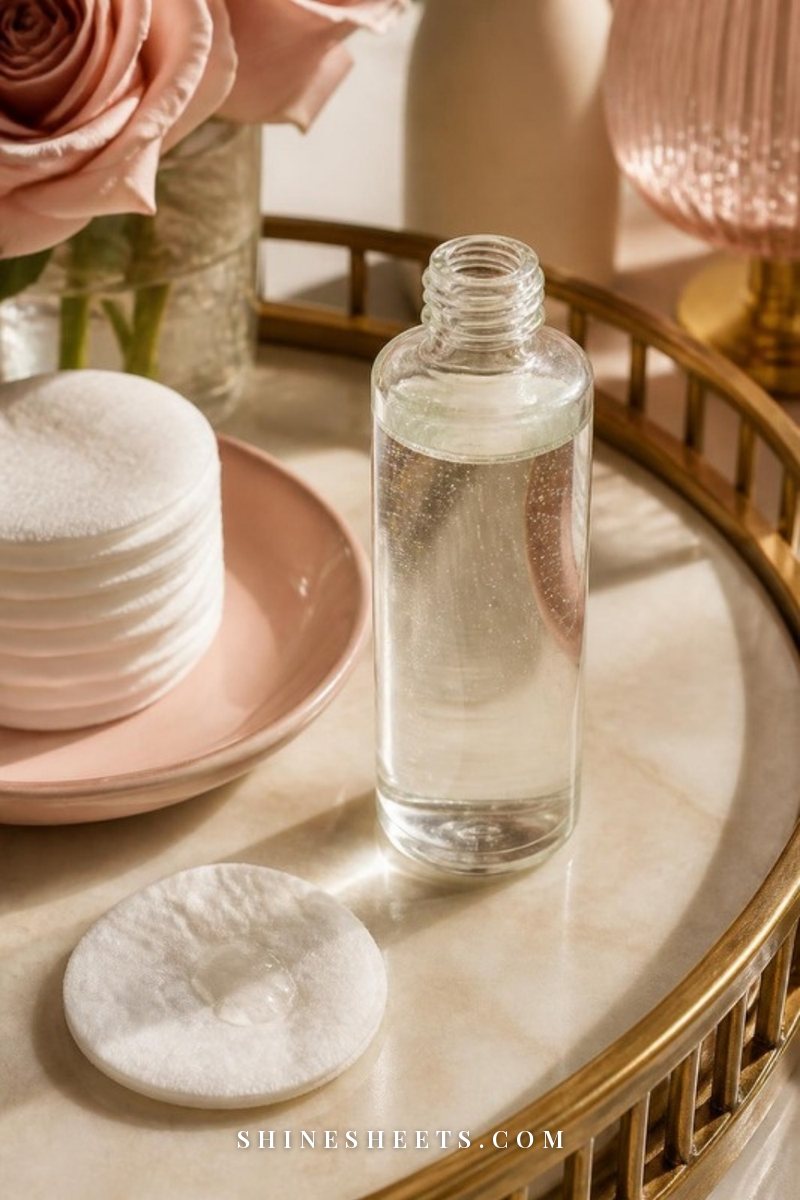
On exfoliation night, you use a chemical exfoliant after cleansing. Chemical exfoliants dissolve the "glue" between dead skin cells so they shed more evenly, which is why skin looks smoother and brighter afterward. You don't need a scrub for this.
How to do it:
- Cleanse and pat your skin completely dry. Damp skin can make acids feel stronger.
- Apply a thin layer of your exfoliant. Liquids can be swiped on with a cotton pad or pressed in with clean fingers; serums need about two or three drops for the whole face.
- Avoid the corners of your nose, the area right around your eyes and the corners of your mouth, where skin is thinner.
- Wait a minute or two, then apply your moisturizer.
Which acid should you choose? BHA (salicylic acid) is oil-soluble, so it works inside pores and tends to suit oily, combination and breakout-prone skin. AHAs (like lactic or mandelic acid) work on the surface and often suit dry or dull skin. For many beginners, a gentle 2% BHA liquid exfoliant is the easiest place to start, especially if your T-zone gets shiny. If you want the full comparison, my guide to AHA vs BHA breaks down which one fits your skin.
A mild tingle for a few seconds can be normal. Burning, stinging that doesn't fade or lasting redness is your signal to rinse it off, moisturize and choose a gentler formula next time.
Night 2: Retinoid Night
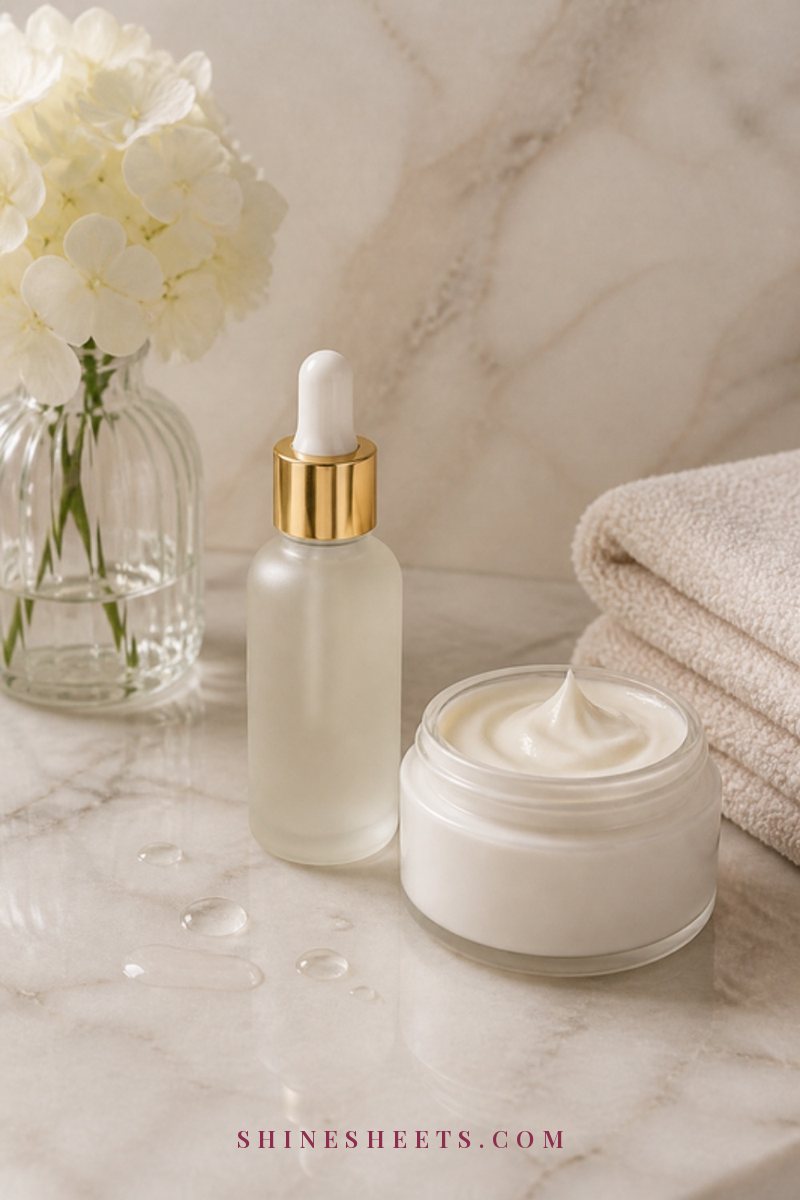
Retinoid night comes right after exfoliation night, and you skip the acid entirely. Retinoids (vitamin A derivatives like retinol) encourage your skin to renew itself, which over time can soften texture, even out tone and help with clogged pores and fine lines. They're powerful, which is exactly why they deserve their own night.
How to do it:
- Cleanse and let your skin dry fully. Waiting 5 to 10 minutes after washing can reduce irritation.
- Use a pea-sized amount for your whole face. Really, a pea. More product doesn't mean faster results, only more dryness.
- Dot it on your forehead, cheeks and chin, then spread gently. Keep it away from the eye area, the corners of your nose and your lips.
- Follow with moisturizer.
Beginners do best with a low-strength formula. A beginner retinol serum in a low concentration lets your skin adjust without a big flaky phase. If you're nervous, try the "sandwich" method: a thin layer of moisturizer first, then the retinol, then another layer of moisturizer. It buffers the retinol and still lets it work.
Please skip retinoids if you're pregnant, trying to conceive or breastfeeding, and check with your doctor about what's right for you.
Nights 3 and 4: Recovery Nights

Recovery nights are the part people are tempted to skip, and they're the part that makes skin cycling work. On these two nights you use no exfoliants and no retinoids. Your only goals are hydration and barrier repair.
How to do it:
- Cleanse gently.
- While skin is still slightly damp, apply a hydrating serum. Two or three drops of a hyaluronic acid hydrating serum pressed into damp skin helps it hold onto water.
- Seal it in with a moisturizer that contains barrier-friendly ingredients, such as ceramides, glycerin, panthenol or squalane.
- Optional: on very dry nights, press two drops of a facial oil over your moisturizer.
Ceramides are the real heroes here, because they're a natural part of your skin barrier. A ceramide moisturizing cream is one of the most useful things you can own for this routine, and it works on every single night, not just recovery nights. You can read more about why they matter in my guide to ceramides.
Recovery nights are also lovely to pair with a slow evening: a cup of tea, a glass candle, ten minutes with a journal. Skincare doesn't have to be a chore when the routine is this simple.
Your Morning Routine Stays Simple

Skin cycling only changes your evenings. Your mornings should be short, calm and the same every day:
- Cleanse or rinse. If your skin feels comfortable, a splash of lukewarm water is enough. Oily skin may prefer a gentle cleanse.
- Hydrate (optional). A few drops of hydrating serum if your skin feels tight.
- Moisturize. A lighter lotion than your night cream is perfect.
- Sunscreen, every day. Broad-spectrum SPF 30 or higher, applied generously as your last step, even on cloudy days and in winter.
Sunscreen isn't optional in this routine. Exfoliants and retinoids can make skin more sensitive to the sun, and protecting your face is what lets the night work actually show. Use about two finger-lengths of product for your face and neck. A lightweight daily face sunscreen that doesn't feel greasy is the one you'll actually wear, which is what counts.
If you'd like to add a vitamin C serum in the morning, wait until you've done two or three full cycles and your skin feels settled. One new thing at a time.
How To Adapt Skin Cycling for Your Skin Type
The classic four-night schedule is a starting point, not a rule. Here's how to adjust it so it fits your face.
Sensitive Skin
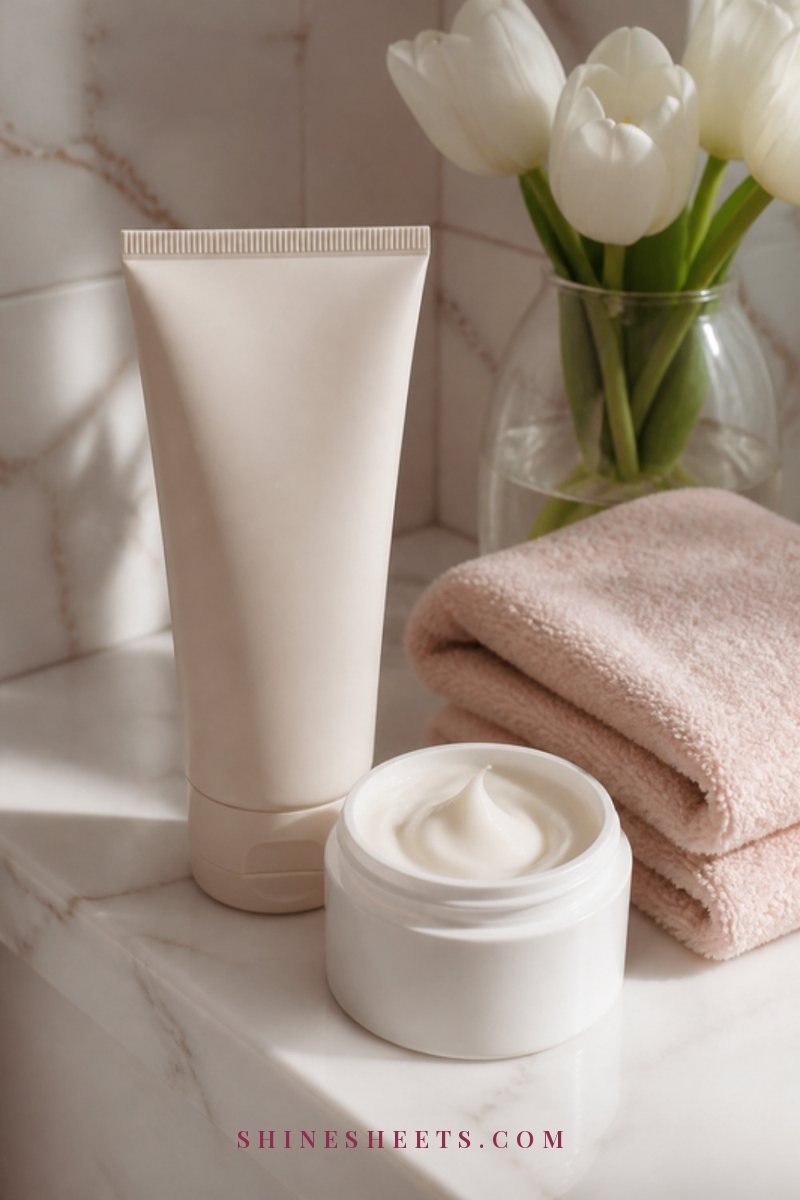
If your skin flushes easily or reacts to new products, stretch the cycle. Try a five- or six-night version with three or four recovery nights in a row. Choose the mildest options you can find: a mandelic or lactic acid instead of glycolic, and the lowest-strength retinol available. Use the sandwich method on retinoid night.
Always patch test new actives on a small area, like along your jaw, for a few nights before using them on your whole face. And if even the gentlest exfoliant stings, it's perfectly fine to drop exfoliation night entirely and cycle only retinoid night with recovery nights.
Dry Skin
Dry skin often does best with a lactic acid exfoliant, which is gentle and slightly hydrating. Use a richer cream on every night and consider adding a facial oil on recovery nights. If you notice flaking after retinoid night, add a third recovery night before starting the next cycle.
Keep cleansing gentle, too. A foaming cleanser that leaves you feeling "squeaky clean" is usually too stripping for dry skin.
Oily or Acne-Prone Skin
Oily skin can often handle a BHA exfoliant comfortably, since salicylic acid works inside pores. Some people with oily skin shorten the cycle to three nights (exfoliation, retinoid, one recovery night) once they've done a month of the standard version without irritation.
Even oily skin needs moisturizer. Pick a lightweight gel-cream so your face doesn't feel heavy. Skipping moisturizer can actually make skin feel oilier and more irritated, especially on active nights.
Combination Skin
This is my skin type, and the trick is treating your face as two zones. Apply the exfoliant mainly to the T-zone, where it's most needed, and go lighter on the cheeks. Use a medium-weight moisturizer everywhere, with an extra layer on dry areas on recovery nights.
7 Skin Cycling Mistakes To Avoid

Skin cycling is forgiving, but a few habits can undo the benefits. These are the ones to watch for:
- Starting with products that are too strong. A high-strength glycolic peel or a strong prescription retinoid is not a beginner step. Start low and give it time.
- Skipping moisturizer on active nights. Moisturizer belongs in every night of the cycle. It cushions the actives and protects your barrier.
- Doubling up "just this once." Using an exfoliating toner on retinoid night, or a retinol eye cream on exfoliation night, quietly brings back the irritation you're trying to avoid.
- Forgetting hidden actives. Some cleansers, toners and pads contain acids too. Check the ingredient lists of everything you use on active nights.
- Adding a physical scrub. Grainy scrubs on top of chemical exfoliation are simply too much. If you want to understand the difference, my guide on how to exfoliate your face covers it.
- Skipping sunscreen. Without daily SPF, any brightening progress from your nights can fade, and your skin is more vulnerable to sun damage.
- Changing everything at once. If you start skin cycling, switch cleansers and try a new serum in the same week, you won't know what's helping or hurting. Change one thing at a time.
How Long Should You Try Skin Cycling?
Give it at least six to eight weeks before deciding whether it's working. Your skin renews itself gradually, and retinoids in particular take time to show results. Many people notice smoother texture within a few weeks, while changes in tone and fine lines tend to take longer, often a few months.
During the first couple of weeks, some dryness or mild flaking after retinoid night can happen as your skin adjusts. That usually settles. A few people also see a short period of small breakouts in areas where they normally break out, which can be part of adjusting to a retinoid.
Here's a simple way to track it without overthinking: take a photo of your bare skin in the same window light once a week, on the same night of your cycle. Compare week one with week six rather than checking every day.
Once your skin feels settled, you have a few options:
- Stay on the four-night cycle forever. Plenty of people do, and it's a perfectly good routine.
- Shorten the cycle to three nights if your skin is calm and you'd like a little more active time.
- Add a second retinoid night (for example, exfoliation, retinoid, recovery, retinoid, recovery, recovery) if your skin tolerates retinol well.
Whatever you choose, adjust slowly, and go back to more recovery nights the moment your skin feels tight or sensitive. Cold, dry weather is a good time to add recovery nights, too.
When To See a Dermatologist
Skin cycling is a gentle at-home routine, not a treatment for skin conditions. Please see a dermatologist or doctor if:
- You have painful, deep or persistent acne, or breakouts that leave marks or scars.
- You get burning, swelling, rash or irritation that doesn't calm down after a few recovery nights.
- You think you might have rosacea, eczema or another skin condition.
- You're pregnant, breastfeeding or taking medication that affects your skin.
- You've tried the routine consistently for a few months and your main concern hasn't improved.
A dermatologist can also tell you whether a prescription retinoid or a different exfoliant would suit you better, and help you build a cycle around it. There's no prize for struggling through irritation on your own.
Final Thoughts
Skin cycling works because it's patient. One night for exfoliating, one night for renewing, two nights for simply caring for your skin, and sunscreen every morning to protect the progress. It's a routine that respects your barrier instead of fighting it.
Start with gentle products, give it a couple of months, and let the recovery nights do their quiet work. Your skin doesn't need to be pushed to look its best. It needs a rhythm it can trust.