The best skincare in your 20s isn't the fanciest. It's the routine you'll still be doing on a tired Tuesday night. This decade isn't about fighting wrinkles you don't have. It's about building a few small habits that keep your skin calm, clear and protected, and then letting time do the rest.
The habits you practice now add up quietly. Daily sunscreen, gentle cleansing and a moisturizer that suits your skin will do more over the next ten years than any jar with "anti-aging" printed on it. And the good news? A great routine at this stage is short, affordable and very forgiving.
This guide covers everything you need for skincare in your 20s: what to focus on, five habits worth building, a simple morning and evening routine, a "20s routine by skin type" table, the ingredients worth starting with, acne and texture tips, how hormones, stress and sleep show up on your face, a budget plan, what you can skip for now and when to see a dermatologist.
Think of it as a calm, no-pressure starting point. You don't have to do all of it this week.
What Actually Matters in Your 20s

Your skin in this decade usually does a lot of the work on its own. It renews itself fairly quickly, it bounces back from late nights faster than it will later, and it often makes plenty of oil (sometimes a little too much). That's why the goal isn't to add more. It's to protect what you have and calm what's bothering you.
If I had to boil it down to four priorities, they would be:
- Sun protection, every day. UV exposure is the biggest reason skin develops dark spots, rough texture and fine lines early. This one habit matters more than everything else on this list combined.
- Acne and oil control. Breakouts don't stop the day you leave your teens. Hormonal and stress-related breakouts are very common in your 20s, and treating them gently helps prevent marks that linger.
- A healthy skin barrier. Your barrier is the outer layer that keeps moisture in and irritants out. When it's happy, skin looks smooth and calm. When it's stripped, everything stings.
- Keeping it simple. A three- or four-step routine you actually follow beats a twelve-step routine you abandon after two weeks.
Everything else, from serums to masks, is a bonus. Nice to have, not essential.
5 Habits Worth Building Now
These are the habits that pay you back for years. None of them takes more than a minute or two, and once they're automatic, you won't even think about them.
1. Wear Sunscreen Every Single Morning

If you only take one thing from this article, let it be this. Apply sunscreen as the last step of your morning routine, every day, including cloudy days and days you're mostly indoors near a window. A lightweight broad-spectrum SPF 50 face sunscreen that feels nice on your skin is the one you'll actually wear, so texture matters more than you'd think.
The amount is where most of us fall short. A good rule of thumb is two finger-lengths of sunscreen for your face and neck. Reapply if you're outdoors for more than two hours, after swimming or after sweating. If you wear makeup, a sunscreen stick or SPF mist over the top makes midday touch-ups much easier.
Here's my small honest admission: my combination skin used to hate most sunscreens, because the shiny T-zone got even shinier. What helped was choosing gel or fluid textures labeled "lightweight" or "for oily skin" and letting them sink in for a minute before anything else goes on top.
2. Cleanse Gently, Never Squeaky
That tight, squeaky-clean feeling after washing your face isn't a sign of clean skin. It's a sign your cleanser stripped away too much. Look for a gentle foaming cleanser with a low-foam, non-stripping formula if you're oily or combination, or a cream cleanser if you're dry.
Use lukewarm water (hot water dries skin out), massage for about 30–60 seconds and pat dry with a clean towel. In the morning, if your skin is dry or sensitive, a splash of water is often enough. Wash properly at night, when there's sunscreen, oil and the whole day to remove.
3. Protect Your Skin Barrier
Your 20s are prime time for overdoing it: a new acid here, a scrub there, a viral serum on top. A damaged barrier shows up as stinging, tightness, sudden redness, flaky patches or breakouts that appear out of nowhere.
A few rules keep your barrier happy. Introduce only one new product at a time and wait two weeks before adding another. Moisturize even if you're oily. Skip harsh physical scrubs with rough particles. And if your skin feels irritated, strip your routine back to cleanser, moisturizer and sunscreen until it calms down, usually one to two weeks.
4. Keep Your Routine Small
You don't need a shelf full of products to have good skin. In fact, the more products you layer, the harder it becomes to tell what's helping and what's causing trouble.
A solid 20s routine is three steps in the morning (cleanse, moisturize, sunscreen) and three in the evening (cleanse, treat, moisturize). That's it. One treatment product, chosen for your main concern, is plenty. If you want a gentle walkthrough of the very basics, my skincare routine for beginners breaks each step down even further.
5. Take Your Makeup Off Every Night
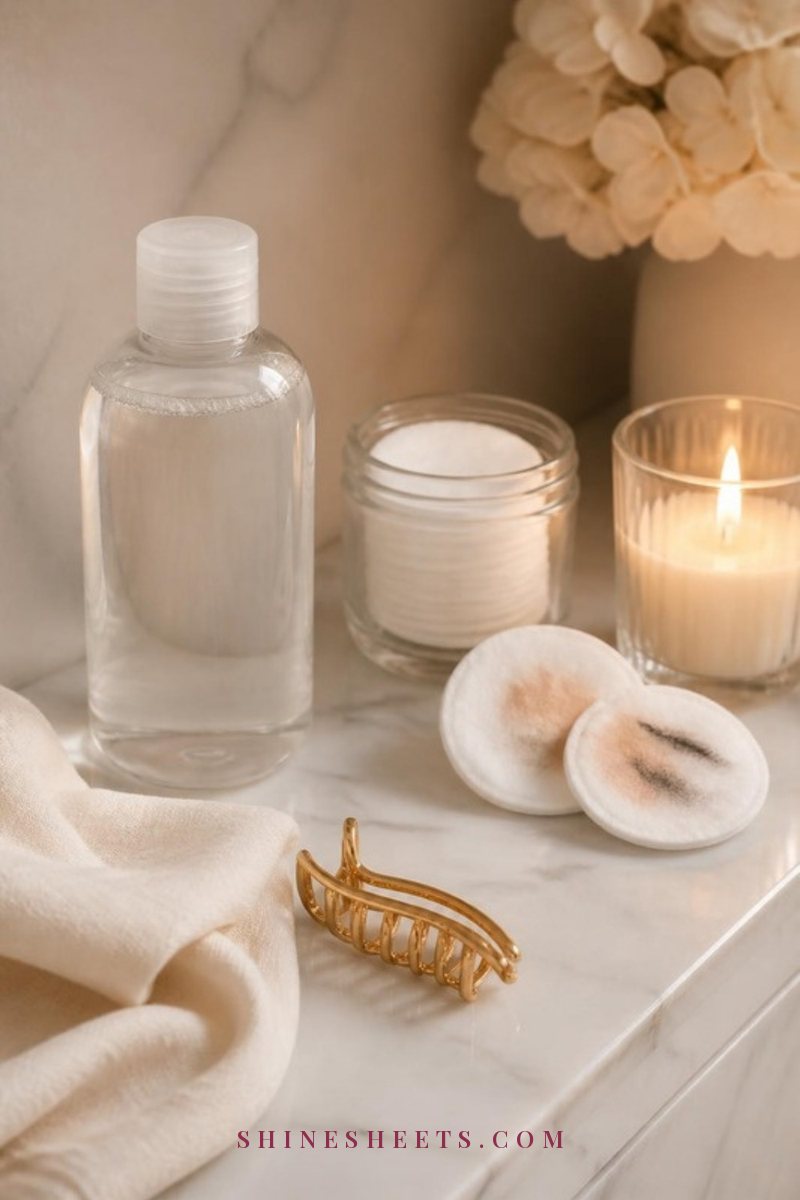
Sleeping in makeup now and then won't ruin your skin, but making it a habit can lead to clogged pores, dullness and irritated eyes. The trick is to make removal so easy you'll do it even when you're exhausted.
Keep a bottle of micellar water and a stack of cotton pads right by the sink. Hold a soaked pad on each eye for ten seconds to dissolve mascara instead of rubbing, then sweep it gently over the rest of your face. Follow with your regular cleanser. If you wear long-wear foundation or waterproof mascara often, double cleansing with an oil or balm first makes removal much gentler.
A Simple Morning and Evening Routine
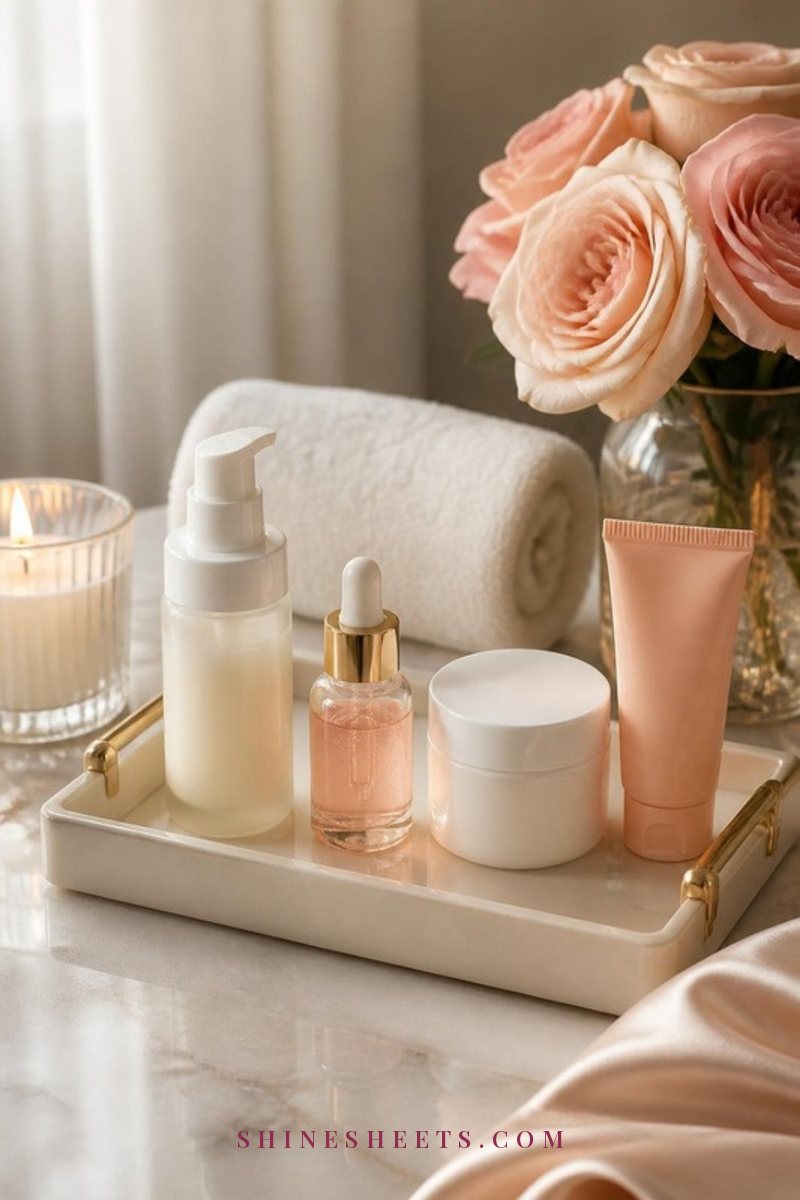
Here's the routine I'd suggest as a starting point for almost anyone. Adjust the textures for your skin type (the table in the next section helps), but keep the structure.
Morning Routine in 4 Steps
- Cleanse or rinse. A gentle cleanser if you're oily or woke up with product on your face, just water if your skin feels dry.
- Treat (optional). A few drops of a niacinamide or vitamin C serum, pressed in with your palms.
- Moisturize. A pea-sized amount for your whole face. Lighter in summer, a little richer in winter.
- Sunscreen. Two finger-lengths, applied last, every day.
Evening Routine in 4 Steps
- Remove makeup and sunscreen. Micellar water or a cleansing balm.
- Cleanse. Your gentle cleanser, 30–60 seconds, lukewarm water.
- Treat. One active only: a BHA serum two or three nights a week if you're breakout-prone, or retinol if you've started it slowly. On other nights, skip this step.
- Moisturize. Let your treatment sink in for a minute, then seal everything in.
Once a week, take a "rest night" with no actives at all, just cleanser and moisturizer. Your skin likes the break more than you'd expect.
20s Routine by Skin Type
This is the table I wish someone had handed me sooner. Find your skin type, then build your routine from the row. Screenshot it and keep it for your next shopping trip so you don't end up buying something that isn't right for you.
| Skin type | Cleanser | Treatment | Moisturizer | Sunscreen | Watch out for |
|---|---|---|---|---|---|
| Oily | Gentle foaming gel, twice a day | Niacinamide AM, BHA 2–3 nights a week | Lightweight gel or gel-cream | Fluid or gel, matte finish | Over-washing, which can trigger more oil |
| Combination | Gentle foaming, water rinse on dry mornings | BHA on T-zone only, niacinamide all over | Gel on T-zone, cream on cheeks if needed | Lightweight fluid | Treating your whole face like your oily nose |
| Dry | Cream or milky cleanser, once at night | Hydrating serum, vitamin C a few mornings | Richer cream with ceramides | Moisturizing lotion | Foaming cleansers and frequent acids |
| Sensitive | Fragrance-free cream or gel | Niacinamide at low strength, patch test first | Simple fragrance-free cream | Mineral (zinc oxide) formula | Adding several new products at once |
| Acne-prone | Gentle foaming, or salicylic wash a few times a week | BHA nights, niacinamide mornings | Oil-free gel labeled non-comedogenic | Oil-free, non-comedogenic | Picking, harsh scrubs, spot-treating with toothpaste |
Not sure which row is you? Wash your face with a gentle cleanser, apply nothing, and check in after an hour. Shiny all over means oily. Shiny only on your forehead, nose and chin means combination (that's me). Tight or flaky means dry. Red, itchy or reactive to many products usually means sensitive. If you land somewhere between two rows, borrow from both and let your skin tell you what feels comfortable.
Ingredients Worth Starting With
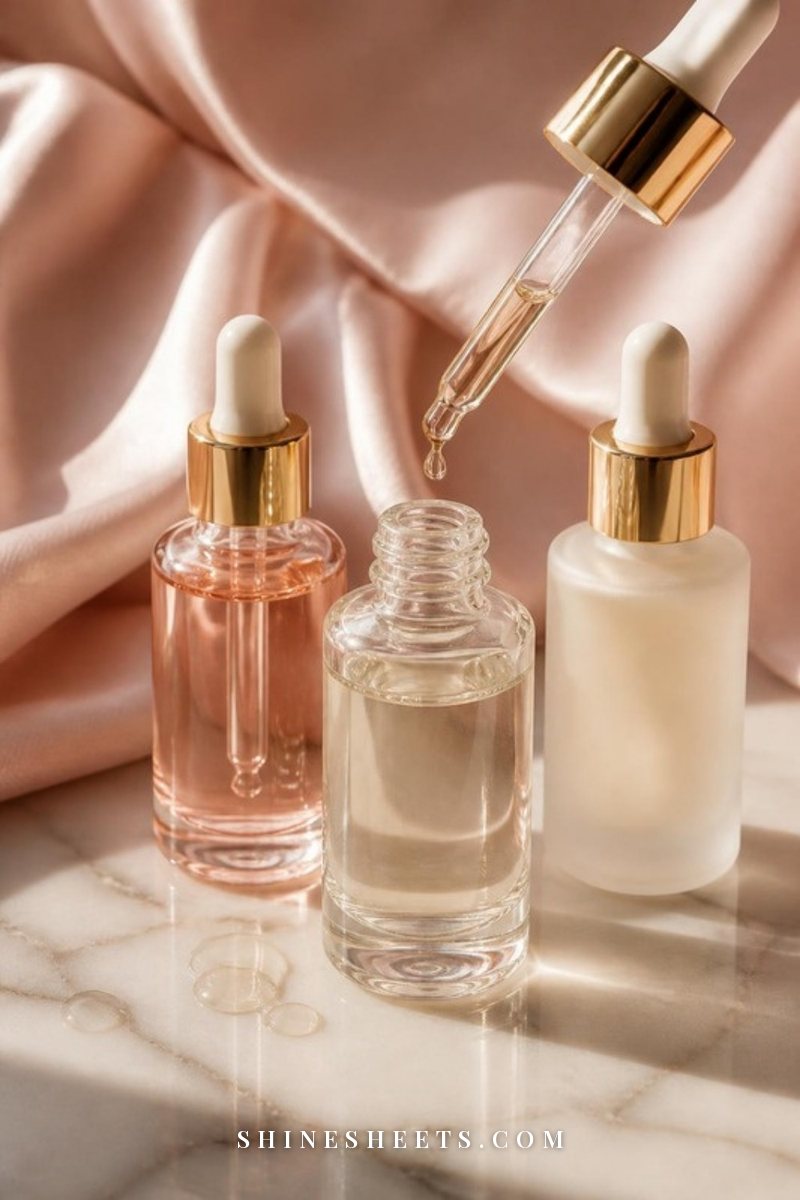
You don't need every trending ingredient. These four cover most 20s concerns, from oil and breakouts to dullness and early texture. Start with one, give it six to eight weeks, then decide whether to add another.
Niacinamide for Oil and Redness
Niacinamide is one of the friendliest ingredients for this decade. It helps balance oil, makes pores look smaller, calms redness and supports your barrier. A niacinamide serum at around 5% is plenty for most people; higher isn't always better, and some sensitive skin types do best closer to 2–5%. Use it in the morning, evening or both. My full guide to niacinamide covers how to pair it with everything else.
Vitamin C for Brightness
Vitamin C helps with dullness and the dark marks breakouts leave behind, and it gives your sunscreen a little backup against daily environmental stress. Apply it in the morning before moisturizer. If pure vitamin C stings, look for gentler derivatives, which are usually labeled as being for sensitive skin. Store it away from light and heat, and if it turns dark orange or brown, it's time for a new bottle.
Gentle BHA for Clogged Pores
Salicylic acid (BHA) is oil-soluble, which means it can get inside pores and loosen the gunk that turns into blackheads and breakouts. A salicylic acid serum at 0.5–2% used two or three evenings a week is a lovely starting point. Apply it to clean, dry skin, wait a minute, then moisturize. If you're confused about which acid to choose, my AHA vs BHA guide makes the choice simple.
Retinol, Later and Slowly
Retinol is a wonderful long-term ingredient for texture, breakouts and, eventually, fine lines. But you don't need to rush it. Many people start in their mid-to-late 20s, once their basic routine feels steady.
When you do start, choose a low strength (around 0.1–0.3%), use a pea-sized amount for your whole face, and apply it only two nights a week for the first month. Increase to every other night if your skin is comfortable. Expect a little dryness at first. Avoid using it on the same night as your BHA, and always wear sunscreen the next morning. If you're pregnant, trying to conceive or breastfeeding, skip retinoids and ask your doctor what's safe for you.
Acne and Texture Tips
Breakouts in your 20s often look different from teenage acne. They tend to show up around the jaw, chin and mouth, and they can feel deeper and more stubborn. These seven tips help without irritating your skin:
- Don't pick. Picking pushes inflammation deeper and is the main reason pimples leave dark marks. Cover a spot with a hydrocolloid patch instead, so your fingers can't reach it.
- Change your pillowcase twice a week. It collects oil, hair products and skin cells. Keeping a few spares in the drawer makes it effortless.
- Clean your phone screen with an alcohol wipe a couple of times a week, especially if you get breakouts on one cheek.
- Check your hair products. Oils, heavy conditioners and dry shampoo can trigger breakouts along your hairline and forehead.
- Moisturize anyway. Drying out acne makes skin produce more oil. A lightweight gel moisturizer that's oil-free gives water without heaviness.
- Be patient with every new treatment. Skin needs about six to eight weeks to show what a product can do. Switching every week keeps you stuck at the start.
- Treat texture gently. Small bumps and rough patches usually respond to consistent BHA use and good hydration, not to harder scrubbing.
For a deeper look at calming breakouts day to day, my guide on how to get clear skin has fifteen gentle habits that fit right into this routine.
How Hormones, Stress and Sleep Show Up on Your Skin
Your skin isn't just reacting to what you put on it. Hormones, stress and sleep play a much bigger role than most of us would like.
Hormones. Many people notice breakouts in the week before their period, usually along the chin and jaw. Tracking your cycle for two or three months can show you a pattern, so you can switch to your gentlest routine and keep your BHA nights going during that week instead of panicking and adding five new products.
Stress. Stress hormones can increase oil production and slow healing. I'm prone to anxiety, and I've noticed my skin is often the first place it shows. A few slow minutes in the evening, whether that's a warm cup of tea, a glass candle and a journal or a short walk, won't fix a breakout overnight, but it does help the whole picture.
Sleep. Your skin does a lot of its repair work while you sleep. Short nights often show up as dullness, puffiness and slower healing. Aim for a consistent bedtime more than a perfect number of hours, and try to wash your face early in the evening so you're not skipping it when you're tired.
Water, regular meals and moving your body help too. None of it is a magic switch, but together they give your routine a much better chance to work.
Skincare on a Budget
Good skin in your 20s doesn't require expensive products. Most of the ingredients that actually work, like niacinamide, salicylic acid and good sunscreen filters, are available at drugstore prices. Here's how I'd split a small budget:
- Spend a little more on sunscreen. It's the product you use the most, and a texture you love means you'll actually wear it.
- Save on cleanser. It's on your face for less than a minute. A simple, gentle drugstore option is perfect.
- Choose one serum, not three. Pick the one that targets your biggest concern.
- Keep your moisturizer basic. Fragrance-free and suited to your skin type is all it needs to be.
- Finish before you replace. Using a product up before opening the next one keeps your shelf, and your skin, calmer.
A whole routine built this way usually costs less than one luxury cream, and it often works better.
What You Don't Need Yet
It's easy to feel like you're behind when your feed is full of complex routines. You're not. Here's what you can happily skip for now:
- Heavy anti-aging creams. Rich, expensive night creams are usually too heavy for younger skin and can clog pores. Sunscreen is your real anti-aging step.
- Ten-step routines. More steps mean more chances for irritation and more money spent.
- Strong peels at home. High-percentage acid peels can easily damage your barrier. Leave them for a professional, if you want them at all.
- Harsh scrubs. Rough particles can cause tiny tears and redness. Chemical exfoliants are gentler.
- Every new viral product. If it doesn't solve a problem you actually have, it's a pass.
When your skin's needs change, your routine can change with it. My guide to skincare in your 30s shows how gently the next steps build on what you're doing now.
When To See a Dermatologist
Most skin concerns in this decade can be handled with a simple routine, but some deserve professional help. Book an appointment if you notice any of these:
- Acne that hasn't improved after three months of a consistent routine.
- Deep, painful breakouts under the skin (cysts or nodules).
- Breakouts that leave scars or pitted marks.
- Sudden, severe breakouts that appear alongside other changes, like irregular periods or unusual hair growth.
- Persistent redness, flushing, itching or rashes that don't settle.
- A mole that changes in size, shape or color, bleeds or looks different from your others.
A dermatologist can offer treatments that aren't available over the counter, and getting help early with scarring acne makes a real difference. Asking for help isn't a failure of your routine. It's part of taking care of yourself.
Final Thoughts
Skincare in your 20s is less about perfection and more about kindness and consistency. Sunscreen every morning, a gentle cleanse every night, one treatment that suits your skin and a moisturizer you enjoy using will carry you a very long way.
Start small, be patient with your skin on the hard weeks, and let these little habits become part of your days. Your future self will be grateful for every quiet minute you give your skin now.