The best skills to learn in your free time are rarely the most impressive ones. They're the ones that make ordinary life a little easier, a little calmer or a little more yours: sewing on a button in two minutes, speaking up in a meeting without your voice shaking, painting something just for the joy of it.
You also don't need a free month or an expensive course to start. Twenty minutes a day, done often enough, quietly adds up to real ability. This guide gathers skills to learn in your free time: 40 useful ideas in six groups, a "pick your skill" table to help you choose, a simple way to learn in 20 minutes a day, free and cheap places to learn, a 30-day plan and what to do if you lose interest halfway.
Read through the list with a pen nearby and mark the two or three that make you feel a small spark. That spark is the best place to begin.
Why Learning a New Skill Is Worth Your Free Time
Learning something new does more than add a line to your list of abilities. It changes how your free time feels. Instead of evenings that blur together, you get small, visible progress, and that feeling of "I couldn't do this a month ago" is one of the most satisfying ones there is.
A few quiet benefits:
- More confidence in everyday life. Fixing a wobbly chair or handling a tricky phone call yourself feels good in a very grounded way.
- A break from screens. Many of these skills use your hands, your voice or your body.
- A calmer mind. Focused practice is a gentle way to step out of worry for a while. As someone prone to anxiety, I find that busy hands quiet a busy head.
- New people. Classes, clubs and online groups make it easier to meet others with the same interest.
- Money saved. Mending, simple repairs and budgeting pay you back again and again.
If you're still figuring out what lights you up, my guide on how to find your passion pairs nicely with this list.
How To Choose a Skill That Fits Your Life
The right skill for you right now depends less on what sounds impressive and more on three honest questions.
- Energy: When is your free time? If it's late evening when you're tired, pick something soothing and low-stakes (embroidery, a language app, stretching). If you have a fresh Saturday morning, you can handle something more demanding (a coding course, a repair project).
- Budget: Some skills cost almost nothing (active listening, budgeting, breathing techniques). Others need a starter kit. Start with what you can afford without stress; you can always add tools later.
- Time: Some skills reach a "basic, useful" level in a weekend. Others, like a language, take months. Mix one quick win with one longer project so you feel progress early.
And one more question that matters most: would you enjoy the practice itself, not only the result? You'll stick with a skill you like doing on an ordinary Tuesday.
Pick Your Skill: A Quick Comparison Table
Here's a quick look at some popular picks from the list below, so you can compare them at a glance. Times are rough estimates for a "basic, useful" level with about 20 minutes a day.
| Skill | Time to basic level | Cost | Why it's worth it |
|---|---|---|---|
| Basic sewing and mending | 1–2 weeks | Low | Saves clothes and money for years |
| Embroidery | 2–3 weeks | Low | Calming, portable, makes lovely gifts |
| Watercolor painting | 3–4 weeks | Low to medium | A relaxing creative outlet with no "right" result |
| Budgeting | 1–2 weeks | Free | Less money stress, clearer choices |
| Spreadsheet basics | 2 weeks | Free | Useful at work and at home |
| Active listening | Ongoing, noticeable in 2–3 weeks | Free | Better relationships everywhere |
| Public speaking | 1–2 months | Free to low | Confidence in meetings and big moments |
| Basic first aid and CPR | One course day | Low | You'll know what to do in an emergency |
| Touch typing | 3–4 weeks | Free | Saves time every single day |
| A new language | 3–6 months for simple conversations | Free to medium | Travel, connection, a sharper mind |
40 Skills To Learn in Your Free Time
Here's the full list, grouped so you can find your mood quickly. Each one comes with a simple way to start.
7 Practical Home Skills
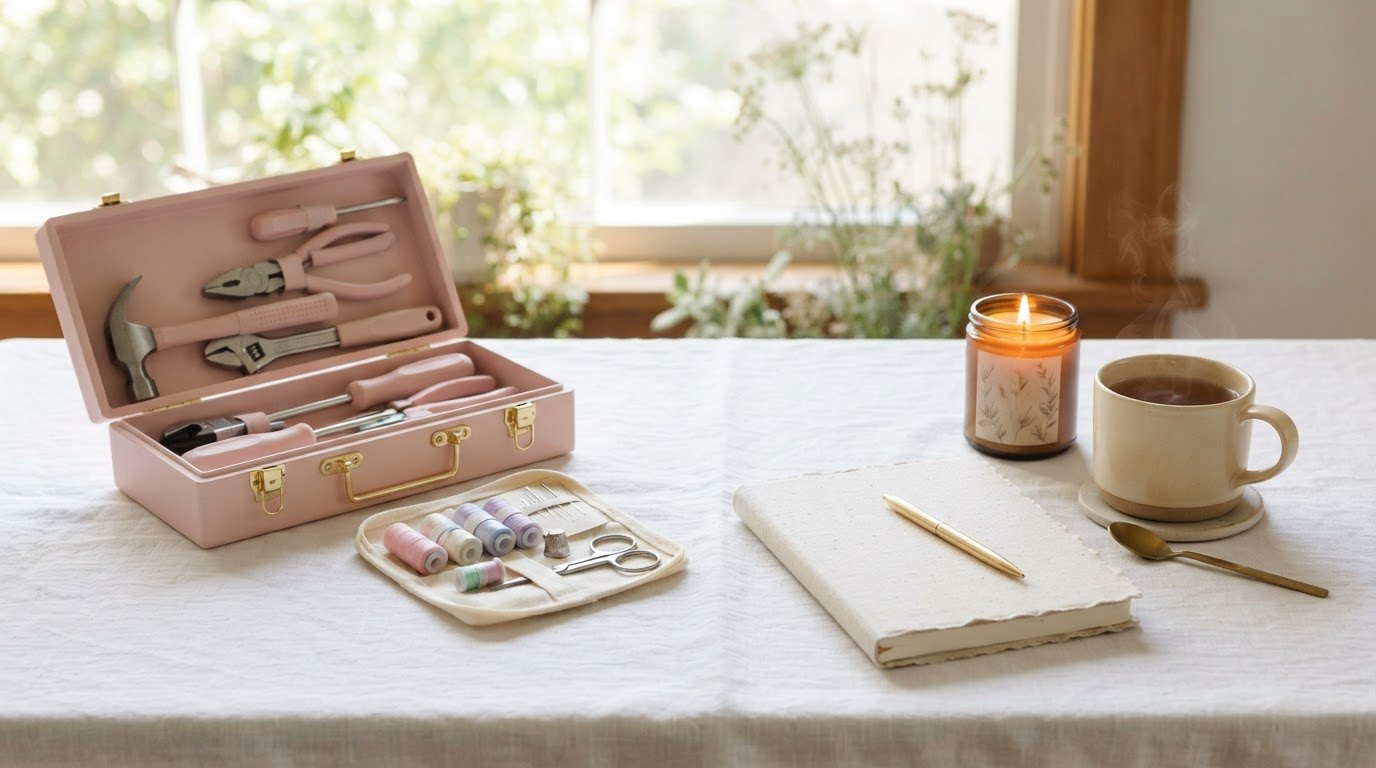
- Basic sewing and mending. Start with sewing on a button, then a simple hem and fixing a split seam. A small sewing kit and a few online tutorials are all you need.
- Simple home repairs. Learn to fix a running toilet, tighten a loose cabinet hinge, unclog a sink with a plunger and patch small nail holes. Turn off the water supply before you work on plumbing.
- Using a drill and a level. Hanging shelves and art straight is a skill you'll use in every home you live in. Practice on a scrap piece of wood first.
- Plant care and propagation. Learn your plants' light and water needs, then try growing a new plant from a cutting in a glass of water.
- Organizing a space. Pick one drawer, empty it, sort it, put back only what you use. The method works for whole rooms.
- Garment care. Reading care labels, removing stains, steaming instead of ironing and storing knits properly keeps your favorite pieces looking new.
- Basic car care. Checking tire pressure, topping up washer fluid and knowing where your spare tire and jack are. Your car manual shows each step.
Many of these overlap with my list of life skills every woman should know, which is a good place to look if you want more practical ideas.
7 Creative Skills
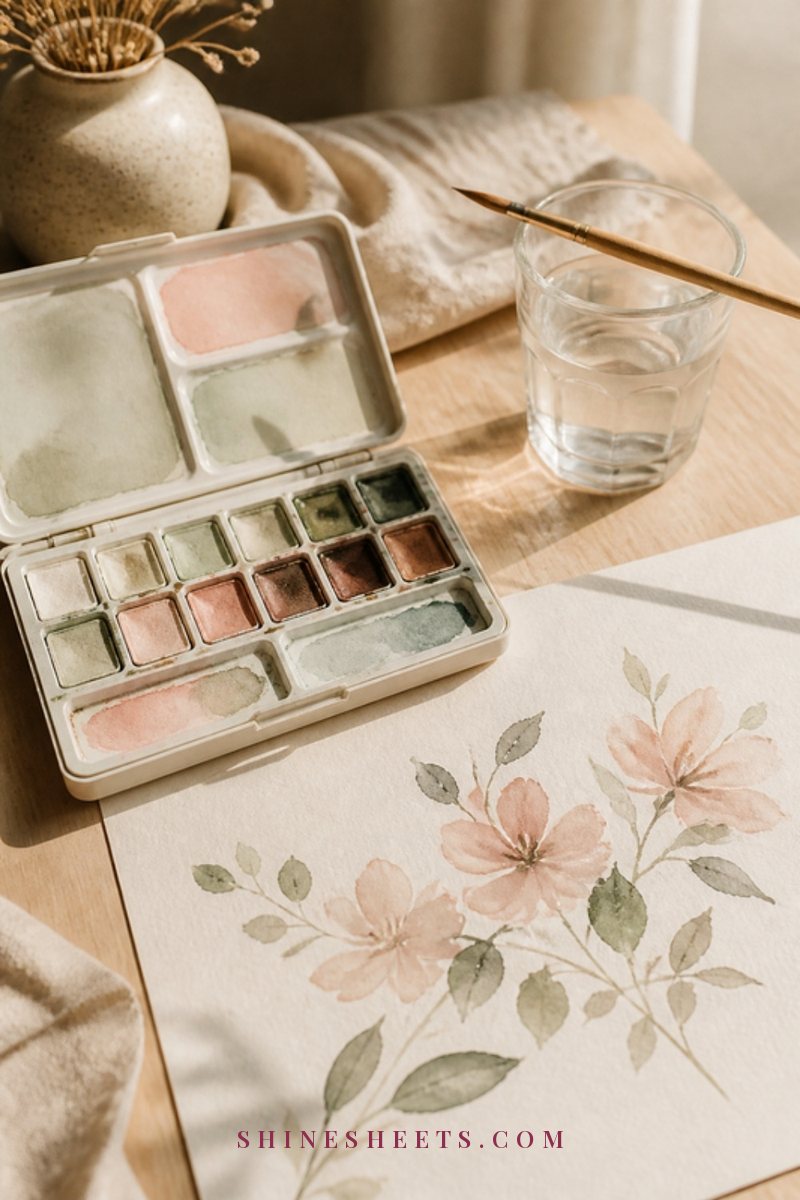
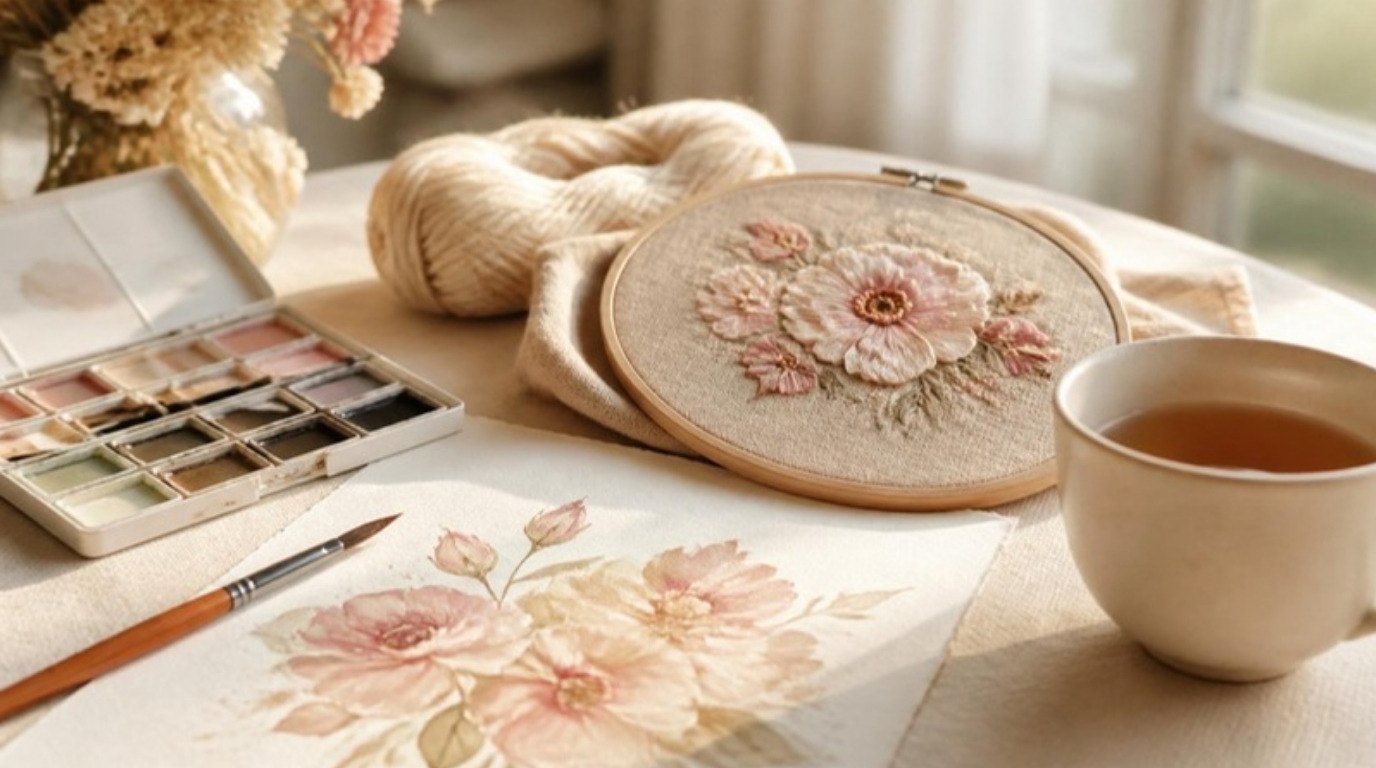
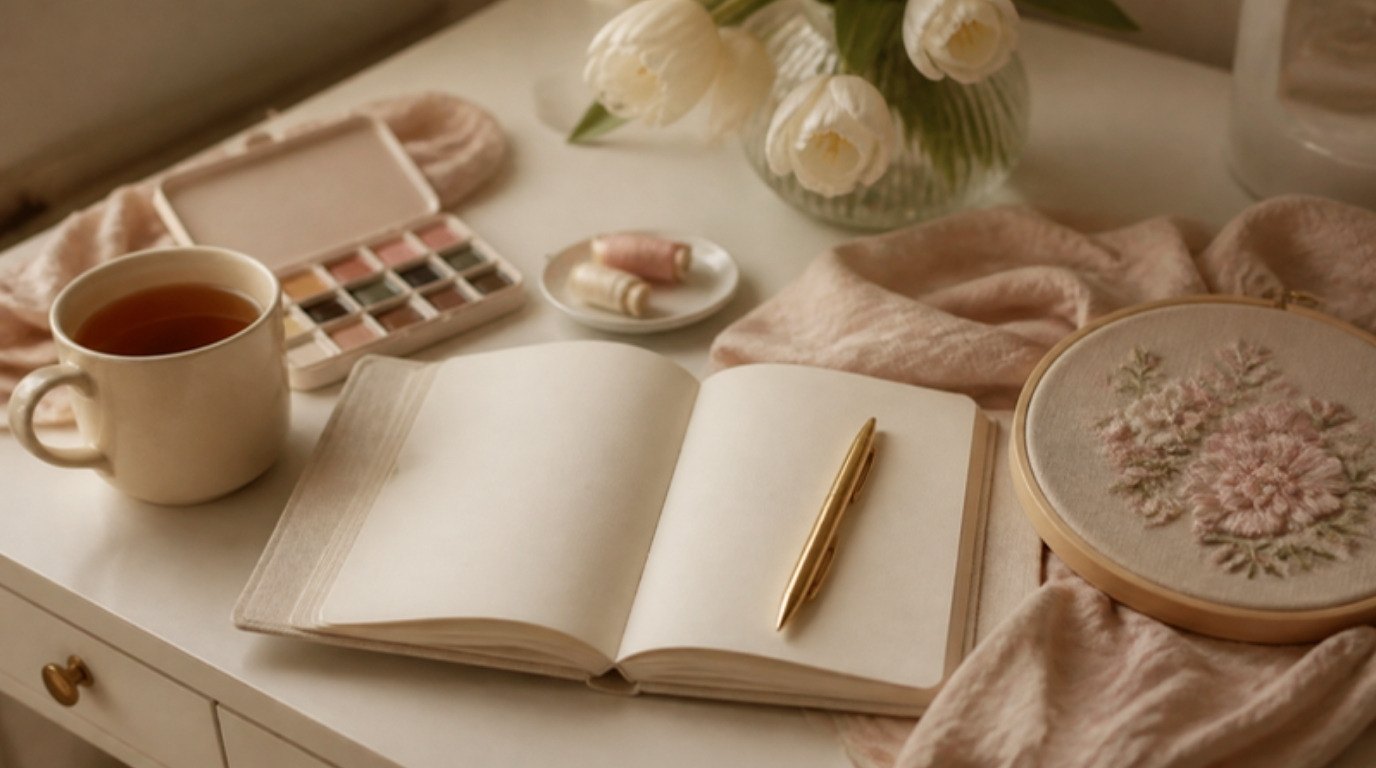
- Embroidery. A beginner embroidery kit with a printed pattern, hoop and threads makes it easy to start. Learn three stitches (backstitch, satin stitch, French knot) and you can do most simple designs.
- Watercolor painting. A small watercolor paint set, two brushes and thick paper are enough. Start with color swatches and simple washes before you try anything detailed.
- Knitting or crochet. Begin with a simple scarf or a square in a soft, light-colored yarn so you can see your stitches.
- Hand lettering. Practice basic strokes with a brush pen for ten minutes a day. It makes cards and journal pages feel special.
- Phone photography. Learn about natural light, simple composition (the rule of thirds) and editing gently. Practice on ordinary moments: your coffee, a window, a walk.
- Flower arranging. Buy one bunch of grocery store flowers, trim the stems at an angle and practice grouping them in different vases.
- Creative writing. Short stories, poems or simple observations. Set a timer for ten minutes and write without editing.
7 Money and Life Admin Skills
- Budgeting. Track one month of spending, then build a simple plan around it. My guide to budgeting for beginners walks you through it step by step.
- Spreadsheet basics. Learn to make a table, sort it and use simple formulas like SUM. It's useful for budgets, trip planning and work.
- Understanding your pay stub and taxes. Learn what each deduction means and which documents you need each year. It takes the panic out of tax season.
- Negotiating. Practice on small things first: asking for a better rate on your phone plan or internet bill, or a discount on a damaged item.
- A simple paperwork system. One folder for "to do," one for "keep," and a clear list of where important documents live.
- Basic investing literacy. You don't need to pick stocks. Learn what an index fund, a retirement account and compound interest are, so you can ask good questions. A financial professional can help with personal decisions.
- Reading contracts and leases. Slow down, highlight dates, fees and cancellation terms, and write down questions before you sign anything.
7 People and Communication Skills
- Active listening. Put your phone down, reflect back what you heard ("So you felt..."), and ask one follow-up question before sharing your own story.
- Small talk. Prepare three easy openers ("How do you know the host?", "What's keeping you busy lately?") and practice with the barista or a coworker.
- Public speaking. Record yourself giving a two-minute talk, watch it once, and improve one thing at a time. Clubs and local groups make it easier to practice.
- Writing clear emails. Put the main point or request in the first two lines, keep paragraphs short, and end with a clear next step.
- Giving and receiving feedback. For giving: be specific and kind. For receiving: say "thank you, let me think about it" before responding.
- Saying no kindly. A short, warm "Thank you for thinking of me, but I can't this time" is a full sentence. Practice it out loud.
- Remembering names. Repeat the name once in conversation, connect it to a detail, and use it again when you say goodbye.
6 Body and Calm Skills
- Breathing techniques. Learn one simple pattern, like breathing in for four counts and out for six, and use it before stressful moments.
- Beginner meditation. Start with three minutes a day, sitting comfortably and gently returning to your breath when your mind wanders.
- A stretching routine. Learn five to eight gentle stretches you can do in ten minutes in the morning or before bed.
- Better posture. Notice how you sit at your desk and hold your phone, and set a reminder to roll your shoulders back every hour.
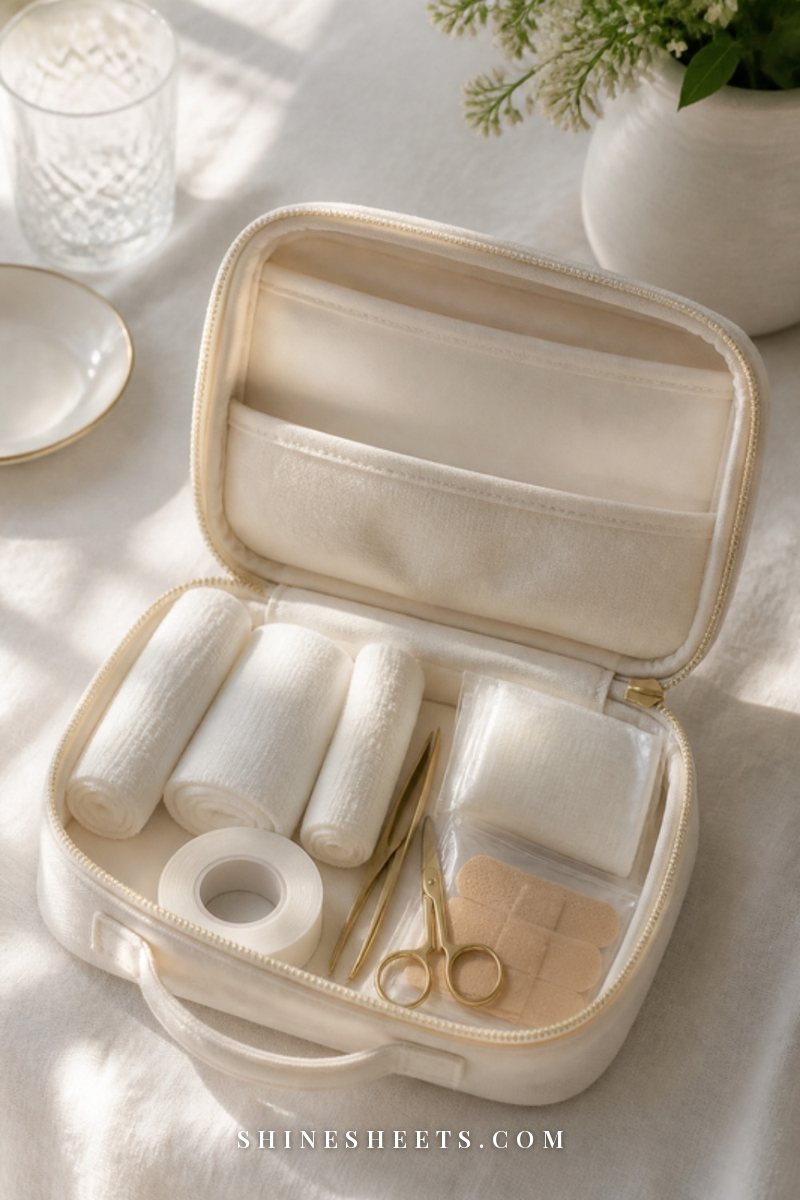
- Basic first aid and CPR. Look for a certified course from a recognized organization, like the Red Cross or a local hospital. One day of training can make a real difference.
- Beginner dance. A local class or a beginner video at home. It's movement, music and joy at once, with no performance pressure.
6 Learning and Career Skills
- A new language. Ten minutes a day with an app, a podcast or a beginner book, plus one short conversation a week once you can manage simple sentences.
- Touch typing. Free typing practice websites help you learn without looking at the keys. Your speed and accuracy will improve within weeks.
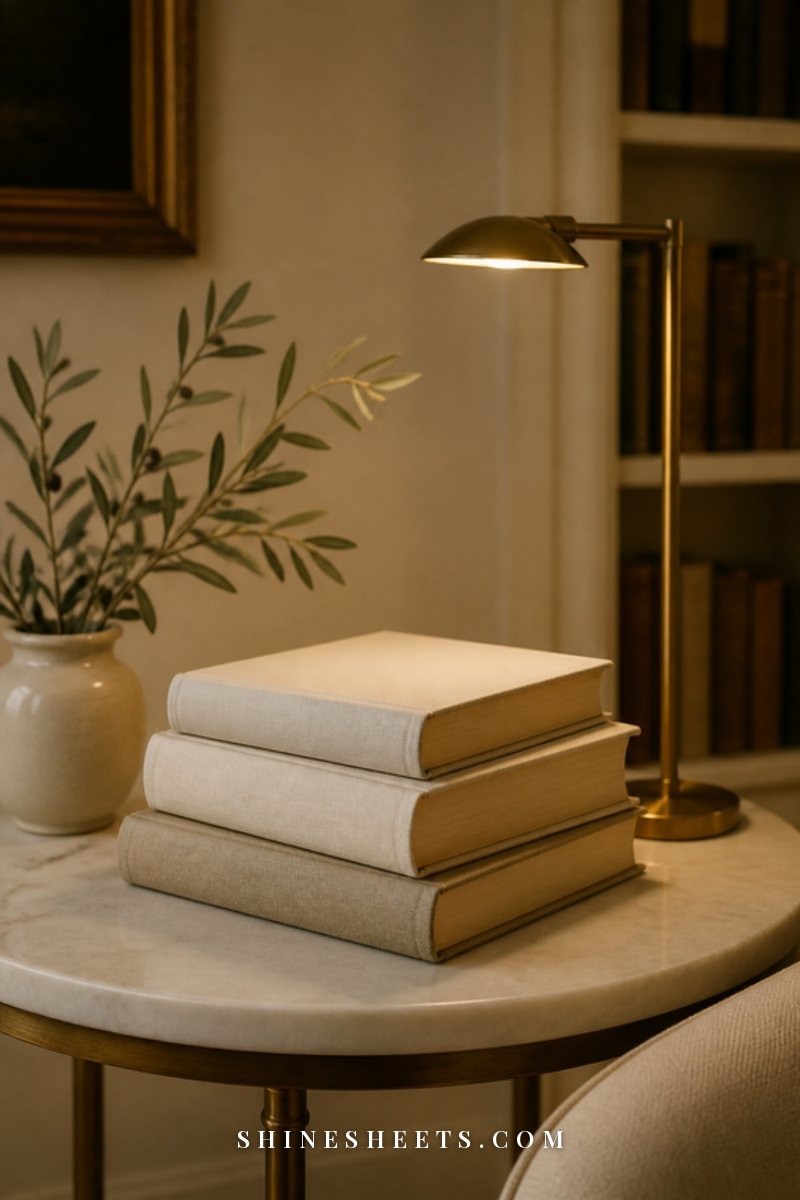
- Note-taking. Learn one simple system, like writing key points on the left and questions on the right, and use it for books, meetings and courses. A soft linen notebook and a gold pen set make it a little more inviting.
- Basic coding. HTML and CSS are a gentle start; you can build a simple personal page in a few weeks with free beginner courses.
- Simple design basics. Learn about fonts, spacing and color in a free design tool, and practice with invitations, social posts or a personal project.
- Planning and time management. Learn to plan your week in one sitting, block time for important tasks and review what worked every Sunday.
If several of these appeal to you because they're quiet and solo, you'll probably also like my list of hobbies for introverts.
How To Learn in 20 Minutes a Day
Twenty minutes is short enough to fit into almost any day and long enough to make real progress. Here's a simple formula for each session:
- 2 minutes: set up. Get your tools out and decide on one tiny goal ("practice backstitch along one line").
- 15 minutes: practice. Focus on the one thing. No switching to a new tutorial halfway through.
- 3 minutes: note it. Write one line about what you did and one question for next time.
Attach the session to something you already do every day. "After my evening tea, I practice for 20 minutes" works far better than "I'll practice when I have time." If that idea appeals to you, my guide to habit stacking explains it in more detail.
Keep your tools visible and ready. A cream desk organizer for pens, brushes and threads makes it easy to start without hunting for things, and a little clip-on reading light lets you practice in the evening without turning on bright overhead lights.
Free and Cheap Ways To Learn
You don't need to spend much to learn well. Some of the best options are free or almost free:
- Your local library. Beyond books, many libraries offer free online courses, language apps, workshops and even tool or craft kit lending. Ask at the desk; it's often more than you expect.
- Online courses. Many universities and learning platforms offer free beginner courses, sometimes with a paid certificate option if you want one.
- Video tutorials. Perfect for hands-on skills like sewing, repairs and painting. Pick one teacher you like and follow their beginner series in order.
- Community classes. Community centers, colleges and craft stores often have low-cost evening or weekend classes.
- Friends and family. Someone you know probably sews, speaks another language or understands spreadsheets. Offer to swap skills.
- Practice groups. Book clubs, language exchanges, speaking clubs and craft circles give you structure and company.
Your 30-Day Learning Plan
Here's a gentle plan for your first month with any skill. It's built around 20 minutes a day, five days a week, with weekends free or for longer sessions if you feel like it.
- Week 1: Explore. Learn the very basics and the right words. Watch or read two beginner lessons, gather your tools and do short, playful practice.
- Week 2: Repeat. Pick one core technique and practice it every session. Repetition is where it starts to feel easier.
- Week 3: Make something small. A finished embroidery hoop, a mended sweater, a one-page budget, a two-minute talk. Finishing something builds confidence.
- Week 4: Stretch and review. Try one slightly harder step, then look back at your notes from week one. Decide if you want to keep going, change direction or try something new.
At the end of 30 days, you'll have a real beginning and a clearer sense of whether this skill belongs in your life.
How To Stay Motivated
Motivation comes and goes, so it helps to make progress easy even on low days:
- Lower the bar on hard days. Five minutes still counts.
- Track your sessions. A simple tick in your notebook each day feels surprisingly rewarding.
- Keep your first attempts. Comparing them with later work is the best proof of progress.
- Learn with someone. A friend, a class or an online group adds accountability and fun.
- Celebrate small milestones. First finished project, first conversation, first fixed thing: mark it with a little treat.
- Stay curious, not perfect. Beginner work is supposed to look like beginner work.
What To Do When You Quit
At some point, you might stop. Life gets busy, the skill loses its shine, or you realize you don't actually enjoy it. That's not a failure. It's information.
Ask yourself gently: did I stop because I didn't like the practice, or because life got in the way? If it's the first, let it go without guilt and try something else from the list. You learned something about yourself, and that's worth it. If it's the second, start again with just five minutes a day and the easiest version of the skill.
Keep your tools in one box or basket, so restarting is easy. Many people come back to a skill months or years later and find it's still there, waiting for them.
Final Thoughts
You don't need to become an expert at anything to enjoy learning. A few minutes a day, one small skill at a time, slowly builds a life that feels more capable, more creative and more your own.
Choose one skill from this list today, give it 20 minutes, and let that be enough for now. The rest will come.