Your strengths are usually hiding in plain sight, in the things you do so naturally that you assume everyone can do them. The friend who always knows what to say, the one who can walk into a messy room and see exactly where everything should go, the person who notices when someone's gone quiet: none of them think of those things as special. That's exactly why they're so easy to miss.
Knowing your strengths isn't about building a shiny personal brand. It's about spending more of your days doing what drains you less and gives you more, and being kinder to yourself about the things that will always take extra effort.
This guide to how to find your strengths covers the difference between strengths, skills and interests, why we overlook our own, eight practical ways to uncover them, 40 example strengths to help you name yours, and a "strength, daily use, watch-out" table so you can actually put them to work at home, at work and in your relationships.
Strengths vs Skills vs Interests
These three words get mixed up all the time, and untangling them makes the whole search easier.
- A strength is a natural way of thinking, feeling or acting that comes easily to you and leaves you feeling more like yourself. Patience, curiosity, warmth and calm under pressure are strengths.
- A skill is something you learned, like budgeting, speaking French or making spreadsheets. Skills can be taught to almost anyone with enough practice.
- An interest is something you enjoy or are drawn to, like interior design, books or travel. Interests tell you where you like to spend your attention.
The magic happens where they overlap. Someone with the strength of organization, the skill of budgeting and an interest in home life might love planning household systems. Someone with the strength of empathy, the skill of writing and an interest in wellbeing might be the friend who writes the perfect card every single time.
A simple test: a skill can be impressive and still drain you. A strength tends to energize you, even when it's hard work. If you're good at something but dread it, it might be a skill rather than a strength, and that's useful information too.
Why We Overlook Our Own Strengths
If you've ever stared at a "list your strengths" question and gone completely blank, you're far from alone. There are a few reasons this happens:
- They feel too easy to count. We tend to value what we had to struggle for, so what comes naturally feels like "nothing special."
- We were praised for different things. Many of us learned to value grades, politeness or being "easy," and quieter strengths like intuition or steadiness never got named.
- We compare the wrong way. We compare our everyday insides to other people's highlight reels and conclude we're average at everything.
- Modesty runs deep. For a lot of women, naming a strength out loud feels like bragging. It isn't. It's simply accurate.
- Our strengths were sometimes criticized. "Too sensitive," "too intense," "too talkative." Often those labels point straight at a strength that was just being overused or misunderstood.
It took me a long time to accept that my tendency to notice small shifts in a room (the anxious part of me that's always scanning) is also a genuine strength: I'm often the first to notice when someone needs a quiet word or a glass of water. The same trait can feel like a burden and a gift, depending on how you use it.
8 Ways To Find Your Strengths
You don't need an expensive test to start. These eight methods work best when you try two or three over a couple of weeks and look for the patterns that keep showing up. Keep a cream linen journal nearby so all your notes live in one place.
1. Do a One-Week Energy Audit
For seven days, jot down two lists at the end of each day: what gave you energy and what drained you. Be specific. Not "work," but "helping a coworker sort out her presentation" or "the hour I spent answering emails."
At the end of the week, circle anything that showed up on the energy list more than once. Those moments are rarely random. They often point to strengths like teaching, problem-solving, creating or connecting. Five minutes a night is enough.
2. Ask Five People One Question
Choose five people who know you in different settings, like a friend, a family member, a coworker, an old classmate and someone you see casually. Send them one simple message:
"I'm doing a little self-reflection project. What's one thing you think I'm naturally good at, or something you'd come to me for?"
Write down their answers word for word, without arguing with them in your head. You'll often see the same strength described in five different ways, and it's usually one you'd never have listed yourself.
3. Look for Childhood Clues
Think back to roughly ages 7 to 12, before you worried much about what was "useful." What could you do for hours? Did you organize your toys into perfect categories, invent stories, look after younger kids, build things, argue for fairness on the playground?
Childhood play is often your strengths in their purest form. The girl who organized her stickers by color might be the woman who loves bringing order to chaos. Write down three things you loved and the strength underneath each one.
4. Notice the Compliments You Dismiss
Pay attention for two weeks to every compliment you wave away with "oh, it was nothing" or "anyone could do that." Those are often the most accurate clues of all, because you brush them off precisely when the thing came easily.
Keep a running note on your phone or stick a few pastel sticky notes inside your journal and write each one down. Next to it, write the strength it points to. "You always make everyone feel included" might be warmth or inclusiveness. "You explained that so clearly" might be communication.
5. Write Down What Feels Easy to You
Finish this sentence ten times without stopping to judge: "I don't understand why people find it hard to..."
Maybe it's keeping plants alive, remembering birthdays, staying calm in an emergency, making small talk or reading the instructions. Whatever you can't understand other people struggling with is very often a strength of yours.
6. Map Your Peak Moments
Write down three to five moments in your life when you felt most alive, proud or "in your element." They don't have to be big achievements. A dinner you hosted, a hard conversation you handled well, a project you finished on a quiet weekend.
For each moment, ask yourself: what was I actually doing? Leading, comforting, creating, analyzing, persevering? Peak moments usually share two or three strengths in common, and that overlap is your sweet spot.
7. Answer a Few Honest Reflection Questions
Set aside 20 minutes with a cup of tea and answer these in writing:
- What do people ask me for help with most often?
- What do I do when I'm procrastinating that still feels productive?
- What kind of problems do I enjoy solving?
- When have I surprised myself in a good way?
- What would my closest friend say I bring to a room?
If you'd like more prompts in the same spirit, my list of self-reflection questions goes deeper.
8. Journal for Patterns, Not Perfection
Once you've tried a few of these methods, read through everything you've written in one sitting. Use a gold gel pen or any colored pen to underline words that repeat. You're not looking for one perfect answer, you're looking for themes.
Most people end up with three to five core strengths that show up again and again. Write them on a fresh page in big letters. That page is the start of your strength map. If you want help understanding why you react and choose the way you do, my guide on how to be more self-aware pairs beautifully with this step.
40 Examples of Strengths
Sometimes you recognize a strength the moment you see its name. Read through these slowly and mark any that make you think "oh, that's me." Aim for five to eight. I've grouped them so you can see which areas you naturally lean toward.
Heart Strengths
- Empathy: you can feel what someone else is going through.
- Kindness: you naturally look for ways to make life easier for others.
- Patience: you can wait, explain again or sit with slow progress.
- Forgiveness: you can let go of hurts without carrying them for years.
- Gratitude: you notice and appreciate the good things.
- Warmth: people feel welcome and at ease around you.
- Loyalty: you stand by the people and causes you love.
- Gentleness: you can deliver hard truths softly.
Mind Strengths
- Curiosity: you love to ask why and learn how things work.
- Analytical thinking: you break problems into clear parts.
- Creativity: you see new ideas and possibilities easily.
- Love of learning: you're happiest when you're growing.
- Good judgment: you weigh options fairly before deciding.
- Perspective: you can see the bigger picture when others can't.
- Attention to detail: you catch what everyone else misses.
- Strategic thinking: you can plan several steps ahead.
Doing Strengths
- Organization: you bring order to spaces, plans and people.
- Reliability: when you say you'll do it, it gets done.
- Perseverance: you keep going after the excitement fades.
- Resourcefulness: you make a lot out of a little.
- Decisiveness: you can choose and move forward.
- Focus: you can go deep on one thing for a long time.
- Adaptability: you adjust quickly when plans change.
- Initiative: you start things without waiting to be asked.
People Strengths
- Listening: people feel truly heard when they talk to you.
- Communication: you explain things clearly and simply.
- Encouragement: you help others believe in themselves.
- Leadership: people naturally look to you for direction.
- Connecting: you love introducing people who should know each other.
- Hosting: you make gatherings feel easy and warm.
- Teaching: you enjoy helping others learn something new.
- Diplomacy: you can calm tension and find common ground.
Inner Strengths
- Calm under pressure: you stay steady when things get chaotic.
- Honesty: you tell the truth, even when it's uncomfortable.
- Courage: you do things that scare you when they matter.
- Self-discipline: you can choose what's good over what's easy.
- Humor: you find lightness even on heavy days.
- Hope: you believe things can get better, and help others believe it too.
- Appreciation of beauty: you notice light, color, music and small lovely details.
- Integrity: your actions match your values.
If several of your picks feel connected to what you care about most, my core values list can help you see how your strengths and values work together.
Your Strength Map: Daily Use and Watch-Outs
This is the part that turns a nice list into real life. For each strength, there's a simple way to use it on an ordinary day, and a watch-out for when it tips into too much. Screenshot this table or copy your top five into your planner.
| Strength | Use it daily by… | Watch out for… |
|---|---|---|
| Empathy | Checking in on one person with a real question, not "how are you?" | Absorbing everyone's moods until you're drained |
| Organization | Spending 10 minutes resetting one space or planning tomorrow | Needing control when plans change |
| Curiosity | Learning one new thing with your morning coffee | Starting many things and finishing few |
| Reliability | Keeping one small promise to yourself, too | Saying yes to everything because people count on you |
| Creativity | Making something small: a note, a playlist, a styled shelf | Waiting for inspiration instead of starting |
| Listening | Giving one conversation your full attention, phone away | Never sharing your own needs |
| Calm under pressure | Being the steady voice when plans go sideways | Hiding your own stress until it spills over |
| Perseverance | Doing one small step on a long-term goal | Pushing on when it's wiser to rest or quit |
| Honesty | Saying one true thing kindly instead of a polite fib | Bluntness without warmth |
| Appreciation of beauty | Lighting a candle, arranging flowers, noticing the light | Perfectionism about how things look |
Add your own rows for strengths that aren't listed. The watch-out column matters as much as the first two. It's where your growth lives.
Using Your Strengths at Work
You don't need to change jobs to use your strengths more. Small adjustments inside the work you already do make a real difference:
- Volunteer for tasks that fit. If you're a natural organizer, offer to set up the shared folder or plan the team calendar.
- Rewrite your to-do list through your strengths. A curious person can approach a boring report as a research puzzle. A people person can turn it into a quick conversation first.
- Name your strengths in reviews and interviews. "I'm good at keeping projects calm when deadlines move" is far more memorable than "I'm a hard worker."
- Pair up. If details drain you but big-picture thinking lights you up, team up with someone who's the opposite.
- Protect your energy. Schedule draining tasks right after an energizing one, not back to back.
Keeping a small cream weekly planner where you mark one "strength moment" each day is a lovely way to notice how often you already use them. If you'd like to turn this into a bigger growth plan, my guide to creating a personal development plan shows how to build on your strengths step by step.
Using Your Strengths in Relationships
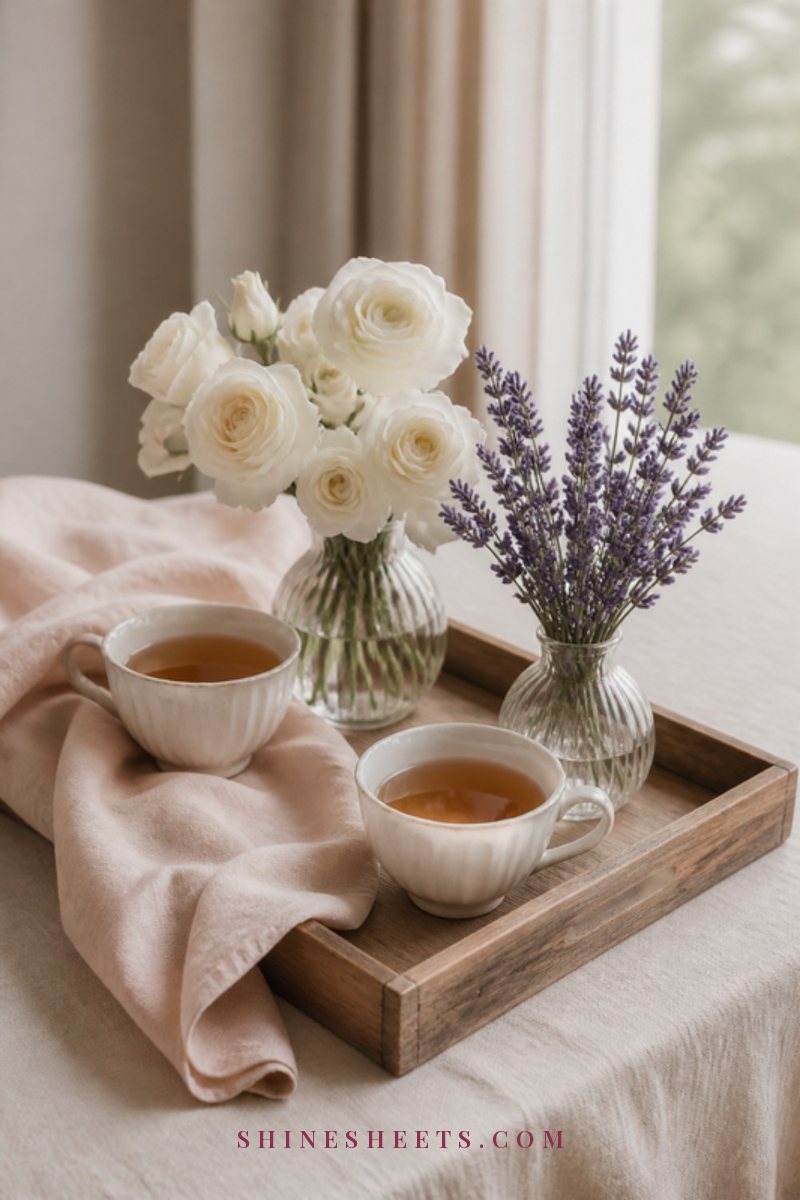
Your strengths shape how you love people. Knowing them helps you give in the ways you're naturally good at, and ask for help where you're not.
- If you're a natural listener, offer your full attention when a friend calls. It's a gift, not a small thing.
- If you're organized, you might be the one who plans the trips. Just make sure it feels shared, not expected.
- If you're warm and encouraging, a short note or text on someone's hard day can mean more than you'll ever know.
- If honesty is your strength, pair it with gentleness so people feel safe, not judged.
It also helps to notice the strengths of the people around you. Telling a friend "you're so good at making people feel welcome" is one of the kindest things you can say, and it often gives them permission to see it too.
Leaning on Your Strengths in Hard Seasons
When life is heavy, it's tempting to focus only on what's going wrong, including what's "wrong" with you. Your strengths can be an anchor during those seasons.
- Ask "which strength can carry me today?" On a hard day, a curious person might research what's happening. A hopeful person might write down three things that could get better.
- Use your strengths for comfort. If you appreciate beauty, a vase of flowers or an evening candle isn't frivolous. It's support.
- Let others use their strengths for you. Your organized friend may genuinely love helping you sort through a pile of paperwork.
- Keep expectations small. Using a strength for five minutes counts.
Reading under a soft clip-on book light in bed, journaling your strength list or rereading kind messages from your "ask five people" step can be surprisingly steadying when your confidence dips.
When a Strength Is Overused
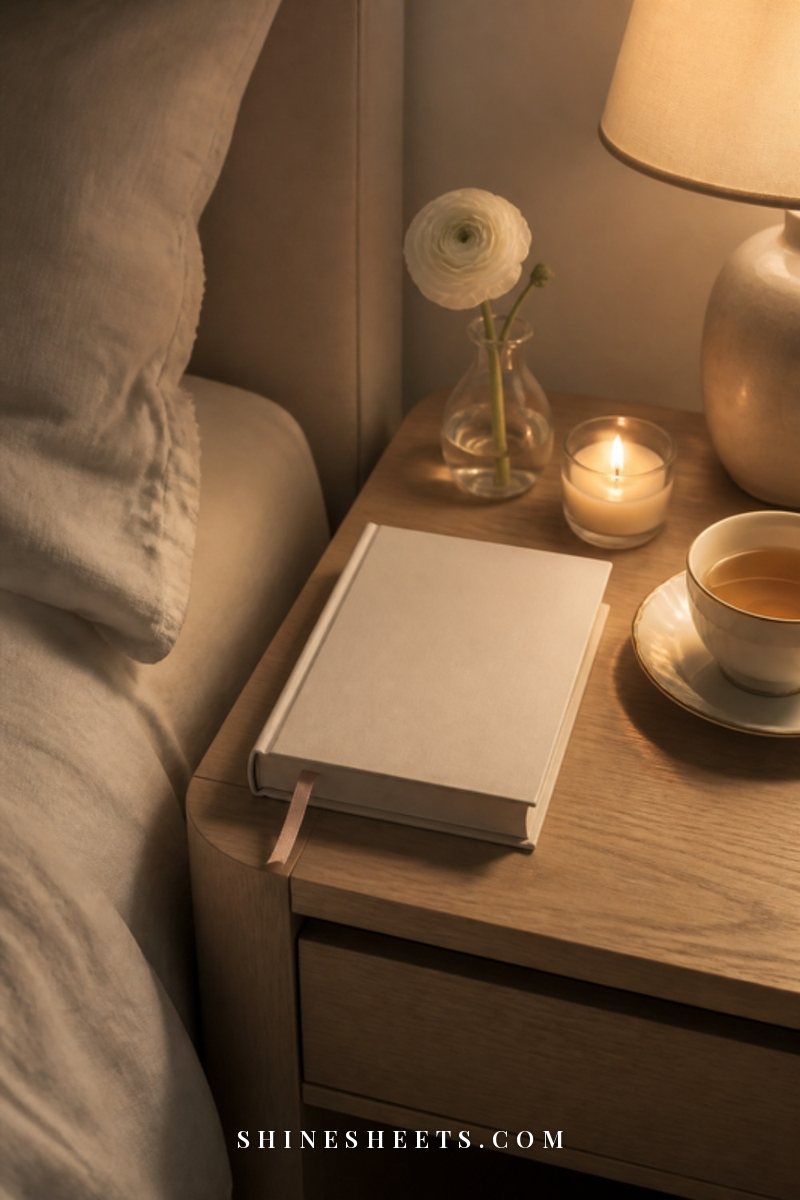
Every strength has a shadow side when it's turned up too high. This isn't a flaw in you. It's a sign the strength needs balance, not removal.
- Empathy overused can become carrying everyone's feelings and forgetting your own.
- Reliability overused can turn into people pleasing and burnout.
- Attention to detail overused can become perfectionism that stops you from finishing.
- Independence overused can mean never asking for help.
- Honesty overused can feel harsh to the people on the other side.
- Perseverance overused can keep you in situations you've outgrown.
When you notice a strength tipping over, don't try to switch it off. Instead, pair it with a balancing strength. Empathy plus boundaries. Detail plus decisiveness. Honesty plus warmth. A quick weekly check-in with yourself ("which strength did I lean on too hard this week?") keeps things balanced.
And if you're still searching for what lights you up beyond your strengths, my guide on how to find your passion is a natural next step.
Final Thoughts
Finding your strengths is less like a discovery and more like a recognition. They've been with you all along, in the things you do without thinking and the compliments you've been brushing aside for years.
Pick two of the methods above, give them a couple of weeks and write down what keeps showing up. Then use one strength on purpose tomorrow, even in a small way. You're allowed to be good at things, and you're allowed to build a life around them.