A hobby doesn't feel special because of what it costs. It feels special because of the little rituals around it: the clean page, the good light, the hour you protect just for yourself. That's great news for your wallet, because most of the loveliest hobbies can be started for less than a nice dinner out.
This guide gathers cheap hobbies that don't feel cheap at all: 30 ideas you can begin for roughly $30 or less (many for nothing), grouped by mood. For each one you'll find a realistic start-up cost, why it feels like a treat and the exact first step to take this week. Then there's a hobby picker table, a simple way to choose and a few honest tricks for actually sticking with it.
I'm a big believer that you don't need a fully stocked craft room to have a rich little life. You need one small thing you look forward to.
What Makes a Cheap Hobby Feel Elegant
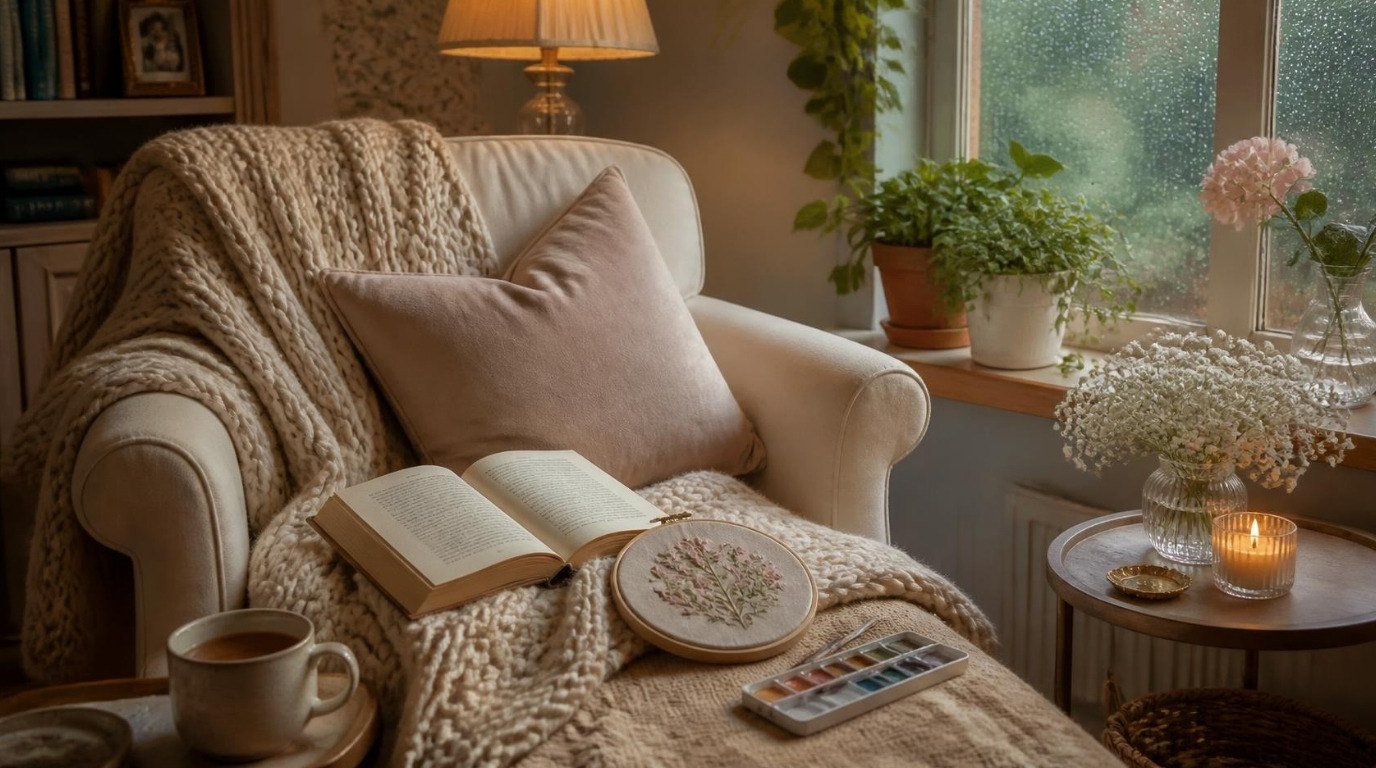
Before the list, a quick secret: the difference between a hobby that feels like a chore and one that feels like a treat is usually presentation, not price. A $9 sketchbook kept in a pretty tray on your nightstand will get used far more than a $90 kit hidden in a closet.
- Give it a home. One basket, box or shelf corner where everything lives, ready to go.
- Pair it with a ritual. Tea, a candle, a playlist, the same chair. Your brain starts to link the ritual with calm.
- Buy one good tool, not ten okay ones. A decent brush or a soft yarn makes beginner results look better, which keeps you going.
- Use the free stuff first. Library cards, YouTube tutorials, community events and what's already in your home cover a surprising amount.
If you want an even longer list to browse, my big list of hobbies for fun, creativity and relaxation has 100 more. The 30 below are the ones that give you the most pleasure per dollar.
Creative Cheap Hobbies (1–6)
These are for the days you want to make something with your hands and have a little proof of your evening afterwards.
1. Watercolor Painting
Start-up cost: $12–$25
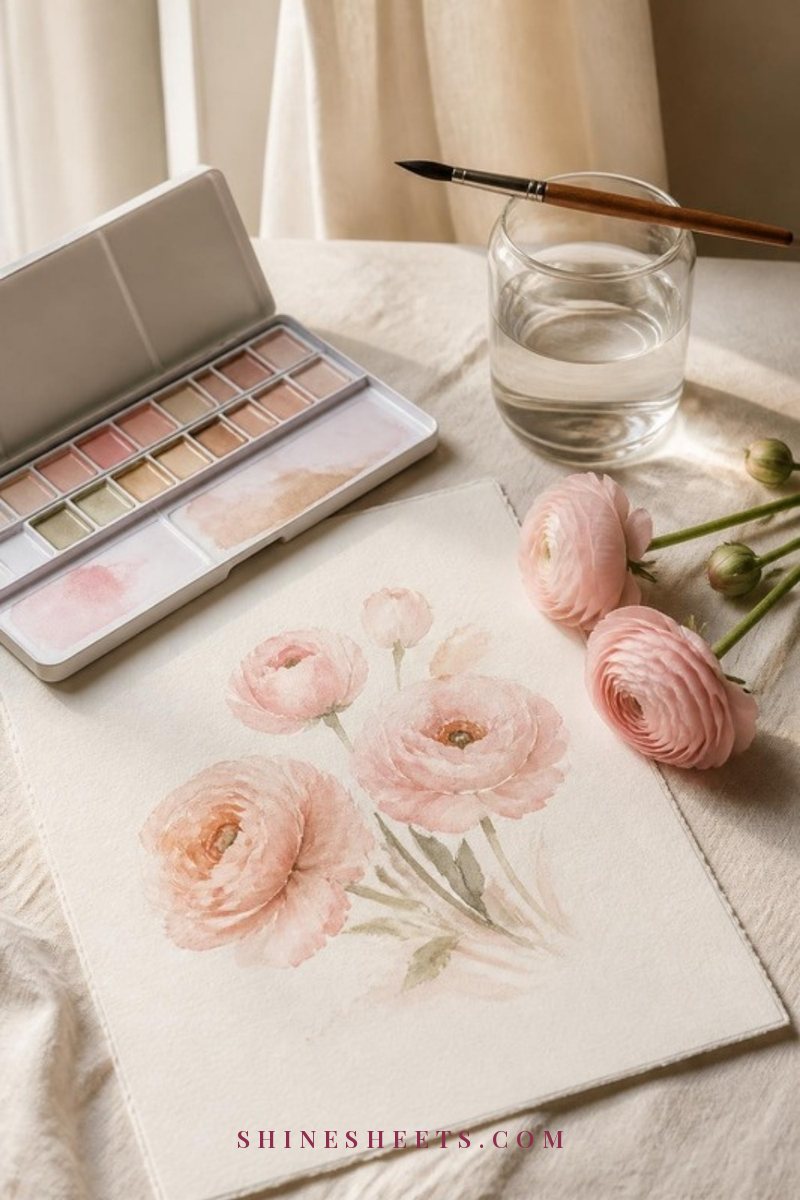
Watercolor is forgiving in a way that feels almost luxurious: the paint does half the work, blooming and blending on its own. A beginner watercolor set with a couple of round brushes and a small pad of cold-press paper is all you need. Loose florals, lemons and little landscapes look charming even when they're imperfect (especially when they're imperfect).
First step: Paint one simple flower five times in one sitting: a circle of petals, a stem, two leaves. By the fifth, you'll see your hand relax.
2. Embroidery
Start-up cost: $10–$20
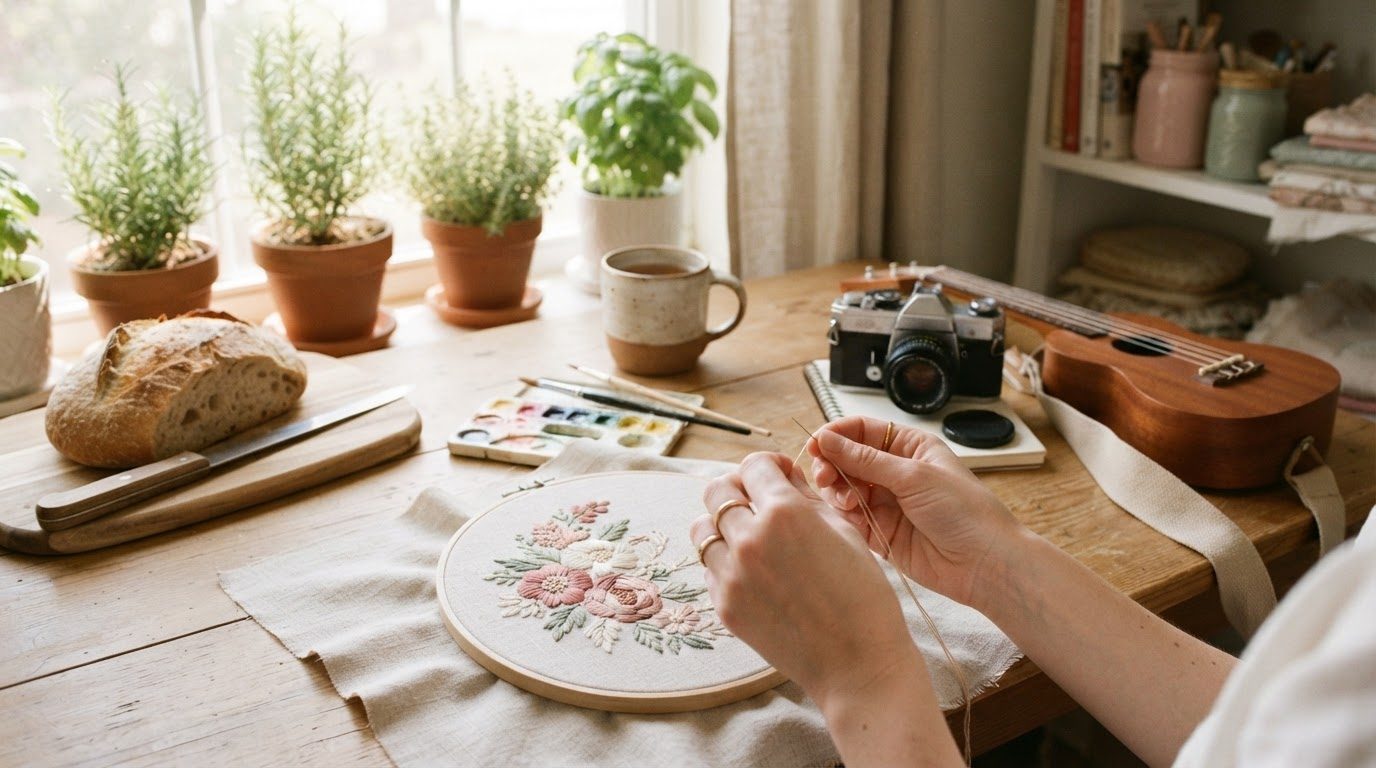
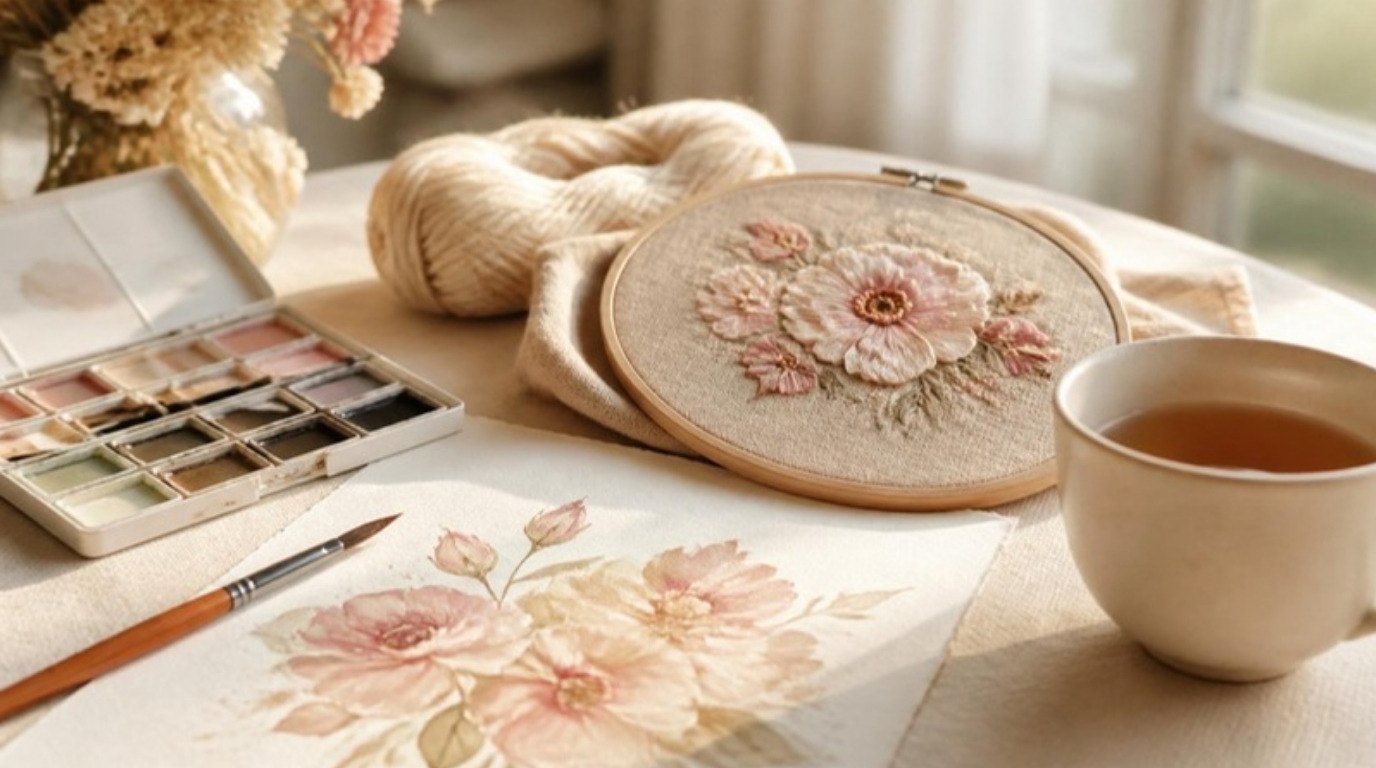
Embroidery is the hobby that makes you feel like a woman in a period drama, in the best way. It's quiet, portable and endlessly giftable. A floral embroidery kit for beginners usually includes a hoop, pre-printed fabric, threads and needles, so you don't have to make a single decision on day one.
First step: Learn just three stitches (backstitch, satin stitch and French knot) from a free video, then stitch for 20 minutes while you listen to something soothing.
3. Calligraphy and Hand Lettering
Start-up cost: $10–$20
There's something very Old Hollywood about beautiful handwriting, like a handwritten note on thick cream stationery. Modern calligraphy is mostly practice with thick downstrokes and thin upstrokes. A set of brush calligraphy pens is the easiest way in, since you skip the ink and nibs entirely.
First step: Practice only the basic strokes (ovals, loops, upstrokes, downstrokes) for 10 minutes a day for one week before you write a single full word.
4. Collage Journaling
Start-up cost: $0–$10
Collage journaling turns magazines, receipts, ticket stubs, pressed petals and wrapping paper into pages that look like a treasured scrapbook. It's a lovely hobby for anyone who feels "not artistic," because you're arranging, not drawing. All you need is an old notebook, scissors and a glue stick. It is one of my favorite ways to be more creative every day, even on busy weeks.
First step: Make one page around a single color you love. Cut anything in that shade from old magazines and arrange it before you glue anything down.
5. Film-Look Phone Photography
Start-up cost: $0
You already own the camera. The hobby is learning to see: soft window light, shadows from blinds, a cup of coffee in morning sun. Shooting with a film-inspired filter and editing gently (warmer tones, slightly lifted shadows, a touch of grain) makes everyday moments look like stills from a beautiful movie.
First step: Pick a weekly theme ("morning light," "something pink," "hands") and take one photo a day around it for seven days.
6. Pressed Flowers
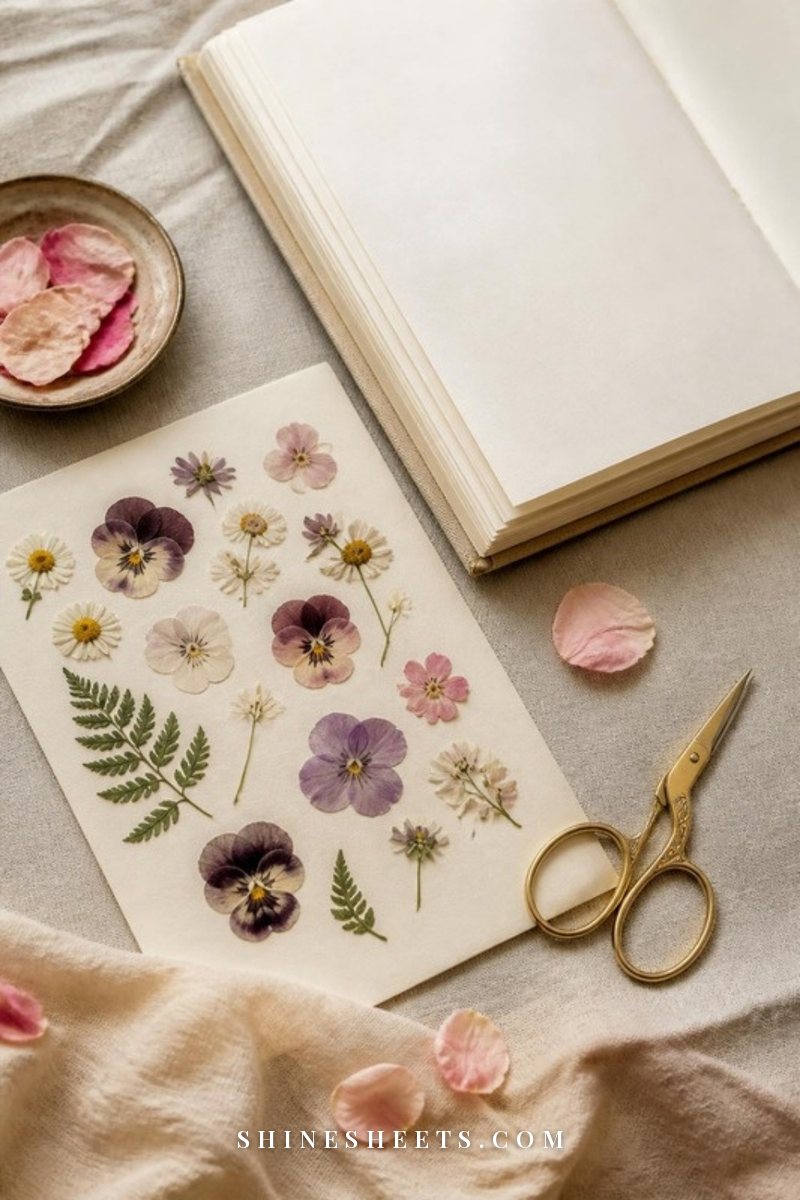
Start-up cost: $0–$8
Pressing flowers feels like the most romantic kind of patience. Pansies, violets, small daisies, ferns and single rose petals press beautifully. Later, frame them or use them in collage pages and cards.
First step: Place blooms between two sheets of plain paper inside your heaviest book, stack more books on top and leave them alone for two to three weeks.
Calm, Quiet Hobbies (7–11)
These are for evenings when your brain is full and you want something soothing that still feels like a small accomplishment. Many of them also overlap with my list of calm hobbies for introverts.
7. Reading With a Library Card
Start-up cost: $0
A library card might be the most underrated luxury there is. Free novels, holds on new releases, audiobooks and often magazines on the library app. Make it feel special with a reading ritual: the same chair, a blanket and your evening tea.
First step: Put three books on hold this week: one you've meant to read for ages, one comfort read and one wild card. If you struggle to finish, these tricks to read more books genuinely help.
8. Jigsaw Puzzles
Start-up cost: $12–$20 (or swap for free)
Puzzles are a beautiful way to quiet a busy mind, because there's always one small, solvable task in front of you. A 1000-piece floral puzzle on a tray by the window looks lovely while it's in progress, and you can swap finished puzzles with friends so each one costs you once.
First step: Sort edge pieces first and work on the border only for your first session. Stopping there is completely allowed.
9. Knitting
Start-up cost: $15–$30
Knitting is rhythmic and calming, and the results (a scarf, a soft headband, a little dishcloth) feel genuinely useful. It does have a small learning curve, so a knitting kit for beginners with chunky yarn and large needles makes the first weeks much easier. Thicker yarn means faster progress, which means you'll stay motivated.
First step: Learn to cast on and do the knit stitch only. Knit a small square, row after row, until it stops feeling awkward. That square is your practice, not your project.
10. Pottery With Air-Dry Clay
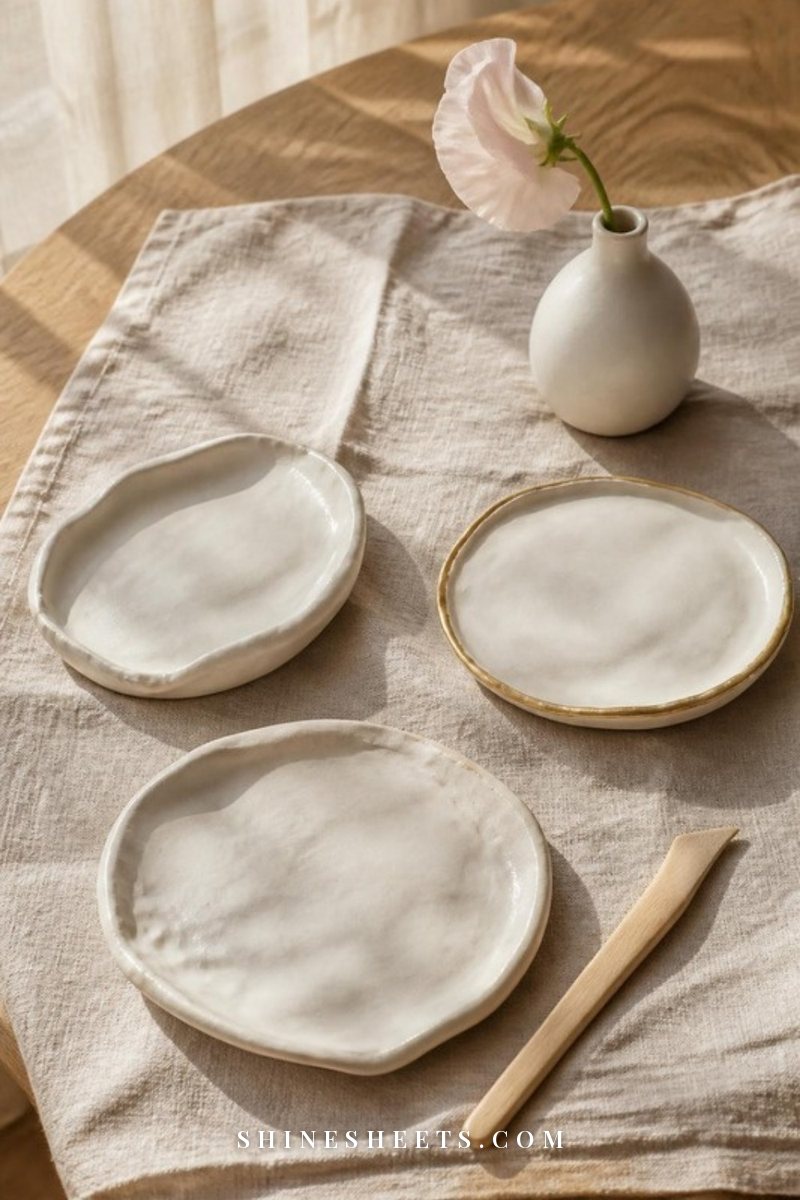
Start-up cost: $8–$15
You don't need a wheel or a kiln to make something sweet in clay. A pack of white air-dry clay becomes trinket dishes, ring holders, tiny bud vases or candle holders on your kitchen table. Paint them cream, blush or with a thin gold rim and they look like something from a boutique.
(One note: air-dry clay isn't food-safe or waterproof, so keep your pieces decorative.)
First step: Roll a small ball of clay, flatten it into a disk about a quarter inch thick, press up the edges gently and let it dry for 24–48 hours. You've made your first trinket dish.
11. Birdwatching From Your Window
Start-up cost: $0–$10
Birdwatching sounds like a hobby for retirees until you try it and realize how calming it is to learn who visits your street. A free bird identification app and a simple feeder or a shallow dish of water is enough to start.
First step: Spend 10 minutes at the same window three mornings this week and note every bird you see in a small notebook, even if it's "brown, small, cute."
Active Hobbies That Cost Almost Nothing (12–16)
Movement as a hobby rather than a workout changes everything. The goal is enjoyment, not burning anything off.
12. Walking Clubs
Start-up cost: $0
Many towns have free walking groups through libraries, parks departments, running stores or community apps. It's exercise, fresh air and gentle social time in one, and nobody expects you to be fast. If there isn't one nearby, a regular Sunday walk with one friend counts as a club of two.
First step: Search your local parks department or library events page for a walking group, or text one friend to start a weekly walk at the same time and place.
13. At-Home Yoga
Start-up cost: $0–$20
Free online yoga classes are endless, and a gentle 20-minute flow in your living room can feel like a spa visit. A basic mat helps, but a rug works on day one.
First step: Choose one beginner class under 20 minutes and do the same video three times this week so the poses start to feel familiar.
14. Dancing in Your Living Room
Start-up cost: $0
Free dance tutorials (ballet barre basics, salsa steps, retro jazz routines) are some of the most joyful things on the internet. Dancing at home with the curtains closed is pure, silly, wonderful freedom, and you get better faster than you'd think.
First step: Pick one short beginner routine and learn only the first 30 seconds tonight. Repeat until you can do it without watching.
15. Cycling
Start-up cost: $0–$30 (if you have a bike or use bike share)
If there's a bike in your garage or a bike-share station nearby, you're set. Slow cycling along a river path or through a pretty neighborhood, with a stop for coffee, feels like a European holiday.
First step: Pump the tires, check the brakes and plan one flat, easy 30-minute loop with a pretty stop halfway.
16. Hiking Local Trails
Start-up cost: $0
You don't need a mountain. Local nature trails, botanical paths and state parks (many with free or low-cost entry) offer quiet, green, phone-free hours. Comfortable sneakers, water and a small snack are enough to begin.
First step: Find one easy trail under three miles near you, go in daylight and tell someone your route and when you expect to be back.
Social Hobbies for Connection (17–21)
These are the hobbies that slowly turn into friendships, which might be the most valuable thing a cheap hobby can give you.
17. Starting a Book Club
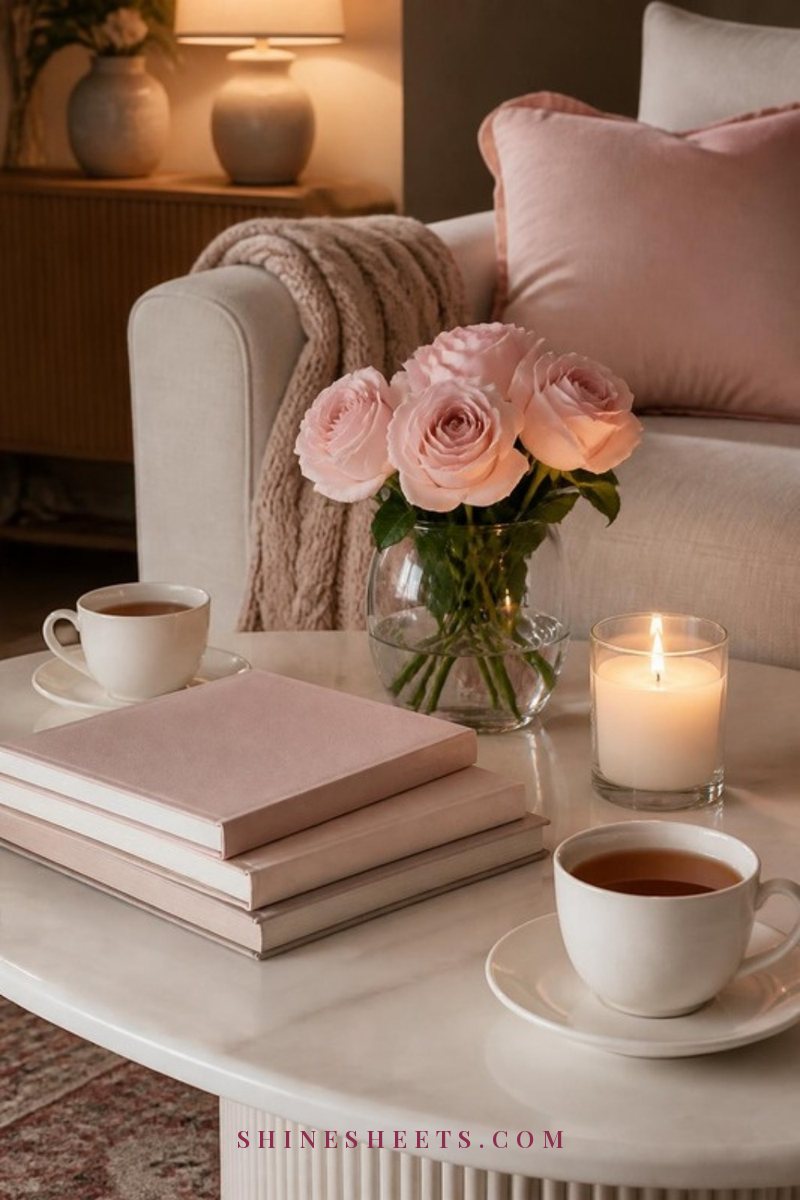
Start-up cost: $0
A book club is reading plus conversation plus an excuse to set a pretty table. Choose library books so it costs nothing, rotate hosts and keep it small (four to six people is ideal). My guide on how to host a book club covers the setup and discussion questions.
First step: Message three friends with one book suggestion and a date four weeks away. Small and specific gets a yes much faster than "we should start a book club someday."
18. Volunteering
Start-up cost: $0
Volunteering at an animal shelter, library, community garden or food bank gives you purpose, routine and new people, all for free.
First step: Pick one cause you care about and sign up for a single shift, not an ongoing commitment. See how it feels before you promise more.
19. Board Game Nights
Start-up cost: $0–$25
A monthly game night with friends is one of the cheapest ways to laugh a lot. Ask everyone to bring a game they already own, or check whether your library or a local café lends games.
First step: Choose a date, ask each guest to bring one game and one snack to share, and keep the first night to two hours.
20. Letter Writing and Pen Pals
Start-up cost: $5–$15
Real mail feels like a gift in a world of notifications. Writing letters to friends, family or a pen pal is slow, thoughtful and lovely. Pretty stationery, a few stamps and a wax seal (optional, but very romantic) make each one feel like an event.
First step: Write one short letter this week to someone you miss. Three paragraphs is plenty: a memory, a little update, a kind wish.
21. Joining a Community Choir
Start-up cost: $0–$20
Many community choirs welcome beginners and don't require auditions or reading music. Singing with a group is surprisingly soothing for your nervous system, and the weekly rehearsal gives you a built-in social circle.
First step: Search for community, church or library choirs near you and ask if you can sit in on one rehearsal before you join.
Learning Hobbies for a Curious Mind (22–25)
Learning something just for the pleasure of it, with no grade or deadline, is one of the most elegant things you can do with your free time. If you want a gentle way to build the habit, try my steps for finding your passion alongside these.
22. A New Language With a Free App
Start-up cost: $0
Ten minutes a day on a free language app, plus foreign films with subtitles and a phrasebook from the library, adds up faster than you'd expect. Choosing a language tied to a dream trip (French for Paris, Italian for the Amalfi Coast) keeps it romantic and motivating.
First step: Do one lesson a day for 14 days, at the same time every day, attached to something you already do, like your morning coffee.
23. Free Online Courses
Start-up cost: $0
Many universities and museums offer free online courses in art history, psychology, writing, photography and more. Most can be audited without paying for a certificate.
First step: Choose one short course (four to six weeks) on a topic you've always been curious about and schedule the first lesson in your calendar like an appointment.
24. Exploring Everything Your Library Offers
Start-up cost: $0
Beyond books, many libraries lend museum passes, seeds, sewing machines, craft kits and instruments, and host free classes in everything from crochet to watercolor.
First step: Ask at the front desk or check the website for a "library of things" and the events calendar, then sign up for one free class this month.
25. Stargazing
Start-up cost: $0
On a clear night, a blanket, a thermos of tea and a free star map app turn your backyard or a nearby park into something magical. Learning a few constellations and watching for meteor showers is a hobby that makes you feel very small in the nicest way.
First step: On the next clear evening, go outside for 20 minutes, let your eyes adjust to the dark and try to find just one constellation.
Home Hobbies That Make Your Space Prettier (26–30)
These hobbies have a double reward: you enjoy the process, and your home looks lovelier afterwards.
26. Candle Making
Start-up cost: $20–$30
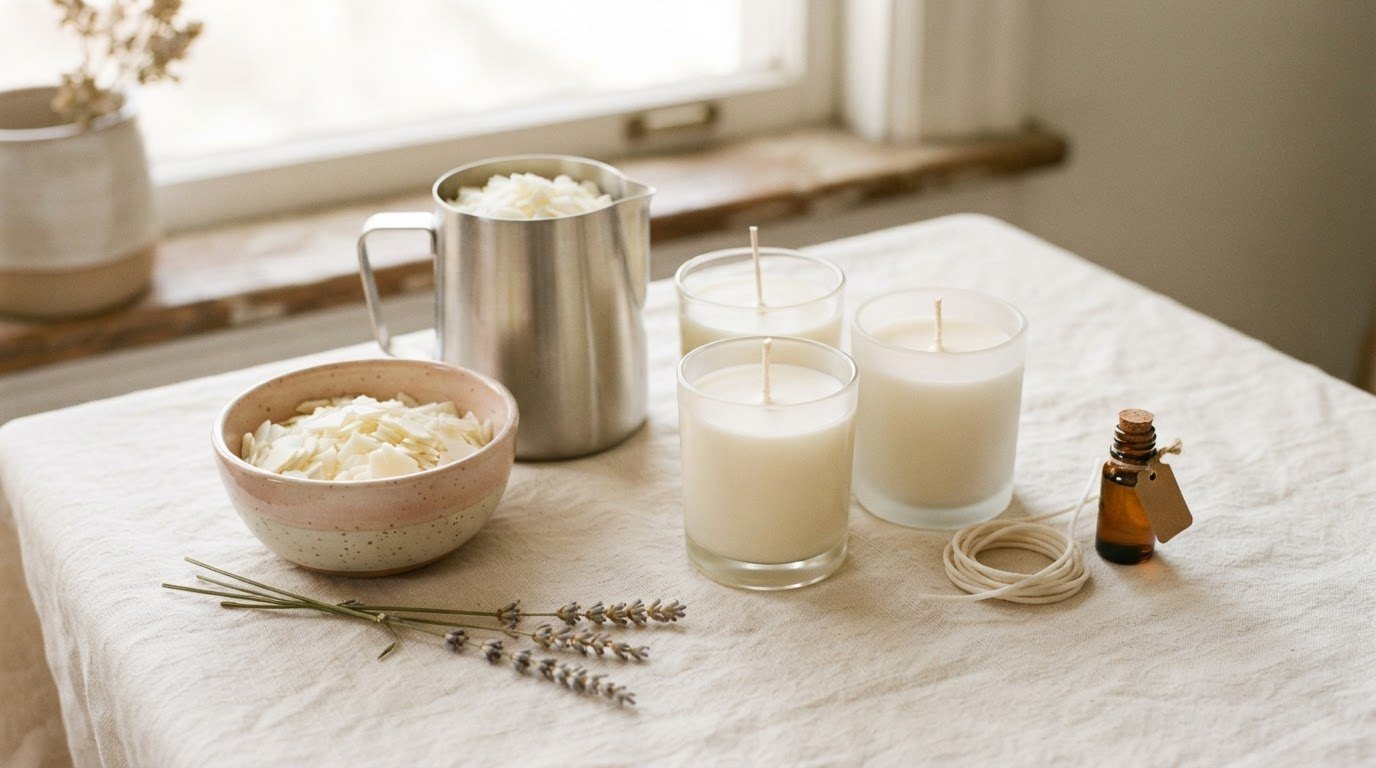
Pouring your own candles into thrifted glass jars feels luxurious and makes beautiful gifts. A small starter supply of soy wax, wicks and one fragrance oil goes a long way. My guide to candle making for beginners walks you through it step by step.
(Always melt wax with a double boiler, never over a direct flame, and never leave it unattended.)
First step: Start with unscented soy wax in two or three jars you already own, so you learn the basics before buying fragrance.
27. Flower Arranging
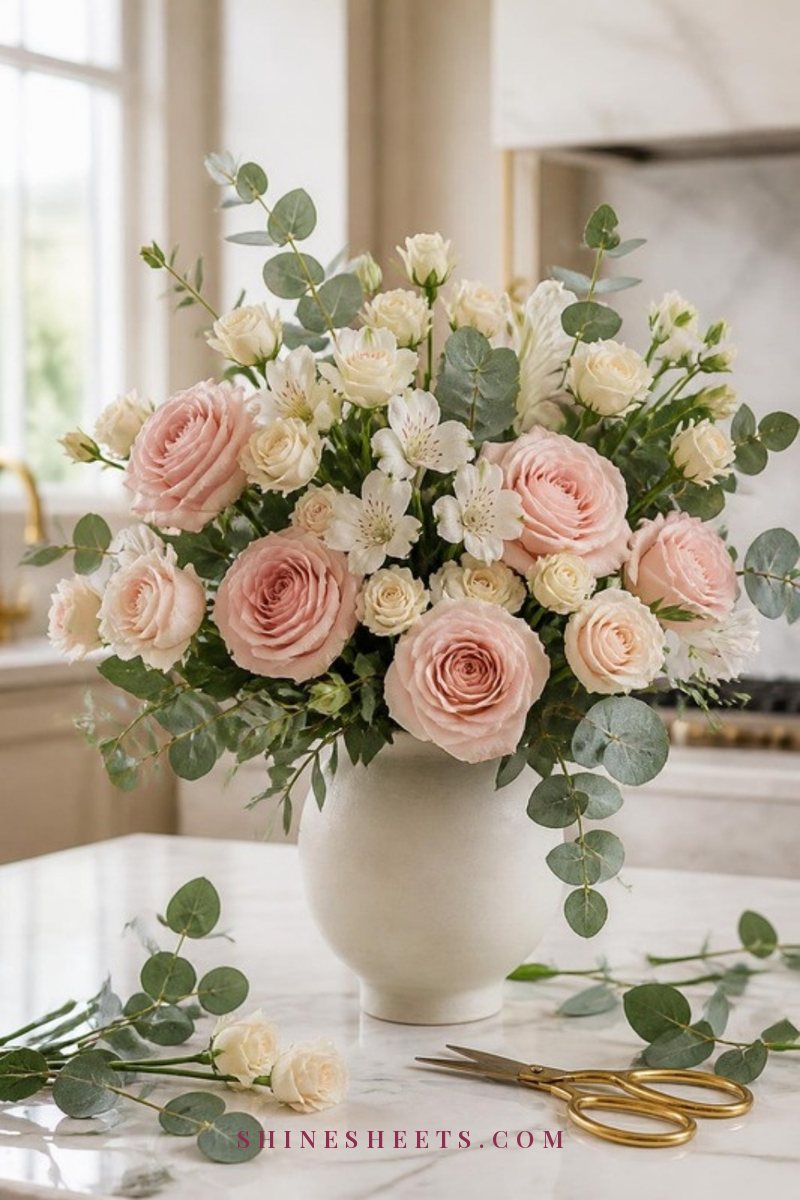
Start-up cost: $5–$15 per arrangement
A single grocery-store bunch can become an arrangement that looks like it came from a florist. The trick is mixing heights, using odd numbers and trimming stems at an angle. A weekly arrangement on your kitchen table is a small luxury that keeps changing with the seasons.
First step: Buy one mixed bunch, split it into three small vases instead of one big one and place them in different rooms.
28. Organizing Projects
Start-up cost: $0–$15
If you secretly love watching organizing videos, make it your hobby. One drawer, shelf or cabinet per weekend is satisfying, free if you use boxes you already have, and leaves your home calmer each time.
First step: Choose the smallest messy space you own (a junk drawer, a bathroom shelf), empty it completely and put back only what you use.
29. Houseplant Propagation
Start-up cost: $0–$10
Pothos, philodendrons and spider plants root easily in water, which means one plant can turn into ten. Lining up glass jars of cuttings on a sunny windowsill looks beautiful, and baby plants make sweet gifts.
First step: Snip a pothos stem just below a node (the little bump on the stem), place it in a clear jar of water and change the water weekly.
30. Thrift-Store Makeovers
Start-up cost: $5–$20
Thrifted vases, frames and candle holders can be transformed with a coat of cream paint, a gold rim or a textured finish.
First step: Pick up three plain glass or ceramic pieces at a thrift store and give them one matching finish, so they look like a set.
The Hobby Picker Table
Not sure where to start? Use this table to match a hobby to your budget, your time and the mood you're craving. Screenshot it and circle three that make you smile.
| Hobby | Start-up cost | Time per week | Best for mood |
|---|---|---|---|
| Watercolor painting | $12–$25 | 1–2 hours | Creative |
| Embroidery | $10–$20 | 1–3 hours | Calm, creative |
| Calligraphy | $10–$20 | 1 hour | Creative |
| Collage journaling | $0–$10 | 1 hour | Creative |
| Phone photography | $0 | 30 min–1 hour | Creative |
| Pressed flowers | $0–$8 | 30 min | Calm, creative |
| Library reading | $0 | 2–5 hours | Calm |
| Jigsaw puzzles | $12–$20 | 1–3 hours | Calm |
| Knitting | $15–$30 | 1–3 hours | Calm |
| Air-dry clay | $8–$15 | 1–2 hours | Calm, creative |
| Birdwatching | $0–$10 | 30 min | Calm |
| Walking club | $0 | 1–2 hours | Social |
| At-home yoga | $0–$20 | 1–2 hours | Calm |
| Living room dancing | $0 | 30 min–1 hour | Creative |
| Cycling | $0–$30 | 1–2 hours | Calm |
| Local hiking | $0 | 2–3 hours | Calm |
| Book club | $0 | 1 hour + reading | Social |
| Volunteering | $0 | 2–3 hours | Social |
| Board game nights | $0–$25 | 2 hours monthly | Social |
| Letter writing | $5–$15 | 30 min | Calm, social |
| Community choir | $0–$20 | 2 hours | Social |
| Language app | $0 | 1 hour | Calm |
| Free online courses | $0 | 2–3 hours | Calm |
| Library classes | $0 | 1–2 hours | Social, creative |
| Stargazing | $0 | 30 min–1 hour | Calm |
| Candle making | $20–$30 | 1–2 hours | Creative |
| Flower arranging | $5–$15 | 30 min | Creative |
| Organizing projects | $0–$15 | 1 hour | Calm |
| Plant propagation | $0–$10 | 15 min | Calm |
| Thrift makeovers | $5–$20 | 1–2 hours | Creative |
How To Choose a Hobby You'll Actually Enjoy
The best hobby isn't the most impressive one. It's the one that fits your real life, the one you'd still pick on a tired Tuesday. Ask yourself these four questions:
- What do I need more of right now? Calm, creativity, people or movement. Start with the mood, then pick from that section.
- How much time do I truly have? If it's 20 minutes a night, choose something you can pick up and put down (embroidery, pressed flowers, a language app), not something that needs a big setup.
- Do I want to be alone or with others? Both are valid. Many women need one solo hobby and one social one.
- What did I love as a kid? Coloring, singing, building, collecting little things. Those early loves are often the clearest clue.
Then try the "three-week test": commit to one hobby for three weeks, two or three sessions a week, before deciding whether it's for you. The first few sessions are always a bit clumsy. That clumsiness isn't a sign you're bad at it; it's a sign you're new.
How To Stick With a New Hobby
Starting is the easy part. Here's what helps a hobby become part of your life rather than another abandoned kit in the closet:
- Schedule it like a date. Same evening, same time. "Thursday is watercolor night" works far better than "whenever I feel inspired."
- Keep it visible. Leave your supplies out in a tray or basket where you'll see them, not packed away.
- Lower the bar. Ten minutes counts. One row of knitting counts. Showing up matters more than finishing.
- Keep a tiny log. A line in your journal after each session (date, what you made, how you felt) shows your progress on days it feels invisible.
- Spend slowly. Don't buy the upgraded supplies until you've used up the beginner ones. That's when you'll know what you really need.
And give yourself permission to quit. If you've truly tried something for a few weeks and it feels like homework, let it go without guilt and pick the next one from the table.
Final Thoughts
A beautiful life is built from small, repeated pleasures, and almost none of them require a big budget. A watercolor flower, a pressed violet, a library book with your tea, a walk with a friend on Sunday mornings. These are the things that make an ordinary week feel like yours.
Start with one. Give it a pretty corner, a little ritual and three weeks of patience. You deserve something to look forward to, and it can absolutely be something that costs less than $30.