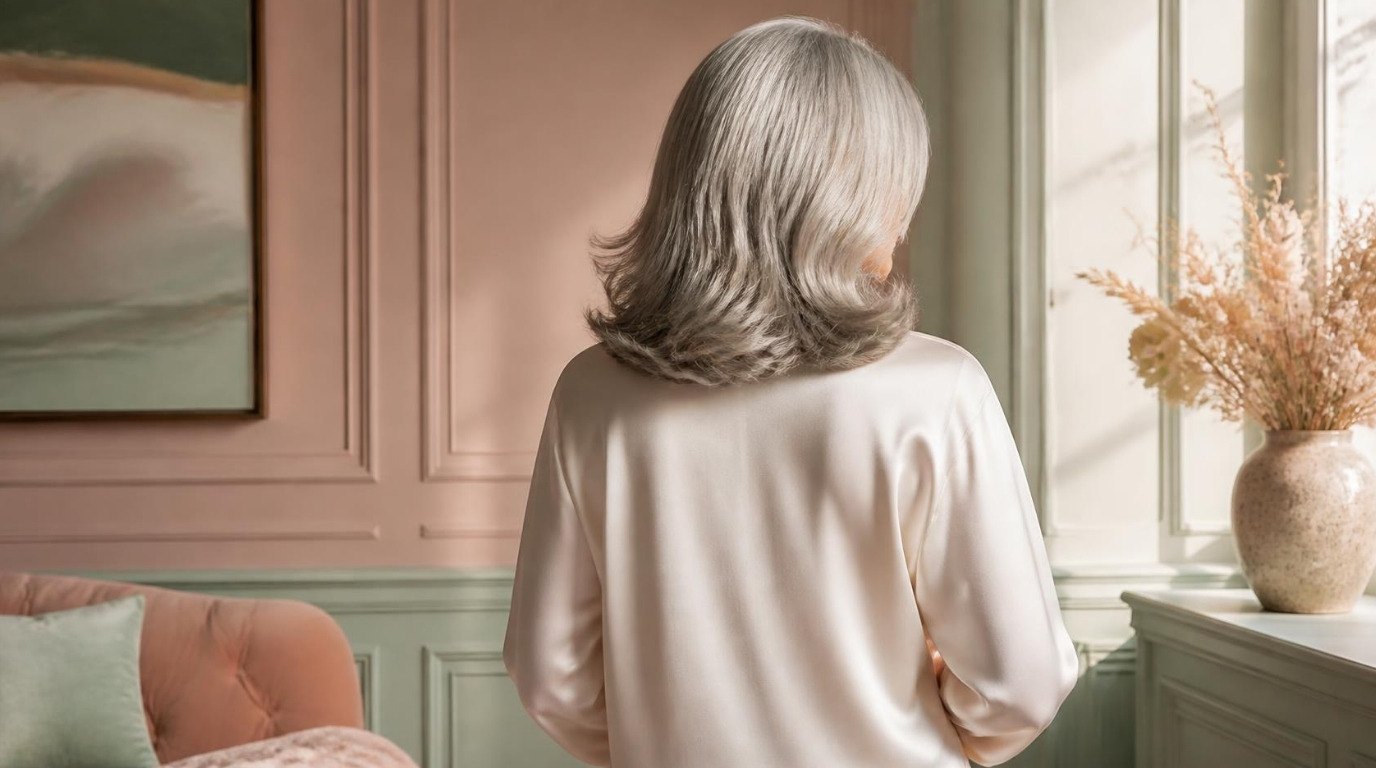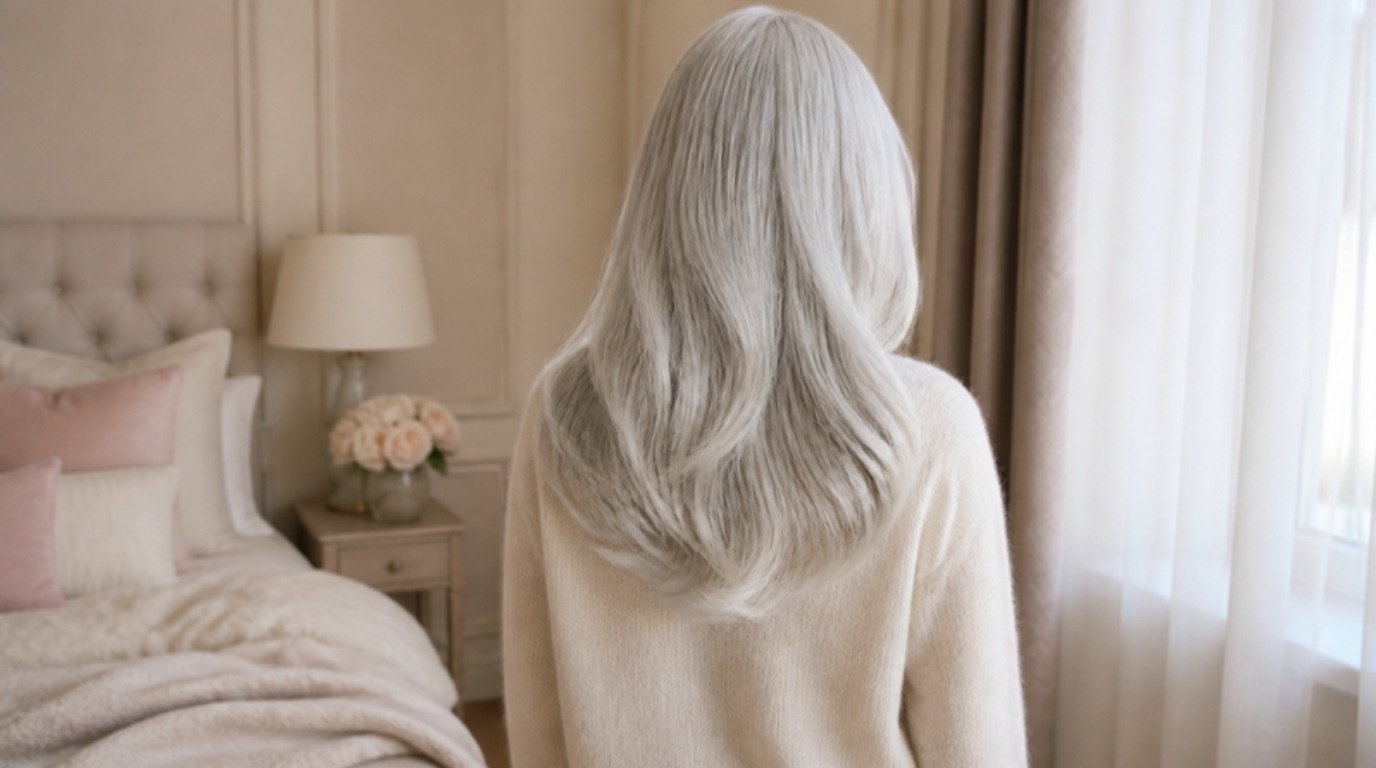
Silver hair is naturally beautiful, but it is also a little more sensitive to what's around it than darker hair. Without pigment to hide behind, every bit of mineral buildup, sun exposure and heat shows up as a yellow cast or a dull, flat finish. The good news is that brightness and softness are mostly about a few small habits, not an expensive overhaul.
This guide covers silver hair care from the ground up: why gray strands can turn brassy or wiry, how to use purple shampoo without ending up lilac, when to clarify, how to add moisture and shine without weighing hair down, and how to protect your color from heat, sun and hard water. There's also a simple weekly routine table you can screenshot and follow.
Whether you're fully silver, salt-and-pepper or in the middle of a grow-out, think of this as your calm, practical starting point. You don't need to do everything at once. Pick two or three habits, give them a month, and watch the shine come back.
Why Silver Hair Can Look Yellow or Dull
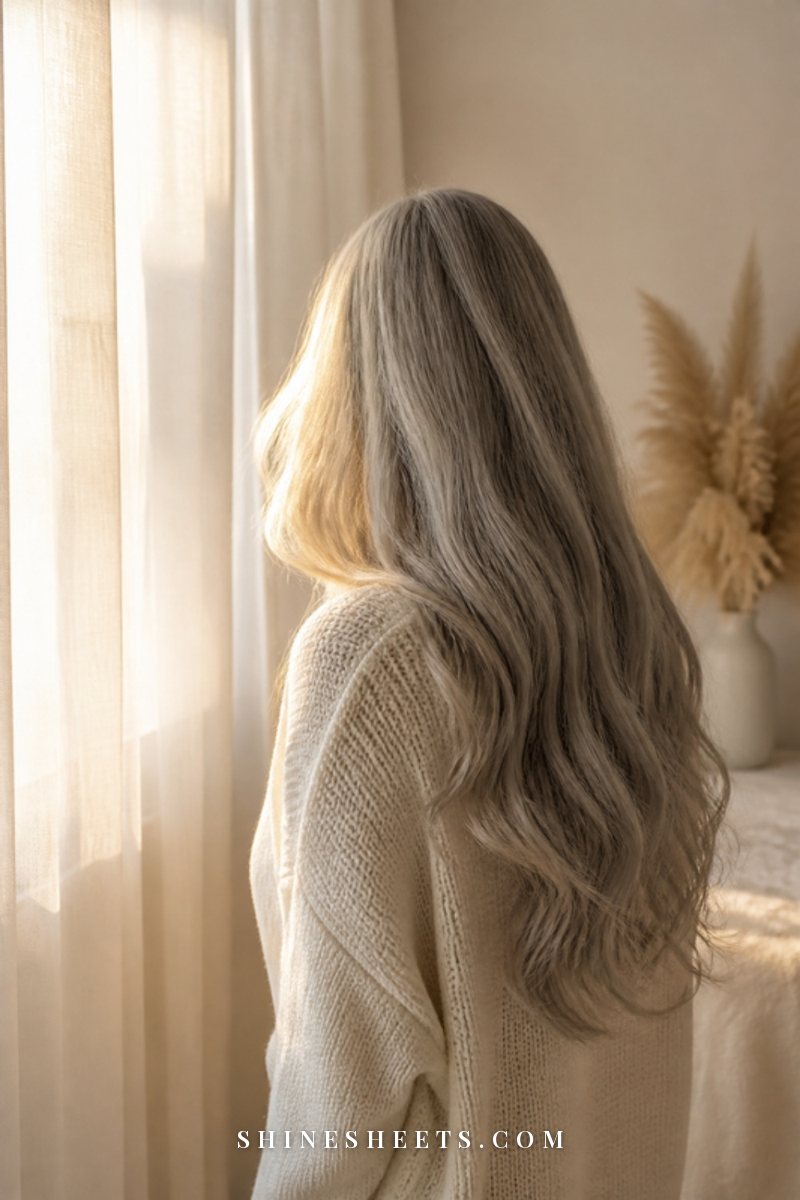
Gray and white hair has lost most of its melanin, which is the pigment that gives hair its color. That means light passes through it differently, and anything that sits on the surface becomes visible. A dark brunette can have a fair amount of residue on her hair and nobody notices. On silver hair, the same residue reads as a yellow or slightly smoky tone.
Dullness usually comes from a rougher cuticle. When the outer layer of the strand lifts, light scatters instead of bouncing back, so hair looks flat even when it's clean. Most yellowing and dullness fall into a few simple categories.
Product Buildup and Hard Water Minerals
Silicones, heavy styling creams, dry shampoo and some conditioners leave a thin film that collects over time. Hard water adds minerals like calcium, magnesium and sometimes iron or copper, which cling to the hair and can give silver strands a dingy, yellowish or even slightly greenish look. If your hair feels coated and squeaky at the same time, minerals are a likely reason. My guide to hard water hair goes deeper into how to tell.
Sun, Heat and Pollution
UV light oxidizes the proteins in hair, and on unpigmented hair that oxidation often shows up as a warm yellow tint. Hot tools do something similar: a flat iron at very high heat can scorch light hair and leave a faint brassy band. City pollution and smoke settle on the hair surface too, which is why silver hair can look brighter right after a wash and duller after a few days.
Product Dyes and Everyday Stains
Some shampoos, conditioners and styling products contain yellow or amber dyes that slowly tint white hair. Nicotine, chlorine from pools and even certain medications can affect tone as well. When you're reading labels, a clear or white product is usually the safer choice for very light silver.
Why Gray Hair Feels Coarse or Wiry
Many people notice that their gray strands feel different from the rest of their hair. They might be springier, more stubborn or stick straight up at the crown. A few things are usually going on at once.
- Less natural oil. The scalp often produces less sebum over time, so lengths get less of that built-in conditioning.
- A different texture. Some gray strands grow in with a slightly different shape or a coarser feel than the original hair.
- A drier cuticle. Without much oil, the cuticle lifts more easily, which makes hair feel rough and look frizzy.
Coarse doesn't mean damaged, and it doesn't mean you have to fight your hair. It simply means silver hair tends to love moisture, gentle handling and a little extra slip. If you're still early in the transition, my post on embracing gray hair walks through the grow-out phase with a lot of kindness.
How To Use Purple Shampoo Without a Lilac Tint
Purple sits opposite yellow on the color wheel, so a violet-pigmented shampoo deposits a tiny amount of cool tone that cancels out warmth. Used well, it makes silver look crisp and bright. Used too often or for too long, it can leave hair looking grayish-violet or flat. The trick is to treat it as a toner, not as your everyday cleanser.
Look for a gentle purple shampoo made for gray and silver hair with a sulfate-free or mild formula, since harsh cleansers can dry out already thirsty strands.
How Often To Use Purple Shampoo
For most silver hair, once a week is plenty. If you live somewhere sunny, swim often or have very white hair that yellows quickly, you might need it twice a week. If your hair is more salt-and-pepper, every ten to fourteen days may be enough. Alternate with your regular moisturizing shampoo on the other wash days.
How Long To Leave It On
Start with one to two minutes. That's enough for most people to see a brighter tone without any tint. If you still see yellow after a few washes, try three to five minutes. Only very stubborn brassiness needs longer, and even then I'd stay under ten minutes. Apply it to wet, towel-squeezed hair (not dripping), focusing on the most yellow areas, which are usually the front pieces and the ends.
If Your Hair Turns Lilac
It happens to almost everyone once, and it's easy to fix. Wash with your regular shampoo, or a clarifying one if the tint is strong, and skip purple shampoo for the next two or three washes. Next time, dilute it: mix a small amount of purple shampoo with your usual shampoo in your palm, or use it only on the ends. Porous areas, like dry ends, absorb pigment faster, so they need the least.
Clarify Occasionally, Not Constantly
Purple shampoo neutralizes yellow, but it can't remove the buildup that's causing it. That's what clarifying is for. A clarifying wash lifts residue from products, oils and minerals so your hair can reflect light again, and so your conditioner and mask can actually reach the strand.
A good rhythm for silver hair is once every two to four weeks. If you use lots of styling products or have hard water, every two weeks works well. If your routine is minimal, once a month is enough. A mild clarifying shampoo that's gentle enough for color-treated hair is a sensible pick, because it removes buildup without stripping silver hair too much.
Here's the order I'd follow on a clarifying day:
- Wet hair thoroughly with lukewarm water for a full minute.
- Massage the clarifying shampoo into the scalp, then let the lather run down the lengths.
- Rinse and repeat once if your hair still feels coated.
- Follow with a deep-conditioning mask for five to ten minutes.
- Skip the purple shampoo on the same day so you can see your true tone first.
For more on how clarifying works, how to tell you need it and which hair types should go easy, my clarifying shampoo guide has all the details.
Moisture and Gloss: Masks, Leave-In and a Little Oil
Moisture is what turns coarse silver hair into soft, swingy silver hair. It smooths the cuticle, cuts down frizz and creates that glassy shine that makes gray look intentional and elegant. Think of it in three layers: a weekly mask, a daily leave-in and a light finishing oil.
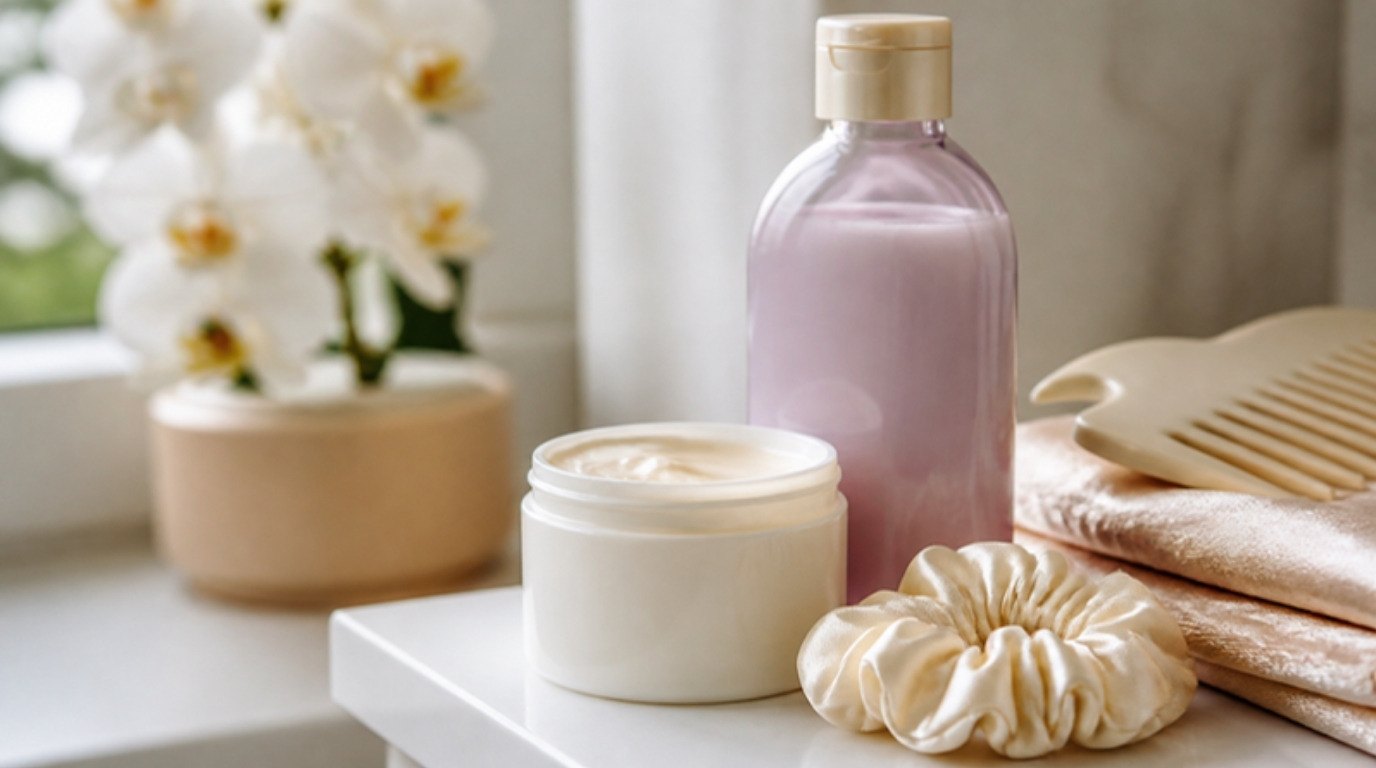
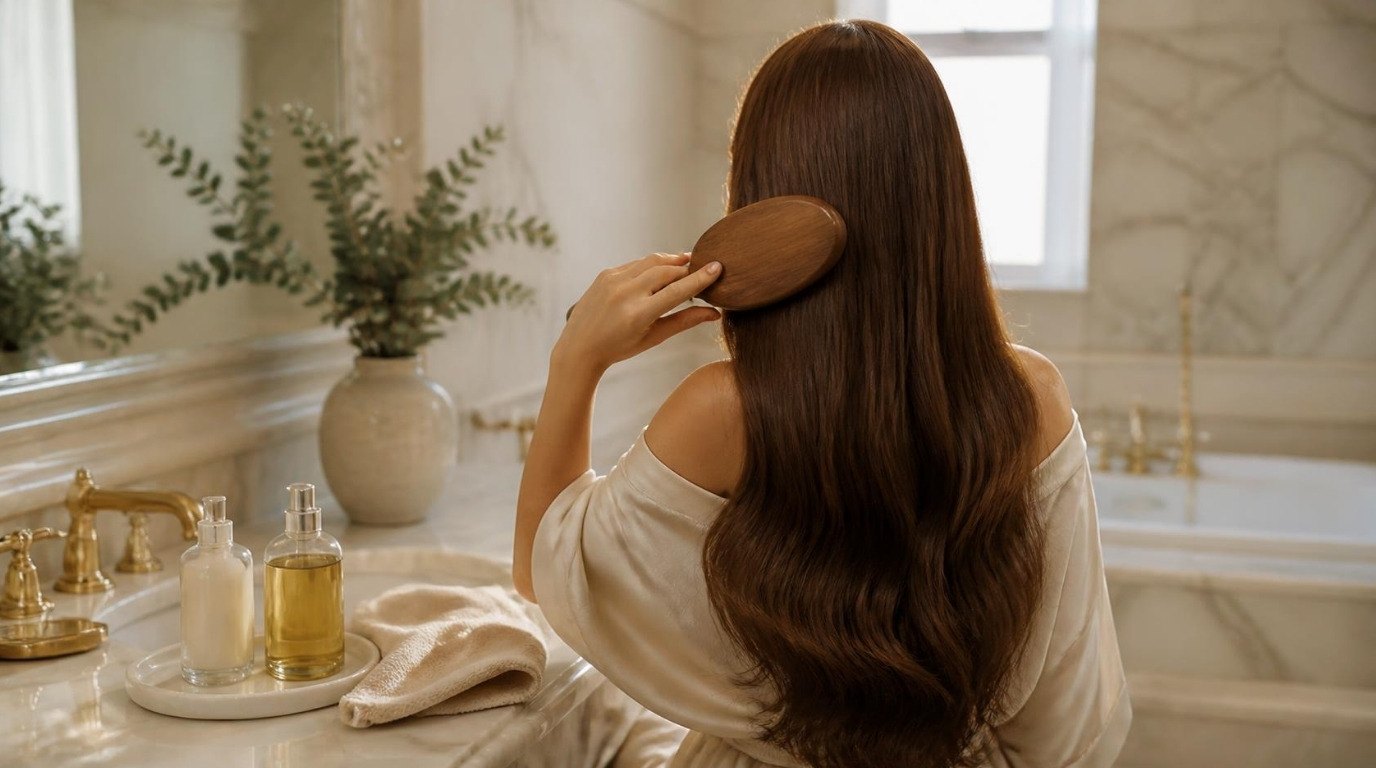
A weekly mask. Once a week, swap your regular conditioner for a rich hydrating hair mask. Apply it from mid-lengths to ends on damp hair, comb it through with a wide-tooth comb and leave it for five to fifteen minutes. A warm towel wrapped around your head helps it sink in. Look for ingredients like glycerin, shea butter, panthenol, aloe or plant oils. If you'd like a deeper look at mask types, my guide to hair masks explains which ones suit which hair.
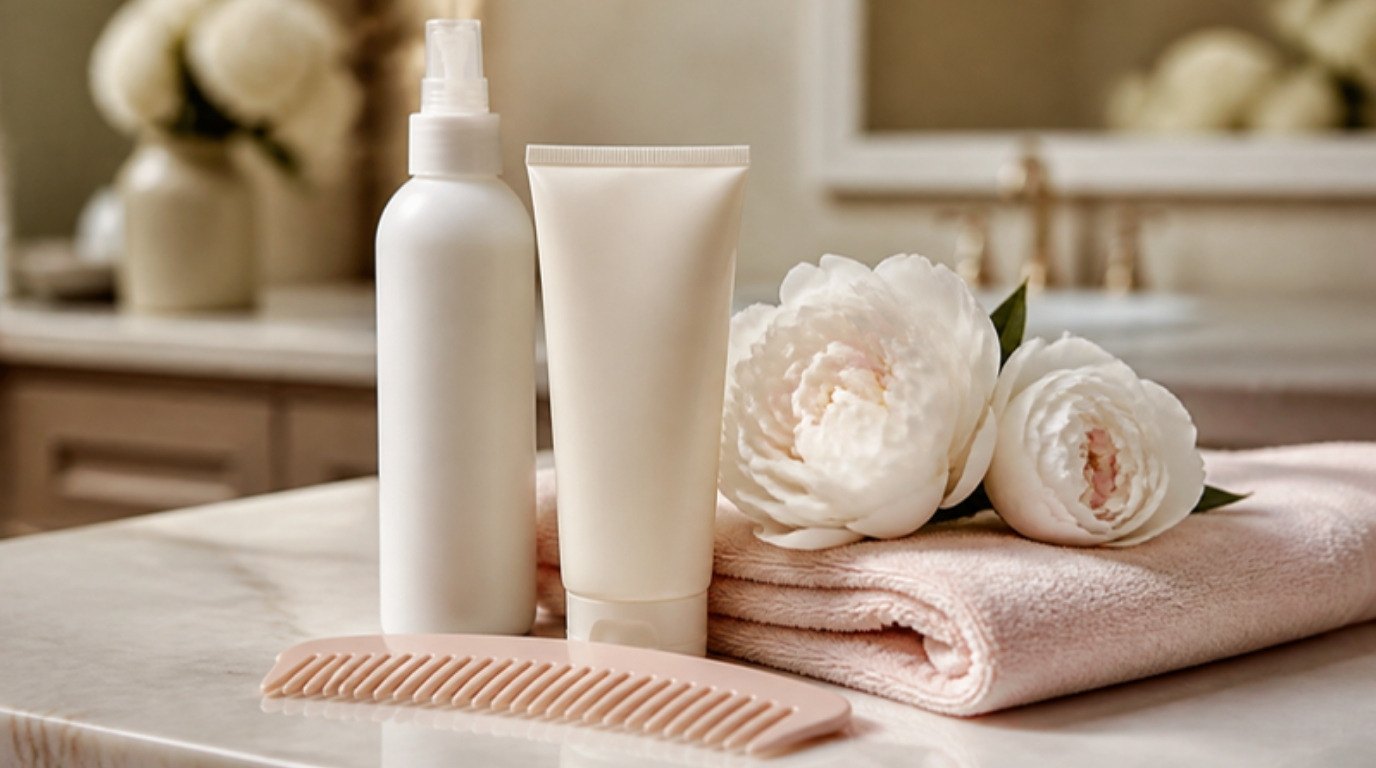
A daily leave-in. After washing, a lightweight leave-in conditioner gives silver hair slip for detangling and keeps it from drying out through the day. Spray it on damp hair, focusing on the ends, and comb through. If your hair is fine, two or three spritzes is enough. If it's thick or curly, use a creamier version.
A little oil. One or two drops of a light oil, warmed between your palms and pressed over the ends, adds gloss. Argan, jojoba or a light silicone serum all work. Go easy here: on light hair, too much oil reads as greasy quickly, and some golden oils can add warmth if you overdo them.
Protect Silver Hair From Heat and Sun
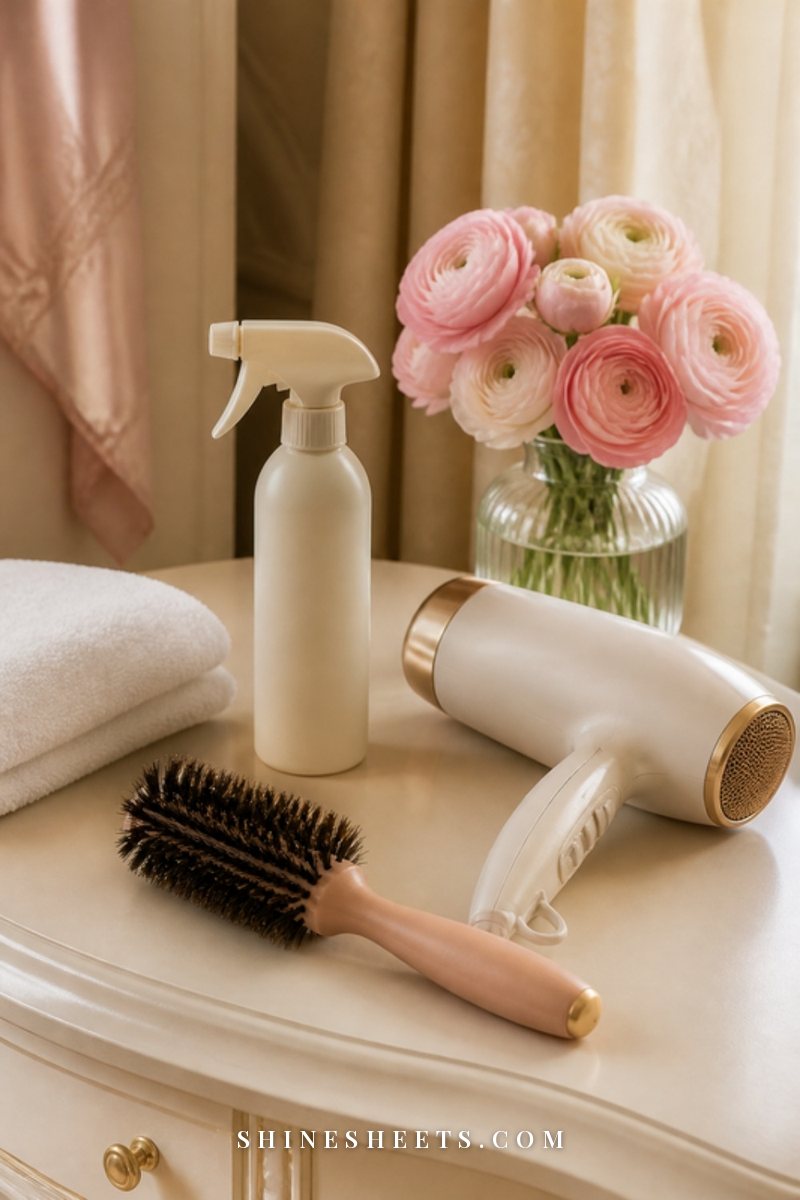
Heat and UV are two of the biggest reasons silver hair goes yellow, so a bit of protection goes a long way.
Turn Down the Heat
Keep flat irons and curling tools at medium heat, around the lower end of your tool's range. Light hair scorches faster than dark hair, and that scorched spot often looks like a pale yellow band. Always mist a heat protectant spray through dry or damp hair before blow-drying or styling, and let it absorb for a few seconds first. When blow-drying, use the medium setting and keep the nozzle moving.
Shade It From the Sun
On sunny days, a wide-brim hat or a soft scarf is the simplest UV shield. Some leave-in sprays and hair mists include UV filters, which is a nice bonus for summer, beach days and long walks. After swimming in a pool, rinse your hair with clean water as soon as you can, because chlorine can leave a dull or greenish tint on silver strands. Wetting your hair with tap water and a little leave-in before you swim helps it absorb less pool water.
Soften Hard Water at Home
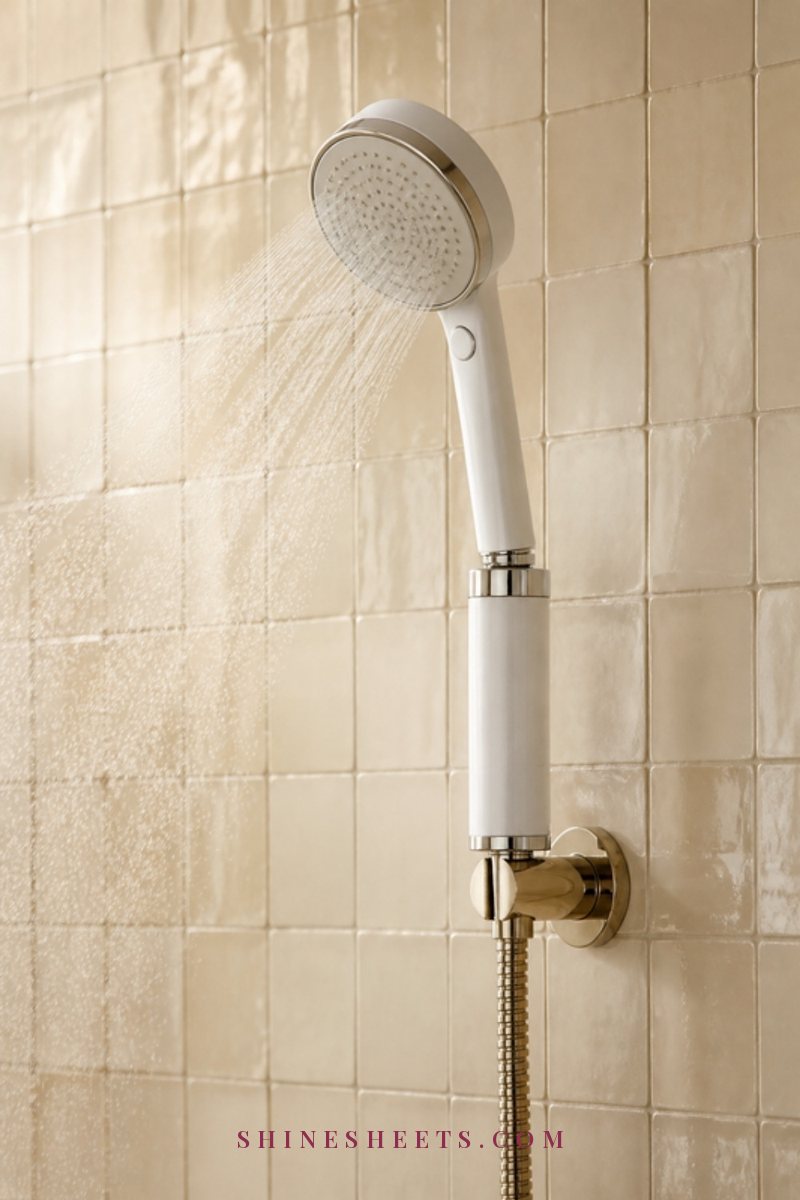
If you've clarified, used purple shampoo and still see a dull, brassy cast within days, your water may be the real culprit. Hard water leaves mineral deposits that build up wash after wash. You might also notice white crust on your shower head or spots on glass doors, which is a strong hint.
A shower head filter is the easiest fix for renters and homeowners alike. It screws on in a few minutes and reduces chlorine and some minerals. Change the cartridge as the instructions say, usually every few months, because a full filter stops working. A final rinse with filtered or bottled water on wash day is another small trick, especially for very white hair.
Pair that with your clarifying routine and you'll usually see a brighter, softer tone within a few weeks.
Gentle Trims and Overnight Care
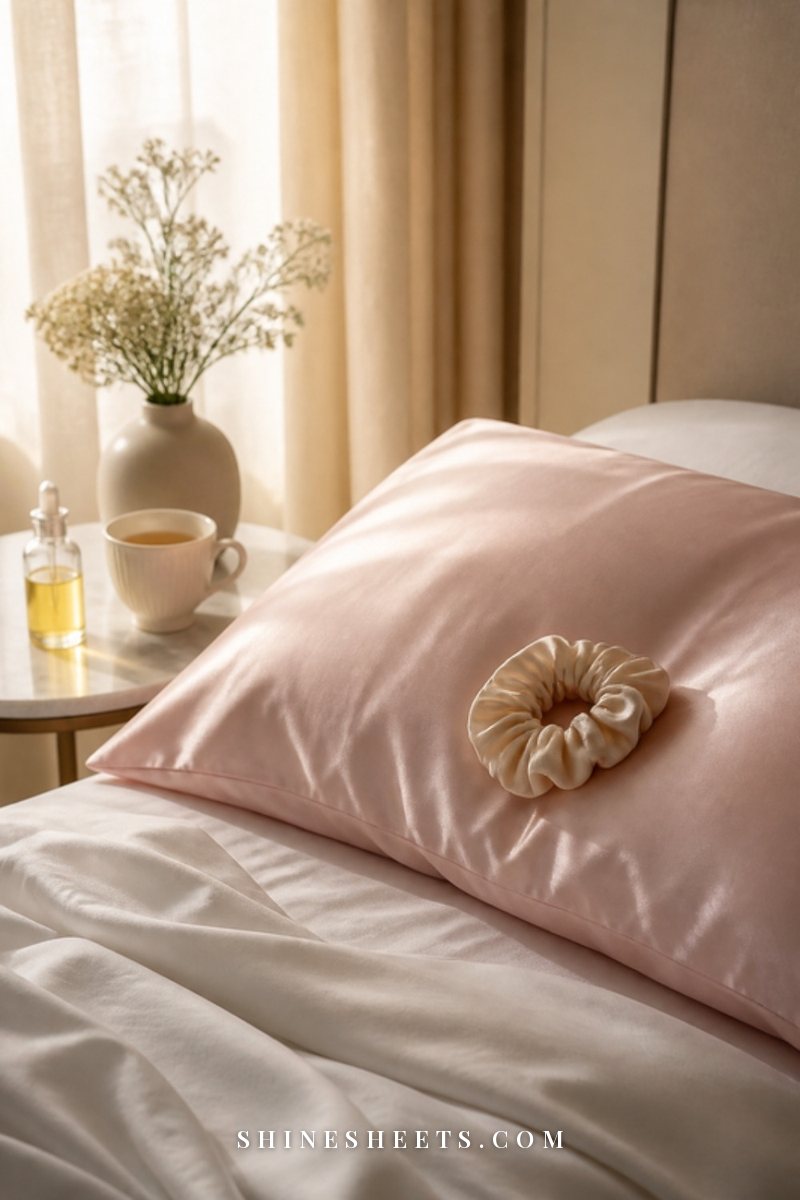
Ends are the oldest, most weathered part of your hair. On silver hair, they're usually the most yellow and the most porous, so they're also the part that drinks up purple pigment fastest. Regular trims keep the whole head looking brighter.
- Trim every eight to twelve weeks. Even a dusting of half an inch removes the driest, most stained ends.
- Ask for sharp scissors and minimal heat at the salon. You can say, "I'd like my silver to stay as bright as possible, so please keep the heat low."
- Sleep on silk or satin. A smooth mulberry silk pillowcase reduces friction, so you wake up with less frizz and fewer tangles.
- Loosely tie long hair with a soft scrunchie before bed so it doesn't rub all night.
- Add a few drops of leave-in or oil to dry ends at night if they feel rough.
For more easy nighttime habits, my overnight hair care routine covers everything from braids to pillowcases (no fancy styling, just gentle protection).
Your Weekly Silver Hair Care Routine
Here's a simple, flexible weekly plan. It assumes you wash two or three times a week. If you wash more or less often, keep the order and simply spread it out.
| Day | What To Do | Time Needed | Why It Helps |
|---|---|---|---|
| Wash day 1 | Gentle moisturizing shampoo, conditioner, leave-in on damp ends | 10 minutes | Cleans without stripping and keeps strands soft |
| Midweek | Refresh ends with 2–3 spritzes of leave-in, one drop of oil | 2 minutes | Fights frizz and dullness between washes |
| Wash day 2 | Purple shampoo for 1–3 minutes, then a hydrating mask for 5–15 minutes | 20 minutes | Neutralizes yellow and restores moisture |
| Before styling | Heat protectant, medium heat only | 1 minute | Prevents scorching and brassy bands |
| Outdoors | Hat or UV hair mist on sunny days | 30 seconds | Slows sun yellowing |
| Every night | Silk pillowcase, loose scrunchie, a touch of leave-in on rough ends | 1 minute | Less friction, smoother morning hair |
| Every 2–4 weeks | Clarifying wash followed by a mask (skip purple that day) | 20 minutes | Removes buildup and minerals so tone can shine |
| Every 8–12 weeks | Small trim | Salon visit | Removes the most stained, dry ends |
Screenshot it and keep it on your phone for the first month. After that, it usually becomes second nature.
7 Silver Hair Care Mistakes To Avoid
Most frustration with silver hair comes from a handful of very common habits. None of them are a big deal on their own, but together they add up.
- Using purple shampoo every wash. Over time it makes hair dull or lilac. Once a week is usually the sweet spot.
- Skipping conditioner because hair feels "fine." Silver hair needs moisture even when it doesn't look dry.
- Never clarifying. Buildup slowly mutes the shine, no matter how good your other products are.
- Using yellow-tinted products. Some amber gels and creams slowly stain very light hair.
- Styling on high heat. Scorching is one of the fastest routes to brassy ends.
- Rough towel drying. Rubbing lifts the cuticle. Gently squeeze with a soft cotton or microfiber towel instead.
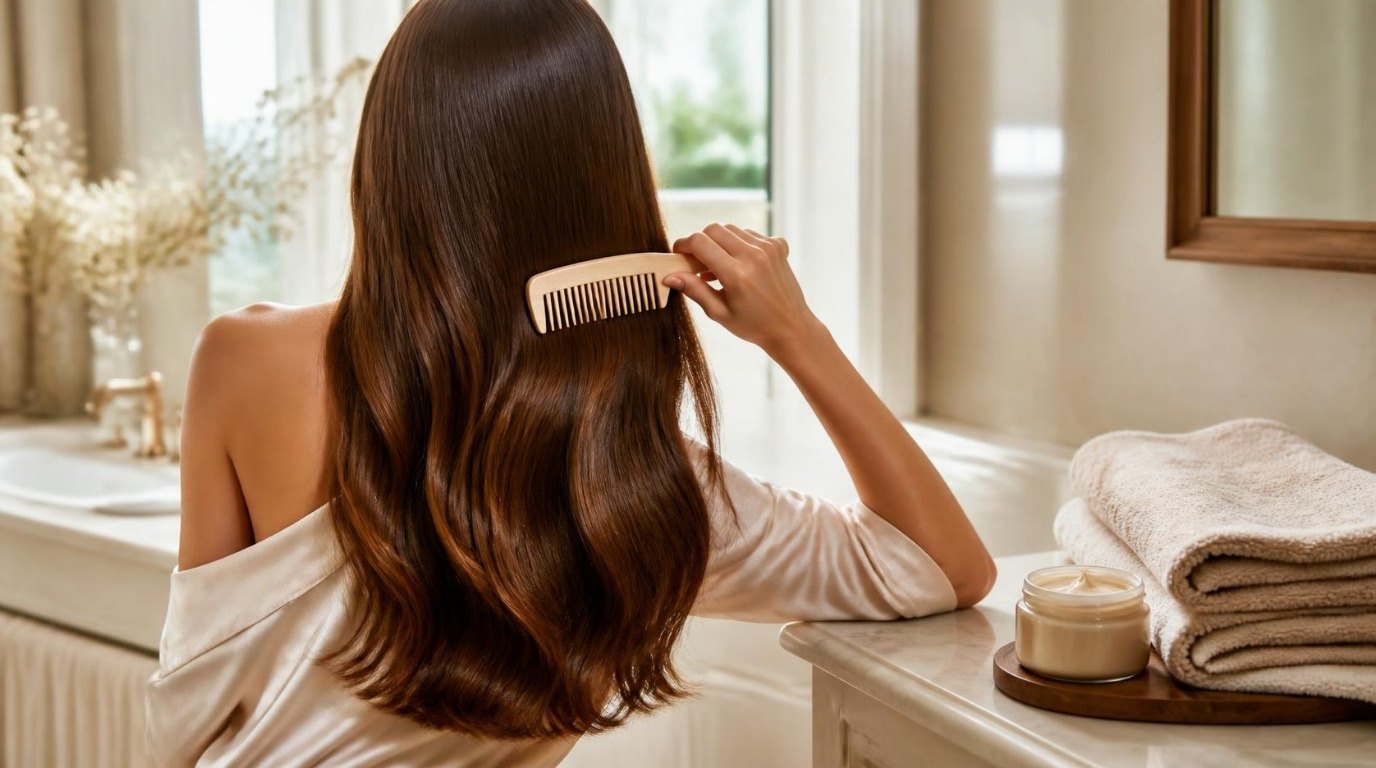
- Brushing wet hair from the roots. Start at the ends with a wide-tooth comb and work up in small sections.
Embracing Silver With Confidence
Caring for silver hair is partly practical and partly a mindset. When your hair is soft, shiny and clean-toned, it looks deliberate and polished, and that changes how it feels to wear it every day.
A few gentle confidence boosters that have nothing to do with products:
- Refresh your colors. Silver hair often looks stunning next to cool tones, crisp white, navy, soft pink, berry and jewel colors. Hold a few tops near your face in daylight and notice which ones make your hair look brighter.
- Define your brows. As hair lightens, softly filled brows frame the face and make silver look intentional.
- Try a brighter lip. A rosy or berry lip next to silver hair has real Old Hollywood energy, and I'm always a fan of that.
- Keep the shape fresh. A clean, healthy cut makes silver look modern no matter the length.
- Talk kindly to yourself. Gray hair is not something to apologize for. It's simply your hair, and it can be gorgeous.
It took me a while to understand that hair confidence is less about the color and more about how cared-for it looks. Shine, softness and a fresh tone do most of the work. The rest is wearing it like you meant it.
When To Ask a Professional
Most silver hair care happens at home, but a stylist can help if your hair has an uneven mix of colors, leftover dye from your grow-out, or yellowing that nothing seems to touch. A salon gloss or toner can even out the tone in one visit, and many stylists can suggest a cut that makes the transition feel smoother.
If you notice sudden shedding, patches of thinning or a very itchy, irritated scalp, check in with a doctor or dermatologist. Those changes aren't about color, and they deserve a proper look.
Final Thoughts
Silver hair doesn't ask for much, just the right things at the right time. A weekly purple wash for tone, a monthly clarify for clarity, plenty of moisture, a little protection from heat and sun, and gentle handling day to day.
Start small with the weekly routine, be patient for a few weeks, and let your hair show you what it likes. Bright, soft, shiny silver is absolutely within reach, and you deserve to feel beautiful in it.