A hair mask only works when it matches what your hair is missing. Dry, rough hair needs moisture. Mushy, overly stretchy hair needs protein. Bleached or heat-damaged hair often needs bond repair. A flaky or oily scalp needs something else entirely. Use the wrong one, and even an expensive mask can leave your hair limp, stiff or no better than before.
The good news is that once you know how to read your hair, choosing a mask gets very simple. Your hair tells you exactly what it wants. You just have to know what the signs mean.
This guide to hair masks covers the five main types, how to tell if your hair needs protein or moisture, a "which mask" table you can screenshot, how often to use one for your hair type, how to apply it so it actually sinks in, how long to leave it on, a weekly hair-care calendar and the mistakes that cancel out all your effort. If you only buy one, a good deep conditioning hair mask is the most useful starting point for most hair.
What a Hair Mask Actually Does
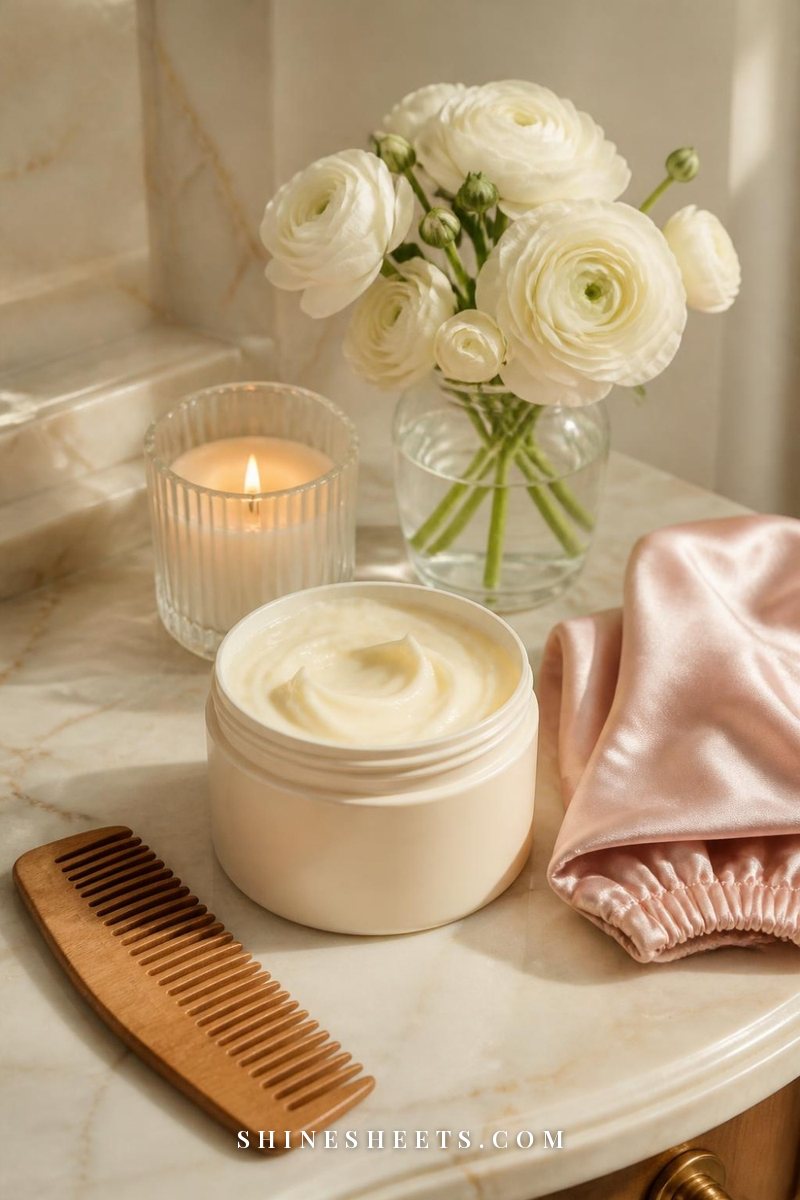
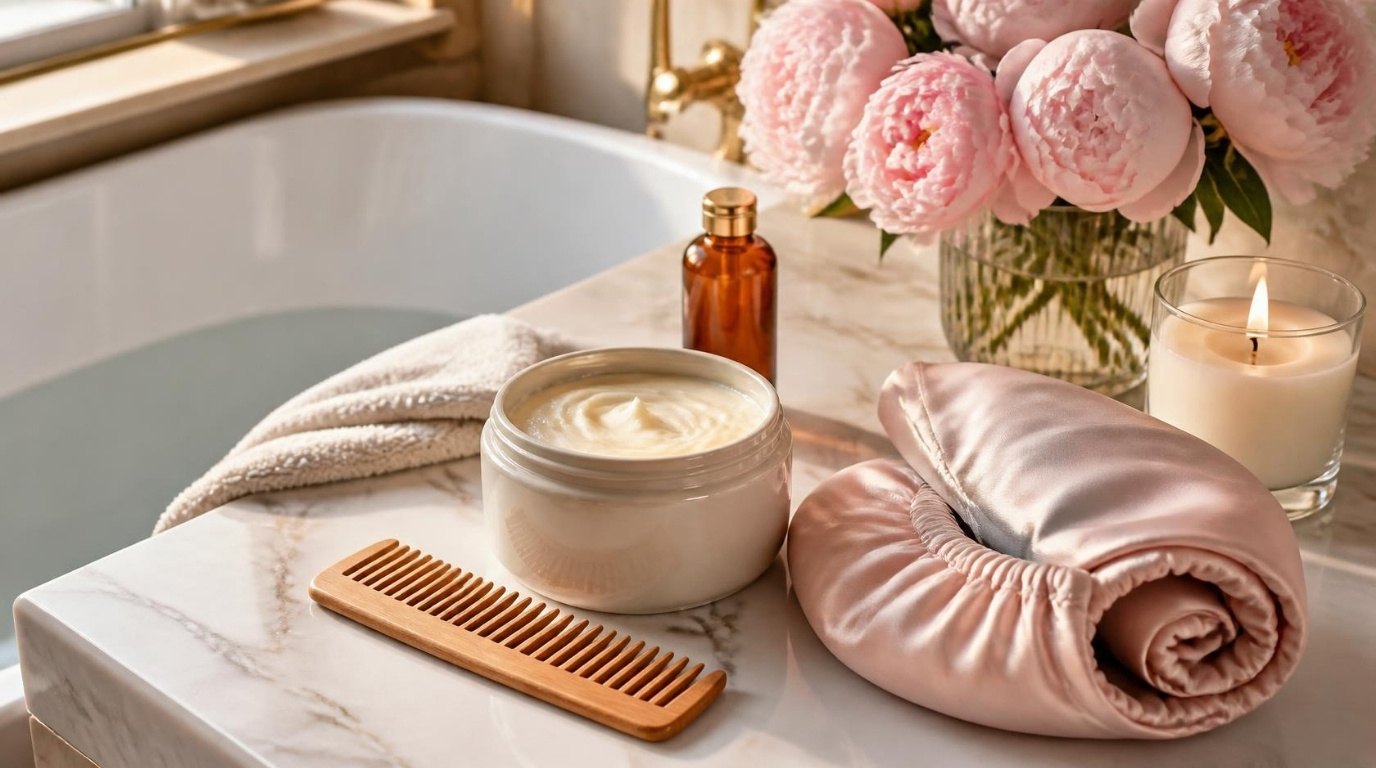
A hair mask is a more concentrated, longer-acting version of conditioner. Regular conditioner sits on your hair for a minute or two and mostly smooths the surface so it detangles easily. A mask has a higher concentration of nourishing ingredients and sits for longer, so it can do more: replenish moisture, temporarily patch weak spots in the hair, soften rough texture and add shine.
It's worth being honest about what masks can't do. Hair beyond the scalp isn't alive, so no mask can "heal" split ends or make damaged hair grow back healthier. What they can do is make damaged hair behave, feel and look a lot better while healthier hair grows in. That's still a big deal, especially if your ends are dry from heat, color or winter air.
Masks work best as one part of a simple hair care routine, not as a weekly rescue for everything else.
The 5 Types of Hair Masks
Most masks fall into one of five groups. Knowing which group you're looking at makes the beauty aisle much less confusing.
1. Moisture Masks
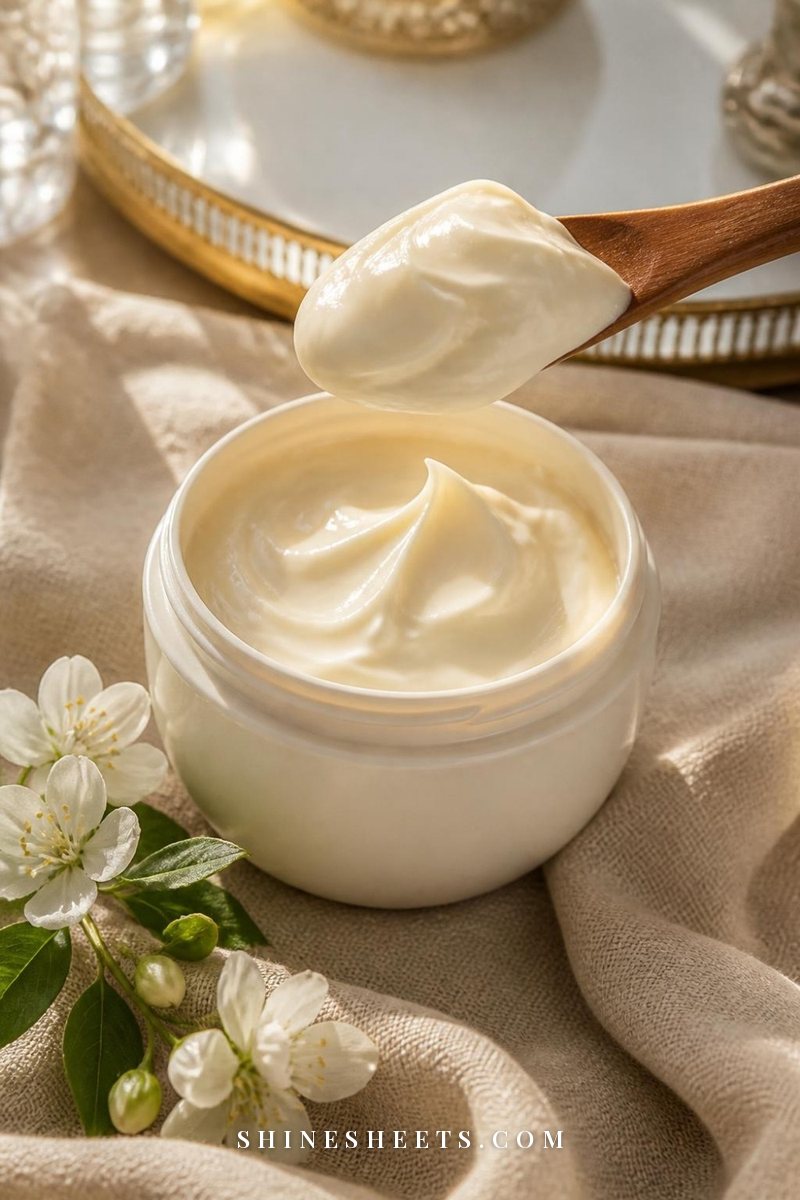
What they do: add water and softness back into dry hair and seal it in with conditioning ingredients.
Look for: glycerin, aloe, panthenol, shea butter, plant oils and fatty alcohols like cetyl or cetearyl alcohol (these are the good, non-drying kind).
Best for: dry, rough, frizzy or brittle hair, curly and coily hair, and hair that feels like straw after winter or a summer in the sun.
2. Protein Masks
What they do: temporarily fill in gaps in a damaged hair cuticle, adding strength and structure.
Look for: hydrolyzed keratin, hydrolyzed wheat, rice or silk protein, or amino acids high on the ingredient list.
Best for: hair that feels limp, gummy or overly stretchy when wet, hair that breaks easily, and chemically processed hair.
3. Bond Repair Treatments
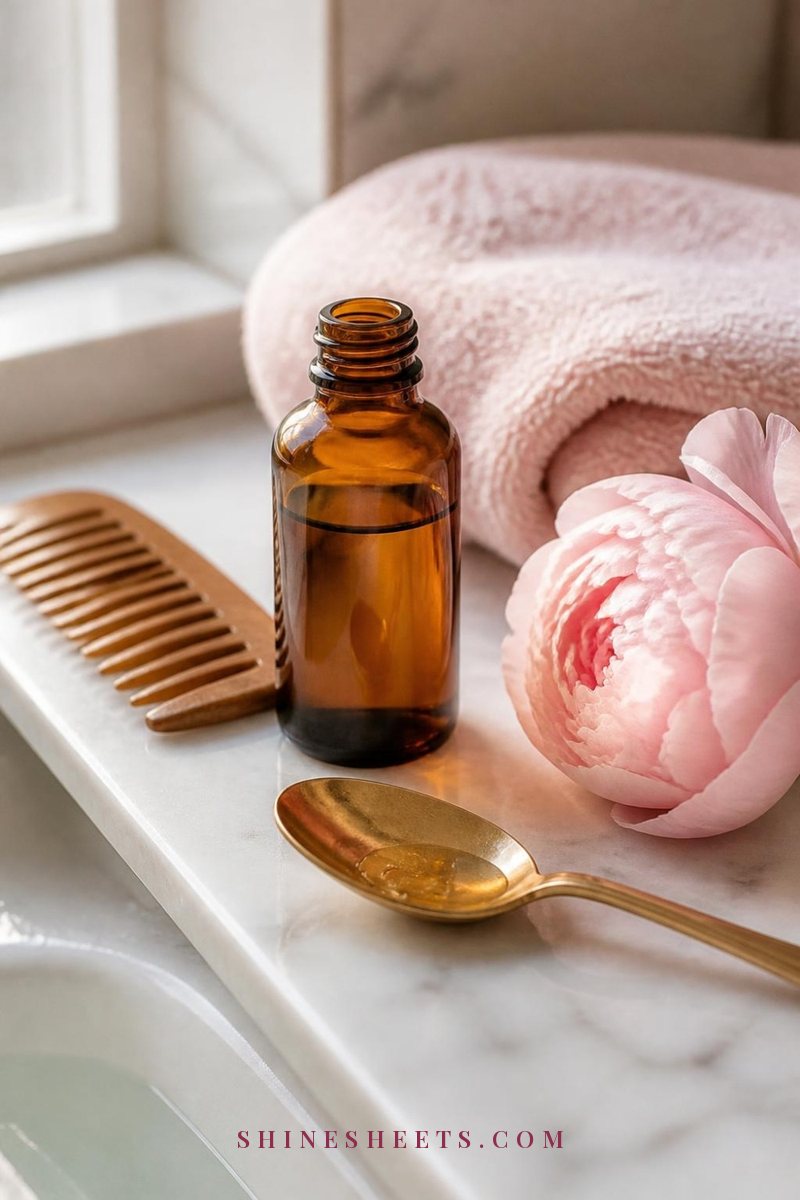
What they do: work inside the hair to help reconnect broken bonds that bleaching, coloring, perming and high heat break apart. They're more of a treatment than a classic creamy mask.
Best for: bleached, highlighted or heavily heat-styled hair that feels weak, snaps easily or won't hold a style. A bond repair treatment used before shampoo once a week is one of the most effective things you can do for over-processed hair.
4. Scalp Masks
What they do: care for the skin on your head rather than the hair itself. Some exfoliate gently, some soothe and hydrate, some help with excess oil.
Best for: flaky, itchy, tight or oily scalps and anyone with buildup from dry shampoo and styling products. My scalp care routine goes into this in much more detail.
5. Oil Pre-Wash Treatments
What they do: coat the hair with oil before you shampoo, which protects it from swelling too much with water and from being stripped by cleansers.
Best for: very dry, thick, curly or long hair, and dry ends in winter. A lightweight hair oil massaged into the lengths 30 minutes before washing is the simplest version.
Protein vs Moisture: Reading Your Hair
This is where most people go wrong. Too much moisture makes hair floppy and mushy. Too much protein makes it stiff and brittle. Healthy hair sits in a happy balance between the two, and the signs are easy to spot once you know them.
Signs Your Hair Needs Moisture
- It feels rough, dry or straw-like, even after conditioner.
- It tangles easily and looks dull.
- It snaps quickly when you stretch a wet strand, with barely any stretch.
- It's frizzy and puffy, especially in dry weather.
- The ends feel crunchy.
Signs Your Hair Needs Protein
- It feels limp, gummy or "mushy" when wet.
- A wet strand stretches a long way before breaking, like chewing gum.
- It won't hold a curl or any shape.
- It sheds lots of short broken pieces.
- It's recently been bleached, colored or heat-styled a lot.
The Strand Stretch Test
Take one shed strand of hair while it's wet. Hold it at both ends and stretch it gently. If it stretches a little and bounces back, your balance is good. If it barely stretches and snaps right away, reach for moisture. If it stretches and stretches and then breaks (or doesn't bounce back), reach for protein. It's not a lab test, but it's surprisingly reliable.
Repeat the test every few weeks, and especially after coloring, a beach holiday or a stretch of heavy heat styling. Many people find their hair needs moisture most of the time, with a protein boost only now and then. Seeing results takes a few washes, too: give a new mask three or four uses before deciding whether it suits you.
Which Mask Does Your Hair Need?
Here's the whole decision in one table. Find the row that sounds most like your hair this week. Screenshot it, because your answer will change with the seasons.
| Your hair feels… | Mask type | How often | Leave on |
|---|---|---|---|
| Dry, rough, frizzy, tangly | Moisture mask | 1–2 times a week | 10–20 minutes |
| Limp, gummy, overly stretchy | Protein mask | Every 2–4 weeks | 5–10 minutes (follow the label) |
| Bleached, weak, snapping | Bond repair treatment | Once a week, then every 2 weeks | As directed, usually 10 minutes |
| Itchy, flaky or oily at the roots | Scalp mask | Once a week | 5–10 minutes |
| Dry ends, thick or curly lengths | Oil pre-wash | 1–2 times a week | 30 minutes to overnight |
| Fine and flat but dry at the ends | Lightweight moisture mask, ends only | Once a week | 5–10 minutes |
| Balanced and happy | Moisture mask for maintenance | Every 1–2 weeks | 10 minutes |
If you're unsure, start with moisture. Most hair needs it more often than protein, and it's much harder to overdo.
How Often To Use a Hair Mask by Hair Type
Hair type changes the answer as much as hair condition does. Use these as starting points and adjust based on how your hair feels.
Fine or Thin Hair
Once a week is usually plenty. Choose lightweight formulas, apply from the mid-lengths down only and rinse thoroughly. Heavy butters can weigh fine hair down and make it look flat. If volume is your biggest wish, my guide to making thin hair look thicker has more ideas that work well alongside a light mask.
Thick or Coarse Hair
One to two times a week. Thick hair can handle richer masks and longer leave-in times, and it often loves an oil pre-wash.
Wavy Hair
Once a week with a light to medium moisture mask. Waves can drop flat under heavy formulas, so rinse well and focus on the ends. If your waves feel limp and won't hold their pattern, a light protein mask every three to four weeks often brings the bounce back.
Curly and Coily Hair
Once or twice a week with a moisture mask, plus protein every few weeks if curls lose their spring. Curly hair is naturally drier because scalp oils travel down the strand less easily.
Color-Treated or Bleached Hair
A moisture mask weekly and a bond repair treatment weekly for the first month after coloring, then every two weeks. Choose masks labeled color-safe.
Oily Scalp With Dry Ends
A scalp mask on the roots once a week and a moisture mask on the ends only. Keep the two zones separate, and you'll get the best of both.
What To Look for When Buying a Hair Mask
Labels can be confusing, so here's what I'd check before choosing a jar:
- The first five ingredients. They make up most of the formula. For a moisture mask, you want conditioning ingredients and oils or butters there. For a protein mask, a hydrolyzed protein should appear near the top.
- Your hair type on the label. "For fine hair" or "lightweight" usually means fewer heavy butters. "For dry, curly or thick hair" usually means richer.
- Color-safe wording if your hair is dyed or highlighted.
- Fragrance level if your scalp is sensitive. Since masks stay on the lengths, it matters less than with shampoo, but a gentler scent is kinder to sensitive skin around the neck and hairline.
- Texture in the jar. Thick and buttery suits thick or curly hair. Light and creamy suits fine or wavy hair.
Well-known drugstore and Korean hair masks are often just as effective as salon versions. The match matters far more than the price.
How To Apply a Hair Mask Step by Step
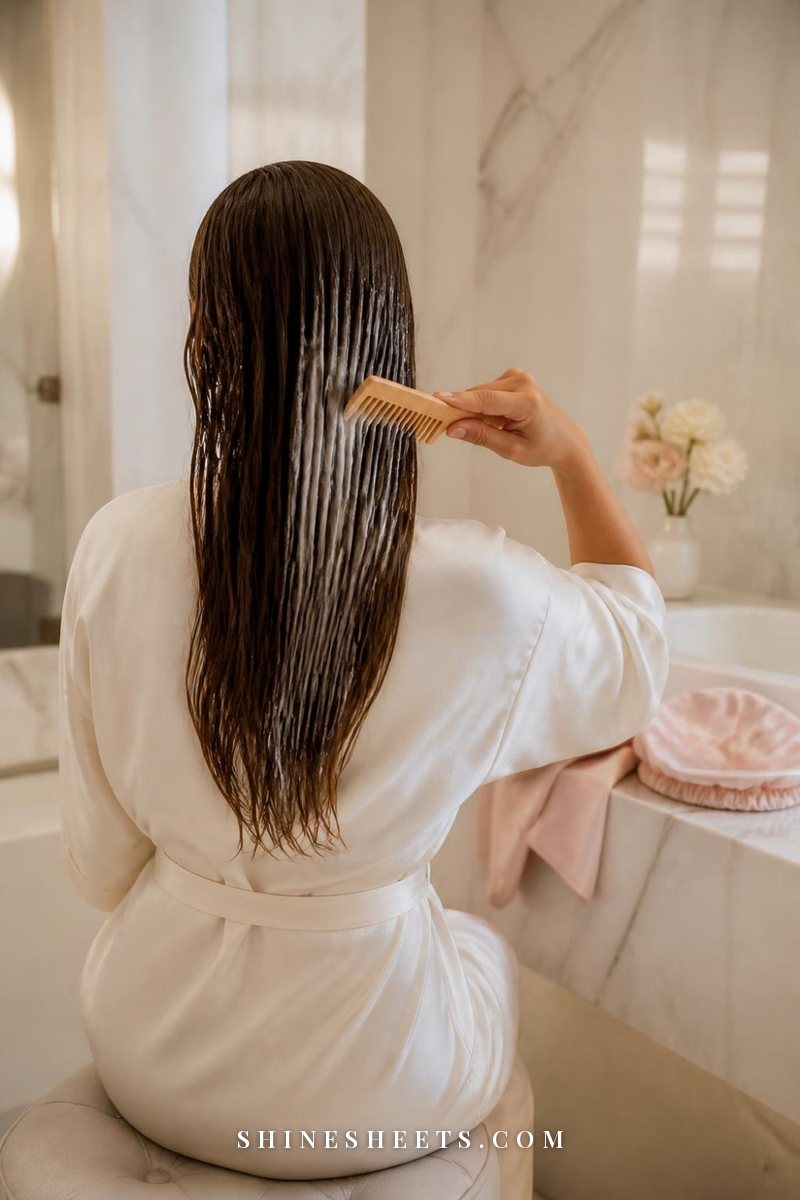
How you apply a mask matters almost as much as which one you choose. Here's the method that gets the most out of every jar:
- Shampoo first. Masks absorb best into clean hair. Skip conditioner, since the mask replaces it.
- Squeeze out the water. Gently press your hair with a towel until it's damp, not dripping. Soaking-wet hair dilutes the mask and lets it slide off.
- Section your hair. Split it into two to four sections so every strand gets covered.
- Apply to mid-lengths and ends. That's where hair is oldest and driest. Keep moisture and protein masks off the scalp unless the label says otherwise.
- Comb it through. Use a wide-tooth comb to spread the mask evenly and gently detangle at the same time.
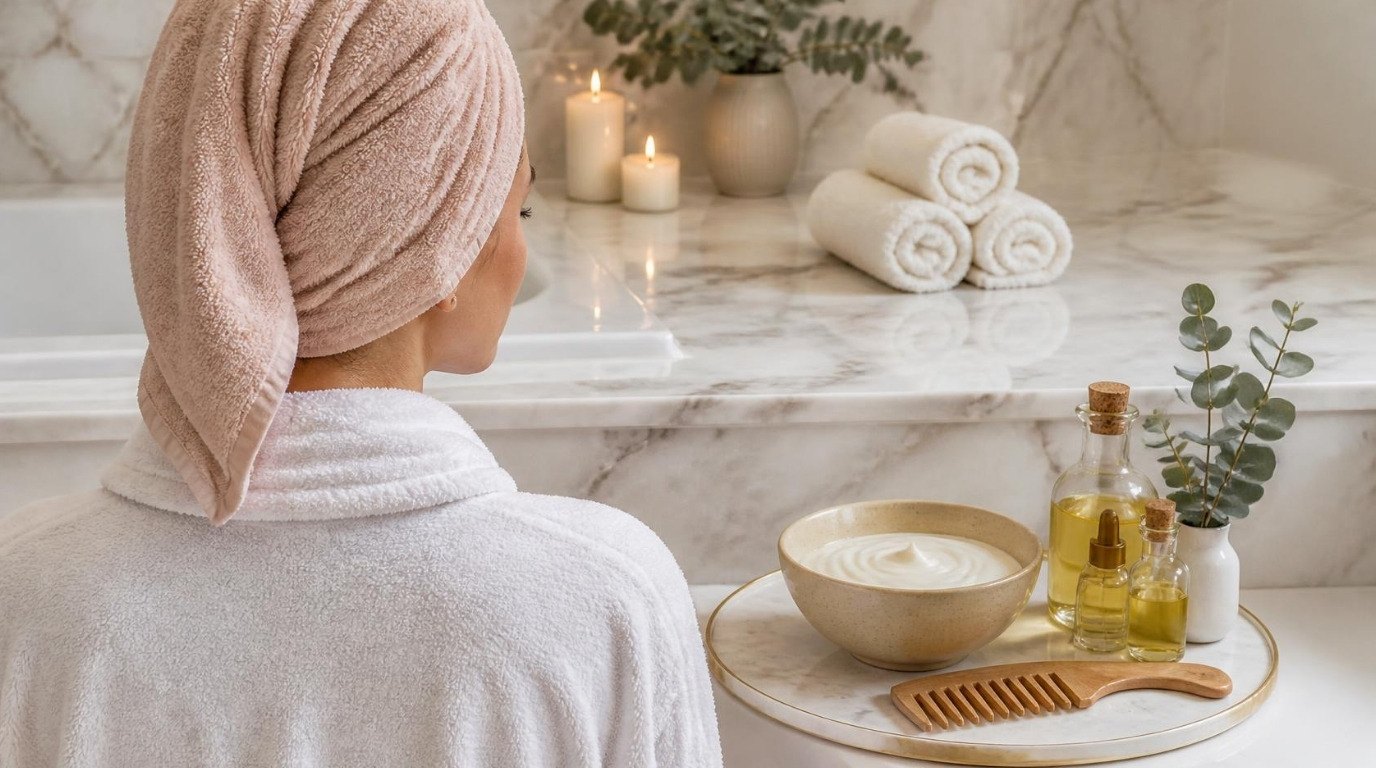
- Add gentle heat. Twist your hair up and cover it with a shower cap, then a warm towel or a thermal heat cap. Warmth helps the mask work more effectively.
- Rinse with cool or lukewarm water. Rinse until your hair feels smooth, not slippery, so no residue weighs it down.
Afterward, squeeze excess water out with a soft satin hair towel wrap instead of rubbing with a regular towel. Less friction means less frizz and breakage.
How Long To Leave It On

Longer isn't always better. Follow the label first, then use these general guidelines:
- Moisture masks: 10–20 minutes, up to 30 with heat. Most of the benefit happens in the first 15 minutes.
- Protein masks: 5–10 minutes, or exactly as the label says. Leaving protein on too long can make hair stiff.
- Bond repair treatments: as directed, usually around 10 minutes. These are formulated for a specific time.
- Scalp masks: 5–10 minutes, especially exfoliating ones, which can irritate if left on longer.
- Oil pre-wash: 30 minutes to overnight. If you leave it on overnight, protect your pillow with a towel or sleep on a silk pillowcase (here's why I love silk pillowcase benefits for hair).
If you're short on time, a quick five minutes is still better than skipping it. Apply the mask before you start the rest of your shower routine (body wash, shaving, face) and rinse it out last. You'll get a good ten minutes without waiting around.
Mask time is a lovely excuse for a few quiet minutes. I like to light a glass candle, make a cup of tea and let those fifteen minutes be a little self-care pause rather than something to rush through.
A Weekly Hair-Care Calendar
Here's how masks fit into a simple week for hair that's a bit dry with a normal scalp, washed two to three times a week. Adjust the wash days to your own rhythm.
| Day | Hair care |
|---|---|
| Monday | Wash day: shampoo, conditioner, light leave-in |
| Tuesday | Rest: a drop of oil on the ends if they feel dry |
| Wednesday | Oil pre-wash for 30 minutes, then shampoo and a 15-minute moisture mask |
| Thursday | Rest: protect hair with a loose braid or silk scrunchie overnight |
| Friday | Rest or a quick refresh at the roots |
| Saturday | Wash day: scalp mask on the roots, shampoo, conditioner |
| Sunday | Rest day: once a month, swap in a protein mask or bond repair on Wednesday instead |
Colder months usually call for one extra moisture mask a week. My winter hair care guide has more seasonal tweaks.
7 Hair Mask Mistakes To Avoid
- Using the same mask forever. Your hair's needs change with seasons, color and heat styling. Check in with the stretch test every month or so.
- Too much protein. If your hair suddenly feels stiff, straw-like or snaps easily, pause protein and switch to moisture for a few weeks.
- Applying to soaking-wet hair. The mask slides off before it can work. Squeeze out water first.
- Putting rich masks on the scalp. This can lead to greasy roots and buildup. Keep them on the lengths.
- Using too much product. More isn't better. A palmful for shoulder-length hair is usually enough, a bit more for long or thick hair.
- Not rinsing well. Leftover mask makes hair look flat and dull. Rinse a little longer than feels necessary.
- Expecting one mask to undo heat damage. Masks help a lot, but protecting hair from high heat and rough handling every day matters more.
Small Habits That Help Masks Work Better
A mask is a weekly treat, but the six other days decide how much it helps. These everyday habits protect all that softness:
- Use heat protectant every time you blow-dry, curl or straighten, and keep tools on medium heat rather than the highest setting.
- Detangle from the ends up, never from the roots down, and always gently.
- Air-dry partly before blow-drying, so your hair spends less time under hot air.
- Trim the ends every few months. No mask can glue split ends back together, and trimming stops splits from traveling up the strand.
- Choose soft hair ties like silk or fabric scrunchies over tight elastic bands.
When you'd like to turn mask night into a full pampering evening, my guide to a hair spa at home adds a scalp massage, warm towels and a slow, relaxing rhythm.
A small safety note: if a mask makes your scalp itchy, red or irritated, rinse it off and stop using it. Patch-test new products behind your ear first if your skin is sensitive, like mine.
Final Thoughts
The best hair mask isn't the most expensive one. It's the one that gives your hair exactly what it's missing this week, applied to damp hair, left on for the right time and rinsed well.
Read your hair, pick your row in the table and give it fifteen calm minutes. Softer, shinier, happier hair is usually just a few good mask days away.