There's a very specific kind of disappointment that comes from finishing a long, careful wash day, blow-drying everything properly, and then waking up two days later to hair that feels flat at the roots and like straw at the ends. I've been there more times than I can count. For years my "routine" was really just a reaction: wash when it looked greasy, slap on a mask when it felt crunchy, panic-buy a new serum when nothing seemed to work.
What finally changed things wasn't a miracle product. It was rhythm. Once I started thinking about hair care as a gentle weekly schedule (a few wash days, a mask day, a scalp day and, importantly, real rest days), my hair started behaving like it actually liked me. Shinier lengths, calmer roots, fewer emergency trims.
This guide walks you through a simple hair care routine for healthy, shiny hair built around a Monday-to-Sunday plan. You'll find the core steps, how to adjust them for your hair type, a weekly schedule table with separate versions for fine and thick hair, and a short list of habits and mistakes that make a bigger difference than any single bottle. Everything here is about care, not styling, so think of it as the foundation that makes every good hair day possible.
Why a Weekly Schedule Works Better Than Random Wash Days
Hair isn't like skin. The strands themselves aren't alive, so they can't repair damage the way your skin can heal a scratch. What you can do is protect the lengths, keep the scalp happy and give your hair what it needs before it starts crying for help. A schedule does exactly that.
When you plan your week, three things happen. First, you stop over-washing out of habit and under-washing out of exhaustion, because you've already decided when wash days are. Second, treatments like masks and scalp care actually happen regularly, instead of once every three months when you remember. Third, you build in rest days, which is when your natural oils get to travel down the hair shaft and do their job.
There's also a lovely calm in not having to think about it. I like knowing that Sunday evening is my mask night, with a cup of tea and a candle going while it soaks in. It turns a chore into a little ritual.
The Core Steps of a Healthy Hair Care Routine
Every good routine, whatever your hair type, comes down to the same seven steps. You won't do all of them every day; the schedule below tells you when each one fits.
1. Cleanse Your Scalp, Not Your Ends
Shampoo is for your scalp. That's where oil, sweat and product build up. Work a coin-sized amount between your palms, add a splash of water, and massage it into your roots with your fingertips (never your nails) for about 60 seconds. When you rinse, the suds that run down are enough to clean your lengths.
Look for a gentle, sulfate-free formula if your hair feels dry or your scalp is sensitive. A mild sulfate-free shampoo is a kind everyday pick because it cleans without leaving that squeaky, stripped feeling. If you use a lot of dry shampoo or styling products, plan one deeper cleanse every week or two (more on that in the schedule).
2. Condition the Lengths Every Single Wash
Conditioner is the step most people rush, and it's the one that keeps your ends smooth and shiny. After rinsing out shampoo, gently squeeze excess water from your hair, then apply conditioner from mid-lengths to ends. Keep it off your roots if they get oily quickly.
Leave it on for two to three minutes while you do something else in the shower, then rinse with lukewarm or cool water. Hot water lifts the cuticle and makes hair look duller, so finishing with a cooler rinse is a tiny habit with a visible payoff.
3. Detangle Gently, Starting From the Bottom
Wet hair is at its most fragile, so this is where a lot of breakage happens without you noticing. Always start detangling at the ends, hold the section above where you're combing, and slowly work your way up toward the roots.
A wide-tooth comb is the simplest tool for this, and doing it while conditioner is still in your hair gives you extra slip. If you have curly or coily hair, detangling in the shower with conditioner in is usually the gentlest option of all.
4. Dry With Care
Rubbing hair with a regular bath towel roughs up the cuticle and causes frizz. Instead, squeeze and blot. A microfiber hair towel wrap is a soft pick because it absorbs water quickly with much less friction, which can cut down your drying time too.
If you use a hair dryer, let your hair air-dry for 10 to 15 minutes first, use a medium heat setting and keep the nozzle moving. Point the airflow down the hair shaft, from roots to ends, so the cuticle lies flat.
5. Protect Before Heat
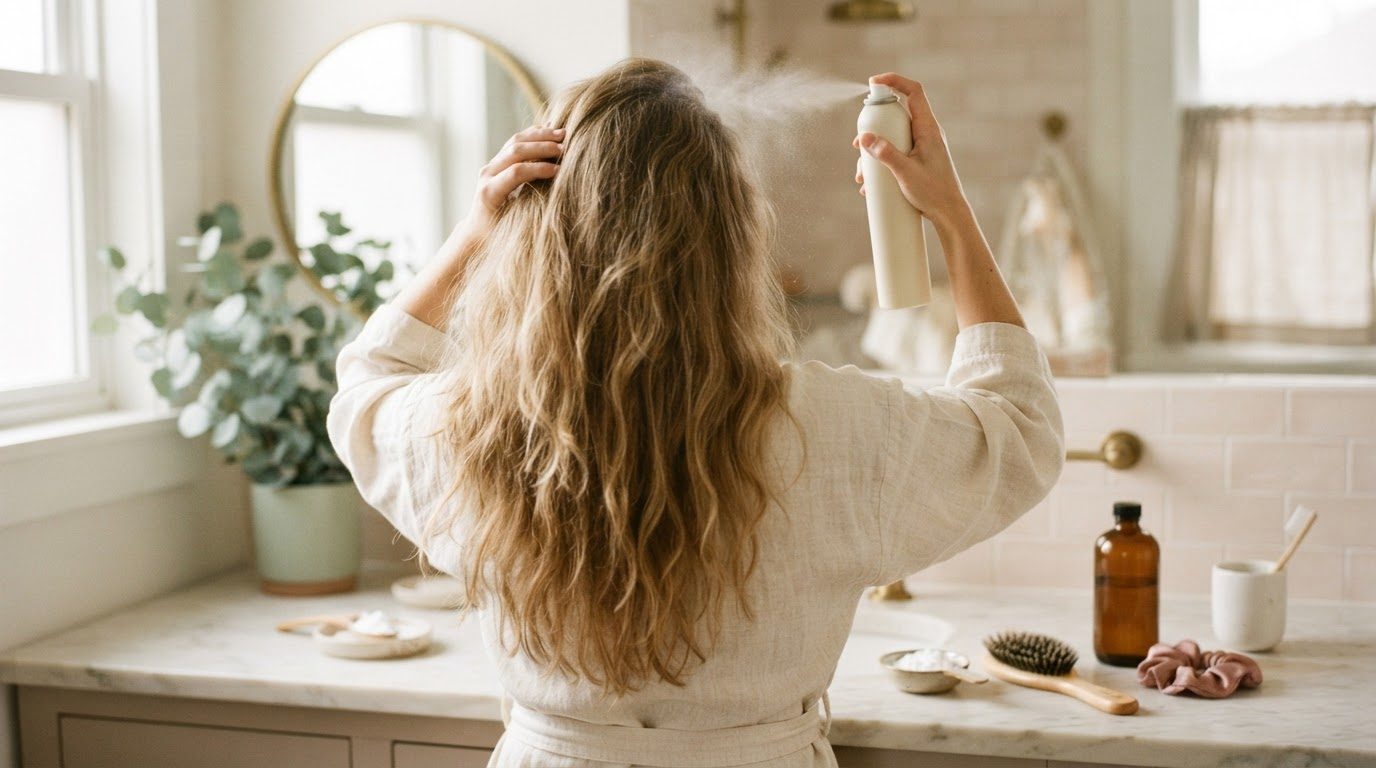
Any time you use a dryer, straightener or curling tool, a heat protectant is non-negotiable. It forms a light barrier that helps reduce moisture loss and damage. Mist it evenly over damp hair, comb it through, and let it settle for a minute before drying.
Look for a lightweight heat protectant spray that doesn't feel sticky or heavy, especially if your hair is fine. And keep your hot tools at the lowest temperature that still works for you; there's rarely a need for the maximum setting.
6. Mask Once a Week
A weekly mask is like a deep drink of water for your lengths. Apply it to clean, towel-dried hair from mid-lengths to ends, comb it through, and leave it on for 10 to 20 minutes (or as long as the label says). Wrapping your hair in a warm towel while it sits helps it feel extra soft.
A rich deep conditioning hair mask is a lovely pick for thick, dry or color-treated hair. If your hair is fine, choose a lighter "moisture" mask over a heavy "repair" one, or simply use more of your regular conditioner and leave it on longer. If you'd like to turn mask night into a proper ritual, my guide to a hair spa day at home has lots of soothing ideas.
7. Give Your Scalp Its Own Moment
Healthy hair starts at the scalp. Once a week, before you shampoo, spend three to five minutes massaging your scalp in small circles with your fingertips. It feels wonderful, helps loosen buildup, and is a genuinely relaxing way to start wash day.
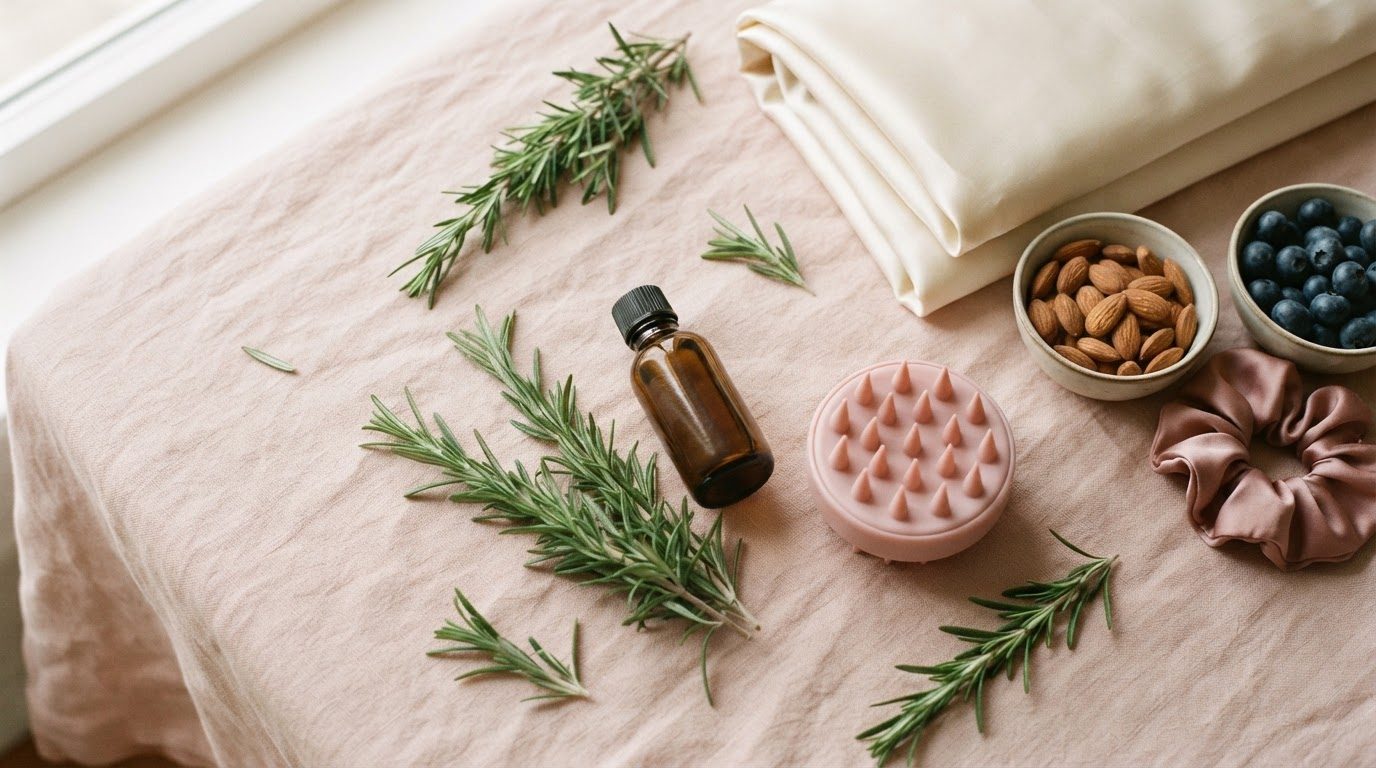
A soft silicone scalp massager is a nice pick if you want a deeper clean or if your scalp tends to feel itchy from product buildup. Use it with light pressure; scrubbing hard does more harm than good. If your roots get greasy fast, my post on what to try if your hair gets oily too fast has more ideas.
How Often Should You Wash? A Quick Guide by Hair Type
There's no single right number. The best wash frequency is the one that keeps your scalp comfortable and your lengths soft. As a starting point:
- Fine or straight hair: every one to two days. Oil travels down straight strands quickly, so roots look flat sooner.
- Medium or wavy hair: every two to three days.
- Thick or curly hair: two times a week is often enough, sometimes less.
- Coily hair: once a week or every ten days, with moisture-focused care in between.
- Active days: if you sweat a lot, a gentle rinse or a conditioner-only wash on workout days keeps your scalp fresh without over-stripping.
Try your starting frequency for two weeks, then adjust by one day in either direction based on how your scalp feels. For a deeper look at this, my guide on how often you should wash your hair based on hair type breaks it down further.
Your Weekly Hair Care Schedule
Here's the heart of this guide: a simple Monday-to-Sunday plan. Choose the column that matches your hair, then shift the days to fit your own week. The order is what matters, not the exact day names. Screenshot it and keep it on your phone until it becomes second nature.
| Day | Fine hair (washes often) | Thick hair (washes less) |
|---|---|---|
| Monday | Wash day: gentle shampoo on roots, light conditioner on ends, heat protectant before drying | Rest day: loosely detangle with fingers, refresh ends with a drop of oil if dry |
| Tuesday | Rest day: brush gently before bed, sleep on a silky pillowcase | Wash day: scalp massage first, shampoo, generous conditioner, detangle in the shower |
| Wednesday | Wash day: shampoo and conditioner, cool final rinse | Rest day: leave hair alone, tie it loosely with a soft scrunchie if needed |
| Thursday | Rest day: dry shampoo on roots only if needed, keep it light | Rest day: a light leave-in mist on the lengths if they feel thirsty |
| Friday | Wash day: shampoo and conditioner, air-dry if you can | Wash day: shampoo, conditioner, heat protectant, low-heat drying |
| Saturday | Scalp day: scalp massage before a deeper clarifying wash every other week | Rest day: give tools and heat a full day off |
| Sunday | Mask night: light moisture mask on ends for 10 minutes, then a quick rinse | Mask night: rich mask for 20 minutes under a warm towel, scalp massage while it sits |
A few notes to make this work for you:
- Curly or coily hair usually follows the thick-hair column with even fewer washes. Swap one wash day for a conditioner-only wash, and keep the Sunday mask.
- Color-treated or bleached hair benefits from the Sunday mask plus a second, shorter mask midweek.
- Wavy or medium hair can mix the two columns: three wash days, one scalp day, one mask night and two true rest days.
- Clarifying means using a deeper-cleansing shampoo to remove buildup. Every one to two weeks is plenty; more often can leave hair dry.
Give the schedule three or four weeks before judging it. Your scalp needs a little time to adjust to a new rhythm, especially if you're washing less often than before.
The Rest-Day Habits Nobody Talks About
Rest days aren't "doing nothing" days. They're where a lot of the shine actually comes from, because what you do between washes decides how much friction and stress your hair takes on.
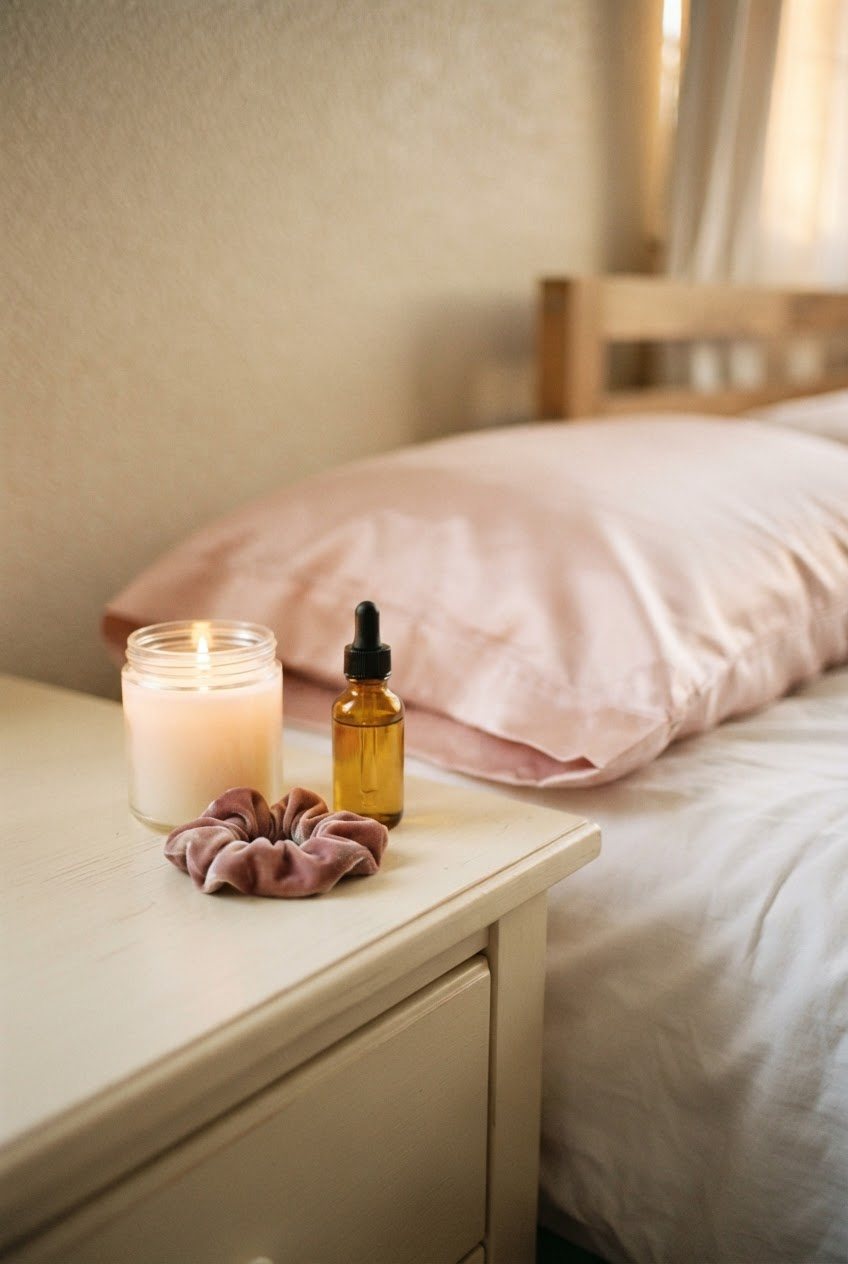
- Sleep on something smooth. A satin pillowcase is a pick worth considering because hair glides over it instead of catching, which means less frizz and fewer tangles in the morning.
- Loosen up. Tight elastics and pulling your hair back in the same spot every day can cause breakage and stress at the hairline. Soft scrunchies or a loose clip are much kinder.
- Brush once, gently. A quick, gentle brush before bed helps spread natural oils from your scalp along the lengths. Skip the old "100 strokes" advice; a few slow passes are enough.
- Keep your hands off. Constantly touching, twirling or running your fingers through your hair adds oil to the roots and friction to the ends.
- Treat your ends. If your ends feel dry on a rest day, warm one or two drops of a lightweight hair oil between your palms and press it onto the last few inches only. Less is more here.
Small Habits That Make Hair Shinier
Shine is really just light bouncing off a smooth, flat cuticle. Anything that keeps the cuticle smooth adds shine; anything that roughs it up takes it away. These small habits help more than you'd expect:
- Finish with cool water. Ten seconds of cool water at the end of your shower helps the cuticle lie flat.
- Dry in the right direction. Always aim your dryer from roots to ends, never against the hair.
- Trim regularly. Every 8 to 12 weeks removes split ends before they travel up the strand. My guide on how to fix split ends explains what you can (and can't) do between trims.
- Protect from the sun. On long sunny days outside, a hat or a scarf helps prevent dryness and color fading.
- Rinse after swimming. Chlorine and salt water dry hair out, so rinse with fresh water as soon as you can and follow with conditioner.
- Drink water and eat well. Hair grows from the inside, so a balanced diet with enough protein and staying hydrated support healthy growth over time.
None of these feel dramatic on their own, but stacked together over a month or two, they really show.
Common Hair Care Mistakes To Stop Making
Most hair problems aren't caused by the wrong product. They're caused by small daily habits that add up. Here are the ones I see (and have made) most often:
- Shampooing the whole length. It dries out your ends for no reason. Focus on the scalp.
- Skipping conditioner because your hair is oily. Oily roots and dry ends often go together. Just keep conditioner below your ears.
- Brushing soaking-wet hair roughly. Use a wide-tooth comb, start at the ends, and be patient.
- Using the hottest setting. High heat every day is one of the fastest ways to dull, brittle hair.
- Changing products every week. Give a new shampoo or mask at least three to four weeks before deciding if it works.
- Heavy oils at the roots. They can weigh hair down and make your scalp feel greasy fast. Keep oils on the ends.
- Ignoring your scalp. Itching, flaking or tenderness is your scalp asking for attention, not something to just put up with.
Adjusting Your Routine Through the Seasons
Your hair needs change with the weather, so it's worth tweaking your schedule a few times a year rather than sticking to one plan forever.
In Cold, Dry Months
Indoor heating and cold wind pull moisture out of your hair. Lean into masks, wash a little less often if your scalp allows, and add a leave-in conditioner to your rest days. Static and hat hair are the usual suspects, and my guide to winter hair care fixes for static, hat hair and dry ends has quick solutions for both.
In Hot, Humid Months
Sweat and humidity can mean more frequent washes and more frizz. Switch to a lighter conditioner, rinse after workouts, and use a light anti-frizz product on the ends. Keep heat styling to a minimum when it's very humid, because it rarely lasts anyway.
In Between Seasons
Spring and fall are great times for a fresh trim and a reset. Clarify once to remove any buildup from heavier winter or summer products, then go back to your basic weekly schedule.
When To See a Professional
A good routine can do a lot, but it can't fix everything. If you notice sudden or patchy hair loss, much more shedding than usual, a scalp that's painful, red or very flaky, or itching that doesn't settle after a few weeks of gentle care, it's worth seeing a doctor or a dermatologist. Hair changes can sometimes reflect what's going on in the rest of your body, and getting checked is a kind thing to do for yourself. This article is general hair care guidance and isn't medical advice.
Final Thoughts
A healthy hair care routine isn't about perfection or a shelf full of products. It's about a gentle rhythm: clean the scalp, condition the lengths, protect against heat and friction, treat your hair once a week and let it rest in between.
Pick the column in the schedule that fits your hair, follow it for a month, and adjust as you go. Your hair will tell you what it likes, one calm, shiny week at a time.