Silicones aren't the villain of hair care, and they aren't a miracle either. They're simply a tool – one that suits some hair types and routines beautifully and feels heavy on others. Whether they're "good" or "bad" depends far more on your hair and how you wash it than on the ingredient itself.
The internet tends to treat silicones as all or nothing: either the secret behind every glossy blowout or a plastic coating that "suffocates" your hair. Neither is quite right. Most of the confusion clears up once you know what silicones actually do, how the different types behave, and how to keep them from building up.
This guide breaks down silicones in hair care without the fearmongering: what they are and why brands use them, water-soluble versus non-water-soluble types, how to spot them on an ingredient list, 5 real pros and 4 real cons, who may love them and who may prefer lighter formulas, and how to prevent buildup. There's also a table of common silicone names so you can decode a label in seconds.
What Are Silicones in Hair Care?
Silicones are a family of ingredients made from silicon (an element found in sand and quartz) combined with oxygen and other elements. In hair care they're used as smooth, slippery polymers that spread easily and leave a very thin, flexible film on the surface of the hair.
That film is the whole point. It doesn't sink into the strand or change the hair's structure. It sits on the outside, filling in rough spots on the cuticle, reducing friction between strands and helping light reflect more evenly. That's why hair often feels silkier and looks shinier the moment a silicone serum goes on.
You'll find them in conditioners, leave-ins, serums, heat protectants, styling creams and some shampoos. They're also widely used in skincare and makeup for the same silky, smooth-gliding feel.
Why Brands Use Silicones
There's a reason silicones are in so many formulas: they do several jobs very well, and very few other ingredients do all of them at once.
- Slip: they help a comb glide through wet hair, which reduces tangling and the breakage that comes with it.
- Shine: by smoothing the surface, they help hair reflect light so it looks glossier.
- Frizz control: the thin film slows down how quickly humidity swells the strand, so hair stays smoother for longer.
- Heat protection: many heat protectants rely on silicones to spread evenly, slow heat transfer and help tools glide instead of drag.
- A light, non-greasy feel: compared with many oils, some silicones give smoothness without feeling oily.
Water-Soluble vs Non-Water-Soluble Silicones
Not all silicones behave the same way, and this is where most of the "good or bad" debate actually lives.
Water-Soluble Silicones
These have been modified (often with PEG or PPG groups attached) so they dissolve or disperse in water. They give a lighter conditioning effect and rinse away easily, so buildup is rarely a concern. They're common in lightweight conditioners and some leave-ins.
Non-Water-Soluble Silicones
These don't dissolve in water alone, so they need a shampoo with surfactants (cleansing agents) to wash them out. They tend to give more noticeable slip, shine and frizz protection, and they last longer on the hair – which is wonderful for some people and too heavy for others.
Volatile Silicones
A third group is worth knowing. Volatile silicones (like cyclopentasiloxane) give a silky feel while you're applying a product, then mostly evaporate as hair dries. They help other ingredients spread and leave very little behind, so they're rarely the cause of heaviness.
In practice, many people do perfectly well with non-water-soluble silicones as long as their shampoo can remove them. Buildup becomes an issue mainly when the cleanser is very gentle (or skipped) and heavy silicones are layered on wash after wash.
How To Spot Silicones on an Ingredient List
You don't need to memorize chemistry. A few word endings will catch almost all of them:
- -cone (dimethicone, amodimethicone, cyclomethicone)
- -conol (dimethiconol)
- -siloxane (cyclopentasiloxane, cyclohexasiloxane)
Two more tips. A "PEG-" or "PPG-" in front of a silicone name usually means it's been made water-soluble. And ingredients are listed roughly in order of amount, so a silicone near the top of a serum is the main ingredient, while one near the bottom of a conditioner is a small supporting player.
If you're trying to choose products more confidently in general, my guide on how to choose the right hair care products walks through reading labels for your hair type.
Common Silicones in Hair Care: A Quick Table
Here are the names you'll see most often. Screenshot it for your next shopping trip.
| Silicone name | Water-soluble? | What it does | Best for |
|---|---|---|---|
| Dimethicone | No | Strong slip, shine and frizz control; long-lasting film | Thick, coarse, frizzy or heat-styled hair |
| Amodimethicone | No, but tends to build up less | Clings mostly to damaged areas, smooths and detangles | Colored, bleached or damaged lengths |
| Dimethiconol | No | Rich smoothing and conditioning | Dry, thick or very long hair |
| Cyclopentasiloxane | No, but evaporates | Silky spreadability, light finish, little residue | Most hair types, including fine hair |
| Cyclomethicone | No, but evaporates | Lightweight carrier, quick-drying silky feel | Serums and sprays for most hair types |
| Phenyl trimethicone | No | High shine, light feel | Shine sprays, normal to thick hair |
| PEG-12 dimethicone (or other PEG/PPG dimethicone) | Yes | Light conditioning, rinses out easily | Fine, low-porosity or curly routines |
One caveat: how a product feels depends on the whole formula and how much silicone is in it, not just which one is listed. Treat this table as a starting point, then let your hair have the final say.
5 Real Pros of Silicones
These are the genuine benefits – no exaggeration needed.
1. Easier Detangling and Less Breakage
Slip is the big one. When a comb glides instead of snags, fewer strands stretch and snap. For long, thick or curly hair, that alone can make a visible difference to breakage over time.
2. Noticeable Shine
Silicones smooth the cuticle surface so light bounces back evenly. A few drops of a lightweight silicone serum on dry ends is one of the quickest ways to make hair look polished.
3. Frizz Control in Humidity
The thin film slows moisture from the air moving in and out of the strand, which is what causes frizz. If humid days are your hair's nemesis, silicones are often the most reliable helper. My guide to making frizzy hair smooth and sleek again has more tips that pair well with them.
4. Help With Heat Protection
Many heat protectants use silicones to coat the hair evenly, add slip so tools glide, and slow heat transfer. A heat protectant spray misted section by section before blow drying or flat ironing is the classic example. For the full routine, see my guide on how to use heat protectant right before styling.
5. Smoothing Damaged Ends
Silicones can't repair damage, but they can make worn, porous ends feel and look much smoother by filling in rough spots on the cuticle. That makes damaged hair easier to live with while you grow it out and trim it gradually.
4 Real Cons of Silicones
And the honest downsides. None of them mean silicones are harmful – just that they're not ideal for everyone.
1. Buildup Over Time
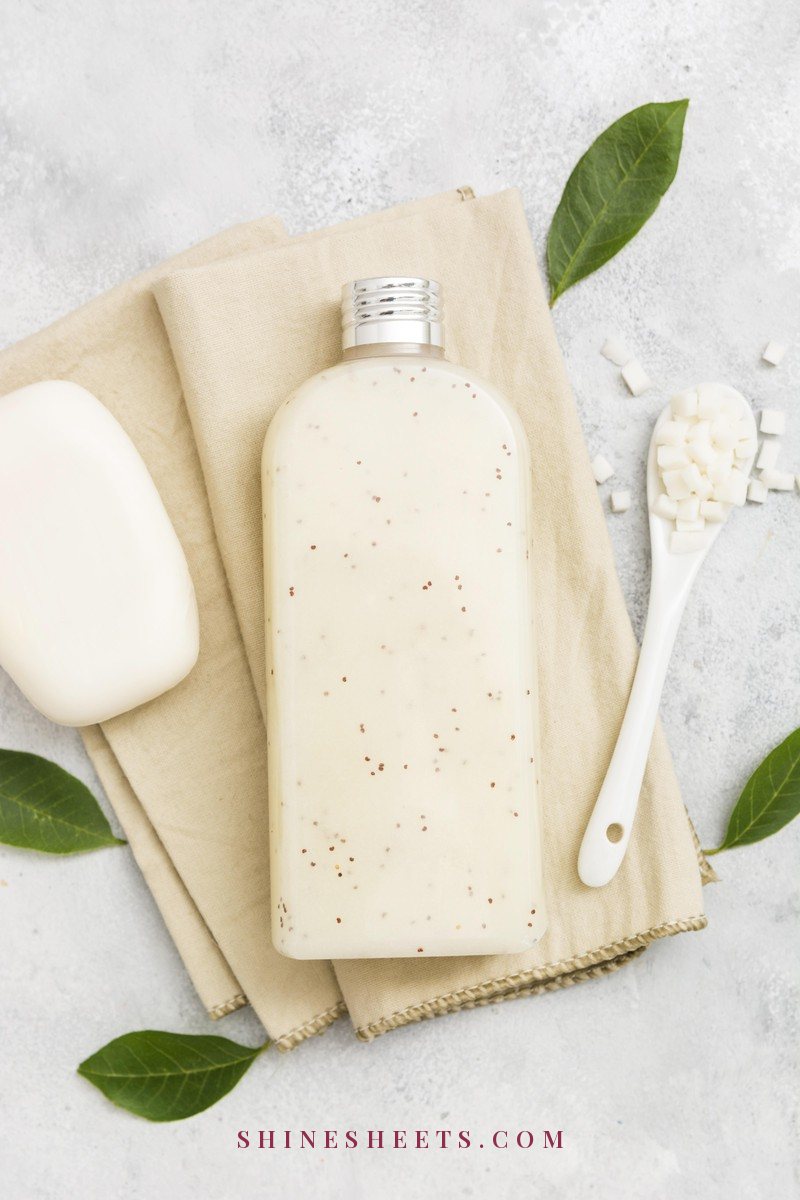
Heavier, non-water-soluble silicones can accumulate if they're applied often and not fully washed out, especially with very gentle cleansers or co-washing. Signs include hair that looks shiny but feels coated, limp or waxy, takes longer to get wet, and stops responding to conditioner.
2. Weighing Down Fine Hair
Fine hair has less surface to spread product over, so even a light film can flatten roots and reduce volume. Heavy serums and rich conditioners with silicones high on the list are usually the culprits.
3. Possibly Limiting Moisture for Some Curls
Some people with curly or coily hair find that heavy silicones make it harder for later water-based products to absorb, so curls feel less bouncy and defined. Experiences vary a lot here, and many curly routines include lighter or water-soluble silicones without any trouble.
4. Needing a Stronger Cleanser
Non-water-soluble silicones need a shampoo with enough cleansing power to remove them. If your scalp is sensitive and you prefer very mild cleansers, that can be a mismatch – you either accept the occasional clarifying wash or choose lighter silicones.
Who May Love Silicones
Silicones tend to shine (literally) for:
- Thick or coarse hair that drinks up smoothing products and rarely feels weighed down.
- Frizzy hair, especially in humid climates.
- Heat-styled hair, where slip and heat protection matter every time you style.
- Long hair, where the ends are older, more worn and more prone to tangles.
- Colored or bleached hair that needs extra smoothing on porous lengths.
If this sounds like your hair, there's no reason to feel guilty about the silicones in your routine. Thick, long, frizz-prone or heat-styled hair often looks and behaves its best with them. Just pair them with a shampoo that can rinse them out, and add a clarifying wash every few weeks. That combination gives you the slip and shine without the slow creep of heaviness that tends to give silicones their bad reputation.
Who May Prefer Lighter or No-Silicone Formulas
Lighter formulas, water-soluble silicones or skipping them altogether may suit you better if you have:
- Fine hair that goes flat easily.
- Low porosity hair where products tend to sit on top rather than absorb. My guide to finding your hair porosity can help you work out where you are.
- A curly routine built around gentle cleansers or co-washing, where heavier silicones may build up faster.
- A very oily scalp, where anything heavy near the roots shows quickly.
"Lighter" doesn't have to mean giving up slip. A no-silicone leave-in conditioner with plant oils or conditioning agents can still help with detangling, and you can save silicones for the ends only.
The best approach is to experiment gently. Try one change at a time for two or three weeks and notice how your hair feels on day one versus day three after washing.
How To Prevent Silicone Buildup
You don't need to avoid silicones to avoid buildup. A few simple habits keep things balanced:
- Clarify occasionally. Use a gentle clarifying shampoo every two to four weeks, or whenever hair starts to feel coated. Follow with conditioner, since clarifying can feel stripping. My guide to when and how to use clarifying shampoo covers the timing in detail.
- Apply to the lengths, not the roots. Keep serums and silicone-rich leave-ins on mid-lengths and ends, where hair is driest.
- Use less than you think. One to two drops of serum is usually enough for shoulder-length hair. Warm it between your palms first.
- Choose lighter leave-ins on fine hair. Look for water-soluble or volatile silicones, or no-silicone formulas.
- Don't stack heavy products. If your conditioner, leave-in, cream and serum all have dimethicone near the top, drop one of them.
- Detangle gently. A cream wide-tooth comb used from the ends up helps distribute product evenly so it doesn't clump in one spot.
If you live in a hard water area, buildup may be minerals rather than silicones (or a mix of both). An occasional clarifying wash helps with both.
How To Use Silicone Products Without the Heaviness
Where a silicone sits in your routine matters as much as which one it is. Here's how I'd approach each product type.
Serums and Oils
These usually have the highest concentration of silicones, often listed first. Use one to three drops, warmed between your palms, and smooth them over the ends of dry or almost-dry hair. Skip the roots entirely. If your hair looks greasy by the next morning, halve the amount before you give up on the product.
Conditioners and Masks
Silicones in rinse-out products leave less behind than leave-ins, because much of the product goes down the drain. Apply from mid-lengths to ends, leave for two to three minutes, and rinse thoroughly. Fine hair often does best with a lighter conditioner and a mask only once a week.
Heat Protectants
This is where silicones earn their keep. Mist evenly, comb through so every section is covered, and let it settle for a minute before using hot tools. Because you'll style straight afterwards, a light, fine mist is better than soaking the hair.
Shampoos
Some shampoos, especially "2-in-1" and smoothing formulas, contain silicones to make hair feel soft after rinsing. They're handy for thick hair but can add up quickly on fine hair, so they're usually the first thing to swap if you're dealing with buildup.
A Simple Way To Test If Silicones Suit Your Hair
Rather than going all in or cutting silicones out overnight, try this gentle three-week experiment. It takes the guesswork out and lets your own hair answer the question.
- Start fresh. Wash once with a clarifying shampoo and conditioner so you're starting from clean hair.
- Weeks one and two: keep your routine the same, but use silicone products only on the ends and notice how your hair looks and feels on day one and day three after washing. Write a few words in your phone or a notebook – shine, softness, volume, frizz, how quickly it gets oily.
- Week three: swap just one product (usually the leave-in or serum) for a lighter or no-silicone version, and take the same notes.
- Compare. If your hair felt smoother and more manageable with silicones and didn't go flat, keep them. If it felt lighter, bouncier and just as smooth without, the lighter option is your winner.
Change one thing at a time. Swap everything at once and you'll never know which product made the difference.
Do Silicones Damage Hair or Cause Hair Loss?
No. Silicones sit on the surface of the hair shaft and wash off with shampoo. They don't break down the hair's structure, they don't "suffocate" the strand (hair doesn't breathe), and there's no good evidence that they cause hair loss.
What they can do is build up and make hair feel heavy or dull, which is a styling problem with an easy fix, not damage.
If you're noticing sudden shedding, patchy thinning, or an itchy, sore or flaky scalp, please don't blame your conditioner and quietly swap products. Those changes can have many causes, from stress and hormones to nutrition and scalp conditions, and they're worth checking with a doctor or dermatologist. It's also worth seeing someone if any product irritates your scalp – stop using it and get advice.
And if you're curious how silicones fit into the bigger picture of smooth, shiny hair, my guide to the hair cuticle explains what's happening on the surface of each strand.
Final Thoughts
Silicones in hair care are neither good nor bad on their own. They're excellent at slip, shine, frizz control and heat protection, and they can feel too heavy for fine hair or certain curly routines. The difference usually comes down to how much you use, where you put it, and whether your wash routine can rinse it away.
Let your hair be the judge rather than a label or a trend. A small tweak – serum on the ends only, a clarifying wash once a month, a lighter leave-in – is often all it takes to get the benefits without the heaviness.