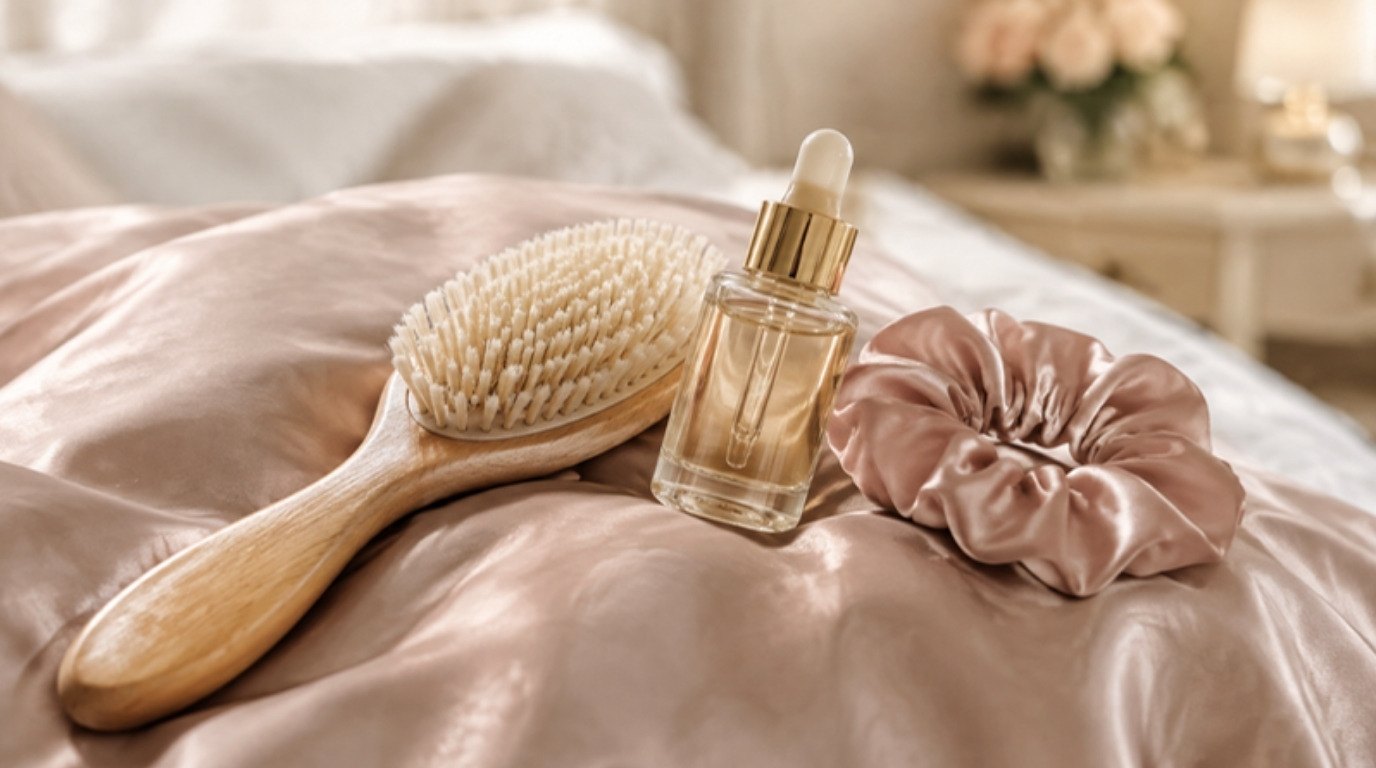
Flyaways are rarely a sign that something is wrong with your hair. Most of the time they're short new hairs growing in, a few strands that snapped somewhere along the way, or a little static lifting the top layer – and each of those has a small, quick answer that doesn't involve coating your whole head in product.
The real trick is to treat the halo, not the whole head. Flyaways live on the surface: around the crown, along your part and at the hairline. When you work a heavy cream through all your lengths to calm a few strands on top, you end up with flat roots, greasy-looking ends and the same flyaways popping back up by lunchtime. (I learned that one the slow way.)
This guide is all about how to tame flyaways and that fuzzy frizzy halo without weighing your hair down. You'll find why flyaways happen, a table that matches each cause to a quick fix and a long-term fix, 8 fast fixes for the moment, the simple rules for placing product so it stays light, and the gentle habits that mean fewer flyaways over the coming months.
It works for every texture – straight, wavy, curly and coily – because the idea is the same everywhere: the right amount, in the right spot, at the right moment.
Flyaways vs Frizz: What You're Actually Dealing With

Flyaways and frizz get lumped together, but they're not quite the same thing, and knowing which one you have saves you a lot of wasted product.
- Flyaways are individual hairs that stick up or out from the smooth surface of your hair. They're usually shorter than the rest, they sit at the hairline, along the part or around the crown, and they often catch the light like a fine halo in photos.
- All-over frizz is when the lengths themselves look fuzzy, puffy or undefined. That's mostly about moisture and the hair cuticle along the whole strand, not a handful of short hairs on top.
If your lengths feel rough and puff up everywhere, my guide to making frizzy hair smooth and sleek again is the better place to start. This article stays on the surface: the short strands, the static and the halo that appears around your head no matter how carefully you style the rest.
A quick test: smooth your palm lightly over the top of your head. If the fuzz flattens for a moment and then springs back in a thin layer, those are flyaways. If the whole section under your hand feels dry and coarse, that's frizz.
Why Flyaways Happen
There's almost always more than one reason, and the good news is that none of them mean you're doing everything wrong. Here are the four most common causes.
Baby Hairs and New Growth
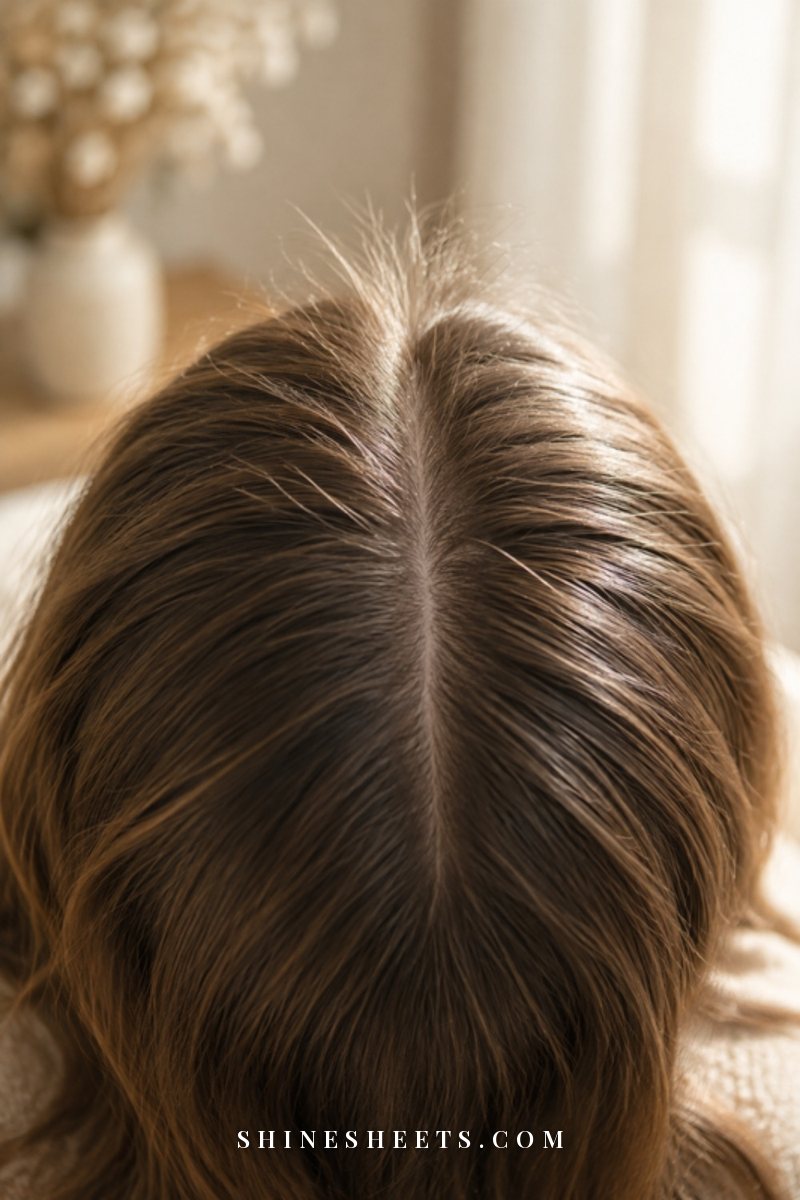
Your hair is always growing in cycles, so at any moment some strands are brand new. Those short hairs haven't got enough length or weight to lie flat yet, so they stand up along the hairline and part. This is completely normal and actually a lovely sign – it means hair is growing.
New growth is often more noticeable after a period of extra shedding, for example a few months after a stressful time. Those hairs will settle as they get longer. In the meantime, the goal is simply to smooth them gently, never to pull them back tightly or try to "train" them with heavy gel.
Breakage From Tight Ties and Rough Towels
Not every short hair is new. Some are broken pieces of longer strands, and they tend to show up in the same places your hair gets the most friction: where you tie a ponytail, where a towel gets rubbed hardest, where a hairband sits every day.
Signs you're looking at breakage rather than growth: the short hairs feel rough or blunt at the tips, they're mostly in one band around your head, and the lengths nearby look thinner or uneven. If that sounds familiar, my article on the causes of hair breakage and how to stop it goes deeper into the why.
Static in Dry Air
When the air is dry – heating season, air-conditioned offices, a long flight – hair can pick up a static charge from hats, scarves, sweaters and plastic brushes. Charged strands repel each other, so they lift and float away from your head. Static flyaways are usually fine, light and very obvious when you pull off a knit hat.
This kind of flyaway needs a little moisture and a way to release the charge, not more hold. My winter hair care fixes for static and dry ends are especially helpful in the cold months.
Humidity
Humid air does the opposite. Hair absorbs moisture from the air, the strands swell slightly and the cuticle lifts, so the top layer puffs up and loses its smoothness. On humid days, flyaways look more like a soft, fuzzy cloud around your head, and they often get worse as the day goes on.
Here, a light seal on the top layer helps most: a tiny bit of serum or a finishing product that stops the surface from soaking up so much moisture.
The Flyaway Table: Cause, Look, Quick Fix and Long-Term Fix
Find the row that looks most like your hair right now. The quick fix gets you through today; the long-term fix is what makes the halo smaller over the next few months.
| Cause | What it looks like | Quick fix | Long-term fix |
|---|---|---|---|
| Baby hairs and new growth | Short, soft, upright hairs at the hairline and part, all about the same length | Spoolie with a light mist of hairspray, brushed in the direction you want them to lie | Patience and gentle handling; avoid pulling the hairline back tightly |
| Breakage from ties and towels | Rough, blunt short pieces in one band, often where a ponytail sits | Finishing stick swept over the band, then smoothed with fingers | Soft scrunchies, blotting instead of rubbing, gentle detangling |
| Static in dry air | Fine, floating strands that lift away from the head, worse after hats and sweaters | Damp palm smooth or the dryer sheet trick | Moisture balance, a natural-bristle brush, a silk or satin pillowcase |
| Humidity | A soft, puffy halo that grows through the day | One drop of light serum on palms, pressed over the top layer | Regular conditioning and a light leave-in to keep the cuticle smooth |
| Heat styling | Dry, slightly crispy short ends around the crown and face | Cool blast of the dryer to close and set the surface | Heat protection every time, lower heat settings, fewer passes |
Screenshot it and keep it next to your hair stash. Most people find they have two causes working together – static and breakage is a very common pair.
8 Quick Fixes for Flyaways and Halo Frizz

These are the in-the-moment fixes, for when you're about to walk out the door or you've just pulled off a sweater and your hair is floating. Pick the one that matches your cause from the table above. You don't need all eight on the same day.
1. A Drop of Light Serum on Your Palms
This is the classic, and it works best for humidity flyaways and that soft halo. The key word is drop. Put one small drop of a lightweight hair serum into one palm, rub your palms together until they feel almost dry, then press (don't rub) your hands lightly over the top layer of your hair, from the crown down.
Look for a serum that describes itself as lightweight or weightless, ideally silicone-based or with very light oils, so it smooths the surface instead of soaking in and darkening the hair. Fine hair: half a drop is plenty. Thick or coily hair: you might need two drops, but add the second only after you've seen what the first one did.
2. A Clean Spoolie or Toothbrush With a Little Hairspray
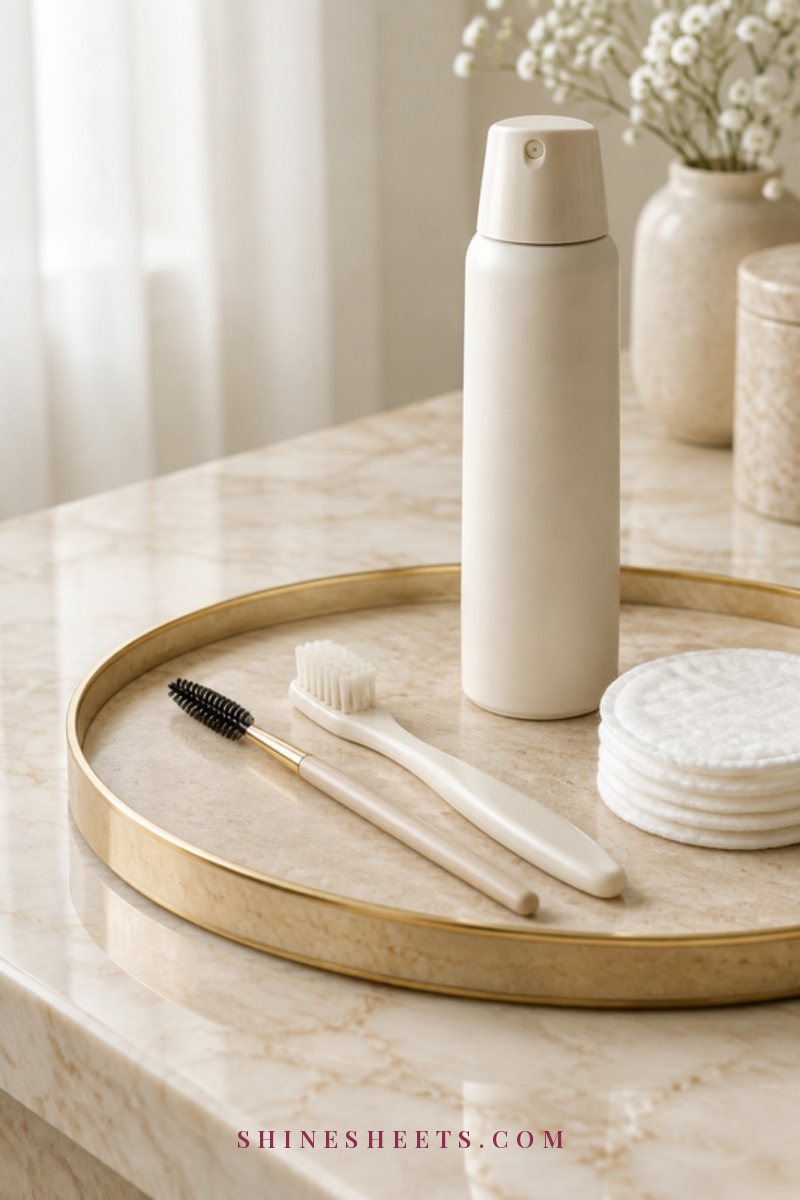
This one is for baby hairs at the hairline and along the part, where you want precision. Mist a little flexible hairspray onto a clean spoolie (the kind used for brows) or a soft toothbrush you keep only for hair. Hold the can a good distance away so the bristles get a light mist, not a wet coat.
Then brush the short hairs gently in the direction you want them to lie, using tiny strokes. Wait a few seconds before touching them again so the spray can set. Keep the brush clean by rinsing it with warm water and a bit of shampoo once a week, otherwise old product builds up and starts to make hairs stiff and clumpy.
3. A Hair Finishing Stick
Finishing sticks look like a giant lip balm or a glue stick and they're made exactly for this job. You glide the stick lightly over the flyaways on the top layer, and it leaves a thin, flexible film that holds them down without the crunch of hairspray.
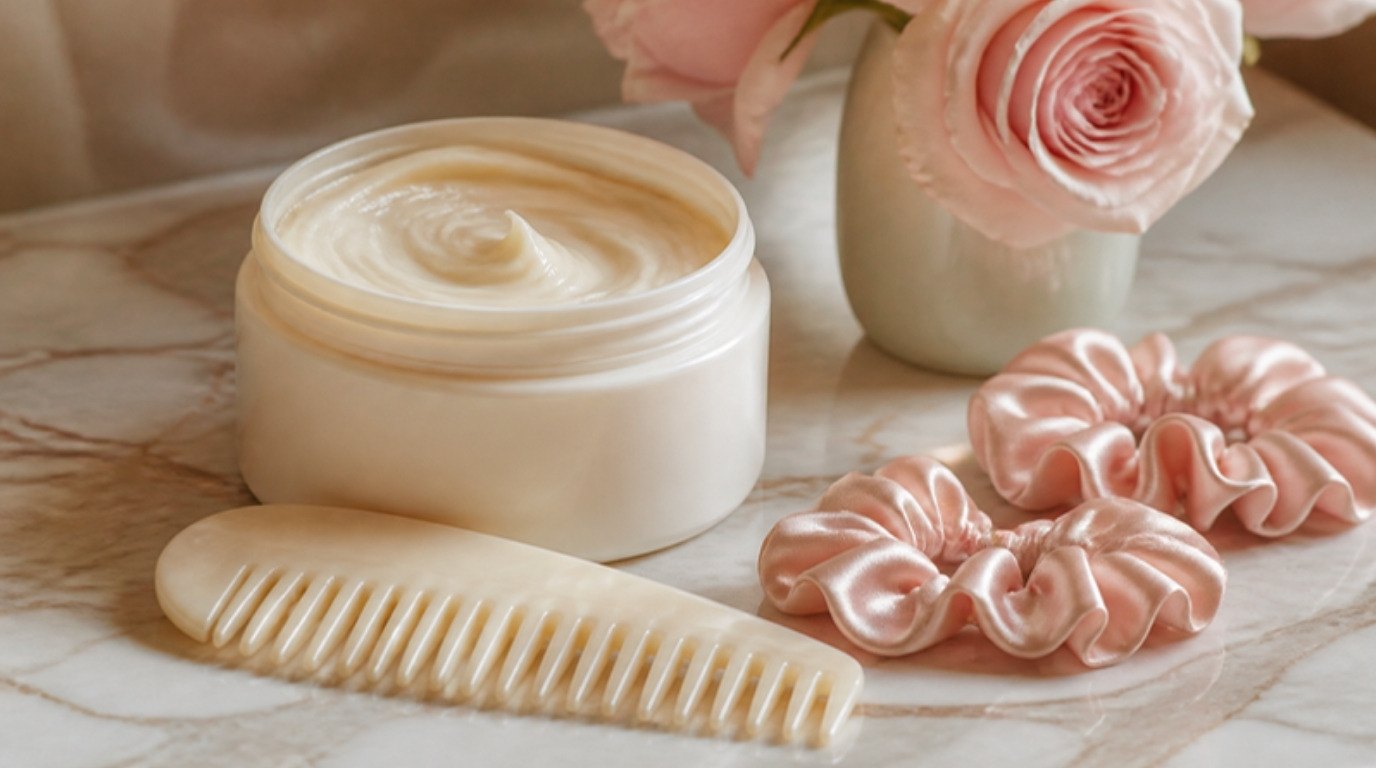
A hair finishing stick is a lovely pick if you get a band of breakage where a ponytail usually sits, or if your part always has a few rebels. Glide it in the direction of your hair, one or two passes, then smooth with clean fingertips. Look for one that says "no residue" or "lightweight", and keep it away from your roots if your scalp gets oily quickly.
4. A Damp Palm Smooth
The simplest fix of all, and one of the best for static. Run the cold tap, wet your palms, then shake off most of the water so your hands are only slightly damp. Smooth them gently over the flyaways from the crown down. The tiny bit of moisture releases the static charge, and the strands lie down again.
This won't last all day in very dry air, but it's perfect after taking off a hat or a scarf. If you want a bit more staying power, follow with the finger-finish in fix number 8.
5. The Dryer Sheet Trick for Static
This is an old trick that still works well for static flyaways. Take an unscented or lightly scented dryer sheet and glide it gently over the surface of your hair, from the top down. The sheet's coating reduces the charge, so the floating strands settle.
A few kind notes: use a fresh, clean sheet, keep it to the surface (don't rub it on your scalp), and skip this trick if your skin is sensitive to fragrance. If you're prone to irritation like me, an unscented sheet is the safer choice, and if your hairline or forehead gets itchy or red afterward, stop and go back to the damp palm smooth.
6. A Cool Blast of the Dryer
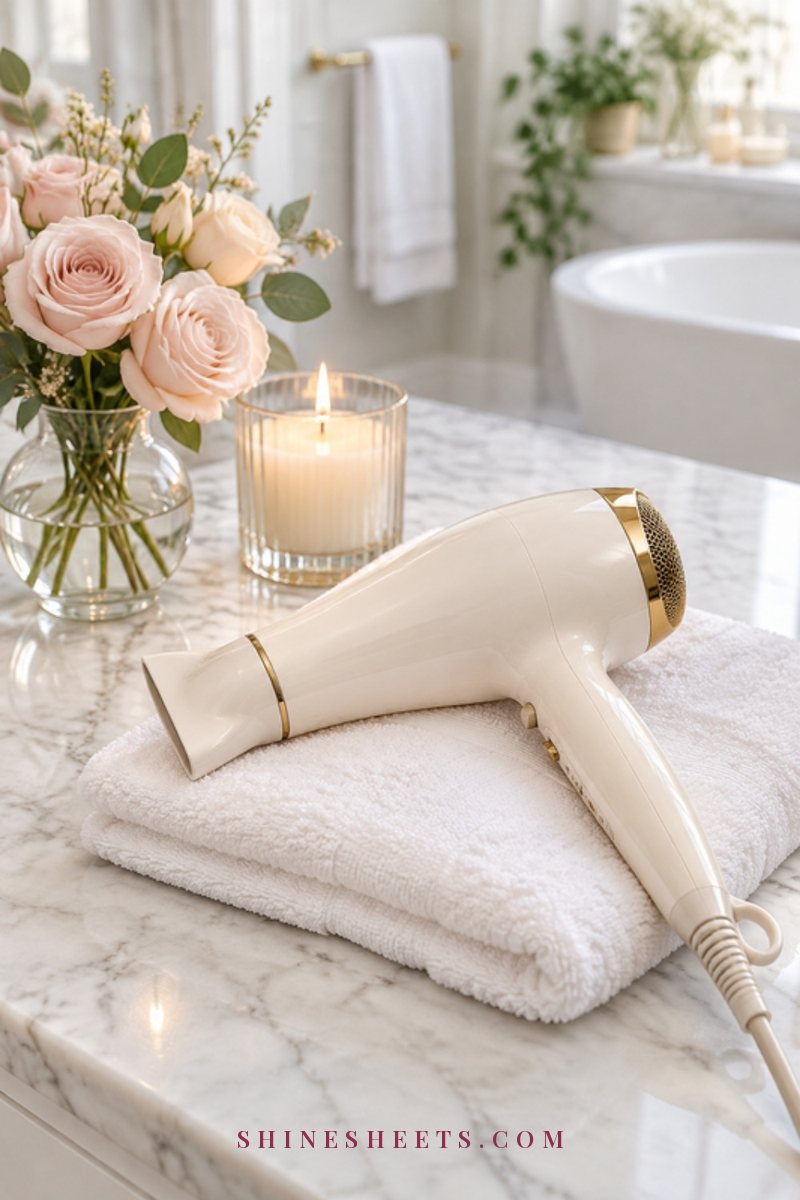
If you blow-dry, the last minute matters more than you might think. Warm air leaves the cuticle slightly open; a cool blast helps it lie flat and sets the shape. Switch your dryer to the cool setting, point the nozzle down the hair shaft (from roots toward the ends, never upward), and go over the top layer for about 30 to 60 seconds.
This works best on hair that's fully dry. Cooling slightly damp hair leaves it soft, but finishing completely dry hair on cool is what gives you that smoother surface and fewer floating strands.
7. A Boar-Bristle Brush

A natural-bristle brush is a small tool that does a lot for flyaways. The dense, soft bristles smooth the top layer, spread your scalp's natural oils a little way down the hair, and create far less static than many plastic brushes.
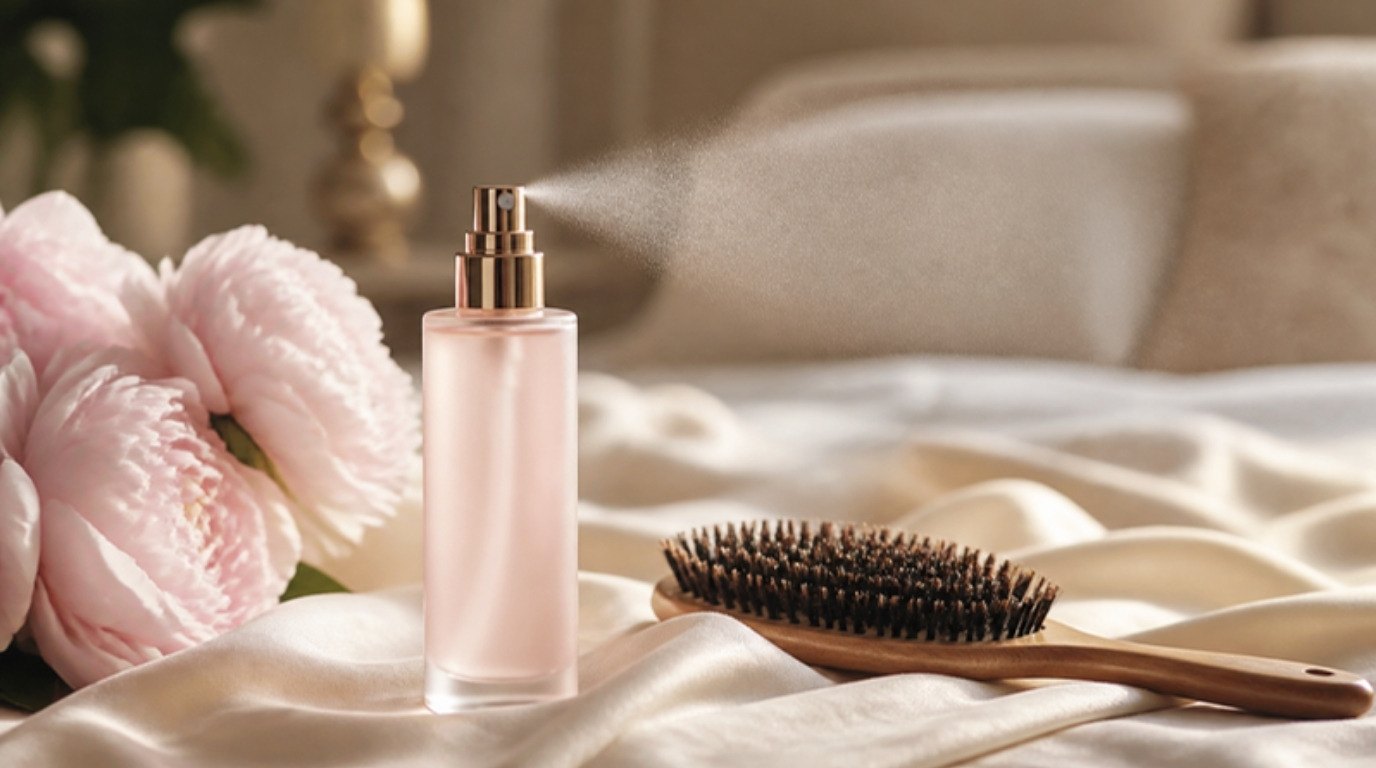
A cream boar-bristle brush is my pick for smoothing the surface once your hair is dry and already detangled. Use it gently over the top layer and around the hairline, with light strokes. It isn't a detangling brush – on wet hair or knots, use a wide-tooth comb or a flexible detangler first. Curly and coily hair can still use one very lightly on the hairline or the top layer, but skip it through your curls so you don't brush out their shape.
8. Finish With Your Fingers, Not More Product
When there are still a few flyaways after you've done everything, it's tempting to reach for one more pump of something. Most of the time, that's the moment hair gets heavy. Instead, rub your fingertips together for a few seconds so they're slightly warm, then press the remaining flyaways down with light, flat fingers.
Whatever product is already on your palms from the earlier steps is usually enough. Think of it as polishing rather than adding. If a few hairs still stand up, that's okay – a couple of soft flyaways look natural and fresh in person, even if your camera picks them up.
How To Tame Flyaways Without Weighing Hair Down
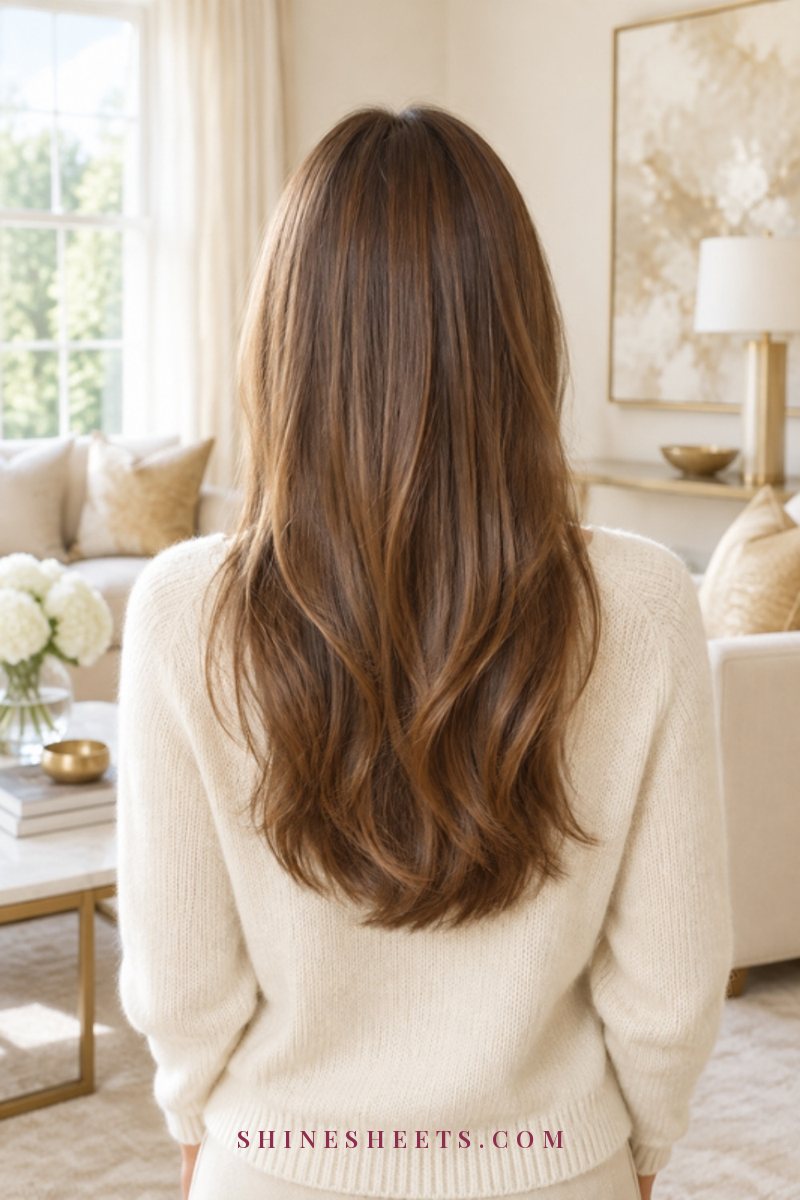
This is the part most people skip, and it's the reason they end up with flat roots and still-fuzzy hair. Flyaways are a surface problem, so every product should stay on the surface. Here are the rules I'd keep in mind every time.
- Use less than you think. Start with half of what the bottle suggests. You can always add, but taking product out means washing your hair again.
- Warm it on your palms first. Rub serums, balms and creams between your palms until they almost disappear. A thin, even film spreads far better than a blob dropped on one spot.
- Place it on the top layer only. Press your hands over the surface of your hair, especially the crown and the band where flyaways appear. Don't rake product through the lengths underneath – they don't need it for this.
- Never on the roots. Keep oils, serums and sticks at least a couple of inches away from your scalp, except for the tiny spoolie-and-spray trick at the hairline. Product on the roots is the fastest way to lose volume and look like you need a wash.
- Work in daylight. Bathroom light can hide flyaways and also hide too much product. Step to a window for a final check before adding anything.
Adjusting for Your Hair Type
- Fine hair: sprays and finishing sticks are usually better than serums, because they hold without sinking in. If you want volume and smoothness together, my guide to fine hair care and volume without damage pairs well with this one.
- Thick or straight hair: a drop of serum on the top layer and a natural-bristle brush is usually the winning combination.
- Wavy and curly hair: scrunch, don't brush. Smooth flyaways with damp palms and a little serum pressed over the surface, and leave your curl pattern alone underneath.
- Coily hair: a light cream or oil on the hairline and edges, applied with fingers or a soft brush, often looks better than spray. Gentle is the rule – avoid tight pulling at the edges, because that area breaks easily.
Long-Term Habits That Mean Fewer Flyaways
Quick fixes are lovely, but the habits below are what slowly shrink the halo. Give them about two to three months – that's roughly how long it takes for less breakage to show up as fewer short pieces.
Dry Your Hair Gently
A lot of breakage happens in the five minutes after a shower. Wet hair stretches and snaps more easily, so rubbing it with a rough towel is one of the biggest flyaway makers there is. Instead, squeeze the water out with your hands, then press and blot with a soft microfiber towel or an old cotton T-shirt.
If you blow-dry, let your hair air-dry for 10 to 15 minutes first, use a medium heat setting and keep the nozzle moving. My step-by-step guide on how to dry your hair without damage covers every texture in detail.
Sleep on Silk or Satin

Cotton pillowcases create friction as you move in your sleep, and that friction roughs up the cuticle and snaps fragile hairs around the crown and hairline. A smooth surface lets your hair glide instead.
A blush silk pillowcase is a soft, simple upgrade – look for mulberry silk with a hidden zipper or envelope closure so it stays on. A satin pillowcase is a budget-friendly alternative that works in a similar way. If you're curious about the details (and the skin side of it), I put everything into my article on silk pillowcase benefits.
Swap to Soft Scrunchies
Thin, tight elastics grip hair in one spot and snap it right there, which is how many people end up with a ring of short broken pieces around the back of the head. Soft fabric ties spread the pressure out.
A set of pastel satin scrunchies is a gentle choice for home, sleep and workouts. Wear them a little looser than feels "secure", move your ponytail position from day to day, and take them out slowly instead of tugging. Skip elastics with metal joins altogether.
Use Heat Protection Every Time
Heat dries the outer layer of the hair, and dry hair breaks and frizzes more easily – especially around the face, where most people pass the straightener or curling iron the most. A heat protectant spray before blow-drying or hot tools adds a light buffer.
Mist it on damp hair from mid-lengths to ends, comb it through, and choose the lowest heat setting that still works for your hair. Fewer, slower passes are kinder than many quick ones.
Keep Moisture in Balance
Hair that's too dry gets static and breaks; hair that's coated in heavy products looks flat and attracts more frizz in humidity. The sweet spot is in between.
- Condition every time you shampoo, focusing on the lengths and ends.
- Use a hair mask once a week if your hair feels rough, less often if it feels soft and limp.
- Clarify every few weeks if you use a lot of styling products, so old layers don't build up and dull the surface.
- In dry, heated rooms, a humidifier near your bed can help with static (and your skin may thank you too).
When Flyaways Might Be Something More
Most flyaways are harmless, everyday hair life. But if you notice a lot of short broken hairs suddenly, patches where hair looks noticeably thinner, much more shedding than usual, or a scalp that's itchy, sore or flaky, it's worth having a chat with a doctor or dermatologist. They can look at what's really going on, which no serum or brush can do.
And if you try a new product and your scalp or hairline gets red, itchy or bumpy, rinse it out and stop using it. Patch testing a new product on a small area first is always a kind thing to do for sensitive skin.
Final Thoughts
Flyaways are one of those tiny things that can make you feel like your whole hair is out of control, when really it's a few short strands asking for a light touch. One drop of serum, a clean spoolie or a damp palm is usually all it takes on the day.
Over time, the softer habits do the deeper work: gentle drying, a smooth pillowcase, loose fabric ties and a little heat protection. Be patient with your hairline, keep the product on the surface, and let a couple of soft flyaways be part of how your hair looks when it's healthy and growing.