A Russian manicure isn't a nail design or a trend you need to keep up with. It's a technique – a very precise way of cleaning up the skin around your nails – and like most precise techniques, it can look beautiful in skilled hands and cause real damage in rushed ones.
That's why the most useful question isn't "Is it pretty?" (it usually is) but "Is it right for my nails, and is this person trained to do it?" Your nail plate and the skin around it are living, protective tissue, and they deserve the same care you'd give your face.
This guide explains what a Russian manicure actually is, how it differs from a classic soaked manicure, why so many people love it, and the risks stated calmly and clearly. You'll also find a comparison table, seven questions to ask or check before you book, who should skip it for now, and a simple aftercare routine with things like a nourishing cuticle oil pen that fits in your bag.
Nail health first, always. The look follows.
What Is a Russian Manicure?
A Russian manicure (sometimes called an e-file manicure or a dry manicure) is a manicure done without soaking the hands. Instead of softening the cuticles in water and trimming them with nippers, the technician uses an electric file – a small handheld drill – fitted with tiny bits in different shapes and grits.
With those bits, the technician gently lifts the eponychium (the fold of skin at the base of the nail) and removes the thin, dead layer of cuticle that sticks to the nail plate. Then they smooth the dry, dead skin along the sides of the nail. The goal is a very clean, crisp line where the nail meets the skin.
Very often, the manicure is finished with gel polish applied close to the skin line, so the color looks like it grows straight out of the nail. That's the look you've probably seen in photos: neat, glossy and almost "airbrushed".
A few things worth knowing:
- It's dry. No soaking bowl. Dry skin and cuticle are easier to see and remove precisely.
- It's slower. A careful Russian manicure often takes 90 minutes to two hours, sometimes more for a first visit.
- It needs specific training. Using an e-file around skin is a separate skill from painting nails, and good technicians take dedicated courses and practice for a long time.
- It costs more. More time and more skill usually mean a higher price than a basic manicure.
If you want a refresher on what the cuticle actually is (and why it matters), my guide to soft, neat cuticles without cutting covers the basics in plain words.
How It Differs From a Classic Manicure
A classic manicure softens the skin first. Your fingertips go into warm water, the cuticles are pushed back with a wooden stick or metal pusher, and any loose bits or hangnails are trimmed with nippers. It's gentler on time and on the wallet, and when it's done well, it's lovely.
The difference with a Russian manicure is mostly about precision and how the dead skin is removed. Soaking makes the skin swell slightly, so it can be harder to see exactly where dead tissue ends and live skin begins. Working dry, a trained technician can remove only the dead layer. Working dry without training, someone can remove far too much.
There's also the question of polish. Because gel can go closer to the skin after a Russian manicure, it may look neat for longer as your nails grow. With a classic manicure, there's often a small gap at the base from day one.
Russian Manicure vs Other Manicures: Comparison Table
Here's a simple side-by-side so you can see where a Russian manicure fits. Screenshot it if it helps before your next appointment.
| Manicure type | How cuticles are treated | Typical longevity | Main risk |
|---|---|---|---|
| Russian (e-file, dry) manicure | Dead cuticle lifted and removed with small e-file bits, no soaking | Often 3–4 weeks with gel, as the clean base grows out neatly | Over-filing, cuts into live skin, heat burns, infection from poorly cleaned bits |
| Classic (soaked) manicure | Softened in water, pushed back, loose skin trimmed with nippers | About 5–7 days with regular polish | Over-trimming live cuticle, which can lead to hangnails and small infections |
| Gel manicure (classic prep) | Pushed back, light trimming, gel cured under a lamp | About 2–3 weeks | Nail thinning from rough removal or peeling |
| Basic at-home manicure | Softened, gently pushed back with a cuticle pusher, never cut | About 4–7 days | Very low if you don't cut or file the nail surface hard |
If you're still deciding which finish to choose on top of the prep, my comparison of builder gel, gel polish and acrylics walks through what each one asks of your natural nails.
Why People Love It
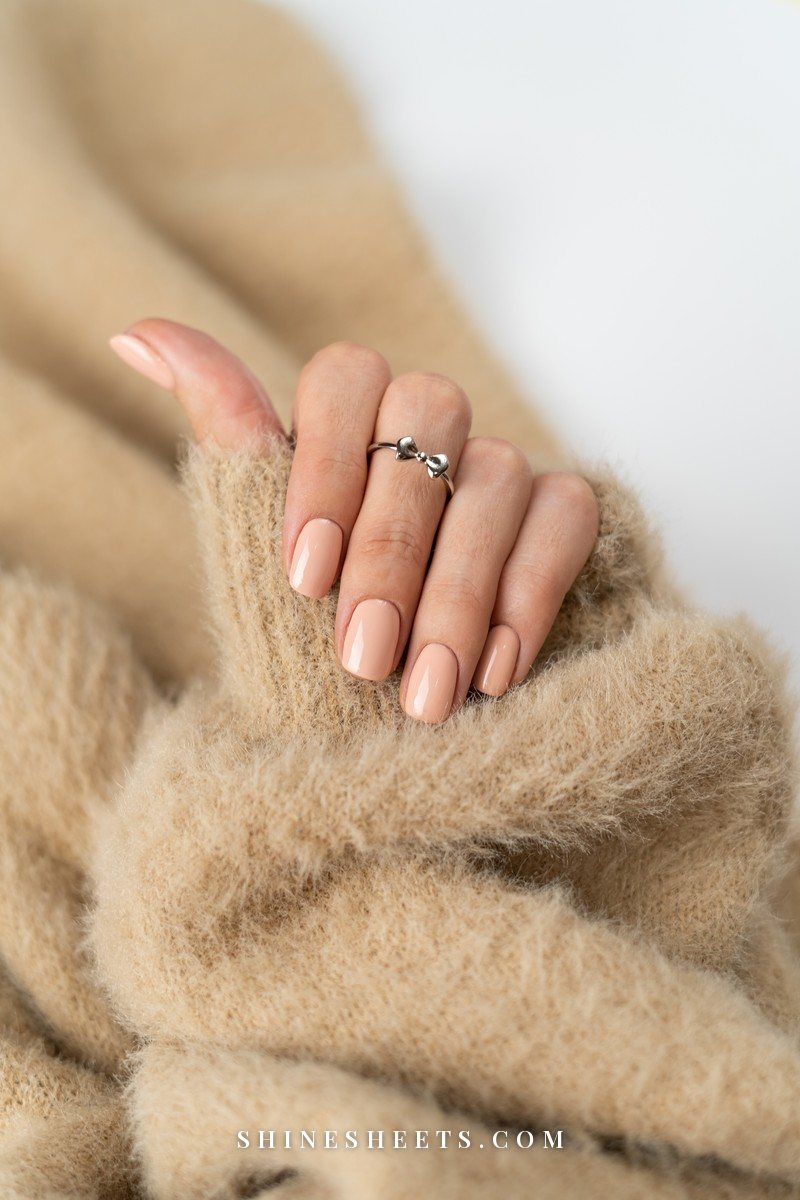
It's easy to see the appeal. When a Russian manicure is done well, the results are genuinely beautiful, and there are a few practical reasons people keep booking it:
- A very clean look. The nail looks longer and the skin line looks smooth, even on short nails.
- Longer-lasting gel. Because the polish sits close to the skin and there's no dead cuticle under it, it tends to lift less, and the grow-out gap is less noticeable.
- Fewer hangnails (for some people). When only dead skin is removed, there are fewer rough edges to snag.
- Fewer appointments. If the gel lasts three or four weeks, you may visit the salon less often than with weekly polish.
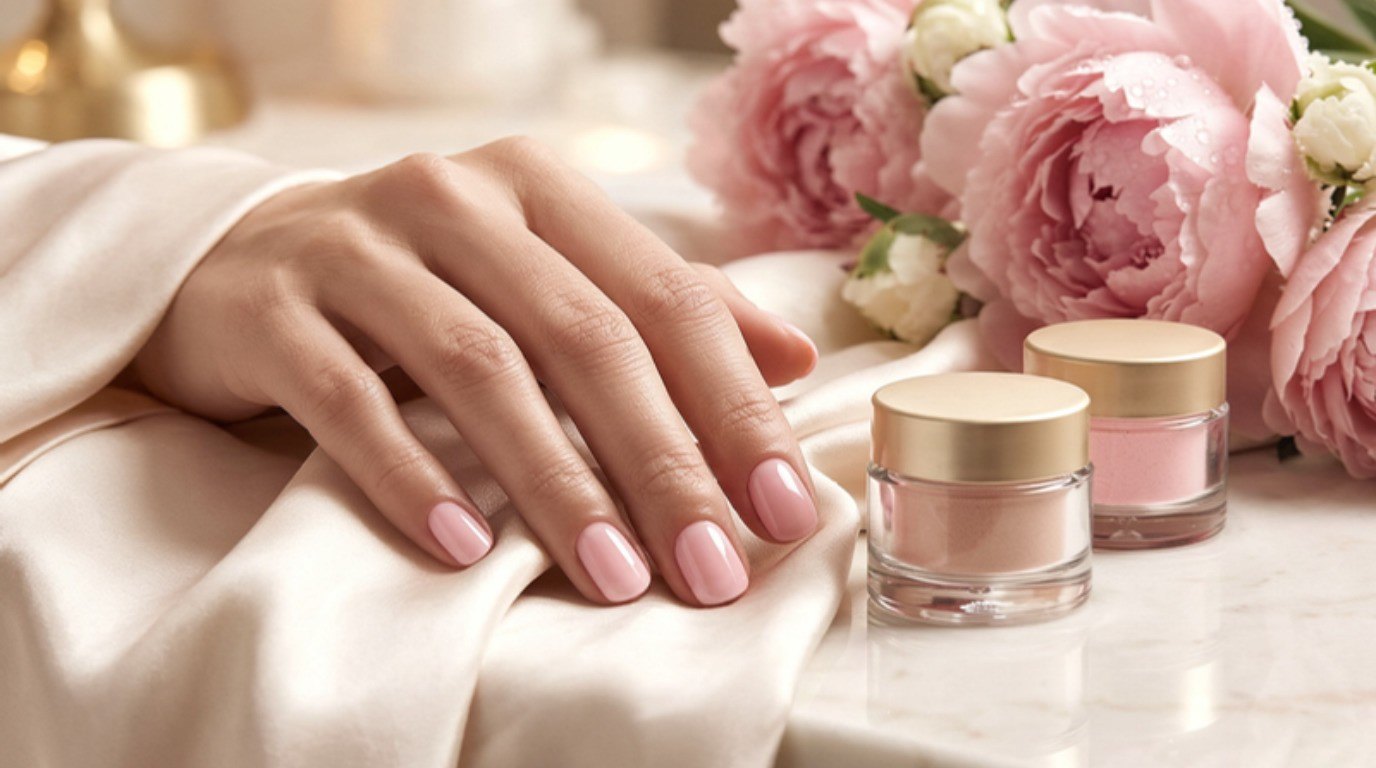
I love a clean, simple nail with a sheer pink finish – it has that quiet Old Hollywood polish to it. But I've also learned that "clean" should never mean "stripped". Healthy skin around the nail is part of what makes a manicure look good.
The Risks, Stated Calmly
None of this is meant to scare you. Plenty of people get Russian manicures for years with healthy nails. But the risks are real, and they mostly come down to two things: the technician's skill and the salon's hygiene.
Over-Filing the Nail Plate
An e-file removes material fast. If the bit is too coarse, the speed too high or the pressure too firm, it can take layers off the top of your nail plate. Thin nails feel bendy, sensitive to heat and sometimes sore. Your nail plate doesn't regenerate on the surface – damaged layers have to grow out completely, which can take four to six months.
Cutting Into Live Skin
The cuticle that gets removed should be dead, dry tissue stuck to the nail. The eponychium and the side walls are living skin. If a bit nicks them, you may get small cuts, bleeding or tenderness. Sometimes you won't notice in the chair and only feel it later that evening.
Heat Burns
Friction creates heat. If a bit stays in one place too long, you can feel a sharp, hot sting on the nail. A good technician moves constantly and stops the moment you say "ouch". Repeated heat spikes can leave the nail bed sensitive.
Infection From Poorly Cleaned Bits
Tiny bits that touch skin need proper cleaning and disinfection (and ideally sterilization) between clients. If tools are only wiped or rinsed, bacteria and fungi can pass from one person to the next. Any small cut around the nail is an open door.
Thinning Nails Over Time
Even without one dramatic mistake, small amounts of filing at every visit add up. Combine that with gel removal that's rushed or done by peeling, and nails can get weaker month after month. If you're already noticing that, my gentle routine to repair nails after gel is a good place to start.
Who Should Skip It for Now
A Russian manicure isn't for every set of nails at every moment. I'd skip it, or wait, if any of these sound like you:
- Your nails are thin, peeling or bendy right now.
- You have redness, swelling, pain or pus around a nail.
- You have a nail that looks discolored, thickened or is lifting from the nail bed.
- You have cuts, cracked skin or eczema flares on your fingers.
- Your skin heals slowly, or a doctor has told you to be careful with cuts on your hands.
In those moments, a simple, no-cut routine at home is kinder. Give your nails a few weeks (or months) of rest, oil and gentle filing, and then decide.
How To Choose a Trained Technician: 7 Questions To Ask or Check
This is the part that matters most. A good technician makes a Russian manicure safe and comfortable. Here are seven things to ask or quietly check, before or during your first visit.
1. Where Did You Train in E-File Work?
Ask kindly: "Have you done specific training for e-file manicures?" A skilled technician will happily tell you about their course and how long they've been doing it. Vague answers like "I just picked it up" are worth noticing.
2. How Do You Clean and Sterilize Your Bits?
Look for a clear answer: bits are scrubbed, disinfected and ideally sterilized, then stored in sealed pouches that are opened in front of you. Single-use files and buffers should be new or yours to keep.
3. Is the Station Clean and Organized?
Check the table with your eyes. Fresh towel, no dust piles from the last client, tools not lying loose in a cup. A tidy station usually reflects a careful routine.
4. Do They Ask About Your Nails First?
A good technician looks at your nails and asks about thin spots, allergies, recent gel removal or sensitive areas before starting. If they jump straight in, that's a small red flag.
5. Do They Stop When Something Hurts?
A Russian manicure should feel like light vibration and maybe slight warmth – not stinging, burning or cutting. Agree before you begin: "If I say stop, could you pause straight away?" Then use it.
6. Do They Remove Only Dead Skin?
Ask what they'll remove. The answer should be "the dead cuticle on the nail plate and the dry skin on the sides", not "everything around the nail". You shouldn't leave with raw, pink, shiny skin.
7. How Do They Remove Old Gel?
Ask whether they file it down carefully, soak it off or both, and how they protect the natural nail. Rushed removal with a coarse bit is one of the most common causes of thinning. If someone suggests just peeling it off, that's a no.
If a salon passes these seven checks, you're in a much better position. If it doesn't, it's completely fine to say "thank you, I'll think about it" and leave.
What a Good Appointment Feels Like
Knowing what's normal helps you relax in the chair and speak up when something isn't right. A careful appointment usually looks like this:
- Hand sanitizing for both of you, and a quick look at your nails.
- Gentle removal of old product, if you have any.
- Shaping the free edge with a file.
- Lifting the eponychium softly and removing dead cuticle from the nail plate with small, fine bits.
- Smoothing the dry skin on the sides of the nail.
- Light buffing only where needed, not the whole nail surface.
- Polish or gel, then cuticle oil.
Afterward, your skin should look neat but not sore. Some people feel a tiny bit of tenderness for a day. Anything more – bleeding, throbbing, heat or swelling – isn't something to brush off.
Aftercare: Keeping Your Nails Healthy Between Visits
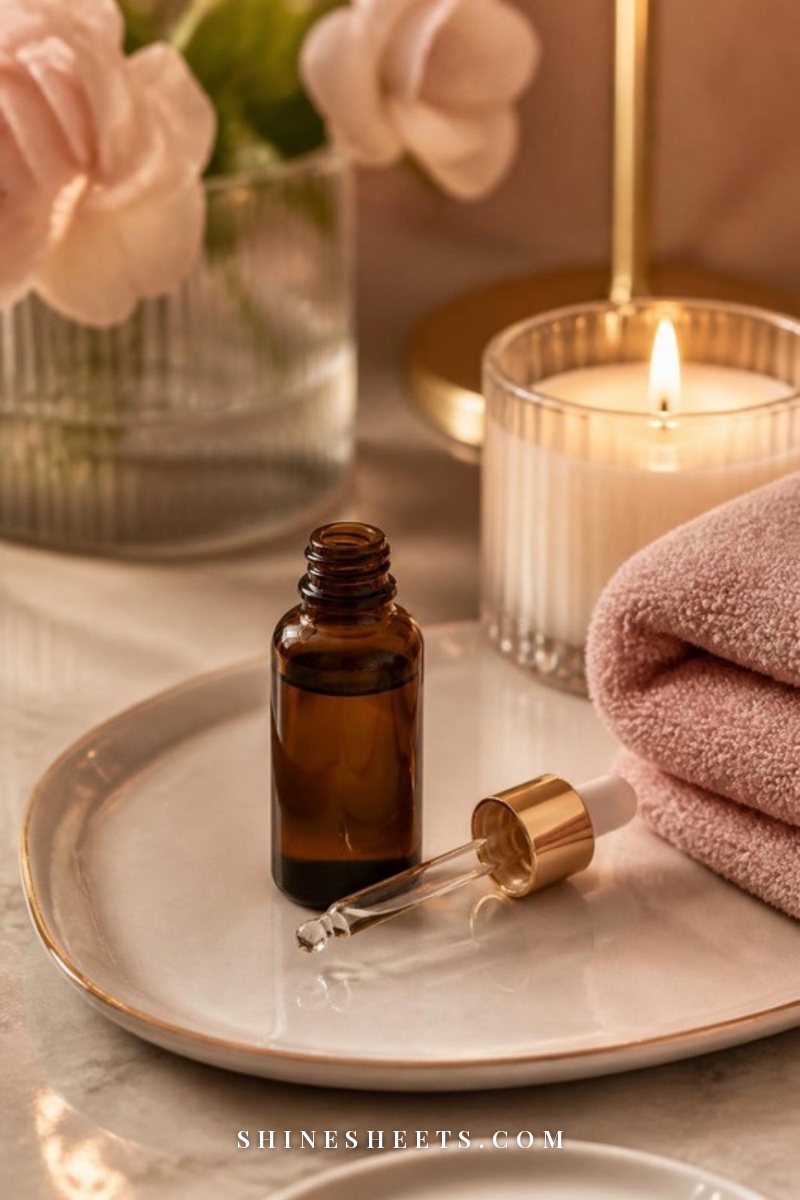
Aftercare is where most of the long-term nail health happens, and it takes about two minutes a day.
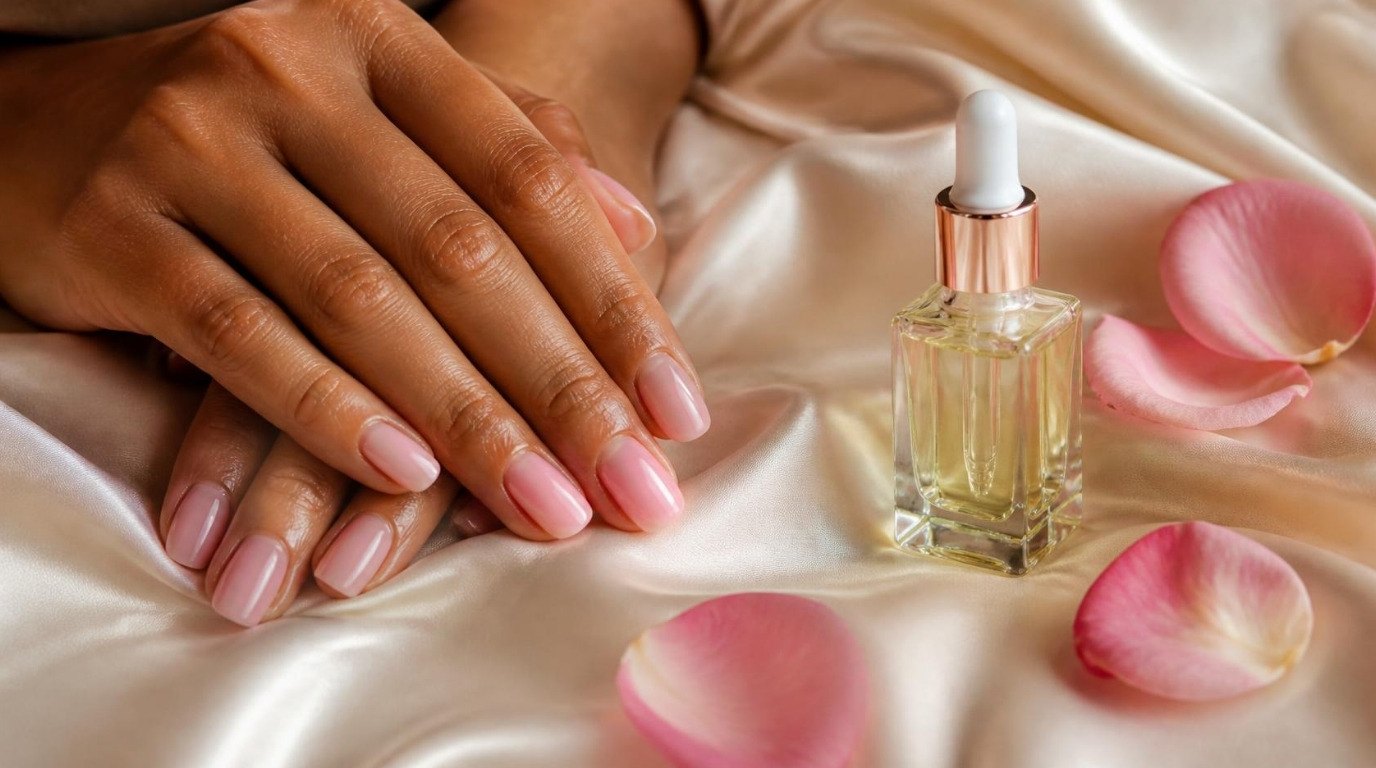
- Cuticle oil daily. One small drop per nail, massaged in for 10–20 seconds, ideally at night. Oil keeps the new cuticle flexible so it doesn't crack.
- Hand cream after washing. A rich blush hand cream by the sink makes the habit easy. Rub a little extra into the skin around your nails.
- Gloves for cleaning. Dish soap and cleaning sprays dry the skin fast. Wear rubber gloves for chores and give the gel a longer life.
- Overnight care when skin feels dry. A thicker gentle cuticle cream under soft cotton moisturising gloves once or twice a week is a calm little evening ritual. I like it after my evening tea, when I'm journaling anyway.
- Don't pick or peel. If gel starts lifting, book a removal or soak it off properly. Peeling takes the top layers of your nail with it.
- Space your appointments. Three to four weeks between visits gives skin and nails time to settle. If your nails feel thin, take a break of a month or two.
If a little hangnail pops up between visits, don't rip it. My guide to getting rid of hangnails safely explains how to clip it neatly and keep the skin calm.
Why You Shouldn't DIY a Russian Manicure at Home
I understand the temptation. E-files are easy to buy, and videos make it look effortless. But removing tissue near live skin with a fast-spinning bit is exactly the part that needs training, a steady angle and good hygiene.
At home, it's very easy to:
- press too hard and thin your nail plate in seconds,
- slip into the side wall or the eponychium and cut live skin,
- overheat the nail without realizing,
- reuse bits that aren't properly cleaned.
Please don't use an e-file on the skin around your nails at home. If you love the clean look, have a trained professional do the cuticle work, and keep your at-home routine simple and gentle.
A Gentle At-Home Alternative
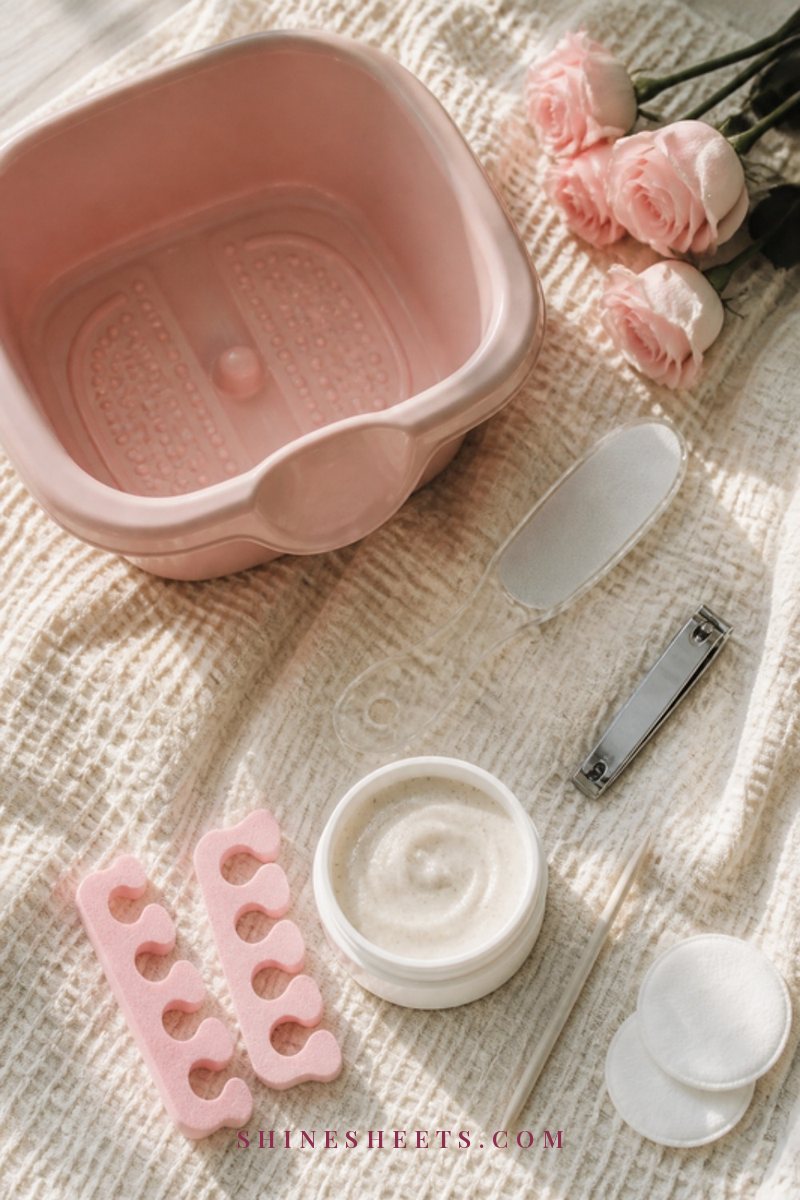
You can get a surprisingly neat look at home without cutting anything. Here's a calm 20-minute version:
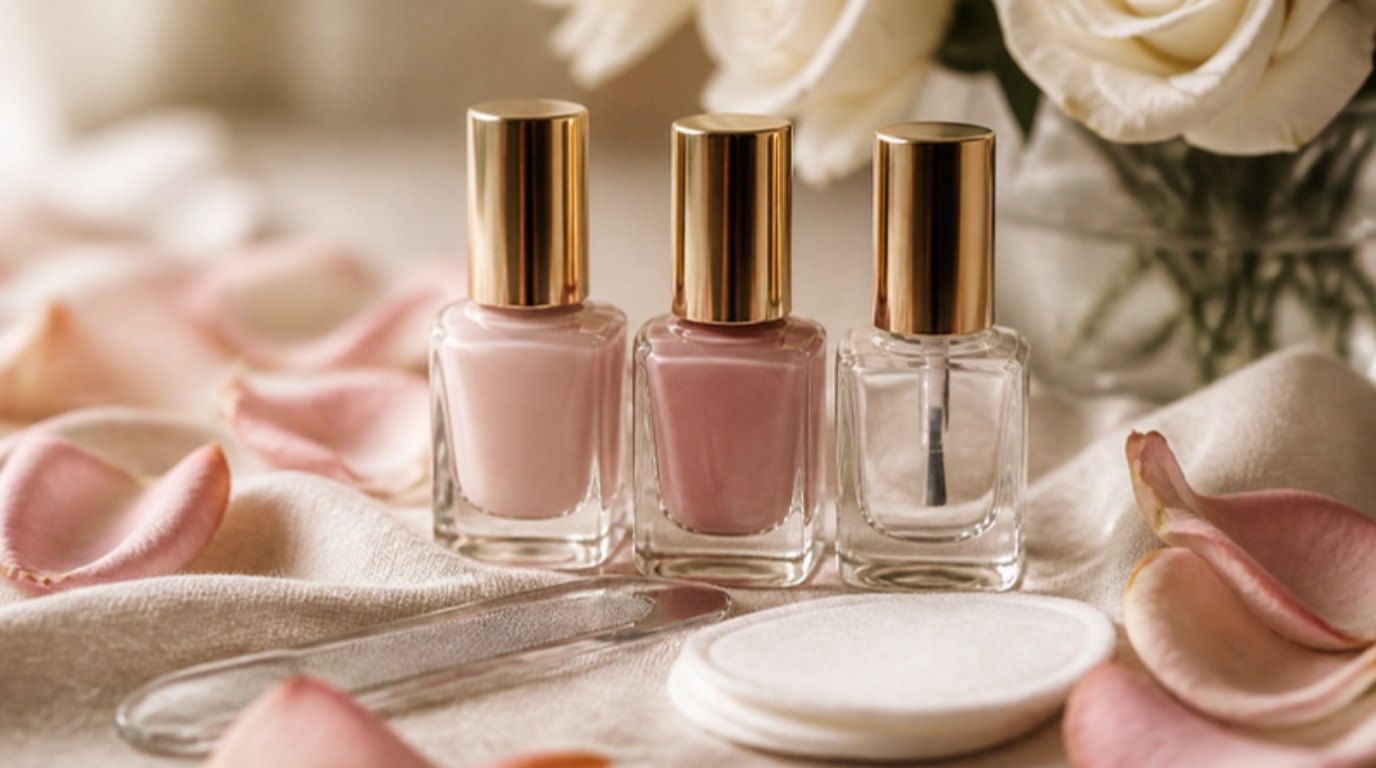
- File the shape first. Use a fine glass nail file in one direction, from the side toward the center.
- Soften the skin. Soak fingertips in warm water for 3–5 minutes, or apply a cuticle softener and wait about a minute.
- Push back gently. Wrap a wooden stick in a little cotton and push the cuticle back with soft, small strokes. Stop if it stings.
- Wipe, don't cut. Use a damp cotton pad to lift loose dead skin from the nail surface.
- Oil and cream. Massage in cuticle oil, then hand cream.
For the full step-by-step with polish, my at-home manicure guide shows how to get a salon-clean finish in about 30 minutes.
When To See a Doctor
Please don't wait it out if, in the days after any manicure, you notice redness that spreads, swelling, warmth, throbbing pain, pus, a nail that changes color or starts to lift, or a cut that won't heal. These can be signs of an infection, and a doctor or dermatologist can check it and help it heal properly. It's not an overreaction – it's taking care of yourself.
Quick Answers About Russian Manicures
Does a Russian Manicure Hurt?
It shouldn't. You may feel vibration and mild warmth. Stinging, burning or cutting sensations mean something needs to change right away.
How Often Can You Get One?
Every three to four weeks is common. If your nails feel thin, bendy or sore, stretch the gap or take a break.
Can You Get a Russian Manicure Without Gel?
Yes. You can have the cuticle work done and finish with regular polish, a clear coat or just oil. The clean line will still be there, but regular polish chips sooner.
Is It Better Than a Classic Manicure?
Not better, just different. A careful classic manicure is perfectly healthy. A Russian manicure gives a crisper look, but only with a well-trained technician.
Final Thoughts
A Russian manicure can be a beautiful, long-lasting treat when the person holding the e-file is trained, careful and clean. The technique itself isn't good or bad – the skill and hygiene behind it are what make the difference.
Listen to your nails. If they're thin, sore or recovering, give them rest, oil and gentle care first. And whatever you choose, healthy nails and calm skin will always be the prettiest finish of all.