There's no "best" long-wear manicure, only the one that fits your nails and your life. Gel polish, builder gel and acrylics can look surprisingly similar once they're finished, but they're built from different materials, do different jobs and treat your natural nails in different ways. Choosing well is mostly about knowing which job you need done.
If you want a few weeks of glossy color on your own short nails, that's one answer. If your nails bend and break and you'd love a little extra strength, that's another. If you dream of length your natural nails just won't hold, that's a third. The trouble starts when the option doesn't match the goal, or when removal gets rushed.
This guide compares builder gel vs gel polish vs acrylics plainly and without picking a side: what each one is, how it's applied and removed, the look, how long it lasts, the impact on your nail health, cost and time, and whether it's realistic to do at home. You'll also find a comparison table, 5 questions to help you choose and the safety basics I'd want every friend to know.
What Each Option Actually Is
All three are types of artificial coating that bond to the surface of your nail. The differences come down to thickness, flexibility, how they harden and how they come off.
Gel Polish: Thin, Flexible Color
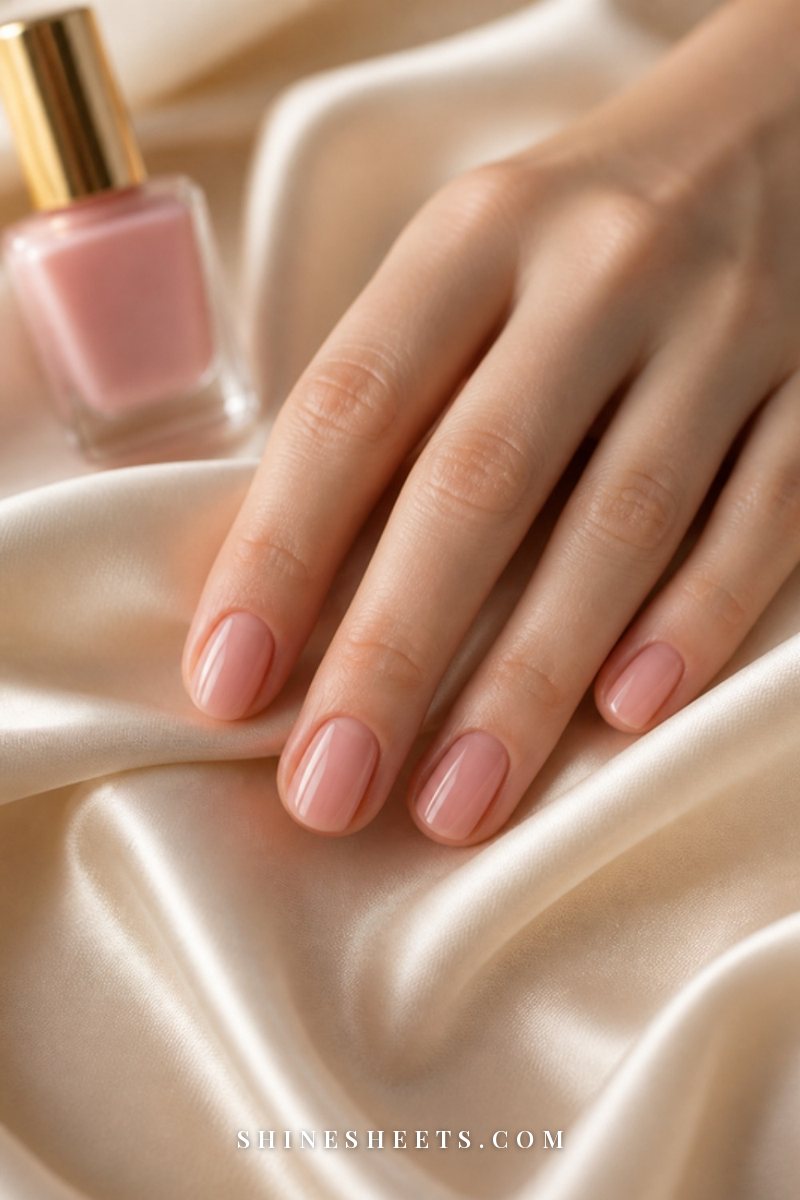
Gel polish is a thin, colored gel that's brushed on like regular polish and then cured (hardened) under a UV or LED lamp. A typical gel manicure has a base coat, two thin color coats and a top coat, each cured for about 30 to 60 seconds.
Because it's thin and flexible, gel polish moves with your natural nail. It doesn't add real strength or length, it simply gives you shiny, chip-resistant color that lasts around two to three weeks. It's soaked off with acetone. If you love gel polish already, my guide on how to make gel nails last longer has the small habits that stretch every set.
Builder Gel: Structure and Strength
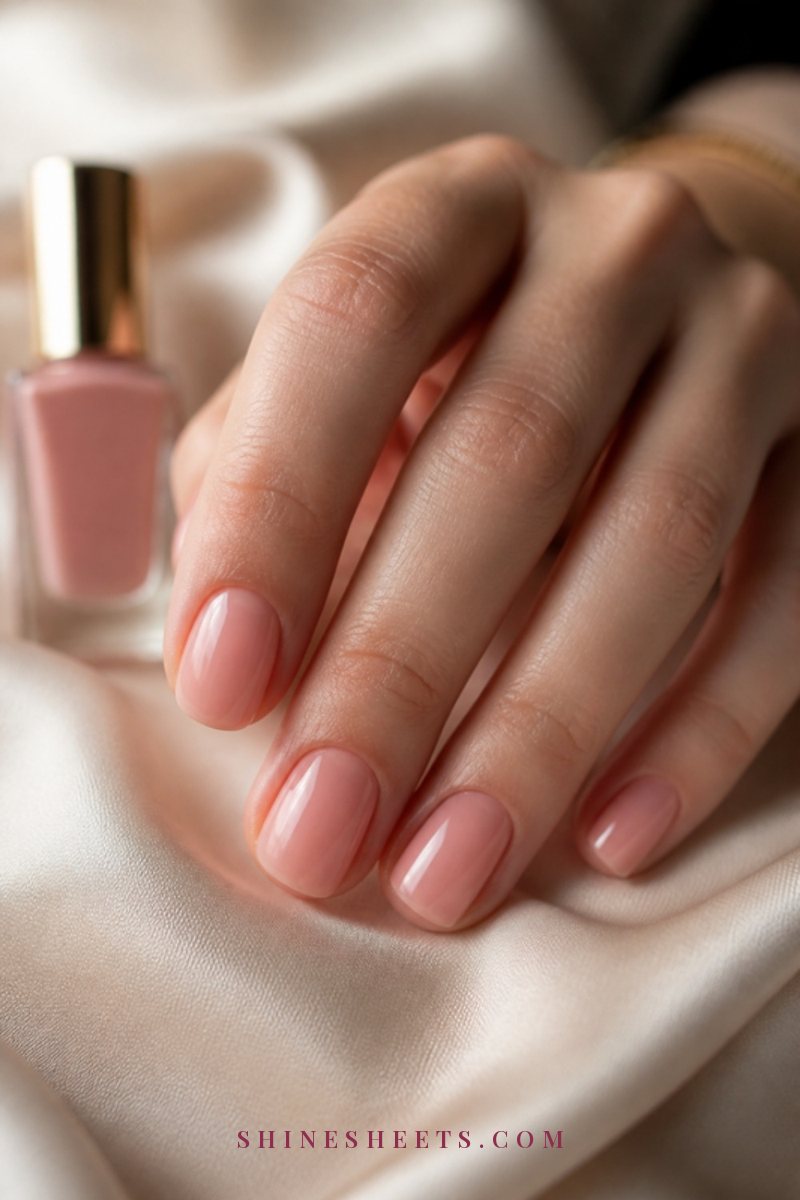
Builder gel (sometimes called structure gel, or BIAB, "builder in a bottle") is a thicker gel that's applied in a slightly heavier layer and shaped to create a gentle curve, called an apex, over the stress area of the nail. It's also cured under a UV or LED lamp.
That extra thickness gives your natural nail a supportive layer, so weak or bendy nails are less likely to snap. It can add a little length with a form or tip, and it usually comes in sheer, milky and nude shades, or you can add gel polish color on top. Most soak-off builder gels last around three to four weeks, and many salons do "infills," filing back the old layer and refreshing it instead of removing it fully every time. There are also hard gels that can only be filed off, not soaked, so it's worth asking which type you're getting.
Acrylics: Maximum Strength and Length

Acrylics are made by mixing a liquid (monomer) with a powder (polymer) to form a soft bead that the technician sculpts onto the nail, often over a tip or form for added length. It hardens in the air, so no lamp is needed.
Acrylics are the most rigid and the strongest of the three, which is why they're the classic choice for long nails and dramatic shapes. They need a fill every two to three weeks as your nails grow, and full removal means a long acetone soak or careful filing. They also have a strong smell during application, which is worth knowing if you're sensitive to fumes.
Builder Gel vs Gel Polish vs Acrylics at a Glance
Here's the side-by-side summary. Screenshot it for your next salon visit if that helps.
| Option | Best for | How long it lasts | Removal | Nail health impact |
|---|---|---|---|---|
| Gel polish | Healthy natural nails, short to medium length, long-lasting glossy color | About 2–3 weeks | Light file of the top coat, then a 10–15 minute acetone soak | Low to moderate; thinning mostly comes from picking, peeling or rough removal |
| Builder gel | Weak, bendy or breaking nails, natural-looking strength, a little extra length | About 3–4 weeks, with infills | Infill by filing back, or soak-off (15–20 minutes) for full removal; hard gel is filed off only | Moderate; gentle with good infills, but heavy filing or peeling can thin nails |
| Acrylics | Length, dramatic shapes, very hard-wearing hands | Fills every 2–3 weeks; sets can be maintained for months | Long acetone soak (20–30+ minutes) or careful filing by a professional | Moderate to higher; more filing, more rigid, more stress on the nail if lifted or snagged |
None of these are "bad" for your nails by default. In all three cases, most damage comes from the same three things: aggressive prep, rushed removal and picking at a lifting set.
How They Compare, Side by Side
Now for the details that actually affect your day-to-day life with each one.
Look and Feel
- Gel polish looks the most like a classic polished nail: thin, glossy and natural on short nails.
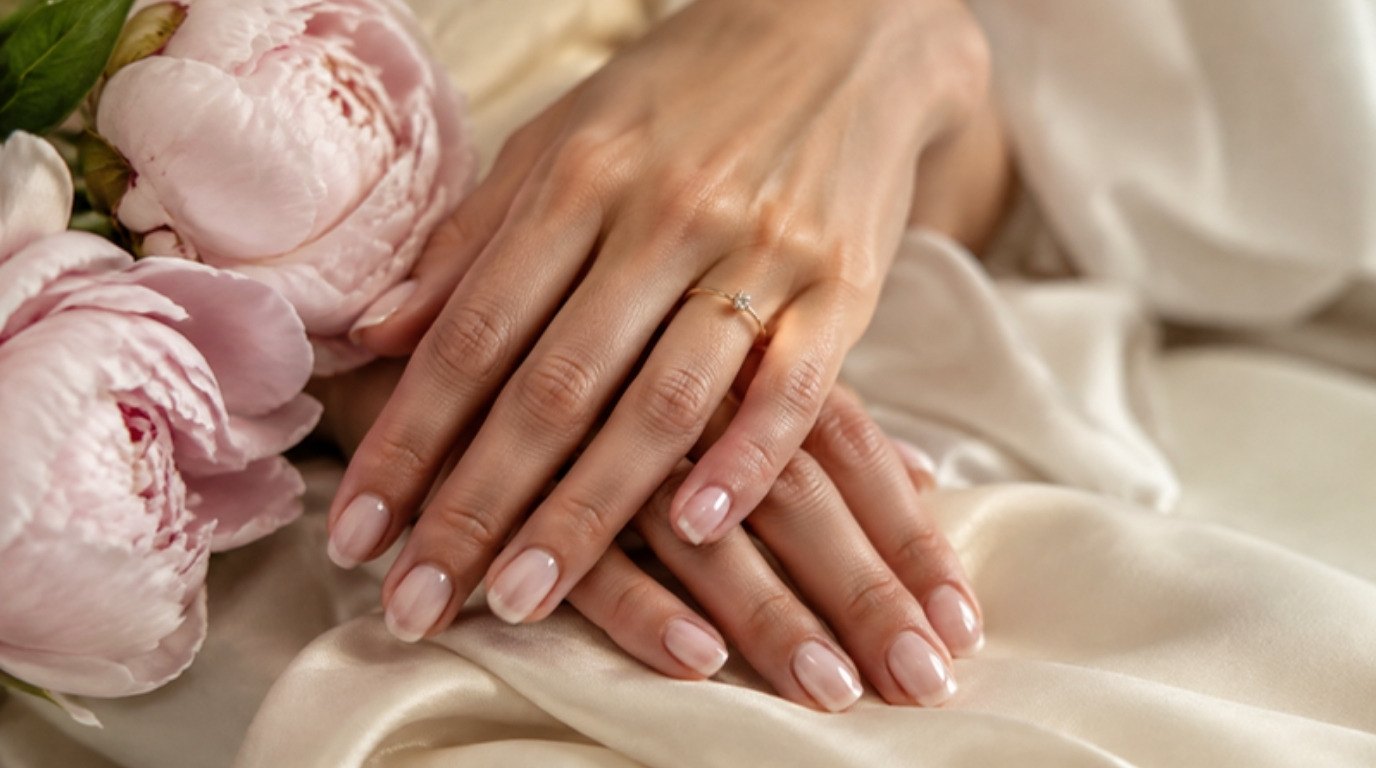
- Builder gel looks slightly fuller and very smooth, with a soft curve. It's the choice for a polished "your nails but better" look.
- Acrylics can look very natural when done thin and well, but they're usually a little thicker and feel more solid on the hand, especially at longer lengths.
Durability
Gel polish resists chips for two to three weeks on most people, though it can lift sooner if you're often in water. Builder gel is tougher and more flexible-strong, so it handles typing, cleaning and daily knocks well for three to four weeks. Acrylics are the most impact-resistant, but because they're rigid, a hard knock can crack the acrylic or, worse, bend the natural nail underneath.
Nail Health Impact
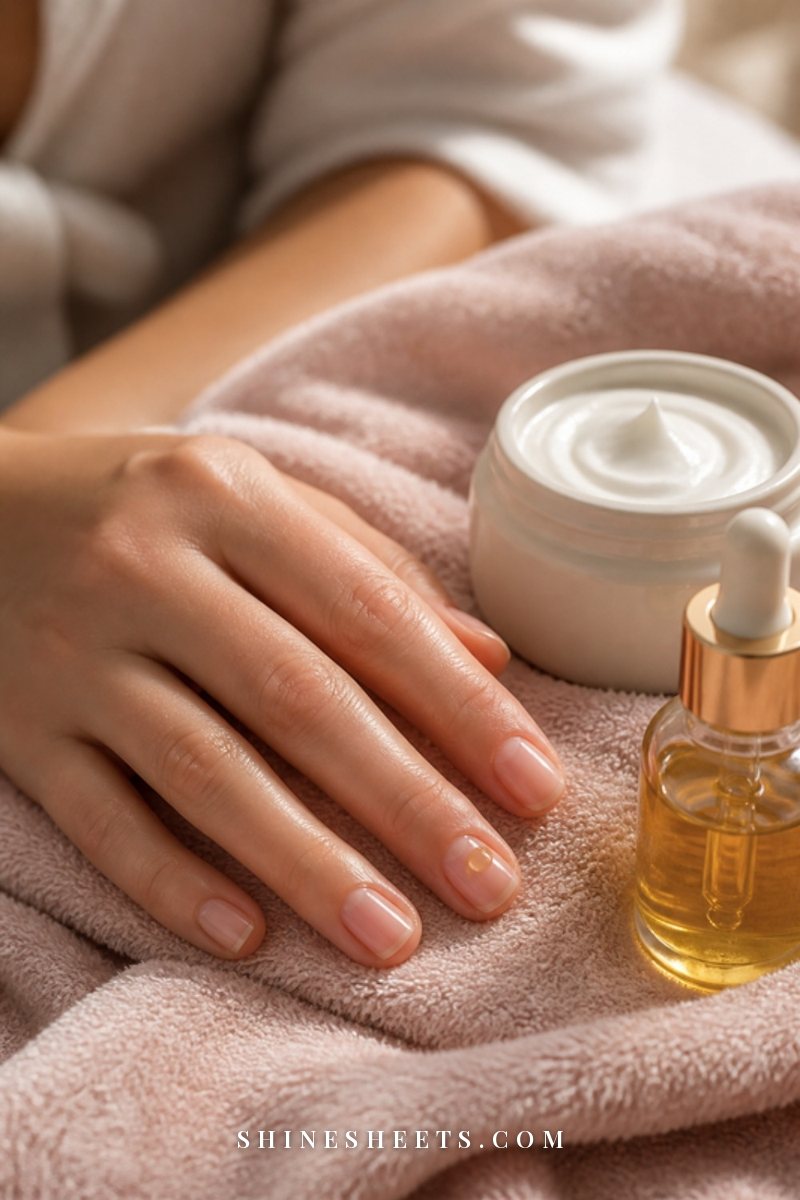
Your natural nail health depends far more on how the product is applied and removed than on which product you choose. That said, there are honest differences:
- Gel polish needs only light buffing to remove shine, so prep is gentle. Peeling it off is what causes most thin, peeling nails afterward.
- Builder gel can actually protect a weak nail while it grows, as long as infills are done carefully and the layer isn't filed down to the natural nail every time.
- Acrylics usually involve more filing and a more rigid coating. Lifting can trap water underneath, and drilling too close to the natural nail can leave it thin and sore.
A quick note about allergies: gels and acrylics both contain acrylates, and some people develop an allergy to them, usually from product touching the skin or from uncured gel. Signs include itching, redness, swelling or blisters around the nails or fingertips. An allergy like this can last a long time, so it's worth taking seriously early (more on that below).
Removal
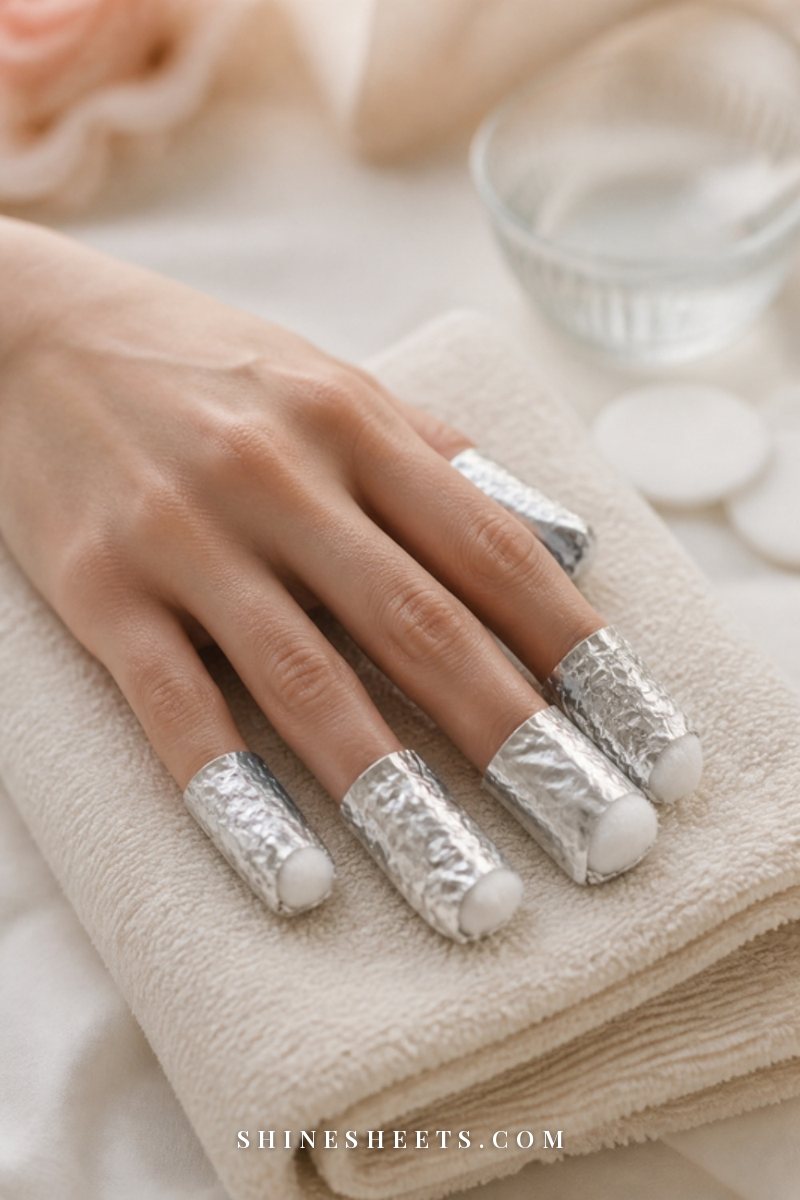
Safe removal is the same idea for all three: break the seal, soften with acetone, and let it lift without force.
- Gel polish: lightly file the shiny top coat, then wrap each nail with an acetone-soaked cotton pad and foil for 10 to 15 minutes. Gently nudge the softened gel off with a wooden or rubber-tipped pusher.
- Soak-off builder gel: file away most of the bulk first (carefully, without reaching the natural nail), then soak for 15 to 20 minutes and nudge off what's left. Hard gel has to be filed off, ideally by a professional.
- Acrylics: file down the length and thickness, then soak for 20 to 30 minutes or more. Many people prefer to have acrylics removed at the salon.
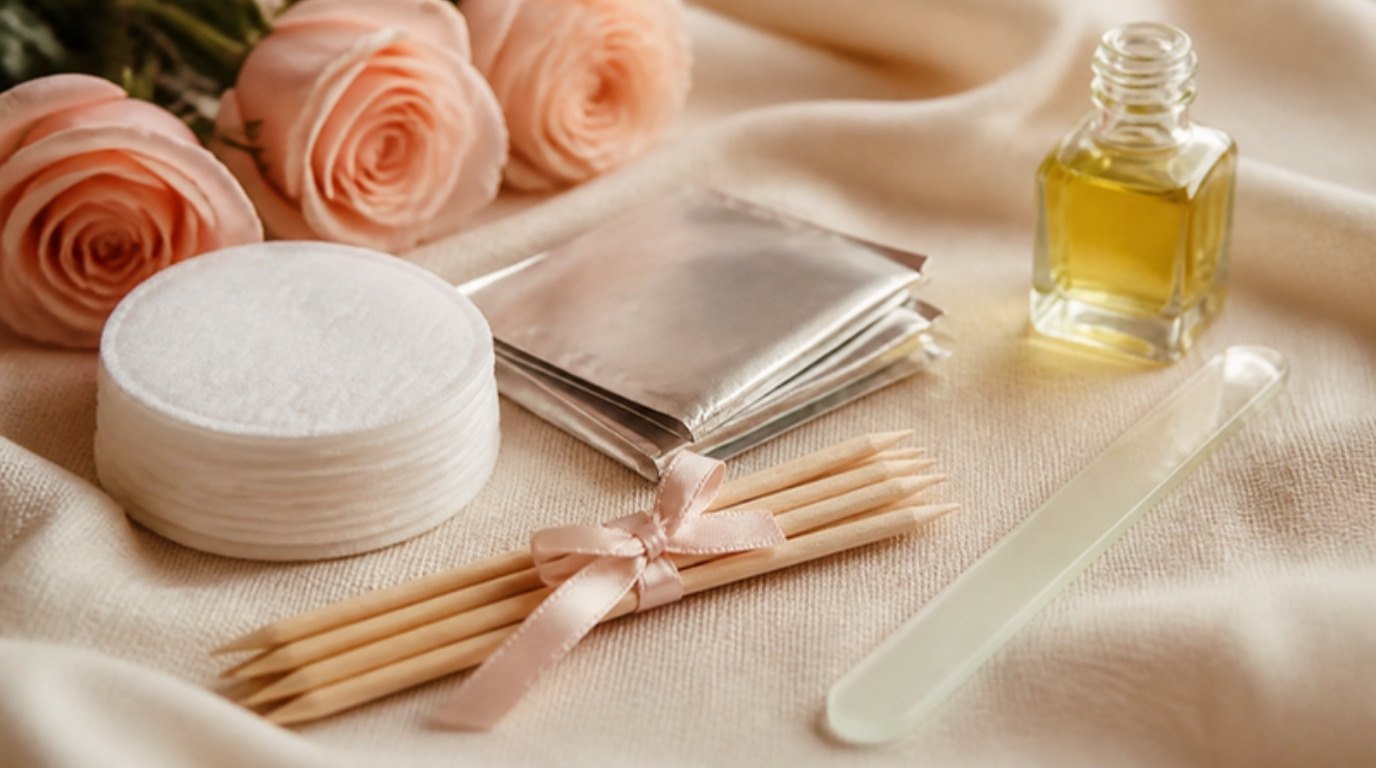
A gentle acetone remover with foil wraps makes at-home removal much less messy; look for a set with pre-cut wraps or reusable clips and an acetone formula with added oils or glycerin. I've written a full guide on how to remove gel polish at home without damage if you'd like every step.
Cost and Time
Prices vary a lot depending on where you live and the salon, so think in relative terms:
- Gel polish is usually the most affordable and quickest, about 45 minutes to an hour at a salon.
- Builder gel usually costs a little more and takes about an hour to an hour and a half, but infills can stretch your time between full sets.
- Acrylics often take the longest for a new full set (one to two hours) and need regular fills, so the yearly cost tends to be the highest.
Don't forget the hidden cost of time: regular appointments every two to four weeks add up, so think about your schedule as well as your budget.
DIY-Friendly or Salon?
Gel polish is the most DIY-friendly. With a lamp, a good base and top coat and patience, many people get lovely results at home. My at-home manicure guide covers the prep that makes any polish last longer. Builder gel is possible at home, but shaping the apex takes practice, and it's easy to get product on the skin, which raises the risk of a reaction. Acrylics are best left to a trained technician: the liquid has strong fumes, the timing is tricky and removal is more involved.
5 Questions To Help You Choose
Answer these honestly and the right option usually becomes obvious.
1. What Condition Are Your Natural Nails In?
If your nails are healthy and reasonably strong, gel polish is often all you need. If they peel, bend or break easily, builder gel can give them a supportive layer while they grow. If they're very thin, sore or damaged from a previous set, the kindest choice may be no coating at all for a while, plus a short course of a strengthener. My guide to nail strengtheners and how to use them right explains how.
2. How Much Length Do You Want?
Your own length, or just past the fingertip: gel polish or builder gel. A little extra length on nails that keep breaking: builder gel with a form. Long or dramatic length: acrylics are the most reliable, because their rigidity holds a long free edge without bending.
3. How Hard Are You on Your Hands?
Think about your actual week: lots of typing, cleaning, gardening, lifting, washing up or time in water. Gel polish on very busy hands may lift sooner. Builder gel holds up well to everyday knocks. Acrylics are hard-wearing, but long acrylics can make fiddly tasks harder and a knock at length puts force on your natural nail. Whatever you choose, a pair of lined rubber cleaning gloves for dishes and scrubbing will help any set last longer, because water and cleaning products are what loosen the bond at the edges.
4. What's Your Budget and Upkeep?
Ask yourself how often you can realistically go back. Gel polish needs a fresh set every two to three weeks. Builder gel needs an infill every three to four weeks. Acrylics need fills every two to three weeks and don't look good if they're stretched much longer. If regular appointments feel stressful, gel polish at home or builder gel with longer gaps may suit you better.
5. How Sensitive Are You to Products?
If your skin reacts easily (my combination, sensitive skin is very much in this category), pay attention to how your fingertips and cuticles feel after any set. People sensitive to strong smells often find acrylic fumes unpleasant. Anyone who has had itching or swelling after gel or acrylics should stop and talk to a doctor or dermatologist before trying another set, because switching between gels and acrylics won't avoid an acrylate allergy.
How To Protect Your Skin Under the UV or LED Lamp
Gel polish and builder gel are cured under UV or LED lamps (most LED nail lamps also give off UVA light). The exposure per session is short, but it adds up over years of regular manicures, so it's sensible to protect the backs of your hands.
- Apply sunscreen: a broad-spectrum SPF 30 or higher on the backs of your hands and fingers, about 20 minutes before your appointment. Wipe the nail plates clean afterward so the gel still bonds.
- Or wear gloves: fingerless UV-protection gloves cover the hands and leave only the nails exposed. Look for ones labeled UPF 50+ with snug, open fingertips.
- Don't over-cure: follow the cure time for your product; longer isn't better.
- Keep gel off your skin: uncured gel touching the cuticle or skin is a common way allergies start, so a careful application matters.
Acrylics air-dry, so they don't need a lamp, though some salons finish acrylics with a gel top coat that does.
Safe Removal: Soak or File, Never Pick or Peel
I'll say this as kindly as possible: please never pick, peel or pry off gel polish, builder gel or acrylics. Each of these bonds tightly to the top layers of your nail. When you lift it by force, those layers come with it, and you're left with thin, peeling, sensitive nails that take four to six months to grow out.
If a set is lifting before your next appointment, here's what to do instead:
- Keep the lifted corner dry and avoid snagging it.
- Gently file the lifted edge smooth with a glass nail file, filing in one direction.
- Book a removal or repair, or soak it off properly at home.
- Never glue down a lifted section; water can get trapped underneath.
After any removal, finish with a nourishing cuticle oil massaged into the nails and the skin around them. If your cuticles are dry or overworked from regular sets, my cuticle care guide shows how to keep them soft without cutting.
Signs Your Nails Need a Break

Taking a pause between sets isn't failing at your manicure. It's maintenance. Consider a few weeks off if you notice:
- Nails that feel thin, bendy or sore, especially when you press them.
- White patches, peeling layers or a rough surface after removal.
- Sets lifting much sooner than they used to.
- Dry, cracked or irritated skin around your nails.
During a break, keep nails short, file gently, oil them twice a day and use a rich hand cream after washing your hands. A clear strengthener for a few weeks can help, too. My guide on how to repair your nails after gel or acrylics has a gentle routine for exactly this stage.
Stop If Your Skin Reacts
If the skin around your nails, your fingertips, or even your eyelids or face becomes itchy, red, swollen or blistered after a manicure, remove the product (or have it removed) and stop getting sets. Then see a doctor or dermatologist. A reaction like this can be an allergy to acrylates, and continuing can make it worse. Some people with this allergy can go on to react to other acrylate-based materials, so getting proper advice early really matters.
Unusual nail changes such as pain, swelling, a nail lifting from the skin, or green or dark discoloration under a set also deserve a check with a doctor rather than another appointment.
Final Thoughts
Gel polish, builder gel and acrylics are all lovely options when they match what your nails need. Gel polish gives you easy, glossy color. Builder gel adds natural-looking strength. Acrylics bring length and drama. The "right" one is simply the one that fits your nail condition, your length goals, your hands, your budget and your skin.
Whatever you choose, protect your skin under the lamp, let every set come off slowly and kindly, and give your nails a rest when they ask for one. Healthy natural nails are the foundation for every beautiful manicure that comes after.