A hangnail looks like the tiniest problem on your body, and somehow it can make your whole hand feel wrong. It catches on sweaters, it stings when you squeeze a lemon, and your fingers keep drifting back to it until you've made it ten times worse. The good news: hangnails are almost always easy to fix and even easier to prevent, once you know what they actually need.
And what they need is not more cutting. It's moisture, patience and one clean snip in the right place. It took me a few dry winters to accept that my hangnails weren't a mystery – they were my hands asking for a little more care than a quick squirt of soap and a paper towel.
This guide covers how to get rid of hangnails safely at home, what to do afterward so the spot heals smoothly, the signs that a hangnail needs a doctor, and the small daily habits that stop them from coming back. You'll also find a do's and don'ts table and a simple weekly routine you can screenshot and keep. Basic, gentle nail care only – no fancy manicure skills needed.
What Is a Hangnail, Exactly?
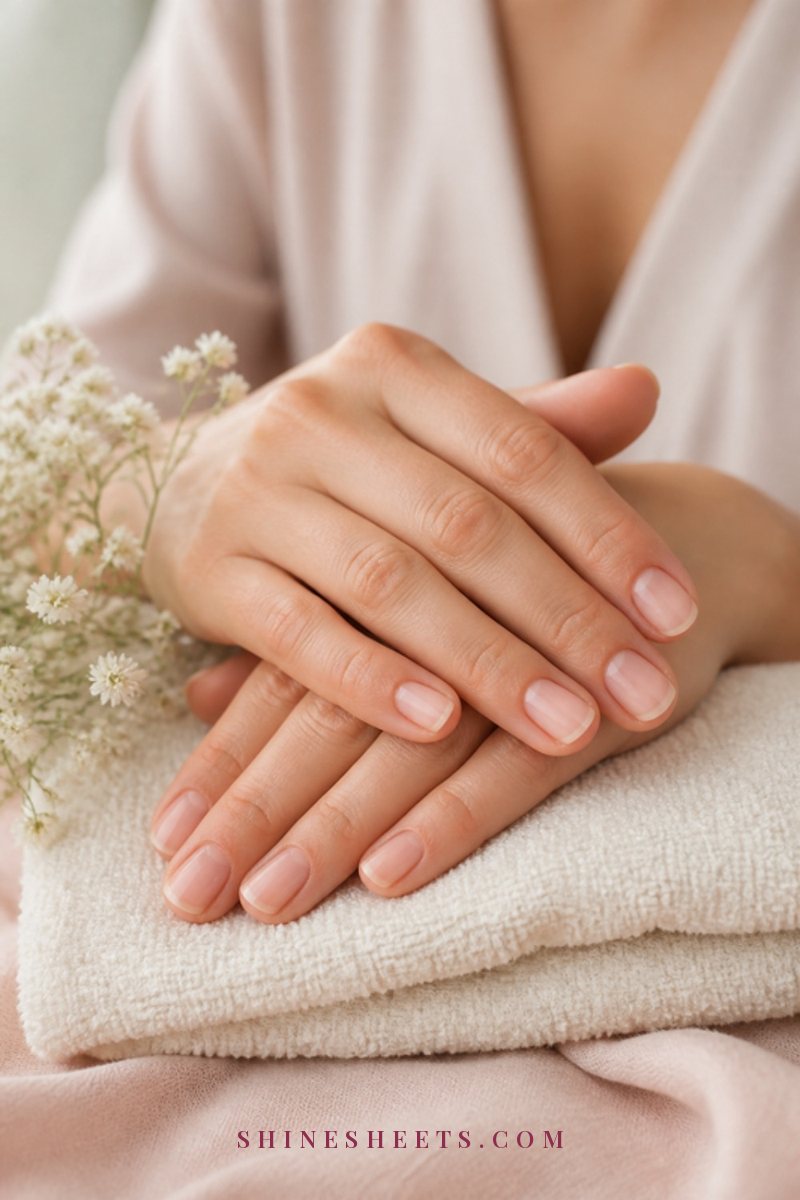
Despite the name, a hangnail isn't part of your nail at all. It's a small strip of skin that has torn loose along the side of the nail (or sometimes near the base), so one end is still attached and the other end sticks up. Because that skin sits right next to lots of tiny nerve endings, even a minuscule tear can feel sharp and sore.
It helps to know what's around your nail, because it changes how you treat it:
- The cuticle is the thin, almost see-through layer of dead skin that sticks to the nail plate near the base.
- The eponychium (often casually called the cuticle too) is the living fold of skin that seals the base of your nail. It's a protective barrier and shouldn't be cut.
- The lateral nail folds are the soft skin walls along each side of the nail. This is where most hangnails start.
A hangnail is living skin that has split. That's why ripping it hurts and bleeds, and why it can get infected if it's left open and irritated. Treat it as a tiny wound, not as a piece of nail you need to "tidy up."
Why Hangnails Happen
Hangnails show up when the skin around your nails becomes dry, stiff and a little brittle. Dry skin doesn't stretch; it cracks. A few everyday things make that much more likely:
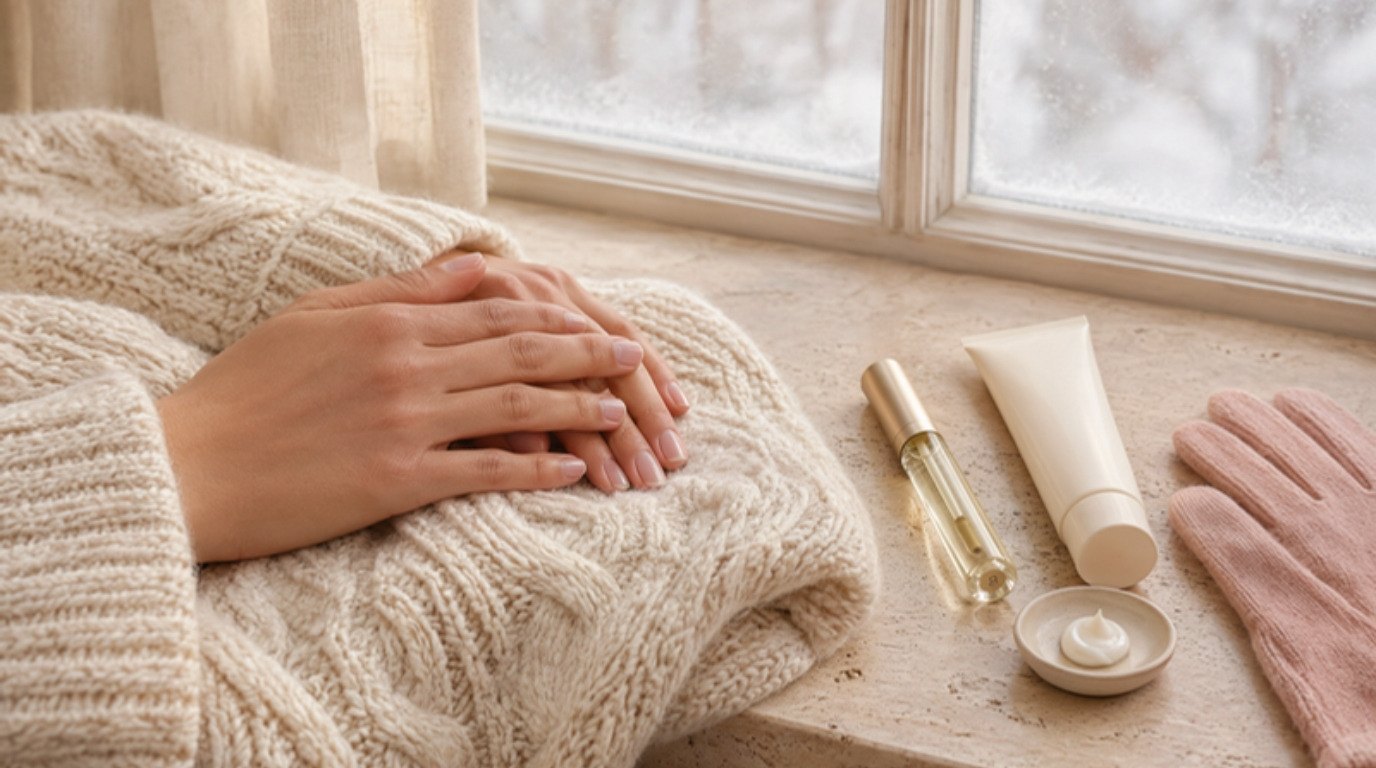
- Cold weather and indoor heating. Low humidity pulls water out of your skin, and the fingertips are often the first place it shows. Hangnail season and cozy-sweater season tend to arrive together.
- Frequent handwashing and hand sanitizer. Washing is good. But hot water, strong soap and alcohol gel strip the natural oils that keep the nail folds supple, especially if you don't moisturize afterward.
- Dishes and cleaning without gloves. Hot water plus detergent is one of the fastest ways to dry out the skin around your nails.
- Biting, picking and peeling. Often it's not the first tear that's the problem, it's the fiddling. A small lifted edge gets pulled, the tear runs deeper, and suddenly it's red and sore.
- Cutting cuticles too aggressively. Trimming living skin leaves raw, jagged edges that dry out and lift, which creates new hangnails a few days later. It's a frustrating little loop.
- Harsh removers. Acetone and long soaks for gel removal are very drying to the surrounding skin.
- Paper, cardboard and fabric. Unpacking boxes, sorting mail or folding a big pile of laundry can quietly wick moisture out of your fingertips.
Most of us have three or four of these going on at once in winter. That's not a failing, it's just a normal busy life. The goal is to add back a little of what all that washing and wiping takes away.
How To Get Rid of a Hangnail Safely: 6 Steps
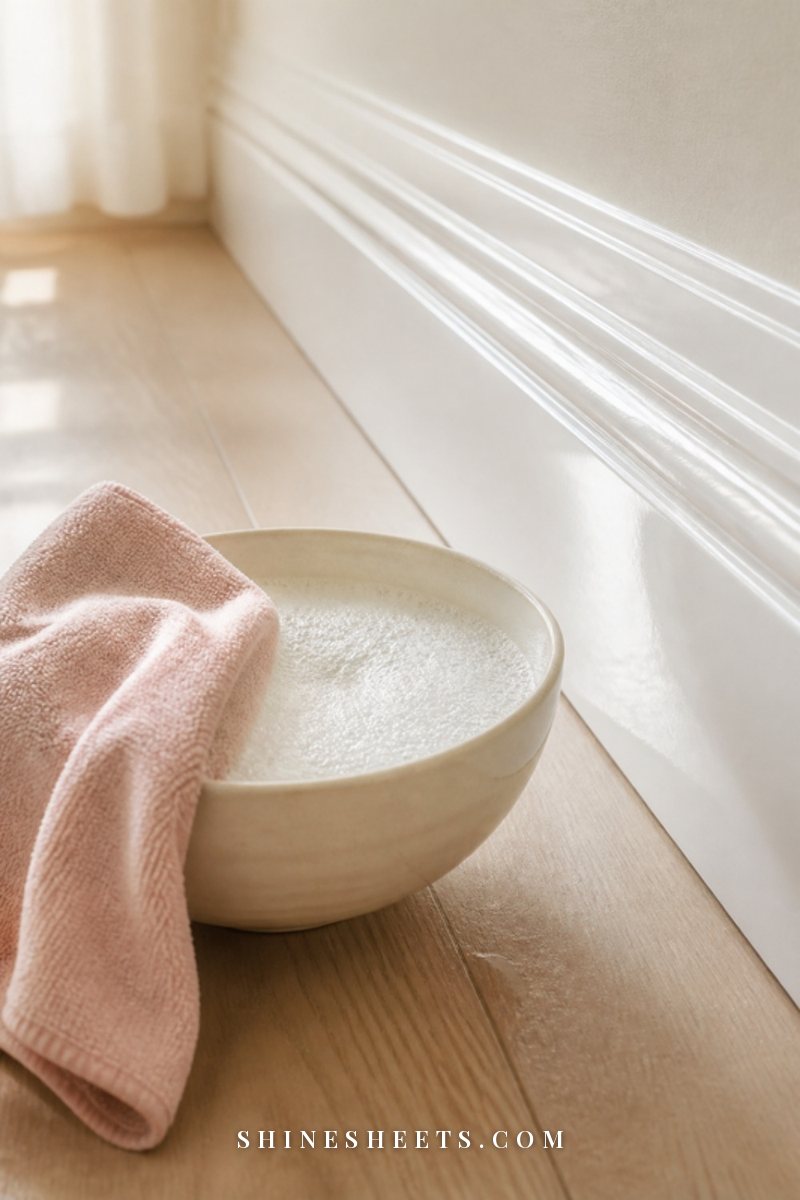
This is the whole method, and it takes about ten minutes. The key is softening the skin first, so you can make one clean cut instead of tugging at a tough, dry edge.
- Wash your hands and your tool. Wash your hands with mild soap and warm water. Wipe your nipper blades with rubbing alcohol and let them air-dry for a minute.
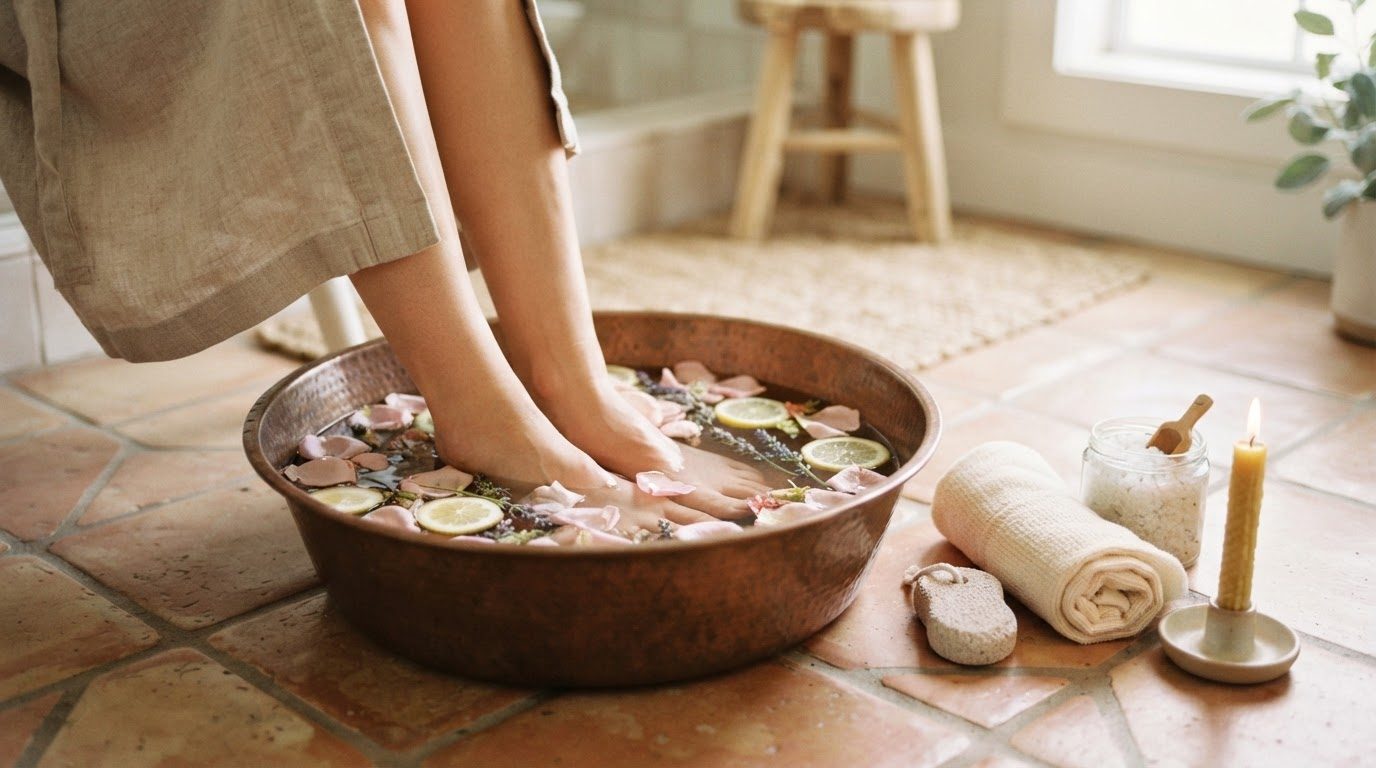
- Soften the skin for 5 minutes. Soak your fingertips in a small bowl of warm (not hot) water for about five minutes, or do this right after a shower. Softened skin trims cleanly and is much less likely to tear further.
- Pat dry and look closely. Dry your hand with a clean towel and find exactly where the loose piece begins. Good light helps more than you'd think – sit by a window or under a bright lamp.
- Snip only the loose piece, at its base. With small, sharp stainless steel cuticle nippers, cut the lifted strip of skin as close to its base as you can without cutting into the attached, healthy skin. One small snip. If you see pink, living tissue, stop – you've gone far enough.
- Never rip, pull or bite it off. Pulling tears the skin along the nail fold and turns a 2-millimeter problem into a long, open strip. Teeth also bring bacteria into a tiny wound.
- Moisturize and protect. Wash the area gently, then follow the aftercare steps below.
A few notes on tools. Look for nippers with a small, sharp, pointed jaw and a spring that closes cleanly; dull blades crush and tear rather than cut. Ordinary nail clippers are too big for this job, and kitchen or craft scissors are a definite no. Keep the nippers just for yourself and clean them after every use.
If the hangnail is already red, swollen or very painful, skip the snipping. Cutting near irritated skin can make things worse, and that's a moment to let it heal or call your doctor.
Hangnail Aftercare
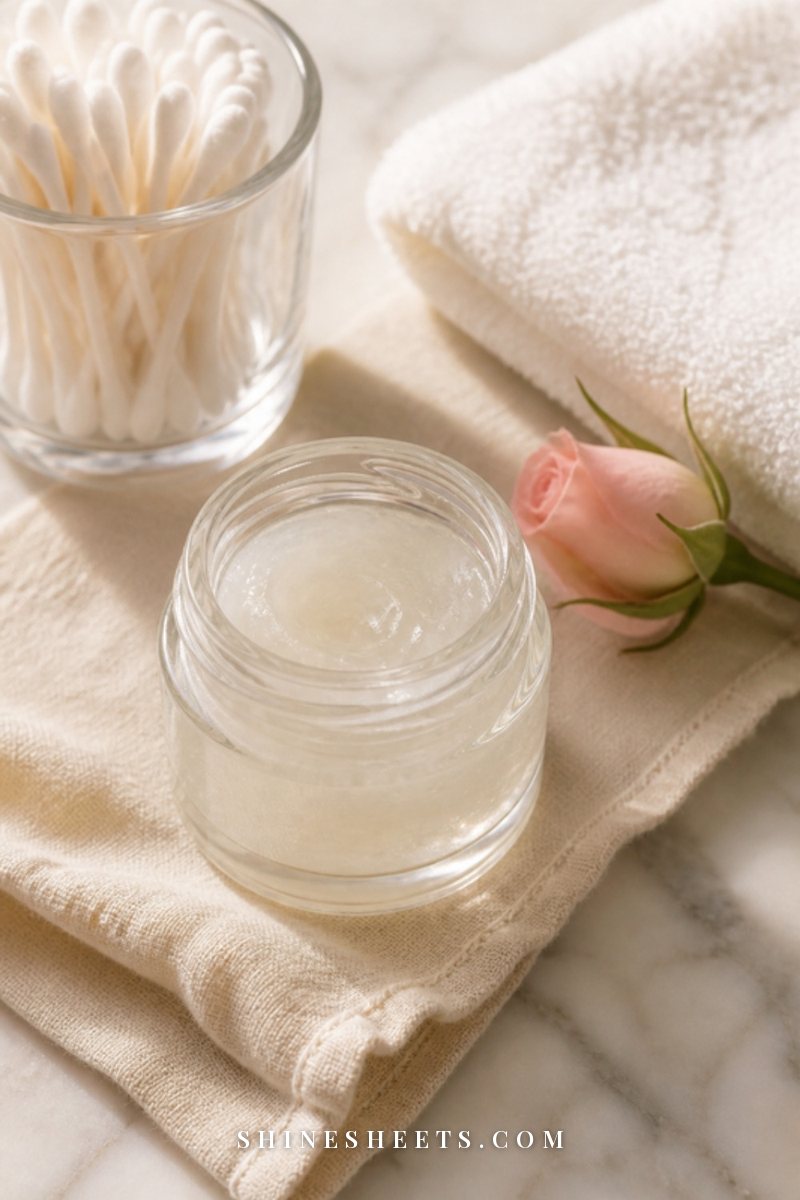
Once the loose piece is gone, the tiny spot underneath needs a day or two to settle. Aftercare is quick:
- Keep it clean. Wash with mild soap and water, then pat dry.
- Add a thin layer of occlusive. A dab of petroleum jelly or a plain healing ointment keeps the skin moist, so it heals smoothly instead of drying into a new crack.
- Cover it if it's raw. If the spot is open or bled a little, a small bandage for the first day stops it from catching on fabric and keeps you from touching it.
- Repeat at bedtime. A little more ointment before sleep does a lot of quiet work overnight.
- Hands off. The tiny edge that's left can feel interesting to your thumb. Leave it alone; it will smooth out on its own as the skin heals.
Most small hangnails feel fine again within one to three days. If you'd like a full routine for this whole area, my guide to gentle cuticle care goes deeper into oils, pushing back and what to avoid.
Signs a Hangnail Is Infected (and When To See a Doctor)
Because a hangnail is an opening in the skin, bacteria can sometimes get in. Infection of the skin around the nail is common and usually very treatable, but it's important not to ignore it. Watch for:
- Redness that spreads around the side of the nail
- Swelling and a puffy, tight feeling
- Throbbing pain that gets worse instead of better
- Warmth or heat in the skin around the nail
- Yellow or white pus, or a small blister of pus by the nail fold
- Redness spreading up the finger, fever or feeling unwell
If you notice any of these, please see a doctor rather than trying to cut, squeeze or drain anything yourself. The same goes if the area hasn't improved after a few days, if it keeps coming back in the same spot, or if you have diabetes, poor circulation or a weakened immune system – in those cases, it's worth checking in early even with a small one. A doctor can tell you what the spot actually needs, and that's always the kind and sensible choice.
Hangnail Do's and Don'ts
Here is the whole guide in one table. Screenshot it if you're the type to pick at things when you're on the phone (no judgment, I've been there).
| Do | Don't | Why it matters |
|---|---|---|
| Soften the skin in warm water for 5 minutes first | Cut dry, stiff skin | Soft skin cuts cleanly; dry skin tears further |
| Snip only the loose piece at its base | Trim into healthy, attached skin | Cutting living skin creates raw edges and new hangnails |
| Use small, clean, sharp nippers | Rip it off with your fingers or teeth | Tearing makes a bigger wound and invites bacteria |
| Apply a thin layer of ointment and cover if raw | Leave it open, dry and catching on fabric | Moist skin heals faster and more smoothly |
| Massage in cuticle oil once or twice a day | Wait until the skin is cracked to moisturize | Supple skin bends instead of splitting |
| Wear gloves for dishes and cleaning | Soak bare hands in hot, soapy water | Detergent strips the oils around your nails |
| Gently push back softened cuticles | Cut your cuticles short "to keep them neat" | The skin at the nail base is a protective seal |
| See a doctor for spreading redness, heat or pus | Squeeze, drain or keep cutting an infected spot | Infections need proper treatment, not DIY |
How To Prevent Hangnails: 8 Daily Habits
Getting rid of one hangnail is easy. The real relief comes from not getting them every week. These eight habits are small, cheap and work best together.
1. Use Cuticle Oil Every Day
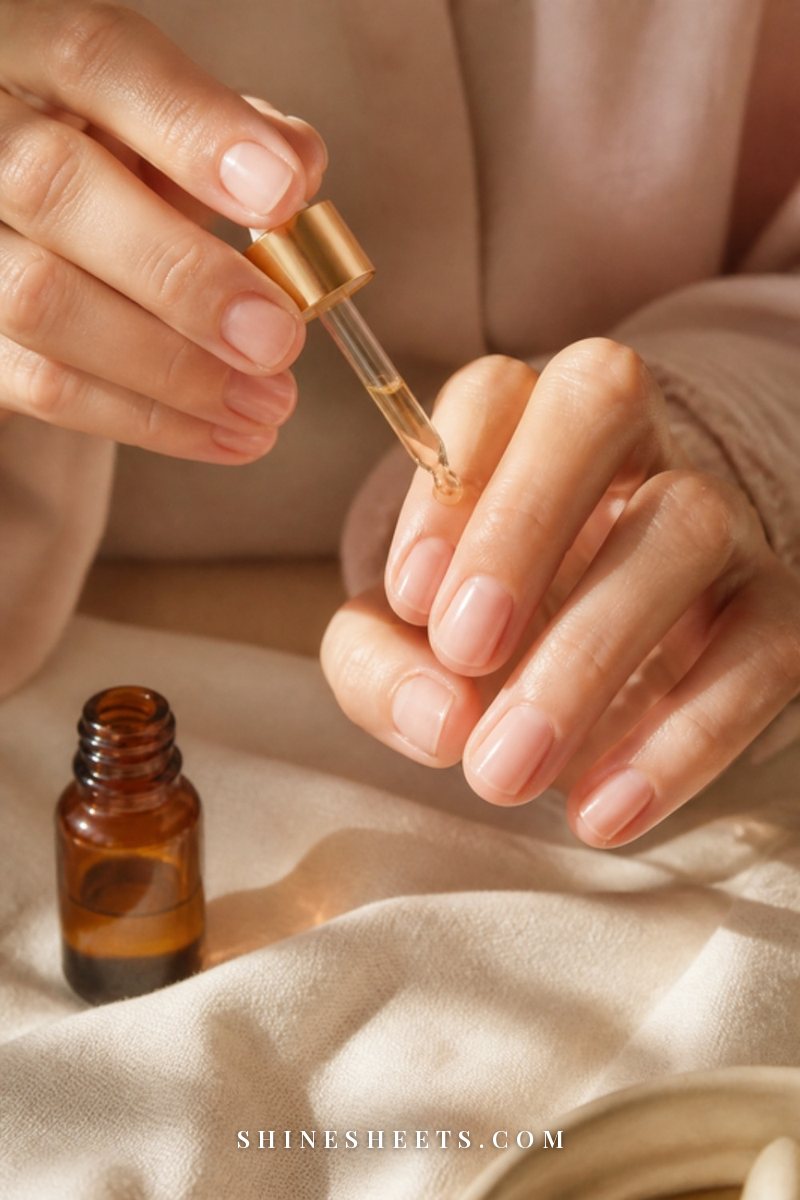
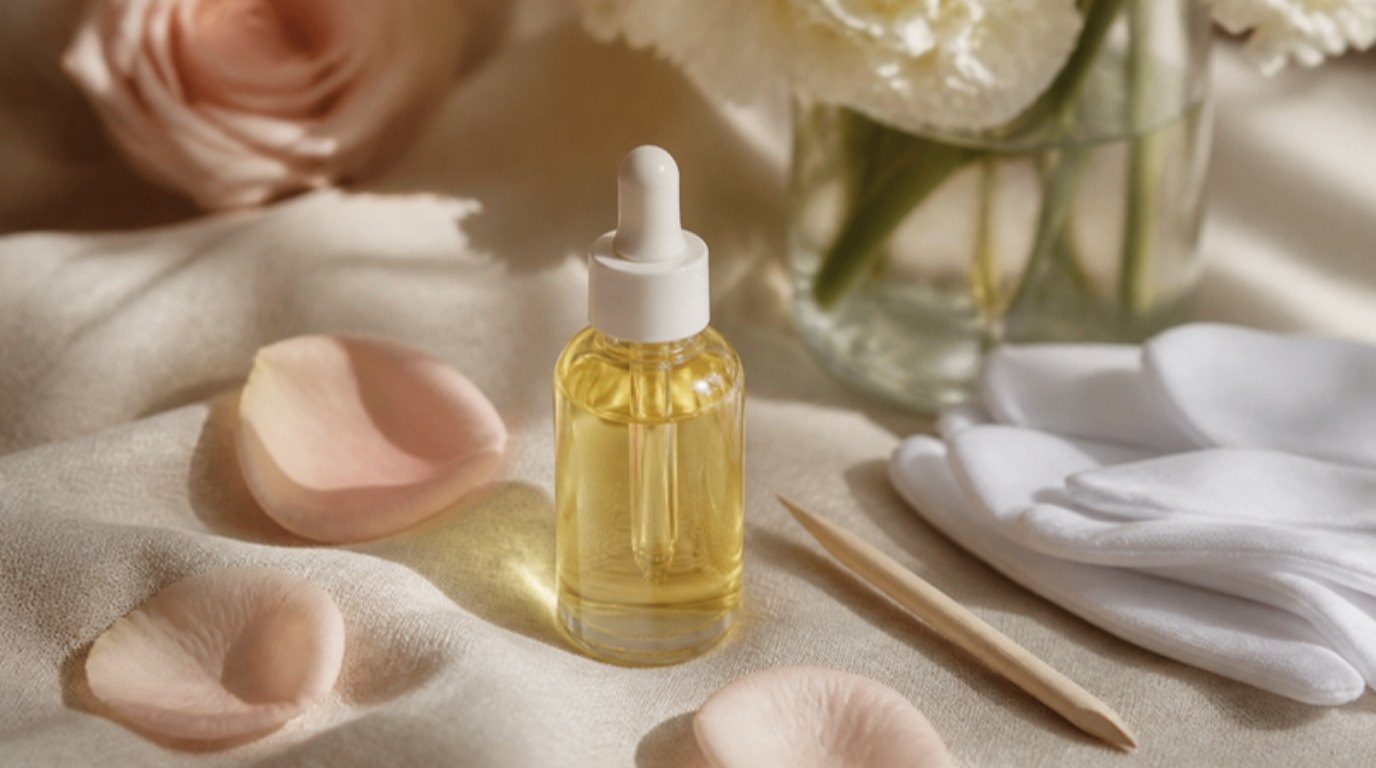
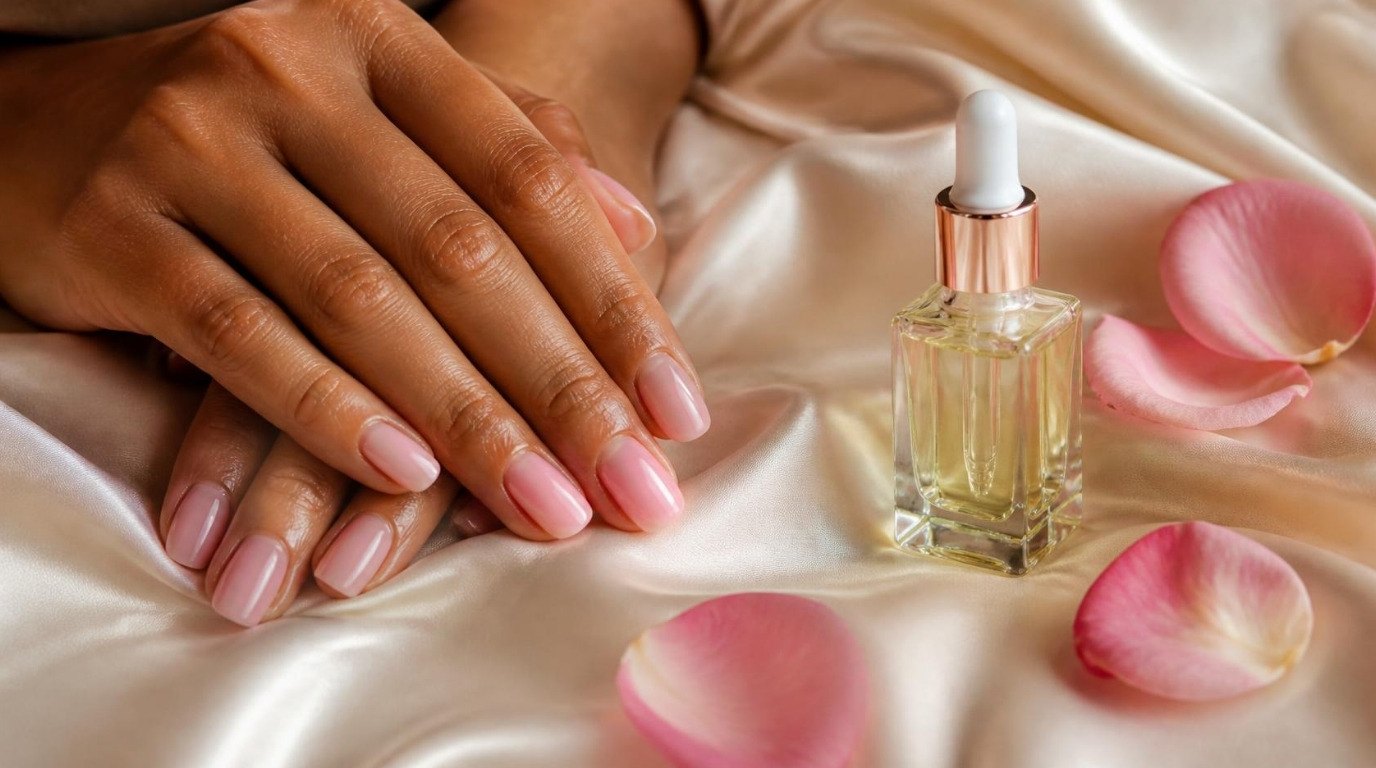
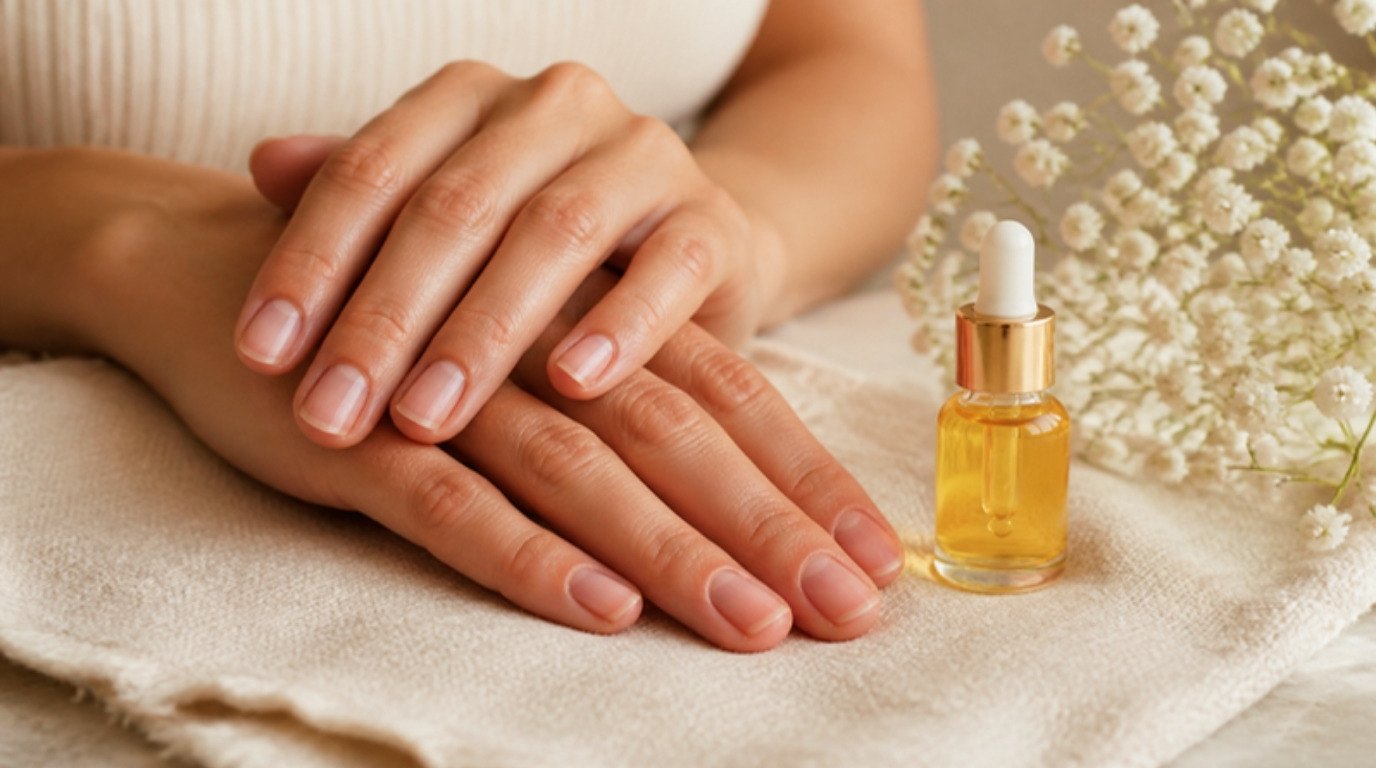
If you only add one thing, make it this. Cuticle oil sinks into the nail folds and keeps that skin flexible, so it stretches instead of splitting. Swipe a little around each nail and massage for about 10 seconds per hand.
When: once at night is great, twice a day is ideal in winter. A cuticle oil pen makes it so much easier to remember, because you can keep it in your bag, by your laptop or on your nightstand and click-swipe in five seconds. Look for simple oils like jojoba, sweet almond or vitamin E, and patch test on a small area first if your skin is sensitive.
2. Moisturize After Every Wash
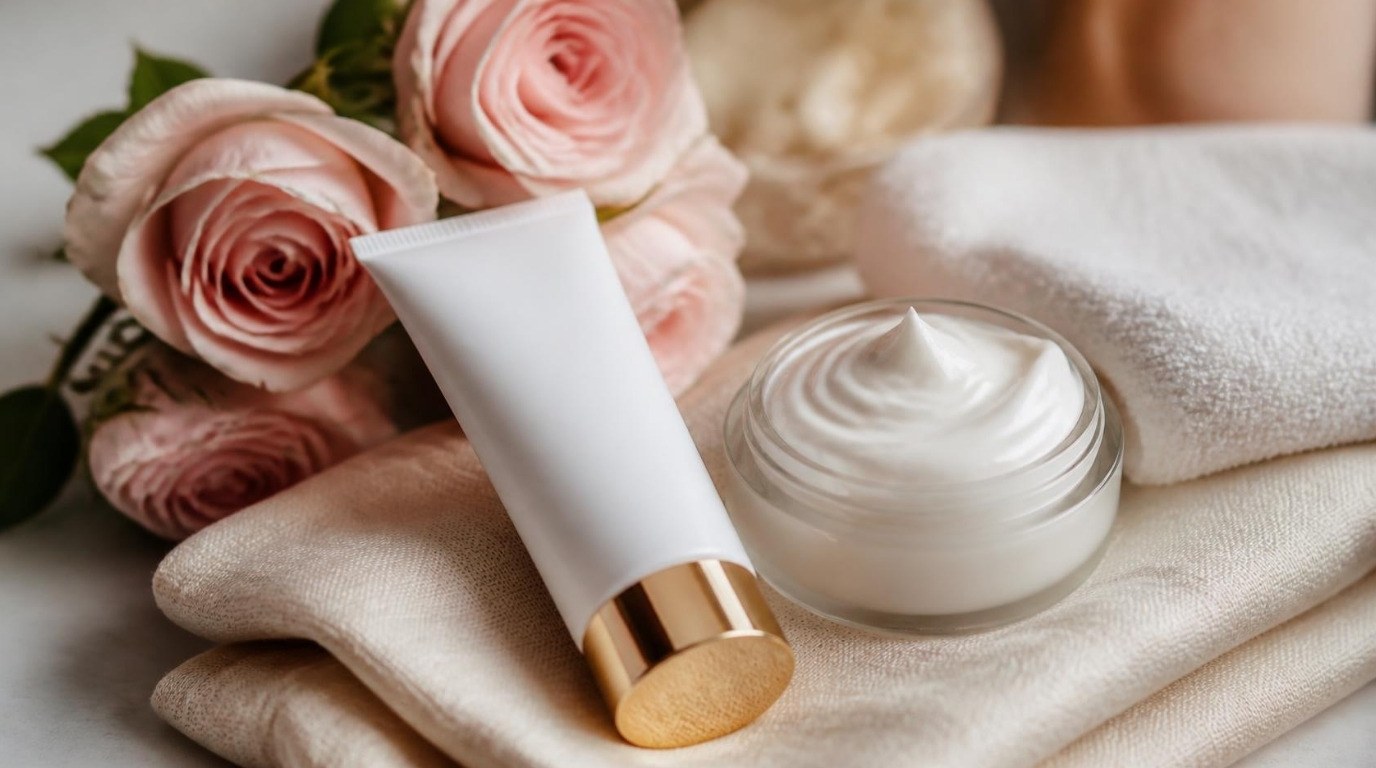
The moment your hands are dry after washing is the moment they need cream. Keep a tube by every sink you use often, and rub a pea-sized amount into your fingers, paying special attention to the skin around each nail.
For hangnail-prone hands, a rich hand cream with ingredients like shea butter, glycerin or ceramides works better than a light, watery lotion. A whole routine for this lives in my post about a simple hand care routine, if you'd like to build it out.
3. Wear Gloves for Wet Work
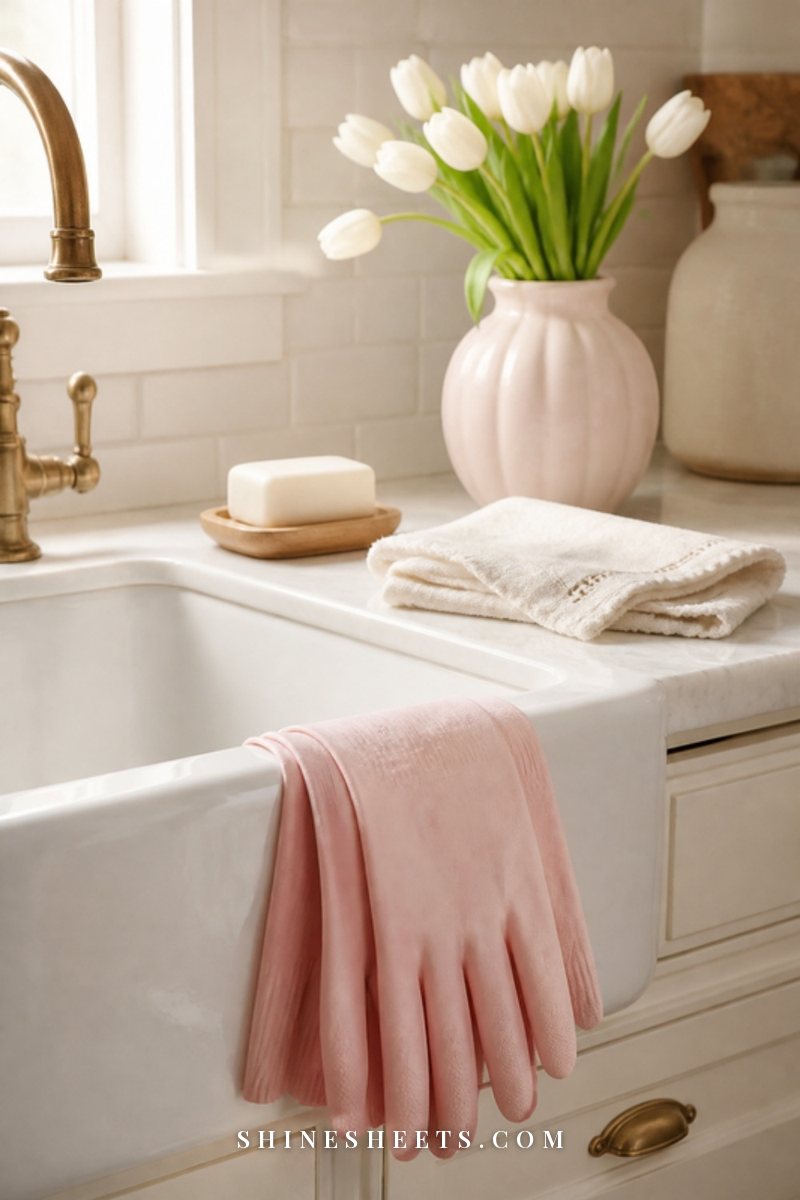
Dishwashing, scrubbing the bathroom, handling cleaning sprays – all of this is hard on the skin around your nails. Rubber gloves fix most of it.
A little trick that makes gloves far more pleasant: wear thin white cotton glove liners underneath. They absorb sweat, so your hands don't end up damp and wrinkly inside the rubber, and you can even put a little hand cream on first so the cleaning time doubles as a mini treatment. In cold weather, warm gloves outdoors count too.
4. Push Back Instead of Cutting
If you like neat nail edges, push the cuticle back gently instead of trimming. After a shower (or a 5-minute soak), wrap a soft washcloth around your fingertip and ease the skin back with light pressure, or use a wooden orange stick. Once a week is plenty.
Leaving the living skin uncut takes some getting used to, but it's one of the most effective hangnail fixes there is. My simple at-home manicure walks through this step in a calm, no-fuss way.
5. File, Don't Tear
Snagged or peeling nail edges catch on things and pull at the skin next to them. Smooth them as soon as you notice. A glass nail file is gentle and leaves a sealed, smooth edge; file in one direction rather than sawing back and forth. Nails that keep splitting may need their own care, and my guide to brittle nails covers why that happens.
6. Go Easy With Hot Water and Sanitizer
Wash with lukewarm water instead of hot, choose a mild, fragrance-free soap if your hands are sensitive, and follow alcohol gel with a little cream when you can. Nobody's asking you to skip hygiene, just to put back what it takes out.
7. Give Your Hands an Overnight Treatment
Once or twice a week, or every night when things are bad, apply a thick layer of hand cream or ointment before bed, add cuticle oil around each nail and slip on soft overnight cotton gloves. It feels a little silly the first time. Your hands in the morning will make you a believer. A humidifier in the bedroom can help too when the heating is on all day.
8. Keep Your Hands Busy
If you pick or bite when you're bored, stressed or deep in thought, prevention also means giving your fingers something else to do. That's the whole next section, because it deserves more than a sentence.
How To Stop Picking at Hangnails

Picking is rarely about the hangnail. It's usually about restlessness, focus or a little burst of stress. I'm prone to anxiety, and I've noticed my hands go looking for something to fix the moment my mind gets busy. A few things that genuinely help:
- Remove the "edge" fast. The longer a lifted bit of skin sits there, the more you'll touch it. Snip it properly (or file a rough nail) as soon as you can, then apply oil.
- Know your trigger times. Phone calls, TV evenings, long meetings, traffic. Simply noticing "this is when I pick" is the first step.
- Give your hands a job. Hold a warm mug, a soft stress ball, a smooth stone, a pen. Something with a texture works better than nothing.
- Make the oil part of the habit. When you feel the urge to pick, swipe cuticle oil instead and massage it in. Your hands still get the "doing something" feeling, but now it's helping.
- Cover the tempting finger. A small bandage for a day or two makes picking awkward and gives the skin a break.
- Keep nails short and smooth. There's simply less to pick at.
- Be kind about slip-ups. You'll catch yourself mid-pick sometimes. Stop, put on some oil and move on. Shame makes the urge stronger, not weaker.
If picking or biting feels hard to control or causes damage over and over, it's worth mentioning to a doctor. Lots of people deal with this, and there's real, gentle help for it.
Your Weekly Hangnail-Prevention Routine

Here's a calm, realistic plan for a week. Most days take under two minutes. It's especially useful from late fall through early spring, when hangnails love to show up. Pair it with my winter hand care tips if your skin gets properly dry in the cold.
| Day | Morning | Evening | Time |
|---|---|---|---|
| Monday | Hand cream after washing; oil pen in your bag | Cuticle oil, 10-second massage per hand | 2 min |
| Tuesday | Hand cream after washing | Cuticle oil; gloves for the dishes | 2 min |
| Wednesday | Hand cream after washing | Overnight treatment: thick cream, oil, cotton gloves | 4 min |
| Thursday | Hand cream after washing | Cuticle oil; check for any rough nail edges and file | 3 min |
| Friday | Hand cream after washing | Cuticle oil | 2 min |
| Saturday | Hand cream; gloves for cleaning | Mini care session: 5-minute soak, gently push back cuticles, snip any loose skin, file, oil | 15 min |
| Sunday | Hand cream after washing | Overnight treatment: thick cream, oil, cotton gloves | 4 min |
That's it. No special skills, no expensive treatments. Most people notice softer nail folds and far fewer hangnails within two to three weeks of steady oiling and moisturizing. If you're growing your nails out, the same routine supports that too.
Final Thoughts
Hangnails are small, but they're a sweet little signal: your hands are working hard and they'd like a bit more care. Soften first, snip once, leave the rest alone, and keep the skin moisturized so it doesn't split again.
Keep an oil pen nearby, put cream on after you wash, and give your hands a cozy glove night now and then. Your fingertips will feel smooth, comfortable and completely yours again – and that tiny daily moment of care is a lovely thing to give yourself.