Dip powder and gel nails look almost the same on the first day. Both are glossy, chip-resistant and far longer-lasting than regular polish. The real differences show up later: in how the manicure wears over the weeks, how it comes off and what your natural nails look like underneath once it's gone. That last part matters most, because a beautiful manicure is only a good deal if your own nails stay healthy.
Neither one is "the damaging one." Most of the harm people blame on dip or gel actually comes from how it's applied and, even more, how it's removed. Choose the method that fits your nails and your life, and look after the removal and the breaks, and both can be gentle enough.
This guide compares dip powder vs gel nails with nail health first: how each is applied, an honest side-by-side on six points, a table you can screenshot, the hygiene question with shared dip jars, safe removal for both, a UV lamp note, who suits which and the allergy signs that mean it's time to stop. No nail art here, just clean, healthy, simple nails.
How Dip Powder and Gel Nails Are Applied
Knowing the steps helps you understand everything else, from why one lasts longer to why the other is quicker to remove.
Dip Powder: Bonding Liquid Plus Colored Powder
For a dip manicure, the technician preps your nails (gentle shaping, pushing back cuticles, buffing off the shine), then brushes on a bonding base liquid. The nail is dipped into, or sprinkled with, a finely milled colored powder. That base-and-powder step is repeated two or three times to build color and strength. An activator liquid hardens the layers, the surface is filed smooth and a top coat goes on. Nothing is cured under a lamp. The layers air-set.
Gel Polish: Thin Layers Cured Under a Lamp
Gel polish goes on like regular polish, with a brush, but each layer has to be cured under a UV or LED lamp for 30–60 seconds. A typical gel manicure is a base coat, two thin color coats and a top coat, all cured one by one. The finish is glossy and thinner than dip, and it feels a little more like a classic polished nail.
Dip Powder vs Gel Nails: 6 Points Compared
Here are the six points that actually make a difference in daily life. I've tried to be fair to both, because each one wins somewhere.
1. Wear Time
Dip powder usually lasts three to four weeks before regrowth or lifting shows, and many people find it chips less. Gel polish generally lasts two to three weeks. In both cases your nails keep growing, so even a perfect manicure starts to look grown-out around week three. If you can't get to a salon often, dip gives you a little more time between visits.
2. Look and Thickness
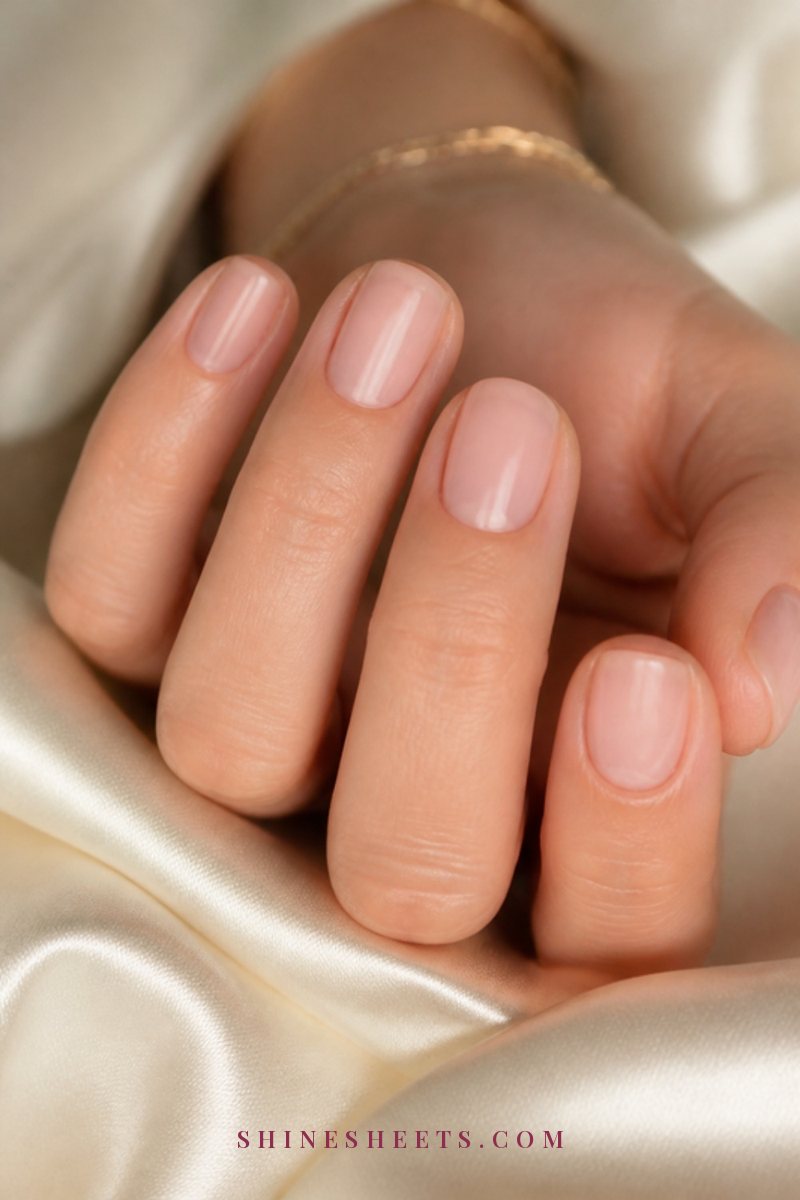
Gel is thinner and more flexible, so it looks closer to a regular manicure and suits short, natural shapes beautifully. Dip builds a thicker, harder layer, which some people love because it feels sturdy and others dislike because the nail can look slightly bulky, especially near the cuticle. A skilled technician keeps dip thin, but it rarely matches the delicate look of gel.
3. Strength
Dip powder is the stronger of the two. The layered powder gives a rigid shell that protects thin nails from bending and snapping. Gel is strong compared with regular polish but stays a little flexible. If your nails tear easily, dip can feel like a protective case. The flip side: a rigid coating on a nail that bends can sometimes crack or lift instead of flexing with it.
4. Removal
This is where gel wins clearly. Gel usually comes off with a 10–15 minute acetone soak after the top coat is lightly buffed. Dip is thicker, so it needs more filing of the top layer and a longer soak, often 15–25 minutes, and sometimes a second round. Longer soaks and more filing mean more dryness for the nail and the skin around it. If you want to do removal at home, gel is the easier one to do gently.
5. Cost and Salon Time
Prices vary a lot by salon and city, but dip and gel are often in a similar range, with dip sometimes a little higher. A gel manicure usually takes 45–60 minutes. Dip can be a bit quicker to apply, since there's no curing, but removal takes longer. Gel is also the one you can learn at home with a lamp and a few bottles. Dip at home is possible, though trickier to keep thin and even.
6. Effect on the Natural Nail
Both can leave nails a little dry and thin if you wear them back to back for months. The biggest risks are the same for both: heavy filing during prep, peeling or picking the product off, and rough removal. Dip's longer soak and heavier filing at removal can be harder on the nail. Gel's main extra consideration is the UV lamp (more on that below). With careful prep, patient removal and regular breaks, either can leave your nails in good shape.
Dip Powder vs Gel Polish Side by Side
A quick table to save, or screenshot before your next appointment.
| Factor | Dip powder | Gel polish | Better for |
|---|---|---|---|
| Wear time | About 3–4 weeks | About 2–3 weeks | Dip, if you visit the salon less often |
| Look and thickness | Thicker, very hard | Thinner, glossy, natural | Gel, for a delicate look on short nails |
| Strength | Rigid and protective | Strong but a little flexible | Dip, for nails that tear or bend |
| Removal | Filing plus a 15–25 minute soak | Light buffing plus a 10–15 minute soak | Gel, for gentler and easier removal |
| Cost and time | Similar or slightly higher, no curing | Similar, about 45–60 minutes | Tie, depends on your salon |
| Effect on the natural nail | Can dry and thin nails with heavy filing at removal | Can dry nails, UV lamp exposure | Either, with good removal and breaks |
| Curing | Air-set with activator | UV or LED lamp | Dip, if you'd rather skip the lamp |
The Hygiene Question With Shared Dip Jars
This is the one point I'd want every friend to know before booking a dip manicure. In some salons, every client dips their fingers straight into the same jar of powder. If one person has a small cut, an infection or a fungal problem around the nail, that jar can carry bacteria or fungus to the next client. Powder isn't sterilized between people.
The good news is that the safer way is easy to ask for:
- Pour-over method: the technician sprinkles or pours powder over your nail above a bowl or a paper, and the used powder is thrown away.
- Single-use portion: a small amount of powder is tipped into a separate little dish just for you, then discarded.
A simple, friendly script works: "Could you do the pour-over method for me instead of dipping into the jar?" A good salon won't mind at all. Also look for clean, sanitized tools (metal tools from a sealed pouch, new files and buffers for each client), and skip your appointment if you have a cut, a hangnail that's raw or any sign of infection around a nail.
How To Remove Dip Powder and Gel Safely
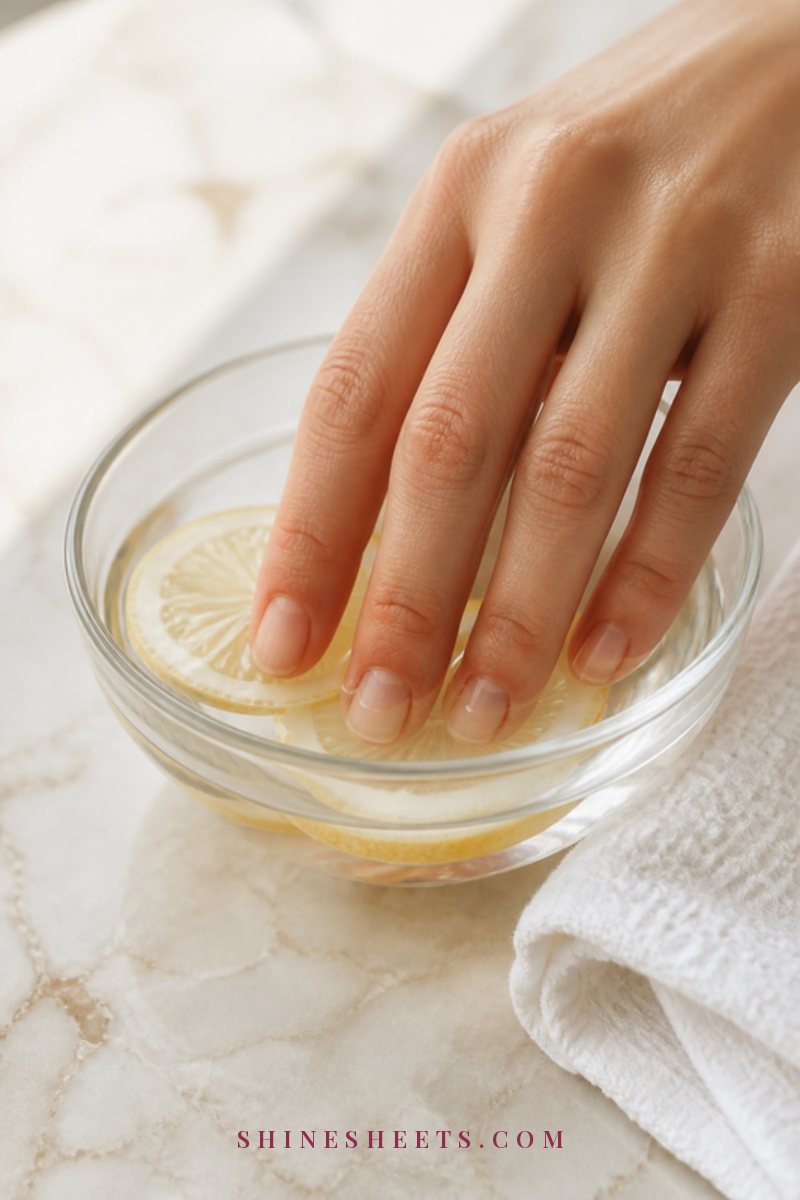
Removal is where most nail damage happens, so this section is worth reading even if you always go to a salon. The golden rule for both: never peel, pick or pry it off. Peeling pulls off the top layers of your natural nail along with the product, which is why nails can look thin, white and flaky afterward.
Here is the gentle way to remove either at home:
- Open a window or turn on a fan. Acetone fumes are strong, so good ventilation matters. Acetone is also very flammable, so blow out any candles and keep it away from heat and flames.
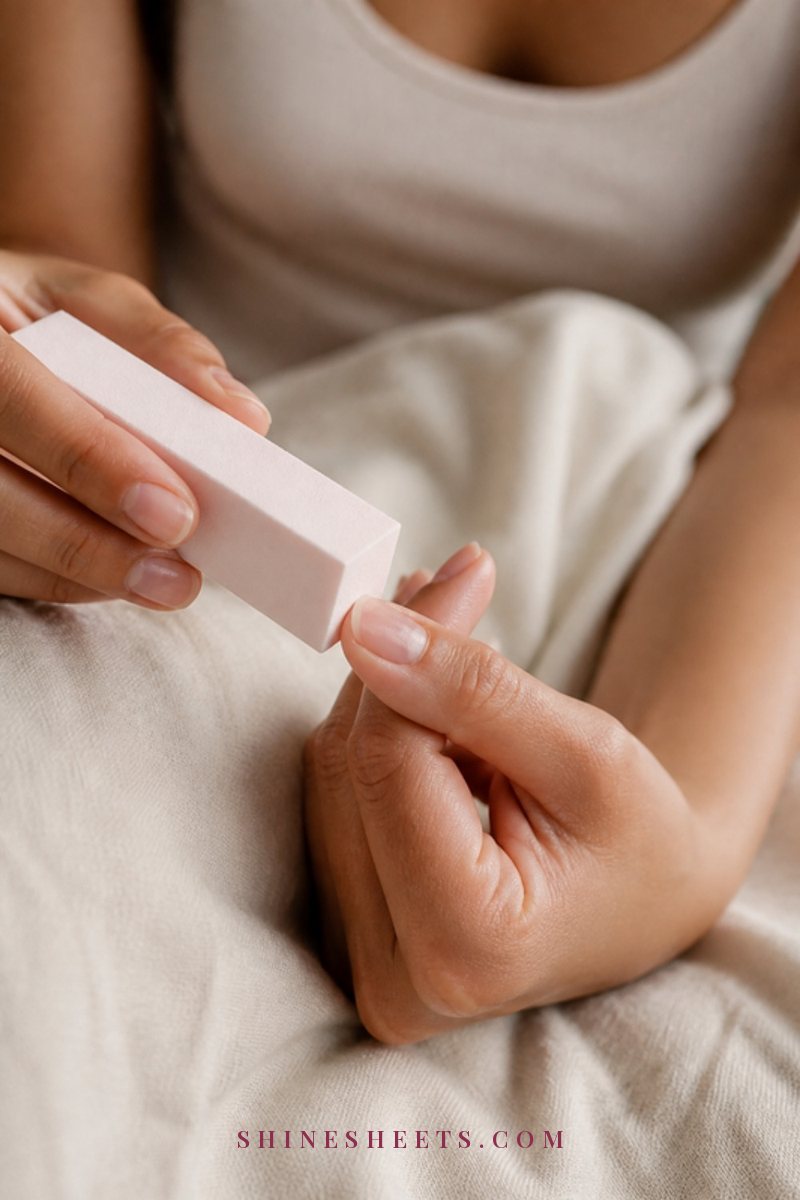
- Buff the top coat. Lightly file the shiny top layer with a fine file so acetone can get in. Gel needs a light buff. Dip needs a bit more filing to thin the thick layer, but stop before you reach your natural nail.
- Protect your skin. Rub a little cuticle oil or a rich cream around the nails so the acetone dries your skin less.
- Soak. Soak fingertips in pure acetone in a small glass bowl, or press acetone-soaked cotton onto each nail and wrap it in foil. Gel: about 10–15 minutes. Dip: about 15–25 minutes.
- Push gently. Use a wooden or soft rubber cuticle pusher to slide the softened product off. If it doesn't move easily, soak for another 5 minutes instead of scraping.
- Wash and moisturize. Wash your hands with mild soap, then apply cuticle oil and hand cream generously.
If you're unsure whether acetone is really necessary, my guide on acetone vs non-acetone nail polish remover explains why gel and dip need the stronger one. And for the full gel routine with timings, see how to remove gel polish at home without damage.
A Note on UV Lamps and Your Hands
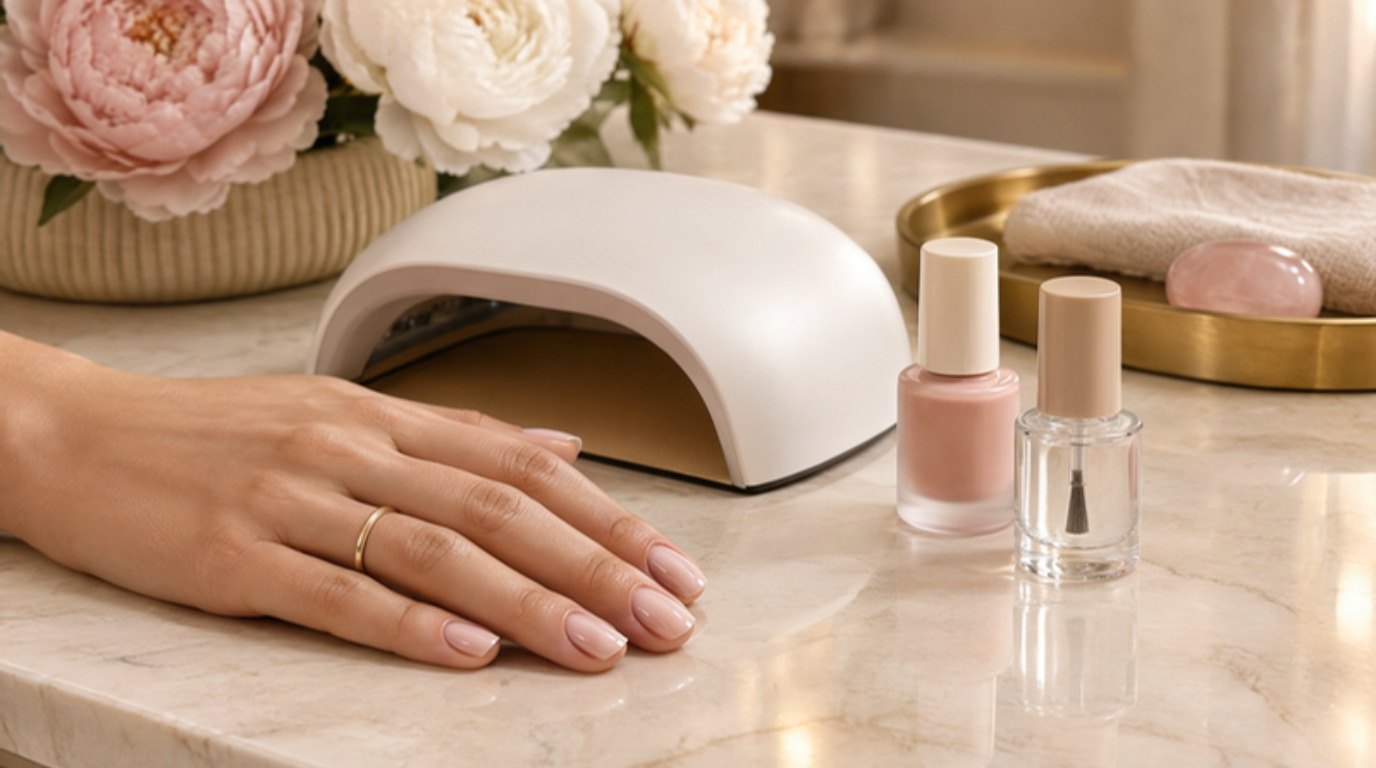
Gel polish needs a UV or LED lamp to cure, and both types give off UV light. Each session is short, but if you get gel manicures regularly for years, that exposure adds up on the backs of your hands. There's no need to panic about it, and there are two easy habits that reduce it:
- Wear white fingerless UV gloves that cover your hands and leave only the nails exposed. Many salons are happy for you to bring your own.
- Or apply a broad-spectrum sunscreen to the backs of your hands about 20 minutes before your appointment.
Dip powder doesn't use a lamp, which some people prefer for exactly this reason (although some salons add a gel top coat to dip, so ask what they use).
Which One Suits Your Nails?
There's no single right answer, but these situations come up all the time.
Short, Weak or Bendy Nails
If your nails bend and tear easily, dip's rigid shell can protect them while they grow, as long as removal is patient. If they're very thin already, gel's lighter removal may be kinder in the long run. Either way, consider a break of a few weeks with a nail strengthening base coat to help them recover.
Active Hands
If you type a lot, garden, cook every day or work with your hands, dip tends to chip less and last longer. Gel is a lovely choice if you want a thinner, more natural look and you're happy with a manicure every two to three weeks.
Sensitive Skin
Both dip and gel contain acrylates, the ingredients that make them bond and harden, so neither is automatically gentler for sensitive skin. If you've reacted to one, be careful with the other too. Gel products that touch the skin uncured are a common cause of reactions, which is why a careful technician keeps product off your cuticles.
If you're torn between more options, including builder gel and acrylics, my comparison of builder gel vs gel polish vs acrylics covers those too.
Allergy Signs: When To Stop
An acrylate allergy can develop even after years of trouble-free manicures, and once you're sensitized it usually stays. Stop getting dip or gel and remove the current set gently if you notice:
- Itching, redness or swelling around the nails or fingertips.
- Small blisters, dry or peeling skin around the nail folds.
- Nails lifting away from the nail bed, or soreness under the nail.
- An itchy rash on the eyelids, face or neck (places you touch often).
See a doctor or dermatologist if a reaction is strong, doesn't settle, or the skin around a nail becomes painful, hot or swollen, which can be a sign of infection. Don't try to "push through" an allergy for the sake of one more manicure.
Signs of a Gentle Salon Manicure
You don't need to be an expert to notice whether a dip or gel appointment is kind to your nails. Watch for these during your next visit:
- Light prep. The technician removes only the shine from your nail with a soft buffer. Heavy filing that leaves the nail warm, thin or tender is too much.
- No cutting of live skin. Cuticles are gently pushed back and only loose, dead bits are trimmed. Bleeding or stinging is a sign to speak up.
- Product kept off the skin. Gel or bonding liquid is applied with a small gap at the cuticle and sides, and any that touches the skin is wiped away before curing.
- Fresh or sanitized tools. New files and buffers for you, metal tools from a sealed pouch, and pour-over powder for dip.
- Patient removal. Old product is soaked off, not ground off with a drill down to your natural nail or pried up with a tool.
- No pressure. A good technician doesn't mind if you ask for a shorter length, a thinner layer or a gentler removal.
If something hurts, it's always okay to say "Could you go a little more gently there?" Your nails are part of your body, not just a surface to decorate, and a kind salon treats them that way. And if you leave with sore fingertips more than once, it's perfectly fine to try a different place next time.
Why Breaks Between Sets Matter
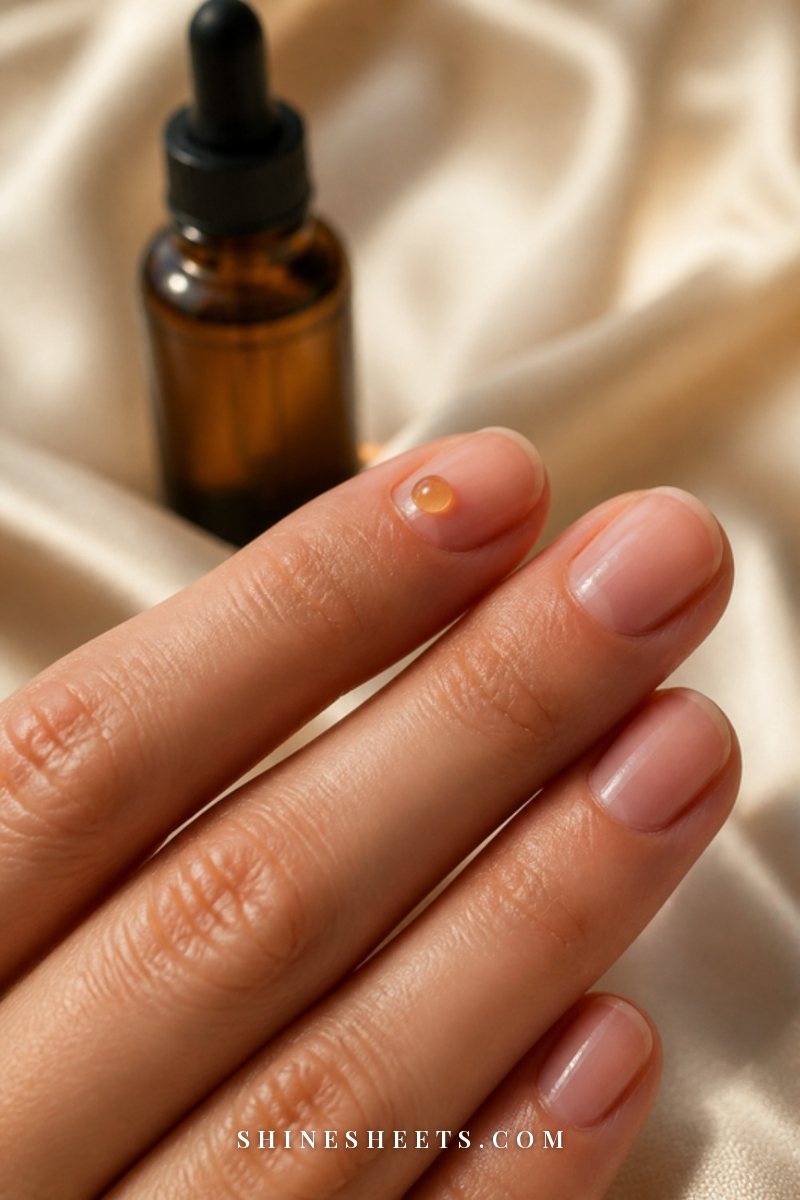
Wearing dip or gel back to back for months gives your nails no time to rehydrate, and any thinning from removal never gets a chance to grow out. A short break every few sets lets you see how your natural nails are really doing.
A simple rhythm: after two or three sets in a row, take two to four weeks off. During that time, keep nails short, file them gently in one direction, and use a soft blush nail buffer set only for a light polish, never to thin the nail. Regular polish or a sheer strengthener is completely fine on a break. If your nails are already looking thin, white or peeling, my guide on how to repair your nails after gel or acrylics has a gentle recovery routine.
Aftercare Between Appointments
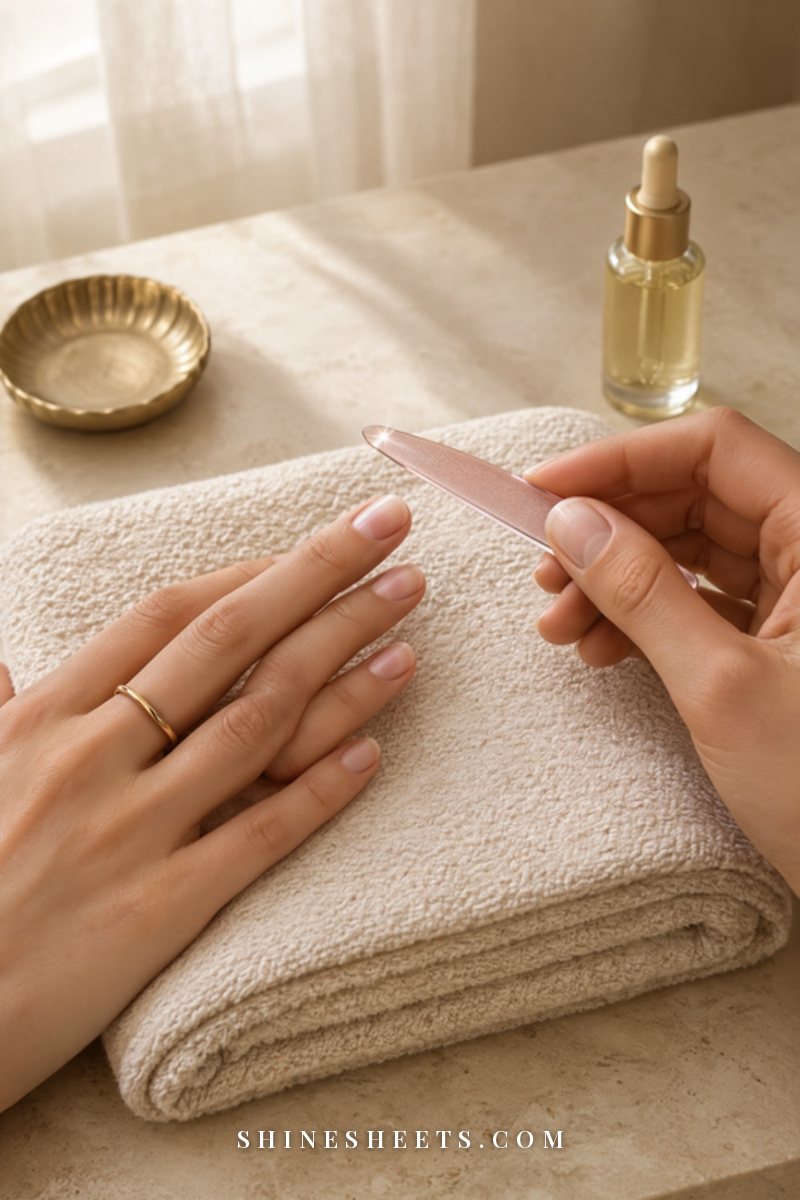
Whichever you choose, these small habits make the manicure last and keep the nail underneath healthy:
- Oil every day. A swipe of cuticle oil morning and evening keeps the skin around the nail soft and the product less likely to lift. A cuticle oil pen in your bag makes it effortless.
- Moisturize your hands. An unscented hand cream after every wash, especially in cold weather, keeps the skin around your nails from cracking.
- Wear gloves for chores. Hot water and cleaning products weaken the bond and dry your nails.
- Don't use nails as tools. Opening cans or peeling stickers is how chips and lifts begin.
- Fix lifting quickly. If an edge lifts, file it smooth or have it repaired rather than picking at it.
For softer cuticles without cutting, see my gentle cuticle care guide.
Final Thoughts
Dip powder and gel nails are both lovely options. Dip gives you strength and staying power, and gel gives you a thinner, more natural finish with easier removal. The real secret to healthy nails isn't which one you pick. It's clean tools, a patient soak instead of peeling, a little oil every day and the occasional break.
Choose the one that fits your hands and your life, ask kindly for the pour-over method, and give your nails the same care you'd give your skin. They'll thank you with every grown-out week.