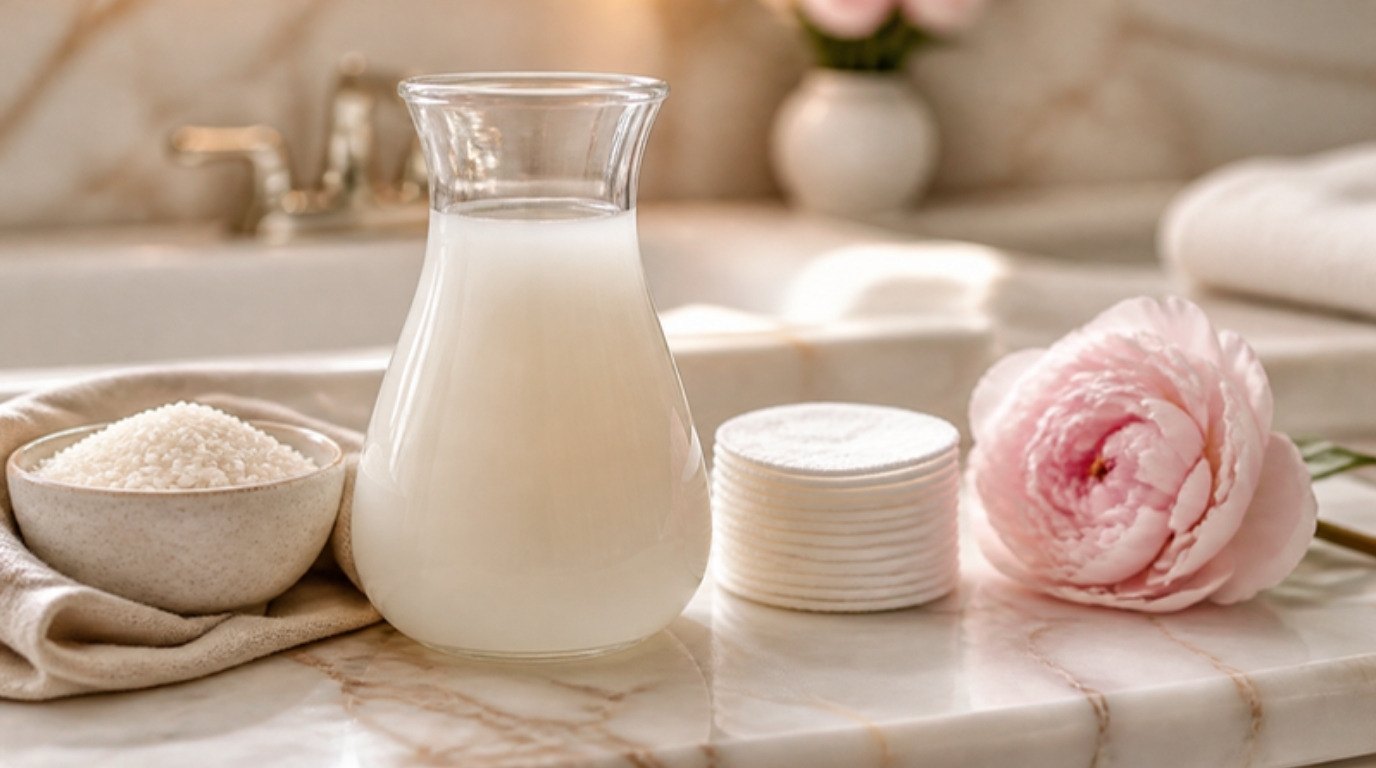
Rice water is one of those beauty rituals that feels almost too simple to work, and the honest answer is somewhere in the middle. It won't transform your skin overnight, but used fresh and gently, it can be a soothing, softening little step that makes your skin feel calm and look a touch more radiant. And if you prefer something more reliable, skincare made with rice extract or rice ferment gives you the same idea in a stable, tested form.
In this guide, I'll walk you through rice water for skin: what it is, where the ritual comes from, what the research really says, the possible benefits, how to make a fresh rinse safely, how to apply it, how to choose rice skincare products, who should skip it, and a comparison table of homemade rinse versus rice-ferment products.
My skin is combination and sensitive, with a shiny T-zone that loves to remind me it exists, so I'm always a little cautious with kitchen-cupboard beauty. That caution shaped everything below.
What Rice Water Is
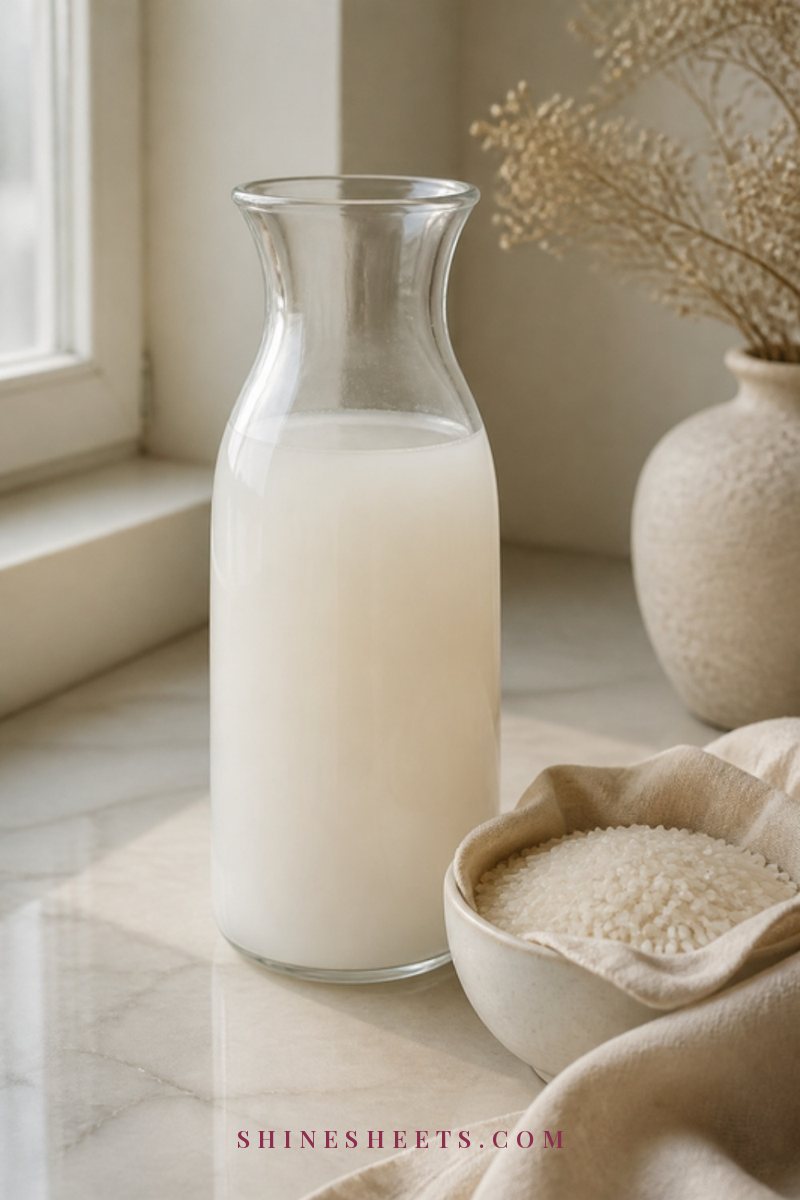
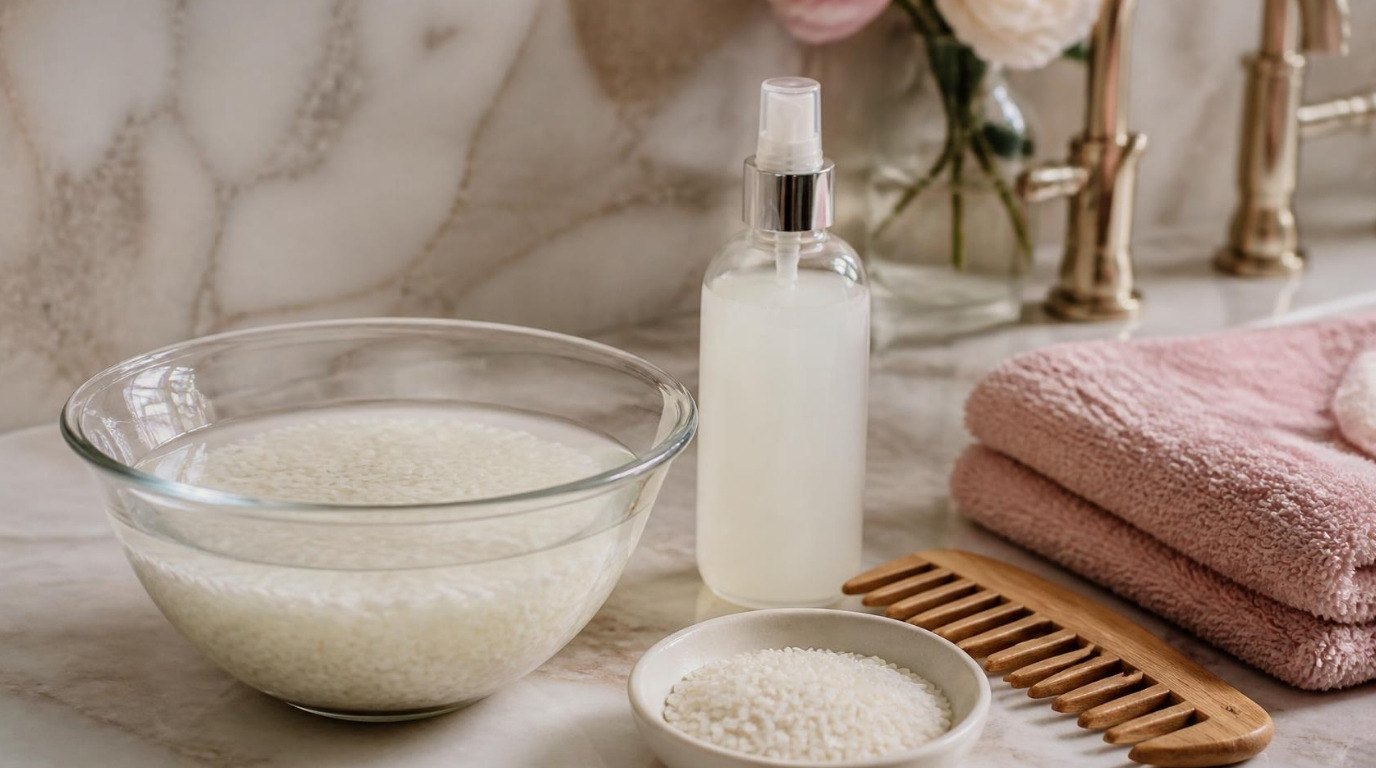
Rice water is the cloudy, milky water left after rice has been soaked or rinsed. That cloudiness comes mostly from starch, along with small amounts of compounds found in rice, such as some B vitamins, minerals, amino acids and antioxidants.
In skincare products, you'll usually see rice in a few forms on ingredient lists:
- Rice extract or rice water: a water-based extract of the grain.
- Rice bran extract or rice bran oil: from the outer layer of the grain, often used for its softening, nourishing feel.
- Rice ferment filtrate: rice that has been fermented under controlled conditions, then filtered. Sake-derived ferments are a well-known example.
- Rice starch or rice powder: used in some powders and cleansers for a soft, oil-absorbing finish.
The homemade version is the simplest of all, which is part of its charm. It's also the least predictable, which is why how you make it and how long you keep it matter so much.
Why Rice Water Became a Beauty Ritual
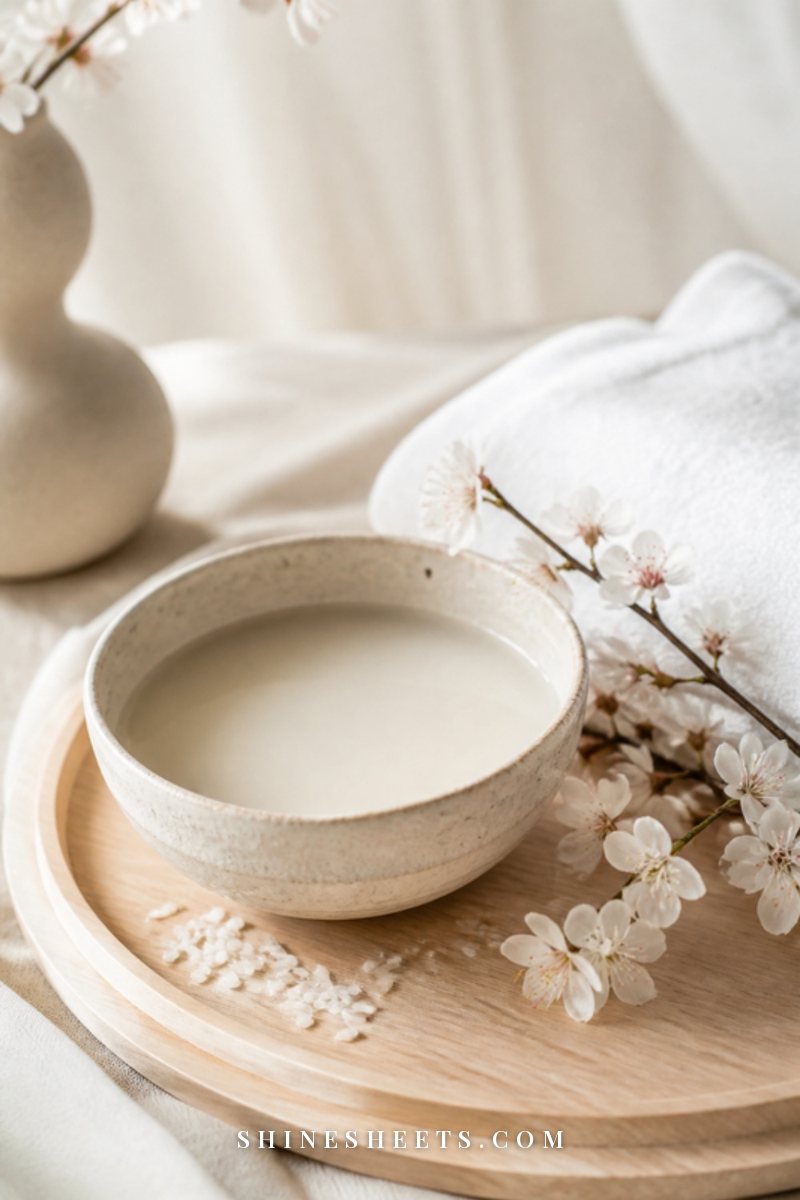
Rice water has a long history in East Asian beauty traditions, especially in Japan, Korea and China. It's often linked to stories of women in the Japanese imperial court who washed their very long hair with it, and to everyday routines where rinsing water from rice was used for washing the face and hair rather than thrown away.
Part of the appeal was practical: rice was already there, the water was gentle, and it left skin and hair feeling soft. Over time, it became a ritual of care as much as a cleansing step.
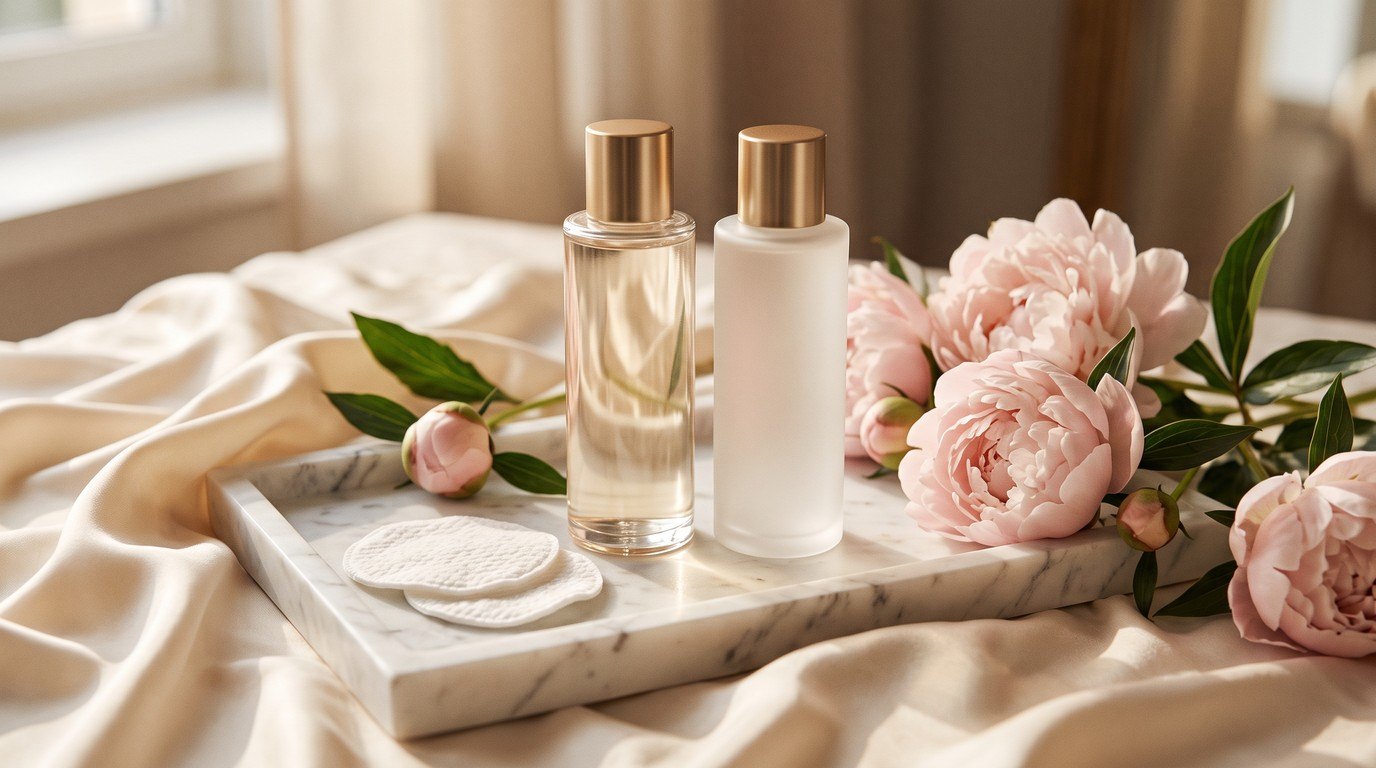
Today, K-beauty and J-beauty brands have taken that tradition into modern formulas: rice toners, rice essences, rice cleansing foams and even rice-based sunscreens. These are the versions many people now reach for, because they offer the soft, comforting feel of rice water with consistent quality and a proper shelf life.
What the Research Really Says
This is where I want to be honest with you, because rice water is often described online as a miracle ingredient. The research is limited.
- Most studies on rice for skin are small, done in labs, or look at specific extracts rather than the water left over from your kitchen.
- Some small studies suggest rice starch may help skin feel less irritated and support the skin barrier, but they used controlled preparations, not homemade rice water.
- Rice ferment filtrate and rice bran extracts have been studied more in cosmetic science, mainly for hydration and a smoother, softer skin feel.
- There is no good evidence that homemade rice water fades dark spots, treats acne, prevents wrinkles or changes your skin tone.
In other words: rice water is a gentle, pleasant ritual with some plausible soothing and softening benefits, and rice-ferment skincare has a bit more science behind it. Both are lovely additions. Neither is a cure for anything.
Possible Benefits of Rice Water for Skin
Keeping expectations kind and realistic, here's what rice water and rice skincare may offer.
A soothing, calming feel
Starch has a soft, slightly silky texture that many people find comforting on skin that feels a bit tight or stressed. Used cool, a rice water rinse can feel especially refreshing after a long day.
A soft, fresh-looking glow
Many people notice their skin looks smoother and more radiant after a rice water rinse or a rice toner. This is mostly about hydration and softness: well-hydrated skin reflects light more evenly. It's a temporary, surface-level effect, and that's fine.
Light hydration
Rice toners and essences are usually watery, layerable and easy for most skin types, including combination skin like mine. They add a light layer of hydration under your moisturizer without feeling heavy on a shiny T-zone.
A gentle pause in your routine
Don't underestimate this one. A slow, simple step that feels good can make you more consistent with the rest of your routine, and consistency is what skin actually responds to.
Homemade Rinse vs Rice-Ferment Products
Here's how the two options compare, so you can choose what suits your skin and your patience.
| Fresh homemade rice water rinse | Rice extract or rice-ferment skincare | |
|---|---|---|
| What it is | Water from soaking clean rice, strained | A formulated toner, essence or cream with rice extract or rice ferment filtrate |
| Consistency | Varies every time (rice type, water, soak time) | The same in every bottle |
| Shelf life | 1–2 days in the fridge, no longer | Months, with preservatives; check the opened-jar symbol |
| Hygiene risk | Higher: no preservatives, can grow bacteria quickly | Low when used and stored as directed |
| Research behind it | Very little | More, especially for rice ferment and bran extracts |
| Best for | An occasional soothing rinse on calm, healthy skin | Daily hydration and a softer skin feel |
| Skip if | Your skin is very sensitive, rosacea-prone or broken | You react to any ingredient in the formula (always patch test) |
| Cost | Almost free | Drugstore to mid-range |
If you want to try rice water only once in a while for the ritual, the homemade rinse is fine. If you want it in your routine every day, a formulated product is the safer, more consistent choice.
How To Make a Fresh Rice Water Rinse Safely
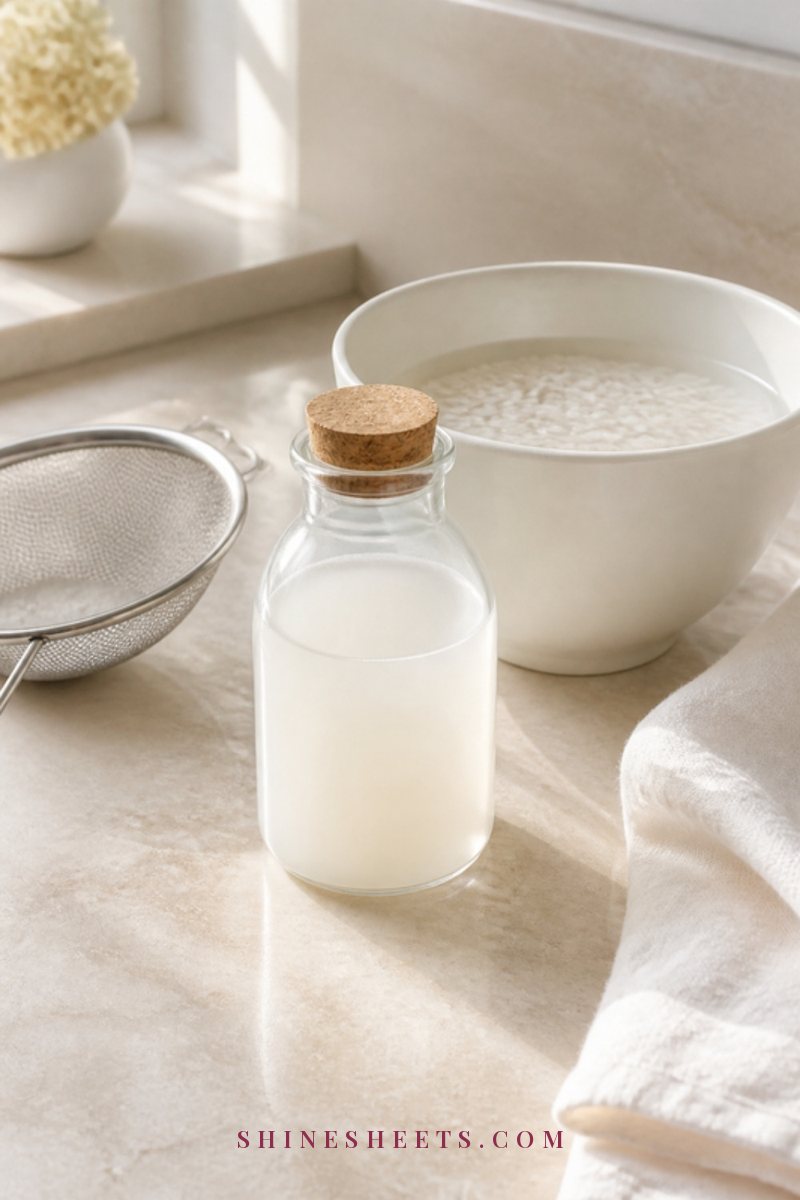
If you'd like to try the homemade version, keep it fresh and simple. Please don't ferment it at home: fermentation without controlled conditions can grow unwanted bacteria and mold, and it often smells sour for a reason.
- Start clean. Wash your hands, and use a clean bowl, sieve and bottle.
- Rinse the rice once. Take about half a cup of uncooked rice and give it a quick rinse in clean water to remove dust. Discard that first water.
- Soak. Cover the rice with about one to two cups of clean (filtered, if possible) water. Let it soak for 15–30 minutes, swirling gently now and then until the water turns cloudy.
- Strain. Pour the water through a fine sieve into a clean glass storage bottle. Cook or use the rice as you normally would.
- Chill. Store it in the fridge straight away and label the day you made it in your head (or on a piece of tape).
- Use within 1–2 days. Discard it sooner if it smells sour, looks slimy, changes color or grows anything on top.
Making a fresh small batch is much better than making a big jar that sits around. Little and often keeps it safe.
How To Apply Rice Water to Your Face
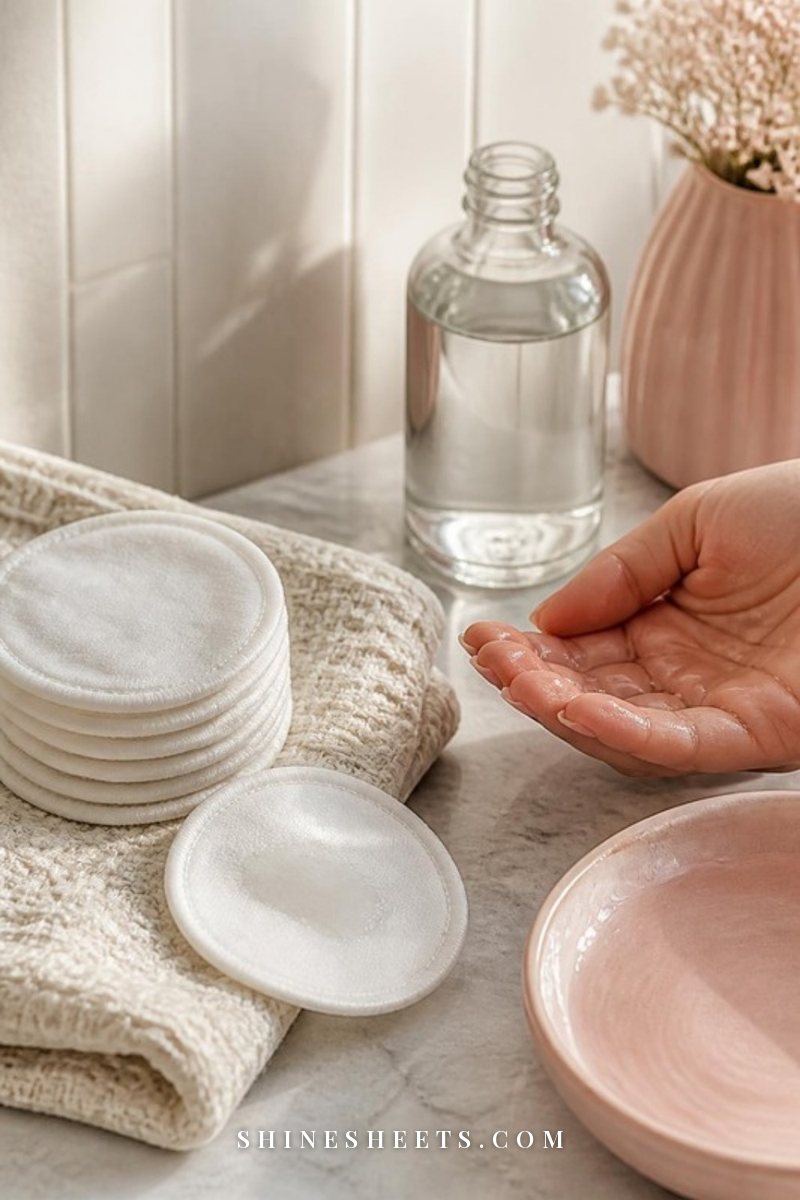
Use rice water as a final rinse after cleansing or as a toner-style step. Here's how:
- Cleanse first with your usual gentle cleanser and rinse well.
- Apply the rice water in one of two ways: splash a few handfuls over your face, or soak a soft cotton round and sweep it gently across your skin, avoiding the eye area.
- Leave it for 1–2 minutes, then either let it absorb or rinse lightly with lukewarm water if your skin feels tight or sticky.
- Follow with moisturizer while your skin is still slightly damp. A gentle ceramide moisturizer helps lock in that hydration and support your skin barrier.
- Morning? Finish with sunscreen, as always.
Start with two or three times a week. If your skin stays calm after two weeks, you can use it more often. If you notice any stinging, redness or breakouts, stop and let your skin settle.
How To Choose Rice Skincare Products
If you'd rather skip the kitchen version, rice skincare is easy to find, especially in K-beauty and J-beauty. When choosing, look for:
- Rice where it counts. Rice extract, rice water or rice ferment filtrate high on the ingredient list (near the top), not only as a marketing word on the front.
- A short, gentle formula. Fewer added fragrances and essential oils is kinder for sensitive skin.
- Supporting hydrators. Glycerin, hyaluronic acid, panthenol or ceramides make a rice formula more comforting.
- The right texture for you. Watery toners for oily and combination skin, milky essences or creams for dry skin.
A few popular options: a Korean rice toner is a classic best-seller and a pick for anyone who wants a soft, milky first step after cleansing. A rice ferment essence is lighter and more watery, a nice choice for layering under moisturizer. And for daytime, a Korean rice-based sunscreen is a much-loved option with a lightweight, comfortable finish.
If you're not sure where a toner or essence fits, my guide to toner vs essence vs serum explains the order and what each step does.
Where Rice Water Fits in Your Routine
Rice water and rice toners are hydrating steps, so they go after cleansing and before serums and moisturizer. A simple routine might look like this:
- Morning: gentle cleanse (or just water), rice toner or rinse, a hydrating serum if you use one, moisturizer, sunscreen.
- Evening: cleanse, rice toner or rinse, any treatment serum, moisturizer.
A small tip for rice products: keep them out of a steamy bathroom windowsill and away from direct sun, close the cap tightly after each use, and check the little open-jar symbol on the packaging (it shows how many months a product is good for once opened). Even well-preserved skincare does best in a cool, dry cupboard, and if a toner starts to smell different or changes color, it's time to replace it.
If you use strong actives like retinoids or exfoliating acids, keep your rice step very simple on those nights and skip the homemade version entirely if your skin feels sensitive. If you're building a routine from scratch, my skincare routine for beginners is a calm place to start.
And if your skin feels tight but still gets oily, it may be dehydrated rather than dry. This guide to dehydrated vs dry skin helps you tell the difference, because it changes what your skin actually needs.
Common Rice Water Mistakes
Most bad experiences with rice water come from a handful of very avoidable habits:
- Fermenting it on the counter. Many videos suggest leaving rice water out for a day or two until it smells sour. Without controlled conditions, that's an invitation for bacteria and mold, and it's far more likely to irritate skin.
- Keeping it too long. Even in the fridge, homemade rice water is a fresh product. After two days, pour it out and make a new small batch.
- Using it as a leave-on mask for ages. Leaving thick, starchy water on your face for 20–30 minutes can feel tight and drying, especially on dry or dehydrated skin. A minute or two is plenty.
- Skipping moisturizer. Rice water feels hydrating, but on its own it evaporates. Always follow with a moisturizer to keep skin comfortable.
- Dipping fingers into the bottle. Pour what you need into a clean dish or onto a cotton round so the rest stays clean.
- Expecting it to fix everything. Rice water is a supporting step. If you're hoping it will treat a real skin concern, you'll likely be disappointed.
A Simple Two-Week Rice Water Trial
If you want to see whether rice water or a rice toner suits you, give it a calm, structured try instead of adding it on a whim:
- Days 1–3: Patch test on your inner arm or behind your ear. No reaction? Move on.
- Days 4–7: Use it two or three evenings this week, after cleansing and before moisturizer. Keep the rest of your routine exactly the same.
- Days 8–14: If your skin stays calm, try it on most evenings or add it to your morning routine too.
- Day 14: Ask yourself honestly: does my skin feel softer, calmer or more comfortable? If yes, keep it. If you notice nothing, it's fine to let it go. If you noticed irritation at any point, stop sooner.
Changing only one thing at a time is the most reliable way to learn what your skin truly likes.
Who Should Skip Rice Water
Rice water is gentle for many people, but not for everyone. Please skip the homemade rinse, or ask a dermatologist first, if:
- Your skin is very sensitive or reacts easily to new things.
- You have rosacea, eczema or another skin condition that's currently flaring.
- Your skin is broken, cracked, sunburned or freshly treated (for example after a peel or laser).
- You have an active infection, open blemishes or irritation.
- You know you're allergic or sensitive to rice.
Rice-based products can still be an option for sensitive skin in many cases, because they're formulated and preserved, but patch testing is still a must.
Patch Test First
Whether you try a homemade rinse or a new rice product, do a patch test before putting it on your whole face. Apply a small amount to the inside of your arm or behind your ear once or twice a day for a few days. If you see redness, itching, bumps or stinging, don't use it on your face. My step-by-step guide on how to patch test skincare walks you through it properly.
What Rice Water Can't Do
To keep expectations kind and clear, rice water is not:
- A dark spot treatment. It won't fade hyperpigmentation or melasma. Sunscreen and proven ingredients, ideally with a dermatologist's advice, are what help there.
- An acne cure. It may feel soothing, but it doesn't treat breakouts.
- An anti-aging treatment. There's no good evidence that it reduces wrinkles.
- A replacement for moisturizer or sunscreen. It's an extra step, not a foundation.
If you're dealing with a skin concern that's bothering you or isn't improving, a dermatologist can help you find a treatment that actually fits your skin.
Rice Water for Hair, Too
Rice water is just as famous in hair care, especially as a rinse for length and shine. The same rules apply there: fresh, simple and gentle. If you're curious, I've written a full guide on how to use rice water for hair, including how often to use it.
Final Thoughts
Rice water is a lovely reminder that skincare doesn't always need to be complicated. Used fresh, gently and with realistic expectations, it can leave your skin feeling soft, calm and comfortable.
If you want something you can use every day, a well-made rice toner or essence gives you that same tradition in a reliable form. Either way, the best routine is the one that feels kind to your skin and easy for you to keep.