Witch hazel is one of those skincare classics that people either swear by or quietly blame for every dry patch they've ever had. The truth sits right in the middle: it can be a lovely, refreshing step for the right skin, used the right way, and a bit of a troublemaker for everyone else. The difference usually comes down to one detail on the label and how often you reach for it.
It took me a while to understand that with my combination, sensitive skin. My shiny T-zone liked the fresh, clean feeling. My cheeks did not like being swiped with it twice a day. Both of those things can be true at once, and that's exactly why this ingredient deserves a calm, honest look instead of hype or fear.
This guide covers everything you need to know about witch hazel for skin: what it actually is, the real benefits, the myths worth letting go of, who should skip it, how to use it on your face and body, how it fits around your other actives, and a simple comparison with toner and micellar water so you know which bottle does what.
What Is Witch Hazel?
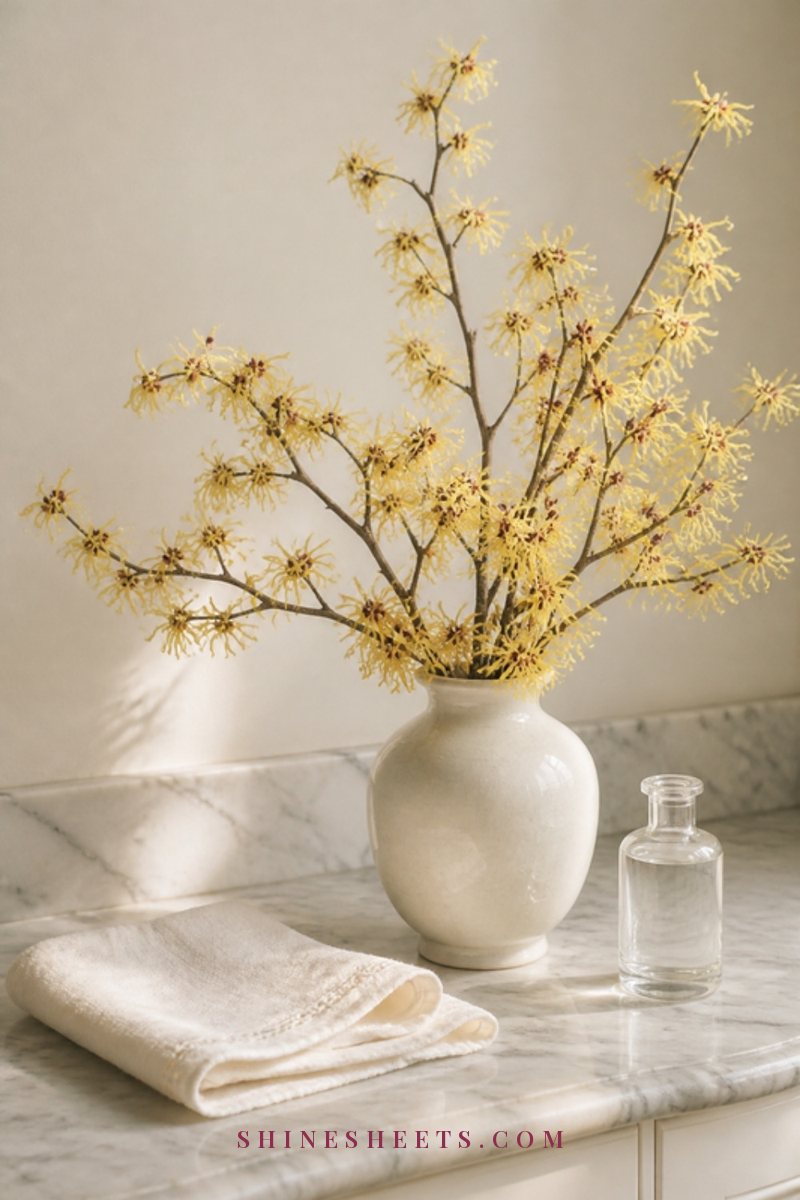
Witch hazel comes from a shrub called Hamamelis virginiana, native to North America. Its leaves, bark and twigs are traditionally steamed or soaked, and the liquid that comes out of that process is what ends up in your bottle. In skincare it's best known as an astringent, which simply means it gives skin a temporary tightened, clean, less oily feel.
A lot of that effect comes from natural plant compounds called tannins. Tannins are what make strong black tea feel slightly drying in your mouth, and on skin they create a similar quick, crisp sensation. Witch hazel also contains antioxidant plant compounds, which is part of why it's often described as soothing.
On an ingredient list you might see it as "Hamamelis Virginiana (Witch Hazel) Water," "Hamamelis Virginiana Leaf Extract" or "Witch Hazel Distillate." These aren't all identical. A distillate (often called witch hazel water) usually contains fewer tannins than a strong extract, so it tends to feel milder. That's the first small clue to how a product will treat your skin.
Alcohol-Free vs. Alcohol-Based Witch Hazel
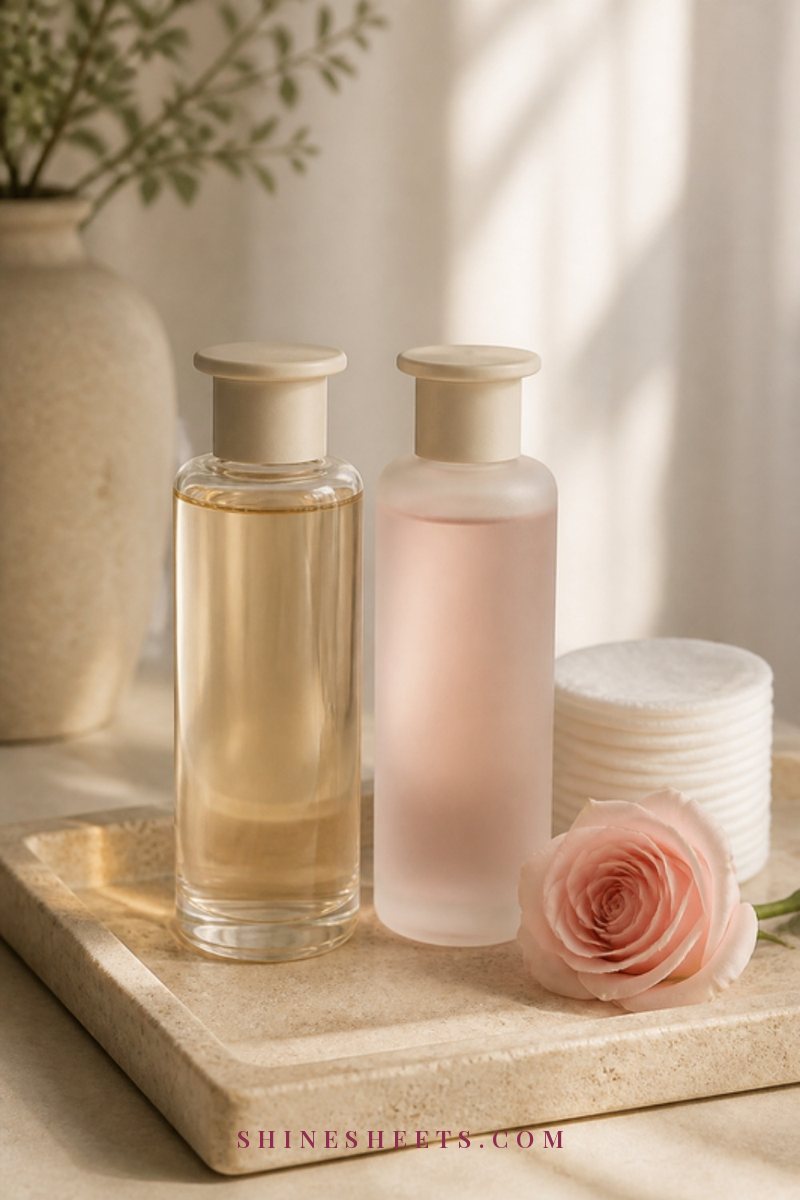
This is the detail that changes everything. The classic drugstore bottle of witch hazel is often a distillate mixed with a significant amount of alcohol (frequently around 14%). Alcohol helps preserve it and gives that instant, cool, evaporating rush, but for many faces it's simply too drying, especially when used every day.
Alcohol-free versions use other preservatives and often add skin-friendly extras like glycerin, aloe or rose water. They still give a fresh, light feel, but without the squeaky tightness that alcohol tends to leave behind. For facial use, alcohol-free is the version I'd point almost everyone toward.
Here's a quick way to tell them apart:
- Read the ingredient list, not just the front. Look for "alcohol," "alcohol denat." or "SD alcohol" near the top. If you see it in the first few ingredients, it's an alcohol-based formula.
- Look for the words "alcohol-free" on the bottle. Most gentle formulas say so clearly because it's a selling point.
- Notice how it feels. A strong cold rush and a tight, squeaky finish usually mean alcohol. A softer, slightly dewy finish usually means you've got a gentler formula.
Fatty alcohols like cetyl or cetearyl alcohol are a different thing entirely. They're waxy, softening ingredients and don't dry the skin, so don't let the word alone scare you off a cream.
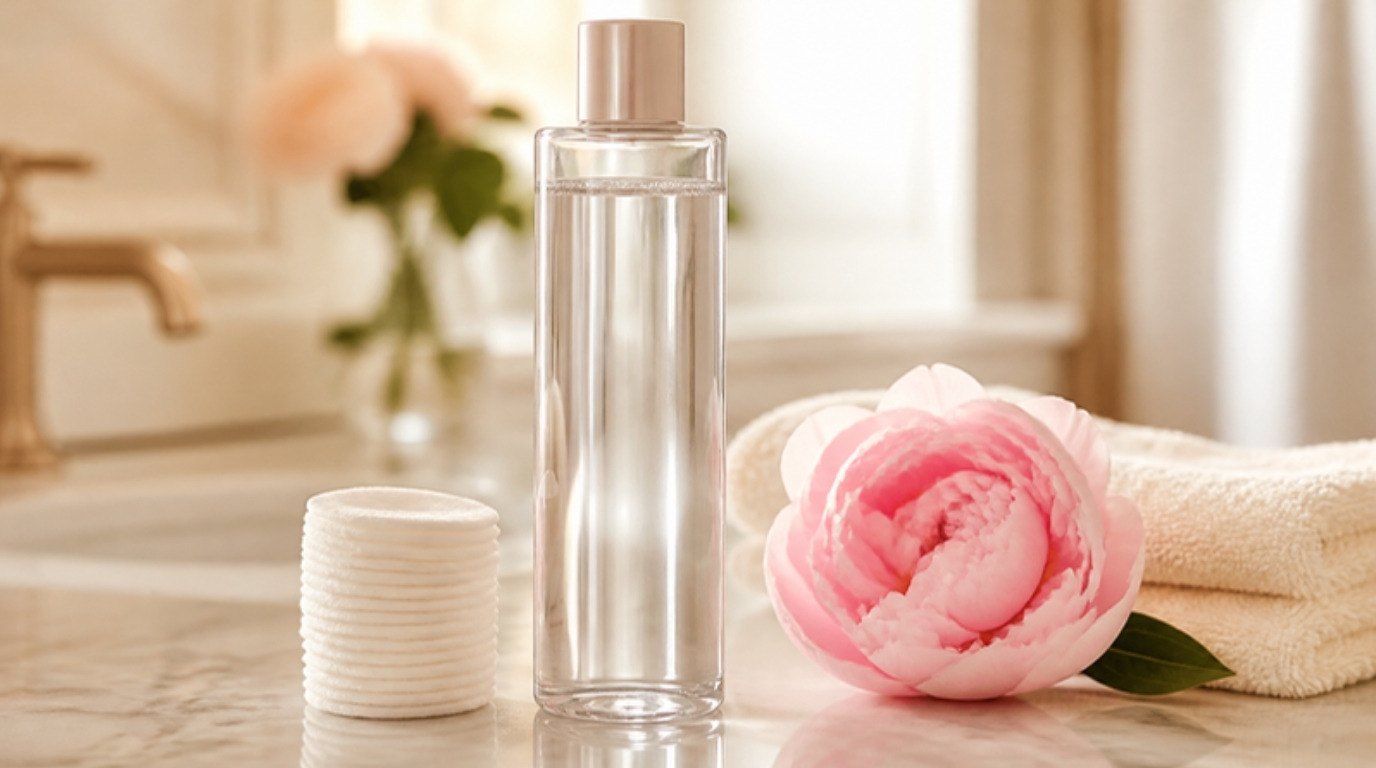
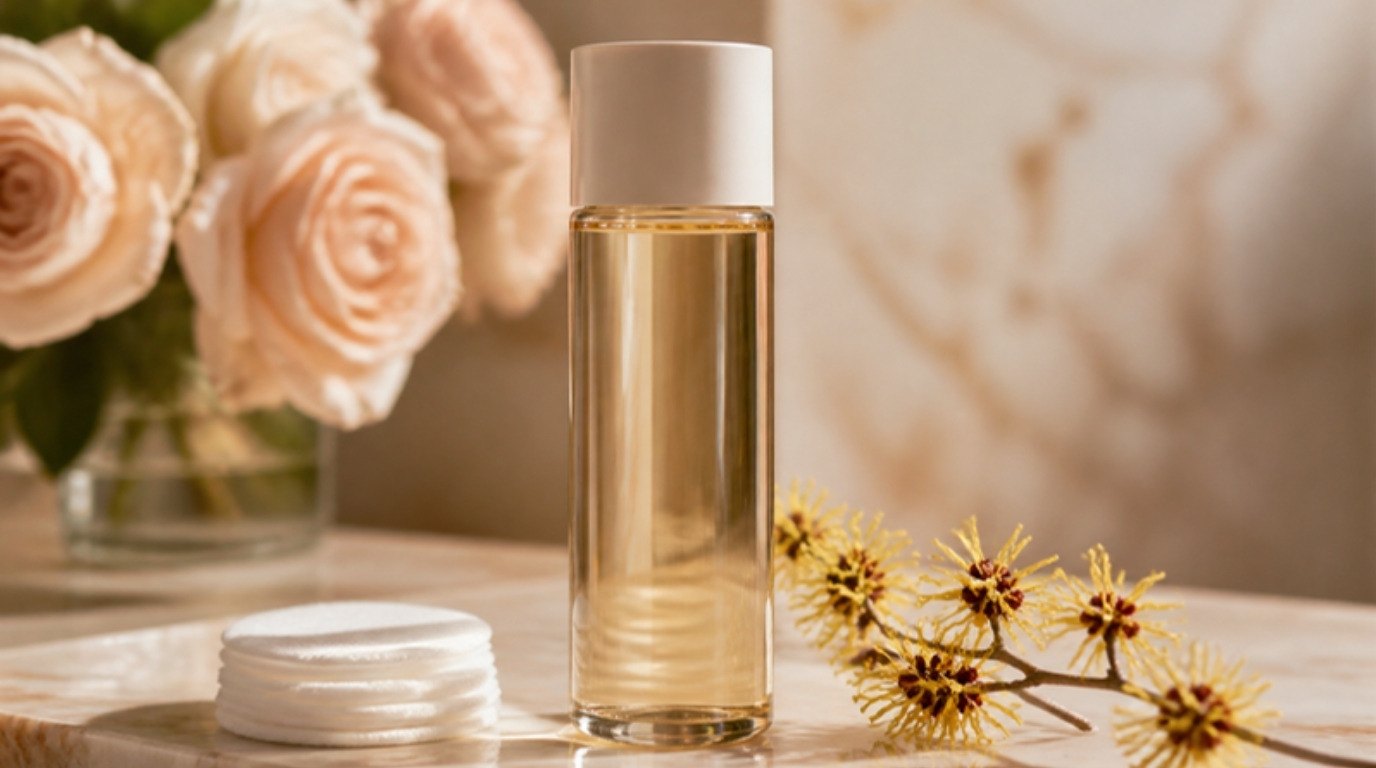
If you're curious to try it, look for an alcohol-free witch hazel toner with rose petal water, the kind with a short ingredient list and no added fragrance oils beyond the rose. It's the gentlest starting point and the version most people tolerate well.
The Real Benefits of Witch Hazel for Skin
Let's keep this realistic. Witch hazel isn't a miracle, but it does a few small things well, and for some routines that's exactly what's needed.
Temporary Oil Control
If you have an oily or combination T-zone, a swipe of witch hazel after cleansing can leave skin feeling fresher and less slick for a few hours. It doesn't change how much oil your skin produces long term, and it won't replace blotting papers on a warm afternoon, but it can take the edge off that midday shine. That's the main reason combination skin types keep it around for the T-zone only.
A Soothing, Refreshing Feel
Alcohol-free witch hazel feels cool and calming, especially when the bottle has been sitting in a cool spot. Many people like it after a sweaty workout, on a hot day or simply as a little reset in the evening. The comfort is real, even if it's mostly sensory and short-lived.
That Tightening Feel
The tannins give skin a temporarily firmer, smoother feel. Pores may look slightly less noticeable for a short while because the skin surface feels tauter and cleaner. It's a pleasant effect before makeup, but it fades as the day goes on, so think of it as a finishing touch rather than a treatment.
Calm After Shaving or Waxing
This is where witch hazel really earns its reputation. A gentle, alcohol-free formula can make freshly shaved or waxed skin feel calmer and less hot. We'll come back to body use in its own section, because the routine there is slightly different.
Witch Hazel Myths To Let Go Of
A lot of the frustration with witch hazel comes from expecting it to do things it can't. Letting go of these myths makes it much easier to decide whether it belongs on your shelf.
Myth 1: It Shrinks Your Pores
Pore size is mostly set by genetics, skin type and age. No toner can permanently shrink them. Witch hazel can make pores look a little tighter for a few hours, and keeping them clear of buildup helps them look smaller overall, but that's about it. If pores are your main concern, my guide to caring for your pores walks through the habits that genuinely make a visible difference over time.
Myth 2: It Cures Acne
Witch hazel can make oily, breakout-prone skin feel cleaner, but it isn't an acne treatment. It doesn't do the job of proven ingredients like salicylic acid, benzoyl peroxide or prescription options. Using it harshly, several times a day, can actually make breakouts look angrier by drying and irritating the skin around them. If breakouts are persistent, painful or leaving marks, a dermatologist is the kindest next step.
Myth 3: Natural Means Gentle
Witch hazel is a plant extract, and plant extracts can irritate just like anything else. Tannins in high amounts can be drying, and some people are simply sensitive to the plant itself. "Natural" describes where it comes from, not how your skin will react.
Myth 4: If a Little Is Good, More Is Better
Soaking several cotton pads, swiping three times a day or using it as a spot "drying" treatment is the fastest way to tight, flaky, unhappy skin. With witch hazel, less is almost always more. Once a day is plenty for most people, and many do best with a few times a week.
Witch Hazel vs. Toner vs. Micellar Water
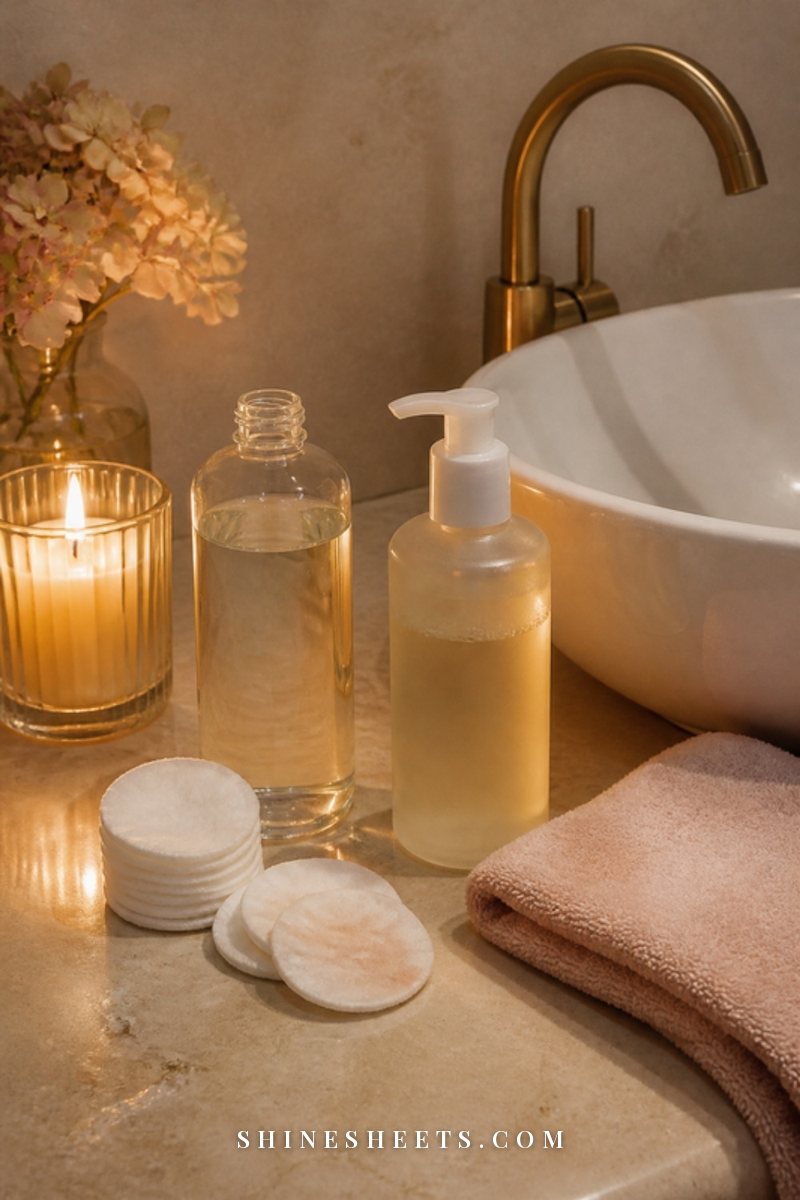
These three liquids often sit side by side on a bathroom shelf, and they're easy to confuse. They do different jobs, though, and knowing which is which saves you from using the wrong bottle at the wrong time. Screenshot this table if it helps:
| Witch hazel (alcohol-free) | Hydrating toner | Micellar water | |
|---|---|---|---|
| Main job | Refreshes and gives a temporary tightened, less oily feel | Adds a light layer of hydration after cleansing | Lifts makeup, sunscreen and grime |
| When to use | After cleansing, before serum | After cleansing, before serum | Before cleansing or as a quick cleanse |
| Feels like | Cool, fresh, slightly crisp | Soft, dewy, comfortable | Like water, very light |
| Best for | Oily and combination skin, T-zone shine, after shaving | Almost every skin type, especially dry and dehydrated | Every skin type, makeup wearers, quick evenings |
| Who should be careful | Very dry, sensitive, rosacea-prone or irritated skin | Fragrance-sensitive skin (choose fragrance-free) | Sensitive skin if left on without rinsing |
| How often | Once a day max, often a few times a week | Once or twice a day | Whenever you wear makeup or sunscreen |
| Replaces cleansing? | No | No | Sometimes, on low-makeup days |
The short version: micellar water cleans, a hydrating toner hydrates, and witch hazel refreshes and mattifies. If the difference between toners, essences and serums still feels fuzzy, my guide to toner vs. essence vs. serum lays out the order clearly, and my micellar water guide covers how to use it without leaving residue on your skin.
Who Should Skip Witch Hazel or Be Careful
Witch hazel isn't for everyone, and that's completely fine. You might want to skip it, or use only a very gentle alcohol-free version occasionally, if any of these sound like you:
- Very dry skin. Skin that already feels tight after cleansing doesn't need a product whose main job is to tighten.
- Sensitive or reactive skin. If new products often sting, burn or turn you pink, introduce it slowly, or skip it.
- Rosacea-prone or easily flushed skin. Astringents and alcohol can make redness and heat more noticeable.
- A compromised barrier. If your skin is flaky, stinging or raw from over-exfoliating, retinoids or harsh weather, pause witch hazel completely until it feels comfortable again.
- Eczema-prone skin. Avoid applying it to active patches, and check with your doctor before trying it.
For reactive skin, a calm routine with fewer steps almost always beats adding another toner. My sensitive skin routine is a good place to start if you're not sure what your skin needs right now.
Whatever your skin type, patch test first. Apply a little to a small area along your jawline or inner arm once a day for a few days, and stop if you notice redness, itching, stinging or bumps. If you've had reactions to skincare before, or something doesn't settle, a dermatologist can help you work out what's going on.
How To Use Witch Hazel on Your Face
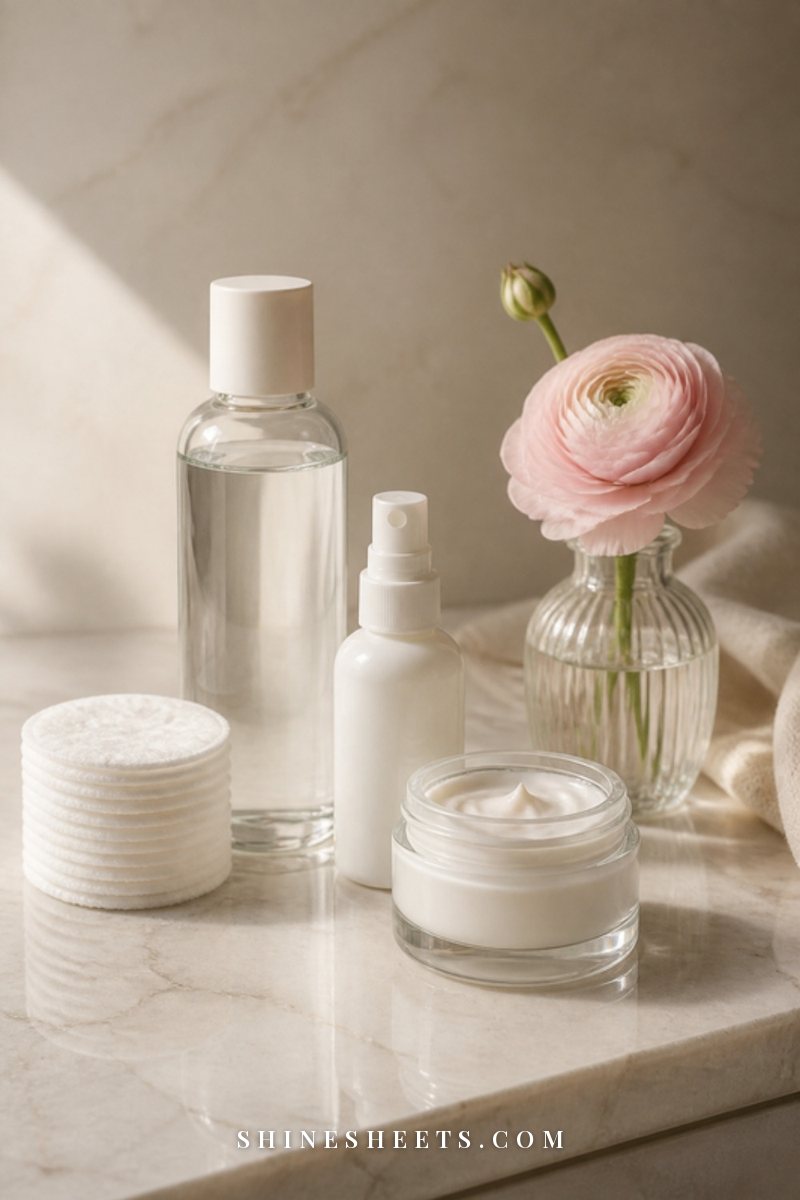
If your skin is a good match, here's the simplest way to bring witch hazel into your routine without overdoing it.
- Cleanse gently. Start with a mild cleanser that doesn't leave your face squeaky. A gentle gel cleanser suits combination and oily skin well because it removes oil without stripping.
- Pat dry. Leave your skin very slightly damp, not dripping.
- Apply a small amount. Pour a few drops onto a soft cotton round and sweep it lightly over the areas that get oily, usually your forehead, nose and chin. Skip your eye area and any dry patches. Soft, lint-free cotton rounds are kinder than fluffy cotton balls, which leave fibers behind.
- Or spritz it. If you prefer, decant your alcohol-free witch hazel into a fine-mist spray bottle and mist it over your face from arm's length. This uses less product and avoids any rubbing, which sensitive skin appreciates.
- Let it absorb for 30 seconds. No need to wait longer.
- Follow with your serum, if you use one.
- Always finish with moisturizer. This is the step most people skip, and it's the one that keeps witch hazel from feeling drying. A ceramide moisturizer helps support your skin barrier while the witch hazel does its fresh, light work.
- In the morning, add sunscreen last.
How Often To Use It
Start with two or three times a week, in the evening or the morning, whichever you prefer. After two weeks, if your skin feels comfortable, you can move to once a day. That's the ceiling for most people. On my combination skin, I'd keep it to the T-zone only and skip it entirely on days when my cheeks feel tight.
A few signs you've found your right rhythm: your skin feels fresh but not tight, makeup sits nicely, and you don't see new flaky patches around your nose or chin.
Morning or Night?
Either works. Mornings are nice if you want that fresh, slightly matte base before makeup. Evenings are nice if you like a little reset after a long day. Just don't use it both times and then wonder why your skin feels thirsty by the weekend.
Where Witch Hazel Fits With Actives
Witch hazel is gentle compared to most actives, but it still adds up when layered on top of other drying or exfoliating ingredients. Think of your skin as having a daily "tolerance budget," and witch hazel uses a little of it.
- Retinoids (retinol, retinal, prescription retinoids): Don't use witch hazel on the same night. Keep it for your retinoid-free evenings or your morning routine.
- Strong exfoliating acids (glycolic, lactic, salicylic toners or peels): Avoid the same night. Both together can tip skin into stinging and flaking.
- Benzoyl peroxide: Use caution. Both can be drying, so separate them or skip the witch hazel.
- Vitamin C: Usually fine in the morning if your skin tolerates both, but introduce one at a time.
- Niacinamide, hyaluronic acid, ceramides: These play nicely and actually help balance witch hazel's fresh, slightly drying feel.
A simple weekly rhythm for combination skin might look like this: retinoid on two nights, a gentle exfoliant on one night, and witch hazel on two or three of the remaining days or mornings. Rest nights with just cleanser and moisturizer are part of the plan, not a lazy shortcut.
Witch Hazel for Body: Shaving, Waxing and Razor Bumps
On the body, witch hazel often feels even better than on the face, because skin on your legs and underarms is usually less reactive and the post-shave sting is a very specific problem it handles nicely.
After Shaving Your Legs
Pat your legs dry after the shower, then mist or swipe a little alcohol-free witch hazel over freshly shaved areas. Give it 30 seconds, then follow with a fragrance-free body lotion. The cool, calm feeling helps with that hot, prickly post-shave moment, and the lotion keeps skin soft.
After Waxing
Wait until the skin has cooled a little (a few minutes is enough), then press a cotton round with alcohol-free witch hazel gently on the area. Don't rub. Skip anything with alcohol or fragrance on freshly waxed skin, which is especially sensitive for the first 24 hours.
Bikini Line, Kindly
The bikini line is delicate, so be extra gentle here. Use an alcohol-free formula only, apply it to the outer area with a cotton round, avoid any broken skin, and never apply it to mucous membranes. If it stings, rinse with cool water and skip it next time. There's nothing wrong with your skin if it simply prefers a plain moisturizer.
Razor Bumps
Witch hazel can make bumpy, irritated areas feel calmer, but it won't prevent razor bumps on its own. Technique matters more: a sharp blade, shaving in the direction of hair growth, and gentle exfoliation a day or two before. My guide to razor bumps covers the whole routine, step by step. If bumps become painful, swollen or pus-filled, see a doctor rather than treating them at home.
How To Choose a Good Witch Hazel Product
Standing in front of a shelf of toners can feel overwhelming. Here's what I'd look for, in order of importance:
- Alcohol-free. Non-negotiable for facial use on most skin types.
- Fragrance-light or fragrance-free. Rose water is usually well tolerated, but avoid long lists of essential oils if your skin is sensitive.
- Hydrating extras. Glycerin, aloe, panthenol or hyaluronic acid help balance the astringent feel.
- A short, simple ingredient list. Fewer ingredients mean fewer chances of a reaction.
- A bottle size you'll finish. Once opened, most toners are best used within about 6 to 12 months. Check the little open-jar symbol on the packaging.
Store it with the cap closed, away from direct sun and heat. If the smell or color changes noticeably, it's time to let it go.
To keep your vanity tidy and your cotton rounds dust-free, a cotton pad holder with a lid next to your toner is a small, pretty upgrade that makes the step easier to remember.
Signs Witch Hazel Isn't Working for You
Skin usually tells you pretty quickly. Stop using witch hazel, or cut back, if you notice:
- Tightness that lasts more than a few minutes after applying
- New flaky patches, especially around your nose, chin or between your brows
- Stinging when you apply your usual moisturizer
- More redness than usual, or a hot feeling on your cheeks
- Your skin suddenly looking oilier (sometimes over-dried skin compensates)
Give your skin a week of the basics (gentle cleanser, moisturizer, sunscreen) and it will usually settle. If irritation doesn't calm down, or you see swelling, hives or a rash, stop completely and check in with a dermatologist or doctor.
Final Thoughts
Witch hazel works best when you treat it as a small, optional finishing step rather than a fix for everything. Choose an alcohol-free formula, use it on the areas that actually get oily, follow it with moisturizer and give your skin rest days.
If your skin loves it, enjoy that fresh, clean feeling. If it doesn't, let it go without a second thought. The best routine is always the one your skin feels calm and comfortable in.