An LED face mask is not a facelift, a magic eraser or a replacement for sunscreen. At its best, it's a slow, gentle helper: a few minutes of light, several times a week, that may support smoother-looking, calmer skin over a couple of months. Go in with those expectations and you'll know very quickly whether it's worth it for you.
The trouble is that most of what you see online sits at one of two extremes. Either the mask is a miracle, or it's a total gimmick. The truth is in the quiet middle, and it depends a lot on your skin goals, your patience and your budget.
This guide to the LED face mask covers what LED light therapy is, the difference between red, near-infrared and blue light, what research suggests in general terms, realistic results, who should skip it or check with a doctor first, how to use one safely at home, where it fits in your routine, how to clean it and what to look for when buying. There's also a decision table to help you answer the real question: is it worth it for me?
What an LED Face Mask Actually Does
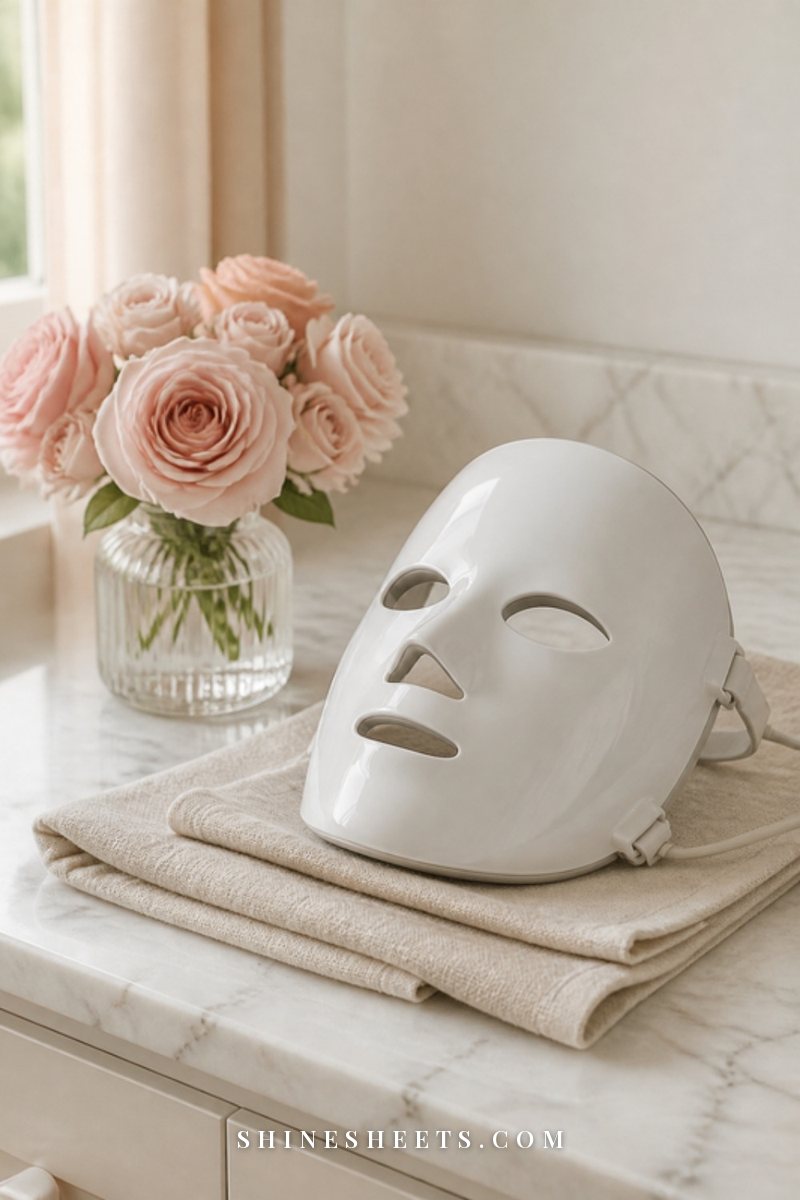
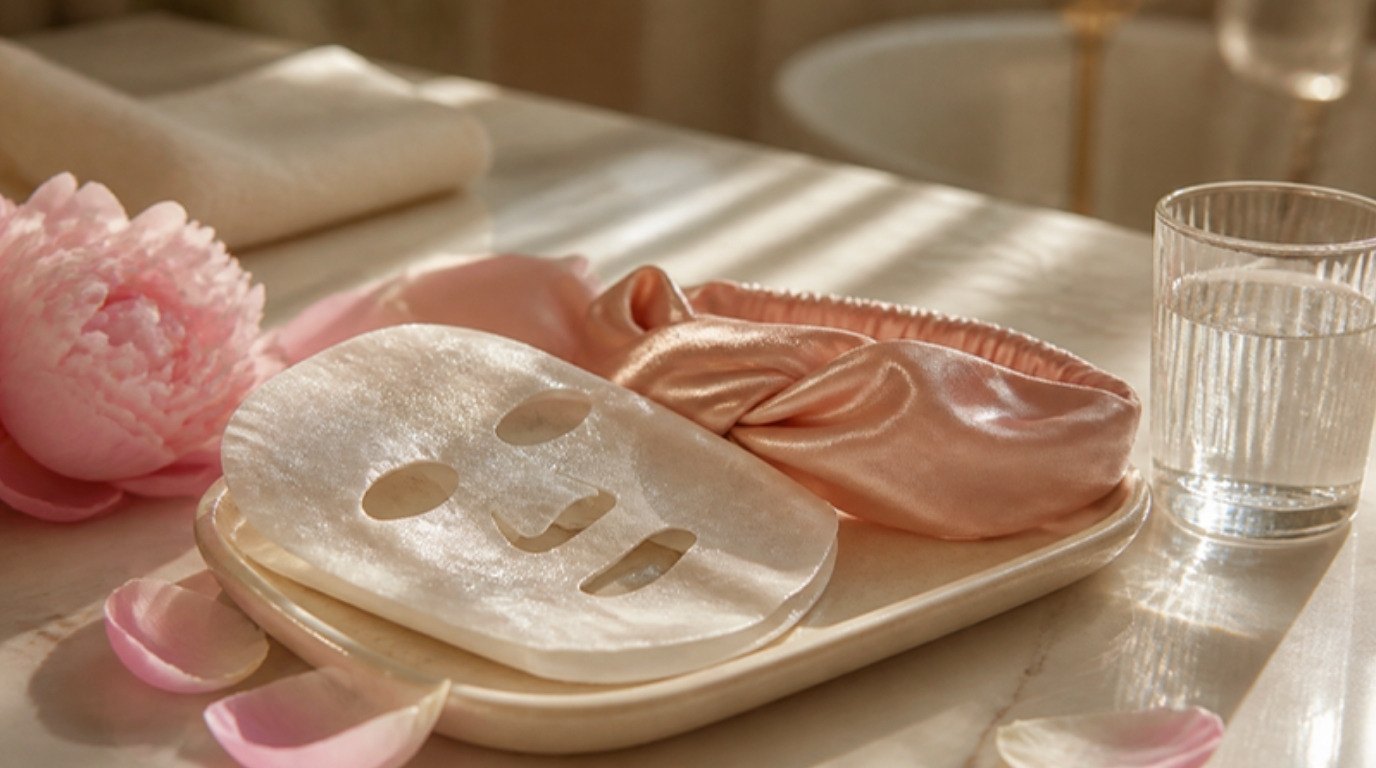
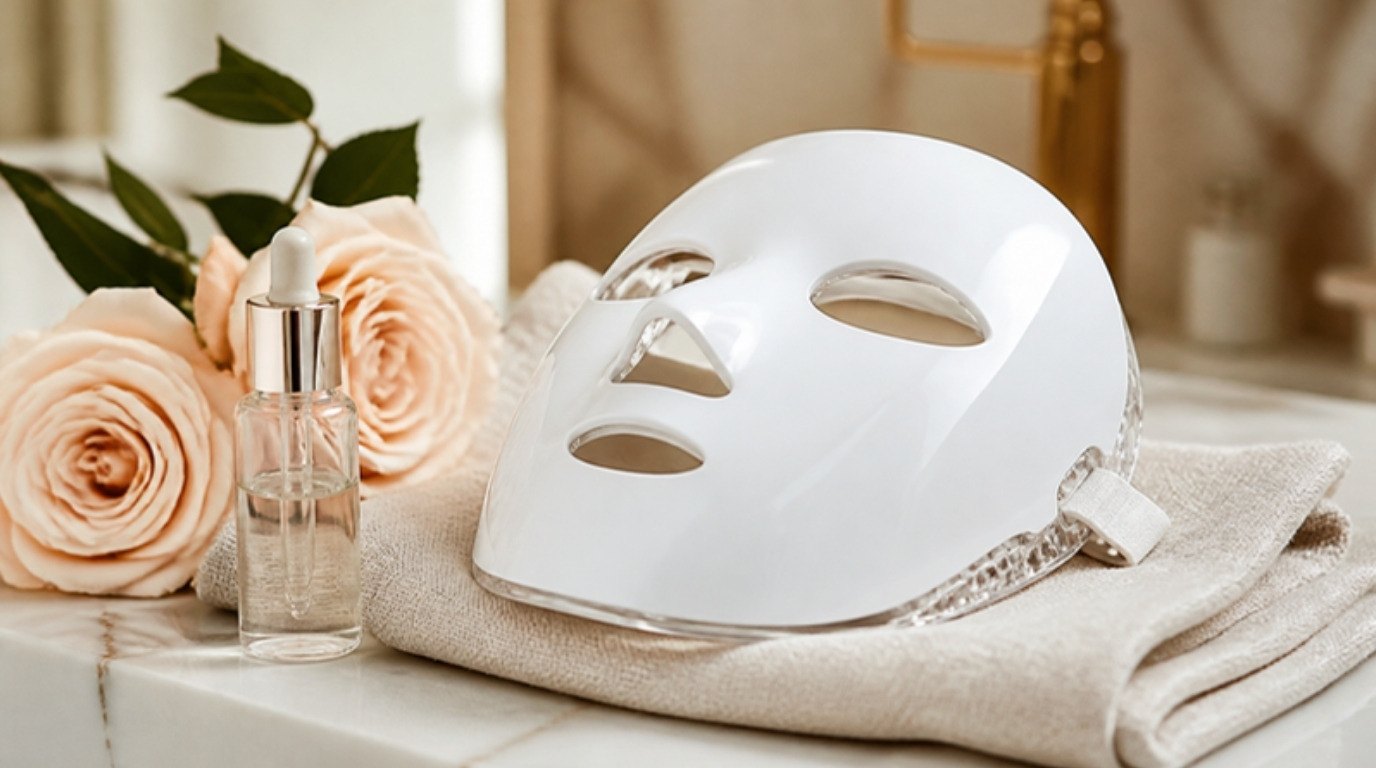
LED stands for light-emitting diode. An LED face mask is a shaped shield lined with small lights that shine specific wavelengths of light onto your skin for a set number of minutes. It doesn't heat the skin like a lamp, it doesn't use UV light (the kind that tans and burns), and it doesn't peel or injure the skin the way some in-office treatments do.
The idea behind LED light therapy is that certain wavelengths are absorbed by skin cells and may nudge their normal activity in a helpful direction. Different colors reach different depths and are linked to different goals.
Red and Near-Infrared Light
Red light (usually listed somewhere around 630–660 nanometers) and near-infrared light (often around 810–850 nanometers, which you can't really see) are the wavelengths most associated with skin-aging goals. They're the ones people buy masks for when they want smoother-looking texture, softer fine lines and a more even, rested look. Many masks combine both.
Blue Light
Blue light (often around 415 nanometers) sits closer to the surface and is linked to blemish-prone skin, because it may affect the bacteria involved in breakouts. Some masks offer blue alone, some combine blue and red. Blue light can feel brighter and harsher on the eyes, so eye protection matters even more with these settings.
What Research Suggests
Research on at-home LED devices is still growing, and studies vary a lot in quality, device strength and length. In general terms, results tend to be modest and gradual: subtle improvements in the look of texture, fine lines or breakouts after several weeks of consistent use, rather than dramatic before-and-afters. At-home masks are also usually less powerful than professional devices, which is part of why they're considered low-risk, and part of why they take longer.
Realistic Expectations

Here's what I'd want a friend to know before spending money on a mask:
- It takes weeks, not days. Most people who see a difference notice it after 4–12 weeks of regular sessions.
- Consistency matters more than session length. Three or four sessions a week for two months will do more than one long session now and then.
- Results are subtle. Think "my skin looks a bit smoother and calmer," not "my wrinkles are gone."
- It's a maintenance tool. If you stop using it, any improvement tends to fade over time.
- It doesn't replace the basics. Daily sunscreen, a gentle cleanser and a good moisturizer still do the heavy lifting.
A small honest admission: I love a calm ten-minute ritual, so the idea of lying down with a mask after evening tea is very appealing to me. But a lovely ritual and a proven treatment are two different things, and it helps to be clear about which one you're paying for.
Is an LED Face Mask Worth It for You?
Use this table to match your goal to a realistic result and a sensible first step. If the "better first step" column describes something you haven't tried yet, start there before buying a mask.
| Your Goal | Realistic Result From a Mask | Time Needed | Better First Step |
|---|---|---|---|
| Softer fine lines | A subtle softening and smoother look | 8–12 weeks, 3–5 times a week | Daily SPF 30+ and a gentle retinoid |
| Smoother texture | Skin may look a little more even and refined | 6–12 weeks | Gentle exfoliation once or twice a week |
| Occasional breakouts | Possibly fewer or calmer blemishes with blue light | 4–8 weeks | A consistent gentle routine; see a dermatologist for persistent acne |
| Redness and sensitivity | Possibly a calmer look with red light | 6–8 weeks | Repair your skin barrier and simplify products |
| Dull, tired-looking skin | A slightly fresher, more rested look | 4–6 weeks | Hydration, sleep and a moisturizer you love |
| Deep wrinkles or sagging | Very limited change | Not the right tool | A consultation with a board-certified dermatologist |
| Dark spots | Little to no change on its own | Not the right tool | Daily sunscreen and brightening ingredients |
If your goal lands in the first five rows, you have time to use the mask regularly and the price fits your budget comfortably, a mask can be a reasonable addition. If you're mainly hoping to fix deep wrinkles or dark spots, your money will usually go further elsewhere.
For example, if you haven't tried a retinoid yet, my guide to retinol for beginners is a gentler, well-studied place to start for fine lines and texture.
Who Should Skip It or Ask a Doctor First

LED masks are considered low-risk for most healthy adults, but they aren't for everyone. Please skip at-home LED or check with your doctor or dermatologist first if any of these apply:
- Light sensitivity or a condition that flares with light exposure.
- Medications that increase photosensitivity. Some antibiotics, acne medications and other prescriptions make skin more reactive to light. If your medication leaflet mentions sun sensitivity, ask first.
- Eye conditions or a history of eye problems, especially with blue light settings.
- Pregnancy. There isn't much research here, so ask your doctor before starting.
- Epilepsy or seizures triggered by light. Flashing or bright lights can be a trigger, so get medical advice first.
- Active skin conditions such as a rash, infection or open wounds on the face.
- A history of skin cancer or unusual spots that you haven't had checked.
And for any acne that's painful, deep or persistent, or any skin concern that worries you, see a dermatologist. A mask isn't a substitute for a proper diagnosis, and treatment for medical skin conditions works best when a professional guides it.
How To Use an LED Face Mask at Home

Always read your device's manual first, because session times and settings vary between masks. This is the general routine most masks follow:
- Cleanse. Wash with a gentle cream cleanser to remove makeup, sunscreen and oil, which can block light from reaching the skin.
- Pat your skin dry. Use a clean towel. A set of soft microfiber face towels makes it easy to grab a fresh one each time.
- Keep the skin bare. Skip active ingredients like retinoids, exfoliating acids and vitamin C right before a session. Bare, clean, dry skin is the standard starting point, unless your manual says otherwise.
- Pull your hair back. A soft headband keeps hair off your face so the mask sits flat against your skin.
- Protect your eyes. Close your eyes for the whole session. If your mask comes with eye shields or goggles, wear them. Never look directly into the lights.
- Follow the timer. Most masks run for a set time (often somewhere between 3 and 20 minutes depending on the device) and switch off automatically. Don't double up sessions to "speed things up."
- Follow with skincare. Apply serum and moisturizer afterward, and sunscreen if it's daytime.
Lie down or sit back comfortably, and use the minutes to breathe slowly. It's a nice built-in pause in the day.
How Often To Use It
Three to five sessions a week is a common recommendation for at-home masks, but your device's manual is the final word. A simple rhythm that works for many people:
- Weeks 1–8: 3–5 sessions a week, on roughly the same days.
- After 8–12 weeks: check in with how your skin looks. If you like the change, many people drop to 2–3 sessions a week to maintain it.
- Any time: take a break if your skin feels irritated, unusually warm, dry or tight, and restart more slowly.
It can help to take a photo in the same window light on day one and again after six and twelve weeks. Subtle changes are hard to see in the mirror every day, and a side-by-side comparison gives you an honest answer.
Where It Fits in Your Skincare Routine
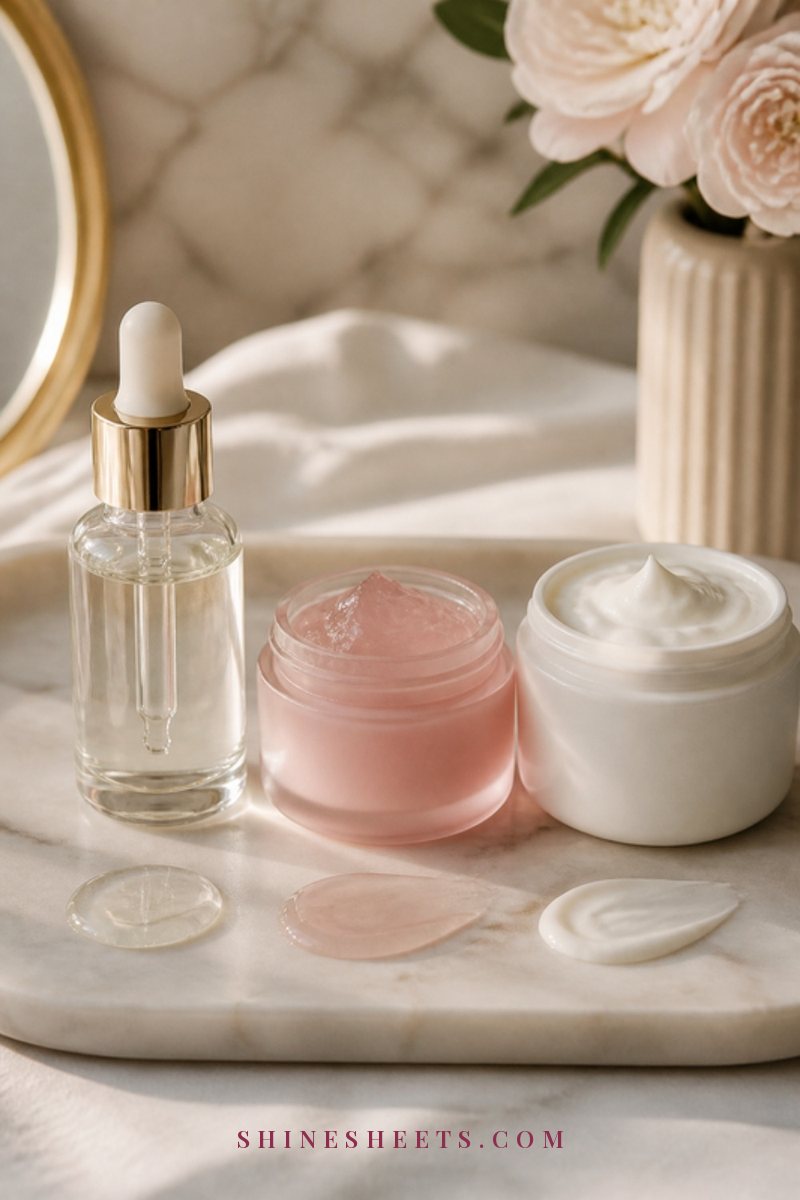
The mask goes on clean skin, and your skincare goes on after. Here's how that looks morning and evening.
In the Morning
Cleanse, dry, mask session, then a hydrating serum, moisturizer and broad-spectrum sunscreen SPF 30 or higher. The sunscreen is not optional. Daily sun protection does far more for fine lines and dark spots than any device.
In the Evening
Remove makeup and sunscreen, cleanse, dry, mask session, then serum and moisturizer. Evening sessions are lovely if you like a slow wind-down routine, since the quiet minutes fit naturally after a cup of tea.
After the session, a hyaluronic acid serum on slightly damp skin, followed by a ceramide moisturizer, is a simple, gentle pairing that suits most skin types. If you want a full at-home ritual around your mask, my hydrating facial at home guide shows how to build one.
With Retinoids and Acids
If you use retinol or exfoliating acids, apply them after the mask session, not before, and watch how your skin feels. If you notice extra dryness or sensitivity, separate them: mask in the morning, retinoid at night. If your skin barrier feels compromised (stinging, tightness, flaking), pause both and focus on repair first. My guide on how to restore your skin barrier walks through what to do.
Patch test any new serum or moisturizer you add to your routine on a small area for a few days first, especially if your skin is sensitive.
How To Clean and Store Your Mask
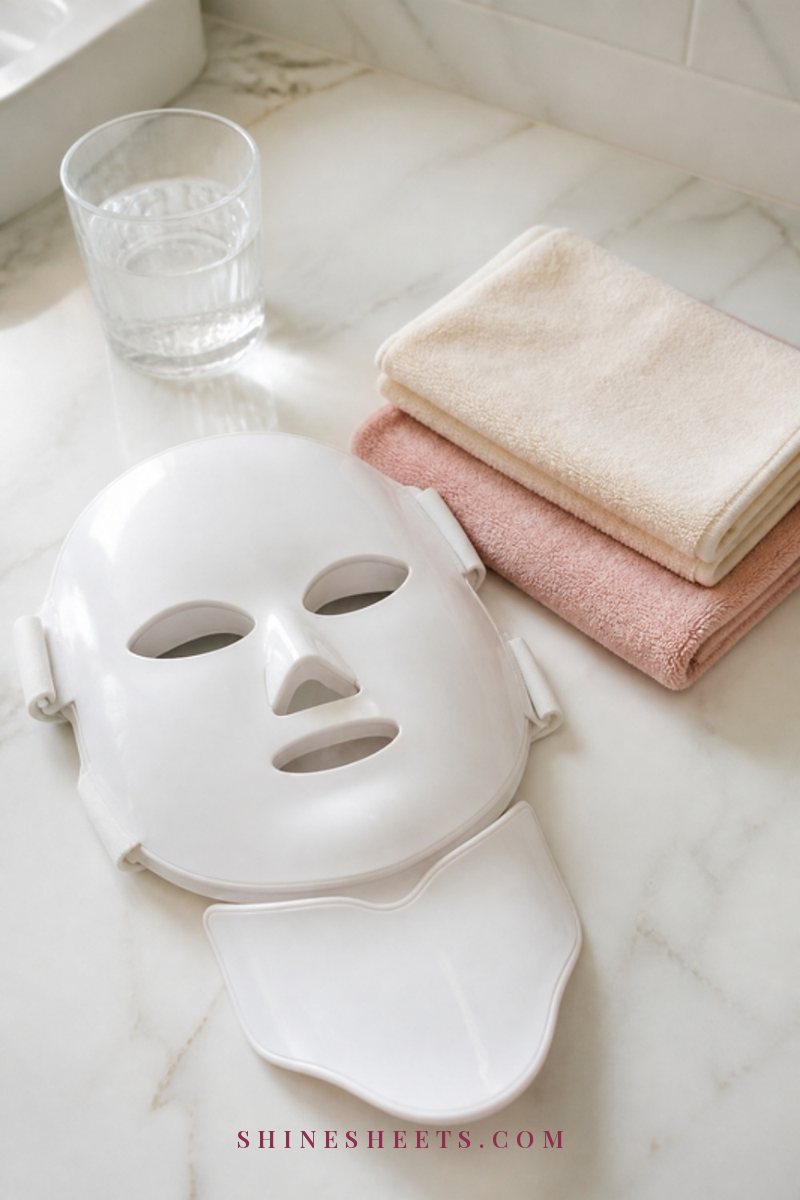
Your mask touches your face several times a week, so it needs regular cleaning. Always check the manual, because some masks are more delicate than others, and unplug the mask or controller before you clean it.
- After every session: wipe the inside (the part that touches your skin) with a soft cloth lightly dampened with water, or with the cleaning method your manual recommends. Let it air-dry before storing.
- Once a week: give the whole mask a gentle wipe, including straps. Hand-wash fabric straps if they're removable.
- Never: submerge the mask in water, put it in a dishwasher, or use harsh cleaners or abrasive pads, unless the manual specifically says it's safe.
- Storage: keep it in its case or a clean pouch, away from heat, humidity and direct sunlight. A drawer is better than a steamy bathroom shelf.
Keep the charger and cables dry and away from the sink, and stop using the mask if the cord, lights or casing look damaged.
LED Masks for Sensitive and Combination Skin
Because LED masks don't exfoliate or heat the skin, they're often tolerated well by sensitive skin. Still, "gentle" doesn't mean "nothing can go wrong," and sensitive skin deserves a slower start.
- Start low. Begin with two or three sessions in the first week and the shortest setting your device offers, then build up to the usual routine if your skin stays calm.
- Watch for warmth or tightness. A little warmth from the device is normal for some masks; lasting redness, stinging or itching is not. Pause and give your skin a week off.
- Keep the rest of your routine simple. Don't start a mask, a new retinoid and a new serum in the same month. Change one thing at a time so you know what your skin is reacting to.
- Mind the T-zone. My own skin is combination and sensitive, with a shiny T-zone and calmer cheeks. With skin like that, a lightweight gel moisturizer on the T-zone and a richer cream on the cheeks after the session keeps everything balanced.
If your skin is very reactive or you're dealing with a diagnosed condition such as rosacea, talk to a dermatologist before starting. They can tell you whether light therapy makes sense for you and which settings to avoid.
What To Look for When Buying an LED Face Mask

Prices vary wildly, and a higher price doesn't automatically mean a better device. These are the criteria I'd check before buying any LED face mask:
- FDA-cleared. In the US, look for a device listed as FDA-cleared for the use you care about. It's a helpful safety and quality filter, not a promise of dramatic results.
- Wavelengths listed clearly. A trustworthy brand tells you the exact wavelengths (for example red around 630 nm, near-infrared around 830 nm, blue around 415 nm). Vague claims like "7 colors for everything" are a reason to look elsewhere.
- Comfortable fit. Flexible silicone masks sit closer to the skin; rigid masks can leave gaps. Check the weight, straps and whether it fits over your nose comfortably.
- Eye protection. Built-in eye cutouts with shields or included goggles are a plus.
- Automatic timer. A timer that switches the mask off removes the temptation to overdo it.
- Battery and charging. Cordless is more relaxing; a long cord lets you lie down comfortably.
- Return policy and warranty. Since results take weeks, a generous return window and at least a one-year warranty matter.
- Clear safety instructions. A good manual lists who shouldn't use it, how long sessions are and how to clean it.
Common LED Mask Mistakes

Most disappointments with LED masks come from a handful of habits:
- Expecting results in a week. Give it at least 8 weeks of consistent use before deciding.
- Using it on top of makeup or sunscreen. Clean skin lets the light reach where it needs to.
- Doubling sessions. Longer or more frequent isn't better; follow the device's timing.
- Skipping eye protection. Always close your eyes, and use shields if provided.
- Applying strong actives right before. Save retinoids and acids for after, or for a different time of day.
- Dropping sunscreen. A mask can't undo daily sun damage.
- Treating it like medical care. For acne that leaves marks, painful bumps or any worrying change, a dermatologist is the right next step. My guide to facials for acne also covers gentler professional options.
Final Thoughts
An LED face mask can be a pleasant, low-risk addition to a solid skincare routine, as long as you see it for what it is: a gradual, gentle helper that rewards patience and consistency. It works best for people with modest goals, a few spare minutes several times a week and the basics (cleansing, moisturizing and daily sunscreen) already in place.
If that sounds like you, choose an FDA-cleared mask with clear wavelengths and a good return policy, protect your eyes every time and give it a fair two or three months. And if it doesn't fit your budget or your life right now, your skin can still look calm, healthy and well cared for without it.