A good skincare routine for beginners is shorter than you think. The bathroom shelf full of serums, toners, essences and masks you see online is mostly optional. Healthy, comfortable skin comes from a handful of basics done consistently, morning and night, for weeks at a time.
That's actually good news. It means you don't need a big budget, a ten-step ritual or a degree in chemistry. You need to know your skin type, choose four sensible products and give them time to work. Everything else is a bonus you can add later, slowly, if your skin asks for it.
This guide walks you through a simple skincare routine for beginners: the four steps that actually matter, the exact order for morning and night, how to find your skin type with one easy test, how to choose each product, how much to use, how to patch test, and how to add your first active ingredient without upsetting your skin. You'll also find a starter routine builder table you can screenshot and take shopping.
It took me a while to accept that my combination, sensitive skin liked fewer products, not more. If you take only one thing from this page, let it be that.
What a Beginner Skincare Routine Actually Needs
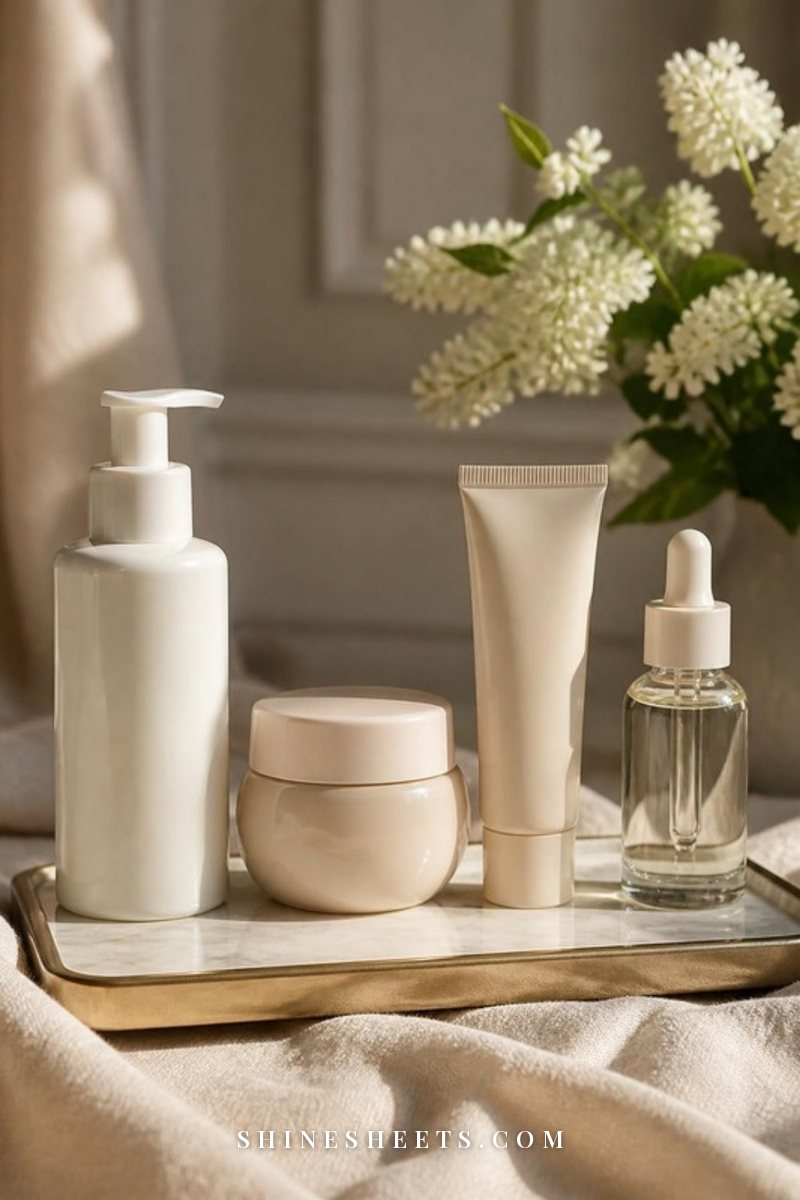
Strip any routine down to its bones and you'll find the same four jobs. Each one has a clear purpose, and together they cover almost everything beginner skin needs:
- Cleanser. Removes sunscreen, makeup, oil and the day's grime so your skin can breathe and your other products can do their job. Gentle is the key word here.
- Moisturizer. Keeps water in and supports your skin barrier, the thin protective layer that keeps irritants out. Even oily skin needs one.
- Sunscreen. The single most effective anti-aging and anti-dark-spot product there is. Every morning, all year, even when it's cloudy.
- One targeted treatment (later). A serum or active ingredient chosen for your specific goal, like dullness, breakouts or texture. This comes after the first three feel routine, not on day one.
Notice what's missing: toner, essence, eye cream, face mist, sheet masks, scrubs, three different serums. Some of these are lovely, but none of them are essential. Start with the four and you'll learn what your skin really likes instead of guessing which of ten products caused a reaction.
Find Your Skin Type With the Bare-Face Test
Every product choice gets easier once you know your skin type. The simplest way to find it is the bare-face test, and it takes about an hour with almost no effort.
- Wash your face with a gentle cleanser and lukewarm water.
- Pat dry with a clean towel. Don't rub.
- Apply nothing at all. No moisturizer, no serum, no makeup.
- Wait 30 to 60 minutes and go about your business.
- Look at your skin in good daylight and notice how it feels.
Then read the results:
- Tight, rough or flaky all over: dry skin.
- Shiny all over, including cheeks: oily skin.
- Shiny forehead, nose and chin, but normal or dry cheeks: combination skin (hello, my T-zone).
- Comfortable, not tight, not shiny: normal skin.
- Red, itchy, stingy or easily irritated, whatever the oil level: sensitive skin. Sensitivity is more of a trait than a type, so you can be "combination and sensitive" or "dry and sensitive."
A small honest note: skin type can shift with seasons, hormones and stress. Repeat the test whenever your skin suddenly feels different, especially when the heating comes on in winter.
Your Morning and Night Routine Order
The general rule for layering is thinnest to thickest: watery textures first, creams after, and sunscreen always last in the morning. Here's the beginner version, which is all you need for the first month.
Morning Routine: 3 Steps
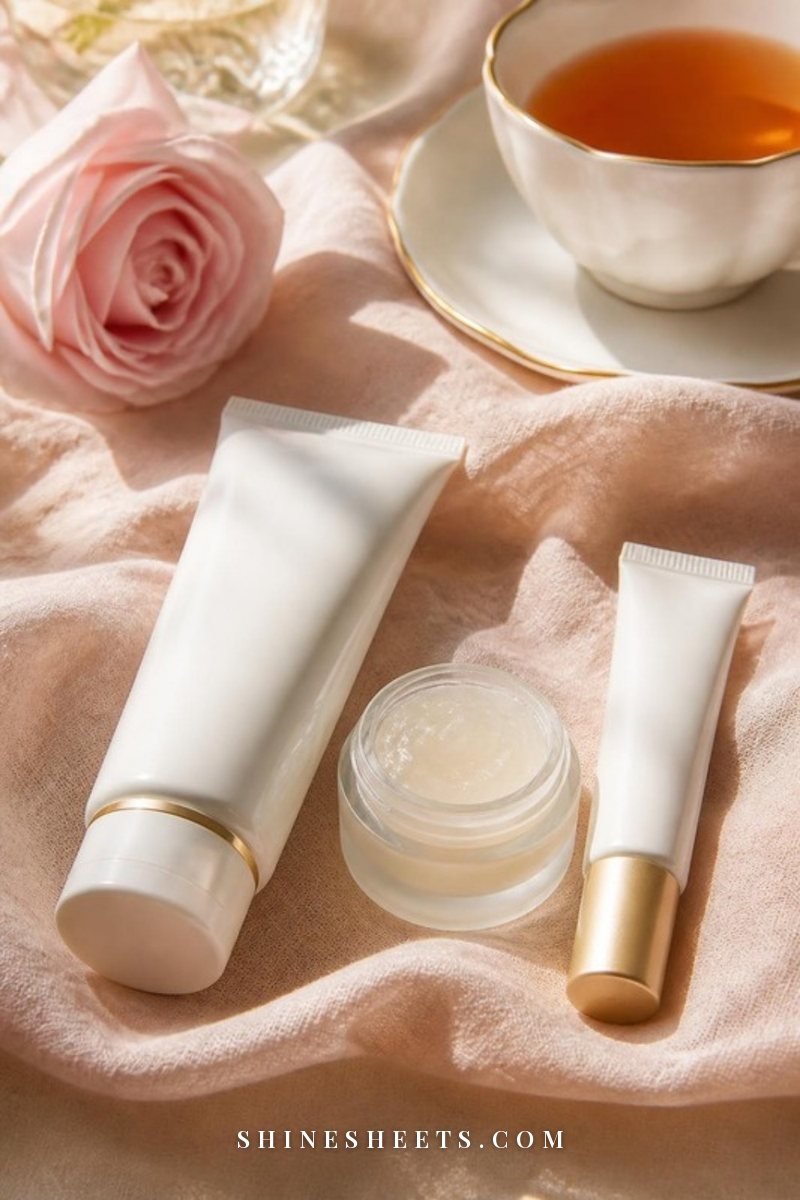
- Cleanse with a gentle cleanser, or simply rinse with water if your skin is dry or sensitive and you cleansed well the night before.
- Moisturize with a lightweight layer. Give it a minute to settle.
- Apply sunscreen SPF 30 or higher as the very last skincare step, before any makeup.
Total time: about three minutes. If you add vitamin C or niacinamide later, it goes between cleansing and moisturizing.
Night Routine: 3 Steps
- Cleanse thoroughly to remove sunscreen and makeup. If you wear heavy makeup or water-resistant SPF, a cleansing balm or oil first helps. My guide to double cleansing and who really needs it explains when that extra step is worth it.
- Treat (later on): this is where retinol or an exfoliating acid will eventually go, on certain nights only.
- Moisturize. Night is a good time for a slightly richer layer, since you won't be wearing makeup over it.
That's it. Two short routines, three steps each, and you're already doing more for your skin than most elaborate shelves do.
How To Choose Each Product
Labels can feel overwhelming, so here are the few things I'd look for in each category. Texture matters more than brand, and simple formulas usually beat clever marketing.
Cleanser
Your cleanser should leave your skin feeling clean but comfortable, never squeaky or tight. If your face feels like it shrank after washing, the cleanser is too strong.
- Oily or combination skin: a gentle gel cleanser that foams lightly and rinses clean is a good pick for this skin type. Look for "non-comedogenic" and avoid harsh scrubbing beads.
- Dry or sensitive skin: I'd choose a creamy, non-foaming cleanser with ceramides or glycerin. It cleans without stripping.
- Everyone: fragrance-free is the safer choice if your skin reacts easily.
Use lukewarm water, never hot, and massage for 30 to 60 seconds before rinsing. Pat dry with a clean towel. A stack of soft white cotton face towels makes it easy to use a fresh one every few days, which helps if you're prone to breakouts.
Moisturizer
Think of moisturizer texture like clothing weight: lighter for oily skin and humid weather, richer for dry skin and cold months.
- Oily or combination skin: a lightweight gel moisturizer sinks in quickly and won't add shine to your T-zone. Look for hyaluronic acid or glycerin high on the ingredient list.
- Dry, sensitive or irritated skin: a ceramide barrier repair cream is a good pick for this. Ceramides, cholesterol and fatty acids help rebuild the barrier, and thicker creams are often more soothing.
- Normal skin: a simple lotion in between those two textures usually works beautifully.
If your skin is clearly dry, my gentle morning and night plan for dry skin goes deeper into layering moisture without heaviness.
Sunscreen
The best sunscreen is the one you'll actually wear every day, so texture is everything. Look for these three things on the label:
- Broad spectrum, meaning it protects against both UVA and UVB rays.
- SPF 30 or higher. A lightweight daily face sunscreen with SPF 50 is a lovely pick if you spend time outdoors or are working on dark spots. Korean sunscreens are known for thin, comfortable textures that don't leave a white cast.
- A finish you like: matte for oily skin, dewy or creamy for dry skin, mineral (zinc oxide or titanium dioxide) if chemical filters sting your sensitive skin.
Apply it every morning, even indoors near windows, and reapply every two hours when you're outside for longer stretches.
The Starter Routine Builder
This is the heart of the guide. Find your skin type in the left column and read across: those are the four products to look for. Screenshot it before you go shopping.
| Skin type | Cleanser | Moisturizer | Sunscreen | First active (after 4 weeks) |
|---|---|---|---|---|
| Dry | Cream or milk cleanser, non-foaming | Rich cream with ceramides | Creamy or dewy SPF 30+ | Hyaluronic acid serum on damp skin |
| Oily | Gentle gel cleanser, lightly foaming | Oil-free gel moisturizer | Matte, fluid SPF 30+ | Niacinamide (oil balance) or BHA (pores) |
| Combination | Gentle gel cleanser | Light gel-cream, extra cream on dry areas | Lightweight fluid SPF 30+ | Niacinamide |
| Normal | Gentle gel or cream cleanser | Light lotion | Any texture you enjoy, SPF 30+ | Vitamin C in the morning |
| Sensitive | Fragrance-free cream cleanser | Fragrance-free barrier cream | Mineral SPF 30+ | Niacinamide at a low percentage (2 to 5%) |
| Acne-prone | Gentle gel cleanser, non-comedogenic | Oil-free gel moisturizer | Non-comedogenic SPF 30+ | BHA (salicylic acid) two to three nights a week |
If you landed on combination, like me, my full routine for combination skin shows how to treat a shiny T-zone and drier cheeks at the same time without buying two of everything.
How Much Product To Use

Using too little means a product can't do its job; using too much wastes money and can clog pores or cause pilling. These amounts are a good starting point for the face:
- Cleanser: a hazelnut-sized amount, or one pump.
- Serum: two to three drops, or a pea-sized amount for thicker serums.
- Moisturizer: a pea-sized to almond-sized amount, depending on how dry your skin is.
- Retinol (later): one pea-sized amount for the whole face. More is not better here.
- Sunscreen: the two-finger rule, meaning two full finger-lengths of product for face and neck, which is roughly a quarter teaspoon. Most of us use far less than that, which quietly lowers the protection we get.
A tip for sunscreen: if the full amount feels heavy, apply it in two thinner layers a minute apart. It sinks in much more comfortably.
How To Patch Test a New Product
A patch test feels like an extra step when you're excited about something new, but it can save you a week of red, angry skin. It matters most if your skin is sensitive or you're trying an active ingredient.
- Choose a small, discreet spot: along your jawline, just below the ear, or the inner forearm.
- Apply a small amount of the product the way you'd normally use it.
- Repeat once or twice a day for five to seven days.
- Watch for redness, itching, burning, bumps or swelling.
- If the spot stays calm, start using the product on your whole face.
A mild, short tingle with acids or vitamin C can be normal. Burning, itching or a rash is not; wash it off and stop using the product. If a reaction is strong or doesn't settle within a few days, check in with a dermatologist or doctor.
Adding Your First Active, One at a Time
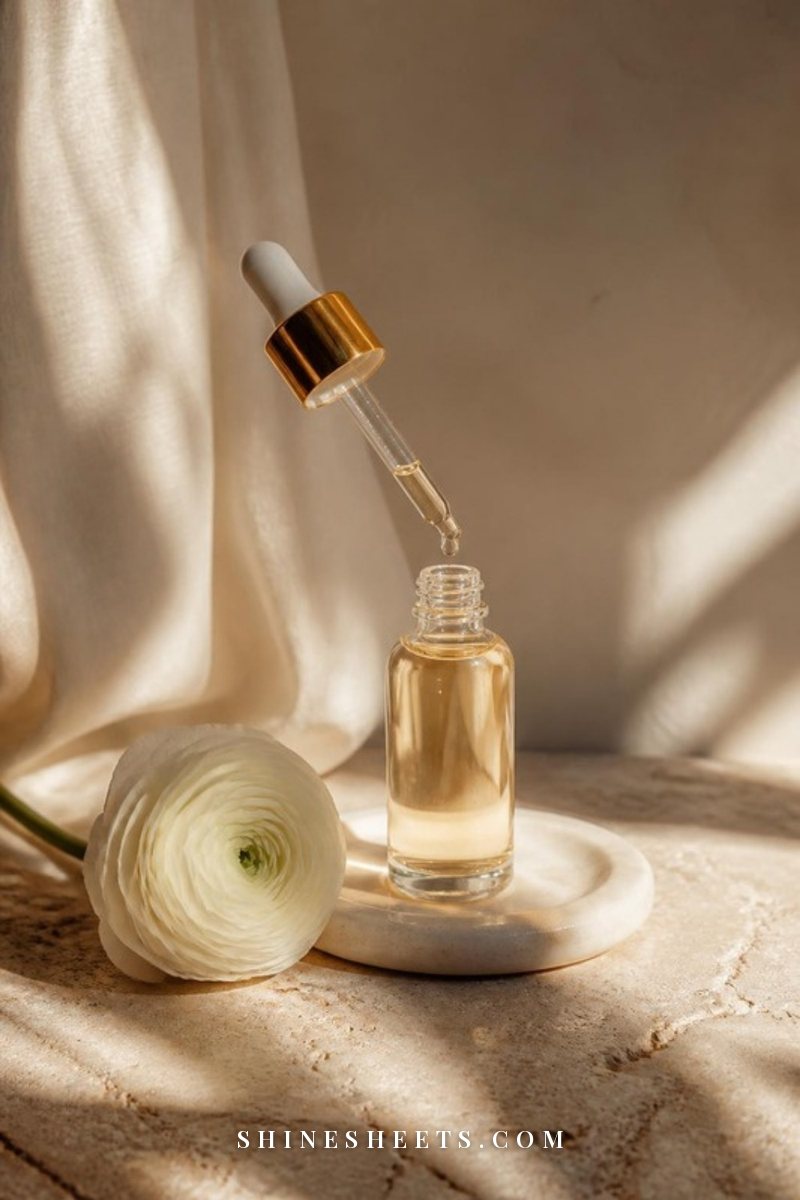
Once your basic three-step routine has felt easy and comfortable for about four weeks, you can add one active ingredient. Just one. Wait another four to six weeks before adding the next, so you always know what's helping and what's irritating.
Vitamin C: For Dullness and Uneven Tone
Vitamin C is an antioxidant that brightens and supports your sunscreen against daily environmental stress. Use it in the morning after cleansing, before moisturizer. Start with a gentle form or a lower strength if you're sensitive. My guide to how to use vitamin C serum and who it really suits covers the different forms in detail.
Niacinamide: For Oil, Redness and Visible Pores
Niacinamide is the friendliest first active for most beginners. It helps balance oil, calm redness and support the barrier. You can use it morning, night or both, and it plays well with almost everything. A 2 to 5% strength is plenty to start.
Retinol: For Texture, Fine Lines and Breakouts
Retinol is powerful and well researched, but it needs a slow start. Use it at night only, two nights a week at first, a pea-sized amount on dry skin, followed by moisturizer. Some dryness and flaking in the first weeks is common. Skip it if you're pregnant or breastfeeding, and always wear sunscreen the next day. My gentle retinol start plan walks through the first eight weeks.
AHA or BHA: For Rough Texture and Clogged Pores
Exfoliating acids clear away dead skin cells so your face looks smoother and brighter. AHAs (like glycolic or lactic acid) suit dry, dull skin; BHA (salicylic acid) gets into pores, so it's better for oily and acne-prone skin. Start with one or two nights a week, never on the same night as retinol. If you're unsure which one you need, my comparison of AHA vs BHA for your skin type makes it simple.
How Long Until You See Results
Skin is slow, and that's not a flaw in your routine. Your skin cells renew roughly every four weeks, and often a bit longer as we get older. Here's what to expect:
- Days 1 to 7: a good cleanser and moisturizer should already make your skin feel more comfortable, less tight and less oily by midday.
- Weeks 2 to 4: fewer dry patches, a calmer feel, makeup going on more smoothly.
- Weeks 4 to 12: visible changes from actives, like a brighter tone from vitamin C or smoother texture from acids.
- Months 3 to 6: retinol results, faded dark spots and fewer breakouts start to show clearly.
- Years: the real payoff of daily sunscreen, which you'll be quietly grateful for later.
Take a photo in the same window light on day one and again after eight weeks. Day-to-day changes are invisible, but side by side they're often surprising.
Budget Tips for a Beginner Routine
A great beginner routine doesn't need to be expensive. Some of the best-loved basics are drugstore classics, and many Korean best-sellers are very reasonably priced too.
- Spend most on sunscreen. It's the product you use the most of and the one you need to love wearing.
- Save on cleanser. It's on your face for one minute. A simple, gentle drugstore formula works just as well as a luxury one.
- Buy one product at a time. It keeps the cost spread out and makes it easy to tell what's working.
- Look for travel or trial sizes of anything new, especially actives, before committing to a full bottle.
- Finish before replacing. Unless something is irritating you, use it up before buying the next shiny thing.
- Skip "routine sets" that bundle five steps. They often include products you don't need.
7 Common Beginner Mistakes
Almost everyone makes at least a few of these when they start, me included. Knowing them early can save your skin a lot of drama.
- Buying too many products at once. If you start six new things and break out, you'll never know which one caused it. Introduce one product every week or two.
- Over-exfoliating. Scrubs plus acids plus a cleansing brush add up fast. Tight, shiny-but-dry, stingy skin is a sign to stop all exfoliation for two weeks and focus on moisture. When you return to it, one or two times a week is plenty.
- Skipping sunscreen. Especially on cloudy days, in winter or when working by a window. UVA rays pass through clouds and glass.
- Using too little sunscreen. Half the amount gives you much less than half the protection. Use the two-finger rule.
- Washing with hot water. It feels nice but strips oils and can leave sensitive skin red. Lukewarm is kinder.
- Quitting too early. Switching products every week means nothing gets a fair chance. Give each one at least four weeks unless it irritates you.
- Mixing too many actives. Retinol, acids and strong vitamin C on the same night is a fast route to irritation. One active per routine is plenty at the start.
Final Thoughts
A beginner skincare routine is less about finding the perfect product and more about showing up for a few simple steps every day. Cleanse gently, moisturize, protect with sunscreen, and let your skin settle before adding anything new.
Be patient with yourself and with your skin. Some weeks it will look wonderful, some weeks less so, and that's completely normal. Give it a few calm months of consistency, and you'll have a routine that feels like a small, kind ritual instead of a chore.