Pet hair is not a sign that your home is messy. It's a sign that someone furry loves your sofa as much as you do. The trick isn't fighting it every single day; it's knowing which tool lifts hair from which surface, and doing a short routine often enough that it never builds into a gray, fuzzy layer.
This guide shows you how to remove pet hair from couches, rugs and bedding step by step, using pet-safe methods only. You'll find why hair clings in the first place, a surface-by-surface method, a quick-reference table, eight tools that genuinely work and the small prevention habits that keep the fluff under control between cleans.
Nothing here needs special skills or a big budget. Most of it starts with a pair of rubber gloves you may already own.
Why Pet Hair Clings So Stubbornly
Understanding why hair sticks makes the methods below make sense. There are three main reasons:
- Static. Dry air, especially in heated rooms, gives fabric and hair a small electric charge. Charged hair clings to upholstery, blankets and clothes like a magnet.
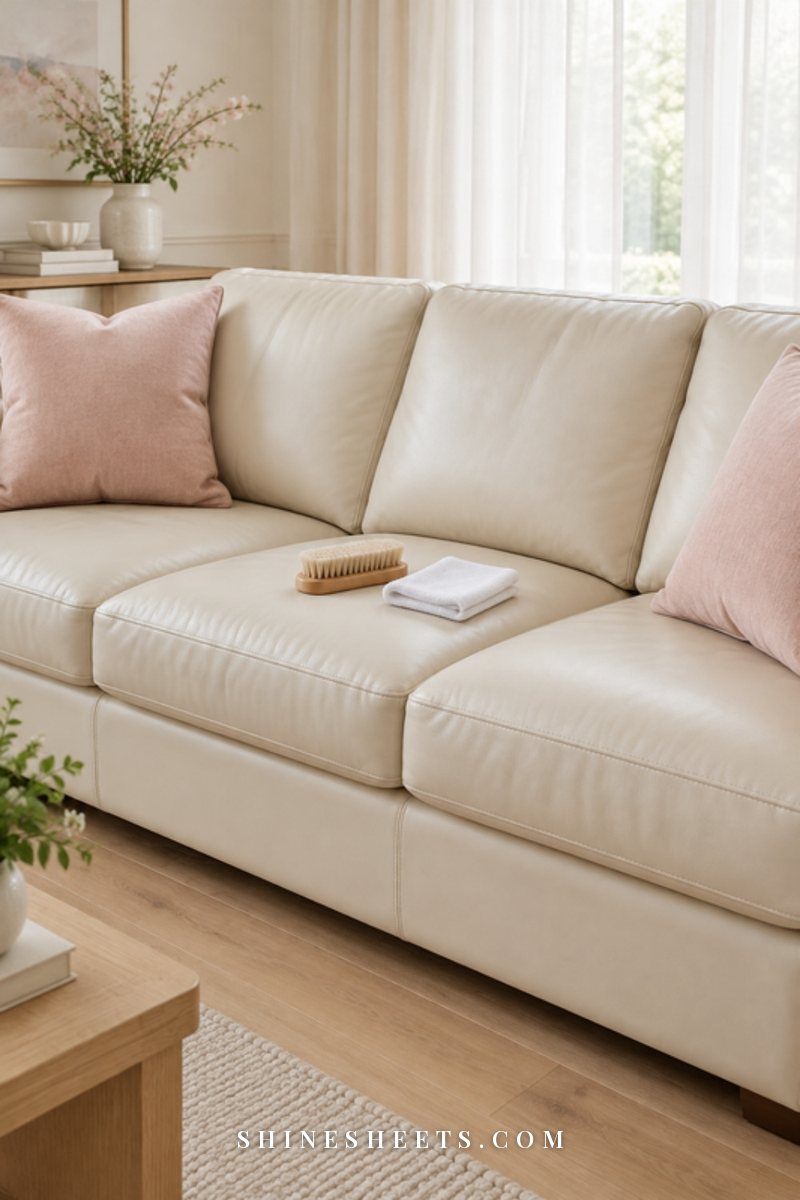
- Woven and textured fabrics. Fine pet hairs work their way into the weave of linen, tweed, bouclé, chenille and wool. The rougher the texture, the deeper they hide. Smooth, tightly woven fabrics (like canvas, microfiber or leather) release hair much more easily.
- Shedding seasons. Many dogs and cats shed more heavily in spring and fall as their coats change, so it can feel like the hair doubles overnight. It isn't you; it's the season.
The takeaway: you're not just picking hair off a surface, you're breaking a bit of static and pulling hair out of a weave. Tools with rubber, slight dampness or friction do that best, and a vacuum finishes the job.
The Quick Pet Hair Routine
Before we go surface by surface, here's the simple rhythm I'd suggest for most homes with a shedding pet:
- Daily (2 minutes): a few passes with a pet hair roller or lint roller over the spots your pet loves most.
- Twice a week (10 minutes): a rubber glove sweep on the couch and a vacuum over rugs and floors.
- Weekly (wash day): wash the throws, pet blankets and bedding your pet lies on.
- Monthly (20 minutes): a deeper rug session with a rubber broom, plus cleaning your vacuum's brush roll and filter.
That's it. Small and often beats one exhausting Saturday every month.
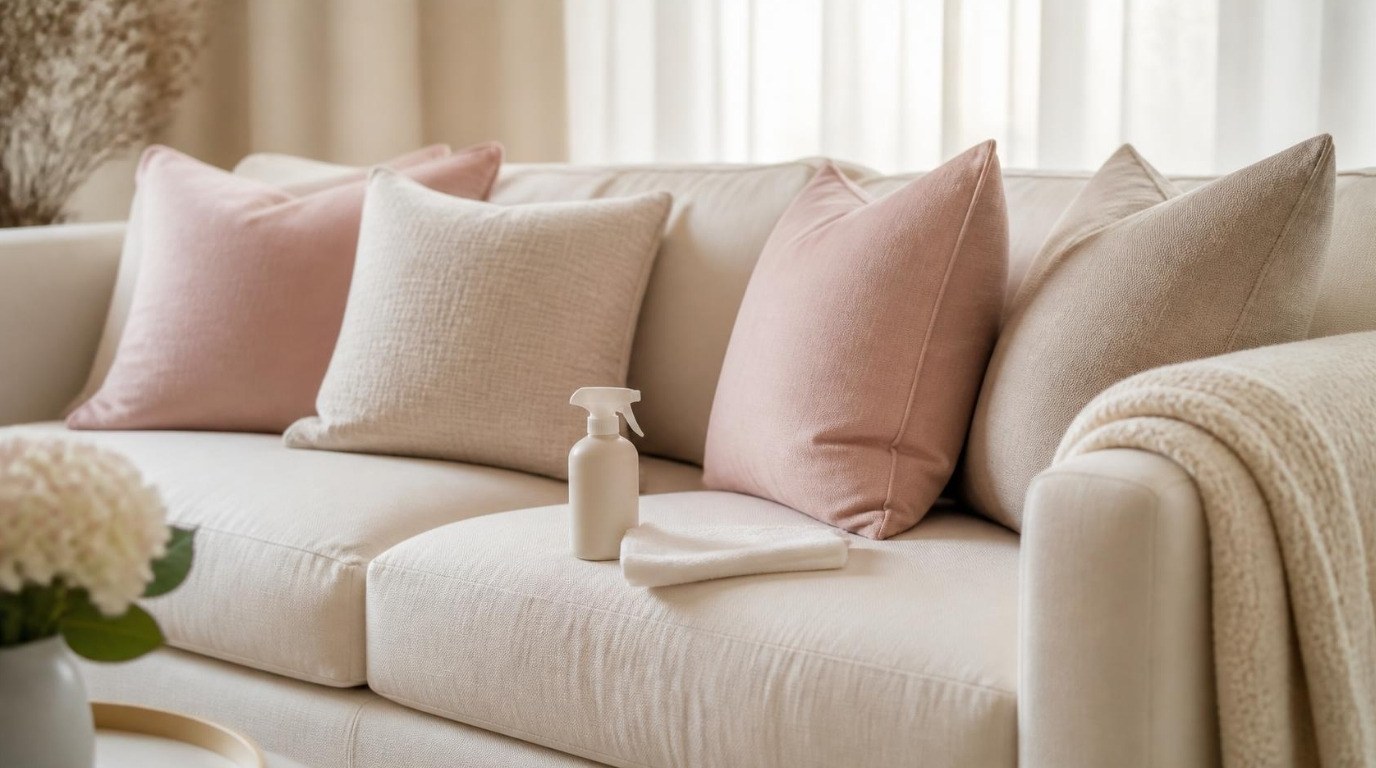
How To Remove Pet Hair From a Couch
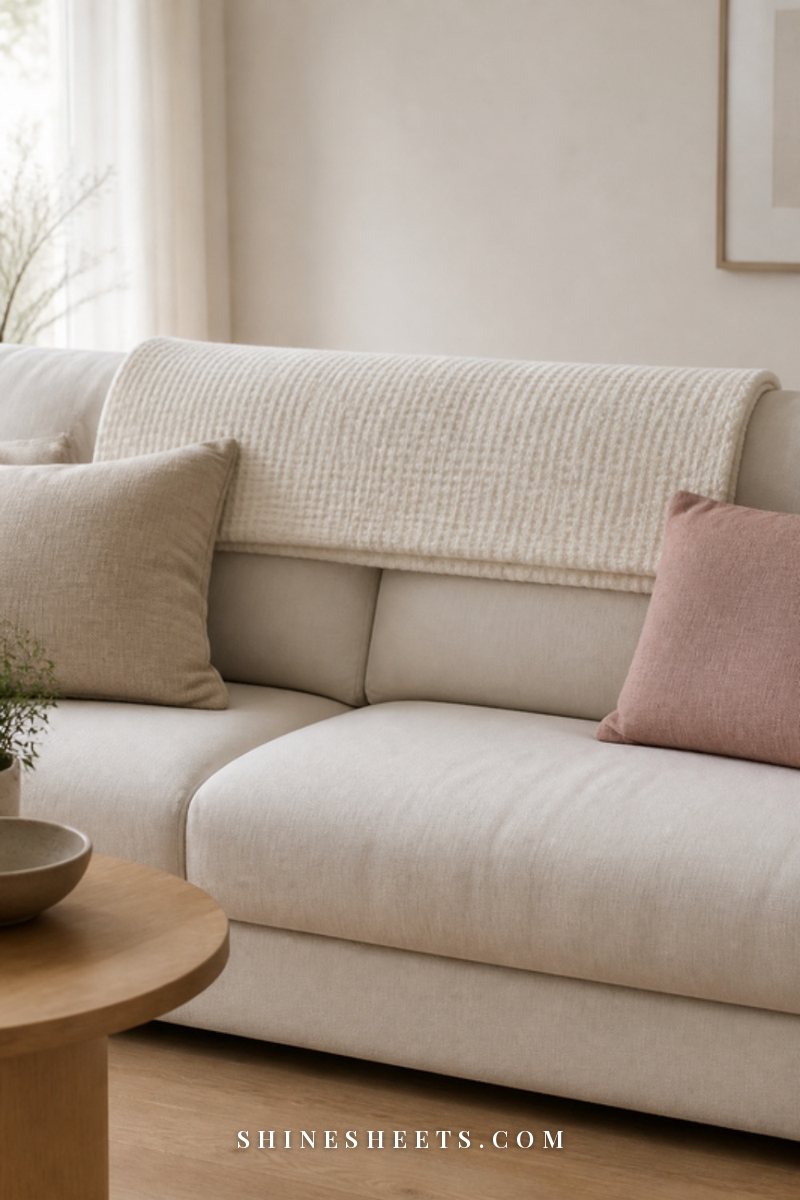
Upholstery is where hair builds up fastest, because it's where your pet naps. Work from the top down so loosened hair falls onto the seat and then the floor, where you'll vacuum it last.
- Remove pillows and throws. Shake them outside or set them aside for the wash.
- Do a rubber glove sweep. Put on a pair of rubber cleaning gloves, dampen them very lightly (just wet and wring), and sweep your palm across the fabric in one direction. The hair rolls into clumps you can lift off. A barely damp sponge works the same way. Go section by section: back, arms, seat, then the crevices.
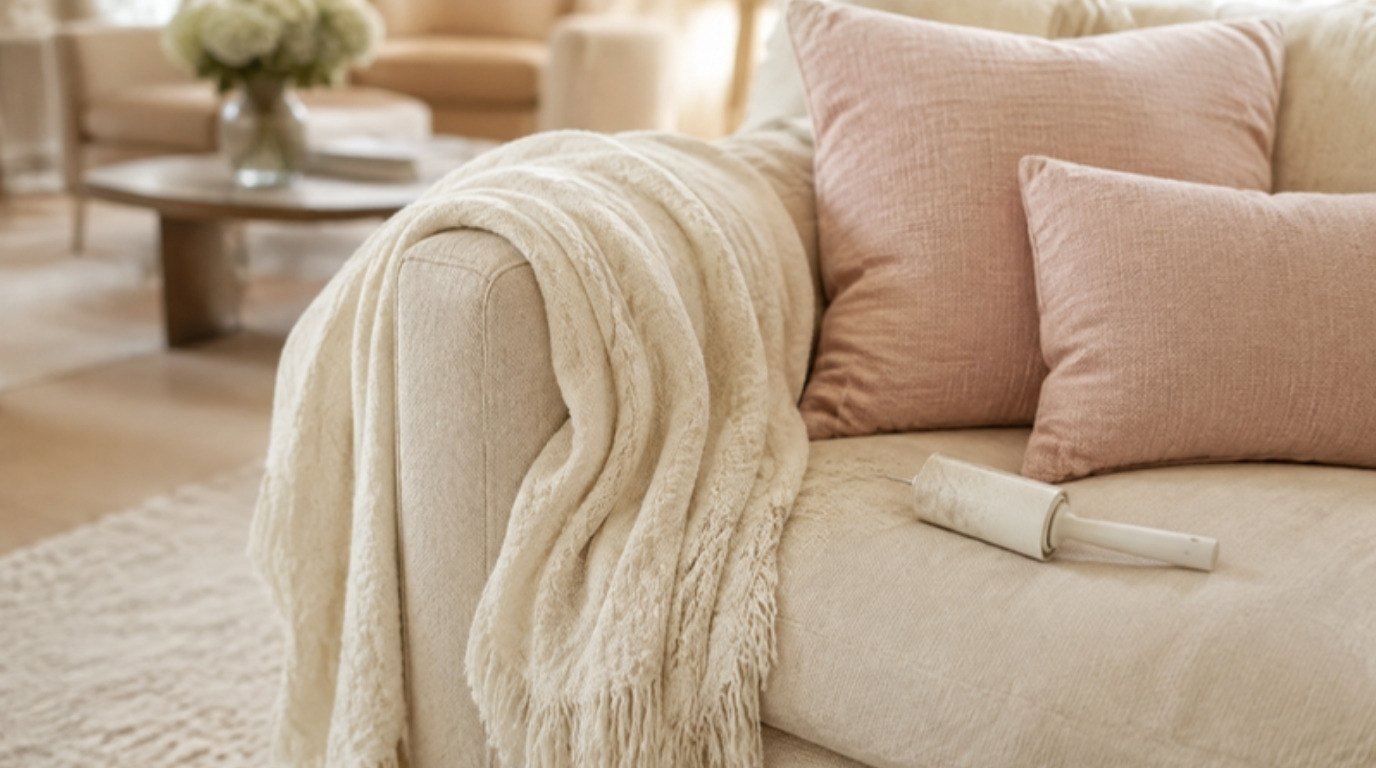
- Use a roller on what's left. A reusable pet hair remover roller with a built-in collection chamber is wonderful for upholstery: roll it back and forth in short strokes, then empty the chamber into the bin. No sticky sheets to throw away.
- Vacuum with the upholstery tool. Use slow, overlapping strokes and the crevice tool along seams and under cushions, where hair hides most.
- Finish the floor. Vacuum the area around the couch to catch everything that fell.
Always test even slight dampness on a hidden spot first, especially on velvet or delicate fabrics, and check your couch's care code. My guide on how to clean a couch for any fabric explains those codes and how to deep clean once the hair is gone.
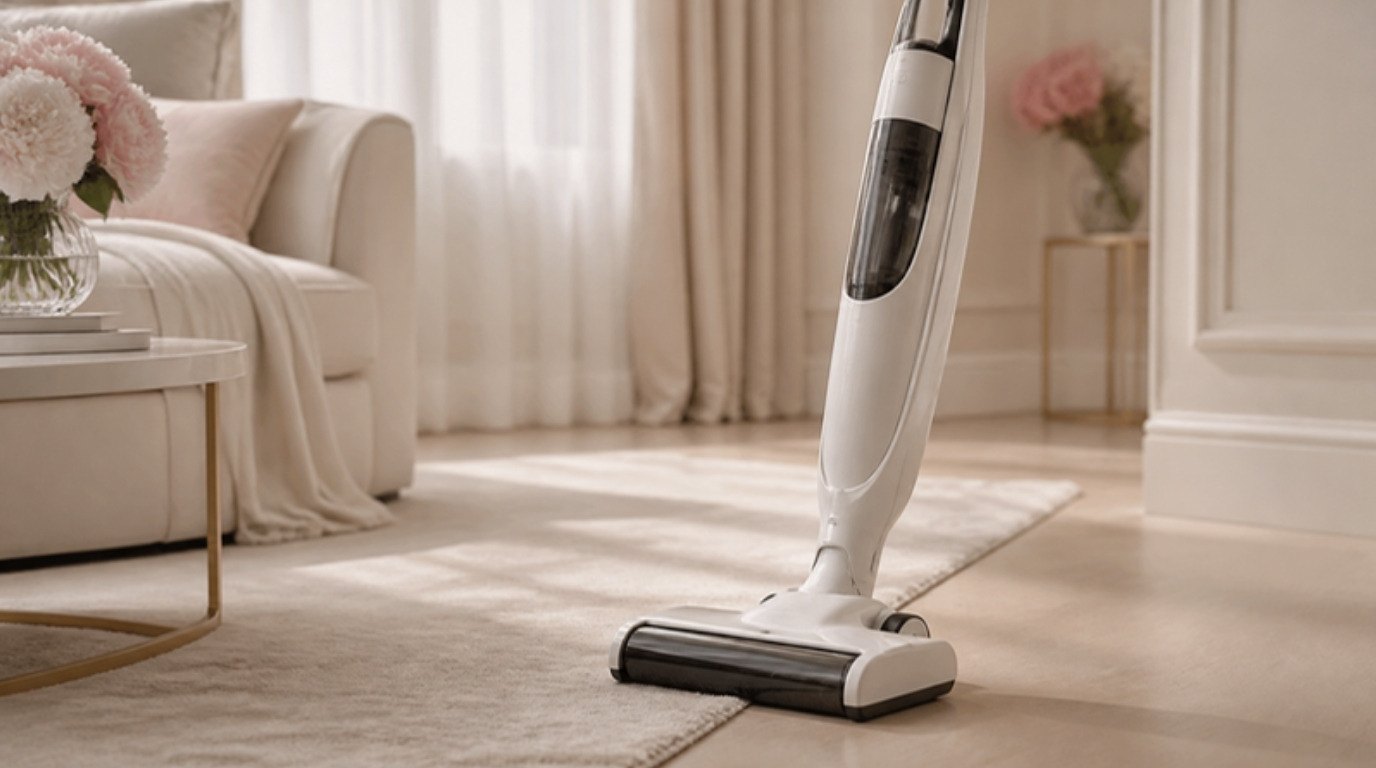
How To Remove Pet Hair From Rugs and Carpet
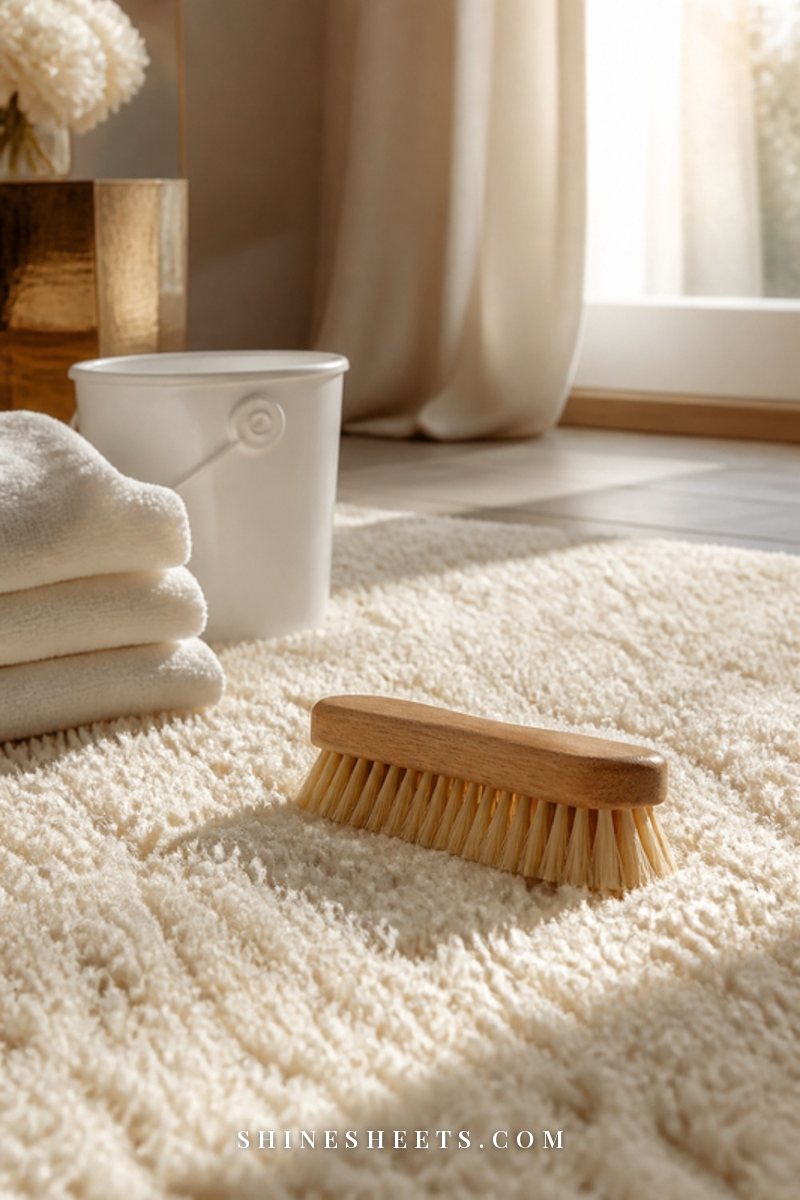
Rugs are tricky because hair gets woven down into the pile, and many vacuums only grab the top layer. The fix is to loosen and gather the hair first, then vacuum.
- Loosen with a rubber broom or squeegee. Pull a rubber broom or a clean window squeegee across the rug in short strokes toward you. You'll be surprised how much hair rises up into fluffy piles. Pick them up by hand or let the vacuum take them.
- Vacuum slowly. This is the part most of us rush. Move the vacuum at about half your usual speed, so the brush roll has time to lift hair from the pile.
- Make crossed passes. Vacuum the whole rug in one direction, then again at a right angle. Hair that lies one way gets caught on the second pass.
- Do the edges and fringe by hand. Use the crevice tool along the edges and a rubber glove on fringe, which can tangle in a brush roll.
For a full refresh beyond hair, my guide to deep cleaning an area rug at home covers spot cleaning, shampooing and drying safely.
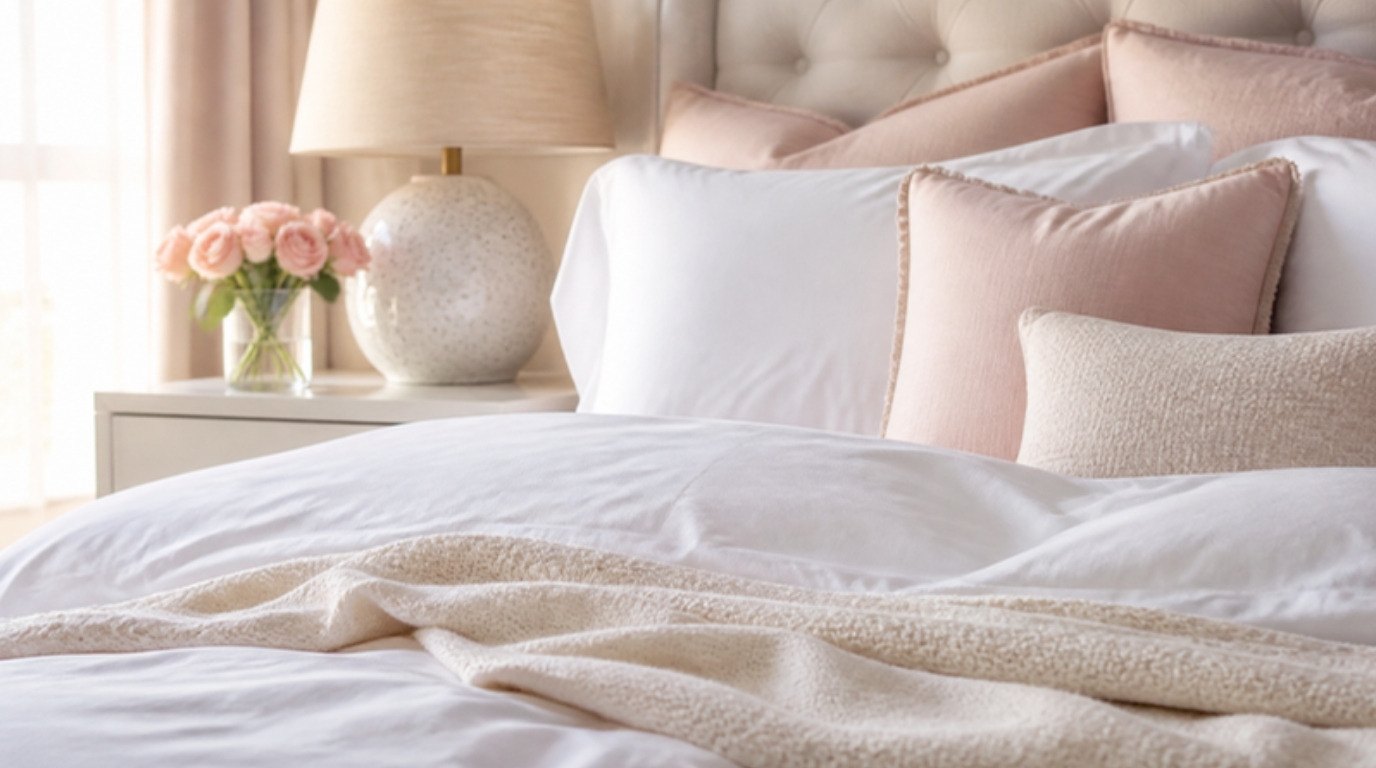
How To Remove Pet Hair From Bedding
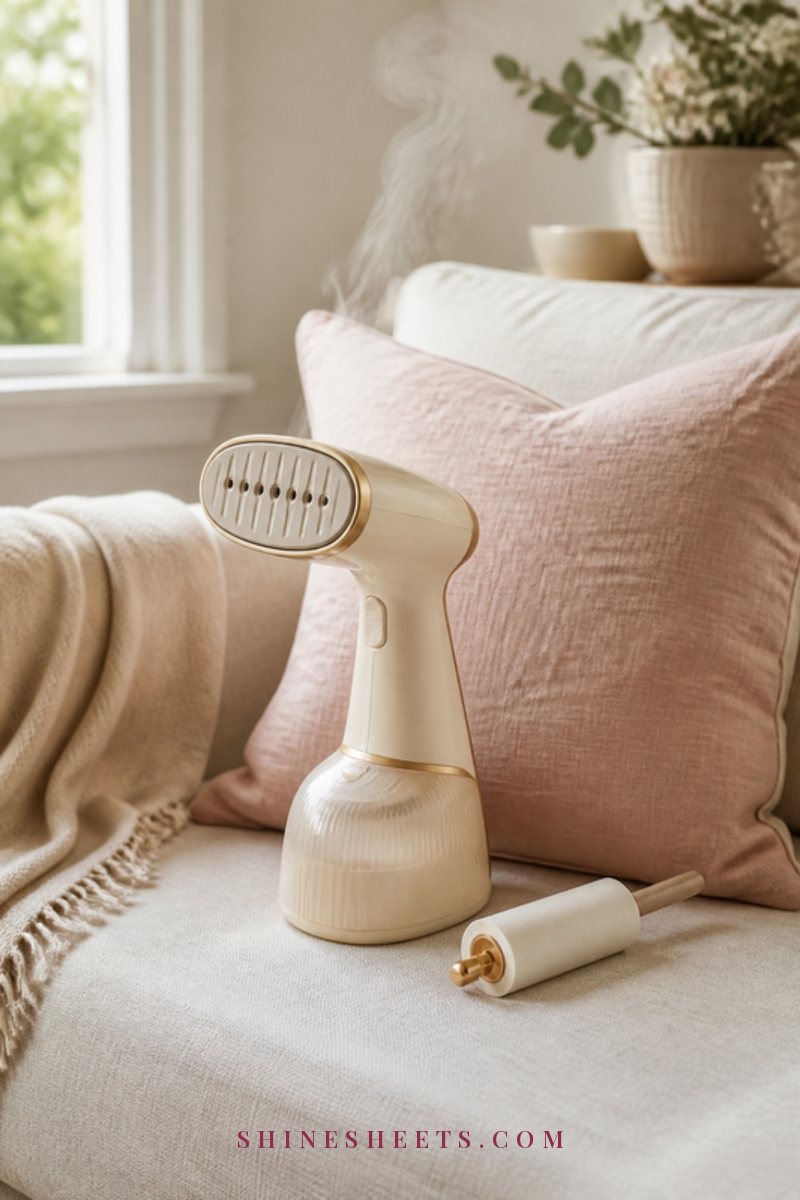
If your pet sleeps on your bed (no judgment here), sheets and duvets collect a lot of hair. Washing alone often isn't enough: hair can simply move from one fabric to another in the drum. A little prep makes a big difference.
- Shake everything out first. Take the sheets, pillowcases and duvet cover outside, or over the bathtub, and give them a good shake.
- Tumble before washing. Put the dry bedding in the dryer on low or no heat for about 10 minutes with a few wool dryer balls. The tumbling loosens hair and sends it to the lint trap. Skip dryer sheets here; wool balls do the job without fragrance or residue your pet might lie on.
- Clean the lint trap. Empty it right away, before the wash.
- Wash with an extra rinse. Use your normal detergent, don't overload the machine, and add an extra rinse cycle so loosened hair is flushed away instead of redepositing.
- Dry with the wool balls again. Then clean the lint trap one more time.
- Wipe the drum. Run a damp cloth around the inside of the empty washer drum and door seal to remove stray hair before your next load.
For temperatures, fabric care and how often to wash, my guide on how to wash sheets and duvets goes deeper.
Pet Hair Table: Surface, Best Tool and How Often
Here's the quick-reference table to screenshot and keep on your phone. Match the surface to the tool and you'll stop wasting time on methods that don't work.
| Surface | Best tool | Method | How often |
|---|---|---|---|
| Fabric couch | Rubber gloves + pet hair roller | Lightly damp glove sweep in one direction, roller, then upholstery tool | Roller daily on favorite spots; full sweep twice a week |
| Velvet or delicate upholstery | Dry rubber glove or lint roller | Gentle strokes with the nap, no dampness; vacuum on low suction | Twice a week |
| Area rugs and carpet | Rubber broom or squeegee + vacuum | Rake hair into piles, then slow crossed vacuum passes | Vacuum twice a week; rubber broom weekly to monthly |
| Hard floors | Rubber broom or vacuum | Sweep into a pile (rubber holds hair instead of scattering it), then vacuum | Every 2–3 days in shedding season |
| Bedding | Wool dryer balls + washer | Shake out, tumble on low first, wash with extra rinse, clean lint trap | Weekly |
| Throws and pet blankets | Wool dryer balls + lint roller | Shake, pre-tumble, wash separately from your clothes | Weekly |
| Clothes | Lint roller + fabric shaver | Roll before leaving the house; shave pilled spots that trap hair | As needed |
| Car seats | Rubber gloves + vacuum | Glove sweep, then crevice tool along seams | Every 1–2 weeks |
8 Pet Hair Tools That Actually Work
You don't need all eight. Start with the first three, then add others based on your surfaces. Here's what each one does best.
1. Rubber Gloves
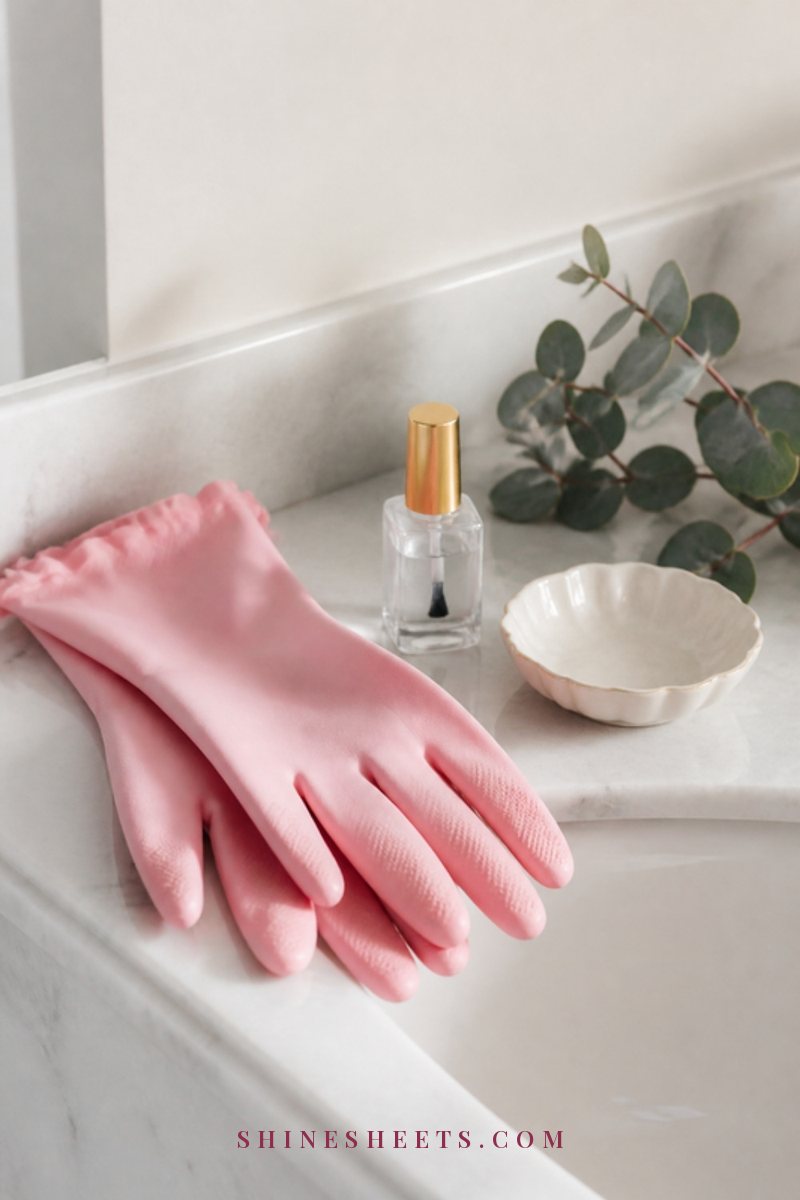
The cheapest and most underrated pet hair tool. Rubber creates friction and breaks static, so hair rolls into clumps. Use them dry on velvet and delicate fabrics, very slightly damp on sturdy upholstery and car seats. Rinse them under the tap whenever the hair builds up, and keep one pair just for pet hair.
2. Lint Roller
Perfect for clothes, lampshades, cushions and quick touch-ups before guests arrive. Keep one by the door and one near the sofa. A sage lint roller looks pretty enough to leave out on a shelf, which means you'll actually use it. Tear off sheets as soon as they stop picking up hair; a full sheet just pushes hair around.
3. Reusable Pet Hair Remover Roller
This is the one I'd choose for any fabric sofa. It's a roller with a textured fabric surface that traps hair as you roll back and forth, then deposits it into a little chamber you empty into the bin. No refills, no waste, and it reaches into textured fabrics better than sticky sheets. Look for one with a sturdy handle and an easy-open chamber.
4. Rubber Broom
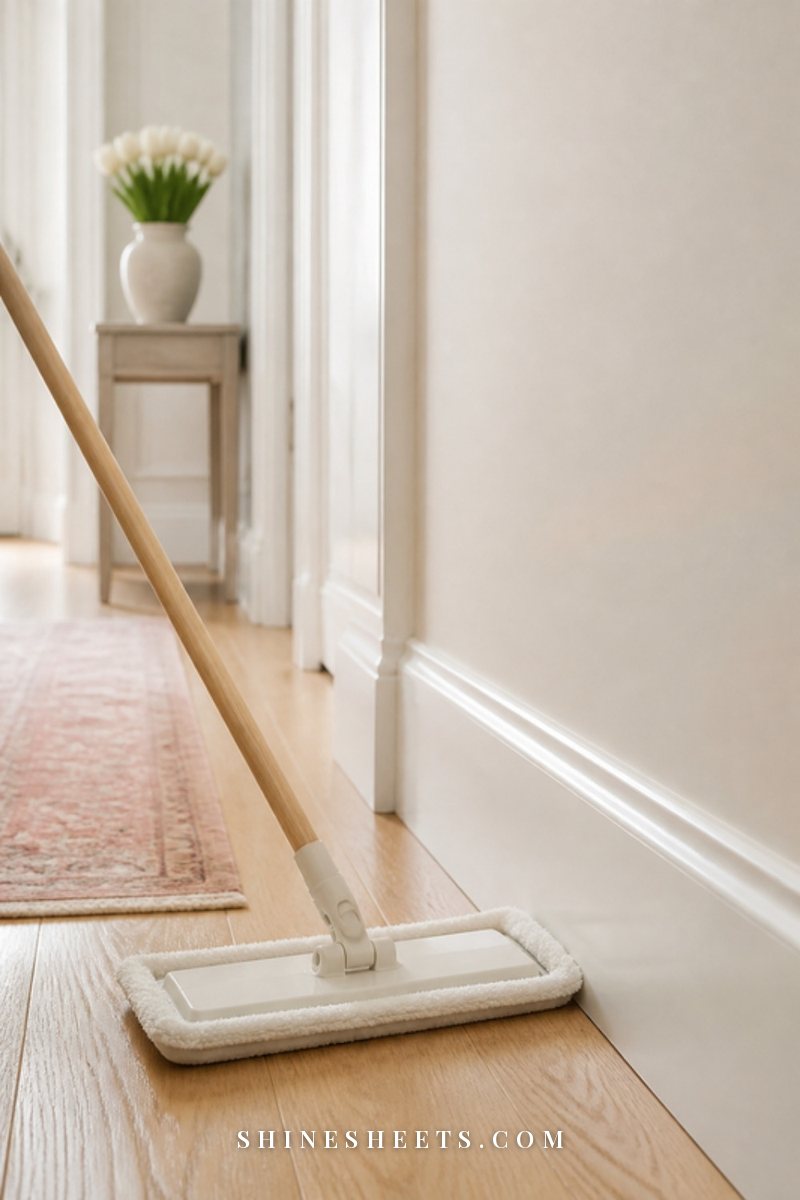
A rubber bristle broom looks ordinary but is brilliant on carpet and rugs: drag it in short strokes and it pulls embedded hair up into piles. On hard floors, the rubber holds hair instead of flicking it into the air. Many have a squeegee edge too, and the bristles rinse clean under the shower.
5. Squeegee
A clean window squeegee works much like a rubber broom on rugs and low-pile carpet, and it's handy on stairs. Pull it toward you in short strokes. Keep a separate one for pet hair so you're not bringing window grime to the rug.
6. Vacuum With a Motorized Pet Tool
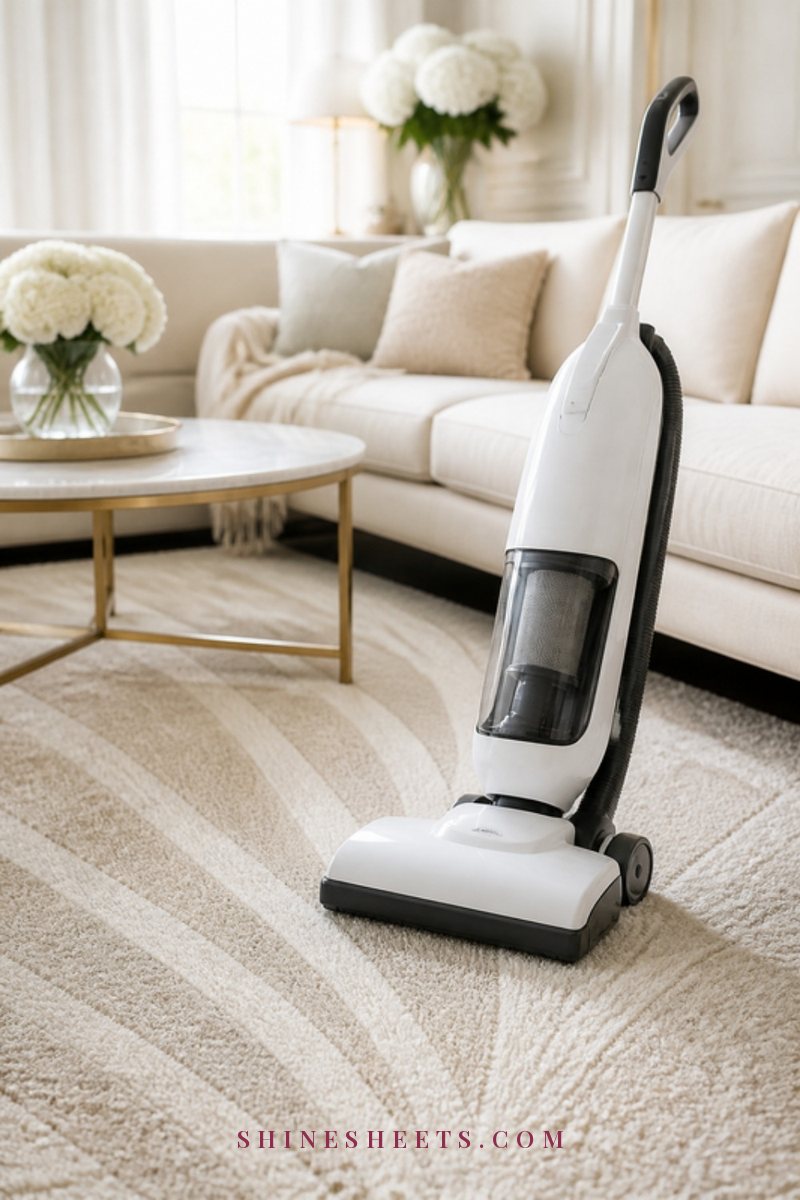
A motorized mini brush (often sold as a "pet tool" or "turbo tool") spins a small brush roll that lifts hair from upholstery, stairs and pet beds far better than a plain nozzle. Whatever vacuum you have, check whether one fits it. Pet hair also wraps tightly around brush rolls and clogs filters, so cleaning your vacuum regularly keeps the suction strong. My guide on how to clean a vacuum cleaner and filter shows how to cut hair off the brush roll safely (always unplug it first).
7. Wool Dryer Balls
Wool dryer balls bounce around the dryer, loosen hair from fabric and help it reach the lint trap. They also reduce static, which is half the reason hair clings in the first place. Use three to six per load. They last for hundreds of loads and contain no fragrance, which makes them a gentle option for homes with pets.
8. Fabric Shaver for Pilling
Pilled fabric acts like velcro for pet hair. A fabric shaver gently removes those little bobbles from sweaters, throws and sofa cushions, so the surface becomes smooth again and hair has less to grab onto. Test it on a hidden area first, hold the fabric flat and use light, circular movements.
How To Keep Pet Hair From Coming Back
You can't stop a healthy pet from shedding, but you can catch a lot of the hair before it lands on your furniture.
- Brush your pet regularly. A few minutes several times a week (daily in shedding season) removes loose hair at the source. Do it outdoors, or on an old towel you can shake out and wash. Ask your vet or groomer which brush suits your pet's coat.
- Cover their favorite spots. Lay a washable cream sofa throw on the corner of the couch your pet loves. Wash it weekly, and your actual upholstery stays much cleaner. A throw in a color close to your pet's coat hides hair between washes.
- Give them their own bed. A washable pet bed in their favorite sunny spot often becomes more appealing than the sofa.
- Pick a weekly wash day. Throws, pet blankets and bedding all go in on the same day, so it becomes a habit rather than a decision.
- Keep the air from getting too dry. Less static means less clinging, so a humidifier in winter can help.
- Choose smoother fabrics when you can. Tightly woven cotton, canvas, microfiber or leather release hair far more easily than bouclé or chenille.
For more ways to keep throws and blankets soft and fresh wash after wash, my laundry tips are a good companion to this routine.
How To Remove Pet Hair From Clothes
Clothes are the last place you want a layer of fluff, especially dark knits and work trousers. A few habits keep them clean without much effort:
- Roll before you go. Keep a lint roller by the door and give your outfit a quick pass after you've said goodbye to your pet, not before.
- Tumble dry clothes first. Just like bedding, 10 minutes on low or no heat with wool dryer balls loosens hair before washing. Empty the lint trap afterward.
- Wash pet things separately. Pet blankets and throws go in their own load, so their hair doesn't end up on your sweaters.
- Close the closet. Keep wardrobe doors shut and don't leave clean clothes on the bed or sofa, where pets love to nap.
- Treat pilling. Bobbly sweaters grab hair; a quick pass with a fabric shaver makes them smooth again.
Common Pet Hair Mistakes
If you've been cleaning a lot and still seeing hair everywhere, one of these is usually the reason:
- Vacuuming too fast. A quick pass picks up the surface only. Slow, crossed passes reach the hair down in the pile.
- Using a sticky roller on everything. Sheets fill up fast on big surfaces. Rubber and reusable rollers handle couches and rugs much better.
- Washing without shaking out first. Hair just moves around the drum and settles on the next load.
- Forgetting the vacuum itself. A clogged filter or a brush roll wrapped in hair loses suction, so the vacuum spreads more than it lifts.
- Getting upholstery too wet. Damp means barely damp. Soaking fabric can leave water rings and slow-drying cushions.
- Waiting for the big monthly clean. Hair builds faster than you think. Two minutes daily saves an hour later.
Pet Safety While You Clean
A clean home only counts if it's also safe for the animals who live there. Keep these simple rules in mind:
- Skip harsh sprays and scented powders where pets lie. Carpet powders, strong fabric fresheners and heavily scented sprays can leave residue on surfaces pets sleep on and groom from. Plain water on a rubber glove does the job.
- Store laundry products out of reach. Keep detergent pods, liquids and dryer sheets in a closed cabinet. Curious pets may chew them.
- Let surfaces dry fully before your pet climbs back on, especially after any cleaning beyond a glove sweep.
- Don't shave your pet to reduce shedding. Many coats, especially double coats, protect against heat and cold, and shaving can do more harm than good. If shedding seems unusual (bald patches, itching, sudden heavy loss), check in with your vet.
- Unplug before untangling. When cutting hair off a vacuum brush roll, always unplug or remove the battery first.
Final Thoughts
Learning how to remove pet hair is less about scrubbing harder and more about choosing the right tool for each surface: rubber for upholstery and rugs, wool balls for the dryer, a slow vacuum to finish. Add a few minutes of brushing and a weekly wash day, and the fluff stops taking over.
Your home can be soft, clean and calm with a pet curled up in the middle of it. That's the kind of lived-in loveliness worth keeping.