A good microfiber cloth can do most of your weekly cleaning with nothing but water. That surprises a lot of people, but it is the whole point of the fabric: the fibers are so fine that they grab dust, grease and fingerprints on their own, and a spray is often just a helper.
The catch is that microfiber only keeps working if you treat it a little differently from regular cotton. Wash it with fabric softener, toss it in with towels or dry it on high heat, and within a few months it smears instead of grabbing. It took me a while to realize my streaky windows were a cloth problem, not a window problem.
This guide covers everything about microfiber cloths: how they work in plain words, the four main types and what each one is for, a simple color-coding system, how to use them for the best results, six washing rules that keep them grabbing dust for years, and when it is time to let a cloth go.
Once you get the basics, a small stack of cloths can replace a whole shelf of paper towels and single-purpose wipes.
How Microfiber Cloths Work
Microfiber is made from synthetic fibers, usually a blend of polyester and polyamide (nylon), that are far thinner than a strand of human hair. During manufacturing, each fiber is split into even finer strands. That splitting creates a huge number of tiny edges and spaces.
Those tiny spaces are what make microfiber special. Instead of pushing dust around like a cotton rag, the split fibers catch it and hold it inside the cloth. Many microfiber cloths also carry a slight static charge when dry, which helps pull fine dust off surfaces.
When the cloth is lightly damp, the fibers also lift greasy films, smudges and fingerprints. That is why many everyday jobs (dusting a shelf, wiping a counter, polishing a tap) need only water. You can still use a mild cleaner for sticky or very greasy spots, but you will often need much less than with a cotton cloth.
One honest note: microfiber is great at lifting and trapping dirt, but plain water does not disinfect. For places like the toilet or a cutting board after raw meat, you will still want a proper cleaner or disinfectant used as the label says.
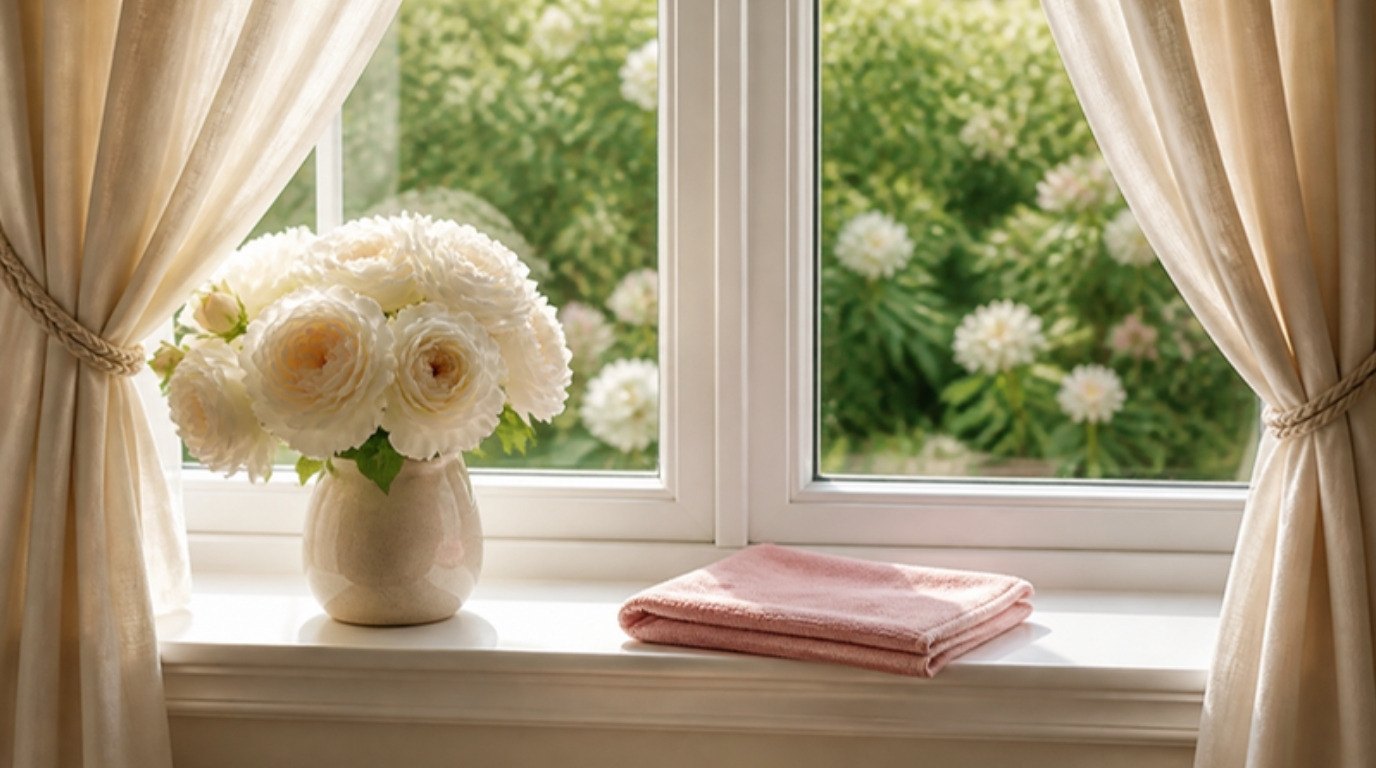
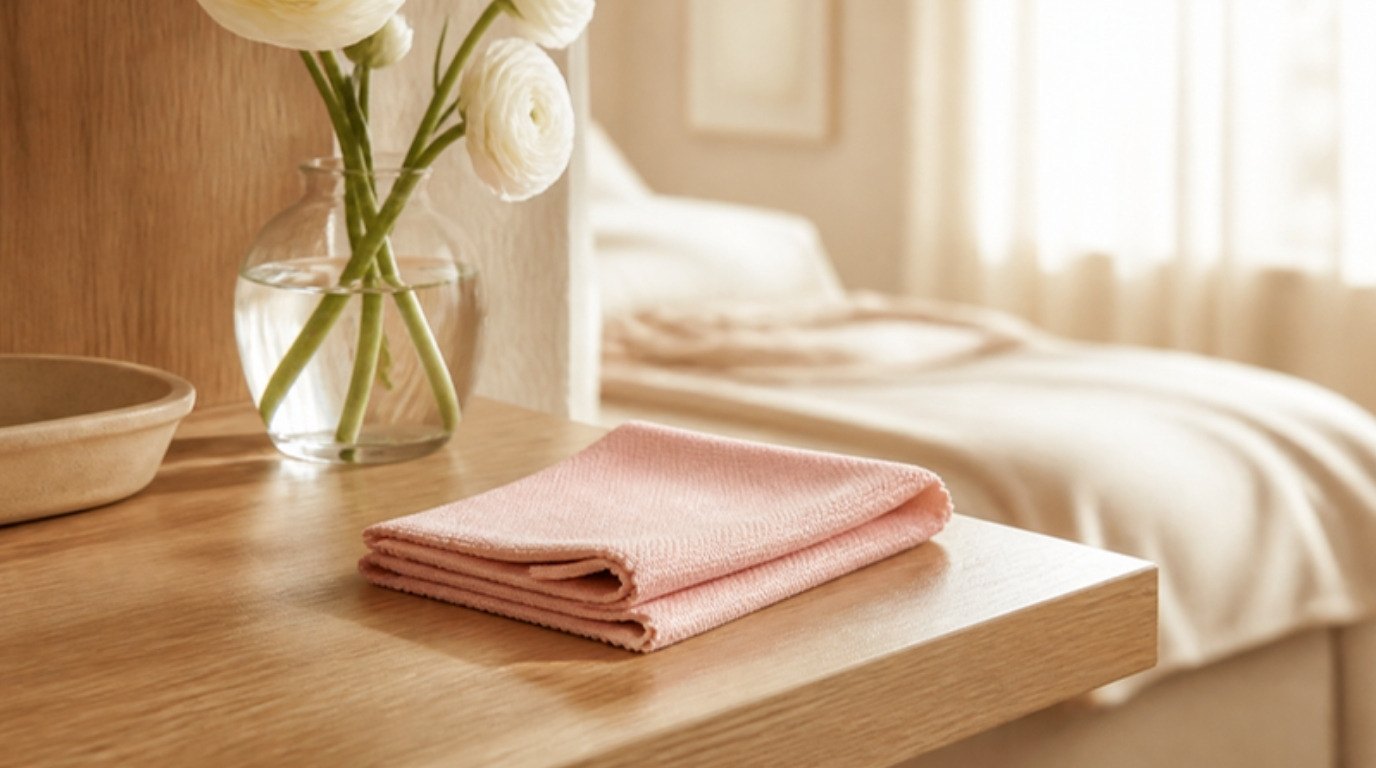
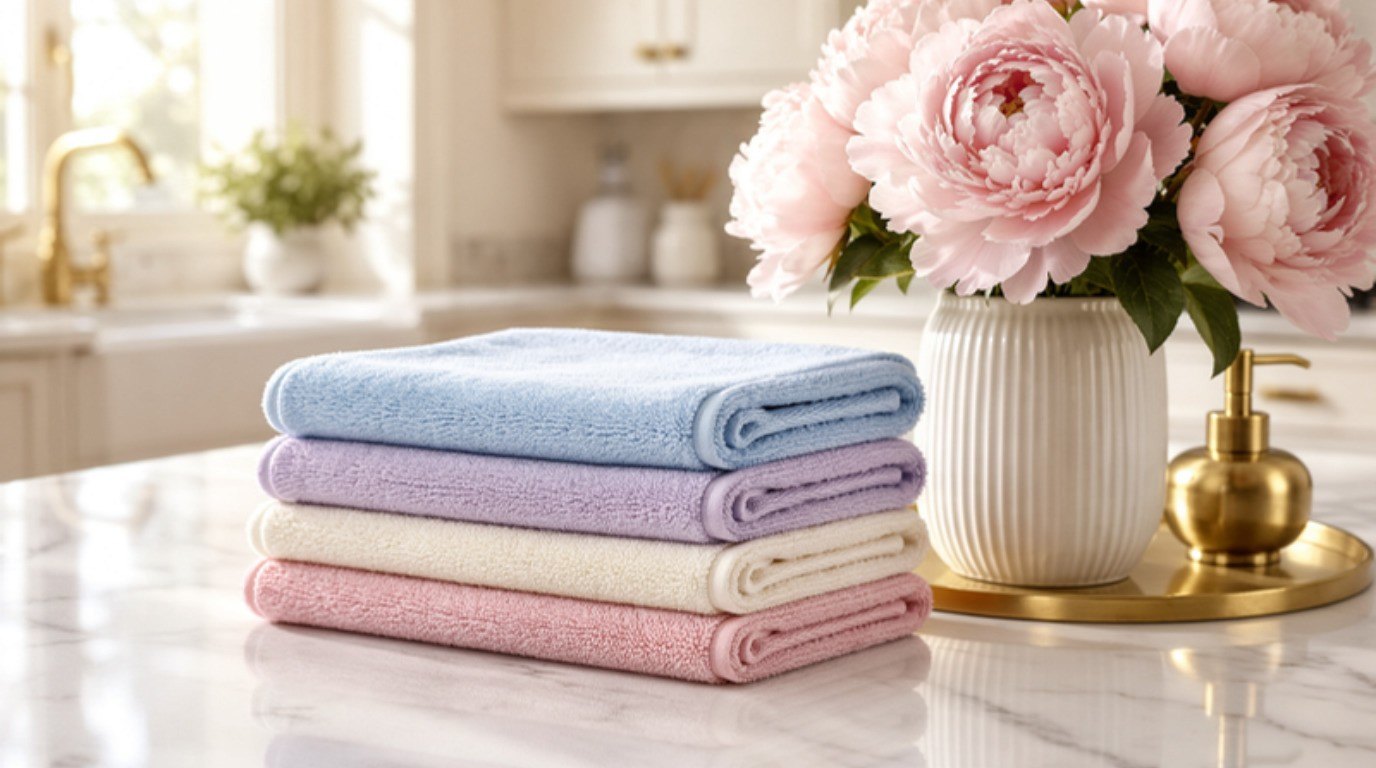
A pastel microfiber cloth set is an easy place to start. Look for a pack with at least four colors (so you can color-code later), a dense, soft feel and stitched edges that will not fray in the wash.
4 Types of Microfiber Cloths
Not all microfiber is the same. The weave and pile (how long and fluffy the fibers are) change what a cloth is good at. These four cover almost everything in a home.
1. General Purpose Cloths
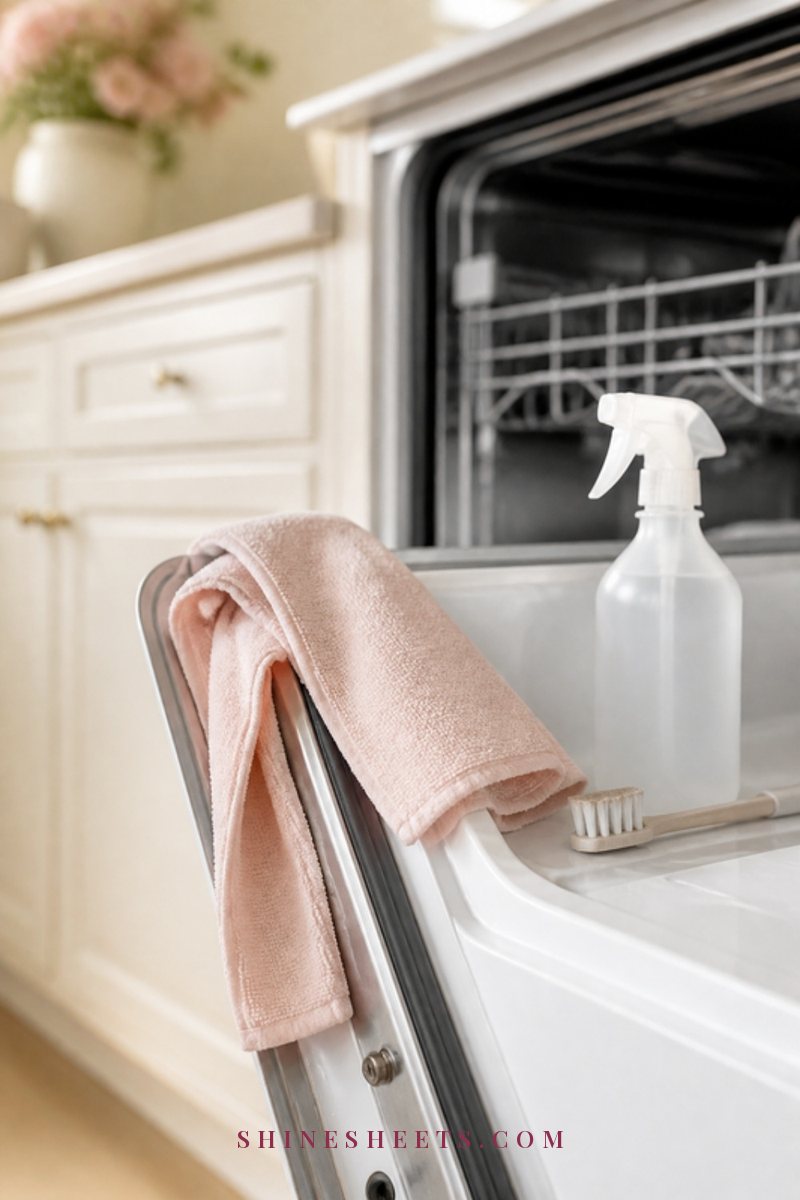
These are the everyday cloths most packs contain: a short, slightly fluffy pile that feels soft but not thick. They are the workhorses for counters, tables, cabinet fronts, appliances, door handles and bathroom surfaces.
Use them lightly damp with water for daily wipe-downs, or with a mild all-purpose spray for sticky spots. If you only buy one kind of microfiber, make it this one.
2. Glass and Polishing Cloths
Glass cloths have a very tight, flat, almost silky weave with little to no pile. That smooth surface leaves fewer fibers and streaks behind, which makes them ideal for windows, mirrors, glass shower doors, stainless steel and shiny tiles.
Lavender glass polishing cloths are a nice pick to keep separate from your everyday ones; look for a flat, smooth weave described as lint-free or streak-free. For glass, use one slightly damp cloth to clean, then a dry one to buff. My guide on how to clean windows streak-free walks through the full method, and the same two-cloth trick is behind my steps to clean stainless steel appliances.
3. Waffle-Weave Drying Cloths
Waffle-weave cloths have a textured grid pattern, like a waffle. The little pockets hold a lot of water, so they dry dishes, glasses, sinks and faucets quickly without leaving lint or water spots.
They are also handy after wiping down a shower or a bathroom counter, because drying the surface prevents the water marks that hard water leaves behind. Keep a couple in the kitchen and one in the bathroom.
4. Plush Dusting Cloths
Plush cloths have a long, thick, fluffy pile. That depth traps dust in the cloth rather than spreading it around, which makes them the best choice for dry dusting shelves, picture frames, lamp bases, electronics (with the power off) and delicate decor.
Use plush cloths dry for dust. If you dampen them, the long pile can get heavy and leave streaks. If dust is a constant battle in your home, my guide on how to reduce dust has habits that help alongside good cloths.
Microfiber Cloth Guide: Type, Use and Care
Here is a quick table to keep the types straight. Screenshot it and you will always know which cloth to grab.
| Cloth type | Best for | Damp or dry | Washing tip |
|---|---|---|---|
| General purpose | Counters, tables, cabinets, appliances, bathroom surfaces | Lightly damp, or with a mild spray | Wash after each heavy use; separate kitchen and bathroom loads if they are very dirty |
| Glass and polishing | Windows, mirrors, glass, stainless steel, shiny tiles | One slightly damp to clean, one dry to buff | Wash only with other microfiber; any lint on them shows up as streaks |
| Waffle-weave | Drying dishes, glasses, sinks, taps, shower walls | Dry | Air dry flat or on low heat so the waffle texture stays soft |
| Plush dusting | Shelves, frames, lamps, electronics, decor | Dry | Shake out outdoors first, then wash; never use fabric softener |
Color-Code Your Cloths by Room
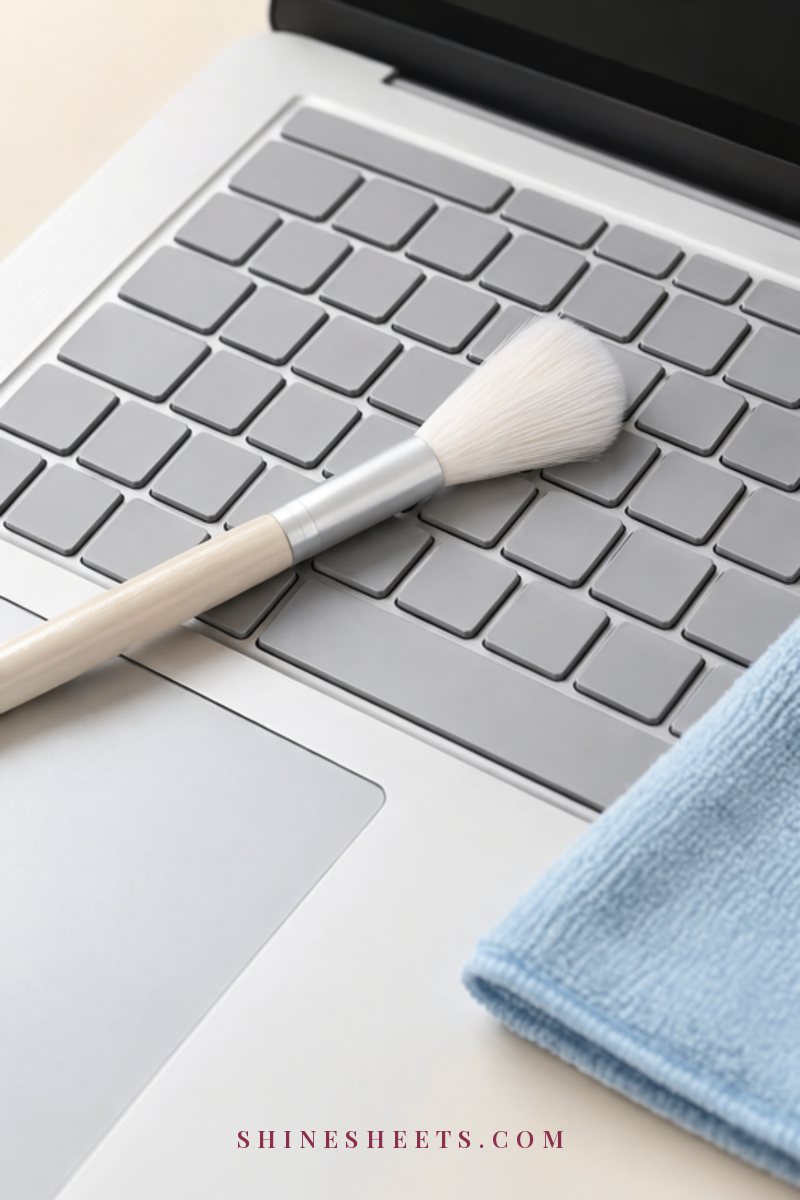
Color coding sounds fussy, but it is one of the simplest ways to keep cleaning hygienic. The idea: each color has one job, so the cloth that wiped the toilet never ends up on your kitchen counter.
Here is an easy system you can copy:
- Pink or blush: bathroom sink, counter and shower.
- Baby blue: glass, mirrors and windows.
- Cream or white: kitchen counters, table and appliances.
- Lavender or sage: dusting living areas and bedrooms.
- A separate, clearly different color (or an old cloth with a knot tied in the corner): toilet only.
The exact colors do not matter. What matters is that you choose a system and stick with it. Write it on a sticky note inside the cleaning cupboard for the first few weeks until it becomes automatic.
A sage cleaning caddy makes this easy to keep up. Look for one with dividers so each color sits in its own section, along with a spray bottle, and you can carry the whole set from room to room.
How To Use Microfiber Cloths the Right Way
Microfiber works best with a slightly different technique from a cotton rag or a sponge. These three habits make the biggest difference.
Fold Into Quarters for Eight Clean Sides
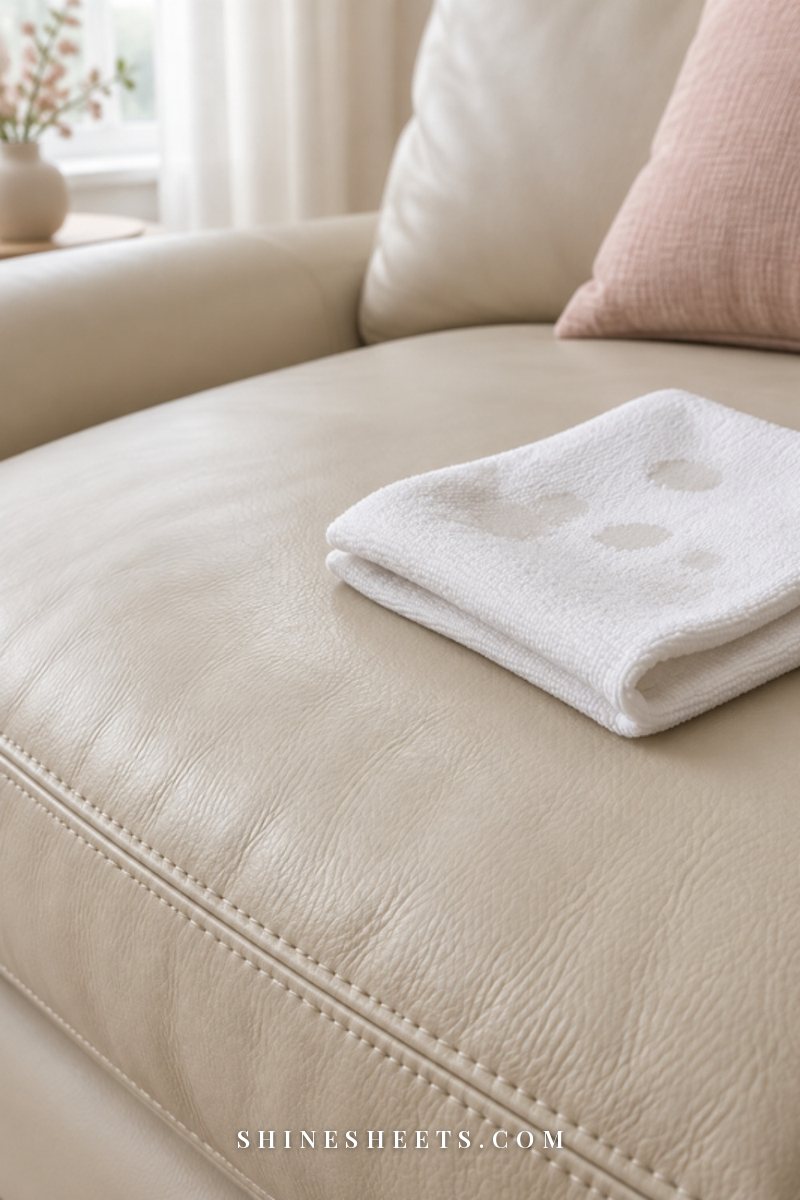
Fold the cloth in half, then in half again, so you have a square about the size of your palm. That gives you four sections on the front and four on the back: eight clean sides from one cloth.
Wipe with one side until it looks dirty or stops picking up, then flip or refold to a fresh side. You will clean a whole room with one cloth instead of spreading the same dirt around with a bunched-up rag. A folded cloth also gives you a flat, even surface, which means fewer streaks.
Lightly Damp Beats Soaking Wet
For most jobs, a microfiber cloth should be just damp, not dripping. Run it under the tap, then wring it out firmly until it feels barely moist. Too much water fills the spaces between the fibers, so they cannot trap dirt, and you end up pushing wet grime around.
If you use a cleaning spray, mist it onto the cloth rather than the surface for small areas. You will use less product and avoid overspray on nearby walls or screens.
Use Gentle Pressure
You do not need to scrub hard. The fibers do the work, so light, even pressure in straight lines or an S-shaped pattern is enough for most surfaces. Pressing too hard can flatten the fibers and leave streaks.
For stuck-on spots, let a damp cloth rest on the area for a minute to soften it, then wipe. For really tough grime, switch to a soft brush or sponge first and use microfiber to finish.
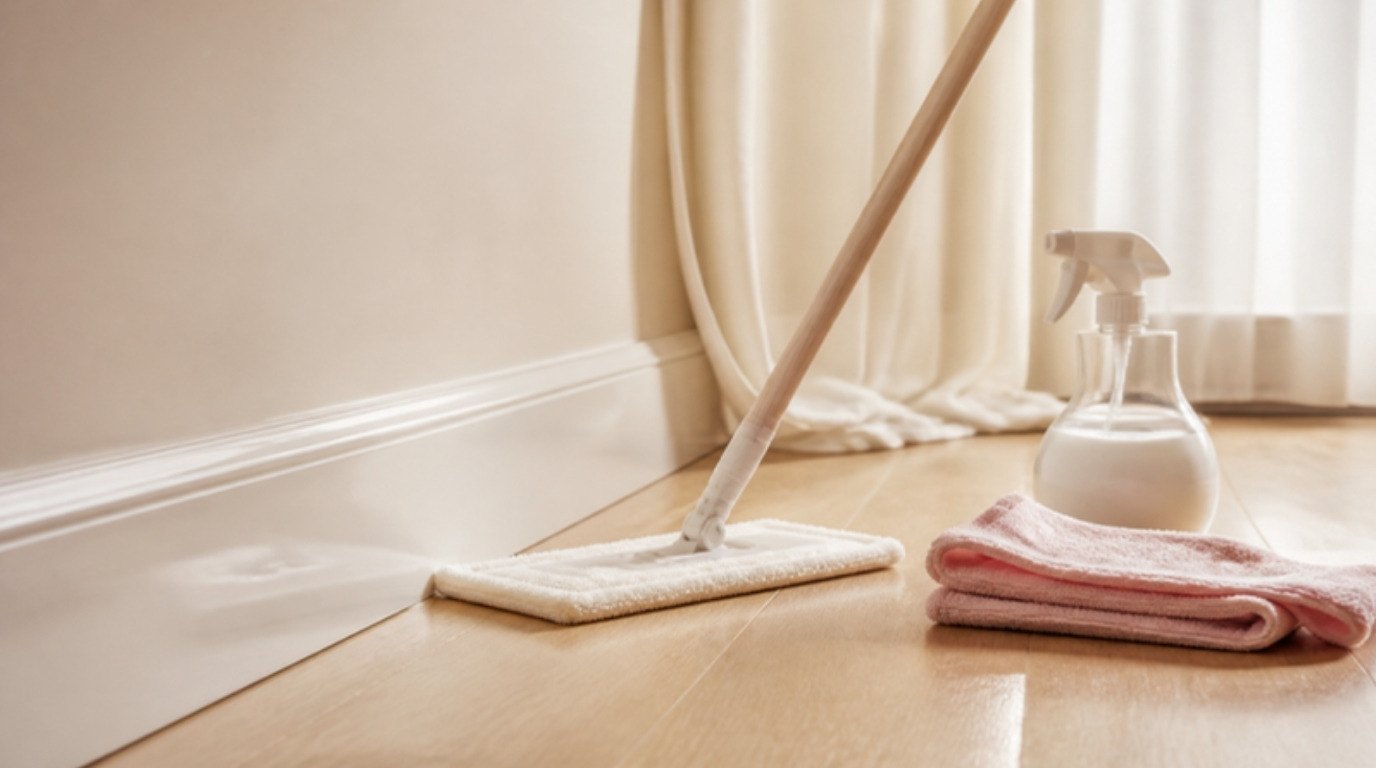
For floors, a white microfiber mop with spare pads follows the same logic. Look for a flat mop with washable pads that attach with hook-and-loop strips, and keep two or three pads so you can swap to a clean one halfway through a big room.
6 Washing Rules for Microfiber Cloths
This is where most microfiber cloths lose their magic. Follow these six rules and a good cloth can keep working well for a long time, often hundreds of washes.
- Wash separately from cotton. Microfiber is a lint magnet. Washed with towels, cotton tees or anything fluffy, it picks up lint that clogs the fibers and leaves streaks. Wash microfiber only with other microfiber. A mesh laundry bag helps if you need to share a load with other synthetics, since it keeps the cloths together and away from lint.
- Use warm water. Warm water loosens grease and dirt trapped in the fibers. Very hot water can damage or melt the fine synthetic fibers over time, so follow the care label if it gives a maximum.
- Use a small amount of mild detergent. Choose a plain liquid detergent, ideally without added softeners or heavy perfumes, and use about half of your usual amount. Too much detergent leaves residue in the fibers.
- Never use fabric softener. Fabric softener (including dryer sheets) coats the fibers with a waxy film that fills the tiny spaces. The cloth will feel soft but stop absorbing and grabbing dust.
- Skip bleach. Bleach can weaken and break down the fibers. If you want to sanitize, a hot-enough warm cycle and thorough drying is usually enough for home use.
- Air dry or tumble on low heat. High heat can melt the fine fibers so they feel stiff and scratchy. Hang them to dry or use the lowest heat setting.
A few extra tips: shake out dusty cloths outside before washing, rinse very dirty ones by hand first, and if your cloths start to feel less grabby, run them through a warm wash with no detergent at all to rinse out built-up residue. For more on getting laundry right in general, my laundry tips guide has twenty small tricks.
Between washes, let damp cloths hang to dry instead of leaving them balled up in a bucket or the sink, where they can start to smell.
When To Replace Microfiber Cloths
Even well-cared-for cloths wear out eventually. Here are the signs it is time to retire one (or move it to the rag pile for garage jobs):
- It feels stiff or rough even after washing, instead of soft and slightly grippy.
- It feels greasy or slick, or water beads on it instead of soaking in.
- It leaves streaks or lint on glass and shiny surfaces, even when clean.
- It smells right after washing and drying.
- It is fraying, thin or full of holes, or it has stains that never budge.
Before you throw a cloth away, try the detergent-free warm wash mentioned above. Sometimes a cloth that seems worn out is just clogged with residue, and one rinse cycle brings it back.
Where Not To Use Microfiber
Microfiber is versatile, but there are a few places where it is not the right tool:
- Very hot surfaces. Never use microfiber on a hot stove top, oven door or straight after ironing. The synthetic fibers can melt and stick to the surface.
- Rough grout and textured surfaces. Rough grout, unsealed stone and textured walls can snag and pull the fine fibers. Use a soft brush first, then microfiber on smooth tiles.
- Sharp or splintered edges. Rough wood, broken glass or metal edges will tear the cloth.
- Delicate finishes when the cloth is gritty. If a cloth has picked up sand or grit, rinse it before it touches a polished table or screen, or it can cause fine scratches.
- Disinfecting on its own. As mentioned above, water and microfiber lift germs but do not kill them. Use a proper disinfectant where hygiene matters most.
Microfiber Myths To Let Go Of
There is a lot of confusing advice about microfiber. A few common ideas that do not hold up:
- "Softer means better." Softness from fabric softener actually ruins the cloth. A good microfiber cloth feels soft but slightly grippy, almost like it catches on dry skin.
- "You need a strong cleaner with microfiber." For most daily jobs, water is enough. Use cleaners for sticky, greasy or hygiene-critical spots.
- "Hot water and high heat get them cleaner." Warm water and low heat clean them well and keep the fibers intact. High heat shortens their life.
- "All microfiber is the same." The weave and pile make a real difference, which is why the four types exist.
- "Microfiber lasts forever." It lasts a long time with good care, but cloths do wear out, and replacing a tired one makes cleaning noticeably easier.
How Many Microfiber Cloths You Actually Need
You do not need a huge stack. A small, well-chosen set that you wash regularly works better than a drawer full of tired cloths. For a typical apartment or small home, this is a comfortable starting point:
- Six to eight general purpose cloths, split between the kitchen and the bathroom, so there is always a clean one while the others are in the wash.
- Two or three glass cloths for windows, mirrors and stainless steel.
- Two waffle-weave cloths for drying dishes and polishing the sink.
- Two plush dusting cloths for shelves and decor.
- One or two toilet-only cloths in their own color.
Keep a small basket or bag near the laundry for used cloths, and wash them once or twice a week in their own small load. If you clean the kitchen daily, a fresh general purpose cloth each day keeps smells away and makes the whole routine feel lighter.
When you buy new cloths, wash them once before the first use. New microfiber can shed a little at first, and a quick wash removes loose fibers and any finishing residue from the factory.
And if your budget is tight, start with the general purpose and glass cloths. Those two cover most jobs, and you can add the others slowly over time.
A Quick Safety Note
Microfiber itself is gentle, but the products you use with it may not be. Always check the care label on your cloths and the instructions on any cleaner. Never mix bleach with vinegar or ammonia when cleaning around your cloths or anywhere else, since those combinations release harmful gases. Rinse cloths well between products, wear gloves for strong cleaners, open a window, and test any new cleaner on a hidden spot first. If you prefer gentler options, my guide to natural cleaning covers simple swaps and the combos never to mix.
Final Thoughts
Microfiber cloths are one of the simplest upgrades you can make to your cleaning routine. A few good cloths, a color system and a little care in the wash, and you will reach for paper towels far less often.
Treat them gently, keep fabric softener far away, and they will keep grabbing dust and polishing glass beautifully for a very long time.