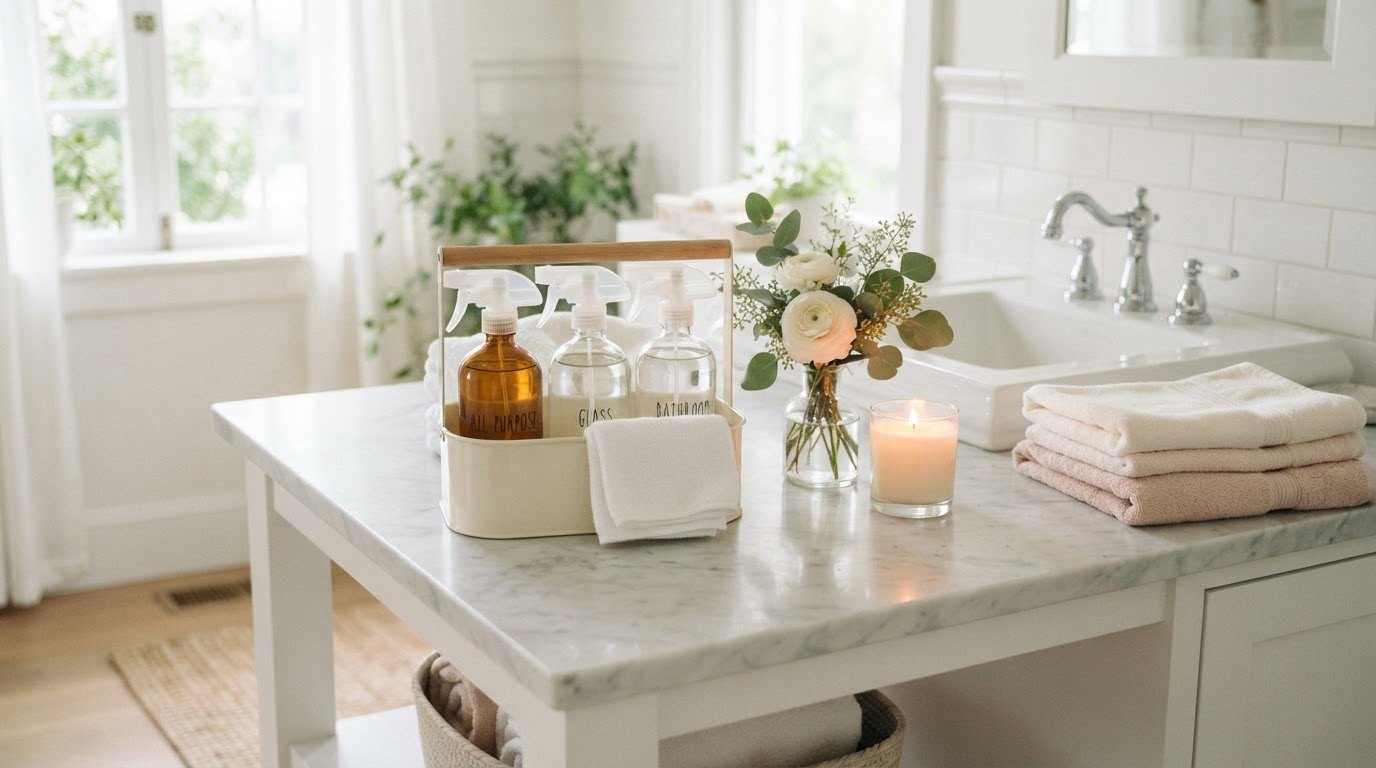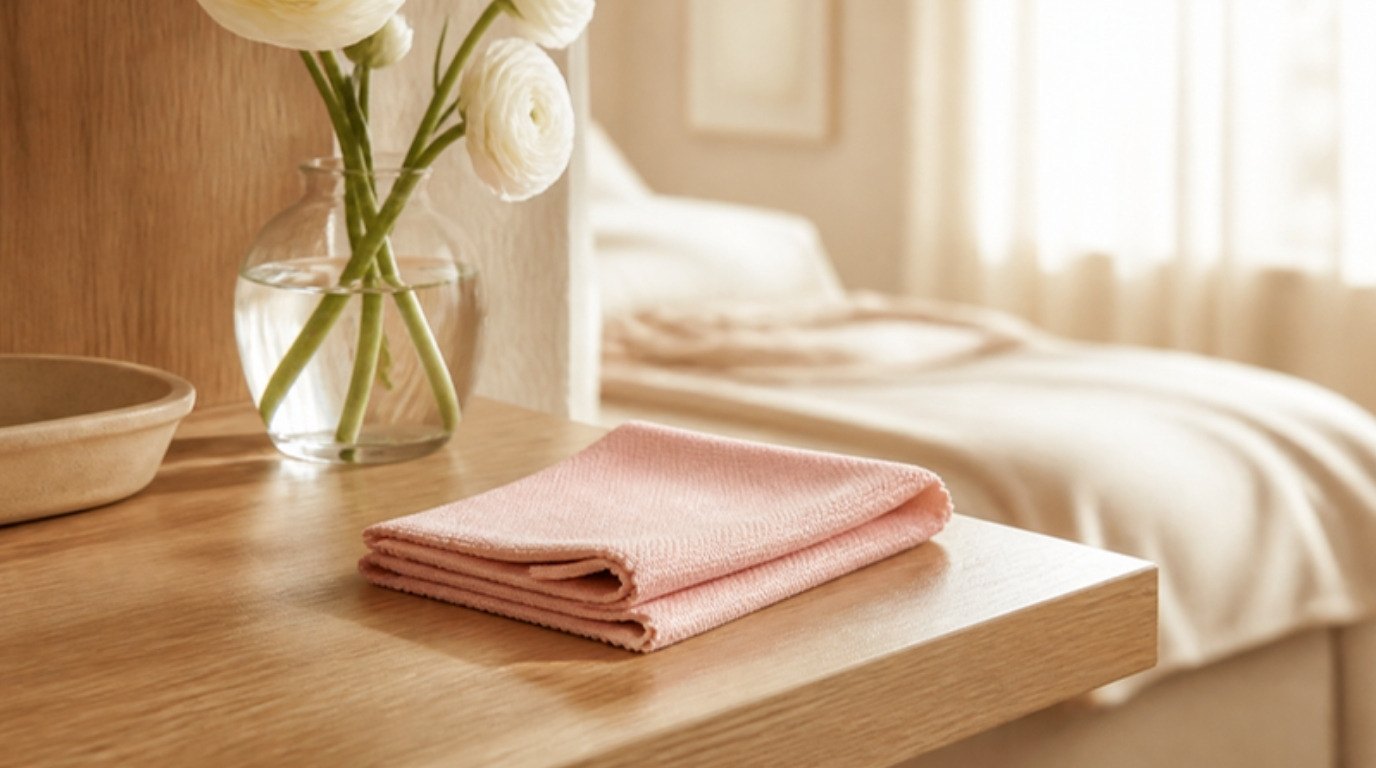
Dust isn't a sign that you're bad at cleaning. It's a sign that people live in your home, wear clothes, sleep in beds and walk in from outside. The goal was never a dust-free house (that doesn't exist). The goal is a house where dust builds up more slowly, gets caught before it spreads and doesn't make you sneeze every time you fluff a pillow.
The good news is that most of the work happens through small habits rather than marathon cleaning sessions. A damp cloth instead of a feather duster, shoes left by the door, sheets washed on the same day each week – these quiet changes add up faster than one big scrub once a month.
This guide covers how to reduce dust at home in a way that actually lasts: where dust comes from, why it seems to reappear the day after you clean, the right way to dust, 12 habits that cut it down, a room-by-room dust hotspot checklist and a simple weekly routine you can repeat without thinking about it.
I'll admit it took me a while to stop chasing dust and start preventing it. Once I did, the whole house felt lighter.
Where Dust Actually Comes From
Household dust is a mix, not one single thing. Knowing what's in it helps you understand why some habits matter more than others:
- Skin and hair. We all shed tiny skin flakes and strands every day, and a lot of that ends up in bedding, upholstered furniture and carpets.
- Fabric fibers. Towels, blankets, sweaters, curtains and rugs slowly shed lint. A bedroom full of soft textiles will always be a little dustier than a tiled hallway.
- Outdoor dirt and pollen. It rides in on shoes, coats, bags and through open windows. A big share of indoor dust starts outside.
- Pet dander and fur. If you share your home with a cat or dog, expect more dust around their favorite spots.
- Cooking and everyday life. Grease particles in the kitchen act like glue, which is why dust on top of kitchen cabinets feels sticky.
- Paper and cardboard. Stacks of mail, boxes and old magazines slowly break down into fine particles.
Looking at that list, you can see the plan already: catch dirt at the door, wash the soft things often, keep surfaces clear and trap particles instead of moving them around.
Why Dust Keeps Coming Back
If you dust on Saturday and see a fresh film by Tuesday, you're not imagining it. A few things make dust feel endless:
- Dry dusting moves it, it doesn't remove it. Feather dusters and dry paper towels flick particles into the air, and they settle again a few hours later on the same surfaces.
- Cleaning in the wrong order. Vacuuming first and dusting shelves afterward sends dust straight onto the floor you just cleaned.
- Soft surfaces act like reservoirs. Every time you sit on the sofa or shake out a duvet, stored dust puffs back into the room.
- Clutter makes dusting slow. When a shelf holds twenty little things, you skip it. Skipped spots become dust collectors.
- Air keeps circulating it. Heating, air conditioning and ceiling fans pick up loose particles and spread them from room to room.
None of these are about effort. They're about method, and method is much easier to change.
How To Dust the Right Way
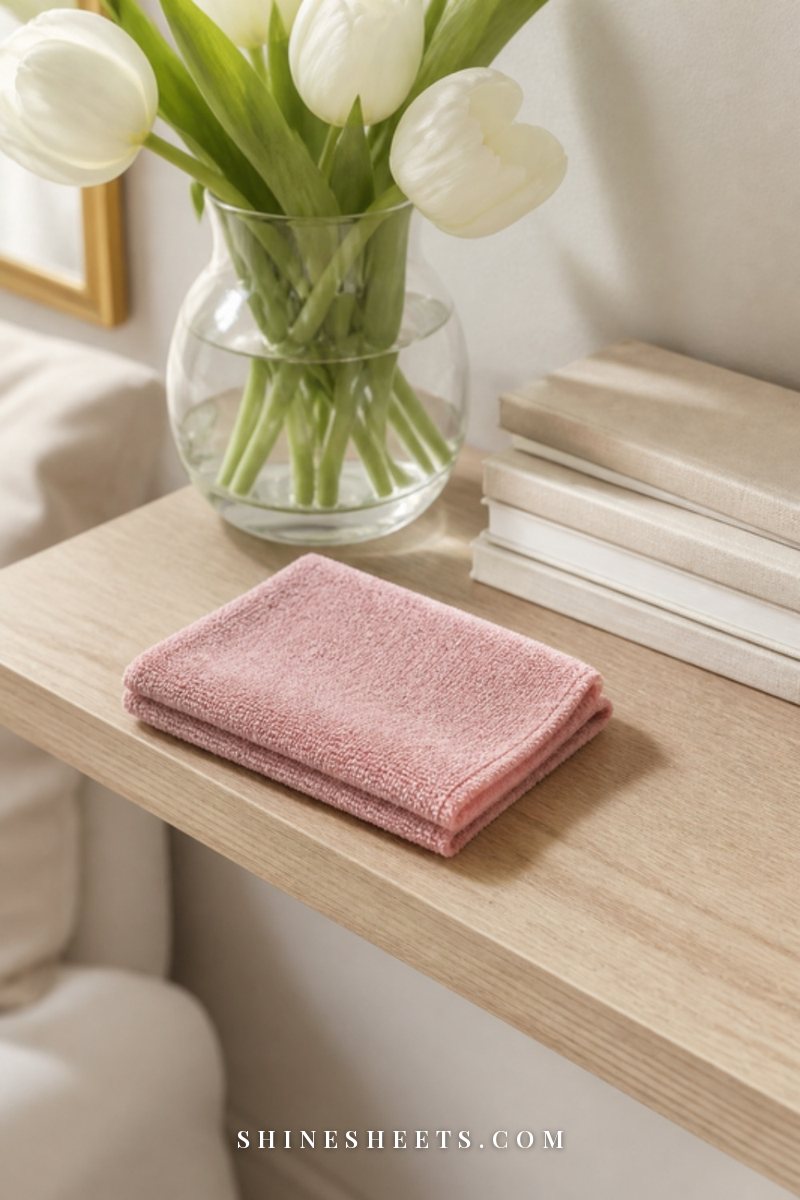
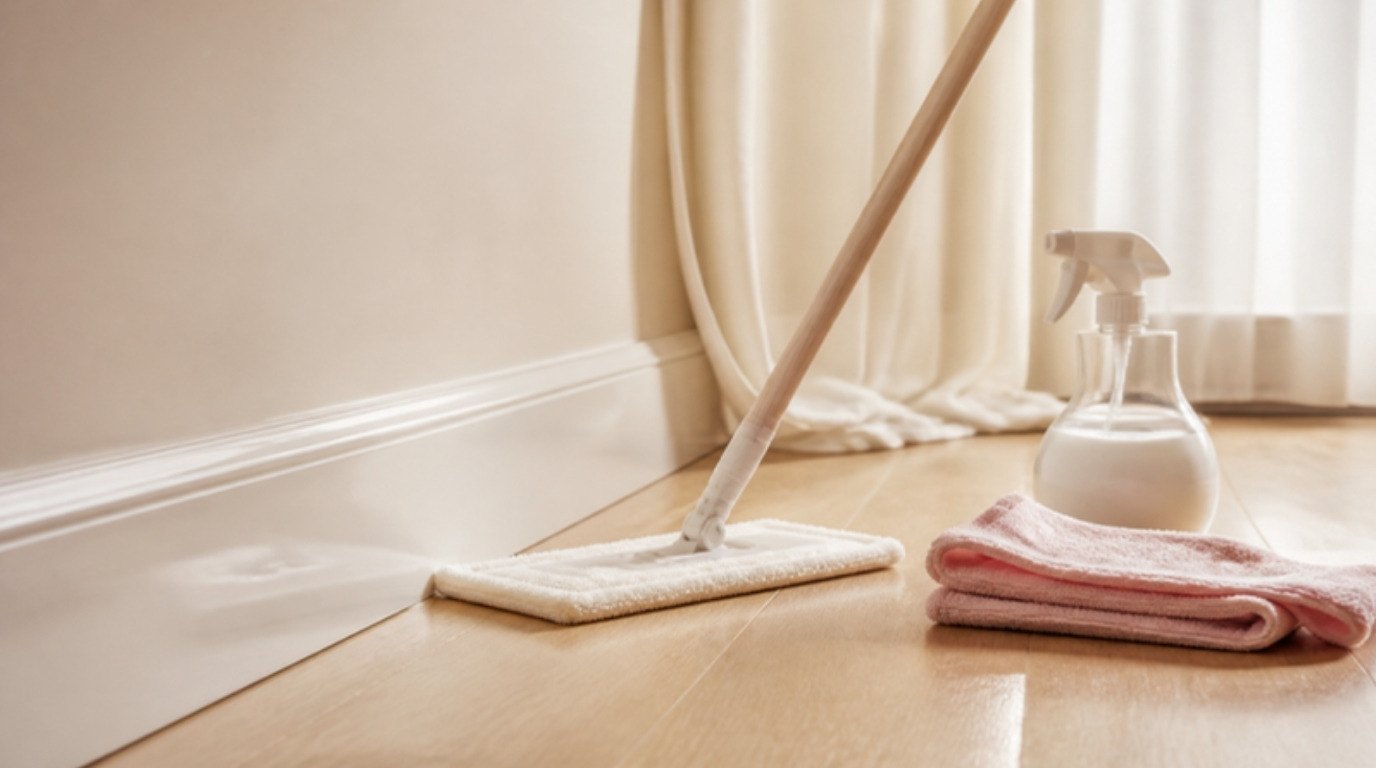
The single biggest upgrade is switching from dry dusting to slightly damp microfiber. Microfiber has tiny split fibers that grab and hold particles instead of pushing them around, and a hint of moisture helps it trap even more.
Here's the method I'd follow every time:
- Start high, finish low. Top of the door frames, shelves and picture frames first, then furniture, then baseboards, then floors. Gravity does the rest.
- Lightly dampen the cloth. Spray it with plain water (not the furniture) until it feels barely cool to the touch. Wet cloths leave streaks and can damage wood.
- Fold it into quarters. That gives you eight clean sides. Turn to a fresh side as soon as one looks gray.
- Wipe in one direction. Long, straight strokes collect dust; circles just spread it.
- Lift objects, don't dust around them. The ring of dust around a candle or vase is where most of it hides.
- Vacuum or mop last. Whatever falls during dusting gets picked up at the end.
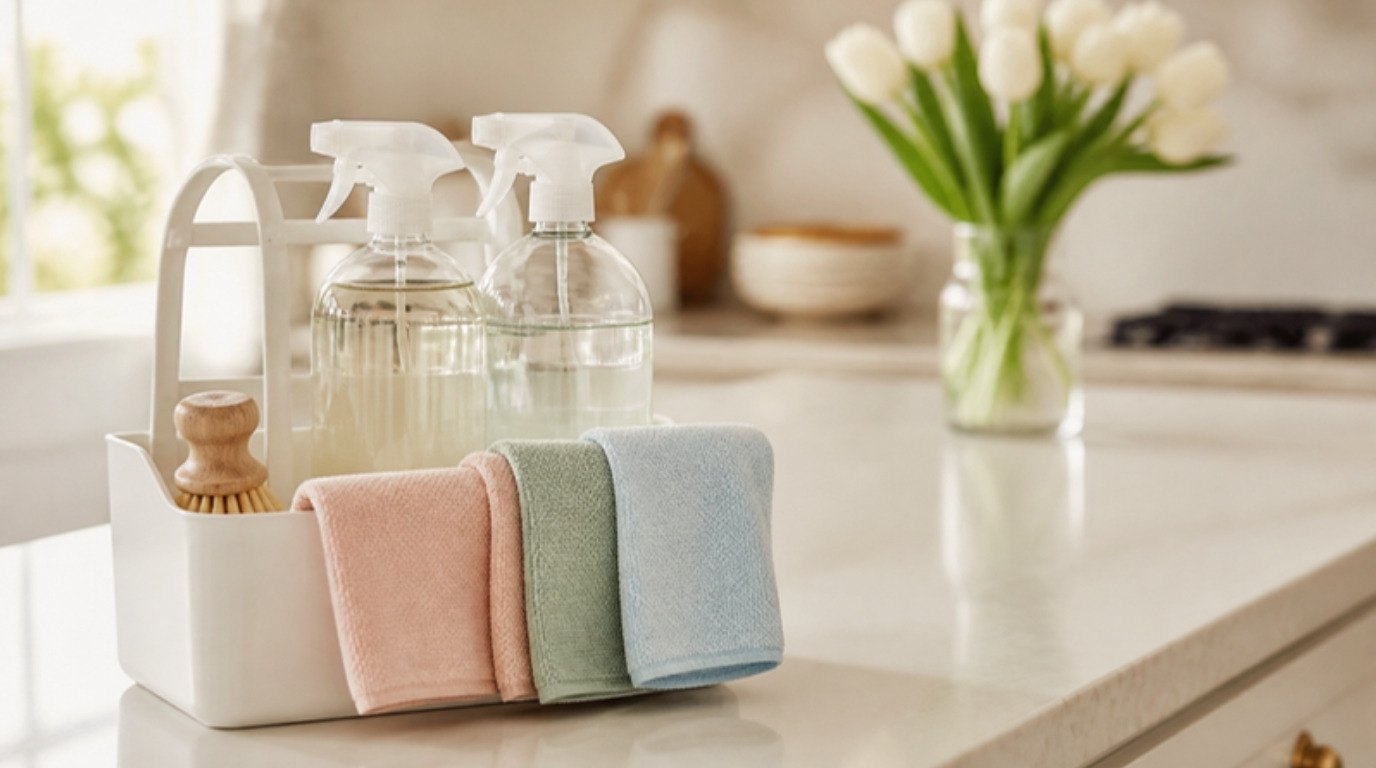
A set of soft microfiber dusting cloths in a few colors makes life easier: one color for bedrooms and living spaces, another for the kitchen, so you never wipe grease onto a bookshelf. For high and awkward spots (ceiling corners, the top of wardrobes, fan blades), an extendable microfiber duster saves you climbing on chairs. Look for one with a washable head and a bendable tip.
Wash microfiber in warm water without fabric softener, which coats the fibers and stops them grabbing dust. Air dry or tumble on low.
12 Habits That Reduce Dust at Home
These are the habits that matter most, roughly in order of impact. You don't need all twelve at once. Pick two or three that feel easy and add more as they become automatic.
1. Make Shoes-Off a House Rule
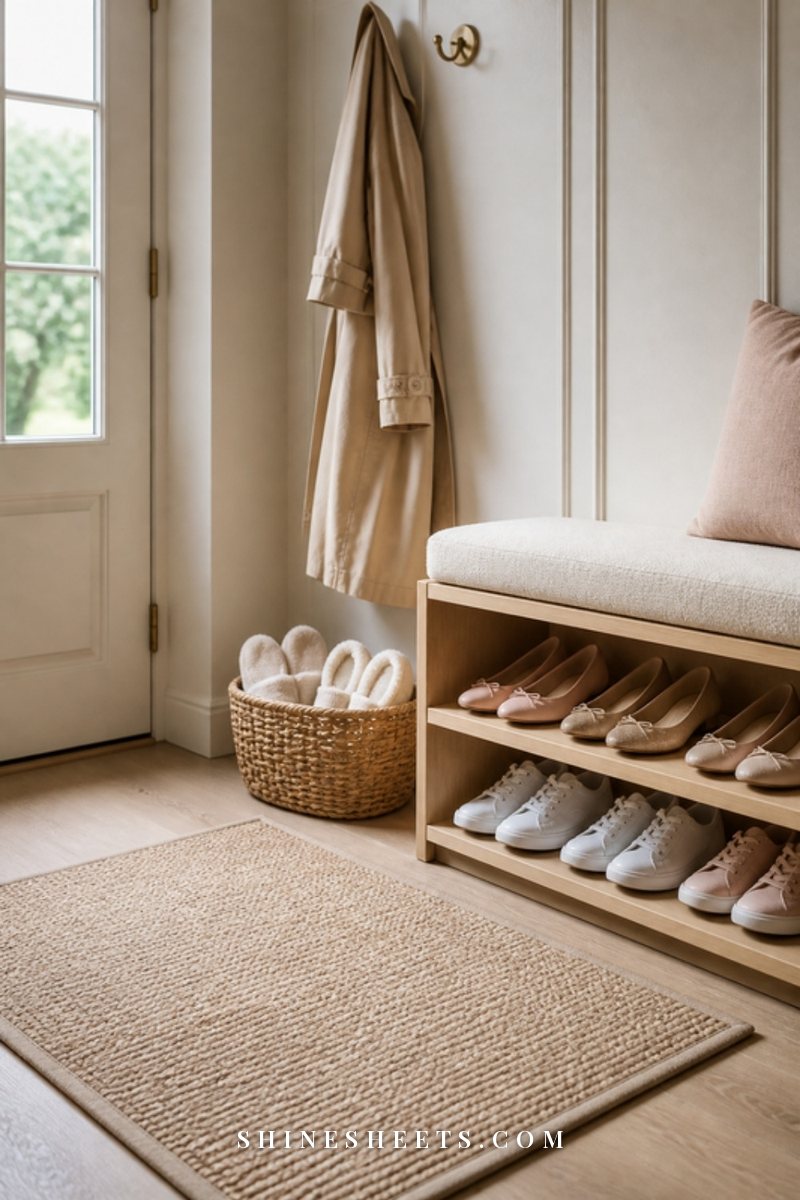
Shoes carry soil, pollen and street grime straight onto your floors, and from there it lifts into the air with every step. Leaving shoes at the door is one of the simplest ways to cut indoor dust.
Make it easy rather than strict: a small bench or rack right by the entrance, a basket of soft slippers for you and guests, and a spot for bags so they don't end up on the bed. If shoes-off feels awkward with visitors, a cheerful "we're a slippers house, grab a pair" sets the tone without any fuss.
2. Use Two Doormats
One mat outside to knock off the worst dirt, one inside to catch what's left. A washable low-profile doormat in a neutral tone is worth it for the inside, because you can throw it in the machine every couple of weeks instead of just shaking it out (which tends to send half the dust back in). Shake the outdoor mat weekly, away from the door.
3. Wash Your Bedding Every Week
Your bed is probably the dustiest place in your home, simply because you spend a third of your life shedding skin into it. Washing sheets and pillowcases weekly in warm water keeps that from building up. Duvet covers can go every one to two weeks, and pillows and duvets themselves a few times a year.
My guide on how to wash sheets properly covers temperatures and drying, and if your mattress hasn't had attention in a while, these steps for cleaning your mattress are a lovely seasonal reset. A mattress protector you can wash also helps a lot.
4. Clear Your Surfaces
Every object on a flat surface is a little dust shelf. Fewer objects mean quicker dusting, and quicker dusting means you'll actually do it.
Try the tray trick: group small items (perfume bottles, candles, a dish for rings) on one tray. Dusting becomes "lift the tray, wipe, put it back" instead of moving ten things one by one. Put books behind closed doors or keep shelves at about two-thirds full so you can wipe them easily.
5. Store Things in Closed Containers
Open storage looks pretty, but it collects dust. The space under the bed is a classic culprit: suitcases, spare blankets and shoeboxes slowly gather a gray layer you only notice when you move them.
Lidded under-bed storage bags with zippers keep spare bedding, out-of-season clothes and extra pillows clean, and they make vacuuming under the bed much quicker. The same idea works in closets: boxes with lids on top shelves, garment bags for coats you rarely wear.
6. Vacuum With a HEPA Filter
A vacuum without a good filter can blow the finest particles straight back out the exhaust. If you're choosing a new one, look for a sealed system with a HEPA filter. If you already have one, empty the canister outside or over the trash with the bag held close, and clean or replace the filter as the manual suggests.
How often: high-traffic floors and rugs twice a week if you can, bedrooms weekly. Use the upholstery tool on the sofa and the crevice tool along baseboards and under radiators while you're at it.
7. Run an Air Purifier in the Rooms You Use Most
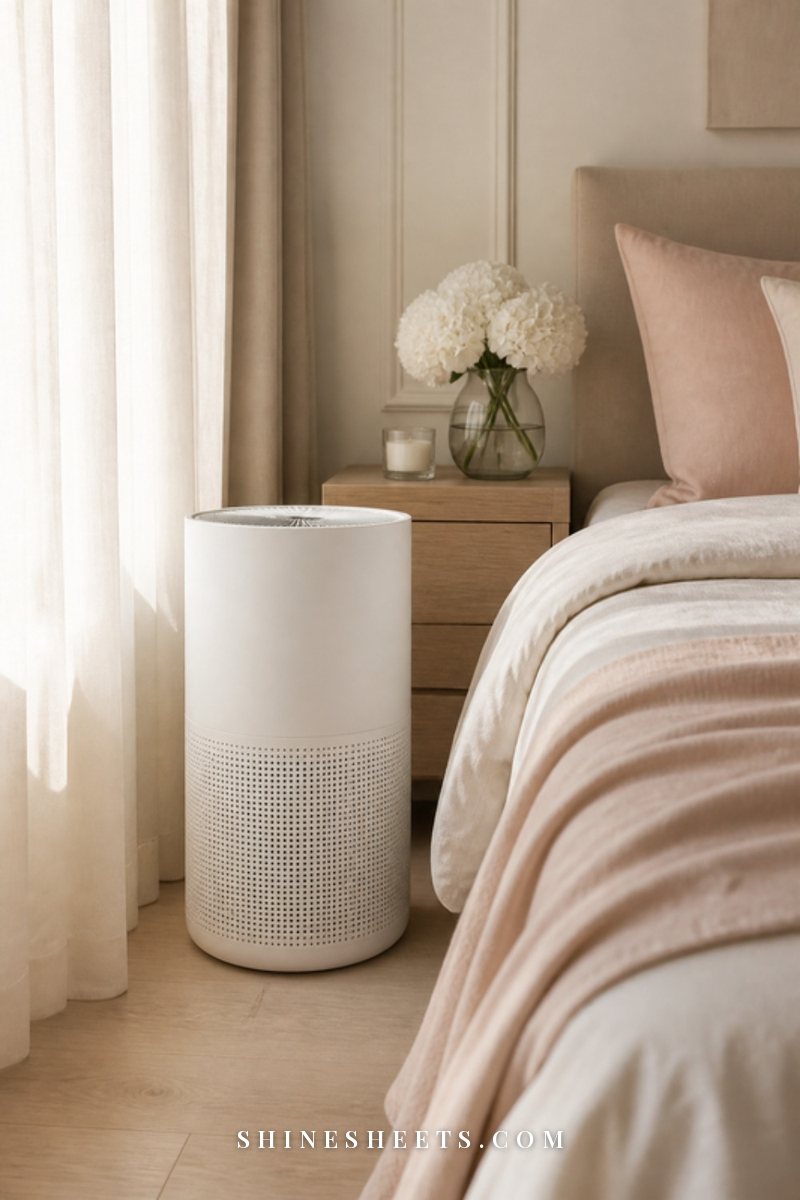
An air purifier won't replace cleaning, but it catches particles before they settle. A white HEPA air purifier in the bedroom is where most people notice the difference, since that's where you breathe the same air for eight hours.
Check that it's sized for your room (the box will list a room size or coverage area), place it a little away from walls and furniture so air can flow, and replace the filter on schedule. Running it on low while you sleep is usually quiet enough.
8. Change Your HVAC Filters
If you have central heating or air conditioning, the filter is your home's lungs. A clogged one stops catching dust and the system simply circulates it. Check yours monthly and replace it as recommended, usually every one to three months, more often with pets or during heavy heating season. Vacuum the vent covers every few weeks too, because they collect a fuzzy layer surprisingly fast.
9. Don't Forget Ceiling Fans, Blinds and Curtains

These are the places dust hides in plain sight.
- Ceiling fans: slide an old pillowcase over each blade and pull it back. The dust stays inside the case instead of raining down on the bed. Do this monthly.
- Blinds: close them flat and wipe with the damp microfiber in one direction, then flip and repeat. Every two weeks is plenty.
- Curtains: vacuum them with the brush attachment monthly and wash or steam them a few times a year (check the care label first).
10. Wipe Electronics Gently
Electronics attract dust through static. Turn them off, then wipe with a dry, clean microfiber cloth (never spray anything directly on them). For the backs of TVs and routers, where cables trap fluff, the extendable duster or the brush attachment on the vacuum works well. Once a week keeps the fuzzy buildup away.
11. Groom Pets and Wash Their Beds
Brushing your pet a few times a week (outside or in one easy-to-clean spot) means less fur on floors and sofas. Wash pet beds and blankets every one to two weeks. A refillable lint roller by the sofa catches fur on cushions and throw blankets in seconds between proper vacuums.
12. Keep Humidity Balanced
Very dry air lets dust float around longer and makes static worse. Very damp air encourages dust mites and mold. Somewhere in the middle feels best for most homes. In winter, when heating dries the air, a humidifier can help, and in damp months good ventilation does the opposite job. Open windows briefly on low-pollen days to refresh the air.
Room-by-Room Dust Hotspot Checklist
This is the part to screenshot. It lists the spots that collect the most dust in each room, how often they need attention and the tool that does the job best.
| Room | Hotspot | How often | Best tool |
|---|---|---|---|
| Bedroom | Sheets and pillowcases | Weekly | Washing machine, warm water |
| Bedroom | Under the bed | Every 2 weeks | Vacuum with crevice tool |
| Bedroom | Headboard and nightstands | Weekly | Damp microfiber cloth |
| Bedroom | Ceiling fan blades | Monthly | Old pillowcase |
| Living room | Sofa and cushions | Weekly | Vacuum upholstery tool |
| Living room | TV, speakers, router | Weekly | Dry microfiber cloth |
| Living room | Bookshelves and décor | Every 2 weeks | Damp microfiber cloth |
| Living room | Curtains | Monthly | Vacuum brush attachment |
| Kitchen | Top of cabinets and fridge | Monthly | Warm soapy cloth, then dry |
| Kitchen | Range hood filter | Monthly | Hot water and dish soap soak |
| Bathroom | Exhaust fan cover | Every 3 months | Vacuum brush, then damp cloth |
| Entryway | Doormats | Weekly shake, wash every 2 weeks | Washing machine or hose |
| Whole home | Baseboards and door frames | Every 2 weeks | Damp microfiber cloth |
| Whole home | Vents and HVAC filter | Check monthly | Vacuum brush, new filter |
| Whole home | Light fixtures and lampshades | Monthly | Extendable duster or lint roller |
If you'd like to fold these tasks into a bigger plan, my realistic cleaning schedule shows how to spread them across the week so nothing piles up.
A Simple Weekly Anti-Dust Routine
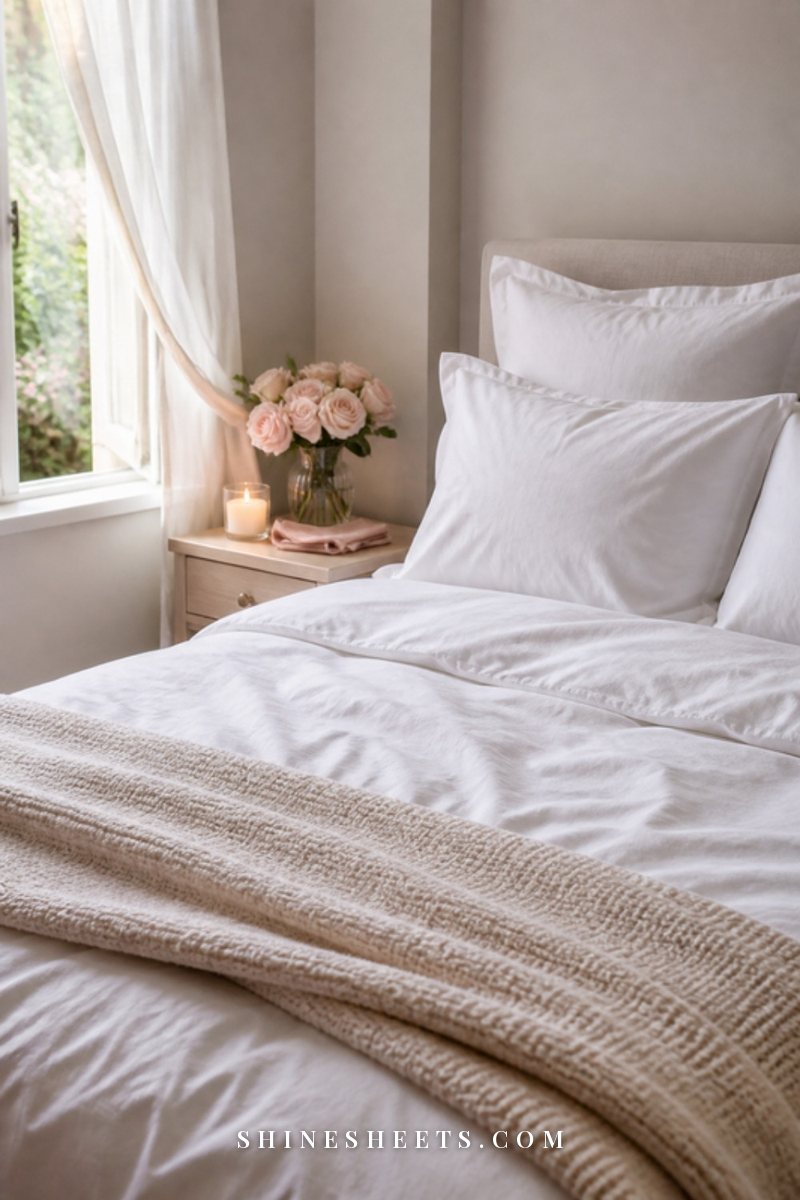
This routine takes about 15–20 minutes a day, or you can batch it into one longer session if that suits your week better. The point is rhythm: when dust gets caught every few days, it never builds into a big job.
- Monday: Shake the doormats, wipe the entryway bench and floor, put stray shoes away.
- Tuesday: Living room – damp-dust surfaces top to bottom, wipe electronics, vacuum the sofa and floor.
- Wednesday: Kitchen – wipe the tops of appliances and open shelves, vacuum or sweep and mop.
- Thursday: Bathroom – wipe shelves and the top of the mirror frame, mop the floor.
- Friday: Quick tidy of all flat surfaces so the weekend starts clutter-free.
- Saturday: Bedroom – strip and wash bedding, damp-dust nightstands and headboard, vacuum under the bed.
- Sunday: Rest. Or, if you feel like it, one monthly task from the hotspot table.
Pair it with whatever makes cleaning feel nicer for you. For me that's opening a window for ten minutes and lighting a glass candle once I'm done, which feels like a little reward for a fresher room. For more small shortcuts, these cleaning hacks are full of time-savers.
Common Dusting Mistakes To Avoid
- Using a feather duster. It's pretty, but it mostly relocates dust into the air.
- Spraying polish on everything. Many furniture sprays leave a film that attracts more dust. Water on microfiber is enough for most surfaces.
- Using a soaking wet cloth. It leaves streaks and can warp wood. Barely damp is the sweet spot.
- Shaking rugs and mats indoors. Take them outside, away from open windows.
- Forgetting the cloth itself. A dusty, unwashed cloth just spreads yesterday's dirt.
- Waiting for dust to be visible. By the time you see it, there's a lot of it. Little and often wins.
If you prefer gentle, low-scent cleaners for the kitchen and bathroom parts of the routine, my guide to natural cleaning has simple options that work alongside microfiber.
A Note for Allergy Sufferers
If dust makes you sneeze, gives you itchy eyes or leaves you congested every morning, these habits can make your home more comfortable, but they're not a treatment. Please talk to your doctor or an allergist, especially if symptoms are getting worse or affecting your sleep or breathing. They can help you figure out whether dust mites, pet dander or pollen is the main trigger and what kind of support makes sense for you.
A few extra steps people with dust sensitivities often find helpful: wear a simple mask while dusting, let someone else do the dustiest jobs if possible, choose zippered covers for pillows and mattresses, and keep the bedroom as the cleanest, simplest room in the house.
Final Thoughts
Dust will always find its way back a little, and that's simply part of a lived-in home. What changes is how much of it there is and how much energy it takes from you. A damp cloth, shoes by the door, fresh sheets every week and fewer things on your shelves will do more than any one big cleaning day.
Start with the habit that feels easiest, let it settle in, then add the next one. Before long your home will feel lighter, fresher and much easier to keep that way.