Coily and kinky hair doesn't need fixing. It needs moisture that stays put. Because of the way tight curls and coils twist and bend, the natural oils from your scalp have a long, winding road to travel down each strand, and water escapes faster than it does from straighter hair. That's why hair can feel soft on wash day and dry by day two.
Layering products in a set order is one of the kindest ways to slow that down. Instead of one product doing everything, you give your hair water first, then something to soften it, then something to help hold it in. The order you choose is the whole difference between the two famous methods.
This guide explains the LOC vs LCO method clearly: what the letters mean, each method step by step, how much product to use for your length, how to tell which one suits your hair (porosity is the main clue), how to test both over two wash days, the most common mistakes, and how to keep that moisture through refresh days and nights. Whatever your curl or coil pattern, there's a version of this that will work for you.
What L, O and C Stand For
Both methods use the same three layers. Only the order changes.
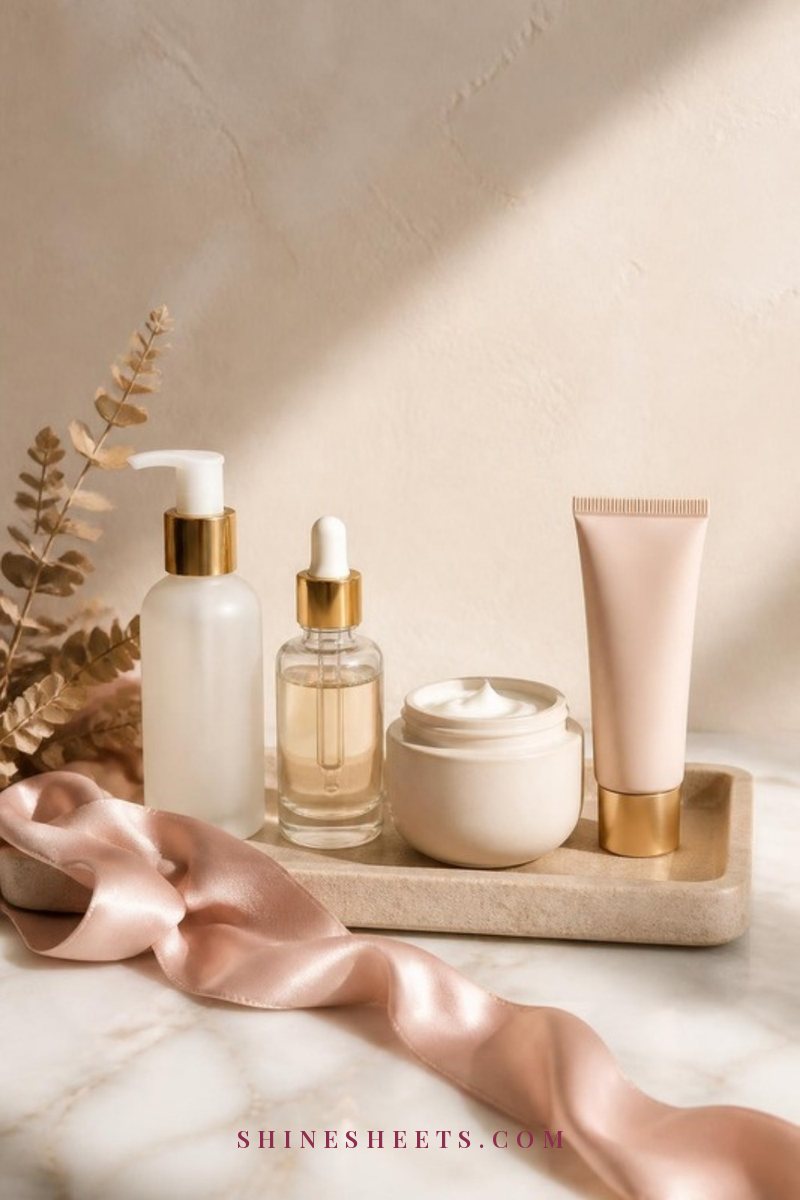
- L – Liquid or leave-in. Water or a water-based leave-in conditioner. This is the part that actually hydrates. Everything else is there to support it.
- O – Oil. A light or medium oil that coats the strand and slows down how quickly water evaporates. Common choices are jojoba, argan, grapeseed, olive or castor (castor is thick, so a little goes a long way).
- C – Cream. A curl cream, moisturizing cream or butter-based styler that softens, adds a bit of weight and helps clump curls and coils together.
That means LOC is liquid, then oil, then cream. LCO is liquid, then cream, then oil. Neither is "correct." They're two ways of stacking the same tools, and different hair responds better to different orders.
Why Layering Helps Coily Hair Hold Moisture
Think of it like caring for very dry skin. You wouldn't just splash water on your face and walk away, because it would feel tight again in minutes. You'd follow with something richer to keep that water in.
Hair works in a similar way. Water is the only true moisturizer, but it doesn't last on its own. Oils and creams don't add moisture by themselves; they slow its escape and make the hair feel softer and more flexible. Layering gives you both:
- The liquid hydrates the strand.
- The oil or cream softens it and forms a light coating.
- The last layer helps hold everything in place for longer.
When the layers suit your hair, you'll notice coils that feel soft for several days, less breakage when you detangle and less of that crunchy, thirsty feeling midweek. When they don't suit you, you'll notice too: greasiness, buildup or hair that still feels dry under all that product. That's not failure. It's information.
The LOC Method, Step by Step
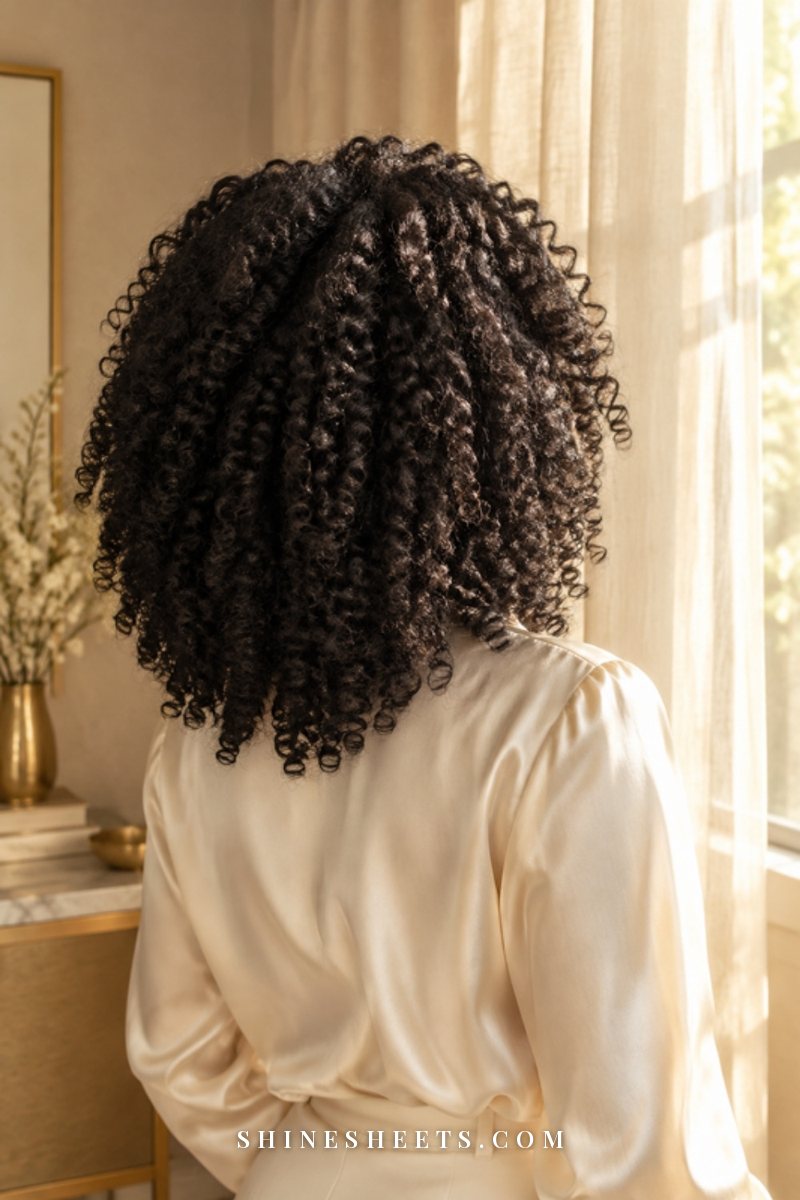
Start on freshly washed, conditioned hair that's still wet. Working in four to eight sections makes it much easier to cover every strand, especially with dense hair.
- Liquid. Mist each section until it's damp all the way through, not dripping. Then smooth in a water-based leave-in. A water-based leave-in conditioner with water or aloe near the top of the ingredient list is a good pick for this step.
- Oil. Warm a few drops of oil between your palms and glide it over the section, from mid-lengths to ends, using a praying-hands motion. Don't rub vigorously; you're coating, not scrubbing.
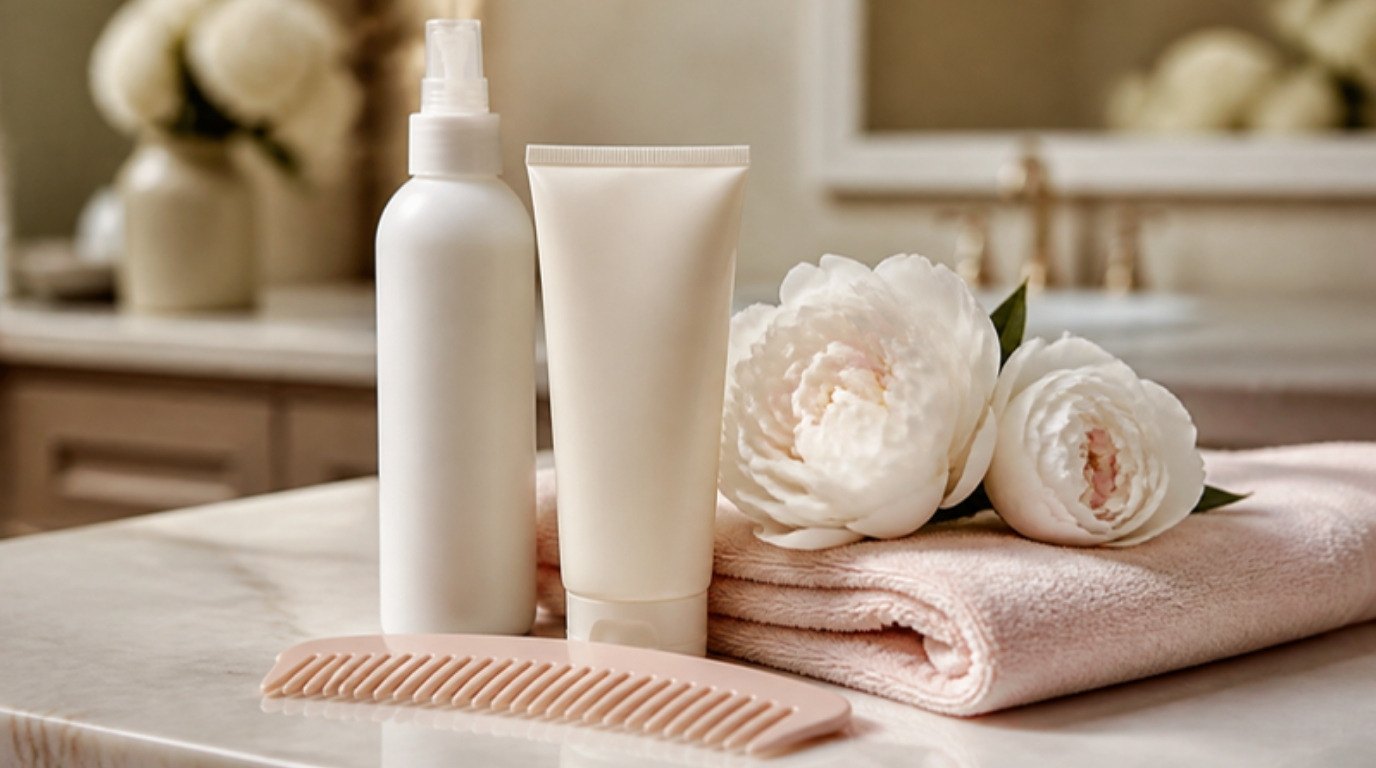
- Cream. Rub the cream between your palms, then smooth and rake it through the section. A rich curl cream in a cream jar works well here if your hair is thirsty and coarse. Pay extra attention to the ends, which are the oldest and driest part of your hair.
- Repeat section by section, then let your hair air-dry or dry it gently with low heat.
LOC tends to feel rich and well-sealed. Because the cream goes last, it's the outer layer, which many people with thirsty, quick-to-dry hair find keeps them soft for longer.
The LCO Method, Step by Step
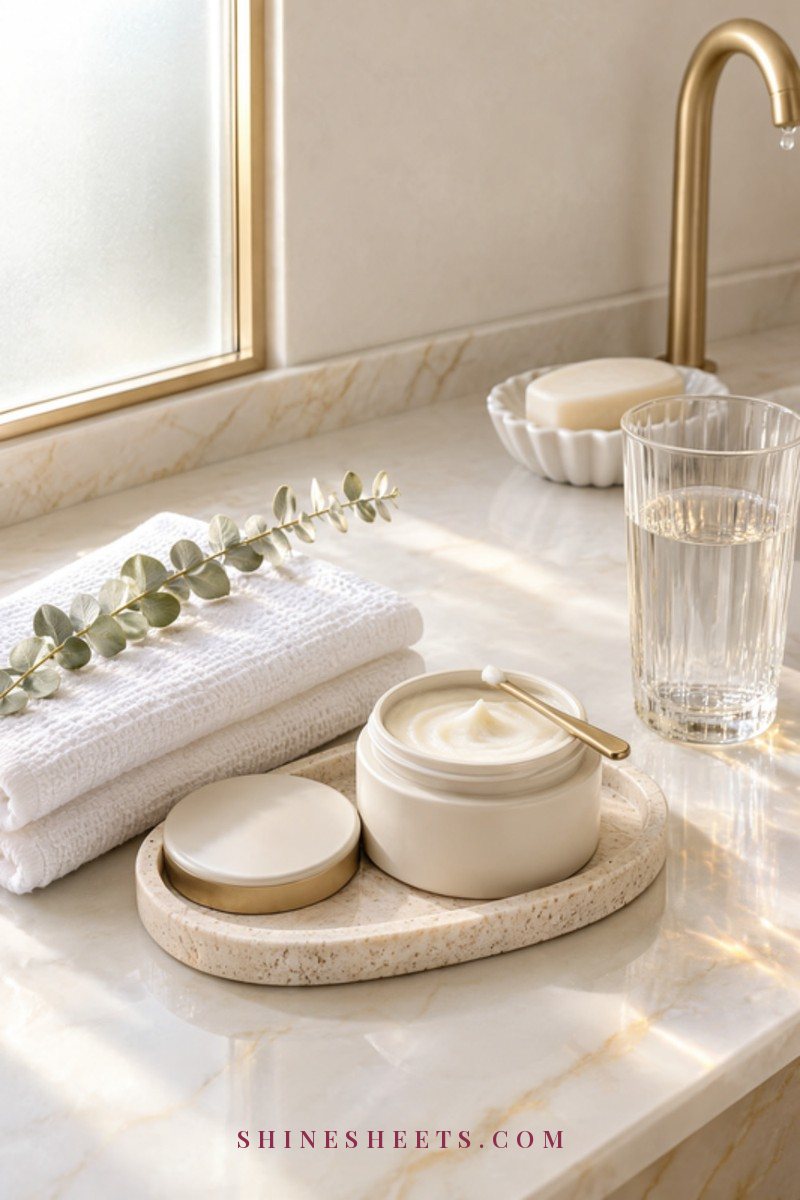
Same starting point: clean, conditioned, wet hair, worked in sections.
- Liquid. Dampen each section and smooth in your leave-in, exactly as in LOC.
- Cream. Apply the cream next, while the hair is still wet. It goes on easily and melts into the leave-in, which helps it spread evenly without clumping on the surface.
- Oil. Finish with a small amount of light oil, smoothed over the outside of the section with flat palms. This last layer adds shine and softness and helps reduce frizz.
- Repeat through every section, then dry as usual.
LCO often feels lighter. The cream gets direct access to damp hair, and the oil is just a thin finish, so there's less risk of a heavy, coated feel. A lightweight hair oil in a glass dropper bottle is ideal here, because a dropper makes it easy to use only a few drops at a time.
How Much Product To Use by Hair Length
Amounts depend on density and porosity too, so treat these as starting points per whole head and adjust after one or two tries. If your hair is very dense, you may need about one and a half times as much.
- Short (up to chin length): leave-in 1–2 pumps or a dime-sized amount per section; oil 3–5 drops in total; cream about a nickel-sized amount per section.
- Medium (chin to shoulder length): leave-in a quarter-sized amount per section; oil 6–10 drops in total; cream a quarter-sized amount per section.
- Long (past the shoulders): leave-in a generous quarter-sized amount per section; oil 10–15 drops in total; cream a quarter-sized amount or a little more per section.
A simple rule of thumb: you can always add more, but taking it away means washing again. When in doubt, use less oil than you think. It's the layer most people overdo.
LOC vs LCO: Which One Suits Your Hair?

There's no curl chart that decides this for you. Two people with the same pattern can need completely different routines. These three clues help far more.
Porosity Comes First
Porosity is how easily your hair takes in and holds moisture, and it's the most useful guide here.
- High porosity hair drinks water quickly and loses it just as fast. It often does well with LOC, because oil under a cream gives an extra layer that slows water loss. Richer creams are usually welcome.
- Low porosity hair resists water at first, and products tend to sit on top. It often prefers LCO, with the cream going onto damp hair where it can absorb, and only a very light oil on top. Heavy oils and butters can feel greasy and build up quickly.
- Medium porosity hair is usually flexible and may do well with either. Let the test below decide.
If you're not sure where you land, my guide to finding your hair porosity walks you through simple ways to tell, and what each type tends to love.
Density and Strand Thickness
Dense hair (lots of strands) usually needs more product and more sections. Fine strands, even when there are many of them, can get weighed down easily, so they often prefer lighter creams and very little oil. Coarse strands can usually handle richer layers. It's completely possible to have fine, dense, high-porosity coils, which is why the test matters more than any label.
Climate
Where you live changes how products behave. In dry air, a richer last layer helps keep moisture in, so LOC with a cream on top often feels better. In very humid air, heavy layers can feel sticky and puff up, and a lighter LCO with just a touch of oil may feel more comfortable. Many people switch between the two as the weather changes, and that's perfectly fine.
What To Look For in Each Layer
The order matters, but so does what's in the bottle. You don't need expensive products, just ones that do their job for your hair.
- Leave-in: water (aqua) as the first ingredient, plus humectants like glycerin or aloe and a little conditioning agent for slip. If your hair is low porosity, a thinner, milky leave-in usually absorbs better than a thick one.
- Oil: lighter oils such as grapeseed, jojoba or argan for fine or low-porosity hair; olive, avocado or a little castor for coarse, high-porosity hair. Pure oil or a short blend is plenty, and fragrance isn't needed.
- Cream: a lotion-like cream for fine coils, a thicker butter-based cream for coarse or very dry coils. If a cream sits on your hair as a white film after ten minutes, it's probably too heavy for you.
One honest tip: change only one product at a time. If you swap all three at once and your hair loves (or hates) it, you'll have no idea which one made the difference. Patience here saves money and a lot of wash-day frustration.
LOC vs LCO Side by Side
Here's the whole comparison in one table. Screenshot it and keep it next to your wash-day products.
| Step | LOC product | LCO product | Best for |
|---|---|---|---|
| 1. Liquid | Water plus a water-based leave-in, on wet hair | Water plus a water-based leave-in, on wet hair | Every porosity and pattern (this step never changes) |
| 2. Second layer | Oil, smoothed over mid-lengths and ends | Cream, smoothed and raked through while still wet | LOC: high porosity, thirsty, coarse hair. LCO: low porosity, fine strands |
| 3. Final layer | Cream, with extra on the ends | A few drops of light oil, smoothed over the surface | LOC: dry climates, very dry ends. LCO: humid climates, hair prone to buildup |
| Overall feel | Rich and well-sealed | Lighter, shinier finish | LOC: hair that dries out by day two. LCO: hair that gets greasy or coated easily |
| Watch out for | Too much oil under the cream | Skipping the oil completely in dry weather | Both: start small and adjust after one wash day |
How To Test Both Methods on Two Wash Days
The easiest way to stop guessing is a fair little experiment. Here's how to run it:
- Keep everything else the same. Same shampoo, same conditioner, same products, same drying method. Only the order changes.
- Wash day one: LOC. Follow the steps above with the amounts for your length.
- Wash day two: LCO. Use the exact same products and amounts in the LCO order.
- Write down what you notice on day one, day three and the day before your next wash. A few words in your notes app or a small notebook is plenty.
Here's what to judge each time:
- Softness on day three. This is the big one. Which order still feels soft and bendy, not dry or crunchy, midweek?
- Frizz. Which one keeps your curls and coils clumped and calm for longer?
- Buildup. Do you see white residue, a waxy film or flakes along your parts?
- Greasy feel. Does your hair or scalp feel heavy or look limp?
- Detangling. Which wash day is easier to detangle on, with fewer broken strands?
If one method clearly wins, keep it. If they feel similar, choose the one that's quicker for you. And if neither works well, it might be the products themselves rather than the order. My simple curly hair wash day routine is a good place to check the basics before the layering.
Common Mistakes To Avoid
These five come up again and again, and every one of them is easy to fix:
- Using too much oil. Oil should be a thin layer, not a coat. Too much leaves hair greasy and can actually block water from getting in on your next refresh. Start with a few drops.
- Layering on dry hair. Oils and creams don't hydrate. If you apply them to dry hair, you're sealing in dryness. Always start with damp or wet hair, even on refresh days.
- Heavy butters on fine coils. Rich shea or mango butter creams can flatten fine strands and build up fast. Fine hair usually prefers lighter lotions or creams.
- Skipping the leave-in. Water alone evaporates quickly. A leave-in gives the first layer something to hold on to. My guide to getting the most from a leave-in conditioner covers how much and where to apply it.
- Ignoring what your hair is telling you. If hair feels mushy, limp or overly stretchy, it may be getting too much moisture and not enough strength. If it feels stiff and brittle, the opposite. My guide to telling protein needs from moisture needs helps you read those signs.
A gentle clarifying wash every few weeks helps too, especially if you use a lot of creams. It clears away the layers that build up so your routine can work properly again.
Refresh Days Between Washes
You don't need to redo the whole routine every morning. A light refresh is usually enough to bring back softness:
- Mist first. Lightly dampen your hair with water or a mix of water and a little leave-in. A continuous mist spray bottle in white gives a soft, even cloud instead of soaking one patch.
- Add a small amount of cream to the driest areas, usually the ends and the crown.
- Finish with one or two drops of oil smoothed between your palms, only if you need it.
Most people do well refreshing every two or three days. If your ends feel especially dry midweek, a little pre-wash oil treatment can help, and my step-by-step guide to hair oiling for every hair type explains how to do it without overloading your hair.
Nighttime Protection

All that careful layering can disappear overnight if cotton pillowcases soak up your moisture and rub against your hair. A little nighttime care keeps your work in place:
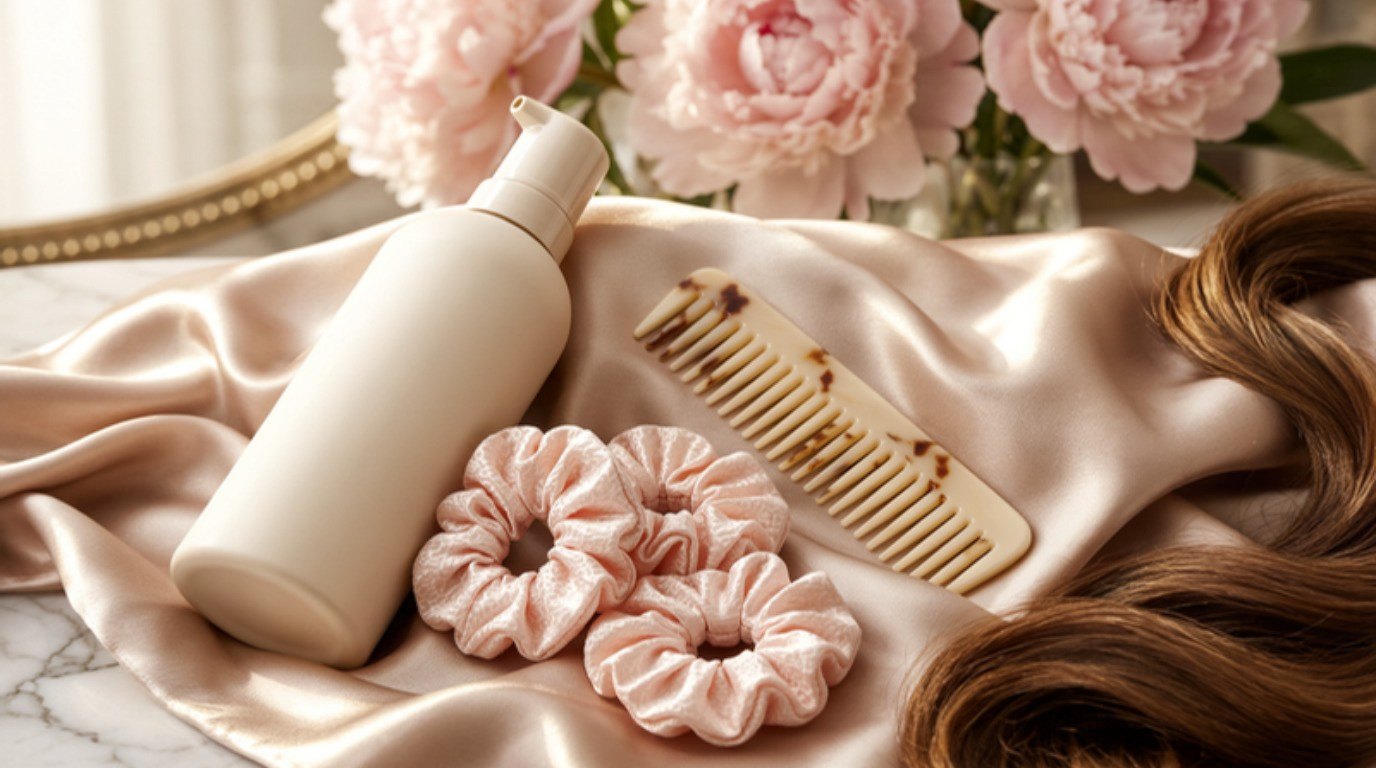
- Cover your hair with a blush satin bonnet or a satin scarf. Satin is smooth, so it creates less friction and doesn't pull moisture from your strands the way cotton can.
- Add a satin pillowcase as a backup if your bonnet tends to slip off while you sleep.
- Keep things loose. Gather your hair gently on top of your head before covering it, so you're not sleeping on the ends.
In the morning, take a moment to let your hair settle, then fluff gently at the roots with your fingertips. A quick mist and a touch of cream on the ends is often all you need.
Final Thoughts
Whether your coils are tight and springy, soft and cottony, or somewhere in between, your hair is beautiful exactly as it grows. LOC and LCO aren't about changing your pattern. They're simply about helping your hair feel as soft and comfortable as it deserves.
Try both, listen to what your hair tells you on day three, and keep the order that feels best. Your routine is allowed to change as your hair, the weather and your life change, and every small adjustment is part of knowing your hair a little better.