When hair feels "off," most of us reach for a richer conditioner. Sometimes that's exactly right. Other times it makes things worse, because the hair didn't need more softness at all. It needed strength. Healthy hair depends on a balance of two things, protein and moisture, and once you learn to tell which one is missing, your hair routine gets a lot simpler.
The tricky part is that both imbalances can look like "damaged hair" at first glance. Dry, frizzy, limp, tangly, breaking. The difference shows up in how the hair feels and how it stretches, and that's something you can check at home in about a minute.
This guide is all about protein vs moisture for your hair: the signs your hair needs each one, what protein overload and moisture overload look like, two simple tests, how hair porosity connects to it all, how to read product labels, how often to use each type of mask, and routines for damaged, color-treated, curly and fine hair.
Think of it as learning your hair's language. Once you understand it, you'll stop guessing.
Why Hair Needs Both Protein and Moisture
Each hair strand is made mostly of a protein called keratin. That protein gives hair its strength and structure. Moisture (water, held in place by conditioning ingredients) gives hair its softness, flexibility and stretch.
A simple way to picture it: protein is the frame, moisture is what keeps the frame flexible. Too little protein and the hair is weak and mushy, it stretches and snaps. Too little moisture and the hair is stiff and brittle, it doesn't stretch at all before it snaps. Healthy hair has enough of both, so it bends without breaking.
Heat styling, bleach, color, sun, hard brushing and even everyday washing slowly wear down both. That's why your hair's needs can shift over time, and why a routine that worked beautifully last year might suddenly feel wrong.
Signs Your Hair Needs Moisture
Moisture-thirsty hair is the most common situation, especially in cold, dry months. Your hair probably needs moisture if:
- It feels dry, rough or straw-like, even right after washing.
- It looks dull and doesn't reflect light.
- Frizz shows up the moment you step outside.
- The ends tangle easily and feel crunchy.
- It snaps quickly when you gently stretch it, with almost no give.
- Curls or waves look undefined and frizzy instead of bouncy.
Signs Your Hair Needs Protein
Hair that's low on protein often feels soft, but in a weak, floppy way. Your hair may need protein if:
- It feels mushy, gummy or overly stretchy when wet.
- It stretches a lot before breaking, almost like elastic.
- It won't hold a style or curl pattern, and falls flat within hours.
- It has been bleached, lightened or heavily heat-styled.
- It feels limp and lifeless even though it's well conditioned.
- It sheds more short broken pieces than usual.
If breakage is your main concern, my guide to hair breakage covers the other causes too, from tight elastics to rough towel-drying.
Signs of Protein Overload
Yes, you can have too much of a good thing. Protein overload happens when hair gets more protein than it needs, often from using protein treatments too often or stacking several protein-rich products. Signs include:
- Hair feels stiff, hard or crunchy, almost like straw.
- It snaps easily with very little stretch.
- It feels dry even though you're using conditioner.
- Curls feel rough and look frizzy rather than soft.
- It started right after you began a new strengthening product or treatment.
The confusing part: protein overload feels a lot like dryness. The clue is timing. If your hair got worse after adding protein, that's your answer.
Signs of Moisture Overload
Moisture overload (sometimes called hygral fatigue when it's more serious) happens when hair absorbs too much water and conditioning for too long without enough structure to support it. Signs include:
- Hair feels overly soft, limp and almost slimy when wet.
- It takes ages to dry.
- It looks flat, greasy-ish and weighed down, even when clean.
- Curls lose their shape and hang loose.
- It stretches a lot when wet and doesn't bounce back.
The Protein vs Moisture Symptom Table
This is the table to come back to whenever your hair is acting strange. Screenshot it and check it on wash day.
| How your hair feels | What it likely needs | What to use |
|---|---|---|
| Dry, rough, dull, snaps with no stretch | Moisture | Deep moisture mask, leave-in conditioner, a light oil on the ends |
| Mushy, gummy, stretches a lot, then breaks | Protein | Protein mask or bond repair treatment, then a light conditioner |
| Stiff, crunchy, straw-like after protein products | Less protein, more moisture | Pause protein, use moisture masks for 2–3 washes |
| Limp, slimy, flat, takes forever to dry | Less moisture, a little protein | A gentle clarifying wash, then one light protein treatment |
| Won't hold a curl or style, falls flat | Protein (often), plus lighter products | Protein-containing leave-in or mask, lighter stylers |
| Frizzy and tangly at the ends only | Moisture at the ends | Leave-in conditioner and a few drops of oil on the lengths |
| Soft, bouncy, shiny, stretches a little and returns | Balance | Keep doing what you're doing |
2 Simple At-Home Tests
These take about a minute and give you a much clearer answer than guessing from the mirror.
1. The Stretch Test
Take a single strand that has fallen out naturally (from your brush or the shower), and wet it. Hold it gently at both ends and pull slowly:
- Stretches a little, then returns to its length: balanced hair.
- Stretches a lot, doesn't bounce back or feels gummy, then breaks: needs protein.
- Barely stretches and snaps right away: needs moisture (or has too much protein).
Try it with two or three strands from different areas, since the ends are usually more damaged than the hair near the roots.
2. The Feel Test
Run your fingers down a section of clean, dry hair from mid-length to ends. Then do the same while it's wet with conditioner. Ask yourself:
- Does it feel rough or brittle when dry? Lean toward moisture.
- Does it feel mushy or overly soft when wet? Lean toward protein.
- Does it feel stiff even with conditioner in? Possibly protein overload.
Together, the two tests usually point clearly in one direction.
How Hair Porosity Fits In
Porosity describes how easily your hair absorbs and holds water, and it explains a lot about protein and moisture needs. If you'd like the full explanation, my guide on hair porosity walks you through it step by step, but here's the short version:
- Low porosity hair has tightly closed cuticles. Products tend to sit on top, so it's more prone to buildup and protein overload. Lighter moisture and occasional, gentle protein usually work best.
- Medium porosity hair absorbs and holds moisture well. It usually needs a balanced routine with protein only now and then.
- High porosity hair has raised or damaged cuticles. It absorbs water fast and loses it fast. It often needs both more protein (to fill gaps) and richer moisture sealed in with a light oil or cream.
Bleached, colored and heat-damaged hair often becomes high porosity over time, which is why it tends to love protein more than untreated hair does.
How To Read Hair Product Labels
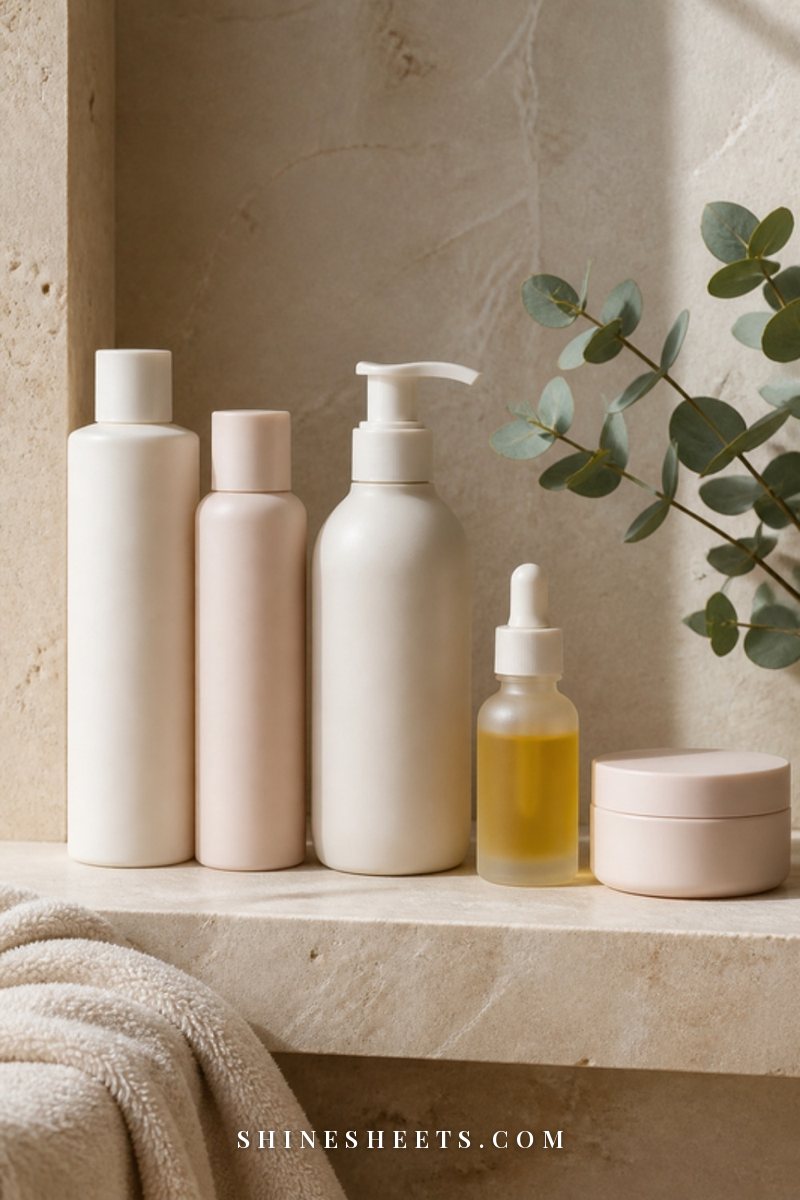
You don't need to memorize chemistry. A few key words on the ingredient list tell you whether a product leans protein, moisture or both. Ingredients listed near the top are present in larger amounts.
Protein Ingredients
Look for words like hydrolyzed keratin, hydrolyzed wheat protein, hydrolyzed silk, hydrolyzed rice protein, hydrolyzed collagen, soy protein and amino acids. "Hydrolyzed" means the protein has been broken into smaller pieces that can attach to the hair. Products with these high on the list are protein-focused.
Moisture Ingredients
Humectants pull water into the hair: glycerin, aloe vera, panthenol, honey, sodium PCA and hyaluronic acid. Conditioning agents like cetyl or cetearyl alcohol (these are gentle fatty alcohols, not drying ones) and behentrimonium ingredients help hair feel soft and smooth.
Oils and Butters
Argan, jojoba, coconut, sweet almond and avocado oils, shea and mango butter help seal moisture in and reduce friction. They don't add water themselves, which is why they work best on top of moisture, not instead of it.
A product can contain both protein and moisture ingredients, and many good everyday conditioners do. A dedicated "protein treatment" or "bond repair" product will usually have protein or bonding ingredients right near the top.
How To Balance Protein and Moisture
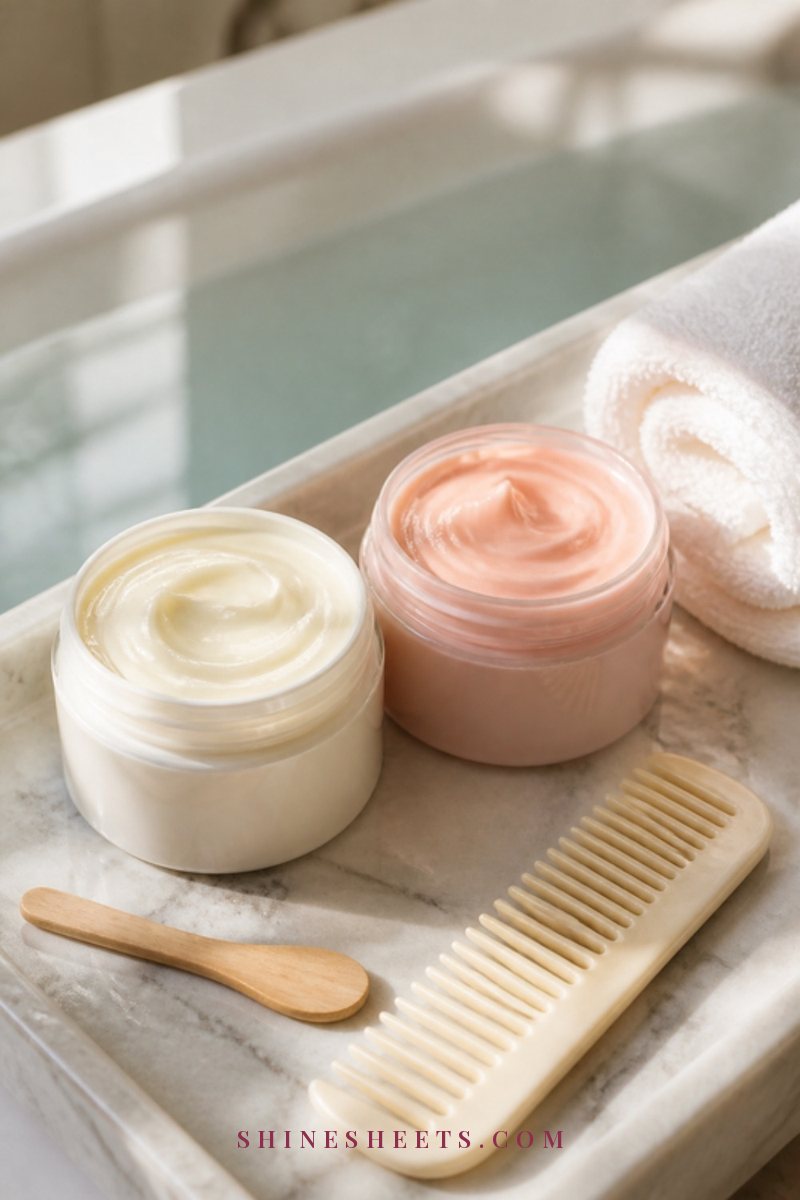
Most hair does well on a simple rhythm: moisture every week, protein occasionally. Here's a gentle starting point you can adjust:
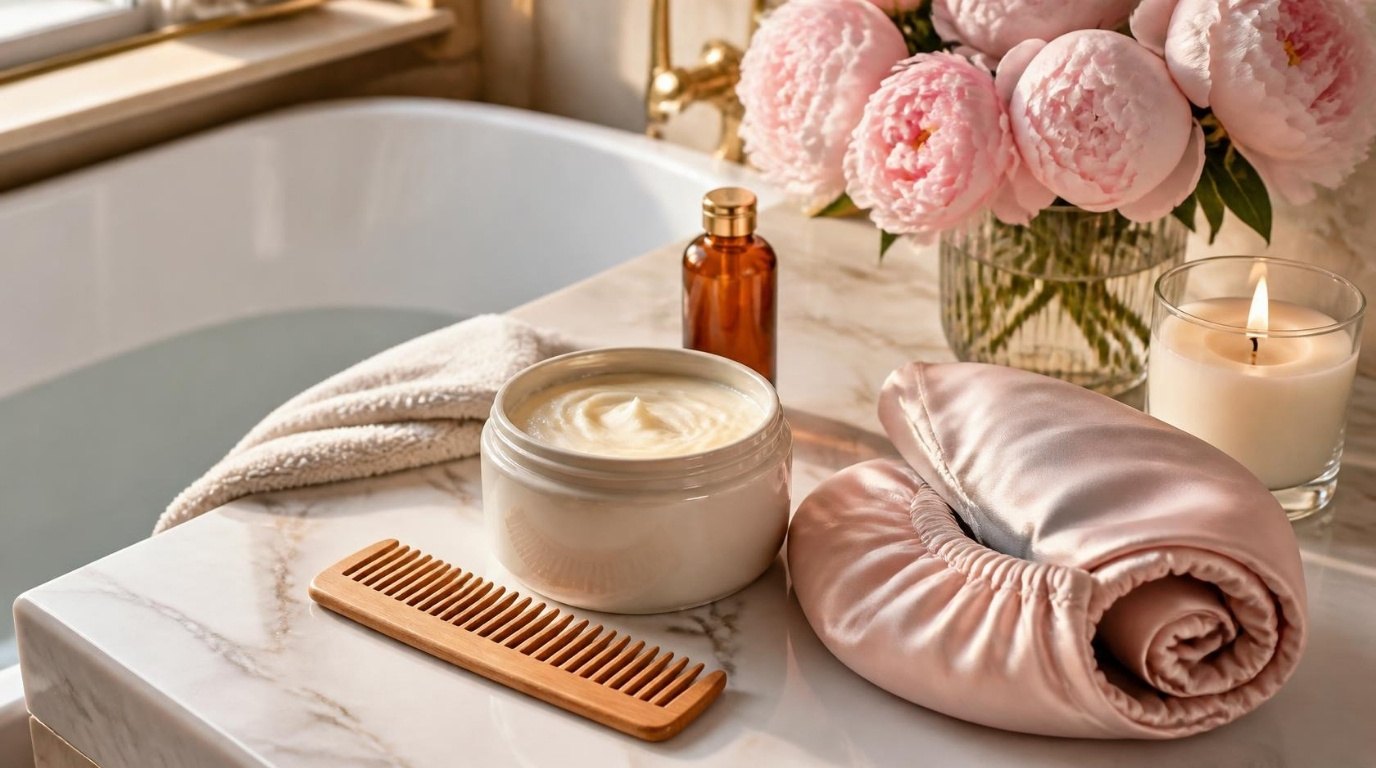
- Moisture mask: once a week, or every wash if your hair is very dry or curly. A deep moisture hair mask left on for 10 to 20 minutes (under a warm towel if you like) is a pick for dry, frizzy lengths.
- Protein mask: every 2 to 6 weeks for most hair, more often for bleached or very damaged hair. A protein hair mask with hydrolyzed keratin or wheat protein is ideal when your hair feels mushy or won't hold a style. Follow it with a light conditioner, because protein can leave hair feeling slightly stiff on its own.
- Leave-in: after most washes. A leave-in conditioner spray keeps lengths soft between masks. My guide to leave-in conditioner explains how much to use for your hair type.
Make one change at a time and give it two or three washes before deciding whether it worked. If you'd love more mask options, my roundup of hair masks breaks them down by hair concern.
Protein and Moisture Routines by Hair Type
Your hair type and history shape how often you need each one. Use these as starting points, then listen to your hair.
Damaged or Bleached Hair
Bleach and frequent heat break down the internal bonds that give hair its strength, so this hair usually needs more protein and more moisture. A bond repair treatment once a week (or as directed) helps rebuild strength from the inside, followed by a moisture mask or a rich conditioner. Keep heat low, use a heat protectant every time and detangle carefully with a wide tooth comb while conditioner is in.
Simple rhythm: bond repair or protein weekly, moisture every wash, leave-in always.
Color-Treated Hair
Color opens the cuticle slightly, so color-treated hair tends to lose moisture faster and becomes more porous over time. A moisture mask weekly, a protein mask every two to three weeks and gentle, color-safe cleansers keep it soft and shiny. Rinse with lukewarm rather than hot water to help the cuticle lie flat.
Simple rhythm: moisture weekly, protein every 2–3 weeks, leave-in after every wash.
Curly and Wavy Hair
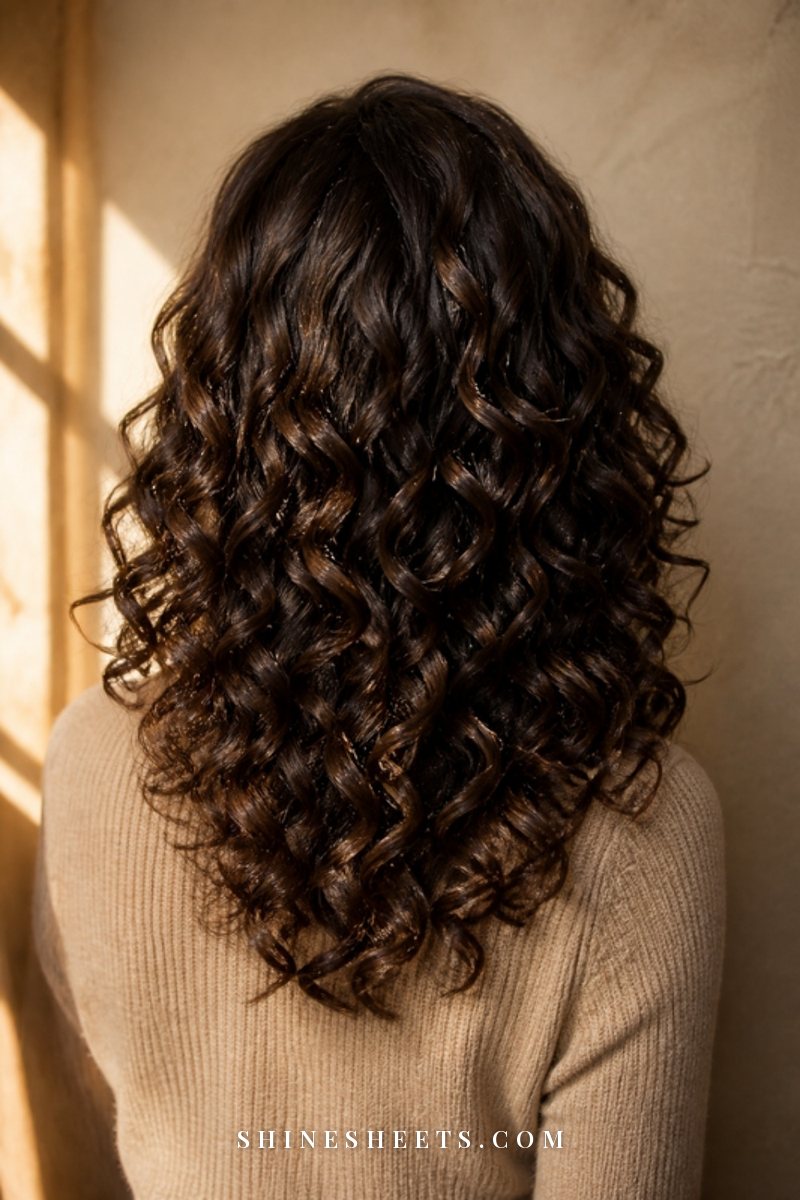
Curls are naturally drier because the scalp's oils have a harder time traveling down a curved strand. Most curls love regular moisture, but too much can make them limp and stretched out. If your curls are frizzy and undefined, add moisture. If they're soft but won't hold their shape, a light protein treatment often brings the bounce back. My full curly hair routine shows how to layer leave-ins and stylers.
Simple rhythm: moisture every wash, protein every 3–4 weeks or when curls lose definition.
Fine Hair
Fine hair is easily weighed down, so rich moisture masks can leave it flat and greasy-looking. It often does well with light protein, which adds body and structure. Apply masks only from mid-lengths to ends, rinse thoroughly and choose lightweight sprays over heavy creams.
Simple rhythm: light moisture weekly on the ends only, light protein every 2–3 weeks.
Thick or Coarse Hair
Thick, coarse strands are often strong and naturally rich in protein, but they can be very thirsty, especially at the ends. Many people with coarse hair find that frequent protein makes it feel rough and stiff, while generous moisture makes it soft and manageable. Apply masks in sections so every strand gets coverage, and seal the ends with a little oil or cream after your leave-in.
Simple rhythm: rich moisture every wash or weekly, protein only every 4–6 weeks or when hair feels weak.
A Simple Wash Day for Balanced Hair
If you'd like a step-by-step wash day that keeps protein and moisture in check, here's a gentle routine that works for most hair types. Adjust the mask step based on what your hair told you in the stretch and feel tests.
- Detangle before you wash. Gently work through dry or slightly dampened hair with your fingers or a wide tooth comb, starting at the ends. Fewer tangles in the shower means less breakage.
- Shampoo the scalp only. Massage a small amount of gentle shampoo into your scalp for about a minute, then let the suds rinse through the lengths.
- Choose your mask. Moisture mask if your hair felt dry or stiff, protein mask if it felt mushy or limp. Apply from mid-lengths to ends and leave it on for the time on the jar, usually 5 to 20 minutes.
- Follow protein with conditioner. After a protein treatment, a quick light conditioner restores softness.
- Rinse with lukewarm water. Finish with slightly cooler water if you like. It feels refreshing and helps the hair feel smoother.
- Blot, don't rub. Squeeze water out with a soft towel or a cotton T-shirt.
- Add leave-in and seal. A leave-in on damp lengths, then a drop or two of oil on the very ends if your hair is dry.
Take one quick note after each wash day: how did your hair feel the next morning? After a month, you'll know your hair's rhythm better than any product label could tell you.
How Seasons and Water Change What Your Hair Needs
Your hair's needs aren't fixed. A routine that's perfect in summer can feel wrong by winter, and that's completely normal.
- Cold, dry months: indoor heating and cold air pull moisture from the hair. Most people need more moisture masks and a richer leave-in during winter.
- Humid months: humectant-heavy products can make some hair puff up and frizz in very humid weather. Lighter moisture and a little more protein often help hair hold its shape.
- Sun and swimming: UV and pool water both weaken the hair's structure, so a protein treatment after a beach vacation can make a real difference.
- Hard water: mineral buildup can make hair feel rough and straw-like, which looks a lot like dryness or protein overload. If masks don't seem to help, an occasional clarifying wash may be what your hair actually needs.
Check in with the stretch test whenever the seasons change. It takes a minute and saves you from fighting your hair for weeks.
How To Fix Protein or Moisture Overload
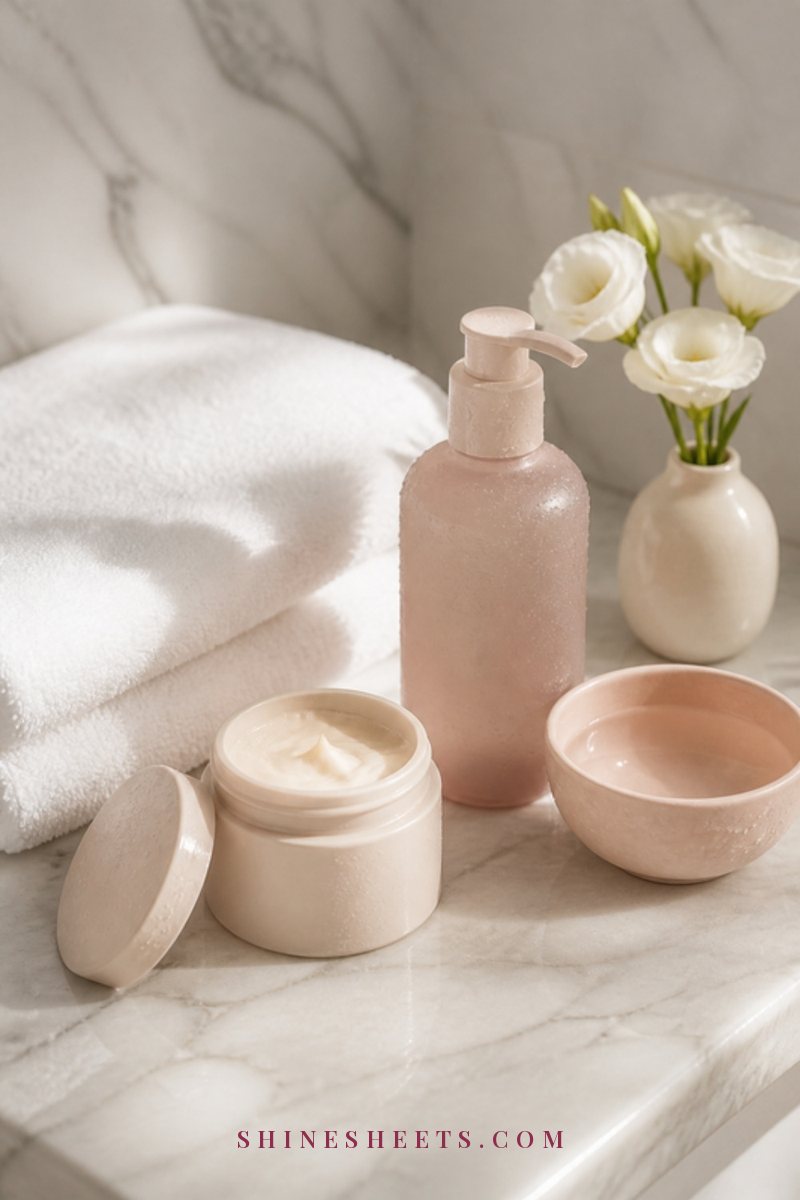
The good news is that overload is easy to fix. It just takes a few washes and a little patience.
If you have protein overload:
- Stop all protein products for now, including protein-rich leave-ins and stylers.
- Wash with a gentle shampoo and follow with a rich, protein-free moisture mask for 15 to 20 minutes.
- Repeat the moisture mask for the next two or three washes.
- Reintroduce protein slowly, starting with once a month.
If you have moisture overload:
- Use a gentle clarifying shampoo once to remove heavy buildup.
- Skip deep moisture masks and heavy creams for a week.
- Do one light protein treatment to give the strands structure again.
- Go back to a lighter moisture routine, with masks less often than before.
In both cases, avoid adding several new products at once. Change one thing, wait, and watch how your hair responds.
Common Protein and Moisture Mistakes
- Using a protein mask every wash "just in case." Most hair doesn't need that much, and it's the fastest route to stiff, brittle ends.
- Adding more conditioner when hair feels mushy. If your hair is overly soft and stretchy, more moisture will only make it worse.
- Ignoring hidden protein. Shampoos, leave-ins and stylers can all contain protein. Check the labels of everything in your routine, not just the masks.
- Judging after one wash. Hair often needs two or three washes to show what a change really does.
- Forgetting the ends are different. Your roots and your ends may need different things. Focus treatments where the hair is most damaged.
Final Thoughts
Understanding protein vs moisture takes so much of the guesswork out of hair care. Instead of buying another product and hoping, you can feel your hair, do a quick stretch test and know what it's asking for.
Start with the symptom table, make one small change and give it a few washes. Healthy hair is simply hair in balance, and with a little attention, yours can feel soft, strong and like itself again.