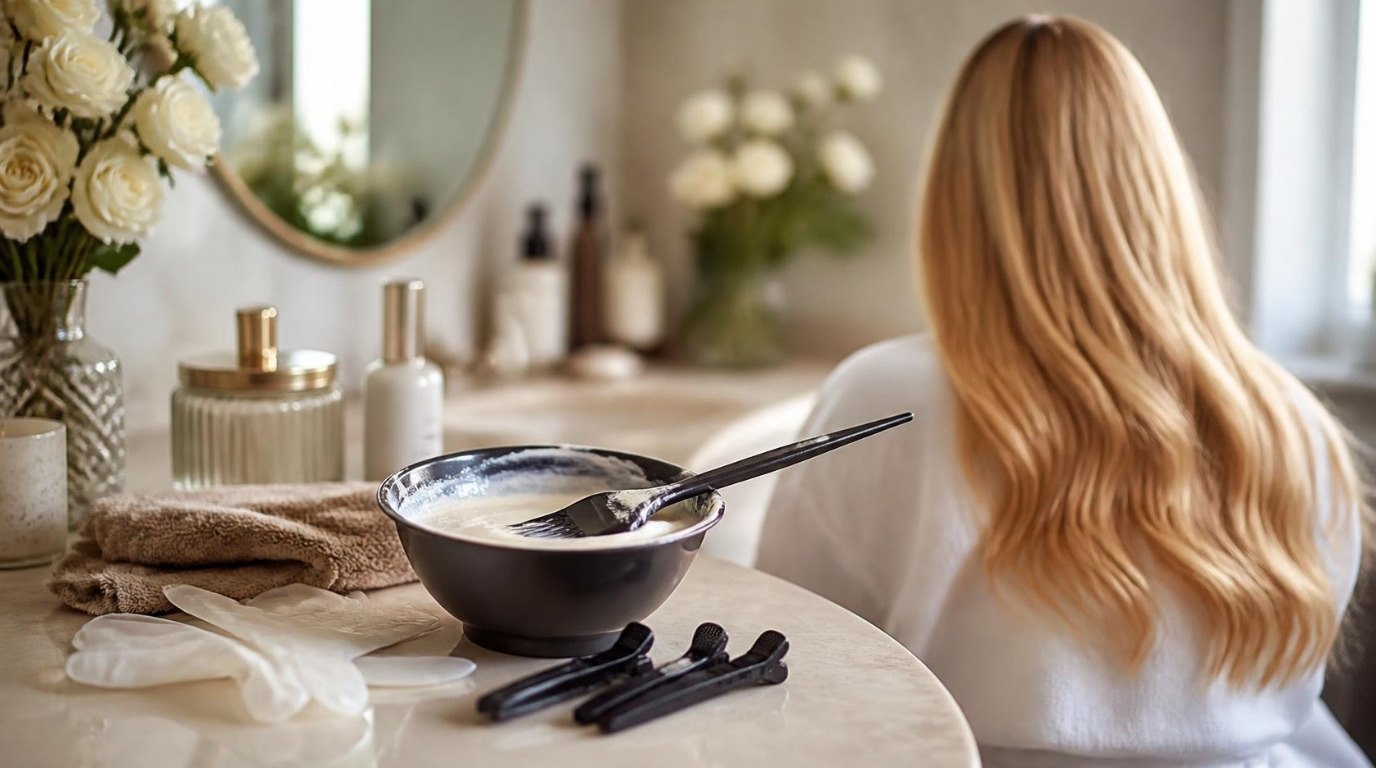
Detangling hair without breakage comes down to one idea: patience beats force. Tangles almost never need more pulling. They need more slip, smaller sections and a start at the very ends instead of the roots. Get those three right and even a stubborn nest loosens in minutes.
Most of us learned to brush from the top down in long strokes, which is exactly the method that pushes every little tangle into one big knot. It took me a long time to realize that the snapping sound I once heard every time I brushed wasn't normal. It was breakage, every time.
This guide shows you how to detangle hair gently: why hair tangles in the first place, how to prep it, the step-by-step method (with a table you can screenshot), the right tools, what to do with a really big knot, how curly and straight hair differ, and the simple habits that stop tangles before they start.
Take a breath, grab your comb, and let's make detangling the calmest part of your hair routine.
Why Hair Tangles

Every strand of hair is covered in a layer of tiny overlapping scales called the cuticle. When the cuticle lies flat, strands slide past each other. When it's lifted or rough, strands catch on one another and twist together. That's a tangle.
The main reasons the cuticle lifts and strands catch:
- Dryness. Dry hair has a rougher surface, so it grabs neighboring strands more easily.
- Friction. Cotton pillowcases, scarves, coat collars, rubbing with a towel and tossing in your sleep all rub strands together.
- Texture. Curls and coils naturally wrap around each other. Fine hair is light and moves a lot, so it knots easily too.
- Length. The longer the hair, the more chances it has to twist, and the older (and drier) the ends are.
- Damage. Bleach, color, heat and split ends make the surface rougher and the ends more likely to snag.
- Shedding. We all shed hair daily. Shed strands that stay in the hair wrap around the attached ones, especially in curly hair.
Understanding the cause helps you pick the fix. Dry hair needs moisture and slip, friction needs gentler fabrics, and damaged ends may simply need a trim. If you're seeing a lot of short broken pieces, my guide to hair breakage covers the bigger picture.
Prep Your Hair Before You Detangle
Good detangling starts before the comb touches your hair. These prep steps do half the work for you.
Detangle on Damp, Conditioned Hair
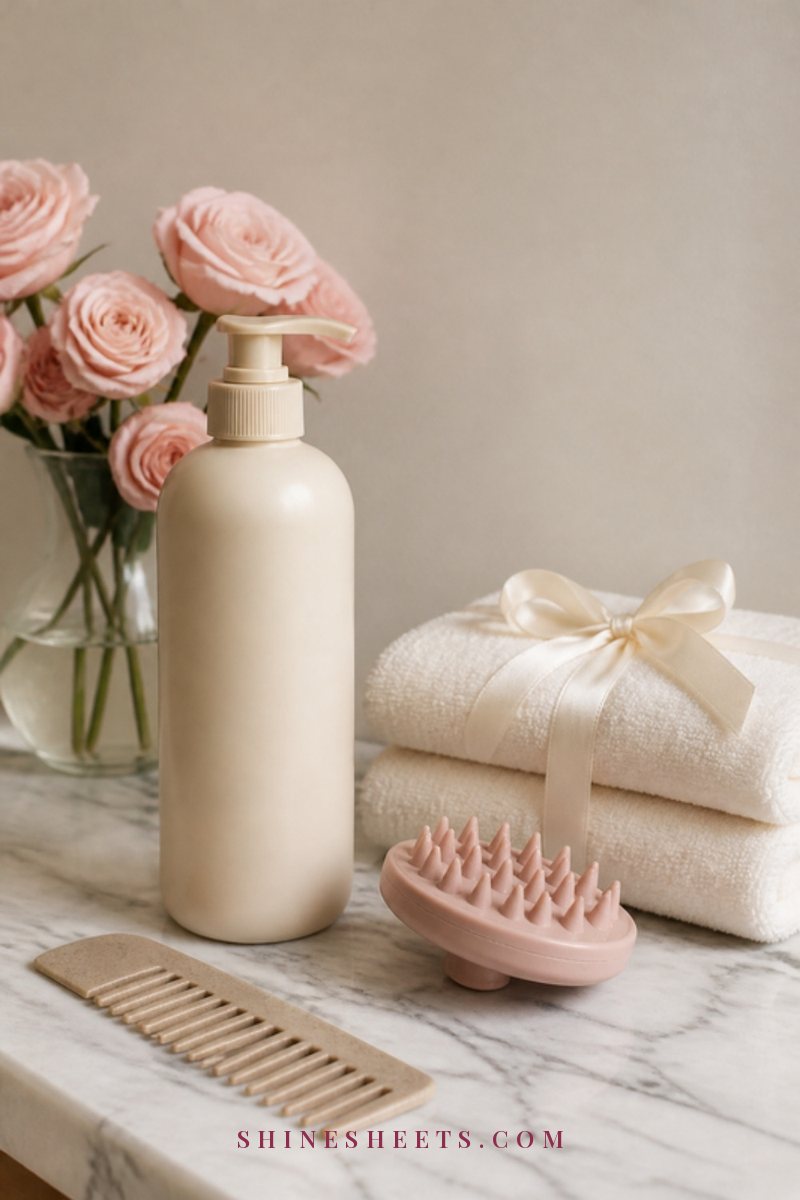
For most hair types, the easiest time to detangle is in the shower with conditioner in, or right after with a leave-in. Conditioner smooths the cuticle and adds slip, so strands slide apart instead of snapping.
A few notes:
- Apply conditioner generously from mid-lengths to ends, where tangles live.
- Let it sit for 2–3 minutes before you start detangling.
- Hair is more stretchy when wet, so be extra gentle. Damp is better than dripping.
- Straight, fine hair that tangles lightly can also be detangled dry with a soft brush. Curly and coily hair is best detangled wet with plenty of product.
Use a Detangling Spray or Leave-In
If you're detangling outside the shower, a spray adds the slip you need. Mist it section by section, not just over the top.
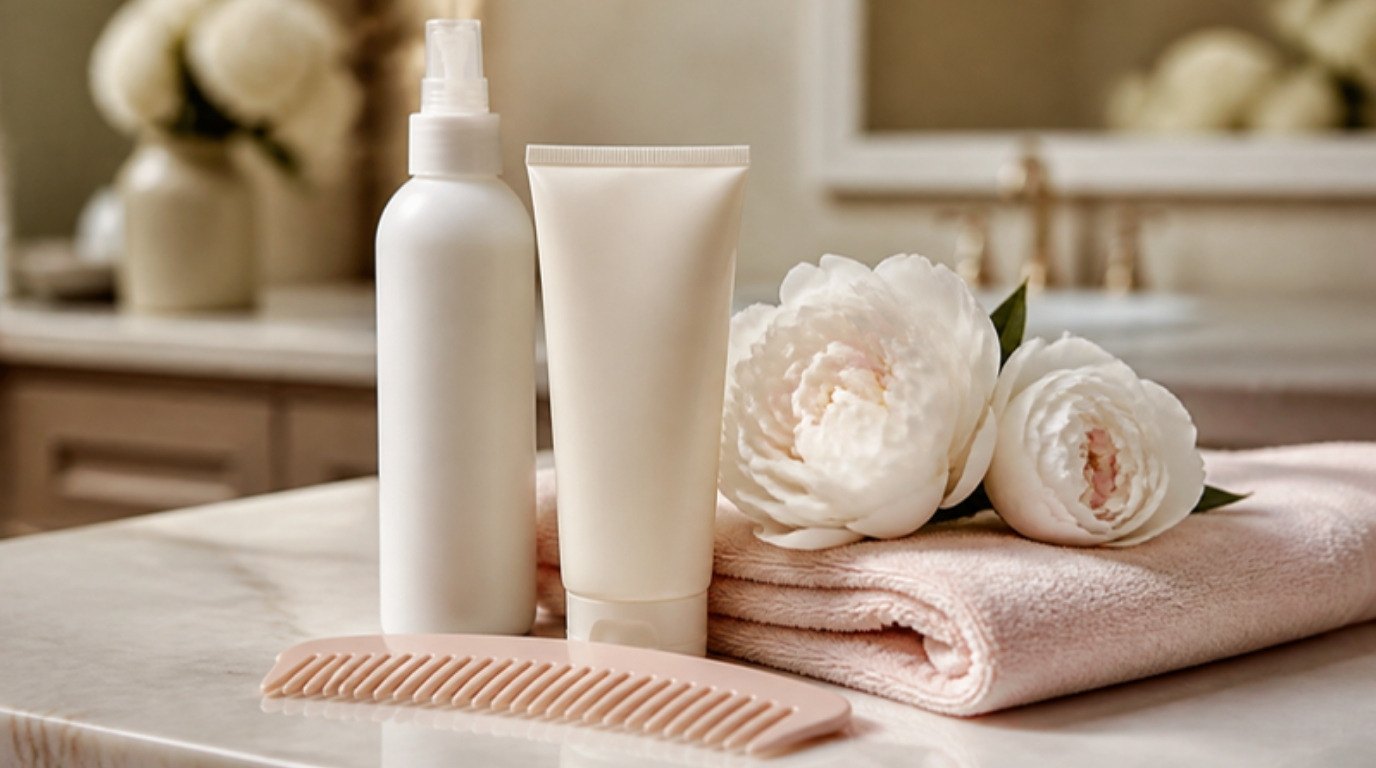
A lightweight leave-in detangling spray is the quickest option for everyday tangles, and a creamier leave-in conditioner suits thick, curly or very dry hair better. You'll find more about choosing one in my guide to leave-in conditioner.
Section Your Hair
Sectioning is the step people skip and the step that makes the biggest difference. Smaller sections mean less hair tangled together and less tension on each strand.
- Fine or short hair: 2 sections (left and right).
- Medium hair: 4 sections (two in front, two in back).
- Thick, long or curly hair: 6–8 sections, clipped out of the way.
Work on one section at a time and twist or clip each one away once it's done, so it doesn't re-tangle while you work on the rest.
Step-by-Step Detangling Table
Here's the full method in one place. It works for nearly every hair type. Only the tools and amount of product change.
| Step | What to do | Why it works |
|---|---|---|
| 1. Wet or mist | Detangle in the shower with conditioner, or mist damp hair with a detangling spray | Water and product smooth the cuticle and add slip |
| 2. Section | Divide hair into 2–8 sections depending on thickness and clip them away | Less hair at once means less tension and fewer knots meeting each other |
| 3. Finger detangle | Gently separate the section with your fingers, feeling for knots | Fingers sense tangles before tools rip through them |
| 4. Start at the ends | Comb the last 2–3 inches until smooth | Ends are oldest and most fragile; you clear the way before moving up |
| 5. Work upward | Move to the mid-lengths, then roots, each time combing down to the ends | Each stroke only passes through hair that's already free |
| 6. Hold above the tangle | Hold the section firmly between the knot and your scalp | Your hand takes the tension instead of your roots |
| 7. Switch tools if needed | Wide-tooth comb first, then a flexible detangling brush | Wide teeth handle big knots; brushes smooth what's left |
| 8. Secure the section | Twist, braid loosely or clip the finished section away | Stops detangled hair from re-tangling with the rest |
Most people find the whole routine takes about 5–10 minutes once it becomes a habit, sometimes longer for very long or curly hair. Slow is fine. Slow is the point.
Start With Your Fingers
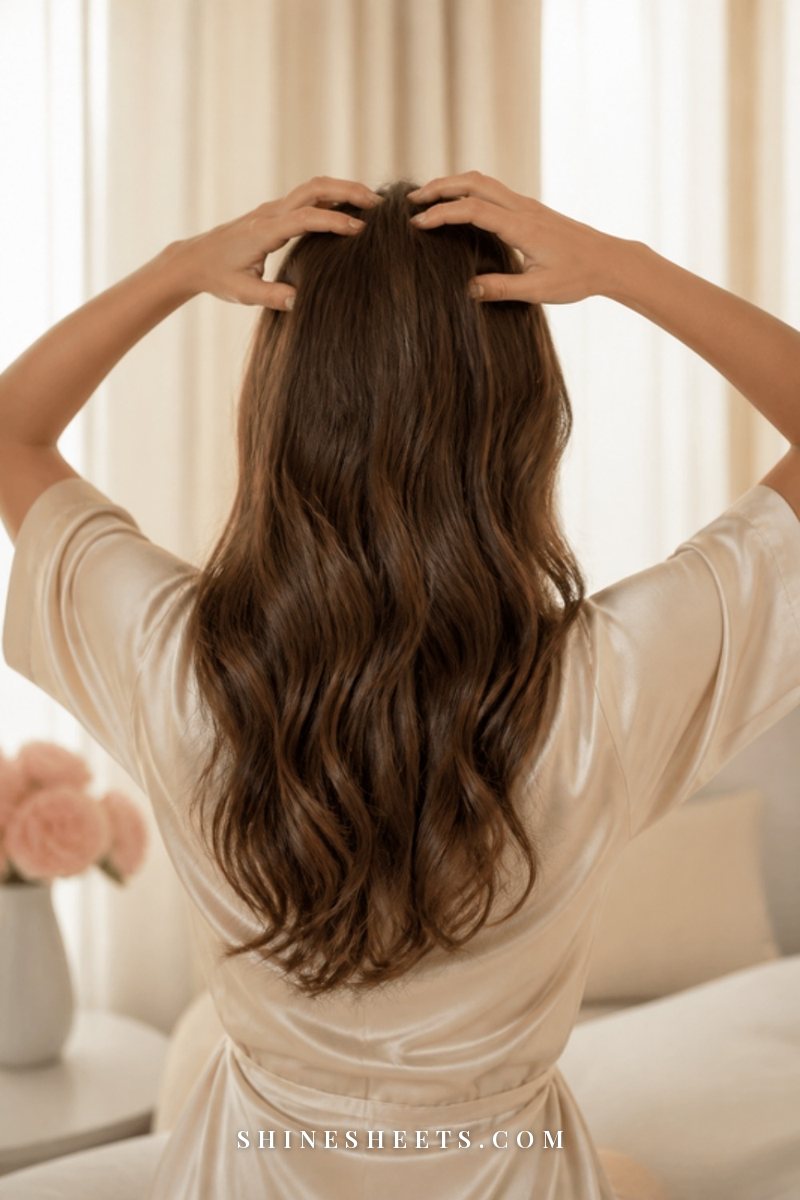
Finger detangling sounds old-fashioned, but it's the gentlest tool you have. Your fingers can feel exactly where a tangle sits, how tight it is and which direction it's twisted. A comb can't.
- Take one section and run your fingers through it slowly, like a very wide comb.
- When you feel resistance, stop. Gently pull the strands apart sideways rather than downward.
- Remove shed hairs as you go. They're often the hidden cause of tangles in curly hair.
- Add a little more spray or conditioner if your fingers stop gliding.
For curls and coils, finger detangling might be all you need on some days. For straight hair, it's a quick first pass that makes the comb's job easy.
The Best Tools for Detangling
You only need two tools for detangling. Choosing the right ones keeps breakage to a minimum.
Wide-Tooth Comb
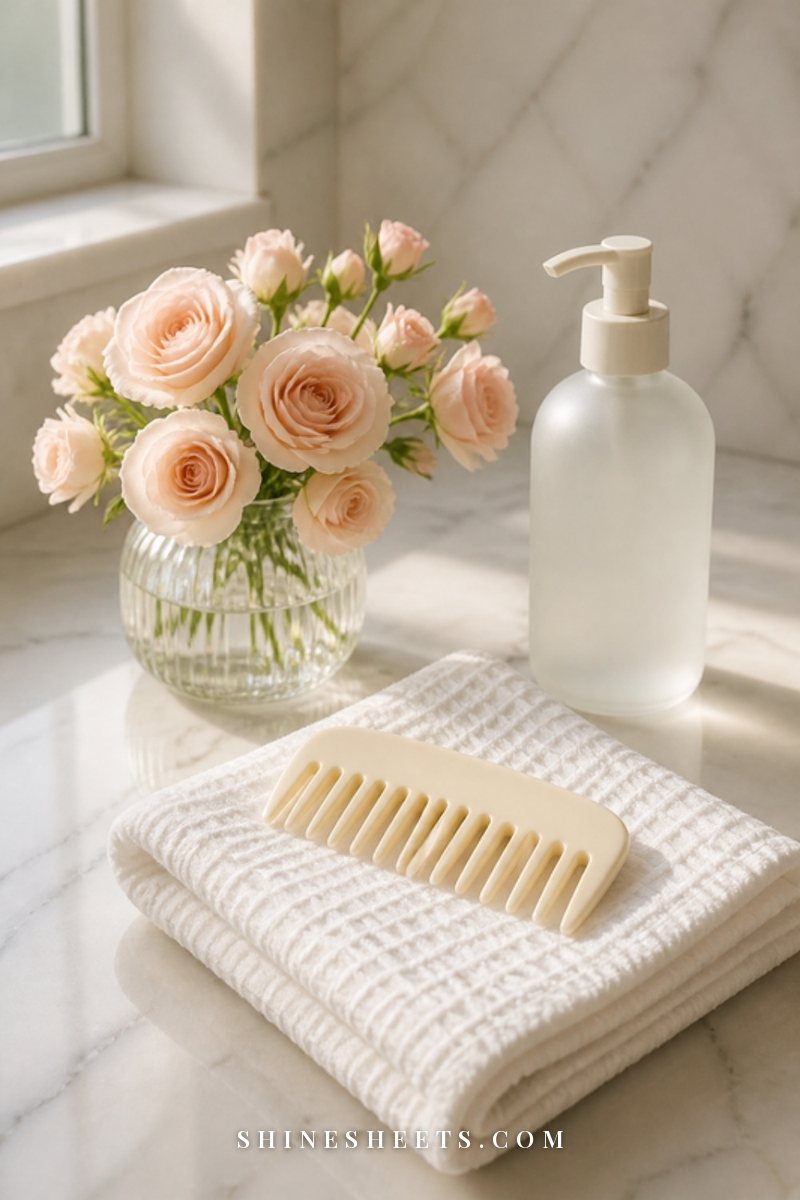
A wide-tooth comb is the first tool to reach for after your fingers. The wide spacing between teeth lets it pass through tangles without grabbing too much hair at once.
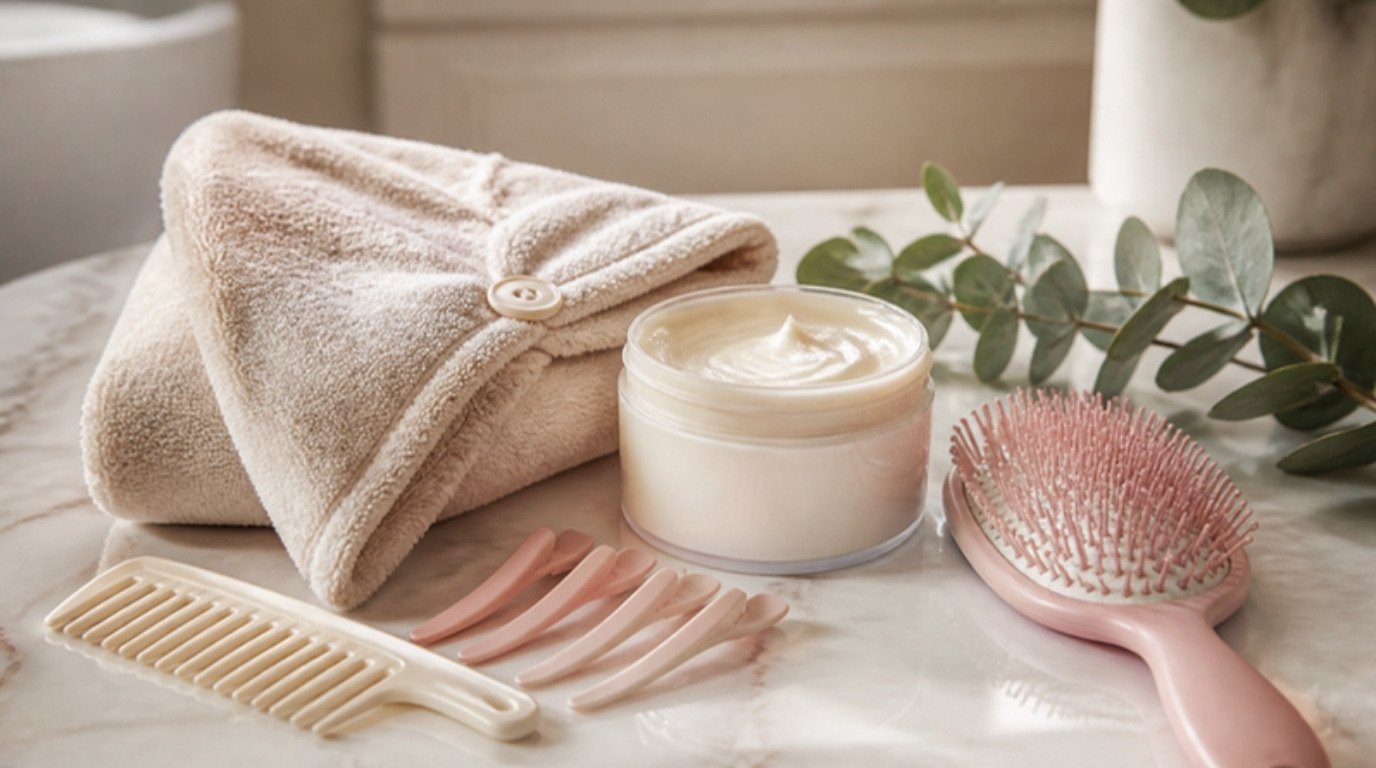
A seamless wide-tooth comb in ivory is ideal. Seamless means no rough ridges from the mold, which can scratch and snag strands.
Flexible Detangling Brush
After the comb, a detangling brush smooths everything out. Its bristles bend when they meet resistance, which means they ease around a knot instead of tearing through it.
A blush pink detangling brush with flexible bristles is the one I'd choose for wet hair of any texture. If you're curious which other brushes work for your hair type, my hairbrush guide breaks them all down.
What Not To Use on Tangles
- Fine-tooth combs grab too much at once and snap knotted hair.
- Dense boar bristle brushes are for smoothing dry hair, not getting through tangles.
- Round brushes wrap and can make a knot worse.
- Your hair dryer before you've detangled. Hot air on knots sets them tighter.
How To Handle a Big Knot
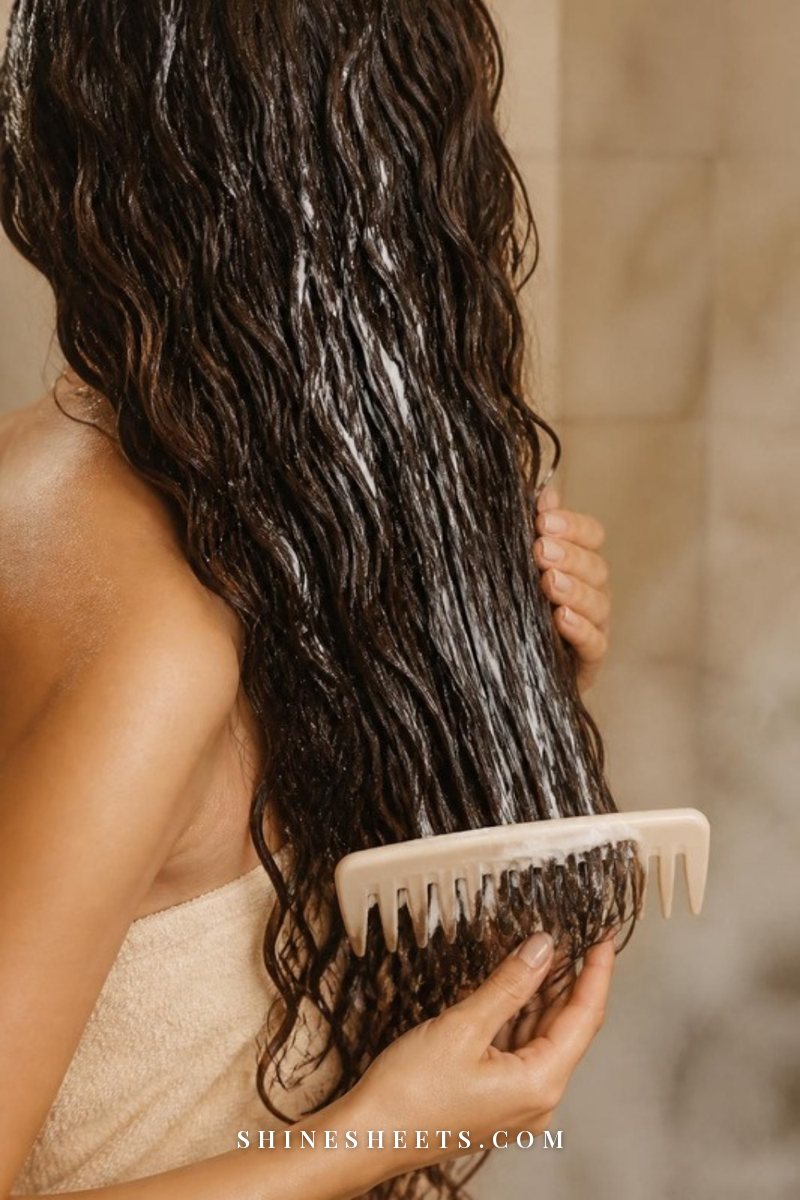
Some days you find a real nest, usually at the nape of your neck or behind your ears. Don't panic and don't reach for scissors. Here's a calm method:
- Isolate it. Clip the rest of your hair away so you're only dealing with the knot.
- Saturate it. Apply a generous amount of conditioner or leave-in directly into the knot and massage it in. Leave it for 3–5 minutes.
- Loosen from the outside. Use your fingers to gently pull out the outermost strands first, little by little.
- Use the tail of a comb. Slide the tip of a comb or a single tooth into the center and gently lift to create space.
- Work from the bottom. Once it's looser, comb the hair below the knot, then into the knot from the bottom up.
- Hold above the knot. Keep a firm grip between the knot and your scalp the whole time.
- Take breaks. If your arms get tired or you feel frustrated, pause. Rushing is where breakage happens.
If a knot is truly matted and won't budge after a patient attempt, a stylist can often save more length than you'd expect. There's no shame in asking for help.
Curly vs Straight Hair: What's Different
The method is similar, but the details change with texture.
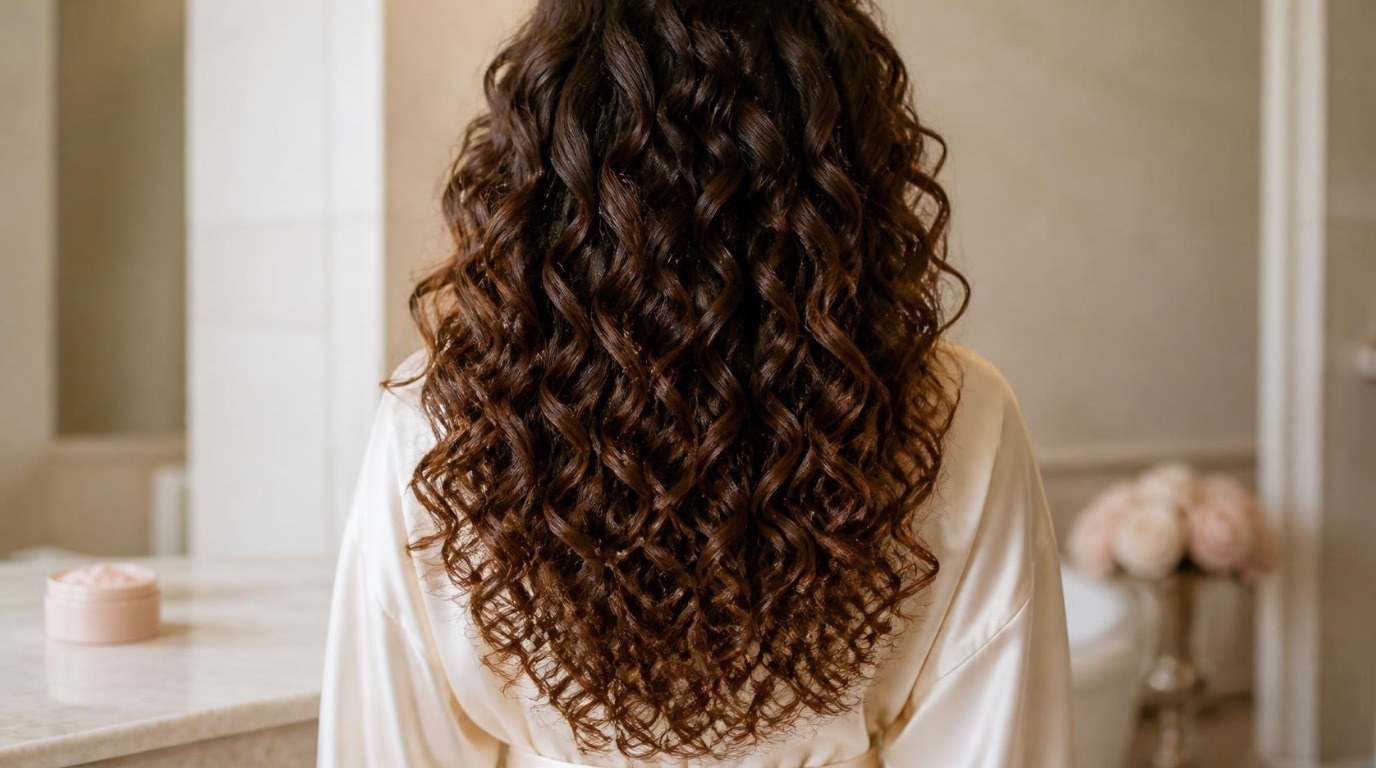
Detangling Curly and Coily Hair
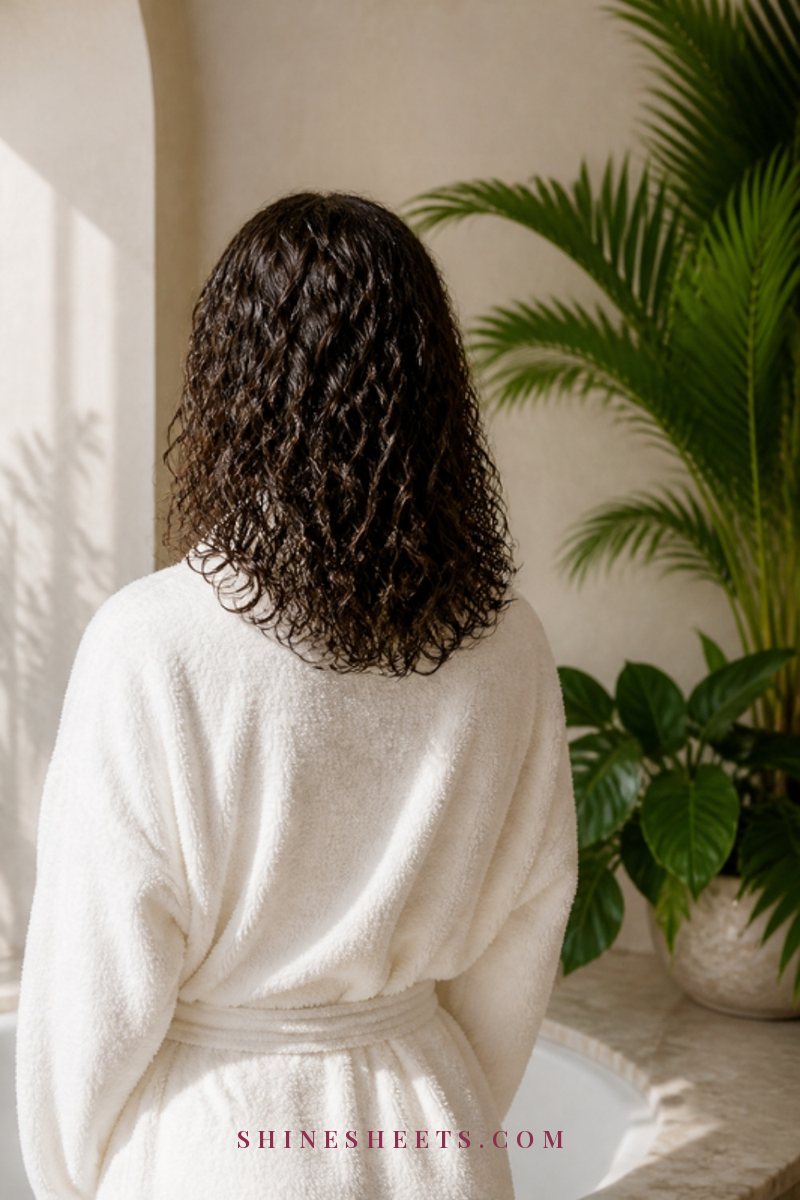
- Detangle only when wet and full of conditioner. Dry detangling breaks the curl pattern and creates frizz.
- Use more sections (6–8) and more product than you think you need.
- Finger detangle first, then a wide-tooth comb or flexible brush.
- Detangle on wash day, then mostly leave curls alone between washes, refreshing with water and fingers.
- Remove shed hairs regularly; curls hold on to them.
My curly hair routine shows where detangling fits into a full wash day.
Detangling Straight and Wavy Hair
- Light tangles can be detangled dry with a soft brush, starting at the ends.
- For wet hair, use a detangling brush or wide-tooth comb with a light spray.
- Avoid heavy creams on fine straight hair; a mist is usually enough.
- Waves can be detangled in the shower, then left to form without brushing again.
Detangling Fine Hair
Fine hair tangles quickly but also breaks quickly, so it needs a light touch with both product and tools.
- Use a spray rather than a cream. Heavy products weigh fine hair down and make roots look flat by midday.
- Mist only the mid-lengths and ends, where tangles actually form.
- Two sections are usually enough, but keep them neat so you're not pulling hair across your head.
- A soft detangling brush with very flexible bristles is kinder than a stiff paddle.
- Detangle before bed as well as after washing. Fine hair often knots overnight at the nape.
Detangling Damaged or Color-Treated Hair
Bleached, highlighted or heat-damaged hair has a rougher, more porous surface. It tangles more and snaps more, so it deserves extra patience.
- Always detangle damaged hair with conditioner or leave-in, never dry.
- Use a wide-tooth comb only on the most fragile sections, and save the brush for healthier lengths.
- Squeeze excess water out first. Very wet, damaged hair stretches and breaks more easily.
- Add a weekly mask to keep the surface smoother between washes.
- Book regular trims. Split, frayed ends will keep catching no matter how gentle you are.
How Often Should You Detangle?
There's no single rule, because it depends so much on texture and length. As a gentle guide:
- Straight and fine hair: a quick detangle once or twice a day (morning and before bed) with a soft brush, plus a proper detangle after washing.
- Wavy hair: a full detangle on wash day, and light finger detangling between washes when needed.
- Curly and coily hair: a thorough detangle on wash day only, with conditioner. Between washes, separate gently with fingers and a little water.
- Very long hair of any type: a quick ends-only detangle before bed, followed by a loose braid, saves a lot of trouble the next morning.
The more often you do a small, gentle detangle, the less often you face a big one. Two minutes before bed is so much easier than twenty minutes on a morning when you're already late.
What To Do Right After Detangling
Once your hair is smooth, a few steps help it stay that way:
- Apply a little leave-in or serum to the ends. It seals the smooth surface you've just created.
- Let it dry gently. Air-dry or use a hair dryer on low heat with the nozzle pointing down the hair shaft.
- Don't touch too much while it dries. Constant fiddling creates frizz and new tangles.
- Clean your tools. Pull the hair out of your comb and brush right away so they're fresh for next time.
That last one is easy to skip, but a brush full of hair and old product snags clean strands. It takes ten seconds.
How To Prevent Tangles
The best detangling is the detangling you don't have to do. A few small habits cut tangles dramatically.
Sleep on Silk

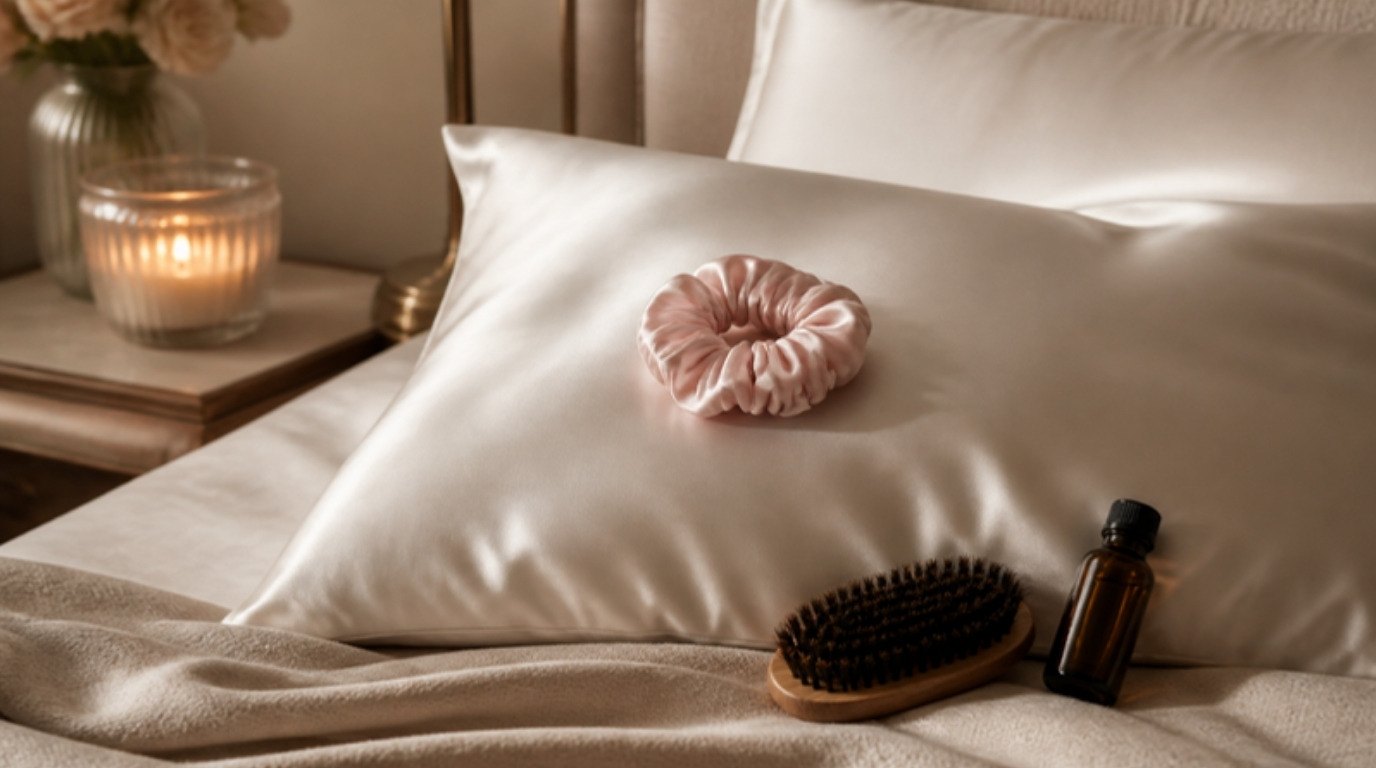
Cotton pillowcases create friction as you move in your sleep. Silk or satin lets hair glide, so you wake up with fewer knots, especially at the back of your head. A champagne silk pillowcase is one of the simplest anti-tangle upgrades you can make.
Wear a Loose Braid at Night
Long hair left loose overnight tangles at the nape. A loose braid or a low, soft tie with a scrunchie keeps strands together without tension. Keep it loose enough that it doesn't pull at your scalp. More nighttime ideas are in my guide to overnight hair care.
Swap Your Towel
Rubbing hair with a regular towel roughs up the cuticle and creates instant tangles. Instead, squeeze water out gently and wrap hair in something smoother. A soft microfiber hair towel wrap in cream or an old cotton T-shirt both work well.
Keep Hair Moisturized
Dry hair tangles more. Regular conditioner, a leave-in on damp hair and an occasional mask keep the surface smooth so strands don't catch.
Wash Gently
Tangles often start in the shower. Piling all your hair on top of your head and scrubbing it in circles is a fast way to make a knot before you've even reached for the conditioner.
- Focus shampoo on your scalp, and let the suds simply rinse through the lengths.
- Massage with your fingertips, not your nails, in small movements that don't swirl the lengths around.
- Keep the lengths hanging down your back while you rinse, so they fall in one direction.
- Use conditioner every time you shampoo, even if it's just a light one on the ends.
- Rinse with lukewarm water. Very hot water dries hair out and leaves the surface rougher.
These small changes mean you start detangling with hair that's already mostly lying flat, which makes every other step faster.
Protect Hair From Everyday Friction
- Tuck long hair inside your coat or wear it in a loose low tie on windy days.
- Choose smooth scarves (silk or satin) over chunky wool knits against your hair.
- Avoid tight elastics; use soft scrunchies or spiral ties.
- Keep up with trims. Split ends snag on everything.
Common Detangling Mistakes
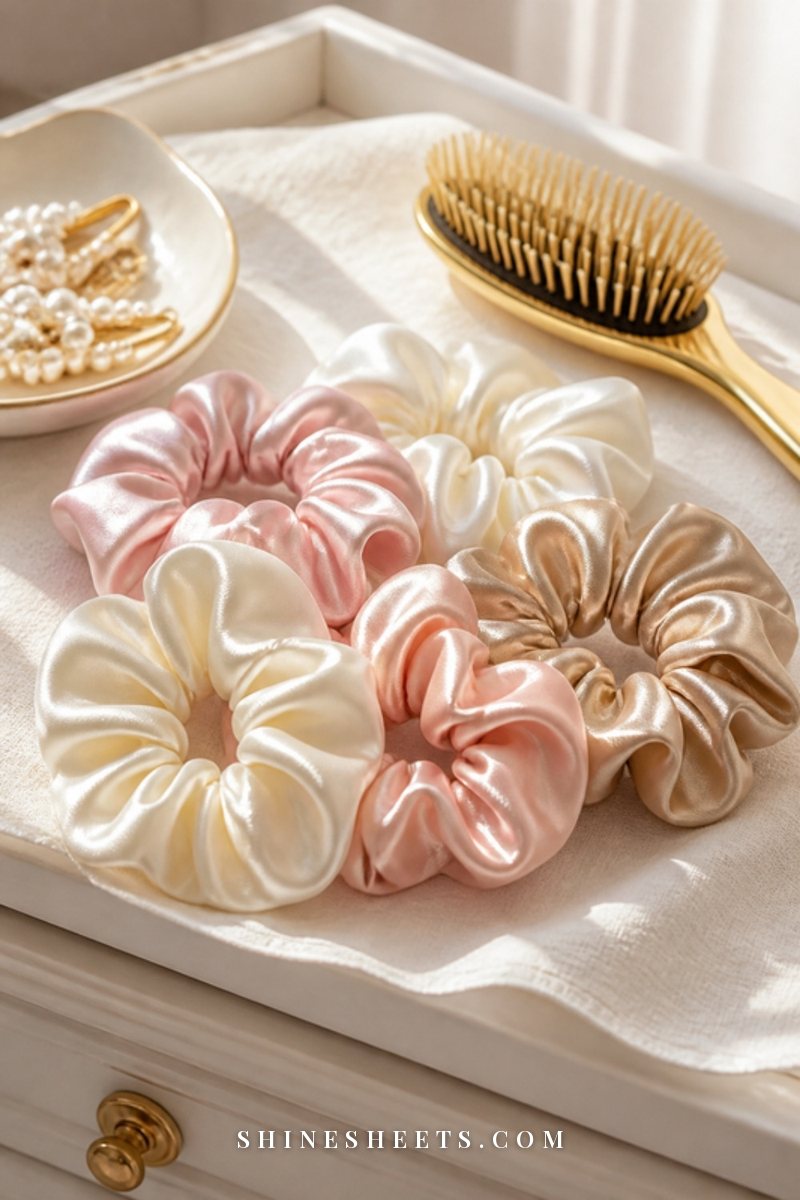
Even with great tools, a few habits cause most of the damage:
- Starting at the roots. It drags every tangle down into one tight knot at the ends.
- Detangling dry curls. Frizz, broken curl pattern and lots of breakage.
- Skipping product. Without slip, strands snap instead of sliding apart.
- Working on all your hair at once. Sections take a minute to set up and save you ten.
- Rushing. Most breakage happens when we're late and yank through a knot.
- Rubbing with a towel. It undoes all your detangling in seconds.
- Using a dirty brush. Old product and hair in the bristles snag clean strands.
Final Thoughts
Detangling doesn't have to hurt, and it doesn't have to leave half your hair in the brush. Add slip, work in sections, start at the ends and let your fingers lead. Most tangles give way much more easily than you'd expect once you stop pulling against them.
Then protect your progress with a silk pillowcase, a loose braid and a gentle towel. A few calm minutes on wash day can mean softer, stronger hair every day after.