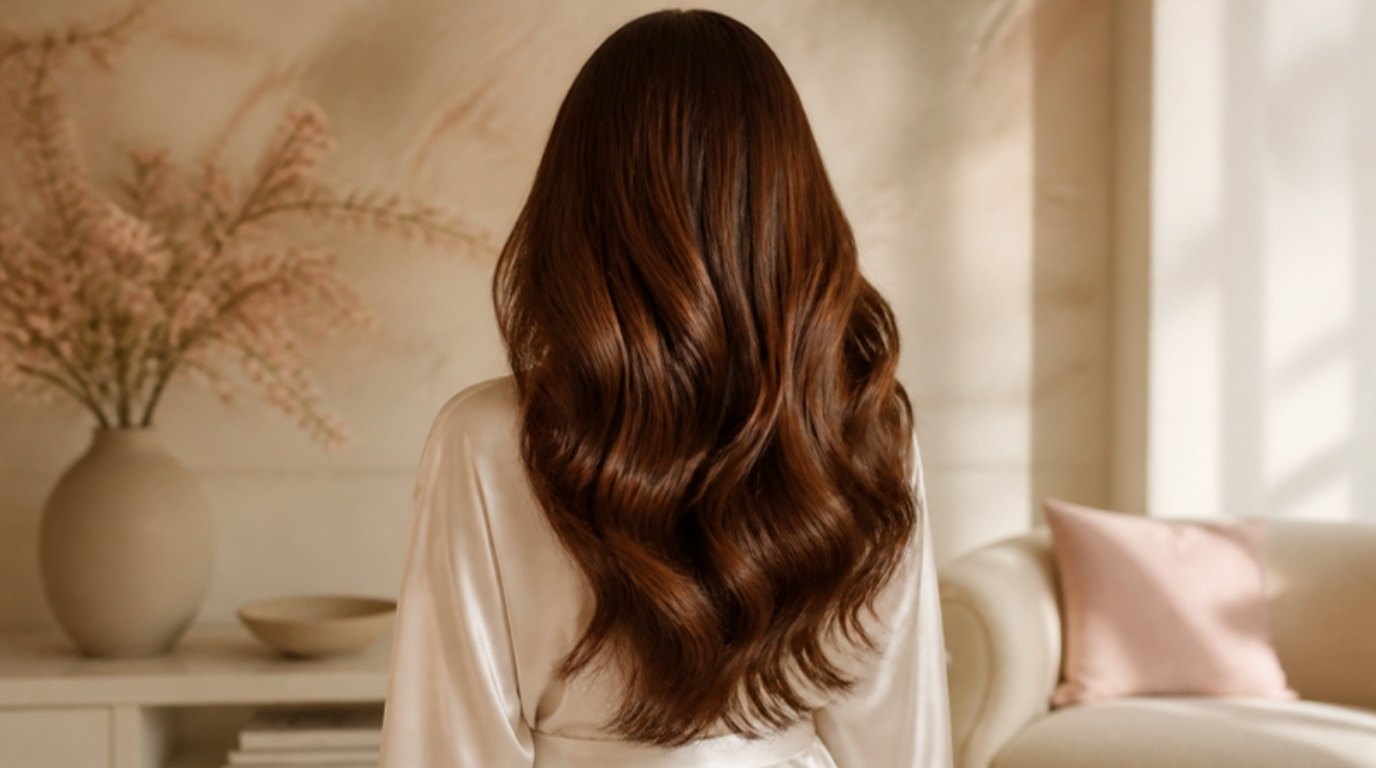
A keratin treatment can make your hair feel smoother, shinier and so much easier to manage. How long that silky feeling lasts, though, depends less on the salon appointment and more on what you do in the weeks afterward. The same treatment can fade in six weeks for one person and stay lovely for four months for another, and aftercare is a big part of that difference.
The encouraging part is that good aftercare isn't complicated or expensive. It's mostly a handful of swaps and small habits: the right shampoo, a little less heat, cooler water, a softer pillowcase. Once they're part of your routine, you barely think about them.
This guide covers keratin treatment aftercare from the first 72 hours to the day you book a refresh: what the treatment actually does, how long results usually last, a calm safety note, 9 everyday aftercare habits, a table that pulls it all together, and the sneaky things that shorten your results.
One gentle reminder before we start: your stylist knows the exact product used on your hair, so their instructions always come first. Think of this as the friendly, practical layer on top.
What a Keratin Treatment Actually Does

Keratin is a protein that naturally makes up much of your hair. A keratin or smoothing treatment coats the hair with a protein-based formula, and then heat (usually a flat iron) seals it onto the strands. The result is a smoother outer layer that reflects more light, tangles less and doesn't puff up as easily in humidity.
What it does not do is permanently change your hair's structure the way a chemical relaxer does. As you wash your hair over time, the coating gradually wears away, and your natural texture slowly comes back. That's why aftercare is really about one thing: helping the coating stay on as long as possible.
Different salons use different formulas, and some are labeled smoothing, Brazilian, or bond-building treatments. They vary in strength and in how much they relax curls versus simply calming frizz. If frizz is your main concern, my guide on how to make frizzy hair smooth and sleek again covers the everyday side too.
How Long Keratin Results Usually Last
Most keratin and smoothing treatments last somewhere around 2 to 5 months. Where you land in that range depends on a few things:
- Your hair type. Fine or very porous hair can hold the treatment differently from thick, coarse hair.
- The formula. Stronger smoothing treatments usually last longer than lighter "express" versions.
- How often you wash. Every wash removes a little of the coating, so frequency matters a lot.
- Your products. Harsh cleansing ingredients strip the treatment faster.
- Your lifestyle. Daily workouts, swimming, beach trips and lots of hot styling all speed up the fade.
Results also tend to fade gradually rather than all at once. You'll notice a bit more frizz at the crown first, or a little more volume after washing. That's normal, not a sign that something went wrong.
A Calm Safety Note Before You Book
Some smoothing formulas contain or release formaldehyde (or related ingredients) when they're heated with a flat iron. That's worth knowing about without panicking. Here's what I'd do:
- Ask your salon exactly which product they use and whether it releases formaldehyde when heated. A good salon will happily tell you.
- Look for good ventilation in the salon during the treatment, especially during the flat-iron step.
- Talk to your doctor first if you're pregnant, breastfeeding, have asthma or other breathing sensitivities, or a sensitive scalp.
- Speak up during the appointment if your eyes sting, your throat feels irritated or you feel unwell. That's a reason to pause, not to push through.
Formaldehyde-free options exist, though they may last a little less. Asking questions is never fussy; it's simply looking after yourself.
The First 72 Hours: What To Avoid
The first few days are when the treatment is still settling onto your hair, and this is where your stylist's instructions matter most. Many treatments need around 48 to 72 hours of careful handling, while some newer formulas let you wash after 24 hours. Always follow what your salon tells you. A typical "settling" period looks like this:
- No washing until your stylist's wait time is up.
- No hair ties, clips, headbands or tucking hair behind your ears. Anything that bends the hair can leave a dent that sets in.
- Avoid sweat. Skip intense workouts and steamy saunas for these few days.
- Stay out of the rain and steam. Carry an umbrella, and keep your hair away from a hot shower (a shower cap helps).
- Keep hair down and straight while you sleep, smoothed away from your face.
If your hair accidentally gets a kink or a little wet, don't panic. Gently smooth it with a flat iron on low heat, if your stylist says that's okay for your formula.
9 Keratin Treatment Aftercare Habits
Once the settling period is over, these habits protect your results day to day. You don't have to be perfect with all nine; the first three make the biggest difference.
1. Choose a Shampoo Without Sulfates or Salt
This is the single most important aftercare habit. Sulfates (like sodium lauryl sulfate) are strong cleansers that strip the keratin coating faster. Sodium chloride, which is simply salt and often used to thicken shampoo, can do the same.
Check the ingredient list for both, or look for shampoos labeled "keratin-safe" or "safe for smoothing treatments." A sulfate-free, salt-free shampoo cleans gently without fighting your treatment. Focus the lather on your scalp and let the suds rinse through your lengths rather than scrubbing the ends.
2. Wash Less Often
Every wash takes a little keratin with it, so stretching the time between washes is one of the easiest ways to make results last. If you wash daily now, try every other day, then every two or three days once your scalp adjusts.
On in-between days, rinse with water only or refresh your roots with a little dry shampoo (applied to the scalp, kept away from the lengths). If your scalp gets oily quickly, it does get easier after a couple of weeks of gradual stretching.
3. Use Cool or Lukewarm Water
Very hot water opens up the hair's outer layer and can loosen the treatment faster. Lukewarm water for washing and a cooler rinse at the end is kinder to both the keratin and your scalp.
You don't need an ice-cold shower. Just turn the temperature down a notch while your hair is under the water, and turn it back up for the rest of you if you like.
4. Choose a Lightweight Conditioner
Keratin-treated hair still needs moisture, but heavy, oily masks can weigh it down and make it look flat. Use a sulfate-free conditioner on your mid-lengths and ends every time you wash, and rinse well.
After washing, a lightweight leave-in conditioner spray adds slip and softness without heaviness. Two or three spritzes on damp ends is usually plenty. Once a week, a lighter hydrating mask (again, sulfate-free and salt-free) keeps ends from feeling dry.
5. Never Skip Heat Protectant
Your hair is protein-coated and smoother, but it's still hair, and heat can still dry it out. Before any blow-drying or flat ironing, mist a heat protectant spray through damp hair from mid-lengths to ends, then comb it through so it's evenly spread.
This also helps prevent breakage at the ends, which is the part of your hair that's been around the longest. If you're seeing a lot of snapping, my guide to hair breakage causes and fixes goes deeper.
6. Turn the Heat Down
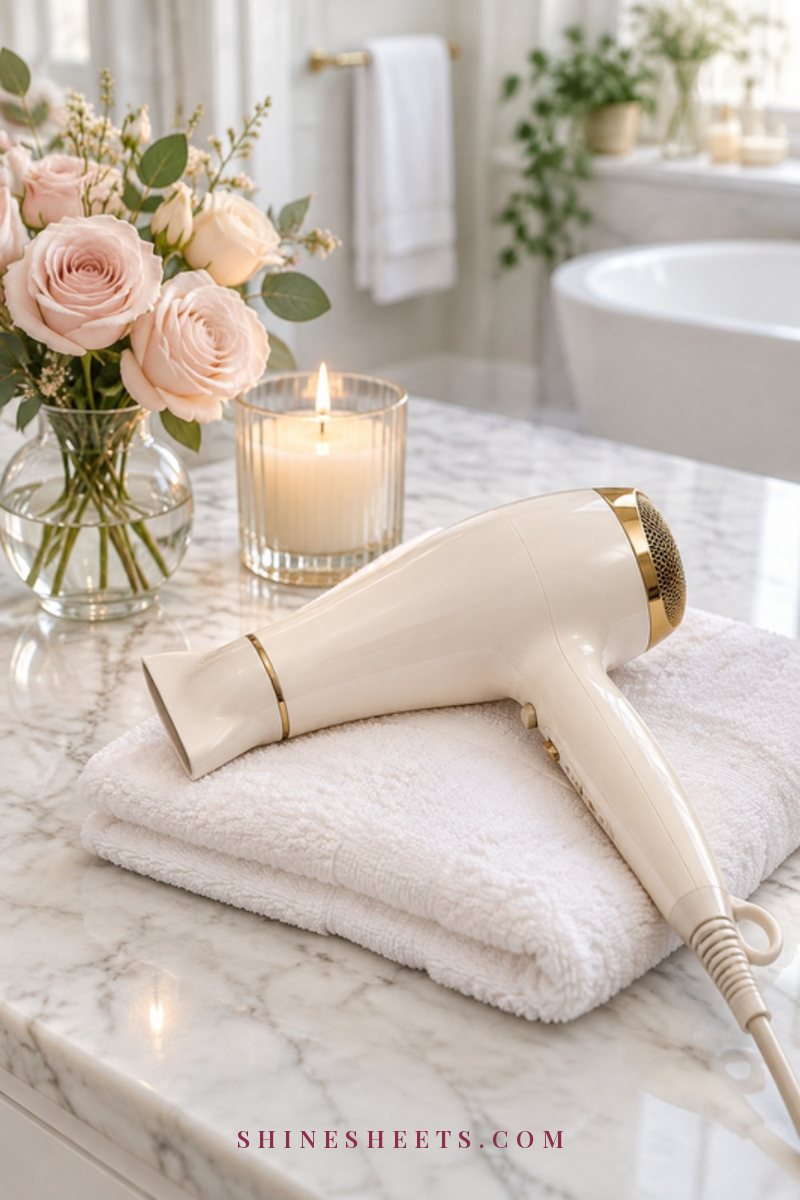
One of the loveliest perks of a keratin treatment is that you often need much less heat to get smooth hair. Many people find they can rough-dry to about 80% and finish with just a few passes of the brush.
When you do use a flat iron, try a lower or medium setting, often around 300 to 350°F, rather than the highest heat. Fewer, slower passes beat many fast ones. Air-drying is lovely too, especially if you smooth your hair with your palms as it dries.
7. Sleep on Silk

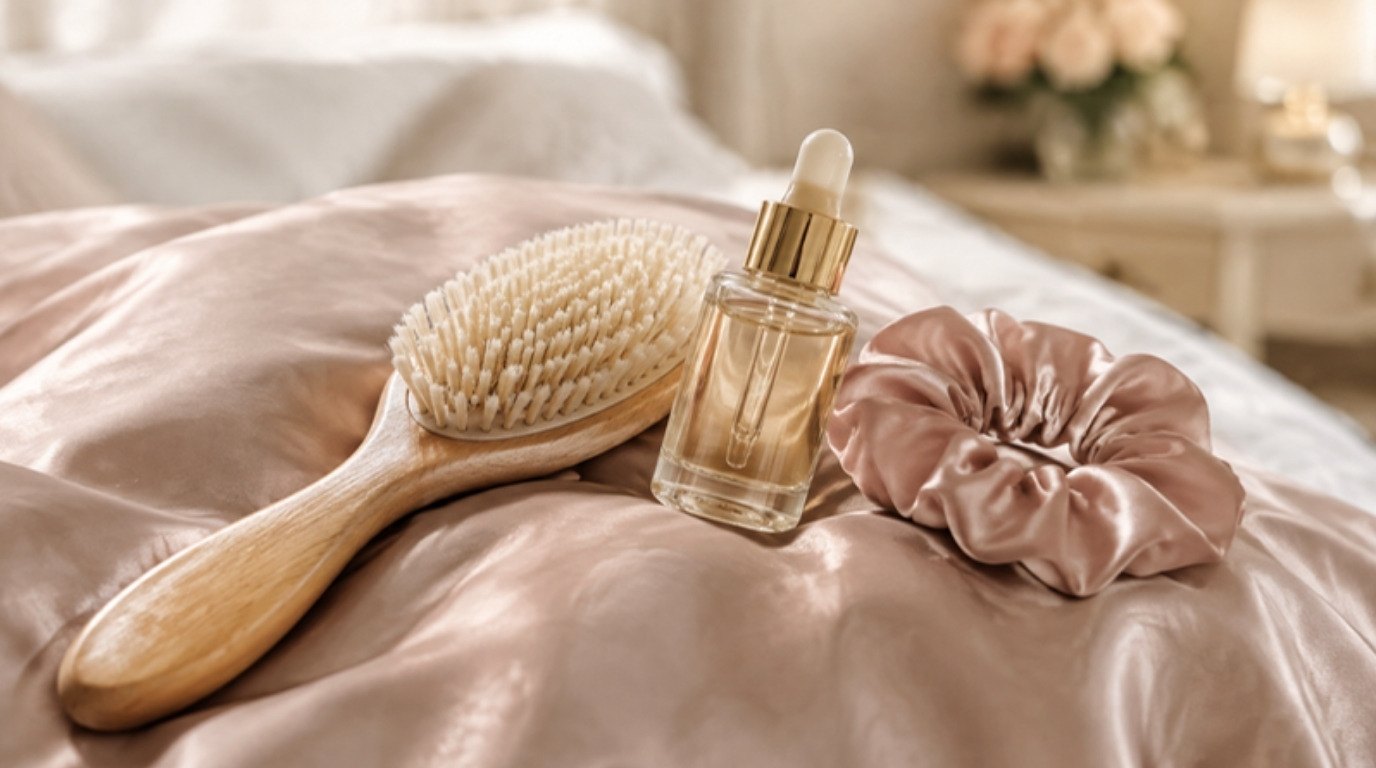
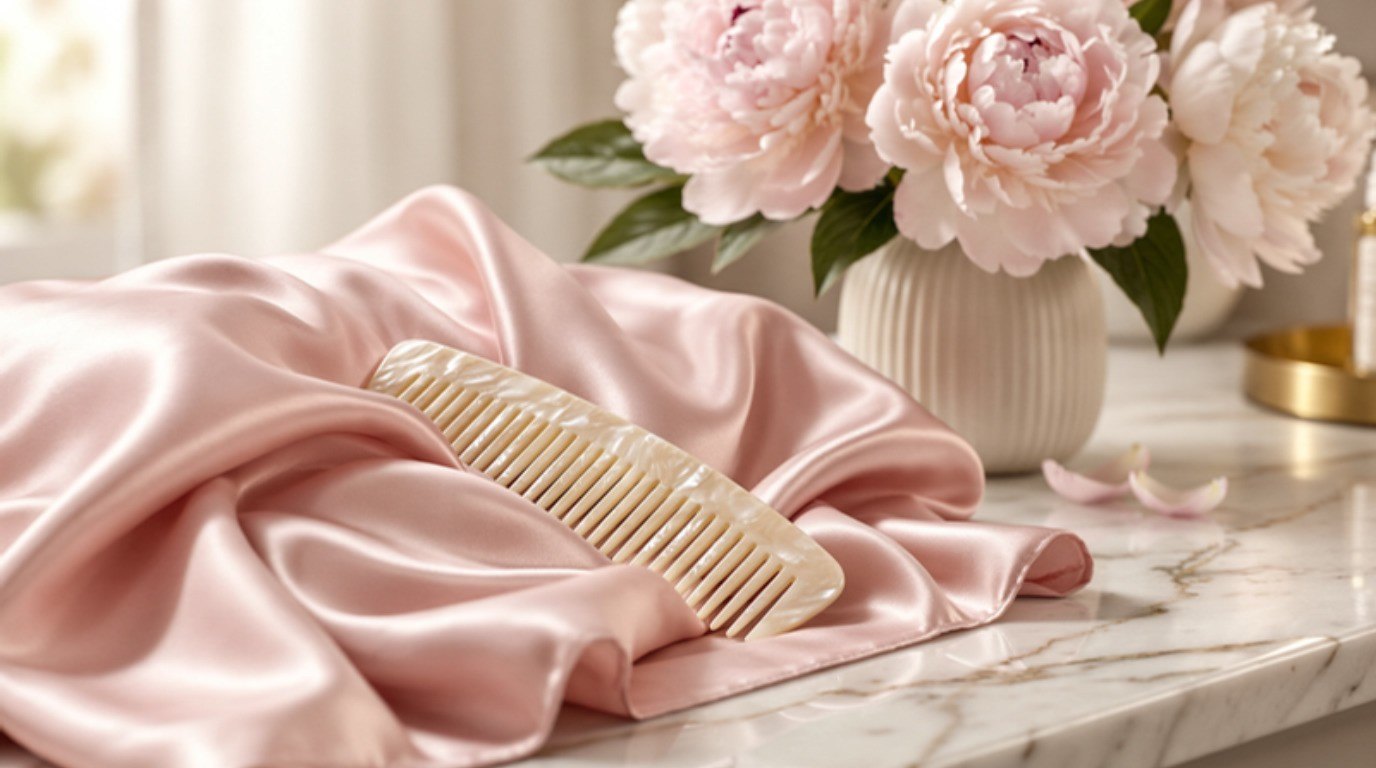
Cotton pillowcases create friction as you move at night, which can rough up the hair's surface and encourage frizz. A smooth blush mulberry silk pillowcase lets your hair glide instead, so you wake up with smoother lengths and fewer tangles.
Look for 100% mulberry silk with a momme weight of around 19 to 25, which feels substantial and wears well. My post on silk pillowcase benefits explains what to expect for both hair and skin.
8. Protect Hair From Chlorine and Salt Water
Chlorine and salt water are two of the fastest ways to fade a keratin treatment. You don't have to avoid swimming forever, but a little prep helps a lot.
Before you swim, wet your hair with clean tap water and smooth on a bit of leave-in conditioner, so your hair absorbs less pool or ocean water. Wear a swim cap if you can. Afterward, rinse with fresh water as soon as possible and wash with your sulfate-free shampoo that day. On beach days, a loose low braid can keep tangles down without bending the hair too sharply.
9. Detangle Gently
Wet hair is more fragile, even when it's treated. Instead of rubbing it with a regular towel, wrap it in a soft microfiber hair towel wrap for a few minutes to soak up the water gently.
Then detangle with a wide-tooth comb, starting at the ends and working up toward the roots in small sections. Keep hair ties soft and loose once you're past the settling period; my guide to hair ties that don't damage hair has the gentlest options.
Your Keratin Aftercare Table
Here's everything in one place. Screenshot it and keep it on your phone for the first few weeks.
| Aftercare step | Why it matters | When to start | What to avoid |
|---|---|---|---|
| Wait before the first wash | Lets the treatment settle onto the hair | Right after the appointment | Washing before your stylist's wait time is up |
| Keep hair loose and straight | Prevents dents and kinks from setting in | First 48–72 hours (or as advised) | Hair ties, clips, headbands, tucking behind ears |
| Sulfate-free, salt-free shampoo | Cleans without stripping the coating | First wash | Sodium lauryl sulfate, sodium chloride, clarifying shampoos |
| Wash less often | Fewer washes means less keratin lost | From the first week | Daily washing if you can avoid it |
| Cool or lukewarm water | Keeps the hair's outer layer smoother | First wash | Very hot showers on your hair |
| Lightweight conditioner | Adds moisture without weighing hair down | First wash | Heavy oils and salt-containing masks |
| Heat protectant | Shields hair from drying heat | Every time you heat style | Styling with no protection |
| Lower heat styling | Prevents dryness and breakage | Once your stylist allows heat styling | The highest flat iron setting |
| Silk pillowcase | Reduces friction and frizz overnight | The first night | Rough cotton that tugs at hair |
| Pre-swim prep and rinse | Limits chlorine and salt damage | Any time you swim | Letting pool or sea water dry in your hair |
| Gentle detangling | Protects fragile wet hair | First wash | Rough towel-drying, brushing from the roots down |
A Simple Weekly Routine After Keratin
If nine habits feel like a lot to remember, here's how they fit into an ordinary week once the settling period is over. Adjust the wash days to your scalp; this is a starting point, not a rulebook.
- Wash day 1 (for example, Monday): Lukewarm water, sulfate-free and salt-free shampoo on the scalp, conditioner on the lengths, a cool final rinse. Wrap hair in a microfiber towel for five minutes, spritz leave-in on the ends, detangle with a wide-tooth comb, then rough-dry with heat protectant on low or medium heat.
- Day 2: Nothing at all. Sleep on silk, brush gently in the morning and enjoy it.
- Day 3: If your roots feel a little flat, a touch of dry shampoo at the scalp only. Otherwise, nothing again.
- Wash day 2 (for example, Thursday): Same as Monday. If your ends feel dry, swap the conditioner for a light hydrating mask and leave it on for about five minutes.
- Days 5 and 6: Rest days for your hair. If you work out, keep hair loose or in a soft, low scrunchie, and let sweat dry before you sleep.
- Day 7: A quick check-in. Notice how your hair feels, trim any snag-prone ends at your next salon visit, and wash your pillowcase and brushes so they stay clean and smooth.
Two washes a week is a comfortable goal for many people with keratin-treated hair, but if your scalp needs three, that's absolutely fine. A healthy scalp matters more than squeezing out a few extra days of smoothness.
It also helps to keep your aftercare products together in one spot, like a small tray on the bathroom shelf, so the gentle shampoo is always the one you reach for. Many results fade early simply because a partner's or a roommate's regular shampoo was closer to hand on a busy morning.
And if you travel, pour your shampoo and conditioner into small refillable bottles rather than using hotel toiletries, which very often contain sulfates. It's a tiny step that saves a lot of smoothness.
What Shortens Keratin Results
If your treatment seems to fade too fast, one of these is often the reason:
- Hidden sulfates or salt. Some "gentle" shampoos still contain them, so check the label, not just the front of the bottle.
- Clarifying or anti-dandruff shampoos. They're designed to deep-clean, which also removes the coating. If you need one for your scalp, ask your stylist or doctor how to use it alongside the treatment.
- Coloring right after the treatment. Many stylists suggest coloring before a keratin treatment, or waiting about two weeks afterward. Ask yours what suits your formula.
- Lots of sweat and humidity. Daily workouts and steamy climates wear it down faster. On humid days, my tips on keeping hair straight in humid weather help a lot.
- Frequent swimming without prep or a rinse.
- Very high heat, every day. It dries the hair and makes it look rougher even while the coating is still there.
When To Refresh Your Treatment
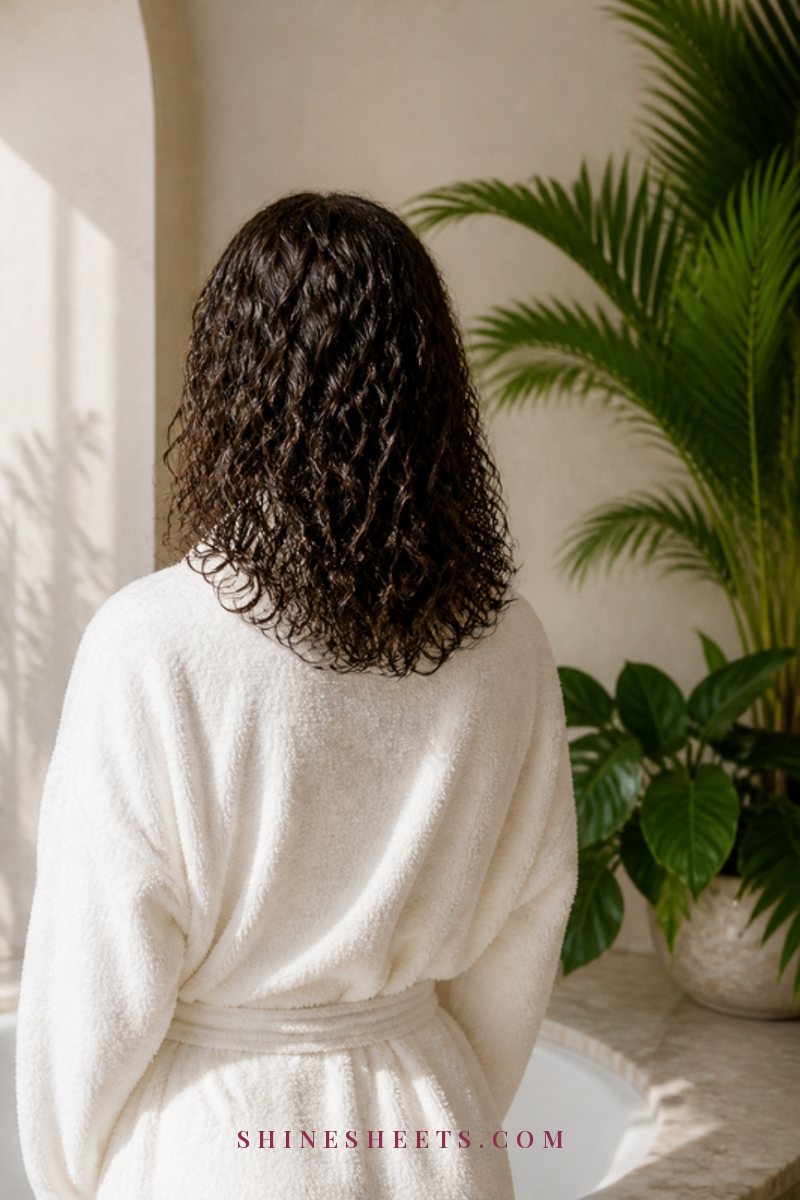
You'll know it's time when your hair needs more effort to smooth, frizz returns at the roots and crown, or your natural texture is clearly back after washing. For many people that's around three to four months, but it can be sooner or later.
Try not to rush back too early. Repeating a treatment too often can leave hair feeling stiff or brittle, and it's kinder to give your hair some breathing room. Many stylists recommend spacing treatments at least about three months apart, and some suggest no more than three or four a year. In between, a steady weekly hair care routine keeps your hair healthy and makes the next treatment look even better.
When you rebook, mention how the last one went: how long it lasted, where it faded first, and anything you'd like to change. That helps your stylist fine-tune the formula and the timing for you.
Final Thoughts
Good keratin treatment aftercare is really a handful of gentle habits: patience in the first few days, a sulfate-free and salt-free shampoo, cooler water, less heat and a little softness at night. None of it takes long, and all of it helps your smooth hair stay smooth.
Follow your stylist's advice first, ask the questions that make you feel safe, and enjoy those easy, glossy hair days. You made a lovely investment in yourself, and a little care helps it shine for months.