Bond repair treatments aren't fancy conditioners, and they aren't miracle cures either. They do one specific job: they work inside the hair strand, where bleach, color and heat quietly break the links that keep each hair strong. Once you understand that one idea, it gets much easier to tell whether your hair actually needs one (or whether you're about to spend money on a step you can skip).
There's a lot of hype around bond builders, and a lot of confusion too. People use them like masks, expect them to glue split ends back together, or buy three at once and wonder why their hair feels the same. I'd rather keep it simple and honest: what's happening inside your hair, what these products can realistically do, and how to fit them into a routine without overdoing it.
This guide explains bond repair treatments in plain words: the three types of bonds in your hair, what breaks them, how bond builders differ from protein treatments, masks and conditioners, whose hair benefits most and who can happily skip them. You'll also find a side-by-side table of treatment types, how often to use each one and a gentle routine that protects your bonds between treatments.
It works for every texture, from fine and straight to thick coils. The chemistry inside the strand is the same for all of us.
What Bond Repair Treatments Actually Do

Every strand of hair is mostly keratin, a protein built from long chains held together by tiny links called bonds. Think of a rope ladder: the long ropes are the protein chains, and the rungs are the bonds that keep everything aligned and strong. When enough rungs break, the ladder still looks like a ladder, but it stretches, tangles and snaps when you pull it.
A bond repair treatment is designed to work on those rungs. Depending on the formula, it helps relink broken bonds or reinforces the structure around them, so the strand behaves more like healthy hair again. That's the key difference from most hair products, which mainly work on the outside of the strand.
Many people first heard about this category through Olaplex, a well-known example that made "bond builder" a household phrase. Today there are many formulas at different price points, and the general idea is the same across them: strengthen from inside rather than smooth from outside.
The Three Bonds That Hold Your Hair Together
Your hair has three main kinds of bonds, and they behave very differently:
- Disulfide bonds: the strongest ones, formed between sulfur atoms in the keratin. They give hair its strength and much of its natural shape. Water doesn't break them, but bleach, permanent color, perms, relaxers and chemical straightening do. These are the bonds most treatments focus on.
- Hydrogen bonds: weak, temporary bonds that break every time your hair gets wet and re-form as it dries. This is why a blow-dry or a heat style "sets" and then drops out in humidity. Breaking them is normal and harmless.
- Salt bonds: also temporary, and sensitive to pH. Very alkaline or very acidic products loosen them, and they re-form when your hair returns to its usual balance.
So when people talk about "broken bonds," they almost always mean disulfide bonds. Hydrogen and salt bonds come and go every wash day. Disulfide bonds don't fix themselves, which is exactly where bond repair steps in.
What Breaks Hair Bonds in the First Place

Healthy, untreated hair loses very few disulfide bonds during normal life. The real damage comes from a short list of things:
- Bleach and lightening: lightener opens the cuticle and uses oxidation to remove pigment, and that same process breaks disulfide bonds. The lighter you go and the more often you lift, the more bonds break. If you're planning another round, my guide on how long to wait before bleaching your hair again walks you through the signs your hair is ready (or not).
- Permanent color: less harsh than bleach, but frequent coloring, especially lightening shades, adds up over months.
- Chemical straightening, relaxers and perms: these work by deliberately breaking disulfide bonds and rebuilding them in a new shape. Some bonds don't reconnect properly.
- High heat: flat irons and curling wands used very hot, very often or on wet hair can damage keratin over time.
- Rough handling on fragile hair: tight brushing, rubbing with a towel and snagging accessories don't break bonds the way chemicals do, but they make already-weakened hair snap faster.
If heat is your main concern, the protein inside the strand isn't the only thing to think about. My gentle plan for fixing heat-damaged hair covers the whole picture, including how to style while you're healing.
Bond Builders vs Protein Treatments, Masks and Conditioners

This is where most of the confusion lives, because all of these products promise "stronger, healthier hair." They just do it in completely different ways:
- Bond builders work inside the strand, helping relink or reinforce broken disulfide bonds. They don't usually make hair feel instantly silky, which surprises people.
- Protein treatments fill gaps in a damaged cuticle and outer layers with small protein pieces, so hair feels firmer and less stretchy. Too much protein can leave hair stiff and straw-like.
- Hair masks are rich, deep conditioners that soften and add moisture. They coat and smooth the outside. Lovely, but not structural.
- Conditioners smooth the cuticle, reduce friction and make detangling easier. Essential for almost everyone, but they rinse away the next wash.
The simplest way to remember it: bond builders rebuild inside, protein fills, masks and conditioners coat and soften. Most damaged hair benefits from a mix, not just one. If your hair swings between mushy and brittle, my guide on how to tell whether your hair needs protein or moisture will help you balance the outside layer while the bond builder works on the inside.
Bond Repair Treatments at a Glance
Here's a quick table to help you see where each type fits. Screenshot it for your next salon visit or shopping trip:
| Treatment type | How it works | Best for | How often |
|---|---|---|---|
| Bond-building pre-wash treatment | Concentrated formula applied to damp hair before shampoo, left on so it can work inside the strand | Bleached, lightened or chemically treated hair at home | Once a week when hair is very damaged, then every 2 weeks |
| In-salon bond add-on | Mixed into lightener or color and followed by a second step at the bowl | Anyone lightening, coloring often or doing a big color change | Every color or lightening appointment |
| Bond-building shampoo and conditioner | Lower-strength actives used on every wash day for maintenance | Color-treated hair between treatments, mild damage | Each wash, or alternate with your usual pair |
| Leave-in bond serum or cream | Stays on the hair, often combined with smoothing and heat protection | Heat stylers, frizzy or snapping ends | After washing, before styling |
| Protein treatment (not a bond builder) | Fills gaps in the outer layers with protein for firmness | Stretchy, gummy, overly soft hair | Every 4 to 6 weeks, less if hair feels stiff |
| Deep conditioning mask (not a bond builder) | Coats and softens the outside, adds moisture and slip | Dry, rough or tangly hair of any type | Once a week |
Notice that the last two aren't bond builders at all. They're still useful, they just solve different problems, and pairing one of them with a bond treatment is often what makes damaged hair finally feel good again.
Whose Hair Really Needs Bond Repair

Bond builders make the biggest difference when hair has gone through chemical or heavy heat changes. You're likely to notice results if you have:
- Bleached or lightened hair: highlights, balayage, platinum or any big lift. This is the group bond builders were made for.
- Frequently colored hair: root touch-ups every few weeks, especially with lighter shades or overlapping color on the lengths.
- Heat-damaged hair: daily flat ironing or curling at high temperatures, ends that feel rough and won't hold a style.
- Chemically straightened, relaxed or permed hair: including keratin-type smoothing services that use heat to seal them in.
- Snapping or stretchy strands: pull one gently while it's wet. If it stretches a lot and doesn't bounce back, or snaps quickly, your internal structure needs help.
Curls and coils are included here, too. Textured hair is naturally more fragile at the bends of each curl, so color or heat damage often shows up as lost curl pattern. If that's you, my guide to bond builders for curly hair goes deeper into curl-specific results.
For breakage that seems to come from somewhere other than chemicals (tight accessories, friction, stress or a change in health), my article on the causes of hair breakage and how to stop it helps you find the real source first.
Who Can Skip It
If your hair is healthy, untreated and rarely heat-styled, you probably don't need a bond builder at all. Your disulfide bonds are largely intact, so there's very little for the product to do. A good gentle shampoo, a conditioner you love and an occasional mask will serve you better.
The same goes for hair that feels dry but not weak. Dryness is a moisture issue, and a bond builder won't make dry, healthy hair feel softer. Give yourself permission to skip a trendy step if your hair doesn't need it. That's not laziness, it's a smart routine.
How To Use a Bond Repair Treatment

The type you choose decides how you use it. Always follow the instructions on your specific product first, because concentrations and timing vary. Here's how each one usually works.
Pre-Wash Treatments
A bond-building pre-wash treatment is the most common at-home option. Look for one designed for your hair's needs and texture, in a size you'll actually finish within a few months.
- Dampen your hair with lukewarm water and gently squeeze out the excess. Hair should be damp, not dripping.
- Apply the treatment from roots to ends, focusing on the most lightened or damaged lengths. Use enough to saturate, not drench.
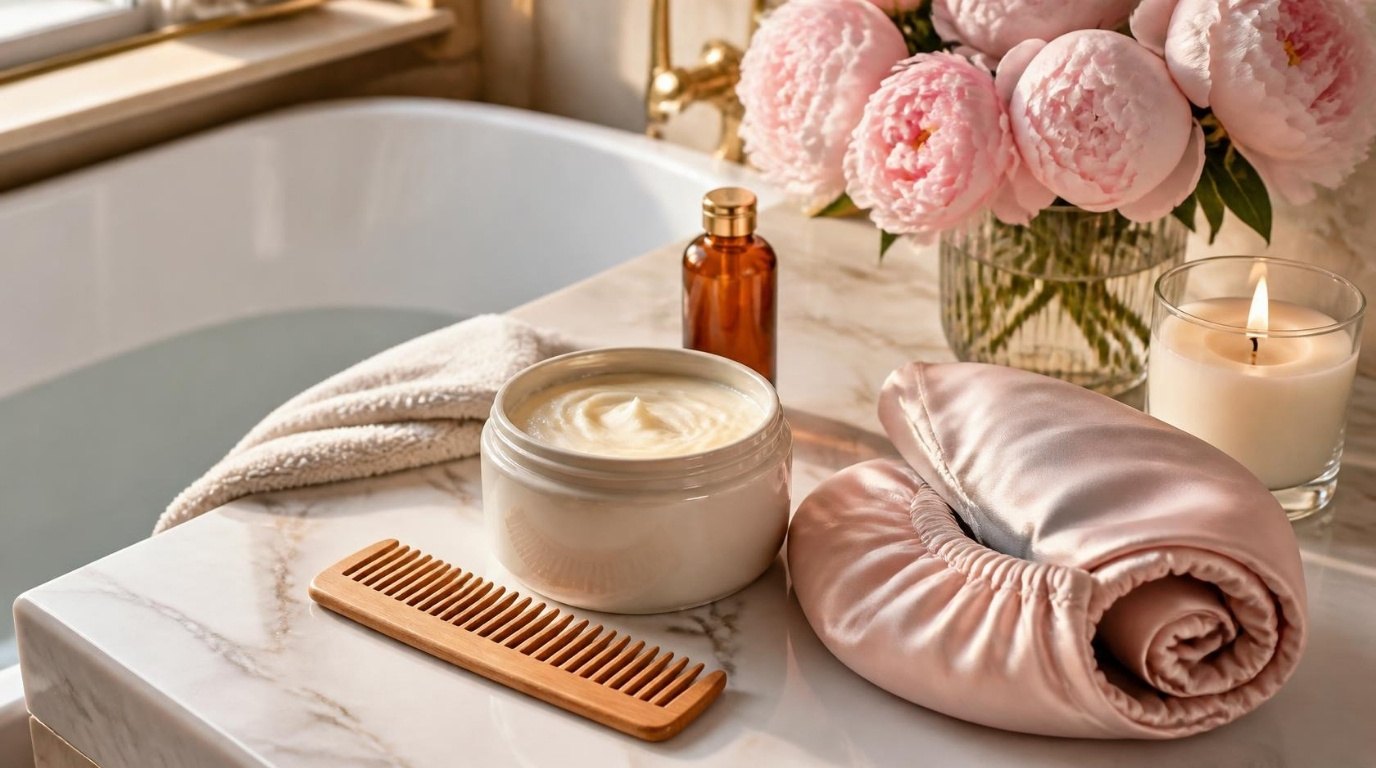
- Comb it through gently with a wide-tooth comb so every section is covered.
- Leave it on for the time the instructions give, usually at least 10 minutes. Some formulas allow longer, but more time doesn't always mean more results.
- Rinse, then shampoo and condition as normal.
For the shampoo step, a gentle sulfate-free shampoo is a kind choice for color-treated hair, since it cleans without stripping the lengths you just treated.
In-Salon Add-Ons During Color
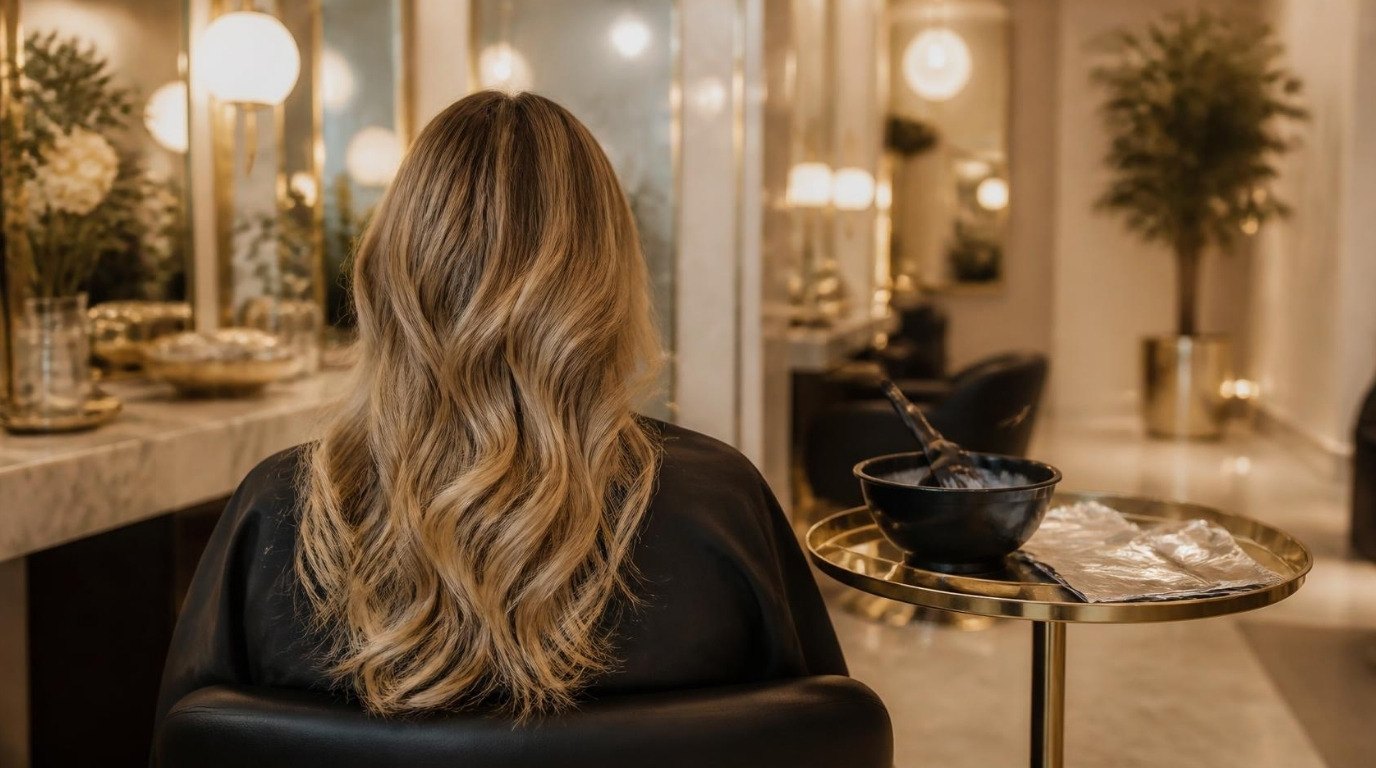
If you're getting bleach or color, ask your stylist about adding a bond builder to the service. It's usually mixed right into the lightener or color, then followed by a second step at the backwash. This protects bonds while the chemicals are working, which is the moment damage happens.
It often costs a little extra, but for anyone going lighter, it's one of the most worthwhile add-ons in the salon. A mini script if you feel shy: "I'd like to protect my hair as much as possible today. Can we add a bond builder to my color?" Any good stylist will be happy you asked.
Shampoo and Conditioner Versions
Bond-building shampoos and conditioners contain lower amounts of active ingredients, so they're maintenance rather than rescue. They're a nice way to keep lightened hair feeling stronger between treatments, especially if you wash often. On their own, they won't transform very damaged hair, so pair them with a pre-wash treatment or salon service if your hair is fragile.
How Often To Use Bond Repair
A gentle starting rhythm for most damaged hair looks like this:
- Very damaged or freshly bleached hair: a pre-wash treatment once a week for 4 to 6 weeks.
- Once hair feels stronger: every 2 weeks.
- Maintenance: every 2 to 4 weeks, plus a bond add-on at every color appointment.
- Healthy, untreated hair: not needed. Save your money for a good conditioner.
Bond builders generally don't cause the stiffness that protein overload does, but each product has its own limits, so check the label. If your hair starts to feel dry, add a moisturizing mask instead of increasing the bond treatment.
Realistic Results: What Bond Repair Can and Can't Do
Here's the honest part. When bond repair works well, you'll usually notice:
- Less breakage while brushing and fewer short broken pieces in the brush.
- Hair that feels less stretchy and gummy when wet.
- Smoother lengths and easier detangling.
- Color and styles that look a little more even and polished.
- In curly hair, sometimes a bit more spring in the pattern.
What it can't do: bond repair won't mend split ends. Once an end has split, the only real fix is a trim, and products only make it look neater for a while. It also won't make hair grow faster, change your natural texture, or undo years of damage in one wash. Most people notice a difference after a few treatments, not after the first one.
And here's my small honest admission: I find it easy to expect a product to do everything. It helps me to think of bond repair as one good habit inside a routine, not the whole routine.
A Gentle Routine That Protects Your Bonds

The treatment helps rebuild. These everyday habits help you keep what you've rebuilt:
- Blot, don't rub. Wrap wet hair in a soft white microfiber hair towel for 10 to 15 minutes instead of rubbing it with a regular towel. Wet hair is at its weakest.
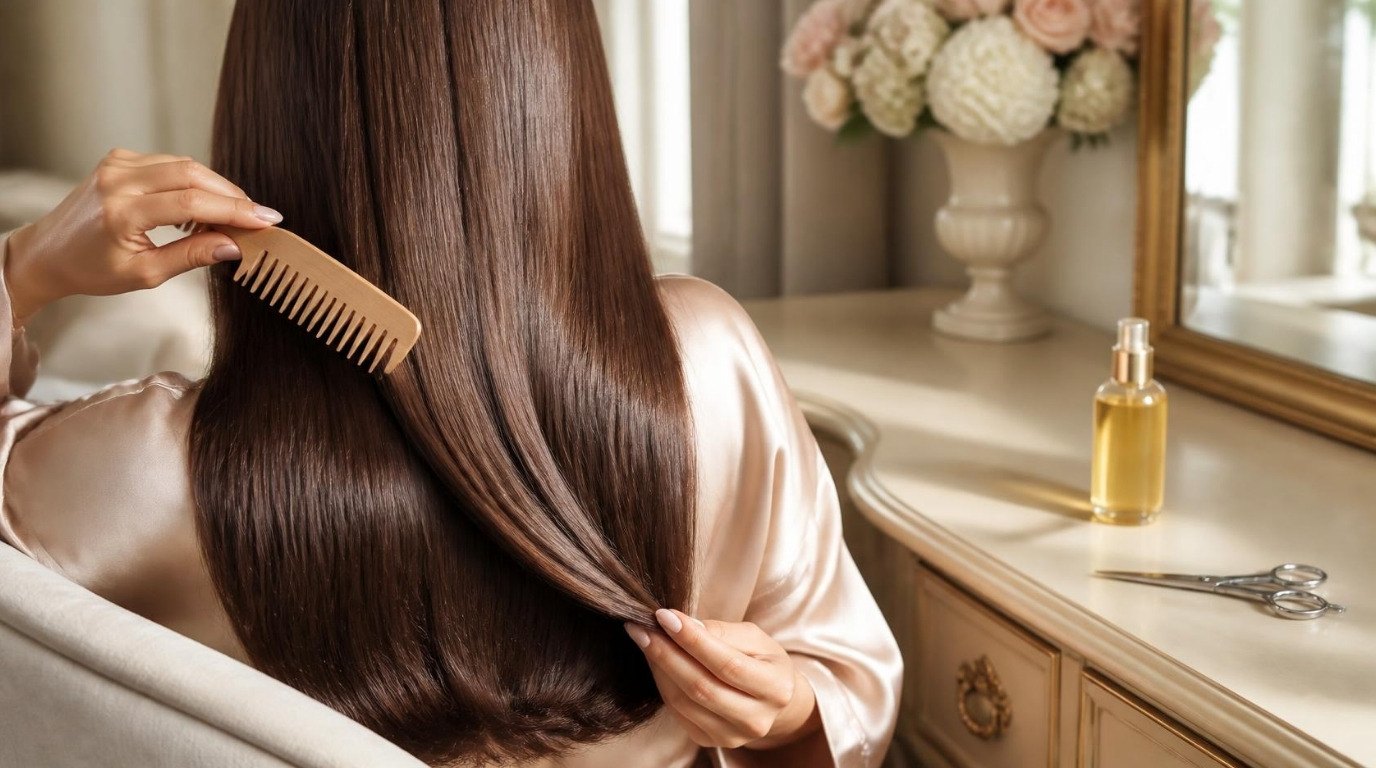
- Detangle from the bottom up. Use a wide-tooth detangling comb on damp, conditioned hair, starting at the ends and working up in small sections.
- Always protect before heat. Mist a heat protectant spray through dry or damp hair before any hot tool. My guide to using heat protectant the right way covers exactly how much and where.
- Turn the heat down. Use the lowest temperature that styles your hair, and pass the tool over each section once or twice, not five times.
- Space out chemical services. Give your hair time between lightening sessions, and ask your stylist to avoid overlapping bleach on already-lightened lengths.
- Sleep on something smooth. A blush silk pillowcase reduces friction overnight, which matters for fragile ends.
- Trim regularly. A small trim every 8 to 12 weeks removes split ends before they travel up the strand.
If you've had a scalp reaction to color before, or your skin is sensitive like mine, patch test any new treatment on a small area behind your ear or on your inner arm first and wait 24 to 48 hours. Stop using anything that stings, itches or causes redness.
5 Bond Repair Myths Worth Letting Go Of
- "Bond builders are just expensive conditioners." They work on a different part of the strand. A conditioner smooths the outside; a bond builder works inside.
- "They fix split ends." No product can permanently seal a split end. Bond repair helps prevent new splits by keeping the strand stronger.
- "Everyone needs one." Healthy, untreated hair has very little to rebuild. It's a targeted step, not a must-have.
- "More is better." Leaving a treatment on overnight or using it every day rarely speeds anything up. Consistency over weeks matters more than quantity.
- "With a bond builder, bleach can't damage my hair." It reduces damage; it doesn't erase it. Gentle lightening, good timing and an experienced stylist still matter most.
Final Thoughts
Bond repair treatments are one of the most useful tools for hair that has been lightened, colored, straightened or heat-styled, because they help where damage actually happens: inside the strand. If your hair is healthy and untreated, you can skip them with a clear conscience.
Choose the type that fits your routine, use it steadily for a few weeks, protect your hair gently between treatments and trim the ends that have already split. Stronger hair is built slowly, one calm wash day at a time, and you're already on the right track by understanding what your hair truly needs.