Hair color doesn't fade because you chose the wrong shade or a bad salon. It fades because of a handful of everyday things – hot water, harsh shampoo, heat, sun, minerals in your water – that slowly open the hair cuticle and let those color molecules slip out. The good news is that almost every one of them is easy to change once you know what you're looking for.
It took me a while to understand that the first two weeks after a color appointment matter more than the next two months. That's when the color is settling in, and that's when small habits make the biggest difference.
This guide covers how to make hair color last longer and stay shiny: why color fades, a "color fade culprits" table you can screenshot, 14 habits that protect your shade, specific tips for red, brunette and blonde hair, a simple weekly routine and the sneaky mistakes that wash color down the drain without you noticing.
Whether you paid for a salon gloss or colored your hair at home, the rules are the same. Let's keep that fresh-from-the-chair shine around for as long as possible.
Why Hair Color Fades in the First Place
Each strand of hair is covered by a layer of tiny overlapping scales called the cuticle. When you color your hair, the dye either sits on the surface (semi-permanent colors and glosses) or slips under the cuticle into the inner part of the strand (permanent color). Either way, the color stays put best when that cuticle lies flat and closed.
Anything that lifts the cuticle gives color an exit. Heat lifts it. Hot water lifts it. Strong cleansing agents strip it. UV light breaks color molecules down, which is why your ends often look brassy or dull by the end of summer. Minerals in hard water and chlorine in pools coat the strand and change how color reflects light, so even color that's technically still there can look flat. Silver strands are especially sensitive to this, which is why I wrote a whole guide to keeping silver hair bright and shiny.
A few other things are worth knowing:
- Red molecules are the largest, so they escape the fastest. That's why red, copper and auburn shades are famously high-maintenance.
- Porous hair fades faster. Bleached, damaged or naturally high-porosity hair grabs color quickly and loses it just as quickly.
- The first few washes are the riskiest, because the color hasn't fully settled and the cuticle is still a little raised from the coloring process.
If you color at home, it's worth reading up on what to consider before you bleach or dye your hair at home, because the condition of your hair before coloring decides a lot about how long the result lasts.
The Color Fade Culprits Table
Here's the unique bit of this guide: a quick table of the most common reasons color fades, what each one actually does to your hair, and the fix. Screenshot it and keep it in your phone for the next time your shade looks tired.
| Culprit | What It Does | The Fix |
|---|---|---|
| Hot water | Swells the strand and lifts the cuticle so color rinses out | Wash in lukewarm water, finish with a cool rinse |
| Sulfate shampoo | Strong cleansers strip color along with oil | Color-safe, sulfate-free shampoo |
| Washing too often | Every wash removes a little pigment | Stretch washes with dry shampoo, 2–3 washes a week |
| Heat styling | High heat breaks down color molecules and dries hair | Heat protectant every time, tools at medium heat |
| Sun (UV) | Bleaches and oxidizes color, causes brassiness | Hat or UV-protective hair spray |
| Chlorine and salt water | Strips color, can tint blonde hair green | Wet and condition hair before swimming, rinse right after |
| Hard water | Mineral buildup makes color look dull and brassy | Shower filter, occasional gentle clarifying |
| Rough towel drying | Friction roughens the cuticle | Blot with a microfiber towel or soft cotton tee |
| Dryness and damage | Porous hair can't hold color | Weekly mask, bond-building treatments, regular trims |
You don't need to fix all nine at once. Pick the two that sound most like your routine and start there – that alone can add weeks to your color.
14 Habits That Make Hair Color Last Longer
These are in roughly the order they matter, starting with the first days after coloring and moving into everyday care.
1. Wait 48 to 72 Hours Before the First Wash
Permanent color keeps developing and settling for a couple of days after your appointment, and the cuticle needs time to close again. If you wash too soon, you rinse out color that hasn't fully set yet.
Try to wait at least 48 hours, and 72 if you can manage it. If your roots feel greasy on day two, a light mist of dry shampoo at the roots is perfectly fine. Skip workouts that make you sweat heavily during that window too, and avoid swimming for at least a week.
2. Turn the Water Temperature Down
This is the single cheapest habit on the list. Hot water swells the hair shaft and lifts the cuticle, which is exactly what you don't want. Lukewarm water cleans just as well.
My little formula: wash in lukewarm, rinse your conditioner in cool. Tilt your head forward or to the side for the final rinse so you don't have to stand under cold water (that part is not anyone's favorite). Ten seconds of cooler water at the end helps the cuticle lie flat, and flat cuticles reflect more light, which means more shine.
3. Switch to a Color-Safe, Sulfate-Free Shampoo
Regular shampoos often use strong sulfates that create a lot of foam and remove a lot of oil – and a lot of pigment with it. A gentle formula cleans the scalp without stripping the length of your hair.
Look for a sulfate-free, color-safe shampoo labeled for color-treated hair, ideally with a mild cleansing base and some conditioning ingredients. Don't expect the same rich lather; that's normal and doesn't mean it isn't working.
How to wash: shampoo your scalp only, massaging with your fingertips for about 30 seconds. The suds that run down while you rinse are enough for the lengths. Your ends rarely need direct shampoo.
4. Wash Less Often (Dry Shampoo Is Your Friend)
Every wash removes a little color, no matter how gentle the shampoo. If you wash daily now, try moving to every other day, then to two or three times a week. Your scalp usually adjusts within a few weeks.
A dry shampoo made for color-treated hair bridges the gap. Spray it about 15 centimeters from your roots on dry hair, leave it for a couple of minutes, then massage it in and brush through. Tinted versions work nicely for dark hair if you dislike any white cast. My guide on how to use dry shampoo properly walks through the timing and application in more detail.
One kind reminder: dry shampoo doesn't replace washing forever. Your scalp still needs a real cleanse a few times a week.
5. Condition Every Time, Mask Once a Week
Conditioner smooths the cuticle and fills tiny gaps along the strand, which helps color stay inside. Use it after every single wash, from the mid-lengths to the ends, and leave it on for at least two to three minutes before rinsing.
Once a week, swap your regular conditioner for a deeper treatment. Apply it to towel-dried hair (not dripping wet, which dilutes it), comb it through with a wide-tooth comb, and leave it on for 10 to 20 minutes. If your hair is bleached or very dry, a bond-building or protein-and-moisture mask can make a visible difference in how well it holds color. You'll find plenty of options in my roundup of hair masks for every hair type.
6. Use a Gloss or Color-Depositing Conditioner Between Appointments
This is my favorite trick for keeping color fresh without a salon visit. A color-depositing conditioner adds a small amount of pigment each time you use it, topping up what washes out.
Choose a color-depositing conditioner in a shade close to your color (or slightly cooler if you fight brassiness). Use it once a week to start, leaving it on for 3 to 5 minutes. If the shade looks too strong, mix it 50/50 with your regular conditioner. Always wear gloves and do a strand test on a hidden section first, especially on light or bleached hair, which grabs pigment fast.
A clear or tinted at-home gloss is another option. It doesn't add much color but seals the surface for that glassy shine. Every four to six weeks is plenty.
7. Always Use a Heat Protectant
Heat is one of the biggest color faders, and it's also the one people skip most often because they're in a hurry. A heat protectant forms a thin film over the strand that slows how quickly heat reaches the inside of the hair.
Mist a heat protectant spray through damp hair before blow-drying, section by section, so every strand gets some. If you use a flat iron or curling iron on dry hair, a light second pass with a protectant made for dry hair is a good idea. It takes about 30 seconds and protects both your color and your ends.
8. Lower Your Tool Temperature
You almost never need the highest setting. Most hair styles beautifully at medium heat, around 150–180°C (300–355°F) for fine or color-treated hair. Go higher only if your hair is very thick and coarse, and even then, try lower first.
A few more habits that help: let your hair air-dry about 70 percent before blow-drying, point the dryer nozzle down the hair shaft (not straight at it), and avoid passing a flat iron over the same section more than once or twice. Heatless styling a few days a week gives your color a real break.
9. Protect Your Hair From the Sun
UV light fades color the same way it fades a sofa by a sunny window. If you spend long days outside, a wide-brimmed hat or a scarf is the easiest protection. A UV-protective hair spray or leave-in is helpful too, especially for red and blonde shades.
This matters in winter as well. Bright sun reflected off snow can be surprisingly strong, and many of us forget about hair protection once summer is over.
10. Guard Against Chlorine and Salt Water
Hair works a bit like a sponge: if it's already full of clean water, it absorbs less pool or sea water. Before you swim, wet your hair with tap water and smooth a little conditioner or leave-in through the lengths. Wear a swim cap if you swim often.
Right after swimming, rinse thoroughly with clean water and condition. For regular swimmers with blonde or light hair, a swimmer's shampoo once a week can help prevent a greenish tint.
11. Tackle Hard Water
If your shower leaves white spots on the glass, your water is probably hard. Calcium and magnesium build up on hair, making it feel coated and look dull, and they can push blonde toward brassy and brunette toward muddy.
A shower filter that screws onto your existing shower head is a simple fix for renters and homeowners alike. Change the cartridge as often as the instructions say, usually every few months. If a filter isn't possible, a gentle clarifying wash every two to four weeks helps remove mineral buildup (more on that in habit 14).
12. Blot, Don't Rub
Wet hair is at its most fragile, and rubbing it with a rough terry towel roughens the cuticle. Rough cuticles let color escape and make hair look frizzy and dull.
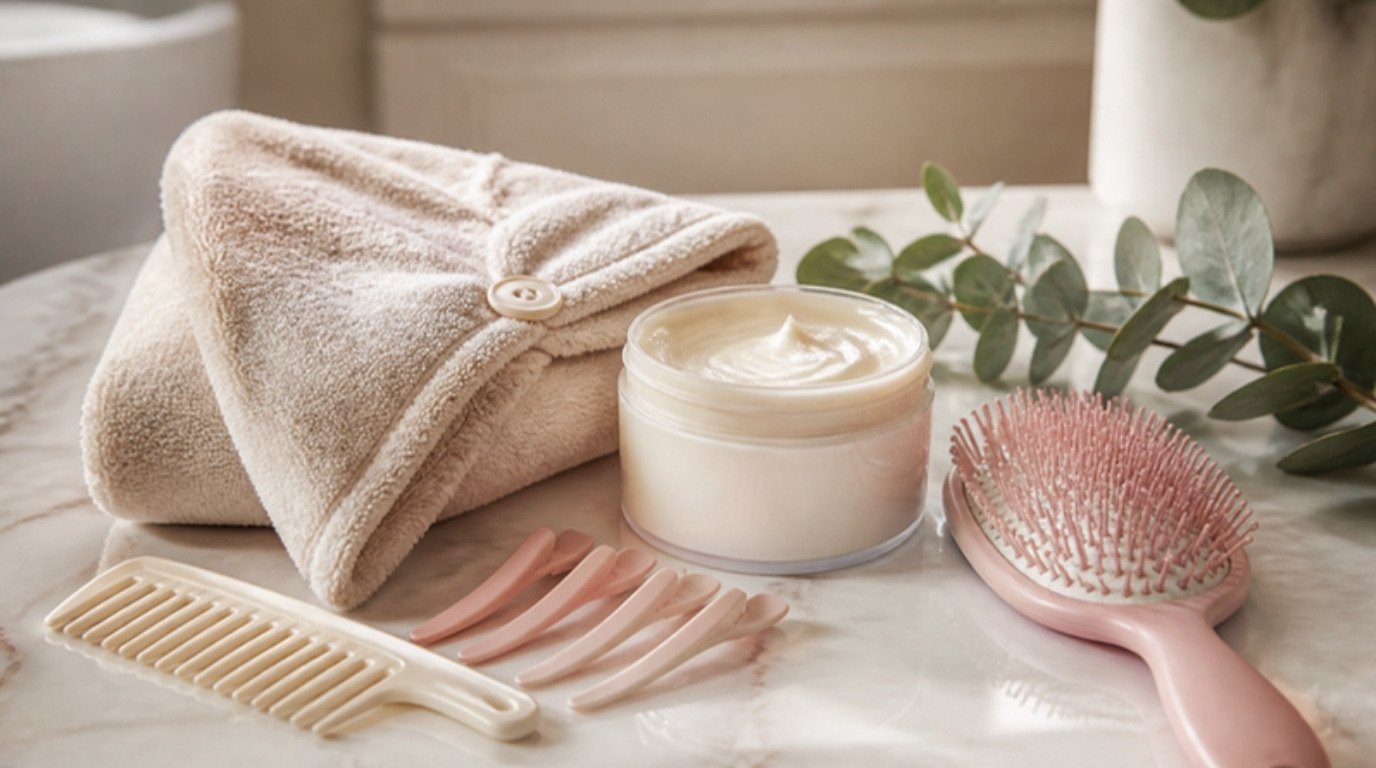
Gently squeeze the water out with your hands first, then press sections of hair between the folds of a microfiber hair towel wrap or an old soft cotton T-shirt. Leave the wrap on for no more than 10 to 15 minutes. Detangle with a wide-tooth comb, starting at the ends and working up.
13. Sleep on Something Smooth
Cotton pillowcases create friction as you move at night, which roughens the hair surface and can make color look duller over time. A silk or satin pillowcase lets hair glide instead. If you're curious whether it's worth it, I've written about silk pillowcase benefits and what to look for.
Also avoid going to bed with soaking wet hair, and if you tie your hair up at night, choose a soft scrunchie and a loose, low tie.
14. Clarify Rarely and Carefully
Clarifying shampoos remove buildup from products and minerals, but they also remove color. For color-treated hair, once every two to four weeks is usually enough, and only if your hair feels coated, heavy or dull.
A smart timing trick: clarify a few days before your next color appointment, not right after. Clean hair takes color more evenly, and you won't strip fresh pigment.
Color-Specific Tips for Red, Brunette and Blonde Hair
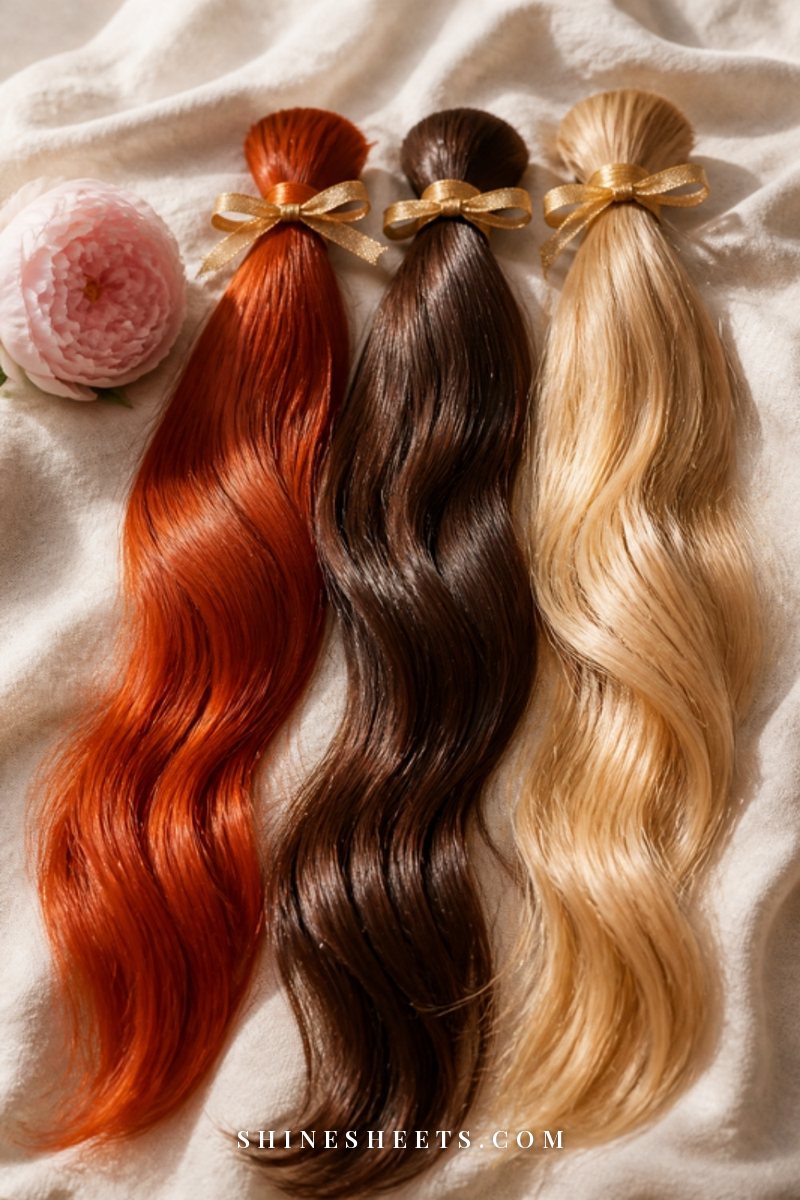
Every shade has its own weak spot. Here's what to focus on depending on your color.
For Red and Copper Hair
Red fades fastest, so every habit above counts double. Wash as little as you comfortably can, always in cool to lukewarm water. A copper or red color-depositing conditioner once a week is the most effective way to keep it vivid between appointments. Sun protection matters a lot here, because red tends to turn orange and dull in strong light.
Plan on a gloss or toner refresh every four to six weeks if you love a bright, saturated red.
For Brunettes
Brown hair tends to turn warm and reddish as it fades, because the cooler tones wash out first. A blue-tinted shampoo or conditioner once a week helps neutralize unwanted orange tones. Use it just like a mask – a few minutes, then rinse – and don't overdo it, or the color can look flat.
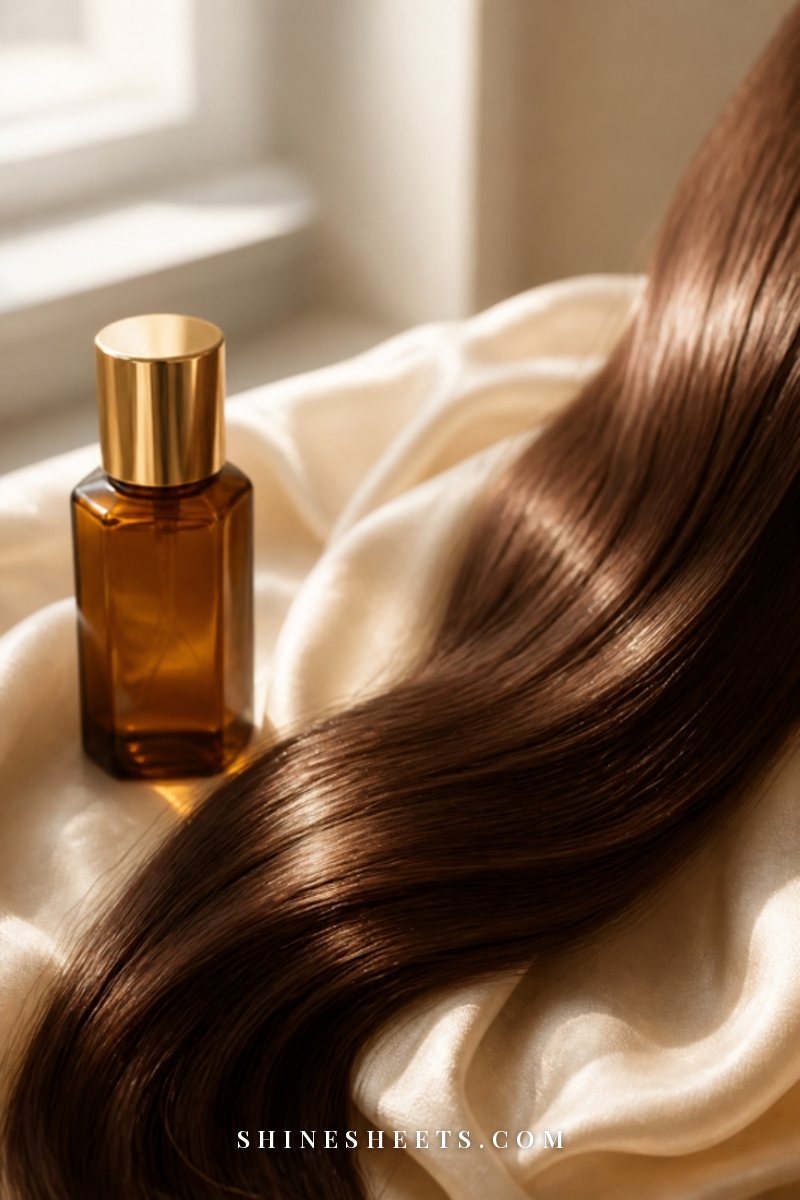
Brunettes often get the most from a clear or tinted gloss, because shine is what makes dark hair look rich. Cool rinses and a few drops of lightweight hair oil on the ends add a lot here.
For Blonde and Highlighted Hair
Blonde fades differently: it doesn't wash out so much as turn yellow or brassy. A purple shampoo once a week (or every other wash if you're very light) cancels out yellow tones. Leave it on for 1 to 5 minutes depending on how strong it is, and watch your hair the first few times so it doesn't tip lavender.
Bleached hair is also more porous and fragile, so weekly moisture and bond-building treatments are non-negotiable. Hard water and chlorine hit blondes hardest, which makes a shower filter especially worthwhile. My full guide to blonde hair care goes deeper into toning and keeping light hair strong.
A Simple Weekly Routine for Color-Treated Hair
If all of this feels like a lot, here's what it looks like in an ordinary week. It's much less than it sounds.
- Wash day 1: Lukewarm water, sulfate-free shampoo on the scalp, conditioner on the lengths, cool final rinse, blot dry, heat protectant before styling.
- Day 2: No wash. Refresh with a light mist of dry shampoo at the roots if needed.
- Wash day 2: Same as day 1, but swap your conditioner for a hair mask for 10 to 20 minutes.
- Day 4: No wash. Try a heatless style to give your hair a break.
- Wash day 3: Shampoo, then your color-depositing conditioner, purple shampoo or blue shampoo depending on your shade.
- Days 6–7: No wash or one easy wash, depending on your scalp. Smooth pillowcase every night.
Every two to four weeks, add one gentle clarifying wash if your hair feels coated. Every six to eight weeks, trim the ends, because split, damaged ends lose color fastest and make the whole length look faded.
Mistakes That Fade Color Without You Noticing
Some color thieves are sneaky. These are the ones that catch most people off guard:
- Using a dandruff or "deep clean" shampoo out of habit. Many are strong cleansers. If you need one for your scalp, use it on the scalp only and condition well.
- Letting a partner's or roommate's shampoo creep into your routine. One harsh bottle in the shower can undo a lot of good habits.
- Leaving purple or blue shampoo on too long. More isn't better. Over-toning can make hair look dull or tinted.
- Skipping heat protectant "just this once." Once becomes most days surprisingly quickly.
- Washing right before a long sunny day outside. Freshly washed hair has less natural oil to protect it. If you can, wash the evening before instead.
- Coloring over damaged hair. Color on porous, broken ends never lasts long. A trim and a few weeks of treatments before coloring pay off.
- Hot showers in winter. We all crave them when it's cold, but they're hard on color. Keep the water warm for your body and tilt your head out for a cooler hair rinse.
A small safety note: if you use color-depositing products or at-home glosses, follow the instructions and do a patch test if the product asks for one. If your scalp ever feels itchy, burning or sore after coloring, rinse it off and check with a dermatologist or your colorist before using it again.
How Long Should Hair Color Last?
It helps to have realistic expectations, so you know whether your color is fading normally or if something in your routine needs a change. These are general ranges – your hair's condition, porosity and routine all shift them.
- Permanent color: stays in the hair until it grows out, but often looks noticeably faded or warmer after 4 to 8 weeks.
- Demi-permanent color and glosses: usually around 20 to 28 washes.
- Semi-permanent color: roughly 6 to 12 washes, faster on bleached hair.
- Toner on blonde hair: often 4 to 6 weeks before brassiness starts to show.
If your color looks faded after just a week or two, look at your water temperature, shampoo and heat habits first. Those three are behind most early fading.
Final Thoughts
Keeping hair color fresh isn't about buying a whole shelf of new products. It's about lukewarm water, a gentle shampoo, a little patience after your appointment and protecting your hair from the things that quietly strip it – heat, sun, hard water and rough towels.
Start with one or two habits from the culprits table, give them a few weeks, and you'll likely notice your shine sticking around longer than it used to. Your color deserves to look as lovely in week six as it did the day you walked out of the salon.