When a pimple pops, the next few minutes matter more than the popping itself. What you do right after (how you clean it, what you cover it with and what you leave alone) decides whether it settles down in a few days or lingers as a sore red spot and then a dark mark for weeks.
And let's get one thing out of the way: it happens to everyone. Maybe you couldn't resist, maybe it burst on its own while you washed your face, maybe it caught on a towel. There's no shame in it. The useful question isn't "why did I do that?" but "what now?"
This guide covers exactly what to do after a pimple pops: a simple step-by-step routine for the first few minutes, a 72-hour care timeline, what to put on it (and what never to put on it), how to cover it with makeup once it's closed, how to prevent a dark mark, and the signs that mean it's time to see a dermatologist. Keep it gentle, keep it clean and keep your hands busy elsewhere.
First, Hands Off (Gently)
The very first step is the hardest one: stop squeezing. Once a spot has opened, more pressure doesn't "get the rest out." It pushes bacteria and inflammation deeper into the skin and stretches the walls of the pore, which is exactly what leads to a bigger, redder, longer-lasting bump.
If it helps, physically put distance between you and the mirror. Wash your hands, step out of the bathroom for a minute, and come back when the urge has passed. Pulling your hair back with a soft terry spa headband also keeps hair (and your fingers) away from the area while you treat it.
Why Popping Makes It Worse
This isn't a lecture, promise. Knowing what's happening under the skin just makes it easier to choose the gentle route next time.
A pimple is a clogged pore that has become inflamed. When you squeeze it, a few things can happen:
- The contents can push sideways into surrounding skin instead of out, which spreads the inflammation and makes the bump bigger.
- The skin tears, leaving an open wound that has to heal from scratch.
- Bacteria from your fingers or nails can get into that open skin.
- Inflammation triggers pigment. The more irritated the spot, the more likely you are to get a brown, pink or purple mark afterward (called post-inflammatory hyperpigmentation or erythema).
- Deeper damage can scar. Picking at deep, painful bumps is the most common route to a lasting pitted scar.
None of this means you've ruined anything. Skin is remarkably good at healing. You just want to give it the calmest possible conditions to do its work.
What To Do Right After a Pimple Pops: 7 Gentle Steps
Here's the routine I'd follow the moment a spot opens. It takes about five minutes:
- Wash your hands. Soap and warm water for a good twenty seconds, then dry them on a clean towel.
- Stop any bleeding with light pressure. Hold a clean tissue or cotton pad against the spot with gentle, steady pressure (not squeezing) for a minute or two until it stops.
- Cleanse gently. Rinse the area with lukewarm water and a mild, fragrance-free cleanser. A gentle low-pH gel cleanser is a good pick because it cleans without stripping or stinging.
- Pat dry. Use a clean towel or a fresh tissue and pat, don't rub.
- Let it settle for a moment. Wait a minute or two so the skin is fully dry before you put anything on it.
- Cover it. Apply a hydrocolloid patch, or a thin layer of plain healing ointment if you don't have one (more on both below).
- Leave it alone. No more touching, poking or checking every ten minutes. Let the patch do its job.
That last step is the one that makes the biggest difference, and it's the one most of us struggle with. Covering the spot helps here too, because it's much harder to pick at something you can't see.
The First 72 Hours: A Care Timeline
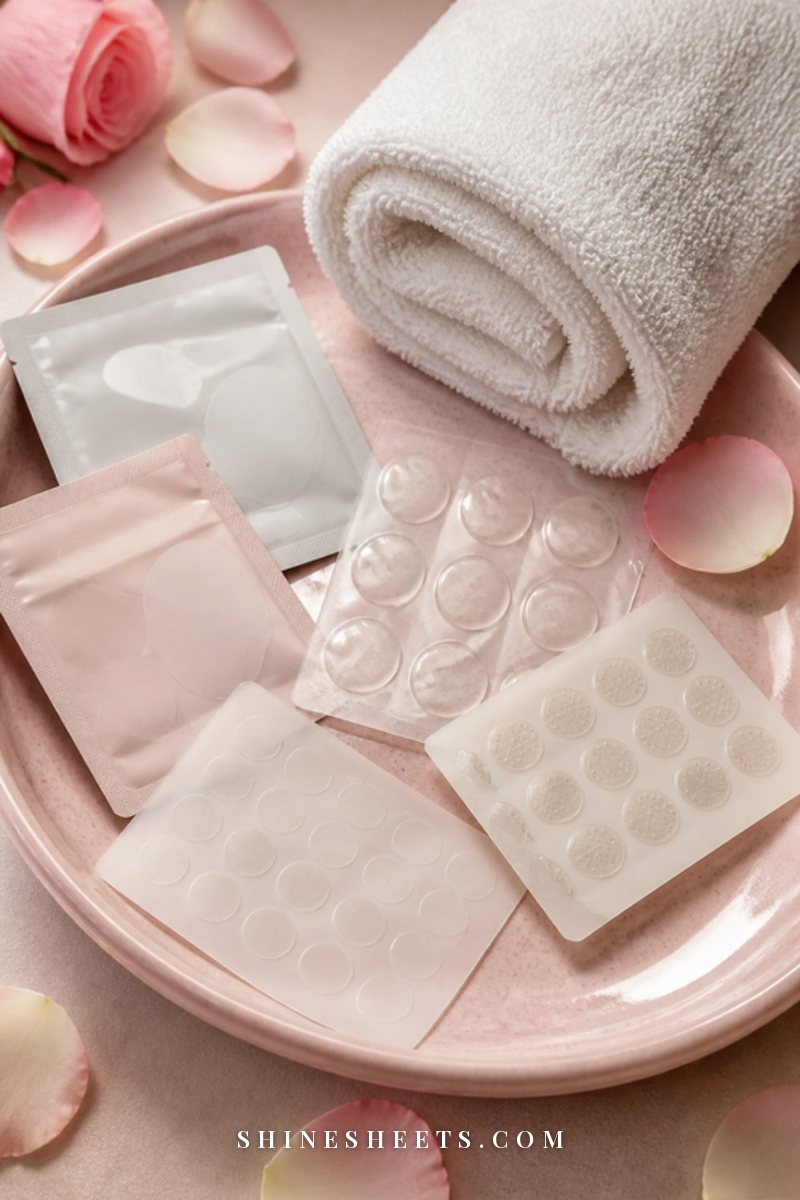
This is the unique part of this guide: a simple timeline for the days right after a pimple pops. Screenshot it if you like. Every spot is different, so treat the times as a gentle guide, not a deadline.
| When | What the skin is doing | What to do | What to avoid |
|---|---|---|---|
| First 10 minutes | Open, possibly bleeding a little | Clean hands, light pressure with a tissue, gentle cleanse, pat dry | More squeezing, rubbing, alcohol |
| Hour 1 | Starting to seal over | Hydrocolloid patch or a thin layer of petrolatum | Heavy makeup, scrubs, strong actives |
| Night 1 | Inflamed, a little tender | Fresh patch after cleansing, soothing moisturizer around it, clean pillowcase | Picking at the edges, sleeping on a dirty pillowcase |
| Day 2 | Redness calming, small scab or flat white surface under the patch | Change the patch when it turns white and puffy, keep the area moisturized | Peeling off a scab, exfoliating acids on the spot |
| Day 3 | Closing, often flatter and less red | Moisturizer, sunscreen every morning, light makeup once fully closed | Retinoids or acids directly on the healing spot |
| Day 4 onward | Healing; a pink or brown mark may remain | Daily sunscreen, gently reintroduce your usual routine | Picking at dry skin, skipping SPF |
If the spot is getting worse rather than better by day three (more painful, more swollen, warm to the touch, spreading redness), jump to the dermatologist section below.
What To Put on a Popped Pimple
The goal for open skin is simple: keep it clean, keep it covered, and keep it from drying out. A moist, protected wound tends to heal more comfortably than one left to crust over. Here are the three things worth reaching for.
Hydrocolloid Patches
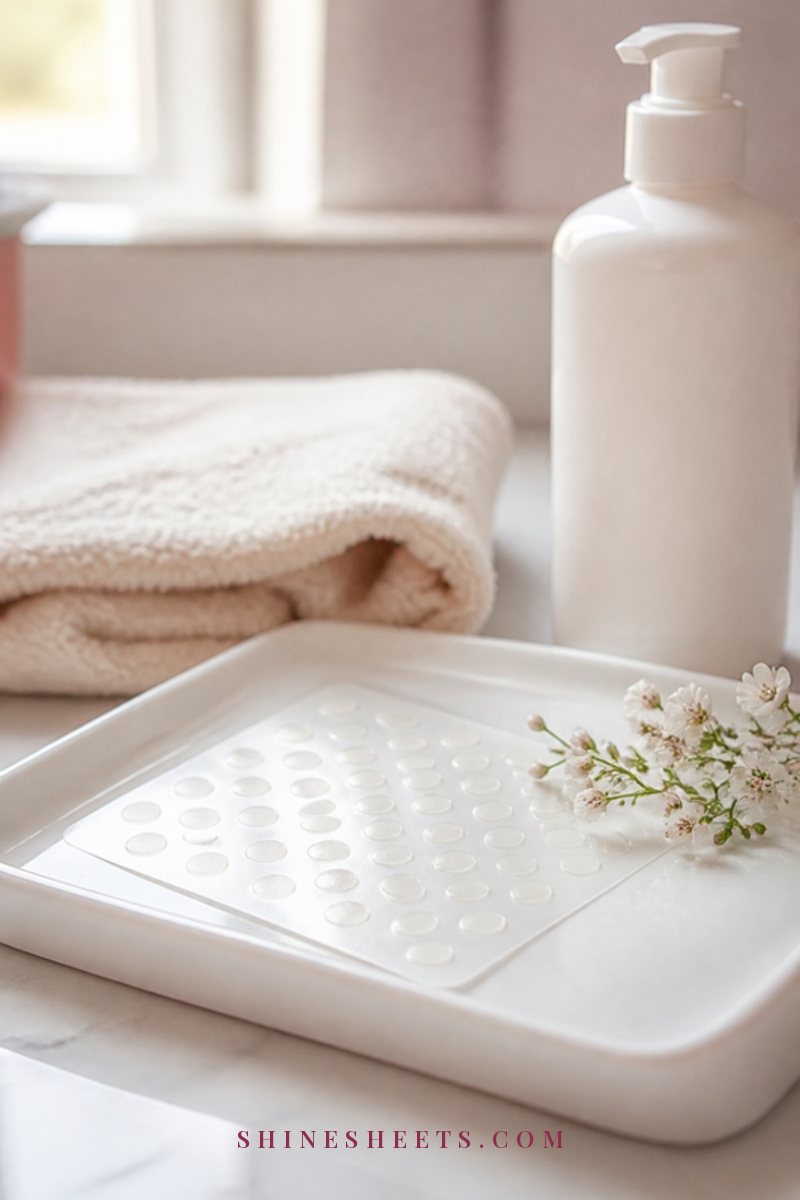
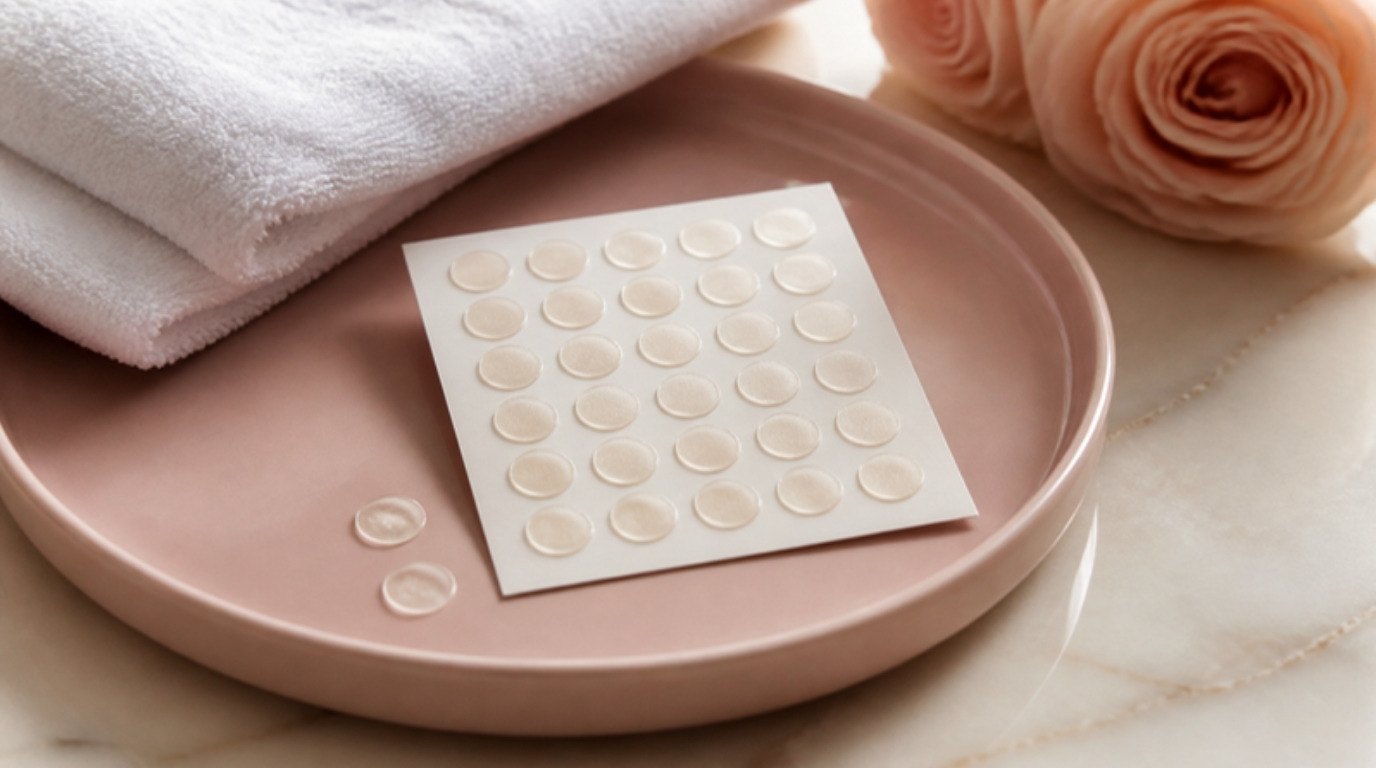
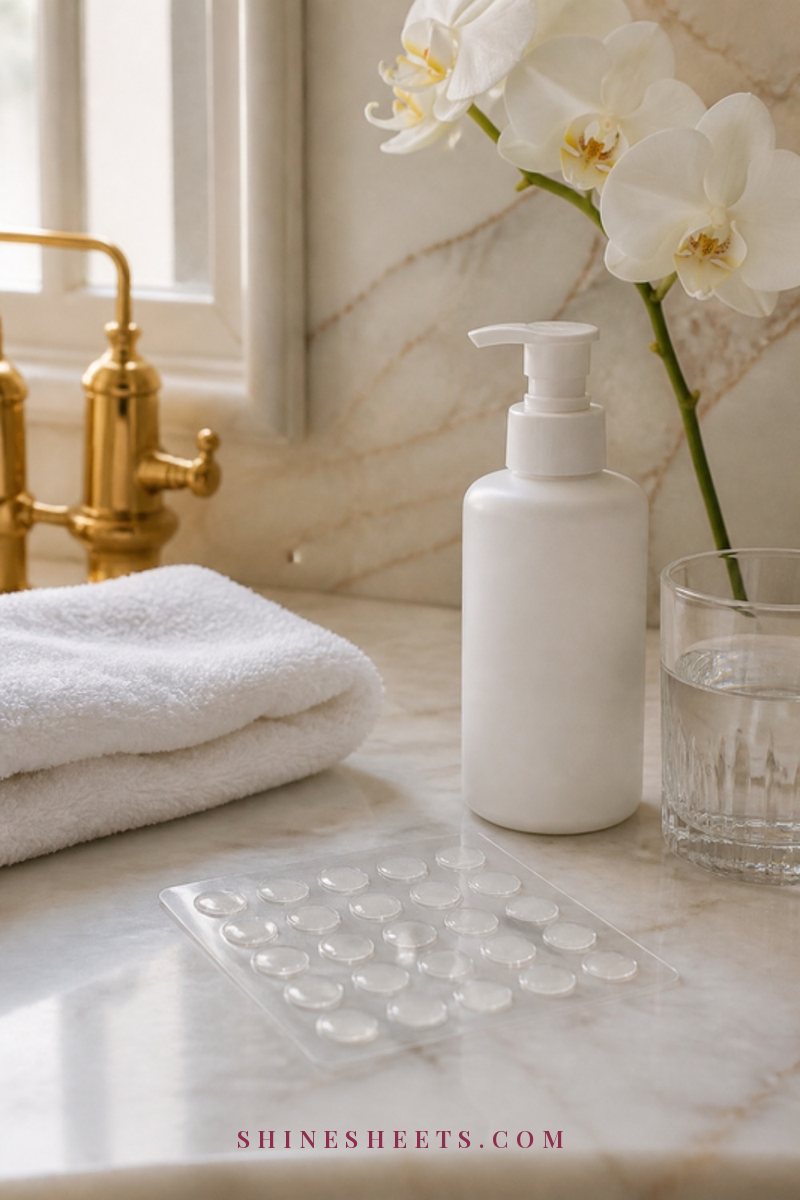
These little stickers are made for exactly this moment. A hydrocolloid patch absorbs fluid from the open spot, keeps the area moist and protected, and (maybe most helpfully) stops you from touching it. Look for plain clear hydrocolloid pimple patches in a mix of sizes, without added fragrance.
How to use them well:
- Apply to clean, completely dry skin, with no serum or moisturizer underneath.
- Choose a size that covers the whole spot with a little margin.
- Leave it on for several hours or overnight. When the center turns white and puffy, it's done its job and it's time for a fresh one.
- Peel it off slowly, holding the skin around it.
I've written a whole guide to pimple patches if you want to know which types work for which kinds of spots.
A Thin Layer of Healing Ointment
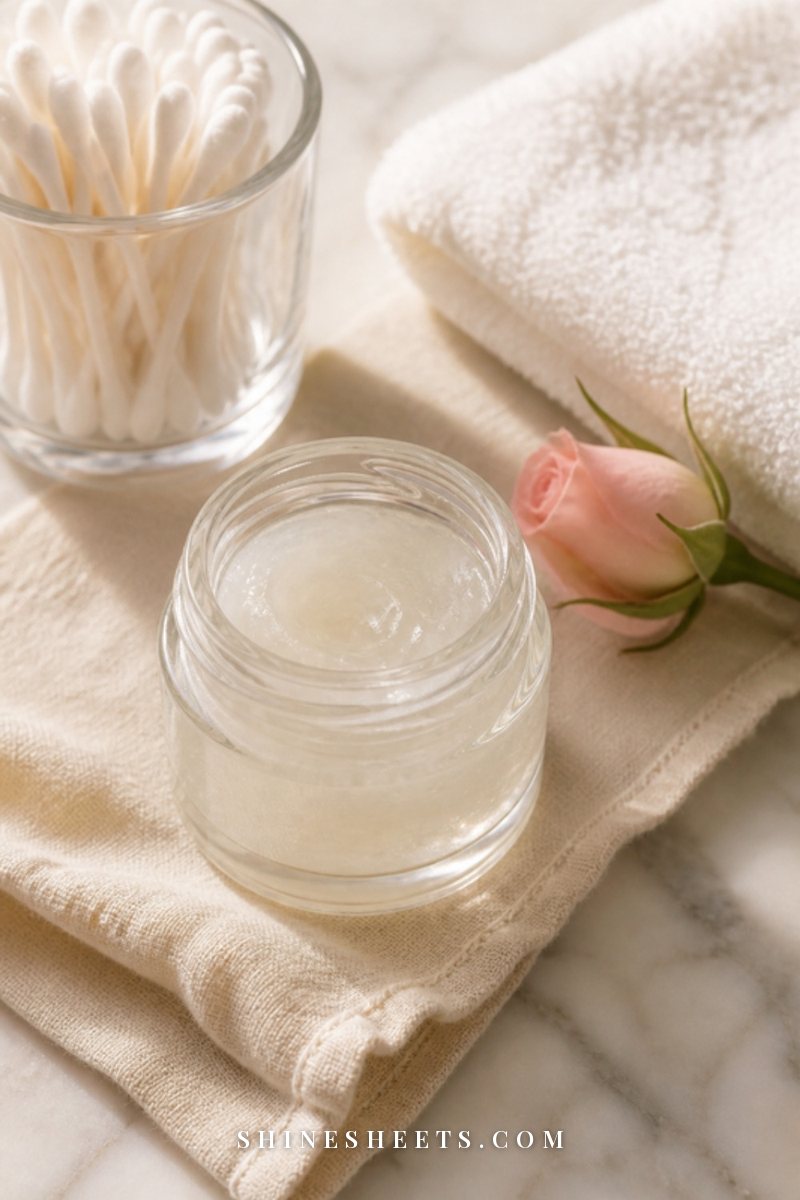
No patch on hand? A thin layer of plain petrolatum works beautifully. It seals in moisture and protects open skin while it closes. Apply with a clean cotton swab rather than your finger, and use just enough to make the spot look slightly glossy. A simple petrolatum healing ointment is the kind of thing that earns its place in every bathroom cabinet.
If you're very acne-prone, keep the ointment just on the spot itself rather than spreading it over a wider area.
A Soothing Moisturizer Around It
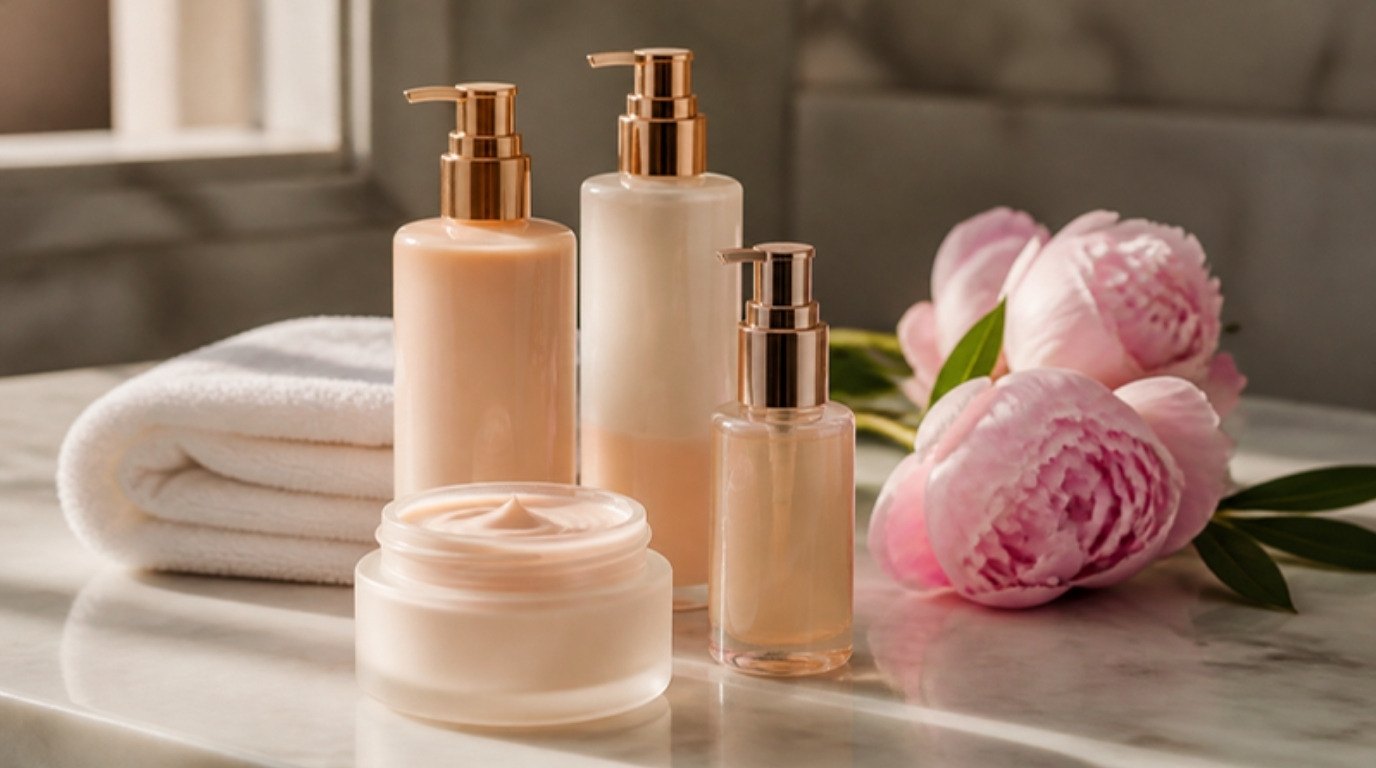
The skin around a popped pimple is often irritated too. Keeping the rest of your face comfortable helps everything calm down faster. A lightweight soothing cream with centella asiatica (sometimes called cica) is a lovely choice here: look for a fragrance-free centella soothing cream and smooth it around the spot, not over a fresh patch.
The rest of your routine can stay simple for a few days: gentle cleanser, soothing moisturizer, sunscreen in the morning. Think of it as giving your skin a quiet week while it repairs. You don't need a toner, three serums and a mask on top of a healing spot, and a shorter routine means fewer chances for anything to sting or irritate.
As always, if you're trying something new, patch test it on a small area of your jaw or neck for a day or two first.
What Not To Put on a Popped Pimple
The internet is full of "hacks" that sound clever and mostly make things worse. Please skip:
- Toothpaste. It's made for teeth, not wounds, and it can sting, dry out and irritate the skin.
- Rubbing alcohol or hand sanitizer. These sting, dry the area out and can make the redness worse.
- Lemon juice. It's acidic and irritating on open skin, and it can make dark marks more likely when the skin sees sunlight.
- Undiluted essential oils. Tea tree and friends can irritate or sensitize broken skin when used straight.
- Kitchen ingredients of any kind. Keep food for eating, not for open spots.
- A thick layer of foundation right away. Give the skin at least a little time to close first.
Skip Your Strong Actives for a Few Days
Your usual acne routine may include ingredients like salicylic acid, glycolic acid, retinoids or benzoyl peroxide. These are great for preventing breakouts, but on an open wound they can sting and slow things down.
For the first few days, keep them off the popped spot itself. You can keep using them on the rest of your face if your skin is comfortable, just work around the area. Once the spot has fully closed and isn't tender, ease them back in. If you're not sure whether your new routine is causing a flare, my guide on purging vs. breakouts helps you tell the difference.
Can You Cover a Popped Pimple With Makeup?
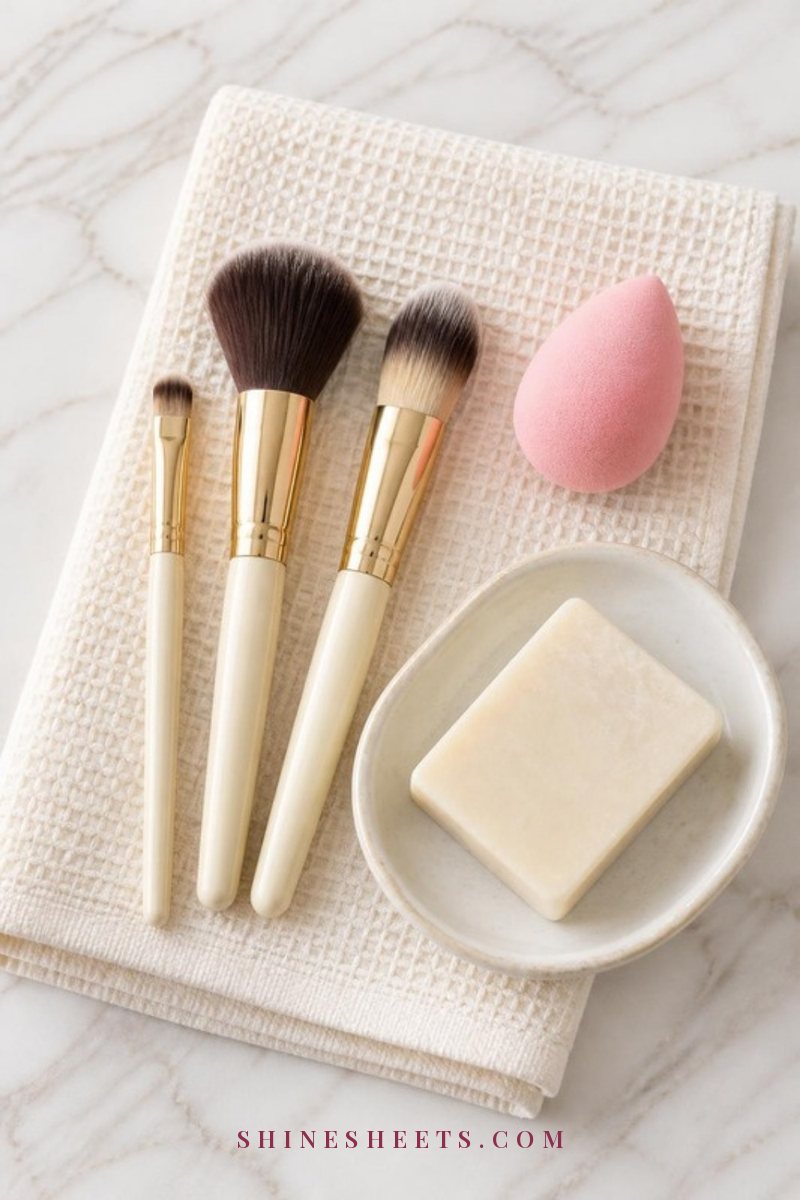
Yes, once it's closed. On an open, weeping spot, makeup can trap bacteria and irritate the skin, and it rarely looks smooth anyway. For the first day, a patch is honestly the best cover you've got (many are nearly invisible).
Once the surface has sealed over:
- Start with clean hands, a clean brush and a clean sponge.
- Moisturize first, then dab (don't swipe) a tiny bit of concealer onto the spot only.
- Use a small brush to blur the edges and set lightly with powder if you need to.
- Take it all off gently at night and go back to your patch or ointment.
For more on making a spot look softer without caking, see my guide on how to cover acne with makeup.
How To Prevent a Dark Mark
Even when a popped pimple heals well, it can leave a flat pink, red or brown mark behind. These marks aren't scars, and they usually fade over time, but sunlight can make them darker and longer-lasting.
The single most helpful thing you can do is wear sunscreen every morning, on the healing spot and the rest of your face. A gentle mineral sunscreen for sensitive skin tends to be comfortable on irritated areas. Once the skin has fully closed, ingredients like niacinamide or vitamin C can support a more even tone over the following weeks.
My guide on how to fade dark spots walks through the slower, longer-term part of the process, step by step.
Helping Future Spots Heal Better
You can't prevent every breakout, but a few small habits make the next one easier to leave alone, and quicker to settle when it does pop:
- Keep patches somewhere visible. If they're right by your sink, reaching for a patch becomes easier than reaching for the spot.
- Change your pillowcase twice a week and use a fresh face towel often.
- Keep your nails short and smooth so any accidental touching is less damaging.
- Dim the lights or avoid magnifying mirrors when you're feeling picky.
- Stay consistent with a simple routine that suits your skin rather than switching products every week.
If breakouts are frequent, building a calm, steady routine (my guide on how to get clear skin is a good starting point) will do more than any spot treatment.
Not Every Spot Is the Same
It helps to know what kind of spot you're dealing with, because they behave differently once they open:
- Whiteheads with a visible head are close to the surface. If one opens on its own, it usually closes within a day or two with the routine above.
- Red, tender bumps without a head (papules) aren't ready to drain at all. Squeezing them mostly causes swelling and broken skin.
- Deep, painful lumps (nodules and cysts) sit far below the surface. These are the ones most likely to scar if they're squeezed, and they're best seen by a professional.
- Tiny hard white bumps that never seem to "come to a head" may not be pimples at all (milia, for example), so leave those alone too.
If a spot burst on its own in the shower or while you were washing your face, that's usually a sign it was a surface whitehead that was ready. Treat it exactly the same way: clean, cover, leave it.
Quick Answers to Common Popped Pimple Questions
How long does a popped pimple take to heal?
A small surface spot often closes within two to four days and looks much calmer within a week. Deeper spots can take longer. Any pink or brown mark left behind is a separate stage and can take several weeks to fade, which is why sunscreen matters so much afterward.
Should I let it scab?
A scab isn't a disaster, but a moist, covered spot tends to heal more comfortably and with less chance of a mark than a dry crust. If a scab has already formed, keep it soft with a little ointment and resist the urge to lift it. It will come away on its own when the skin underneath is ready.
Does ice help?
A cold compress can feel soothing and calm puffiness. Wrap an ice cube or a cold spoon in a clean tissue and hold it near the spot for a minute or two at a time, never directly on open skin and never for long stretches.
What about a warm compress?
Warmth is more useful before a pimple has opened, to help it come to a head on its own. Once it's popped, skip the heat and focus on keeping it clean and covered.
Can I still exercise?
Of course. Keep a patch on during your workout, wipe sweat away gently with a clean towel, and cleanse your face soon afterward so sweat and sunscreen don't sit on the healing spot for hours.
When To See a Dermatologist
Most popped pimples heal on their own within a week or so. Please see a dermatologist or doctor if you notice:
- Redness that spreads, warmth, increasing pain or swelling after the first day or two
- Yellow crusting, pus that keeps returning, or a fever
- Deep, painful cysts or nodules (these are best treated professionally rather than at home)
- A spot that doesn't heal after a couple of weeks
- Frequent breakouts that leave marks or scars
A dermatologist can drain a stubborn cyst safely, treat an infection if there is one, and help you find a routine that prevents the next round. There's no such thing as a breakout that's "too small" to ask about if it's bothering you.
Be Kind to Yourself About It
Skin is personal, and breakouts can feel bigger than they are, especially when one pops right before something important. Try to talk to yourself the way you'd talk to a friend: it's a small spot, it will heal, and nobody looks at your face as closely as you do. If you notice you're picking when you feel anxious, bored or stressed, that's very common and worth a little gentle curiosity rather than criticism. Keeping your hands busy (a stress ball, a cup of tea, a walk) or simply leaving the bathroom when the urge shows up can make a real difference over time.
Final Thoughts
A popped pimple isn't a failure. It's just skin that needs a little extra care for a few days. Clean it gently, cover it, keep your hands away and wear your sunscreen, and you've already done the most important parts.
Be as kind to your skin as you would be to a friend standing at the mirror. It heals best when it's treated with patience.