You can't shrink your pores. Their size comes mostly from your genes and your skin type, and no toner, ice cube or expensive serum is going to change the actual opening. The good news is that pores rarely look their real size. They look bigger when they're packed with oil and dead skin, when the skin around them loses firmness, and when your face is dehydrated and a little dull. Every one of those things can be improved.
That's what this guide is about: pore care that makes pores look smaller by keeping them clear, keeping the skin around them firm and hydrated, and using a few clever makeup tricks on the days you want a smooth, blurred finish. You'll find why pores look bigger, the eight habits that genuinely help, a weekly pore routine table you can follow morning and night, and the things that make pores look worse (some of them very tempting).
A small admission before we start: I have combination, sensitive skin with a shiny T-zone, so my nose and the center of my cheeks are pore headquarters. It took me a while to accept that "smaller-looking" is the realistic goal. Once I did, my skin got calmer and my pores honestly looked better than they ever did when I was scrubbing them into submission.
The Honest Truth About Pore Size

Pores are simply the openings of your hair follicles, and each one is connected to an oil gland. Their job is to let sebum (your skin's natural oil) reach the surface so it can keep skin soft and protected. Everyone has them, including the people in magazine photos, where they've been lit, powdered and often retouched away.
A few things decide how visible yours are:
- Genetics. If your mom has noticeable pores on her nose, you probably do too.
- Skin type. Oily and combination skin tend to have bigger-looking pores, because more oil moves through them and stretches them slightly.
- Location. Pores are naturally larger on the nose, forehead and inner cheeks, where oil glands are more concentrated.
- Skin firmness. As collagen gradually decreases, the edges of each pore lose a bit of support and sag, which makes the opening look wider.
You can't change the first three. You can absolutely influence how clear, firm and smooth the skin around your pores is, and that's what makes the visible difference. Think of it as framing rather than resizing.
Why Pores Look Bigger: 4 Common Reasons
Before adding products, it helps to know which of these is behind your own pores. Most of us have a mix, but one usually leads.
- Oil and buildup. When sebum mixes with dead skin cells, it forms a soft plug inside the pore. The plug stretches the opening and, when it oxidizes at the surface, turns grayish or dark (that's a blackhead). Clogged pores look bigger and more noticeable than clear ones, especially on the nose.
- Sun damage. UV light breaks down collagen and elastin over time. Less support around each pore means the edges relax and the opening looks wider. This is the slow, sneaky reason, and the one most people don't connect with pores at all.
- Dehydration. Dehydrated skin (which can happen to oily skin too) looks dull and slightly crepey, and the texture makes pores more visible. Dehydrated skin also tends to produce more oil to compensate, which brings you right back to reason number one.
- Irritation and over-cleansing. Harsh scrubs, stripping cleansers and too many actives at once leave skin red and inflamed. Inflamed skin around a pore makes it stand out, and a damaged barrier often answers with even more oil.
If you recognized yourself in more than one, that's normal. The routine below works on all four at once, gently.
How To Make Pores Look Smaller: 8 Habits That Actually Help
None of these work overnight. Give any new step about four to six weeks before you judge it, because that's roughly how long your skin needs to renew its surface and show you a real result.
1. Cleanse Gently, Twice a Day
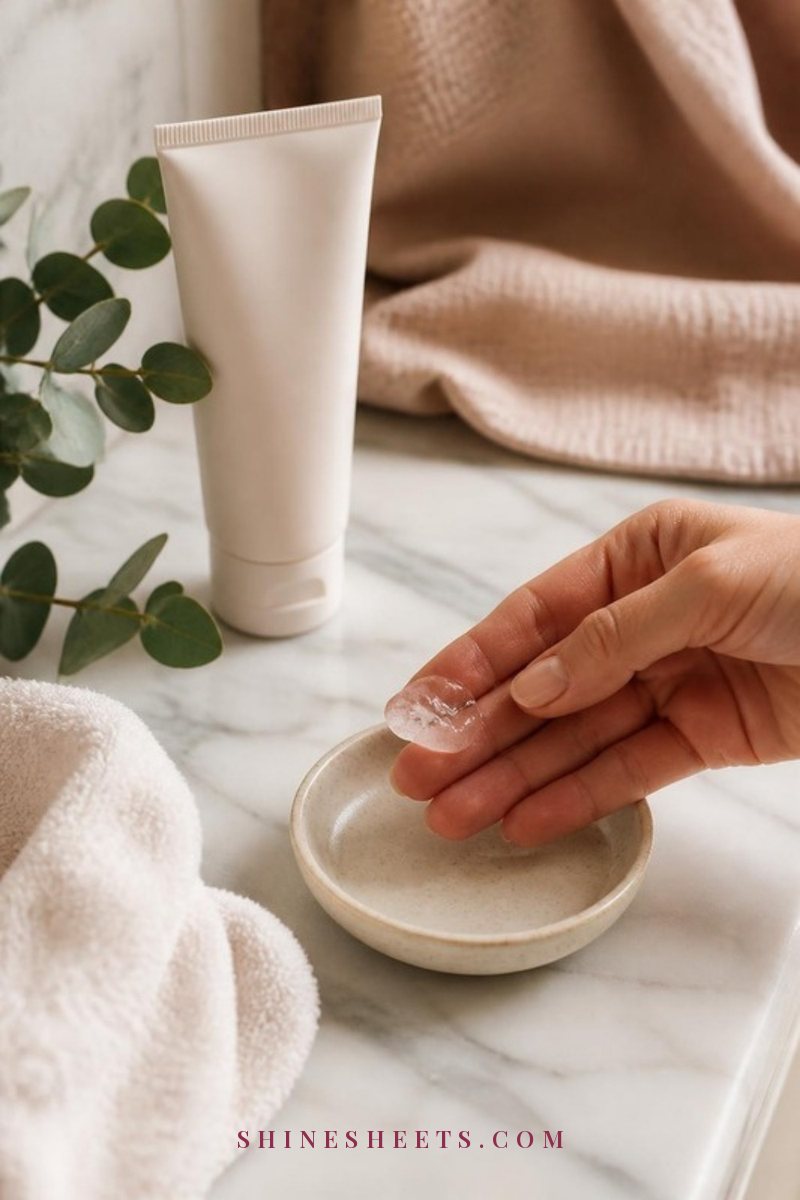
Clear pores start with a cleanser that removes oil and sunscreen without leaving your face tight. Squeaky clean feels satisfying, but that tight feeling is your barrier asking for help, and it usually leads to more oil by lunchtime.
Look for a gentle, low-foam gel cleanser with a skin-friendly pH and no strong fragrance. Massage it in with your fingertips for a full 60 seconds (count it, it's longer than you think), paying a little extra attention to the sides of the nose and the chin, then rinse with lukewarm water. Hot water feels lovely but dries skin out.
On evenings when you've worn sunscreen or makeup, an oil cleanser or cleansing balm first makes a real difference for pores, because oil dissolves oil. My guide to double cleansing walks you through it in about a minute. In the morning, a quick rinse or a very light cleanse is plenty.
2. Use a BHA Two or Three Times a Week
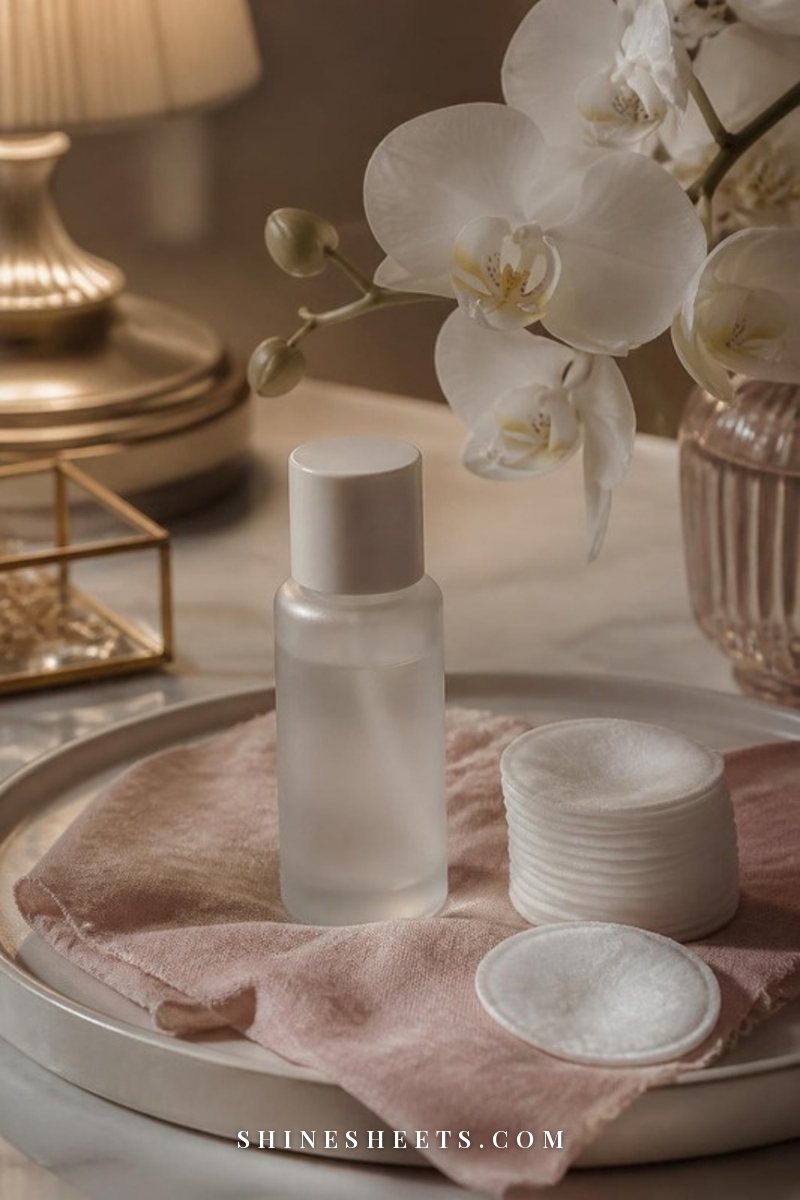
If there's one active that was made for pores, it's BHA, which is salicylic acid. Unlike most exfoliants, it's oil-soluble, so it can travel into the pore and loosen the mix of oil and dead skin that's stretching it. Over a few weeks, pores look cleaner, flatter and less shadowy.
A 2% BHA liquid exfoliant is the classic choice. Here's how to start:
- Use it at night, on clean, dry skin, two evenings a week for the first two weeks.
- Apply with a cotton pad or your fingertips, focusing on the nose, chin and forehead. Skip the area right around your eyes.
- Wait a minute or two, then continue with your serum and moisturizer.
- If your skin is happy after two weeks, go up to three evenings. Many people never need more than that.
Mild tingling is normal. Burning, stinging that lasts, or flaking mean you should step back to fewer nights. My guide on how to exfoliate your face without overdoing it covers the warning signs of too much.
3. Add Niacinamide for Oil and Texture
Niacinamide (vitamin B3) is the calm, steady friend of pore care. It helps regulate oil, supports your skin barrier and, with consistent use, can make skin texture look smoother and pores less obvious. It also plays well with almost everything, which makes it an easy first serum.
A niacinamide serum in the 4–10% range is the sweet spot. If your skin is sensitive, start closer to 5% (higher isn't automatically better, and very high strengths can make some skin flushed). Apply two or three drops after cleansing, morning or night or both, before moisturizer.
I wrote a whole guide on how to use niacinamide for calm, balanced skin if you'd like to understand strengths and pairings in more detail.
4. Bring In a Retinoid Slowly
Retinoids are the long game for pores. They speed up cell turnover, so dead skin is less likely to build up inside the pore, and over months they support collagen, which helps the skin around each pore stay firm. That's the one habit that works on both the "clogged" and the "loose" reasons at once.
The key word is slowly. Start with a gentle over-the-counter retinol, a pea-sized amount for your whole face, two nights a week, on nights you're not using your BHA. After a few weeks of no irritation, move to every other night. Always follow with moisturizer, and always wear sunscreen the next morning, because retinoids make skin more sensitive to the sun.
My retinol for beginners plan has a week-by-week schedule if you want hand-holding. Please skip retinoids if you're pregnant, trying to conceive or breastfeeding, and check with your doctor if you're on any prescription skin treatment.
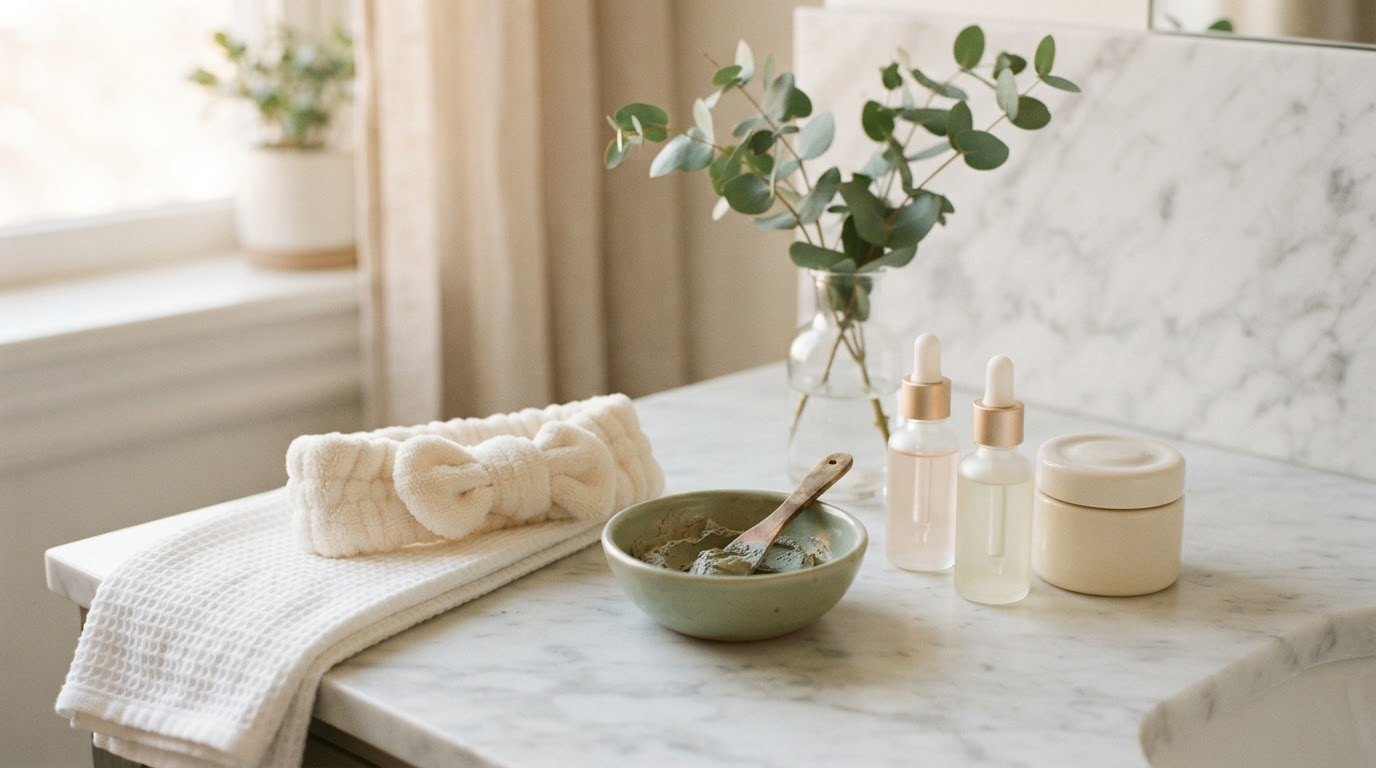
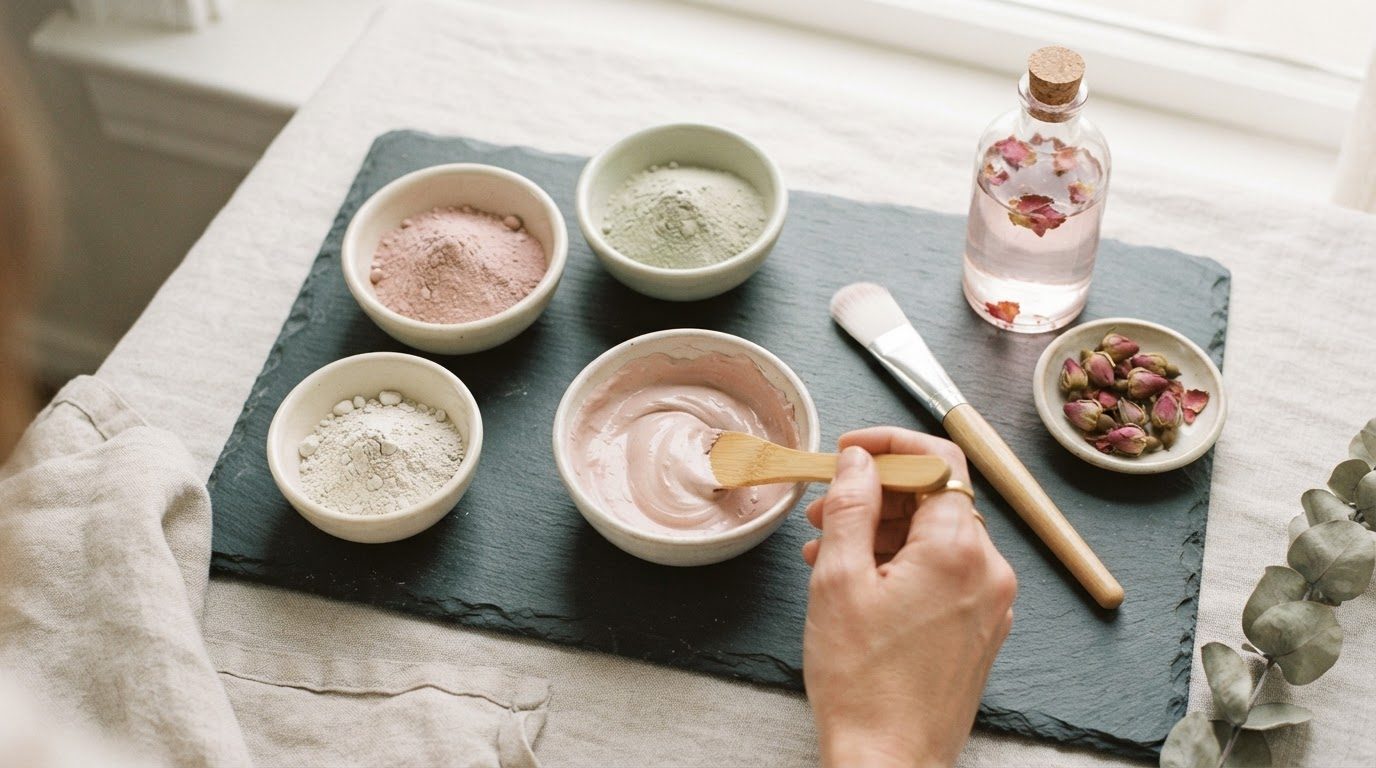
5. Use a Clay Mask Once a Week
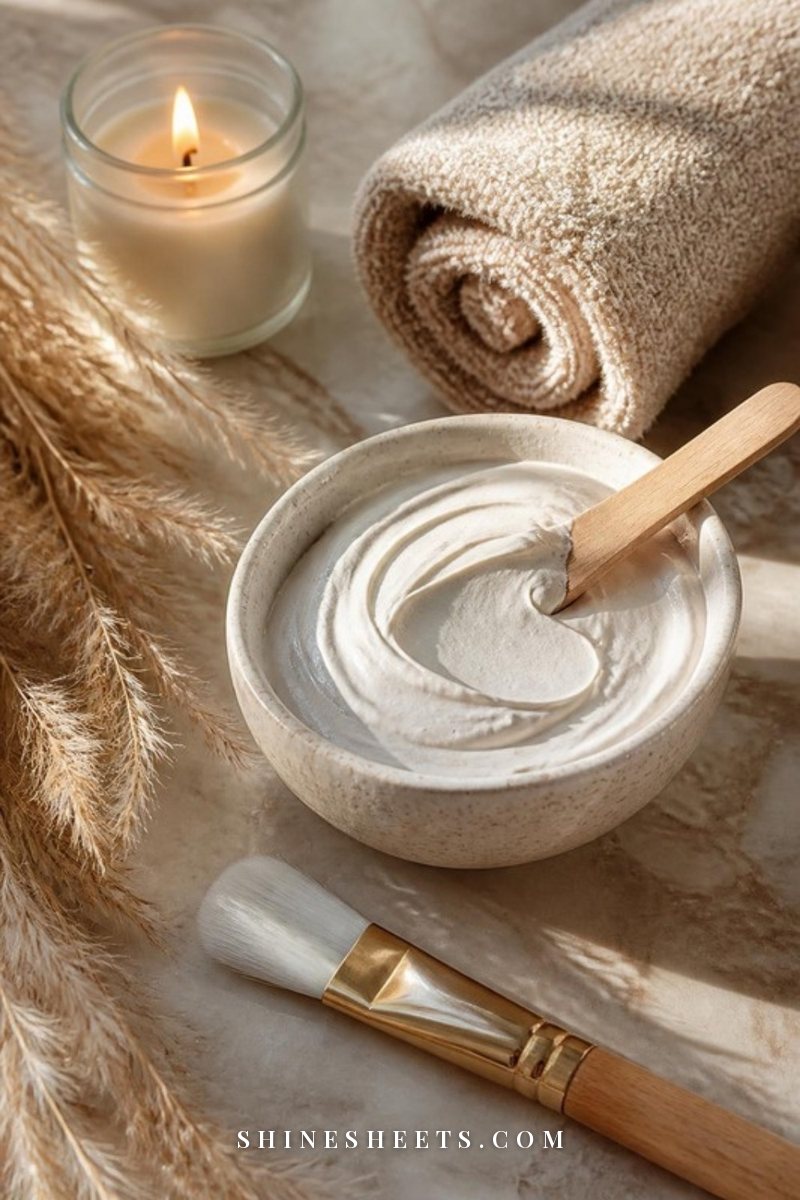
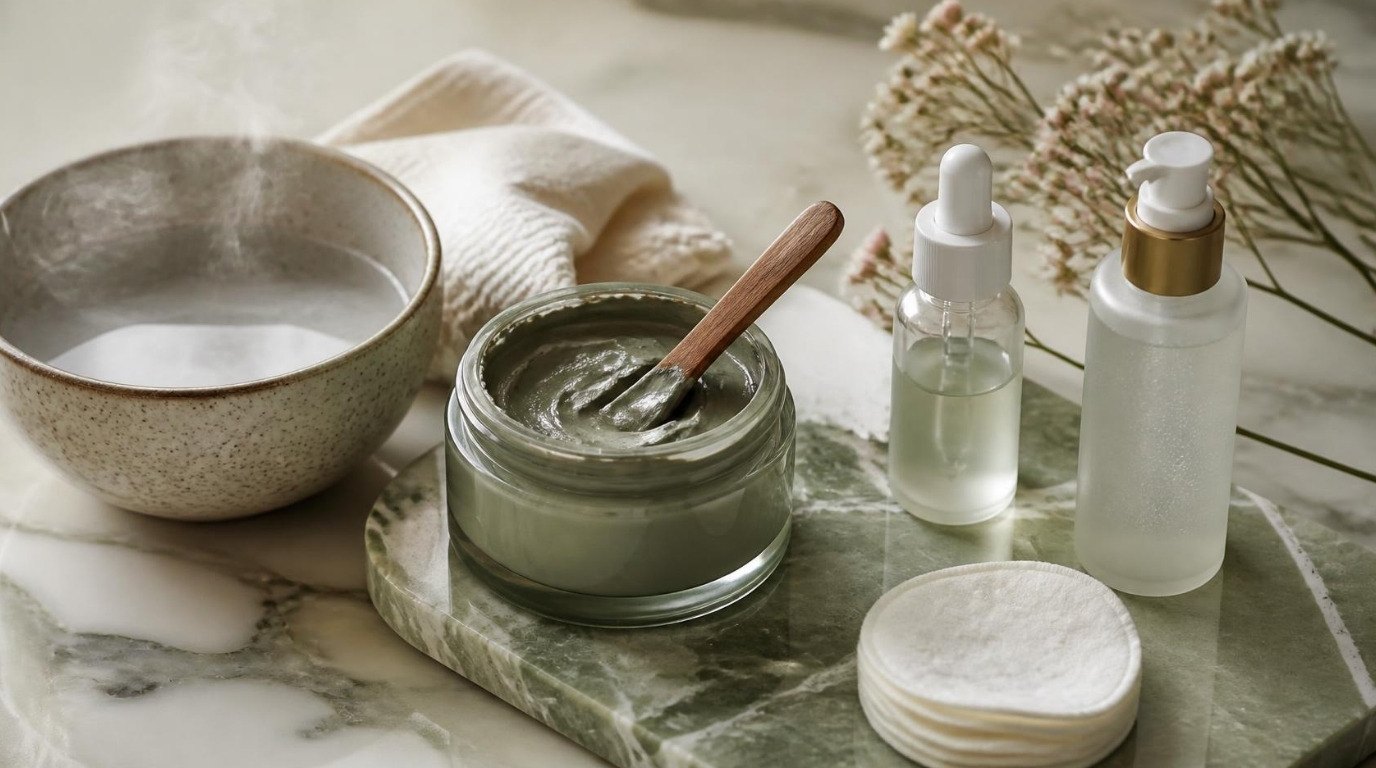
A clay mask won't do anything permanent, but it's a lovely reset. Clay absorbs excess oil from the surface and from the top of the pore, so for a day or two afterwards your T-zone looks matte and your pores look noticeably neater. It's the step I'd do before an event or a photo-heavy day.
A kaolin clay mask is the gentlest option, especially for combination or sensitive skin. Bentonite clay is stronger and better saved for very oily skin. A few tips:
- Apply a thin, even layer only where you need it (multi-masking the T-zone is completely fine).
- Rinse after 8–10 minutes, while it's still slightly damp. Letting clay dry until it cracks pulls moisture out of your skin.
- Follow with a hydrating serum or moisturizer right away.
- Don't use it on the same night as your BHA or retinoid.
6. Wear Sunscreen Every Single Morning
This is the least exciting habit on the list and the one that matters most over time. Daily UV exposure slowly weakens the collagen around your pores, which is exactly what makes them look wider and more stretched. Sunscreen is the only step that protects the firmness you already have.
Use a broad-spectrum SPF 30 or higher every morning, even on cloudy days and in winter, and apply about two finger-lengths for your face and neck. If you have oily or combination skin and hate the feeling of sunscreen, look for gel, fluid or "matte" textures (Korean and Japanese sunscreens are known for being especially light). A sunscreen you actually enjoy wearing is far better than a perfect one you skip.
7. Keep Skin Hydrated, Even If It's Oily
Oily skin still needs water. When skin is dehydrated, the surface looks rough and dull, and pores have nothing smooth and plump around them to soften their edges. Hydrated skin reflects light more evenly, and that alone makes pores look smaller.
A lightweight gel moisturizer or a hyaluronic acid serum applied on slightly damp skin is usually enough. If you've been skipping moisturizer because you're worried about shine, try a thin layer of a gel-cream for two weeks and watch what happens to your oil by midday. Many people find they get less shiny, not more.
8. Blot Instead of Piling On Powder
By afternoon, oil collects in the pores on your nose and forehead and makes them look larger and shinier. Adding more powder on top tends to settle into the pores and look cakey, which highlights them even more.
Keep a pack of oil blotting papers in your bag instead. Press one gently onto your T-zone for a few seconds (press, don't rub), and the shine lifts without disturbing your makeup. If you need more coverage afterwards, a tiny amount of translucent powder pressed in with a puff is plenty.
Your Weekly Pore Routine
This is the heart of this guide. The trick with pore care isn't using every active, it's spacing them so your skin gets the benefits without the irritation. Here's a weekly schedule that rotates BHA, retinoid, clay and recovery nights. Screenshot it and keep it near your vanity for the first month.
| Day | Morning (AM) | Evening (PM) | Active of the night |
|---|---|---|---|
| Monday | Rinse, niacinamide, moisturizer, SPF | Double cleanse, BHA, moisturizer | BHA |
| Tuesday | Rinse, niacinamide, moisturizer, SPF | Cleanse, retinoid, moisturizer | Retinoid |
| Wednesday | Rinse, niacinamide, moisturizer, SPF | Cleanse, hydrating serum, moisturizer | Recovery (no actives) |
| Thursday | Rinse, niacinamide, moisturizer, SPF | Double cleanse, BHA, moisturizer | BHA |
| Friday | Rinse, niacinamide, moisturizer, SPF | Cleanse, retinoid, moisturizer | Retinoid |
| Saturday | Rinse, niacinamide, moisturizer, SPF | Cleanse, clay mask (10 min), hydrating serum, moisturizer | Clay mask |
| Sunday | Rinse, moisturizer, SPF | Cleanse, hydrating serum, richer moisturizer | Recovery (no actives) |
A few notes so the table works for you:
- New to actives? For the first two weeks, keep only Monday's BHA and Tuesday's retinoid, and treat the other nights as recovery.
- Sensitive skin? Drop to one BHA night and one retinoid night a week, and keep the clay mask to the T-zone.
- Very oily skin? You can add niacinamide in the evening too, layered before moisturizer on recovery nights.
- Red, stinging or flaky? Pause all actives for a week, cleanse gently and moisturize. Then start again at the beginner pace.
Never layer BHA and retinoid on the same night, and don't add a separate physical scrub anywhere in this week. The schedule already gives your skin all the exfoliation it needs.
Makeup Tricks That Blur Pores
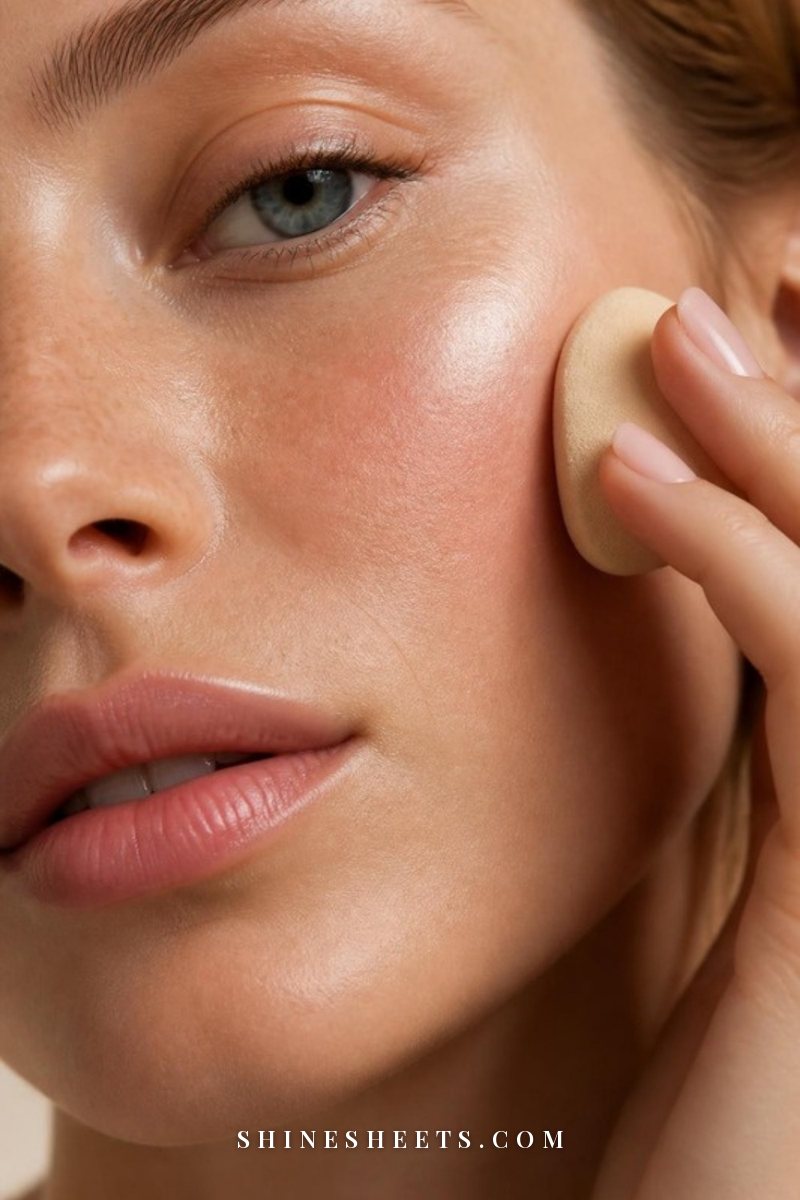
Skincare improves pores over weeks. Makeup can make them look smaller in five minutes. The goal is to fill and blur, not to cover, because thick layers sit on top of pores and make them more visible.
- Prep with moisture, then wait. Let your moisturizer and sunscreen sink in for a few minutes. Makeup applied over a wet, slippery base slides into pores.
- Press in a pore-blurring primer. A silicone-based pore-blurring primer fills the pore openings so foundation glides over them. Use a pea-sized amount only where you need it, usually the nose and inner cheeks, and press it in with a fingertip rather than rubbing (rubbing just moves it around).
- Go thin with foundation. Choose a lightweight, satin or soft-matte formula and apply it in thin layers with a damp sponge, bouncing it into the skin. Two sheer layers look smoother than one thick one.
- Spot-conceal, don't blanket. Put concealer only where you need it, and keep it away from large pores on the nose where it tends to settle.
- Powder with a light hand. Press a little translucent powder onto the T-zone with a velour puff. Skip powder on the cheeks if your skin is dry there.
- Put the glow where pores aren't. Highlighter on the nose and inner cheeks magnifies texture. Place it on the tops of the cheekbones and the brow bone instead.
If you love an effortless, skin-first finish, my clean girl makeup routine works beautifully on top of this kind of prep.
What Not To Do: 5 Pore Mistakes
These are the habits that feel productive in the moment and quietly make pores look worse. I've been tempted by every single one.
- Pore strips. They pull out the top of the plug (which is weirdly satisfying), but they also tug on the skin, can cause irritation and broken capillaries, and the pores refill within days. Cleaning out pores chemically with BHA is slower and much kinder.
- Squeezing and picking. Pressing on pores with fingers or nails can push debris deeper, stretch the opening and leave red marks that take weeks to fade. If a blackhead really bothers you, leave extractions to a licensed esthetician.
- Harsh physical scrubs. Gritty scrubs with large or jagged particles create tiny tears in the skin, inflame the area around pores and make sensitive skin react. They also can't reach inside the pore the way a BHA does.
- Stripping everything away. Alcohol-heavy toners, washing three times a day and skipping moisturizer leave skin dehydrated and irritated, and it often responds with more oil. Pores look bigger, not smaller.
- Trying everything at once. Starting BHA, retinol, a new mask and a peel in the same week is the fastest way to a damaged barrier. Add one new step at a time, two to four weeks apart, so you can actually tell what's helping.
A word on two popular "pore shrinking" tricks: ice and cold water make pores look tighter for a few minutes because skin temporarily contracts, which is fine before makeup but not a real fix. And steaming doesn't "open" pores (they don't have muscles to open or close), it just softens the buildup, which is helpful but no substitute for regular gentle exfoliation. My guide on how to get rid of blackheads and keep them at bay goes deeper into the nose area specifically.
When To See a Dermatologist
Most pore concerns are cosmetic and respond well to the routine above. It's worth booking a dermatologist or a licensed skin professional if:
- You have painful, inflamed breakouts or cysts alongside clogged pores.
- Your skin reacts to even gentle products with burning, redness or rash.
- You've been consistent for three months and nothing has changed.
- You're curious about in-office options such as chemical peels, prescription retinoids or laser treatments, which can do more for pore appearance than anything over the counter.
Patch test every new product on a small area (behind the ear or along the jaw) for a couple of days first, especially if your skin is sensitive. And if anything stings, burns or swells, rinse it off and stop using it.
Final Thoughts
Pores aren't a flaw to be fixed. They're a normal, working part of your skin, and everyone has them, filters or not. What you can do is keep them clear, keep the skin around them firm and hydrated, and protect it from the sun, and that combination makes a real, visible difference over a couple of months.
Start small: a gentle cleanser, sunscreen every morning and one BHA night a week. Add the rest slowly, give your skin time and be kind to it on the days it's shinier than you'd like. Smooth, healthy skin is built in quiet weekly habits, and you're already on your way.