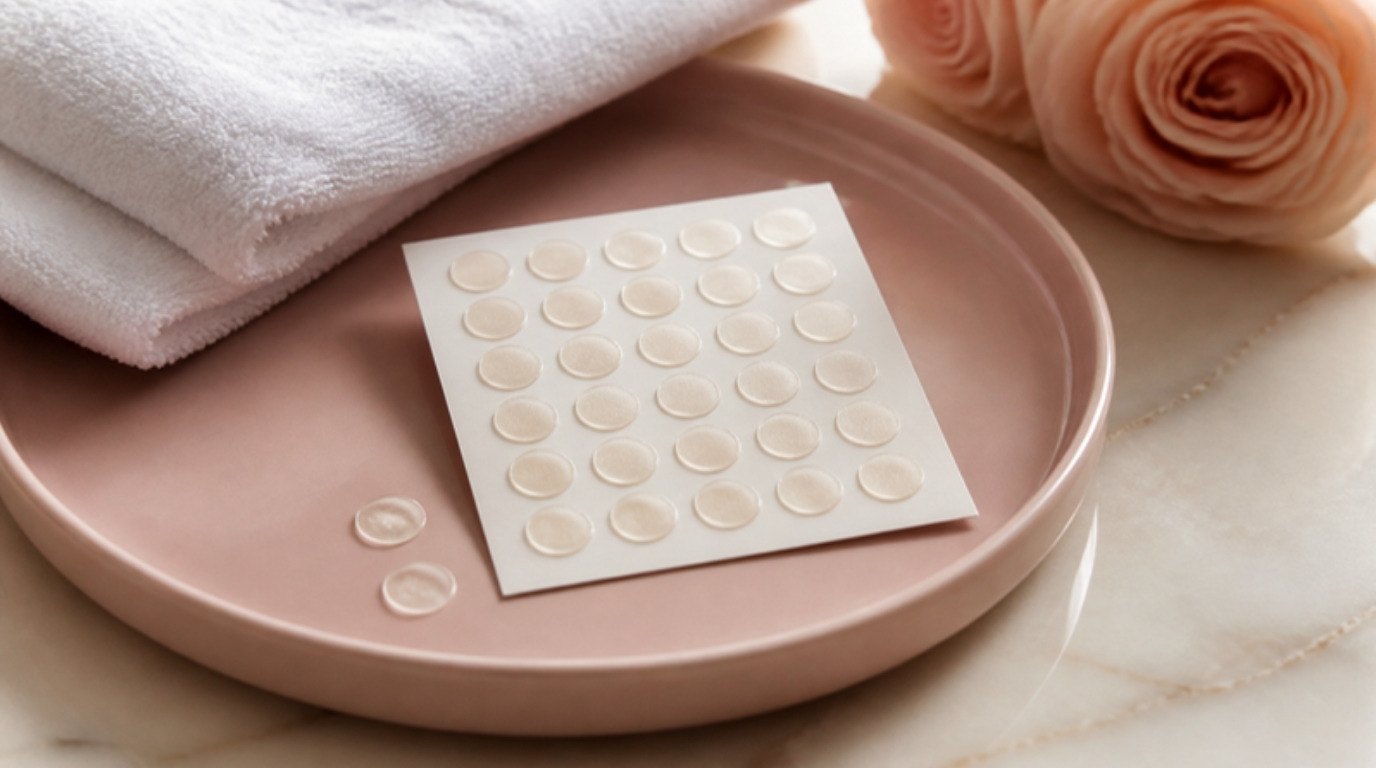
Pimple patches work best when you match the patch to the spot. A plain hydrocolloid patch can be wonderful on a ripe whitehead and do almost nothing for a deep, sore bump under the skin. Most "they don't work for me" stories come down to that one mismatch (and to peeling them off too soon).
The other half of their magic is simple: they stop you from touching. A little sticker between your fingers and a spot is often the difference between a blemish that fades in a few days and a mark that hangs around for weeks. With my combination, sensitive skin and a shiny T-zone that loves a surprise breakout, I've come to see patches as protection first and treatment second.
This guide covers pimple patches from start to finish: what they really do and don't do, the three main types, a "spot type to patch type" table, how to apply them so they actually stick, how long to leave them on, overnight versus daytime use, the most common mistakes and when it's time to see a dermatologist instead.
Let's make those little dots work a lot harder for you.
What Pimple Patches Actually Do
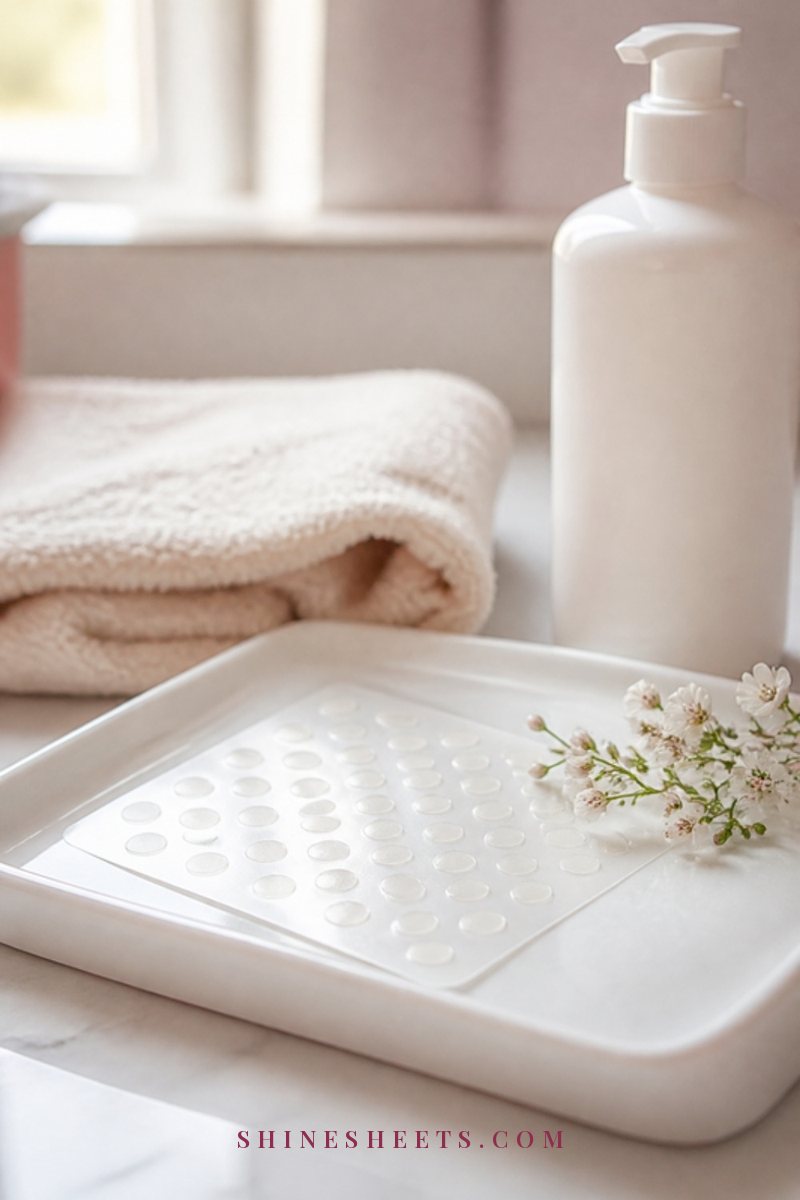
Most classic pimple patches are made from hydrocolloid, the same type of material used in some wound dressings. It forms a soft, moist seal over the skin and slowly draws in fluid. That's why you sometimes peel off a patch and see a white center: the patch has absorbed some of what was sitting at the surface.
Here's what a good patch can do for you:
- Absorb fluid from a spot that has come to a head or has been popped.
- Protect the area from fingers, pillowcases, makeup brushes and phone screens.
- Keep the skin calm and moist, which supports the skin's own healing and can make a spot look less angry by morning.
- Stop picking, which is honestly the biggest benefit of all for many of us.
- Flatten the look of a spot under makeup when you use a thin, matte daytime patch.
What Pimple Patches Don't Do
It helps to know the limits so you don't feel disappointed. A plain hydrocolloid patch sits on the surface. It can't reach a deep, painful bump that has no head, and it won't prevent new breakouts on its own.
- Deep cysts and nodules: these sit well below the surface. A patch might protect them from picking, but it won't draw anything out.
- Blackheads and closed comedones: patches aren't designed for clogged pores without inflammation.
- Dark marks: once a spot has healed and left a flat brown or red mark, a patch won't fade it. That's a job for ingredients and sun protection.
- Ongoing acne: if you're breaking out every week, patches are a helper next to a steady routine, not a replacement for one.
The 3 Types of Pimple Patches
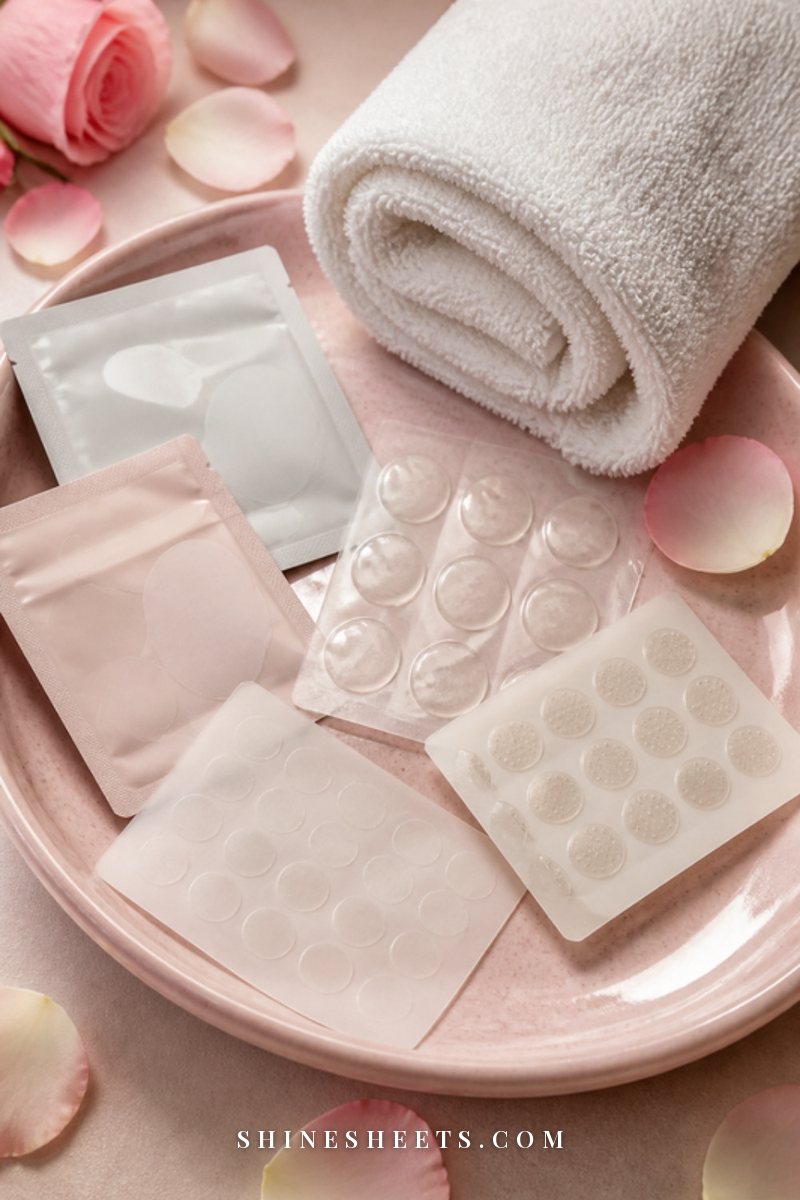
Patches look similar in the box, but they behave quite differently on the skin. These are the three main types you'll find.
Hydrocolloid Patches
These are the classic, plain patches. They're usually thicker, slightly shiny and made only from hydrocolloid, with no active ingredients. They're gentle, which makes them a safe first choice for sensitive skin.
A box of classic hydrocolloid pimple patches in mixed sizes is the one I'd keep in every bathroom drawer. Look for a pack with at least two sizes, a thin edge that blends into the skin and no added fragrance.
Microdart Patches
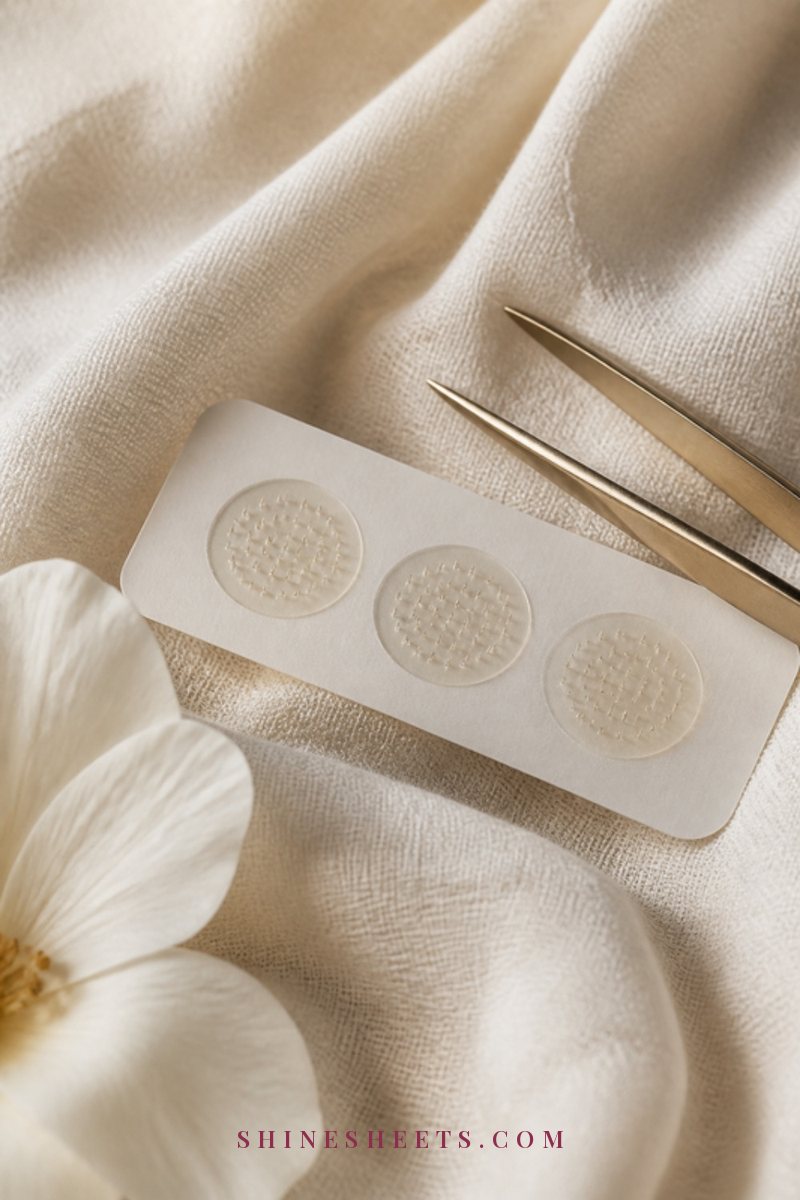
Microdart (sometimes called microneedle or micropoint) patches have tiny dissolving points on the sticky side. The points sit just in the very top layer of skin and slowly release ingredients into an early spot, often salicylic acid, niacinamide or tea tree oil.
Look for microdart pimple patches that come with clear instructions and a short ingredient list. These are made for the stage right before a spot comes to a head: that tender, slightly raised bump you can feel coming. Use them early, use one per spot and don't press them repeatedly. If you have very reactive skin, try one on a small area first and skip them on broken skin.
Medicated Patches
Medicated patches are thinner patches that contain a low amount of a blemish ingredient, usually salicylic acid. They work best on a spot that's red and inflamed but still closed.
Because they contain an active, don't layer them over other strong products like retinoids or exfoliating acids in the same spot, and give your skin a day off if the area looks dry or flaky. Plain hydrocolloid is always the gentler option.
Which Patch for Which Spot
This is the table I wish came printed on every box. Find the spot you have today, then choose the patch that matches it. Screenshot it for the next breakout.
| The spot you have | What it looks and feels like | Best patch | How long |
|---|---|---|---|
| Whitehead with a visible head | Raised, with a white or yellow center | Plain hydrocolloid | 6 to 8 hours or overnight |
| Spot that's been popped or picked | Open, maybe a little weepy | Plain hydrocolloid (never medicated) | Until the patch turns white, then replace |
| Early bump coming up | Tender, slightly raised, no head yet | Microdart patch | Overnight, 6 to 8 hours |
| Red, inflamed closed spot | Pink or red, sore, no opening | Medicated patch | As the box says, often 6 to 8 hours |
| Spot you need to cover today | Any small spot with a head | Thin, matte daytime patch | All day, under makeup |
| Deep, painful bump | Hard, deep, sore, lasts for days | Protective patch only (to stop touching) | Overnight; see a dermatologist if it keeps returning |
| Blackheads or tiny bumps | Small, flat, not inflamed | No patch needed | Focus on gentle cleansing and exfoliation |
If you're not sure whether those tiny bumps are a new breakout or your skin adjusting to a new active, my guide to purging vs breakouts walks through the differences.
How To Apply a Pimple Patch Step by Step
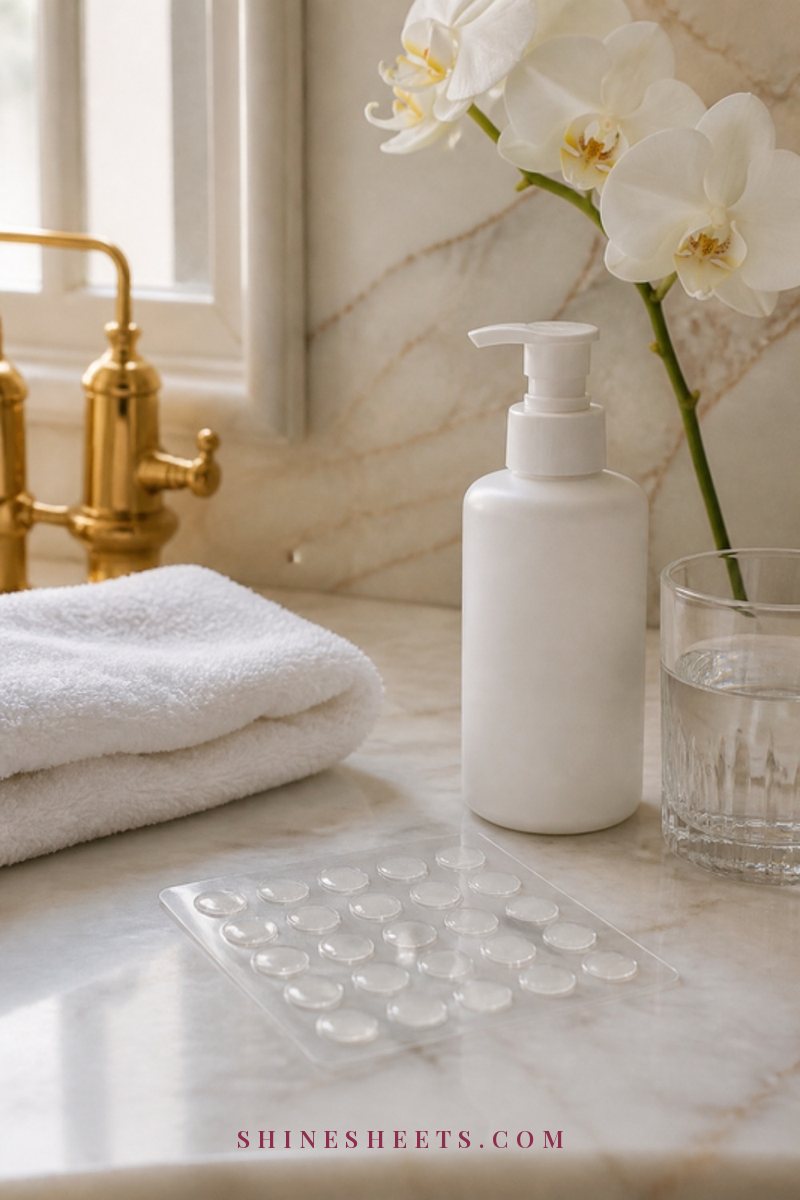
The way you apply a patch decides whether it stays put for eight hours or slides off in twenty minutes. Here's the routine that works:
- Wash your hands. Clean fingers matter, because you're about to touch a spot.
- Cleanse the area. A gentle, non-stripping cleanser removes oil and makeup without leaving your skin tight. Rinse with lukewarm water.
- Dry completely. Pat the skin dry with a clean towel and wait a full minute. Patches can't grip damp skin.
- Apply nothing underneath. No serum, oil, moisturizer or spot treatment on the exact spot. Products under the patch stop it sticking and can irritate the skin under the seal.
- Choose the right size. The patch should cover the whole spot with a little border of clear skin around it, about 1 to 2 millimeters.
- Press and hold. Peel it from the backing without touching the sticky center, place it, and press gently with a fingertip for 10 to 15 seconds. The warmth helps the edges seal.
You can apply the rest of your skincare around the patch afterward. Just keep rich creams and oils away from its edges.
How Long To Leave a Pimple Patch On
Most hydrocolloid patches work best when left on for at least 6 to 8 hours. Peeling one off after an hour won't hurt you, but it won't give the patch enough time to absorb much either.
- Watch the color: a plain hydrocolloid patch turns white or cloudy as it absorbs fluid. Once it's fully white, it has done its job. Peel it off and, if needed, apply a fresh one.
- Clear patch, no change: if the patch is still clear after a full night, the spot probably didn't have fluid near the surface. That's normal for early or deep bumps.
- Remove gently: after a shower or after splashing with warm water, lift one edge slowly and peel toward the center. Never rip it off quickly over a healing spot.
- Don't keep one on for days: replace patches at least every 24 hours, and give the skin a break if it looks pale, wrinkly or irritated.
How often can you use them? Plain hydrocolloid patches are gentle enough to use whenever a spot needs one, even every night during a breakout. Medicated and microdart patches are a little stronger, so I'd keep them to one spot at a time and a few nights in a row at most, then let the skin rest.
One more small tip: keep a few patches in your makeup bag or wallet. Spots never seem to arrive on convenient days, and having a patch ready means you can cover a spot the moment you notice it, before your hands start exploring. Store them flat, away from heat and humid bathrooms, so the adhesive stays sticky until you need it.
Should You Pop a Pimple Before Patching?
The kind answer is: try not to. Squeezing pushes inflammation deeper, can break the skin around the spot and is the fastest route to a mark that lingers for weeks. A patch on an unpopped whitehead often draws out enough on its own overnight.
If a spot has already burst on its own (or your fingers got there first, which happens to everyone), here's what to do:
- Wash your hands and gently cleanse the area with lukewarm water.
- Pat it dry with a clean tissue and wait a minute.
- Apply a plain hydrocolloid patch, never a medicated or microdart one, on open skin.
- Leave it until it turns white, then replace it with a fresh one if the spot is still weepy.
For small, stubborn white bumps that never seem to come to a head, those may be closed comedones rather than true pimples. My guide on whiteheads explains the difference and what helps each one.
What To Do After You Remove a Patch
The skin under a patch has been sealed for hours, so it can look slightly pale or puffy when you first peel it off. That's normal and usually settles within half an hour.
- Rinse gently with lukewarm water to remove any residue.
- Soothe the area with a calming moisturizer. A centella soothing cream, a Korean best-seller type, is a gentle pick for red, freshly healed skin.
- Leave it alone during the day if the spot is flat and closed. No need for another patch.
- Re-patch at night if the spot still has a head or is still open.
- Protect it from the sun every morning, since this is the stage where dark marks start to form.
Most small spots need one to three nights of patching. If you're still patching the same bump after a week, it's a sign it needs a different approach.
Overnight vs Daytime Pimple Patches

Both work, but they do slightly different jobs. Overnight patches are about healing time; daytime patches are about protection and a smoother look under makeup.
Overnight Patches
Night is the easiest time to wear a patch. You're not touching your face, there's no makeup in the way and you have a long stretch of time for the patch to work.
- Apply it as the last step after your evening routine, on clean, dry skin around the spot.
- Choose a slightly thicker, plain hydrocolloid patch if the spot has a head.
- Use a clean pillowcase. If you sleep on your side, a patch on the cheek can catch on fabric, so press the edges down firmly.
- Remove it in the morning after cleansing, and follow with a light moisturizer.
Daytime Patches Under Makeup
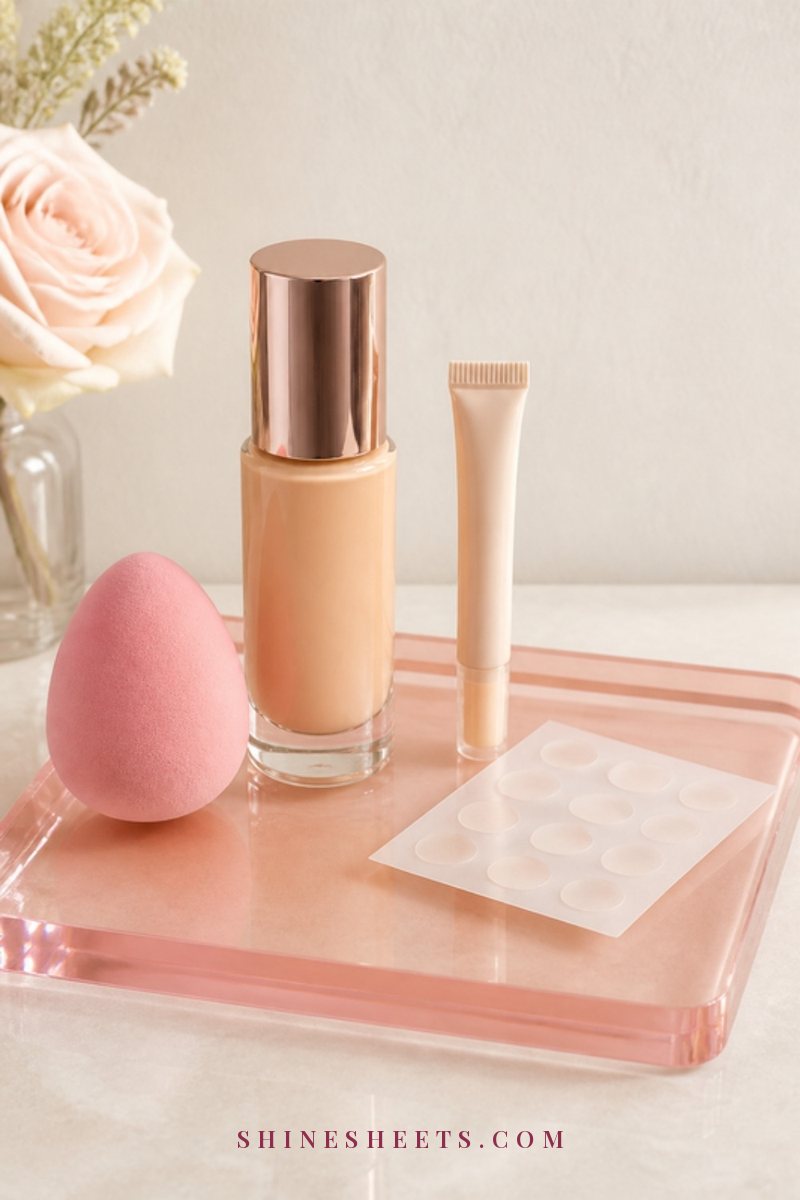
Daytime patches are thinner and matte, made to blend into the skin. They're great on days you know you'll be tempted to touch a spot at your desk.
A pack of ultra-thin invisible patches is the one I'd choose here: look for the thinnest edges possible and a matte finish. Apply it before makeup, then tap a light layer of foundation or concealer over it with a damp sponge (dragging motions will lift the edges). For more ways to soften the look of a breakout on busy days, my guide on how to cover acne with makeup goes into concealers and color correcting.
7 Pimple Patch Mistakes To Avoid
Most of these I see over and over, and they're all easy fixes.
- Putting products underneath. Serums and moisturizers break the seal. Patch first on bare, dry skin, then skincare around it.
- Using a patch that's too small. If the edges sit on the inflamed part, the patch lifts. Size up.
- Taking it off too soon. Give it at least 6 hours unless it falls off on its own.
- Expecting a patch to fix a deep cyst. Deep spots need a different approach (see the dermatologist section below).
- Squeezing first, patching second, every time. Patches are kind to picked spots, but they can't undo damage from squeezing. Let the patch be the reason you stop.
- Layering medicated patches over strong actives. Using a salicylic patch over a fresh retinoid or acid can leave a dry, flaky circle. Choose one or the other for that spot.
- Re-using a patch. Once it's off, it's done. Re-sticking a used patch only moves bacteria around.
The Rest of Your Routine Around Patches
Patches handle one spot at a time. Your routine takes care of the rest of the face. A simple, steady routine also means fewer spots needing patches in the first place.
- Cleanse gently twice a day, using lukewarm water and no rough scrubs.
- Moisturize with something light. An oil-free gel moisturizer keeps skin calm without clogging pores, especially on a shiny T-zone like mine. Apply it around the patch, not over it.
- Add one targeted active, slowly, if you want one: salicylic acid for clogged pores or niacinamide for oil and redness. Introduce one at a time.
- Wear sunscreen every morning, since healing spots can darken in the sun and leave longer-lasting marks.
- Change pillowcases once or twice a week and clean your phone screen often.
If you're building a full routine from the start, my guide on how to get clear skin has the complete step-by-step. And if your breakouts show up along the jaw and chin around the same time every month, my hormonal acne skincare routine might fit you better.
When To See a Dermatologist

Patches are a lovely helper, but they're not a medical treatment, and they can't promise to clear acne. Please see a dermatologist if any of these sound familiar:
- Painful, deep bumps that last for more than a week or keep coming back in the same place.
- Breakouts that leave scars or dark marks every time.
- Acne that hasn't improved after two to three months of a steady, gentle routine.
- Redness, burning, itching or swelling from a patch or product.
- A sudden change in your skin you can't explain.
A dermatologist can offer treatments that reach deeper than anything a sticker can, and getting help early often means fewer marks later. There's no prize for struggling alone with painful acne. If the patch rule of "stop touching" also helps you notice how often your hands drift to your face, write it down for a few days; that's useful to share at an appointment too.
Final Thoughts
Pimple patches are small, but used the right way they do a surprising amount: they protect, they absorb and they give your hands a reason to rest. Match the patch to the spot, put it on clean, dry skin and let it stay long enough to work.
And on the days a breakout shows up anyway, be kind to the face in the mirror. A spot is a few days in the life of your skin, not a verdict on it.