The right hairbrush does more for your hair than most serums ever will. A brush is the tool that touches every strand, every single day, so when it's the wrong one for your texture, you feel it as snapping, frizz, static and that sad little nest in the bristles. When it's the right one, brushing is quick, gentle and almost relaxing.
The trouble is that the brush aisle looks like a puzzle. Paddle, vent, boar, nylon, round, flexible, wide-tooth – they all promise smooth, shiny hair, and most of us just grab whatever looks pretty. It took me a while to understand that a brush isn't a one-size thing at all. It's more like a shoe: the right one depends on what you're doing and what you're working with.
This hairbrush guide walks you through the main brush types in plain language, which brush suits fine, thick, curly, wavy and straight hair, the rules for wet versus dry brushing, how to brush without breakage, and how to clean and replace your brush. There's also a "hair type → best brush" table you can screenshot for your next shopping trip.
Let's make your brush work for you instead of against you.
Why Your Hairbrush Matters More Than You Think
Every time you brush, you're doing three things at once: separating strands, moving natural oils from your scalp down the length, and creating friction. The first two are good. The third is where things go wrong.
A brush with stiff, tightly packed bristles on fine, fragile hair creates a lot of friction and tension. A soft brush on very thick hair barely gets through the top layer, so you end up pulling harder and longer. Either way, the result is the same: little breaks along the shaft, split ends and more frizz than you started with.
Here's what a good match does instead:
- Glides instead of grabs. The bristles slide through the hair with minimal resistance.
- Bends instead of snaps. Flexible bristles give way when they meet a knot rather than ripping through it.
- Fits the job. A detangling brush, a smoothing brush and a blow-dry brush each do one thing very well.
- Feels comfortable on your scalp. No scratching, no tugging, no sore spots afterward.
If you've noticed short broken pieces around your hairline or crown, the brush is one of the first things worth checking. My guide to hair breakage and how to stop it covers the other common causes, but the brush is often the easiest fix.
The Main Hairbrush Types, Explained Simply
You don't need ten brushes. Most people do beautifully with one everyday brush and one wide-tooth comb. But it helps to know what each type is designed for, so you can choose on purpose.
Paddle Brush
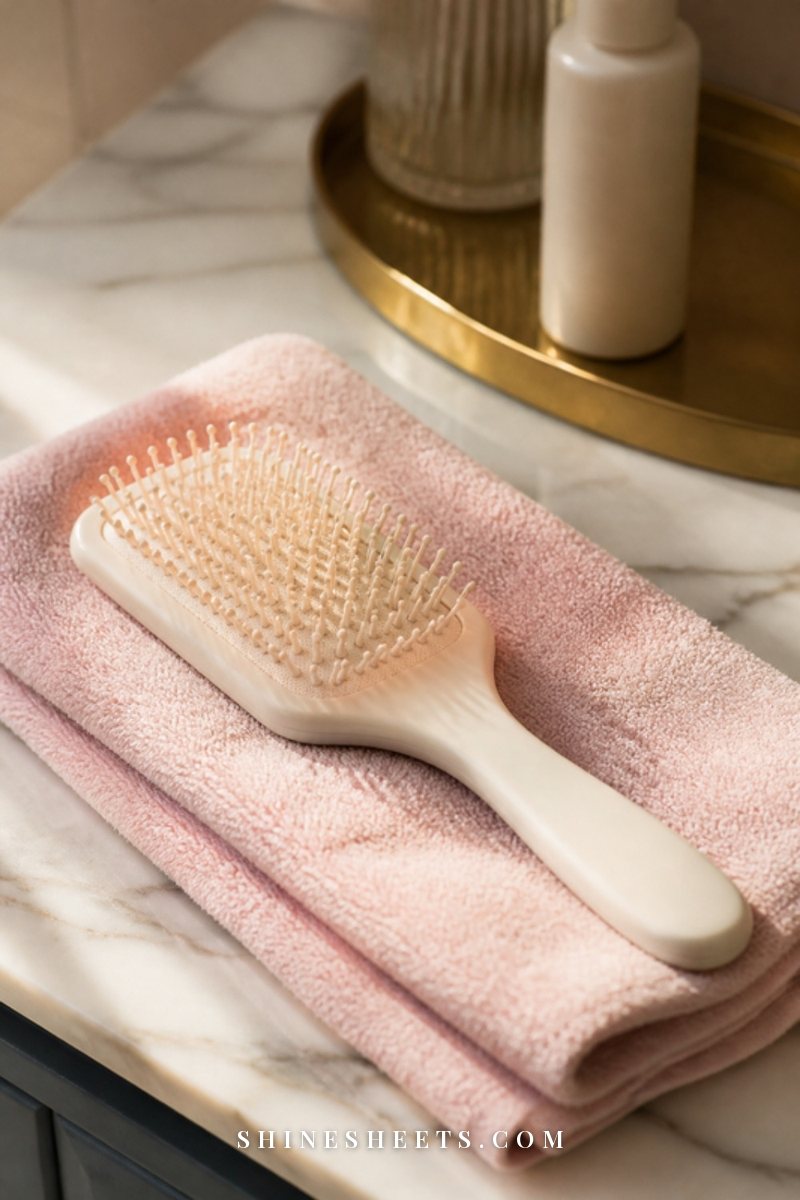
A paddle brush is wide and flat with a cushioned base and widely spaced bristles. It covers a lot of hair in one stroke, which makes it great for long, straight or slightly wavy hair, and for smoothing hair while you blow-dry it straight.
Best for: medium to long straight hair, everyday smoothing, gentle scalp stimulation.
Skip if: you have tight curls or very fragile hair that tangles easily (it can be a bit much for knots).
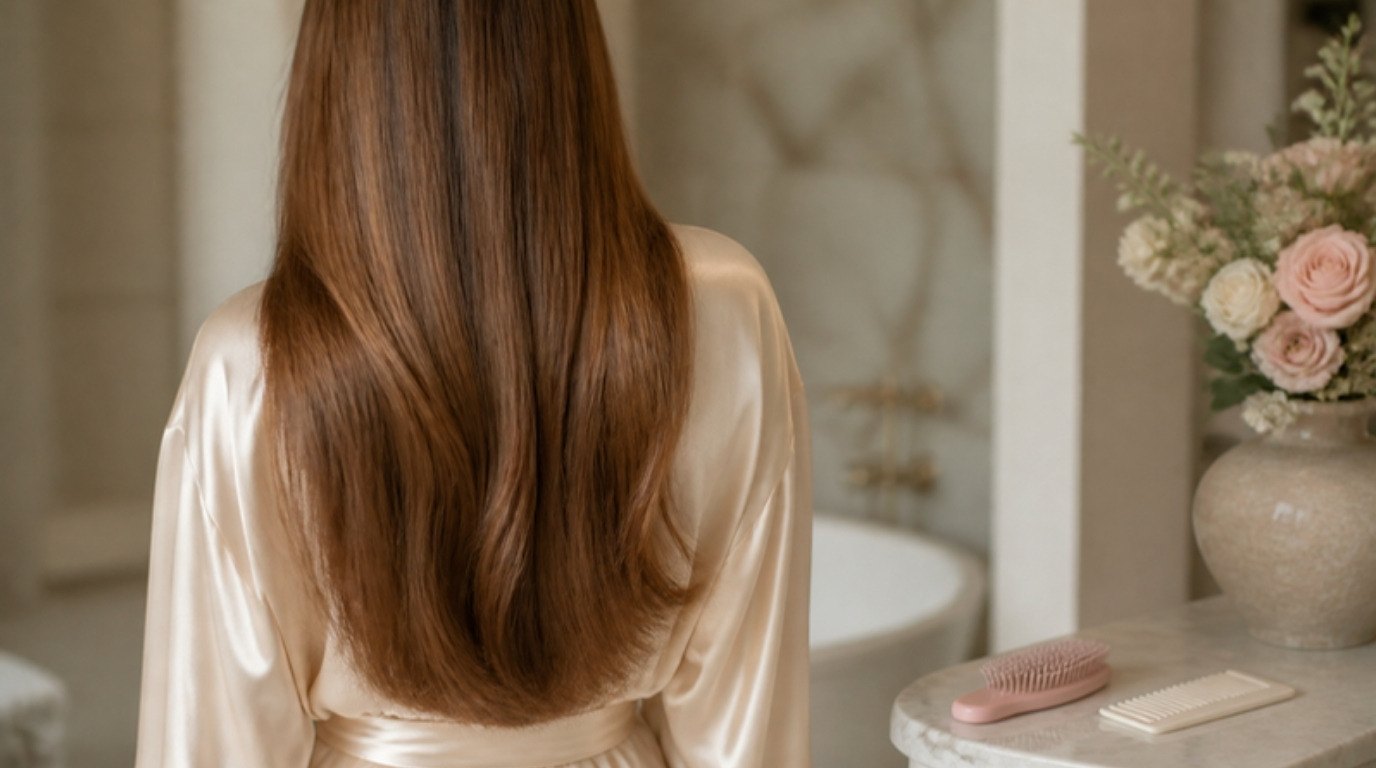
A cushioned paddle brush in a soft cream finish is a lovely everyday choice. Look for ball-tipped bristles and a base that flexes slightly when you press it.
Detangling Brush (Flexible Bristles)
Detangling brushes have thin, flexible bristles of slightly different lengths, often arranged in rows or on a vented base. The bristles bend around knots instead of tearing through them, which is why they work so well on wet hair and on curls.
Best for: wet or damp hair, curly and coily hair, kids' hair, anyone with tangle-prone lengths.
Skip if: you want polish and shine – a detangler separates, it doesn't really smooth.
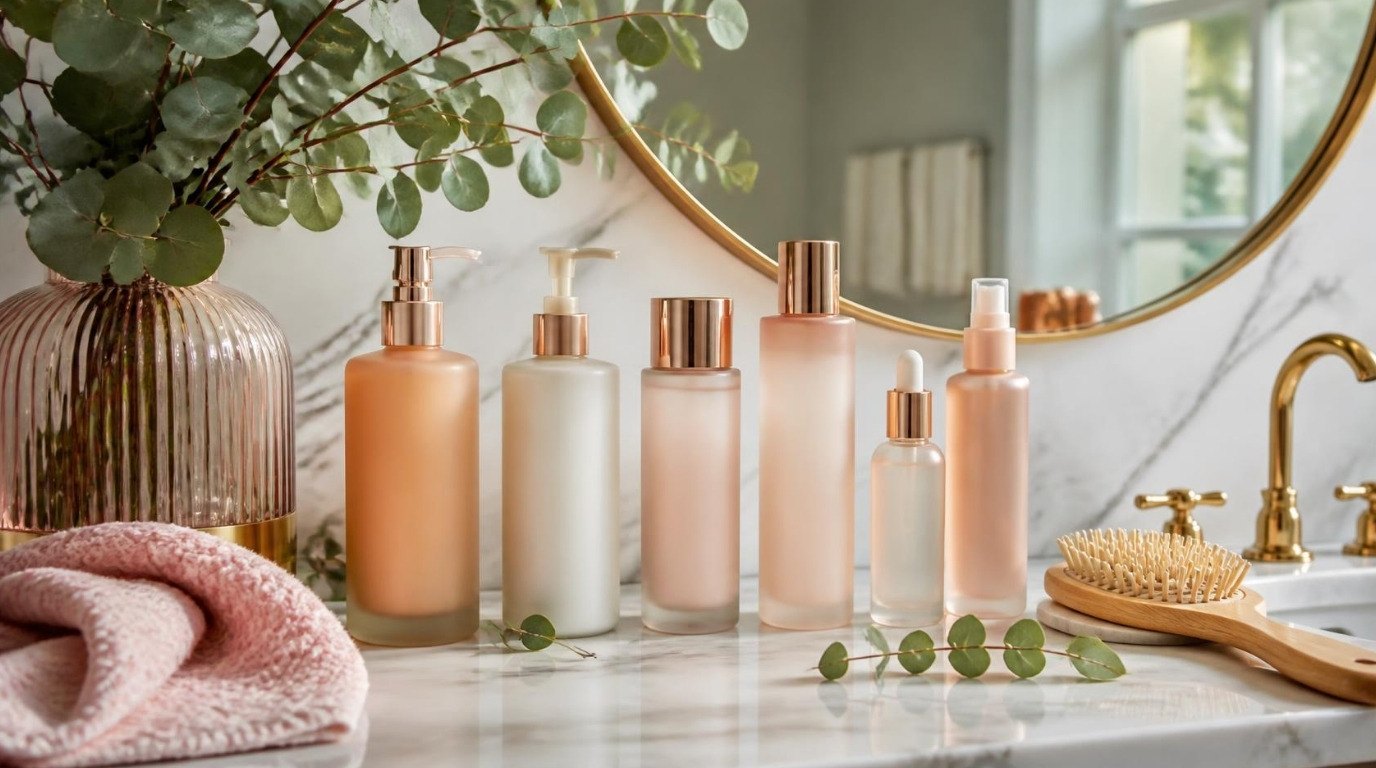
If you only buy one new brush, a flexible-bristle detangling brush in blush pink is the one I'd choose. It's the safest brush for almost every hair type.
Boar Bristle Brush
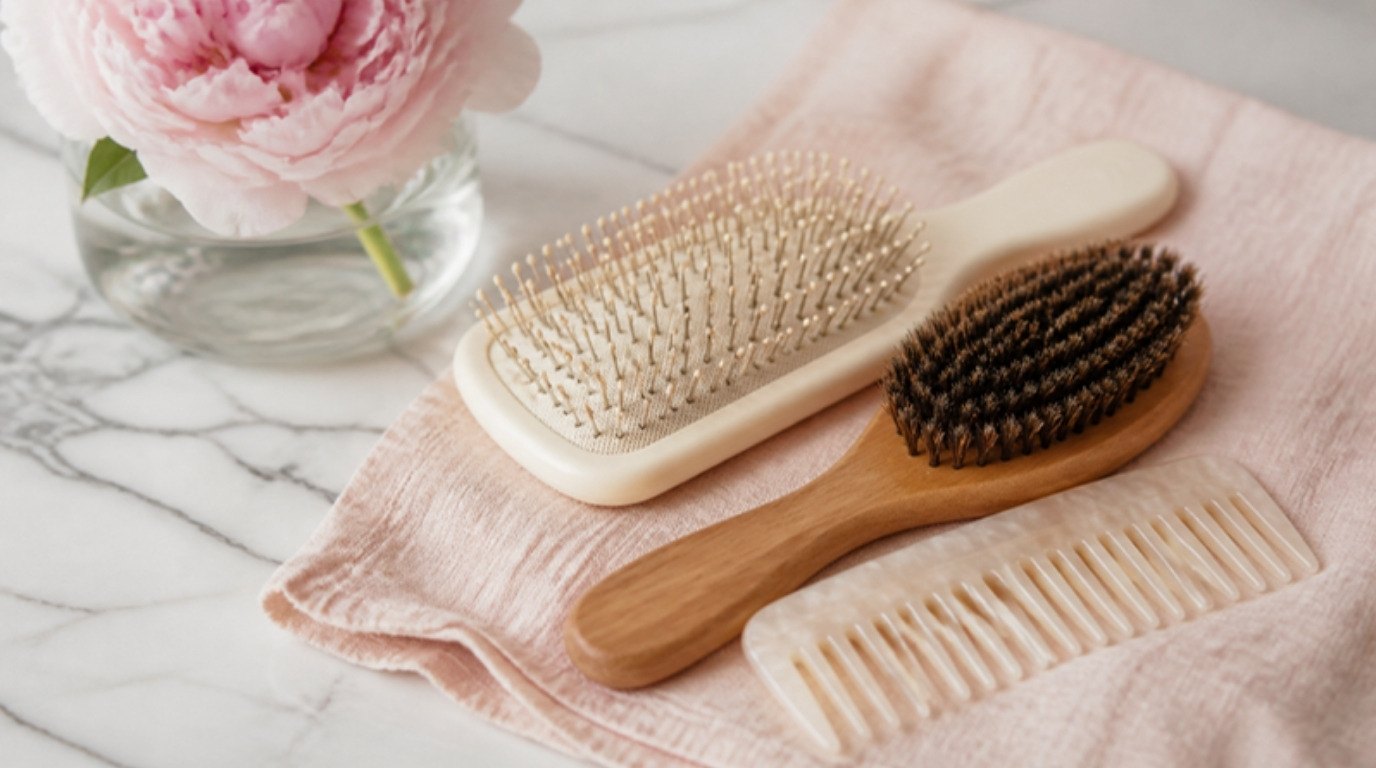
Boar bristles are natural and densely packed, similar in structure to human hair. They're not detangling tools. Their job is to move scalp oils down the length and smooth the cuticle, which gives a soft, natural shine.
Best for: fine to medium straight hair, finishing and smoothing dry hair, adding shine without product.
Skip if: your hair is very thick or curly – the dense bristles won't get through and can cause frizz.
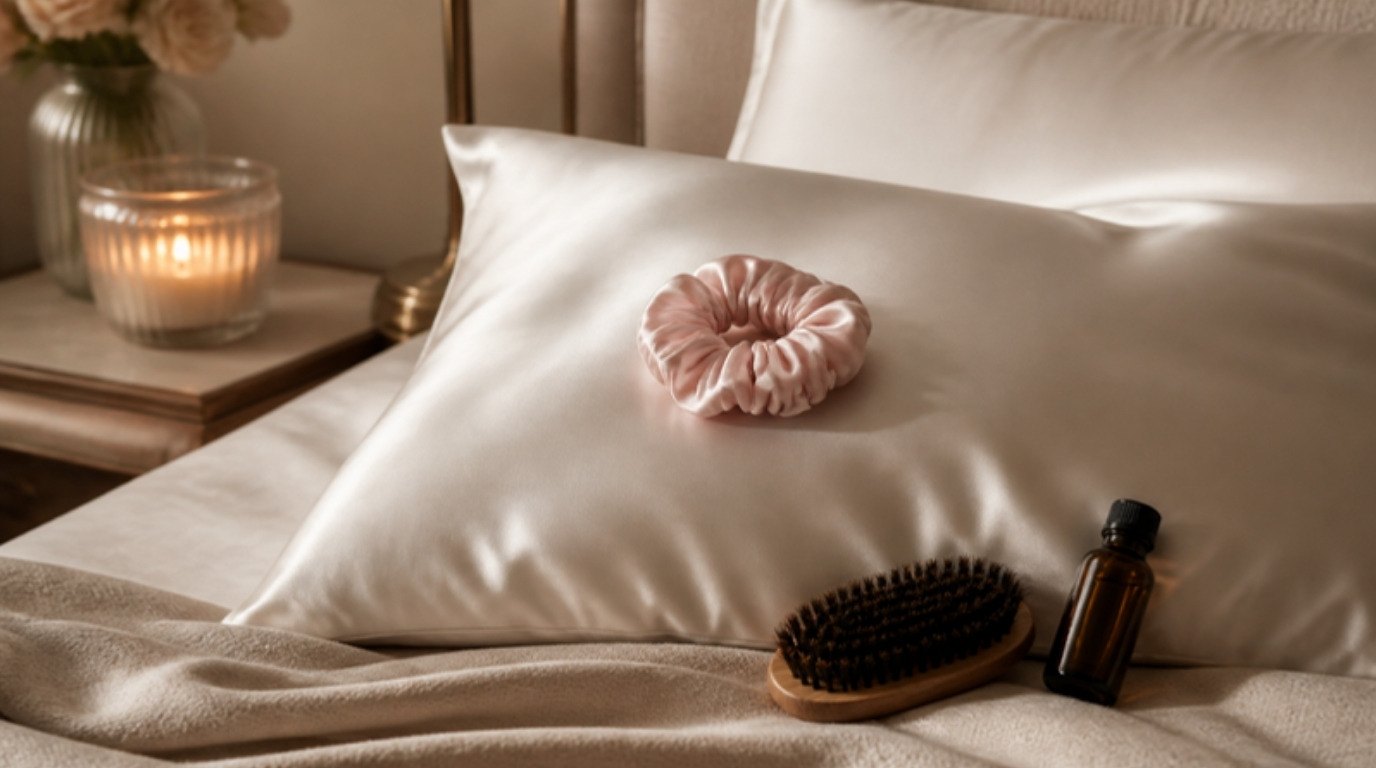
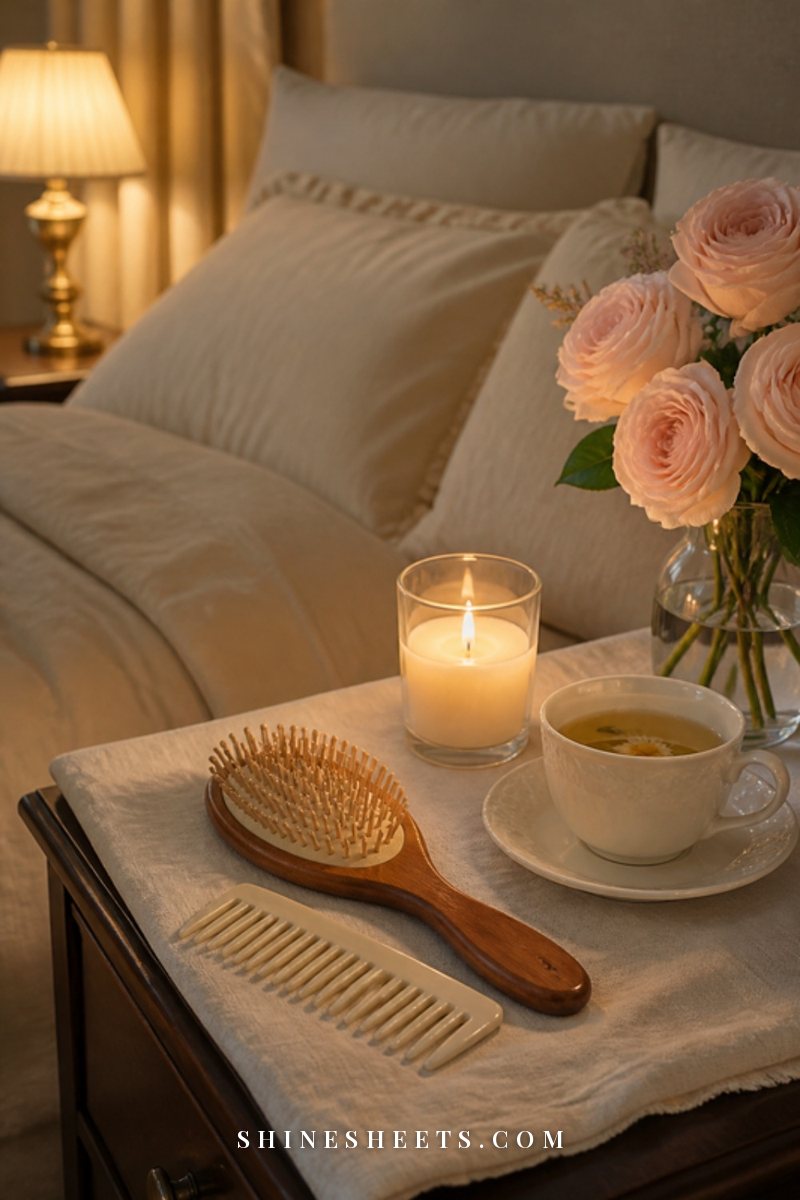
A wooden-handled boar bristle brush feels a little old-world glamorous, like something from a 1940s dressing table. Use it on dry, already-detangled hair for a few slow strokes before bed.
Mixed Boar and Nylon Brush
These combine boar bristles with longer nylon pins. The nylon pins get through the hair and separate it, while the boar bristles smooth. It's a nice middle ground if you love the shine of boar bristles but your hair is a bit too thick for a pure boar brush.
Best for: medium to thick straight or wavy hair, everyday smoothing on dry hair.
Round Brush
Round brushes are for blow-drying. Wrapping hair around the barrel while you dry gives smoothness, bend and volume. Smaller barrels give more bend, larger barrels give smoother, straighter results. Ceramic barrels heat up and work faster; boar bristles grip and smooth.
Best for: blow-drying with tension and volume.
Skip if: you're simply detangling – a round brush is a styling tool, not an everyday brush.
Vent Brush
Vent brushes have open slots in the base so air from the dryer passes through. They speed up rough-drying and are good for adding lift at the roots. They're less smoothing than a paddle or boar brush.
Best for: quick blow-drying, short hair, adding root volume.
Wide-Tooth Comb
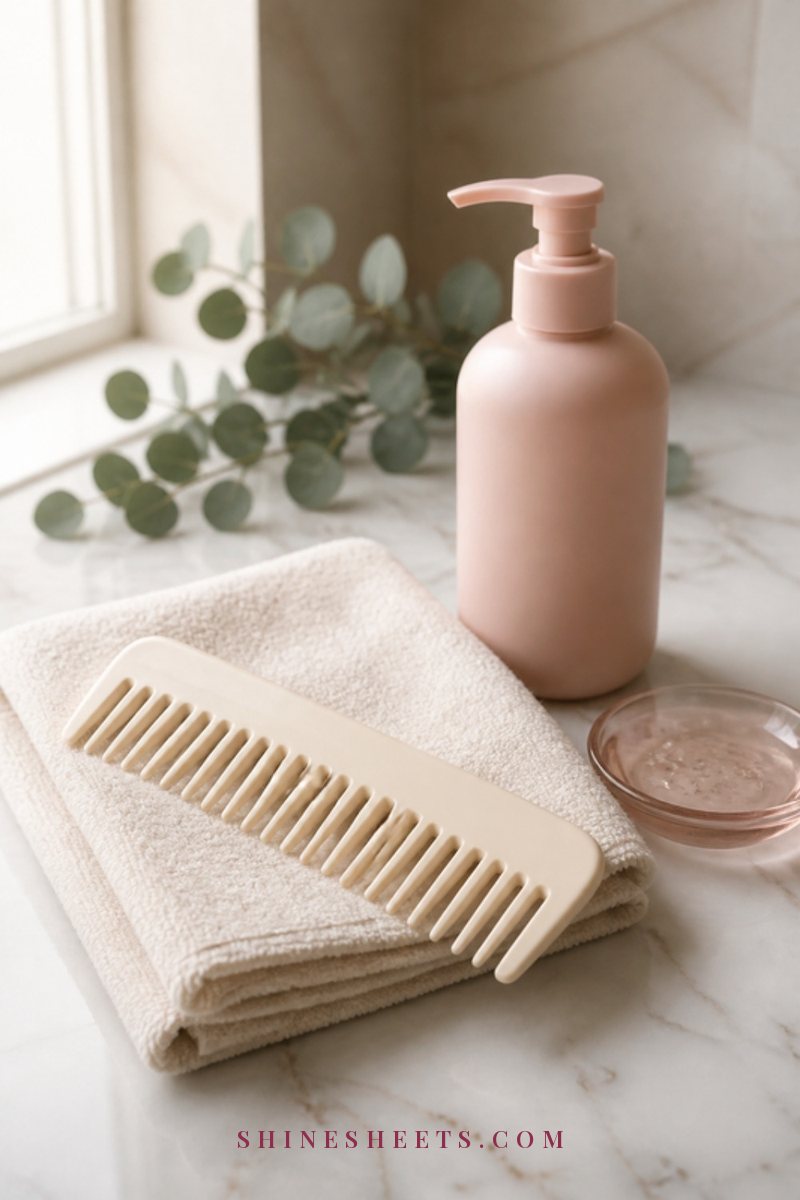
Not technically a brush, but it belongs here because it's the gentlest tool you can own. Wide, smooth teeth separate hair with very little friction, which makes it perfect for wet hair, for spreading conditioner and for curls you don't want to disturb.
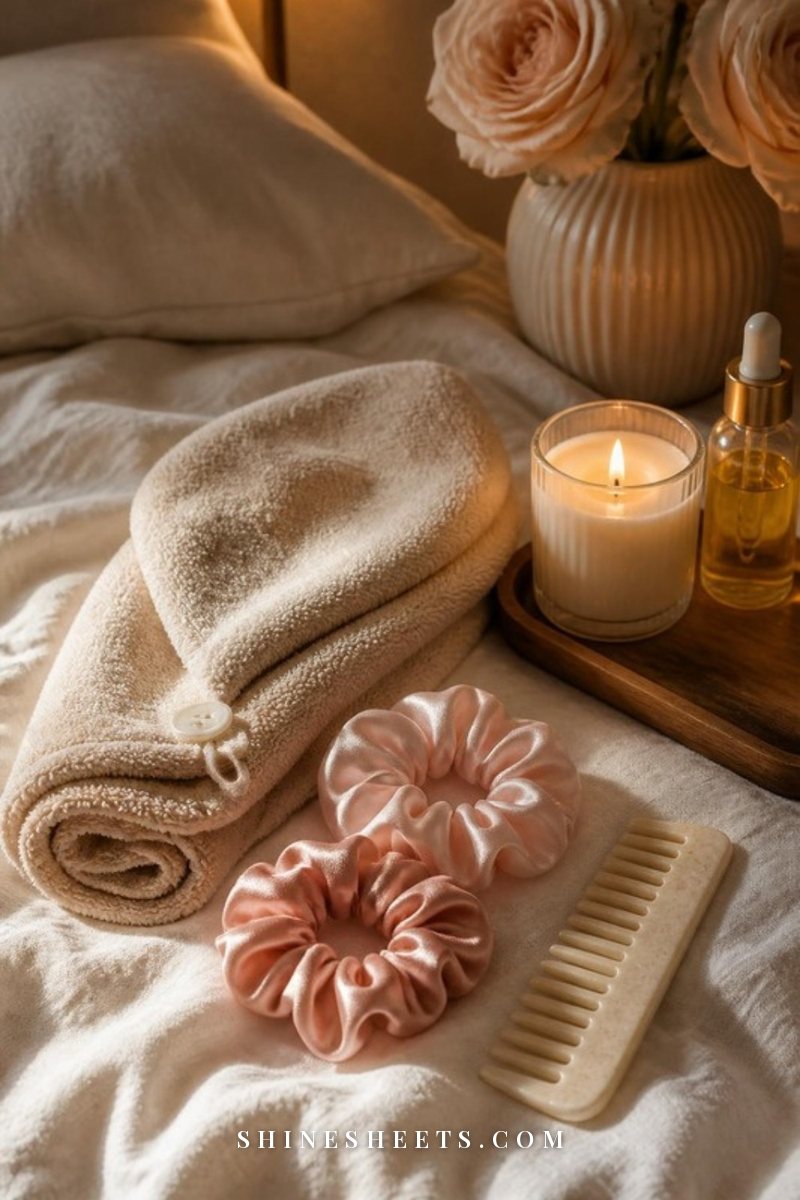
Look for a seamless wide-tooth comb in ivory – the seamless part matters, because rough seams from cheap molding can snag strands.
Hair Type → Best Brush Table
Here's the short version of everything above. Find your hair type, then your main concern, and you'll know where to start.
| Hair type | Everyday brush | On wet hair | For smoothing or shine | Avoid |
|---|---|---|---|---|
| Fine, straight | Soft boar bristle or soft paddle | Flexible detangling brush | Boar bristle, a few slow strokes | Stiff metal pins, heavy tugging |
| Medium, straight | Paddle or mixed boar-nylon | Detangling brush or wide-tooth comb | Boar or mixed brush | Brushing soaking wet hair hard |
| Thick, straight | Paddle with long, wide-spaced bristles | Detangling brush, in sections | Mixed boar-nylon | Pure boar (won't get through) |
| Wavy | Detangling brush or wide-tooth comb | Wide-tooth comb with conditioner | Mixed brush on dry hair only, if you want waves softened | Dense brushes on dry waves (frizz) |
| Curly | Fingers or wide-tooth comb | Flexible detangling brush with conditioner | Rarely needed | Dry brushing, boar bristles |
| Coily | Fingers, wide-tooth comb | Detangling brush on well-conditioned sections | Rarely needed | Dry brushing, fine-tooth combs |
| Fragile, damaged or bleached | Flexible detangling brush | Wide-tooth comb only | Very soft boar, gently | Round brushes with high heat |
If your hair sits between two rows (most of ours do), go with the gentler option. You can always add a smoothing brush later.
Which Brush for Your Hair Type
The table gives you the quick answer. Here's a bit more detail for each texture, because "fine" and "thick" can mean very different things on different heads.
Fine Hair
Fine strands have a small diameter, so they break more easily and show tangles quickly. A soft brush with flexible bristles is your best friend. Boar bristles are lovely on dry fine hair for shine, but keep it to a few strokes so you don't flatten your roots or make the lengths greasy faster. More tips for this texture are in my guide to fine hair care.
Thick Hair
Thick hair needs bristles long enough to reach through the whole section and spaced widely enough not to get stuck. A large paddle brush or a sturdy detangling brush works well. The real secret for thick hair isn't the brush, though, it's sectioning: four to six sections and you're done in half the time with far less pulling.
Curly and Coily Hair
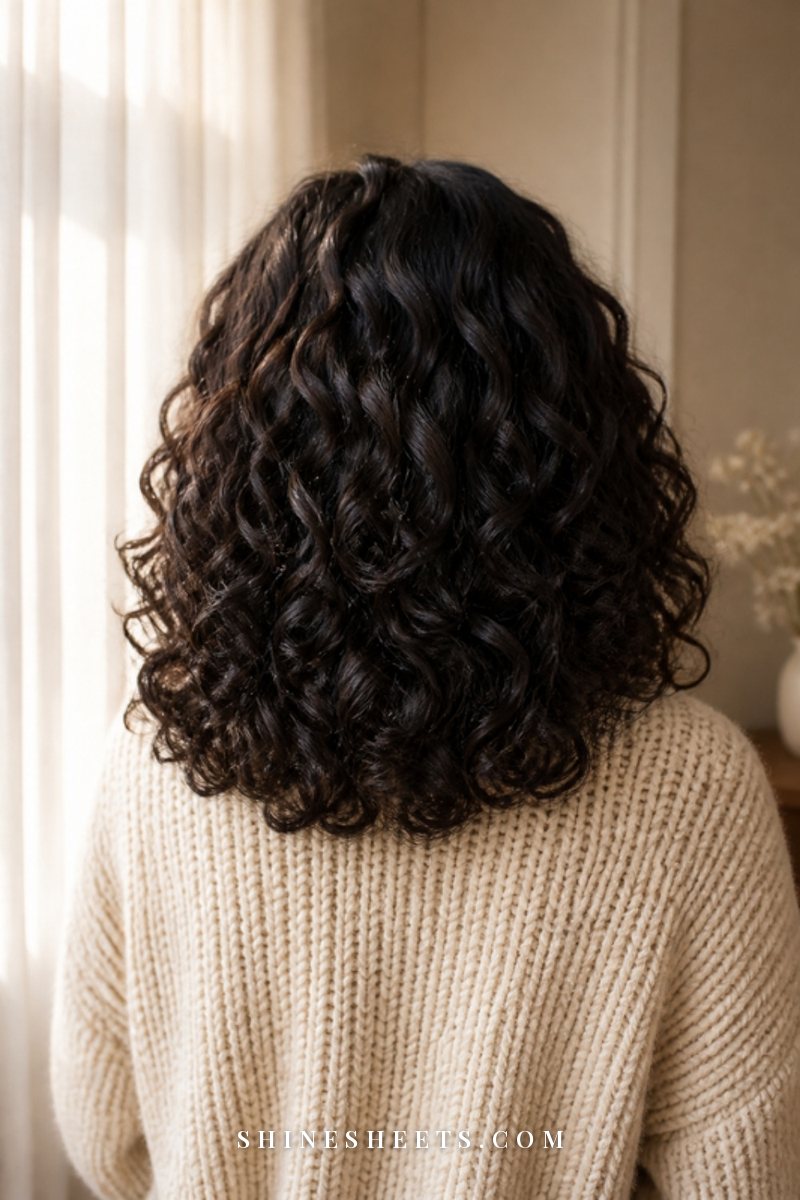
Curls usually prefer to be detangled only when wet and full of conditioner, with fingers first and then a wide-tooth comb or flexible detangling brush. Brushing curls when dry breaks up the curl pattern and creates a big cloud of frizz (which can be a fun look on purpose, but not every day). My curly hair routine walks through the whole wash-day process.
Wavy Hair
Waves sit between straight and curly, so they behave a bit like both. Detangle in the shower or right after, then let them form. If you brush dry waves, they'll soften and puff, which is lovely for a smooth, brushed-out finish but not if you want definition.
Straight Hair
Straight hair is the most brush-friendly texture. A paddle brush for everyday, a boar bristle brush for shine, and a round brush if you blow-dry. Straight hair shows oil more quickly, so clean your brush often to avoid putting old product and oil back into freshly washed hair.
Wet vs Dry Brushing: The Rules
Hair is more stretchy and fragile when wet, so wet brushing needs extra care. Dry brushing has its own risks, especially for curls. Here are the simple rules I go by:
- Wet hair: only flexible tools. A detangling brush or wide-tooth comb. Never a dense boar brush or a round brush on soaking wet hair.
- Add slip first. Conditioner in the shower, a leave-in or a detangling spray afterward. Dry, rough wet hair tangles and breaks more.
- Squeeze, don't rub. Press water out with a towel before you start, so the hair isn't dripping and heavy.
- Dry straight hair: brush freely. Paddle, mixed or boar brushes are all fine on dry, straight hair.
- Dry curls: mostly hands off. Use fingers to separate or refresh, and save the brushing for wash day.
- Never brush a big knot dry. Add a little leave-in or spray first and work it out slowly.
That's the whole rule set. Six small habits, and most daily breakage disappears.
How To Brush Your Hair Without Breakage
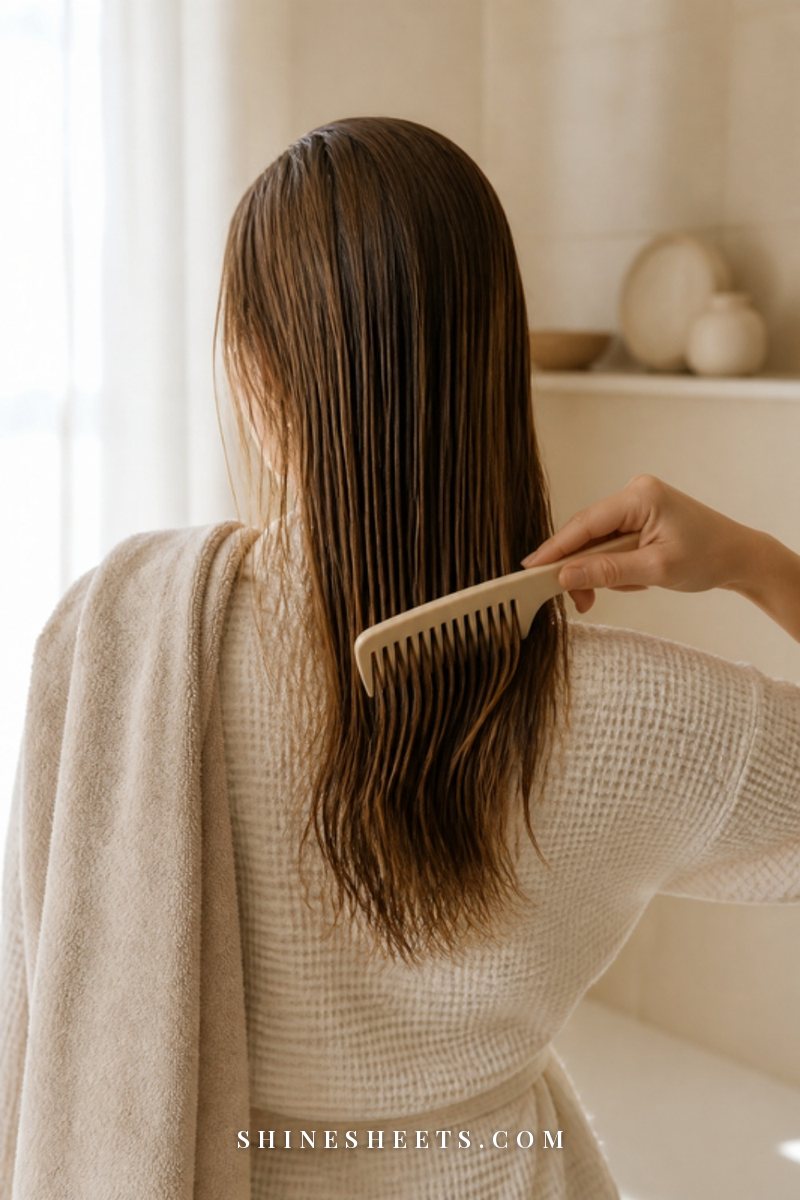
The way you brush matters as much as the brush itself. Here's the method that's kindest to every hair type:
- Start at the ends. Hold a section a few inches from the bottom and brush only the last few inches until they're smooth.
- Move up in stages. Next, brush from the middle down, then from the roots down. Each stroke only meets hair that's already detangled.
- Hold the section above the brush. If you hit a knot, holding the hair above it means the tension goes into your hand, not your scalp.
- Section thick or long hair. Two sections for fine hair, four to six for thick hair. Clip the rest up with a claw clip.
- Use slow, light strokes. If you hear snapping or feel pulling, stop and add product or switch to your fingers.
- Don't over-brush. The old "100 strokes a night" idea mostly causes friction. Brush until it's smooth, then stop.
For tricky tangles, my sister guide on how to detangle hair without breakage covers big knots step by step. And at night, a pair of soft silk scrunchies in champagne for a loose braid or low tie helps your brushing the next morning take seconds instead of minutes.
How To Clean a Hairbrush
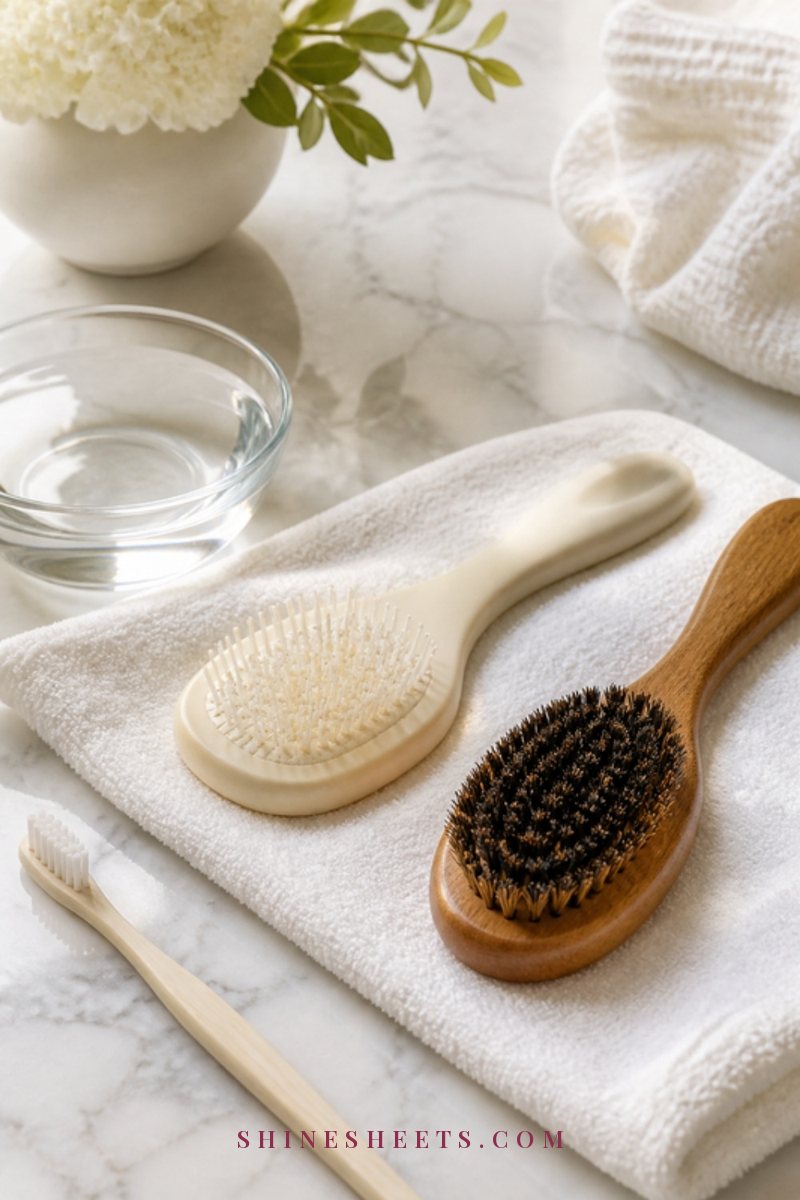
A brush collects shed hair, scalp oil, dry shampoo, styling products and dust. When it's dirty, you brush all of that back into clean hair. Here's a simple two-level routine.
Weekly: Remove the Hair
- Pull out trapped hair with your fingers or the tail of a comb.
- For stubborn mats, run a small brush cleaning rake along the base to lift everything out.
- Tap the brush against the sink to knock out dust and loose bits.
It takes about one minute. I like doing it on the same day I wash my makeup brushes so it becomes one small habit.
Monthly: Wash the Brush
- Remove all the hair first (the weekly step).
- Fill a bowl with warm water and a few drops of gentle shampoo.
- For plastic and nylon brushes, dip the bristles in and swish for 1–2 minutes. Use an old soft toothbrush to clean the base.
- For wooden or boar brushes, don't soak them. Dip only the bristles, clean quickly, and keep water away from the wooden handle and cushion.
- Rinse the bristles under running water.
- Shake off the water and lay the brush bristle-side down on a towel to dry fully, usually overnight.
Drying bristle-side down stops water from pooling in the cushion, which is where mildew and smells can start. If you use a lot of dry shampoo or styling cream, wash every two weeks instead of monthly.
When To Replace Your Hairbrush
Brushes don't last forever. A worn brush is rougher on your hair even if it looks okay at a glance. Replace yours when you notice any of these:
- Ball tips have fallen off the bristles, leaving sharp ends.
- Bristles are bent, melted from heat or missing in patches.
- The cushion has cracks, tears or won't spring back.
- There's a musty smell even after washing.
- The wooden handle or base has split or stays damp.
As a loose guide, everyday plastic brushes often last around a year, and well-cared-for boar bristle brushes can last much longer. Check yours each time you do the monthly wash.
Common Hairbrush Mistakes
Even with the right brush, a few habits can undo the good work. These are the ones I see most:
- Brushing from the roots down in one long stroke. It pushes every tangle into one big knot at the ends.
- Using one brush for everything. A round brush isn't for detangling, and a boar brush isn't for wet hair.
- Brushing curls dry every morning. Refresh with water and fingers instead.
- Ignoring a dirty brush. Old product and oil make fresh hair look flat sooner.
- Yanking through knots when you're in a hurry. It's quicker in the moment and costs you in split ends later.
- Leaving brushes in a steamy bathroom. Constant humidity is hard on wooden and cushioned brushes. A drawer or a vanity tray outside the shower zone is better.
How To Build a Simple Brush Kit
You don't need a drawer full of tools. Here's how I'd build a small kit, depending on your hair:
- Straight hair: paddle brush + boar bristle brush + wide-tooth comb (add a round brush if you blow-dry).
- Wavy hair: detangling brush + wide-tooth comb (add a mixed brush if you like a smoothed finish).
- Curly or coily hair: flexible detangling brush + wide-tooth comb. That's it.
- Thick hair of any texture: large paddle or sturdy detangling brush + wide-tooth comb + a few sectioning clips.
- Fine or fragile hair: soft detangling brush + soft boar bristle brush.
Three tools, chosen well, will treat your hair better than a dozen random ones. If your hair is very full, my guide to thick hair care has more ideas for making wash days quicker.
Final Thoughts
A hairbrush is such a small, everyday thing that it's easy to overlook. But choosing one that suits your texture, brushing from the ends up and keeping it clean can quietly change how your hair feels within a few weeks: fewer broken pieces, less frizz, a softer shine.
Start with one gentle detangling brush and a wide-tooth comb, add a smoothing brush if your hair loves it, and give yourself permission to brush slowly. Your hair will thank you every single morning.