Finding hair in your brush, on your pillow or wrapped around the shower drain is not automatically a sign that something is wrong. Losing some hair every single day is a normal, healthy part of how hair renews itself. The tricky part is knowing when "normal" quietly becomes "more than usual," and when "more than usual" is something worth checking with a doctor.
A lot of worry comes from mixing up three different things: shedding, breakage and true hair loss. They can look similar in the drain, but they have very different causes and very different next steps. Once you can tell them apart, a handful of hair on the bathroom floor feels a lot less scary.
This guide is all about hair shedding vs hair loss: how much shedding is normal, the hair growth cycle in simple words, a comparison table of shedding vs breakage vs loss, the most common reasons for extra shedding, the signs that mean it's time to see a dermatologist, and gentle daily habits that support your hair while it does its thing.
Take a breath. In most cases, hair that's shedding is hair that's simply making room for new growth.
How Much Hair Shedding Is Normal?

Most people shed somewhere around 50 to 100 hairs a day. That number sounds dramatic until you remember that the average scalp has tens of thousands of hairs, so even 100 a day is a tiny fraction of the whole.
A few things make normal shedding look like more than it is:
- Wash days. If you wash every three or four days, the hairs that were ready to fall out in between often come out all at once in the shower. A bigger clump on wash day is usually just a few days' worth of shedding together.
- Long hair. Fifty long strands look like a lot more than fifty short ones. It's the same number of hairs, just more visible.
- Thick or curly hair. Shed hairs often stay tangled in curls or thick lengths until you detangle, so they show up in bigger batches.
- Light-colored floors and towels. Dark hair on a white towel is very noticeable. Blonde hair on a beige rug barely registers.
What matters most isn't one bad-looking wash day. It's whether your shedding has noticeably changed compared with your own normal, and whether your hair looks thinner over weeks.
The Hair Growth Cycle, Simply Explained
Each hair on your head runs on its own little timer, which is why you don't lose all your hair at once like a pet shedding its winter coat. Every strand moves through four phases:
Growing Phase
This is the long, busy stage. Most of the hair on your head, roughly 85 to 90 percent, is growing at any given moment. This phase can last several years, which is what allows hair to grow long.
Transition Phase
A short pause of a few weeks. The hair stops growing and the root slowly detaches from its blood supply.
Resting Phase
The hair rests in place for about three months while a new hair starts forming underneath. Around 10 percent of your hair is resting at any time.
Shedding Phase
The old hair is released and falls out, often pushed along by the new one growing in. This is the shedding you see in your brush, and in a healthy cycle it's a sign of renewal, not loss.
Here's the part that explains so much: when something stresses your body, a larger group of hairs can be nudged into the resting phase at the same time. Because resting lasts about three months, the extra shedding often shows up two to three months after the stressful event. That delay is why so many people are confused about what caused it.
Shedding vs Breakage vs Hair Loss
This is the comparison that clears up most of the worry. Look at the hairs you're finding, look at your scalp, and see which column matches best:
| Shedding | Breakage | Hair Loss | |
|---|---|---|---|
| What it is | Whole hairs released from the root at the end of their cycle | Hairs snapping somewhere along the length | Hair not growing back, or follicles shrinking over time |
| What the strand looks like | Full length, often with a tiny white bulb at one end | Shorter pieces, no bulb, blunt or frayed ends | May look like normal shed hairs, but fewer grow back |
| Where you notice it | Brush, shower, pillow, all over the head | Short pieces on clothes and the sink, frizzy ends, uneven lengths | Widening part, thinning crown, receding hairline, bald patches |
| Typical causes | Normal cycle, stress, illness, after pregnancy, seasons | Heat, bleach, rough brushing, tight elastics, dryness | Genetics, hormones, medical conditions, ongoing tension on the hair |
| Does it recover? | Usually yes, on its own within months | Yes, with gentler care and trims | Depends on the cause, early help matters |
| Best next step | Gentle care and patience, track it | Less heat, more moisture, softer tools | See a dermatologist or doctor |
Screenshot it so you can check your brush against it later. If breakage sounds like your situation, my full guide to hair breakage walks you through what to change, step by step.
How To Tell Which One You Have: 3 Quick Checks
You don't need special tools for this, just good light and a little patience.
1. Look at the Ends of the Hairs
Collect a few fallen hairs and look closely. A tiny white or light bulb on one end means the hair came out from the root, which points to shedding. No bulb and a short, uneven piece usually means breakage.
2. Check Your Part and Hairline
Part your hair in the same place in good daylight and take a quick photo every two weeks. Compare them side by side. A part that looks wider over time, or a crown that shows more scalp, is worth mentioning to a doctor, even if your shedding seems normal.
3. Track It for Two Weeks
Rather than counting every strand (please don't, it's exhausting), notice a rough pattern: Is wash day getting bigger? Do you find hair on your pillow more than before? Has anything changed in your life in the last three months? A few quick notes in your phone are enough to spot a trend and to describe it clearly if you see a professional.
7 Common Reasons for Extra Shedding
If your shedding has clearly increased, one of these is often behind it. Many of them are temporary, and hair usually settles back into its normal rhythm once the trigger has passed.
1. Stress
A demanding few months, a move, a breakup, grief or burnout can push more hairs into the resting phase. The shedding often appears a few months later, sometimes right when you finally feel better, which is why it can be so confusing. It usually eases on its own as your body settles.
2. After an Illness or Fever
A high fever, a bad flu or a surgery can trigger a wave of shedding two to three months afterward. It's common, often dramatic-looking, and in most cases temporary.
3. After Pregnancy
During pregnancy, many people shed less than usual, so the hair feels extra full. A few months after giving birth, those "held" hairs tend to shed together. It can feel alarming, but it's a well-known and usually temporary phase.
4. Seasonal Shedding

Many people notice a little more shedding in late summer and fall. It's usually mild and passes within a couple of months. Cold, dry weather afterward can also make hair more prone to breakage, so this is a good time to look at my winter hair care tips.
5. Big Diet Changes
Hair is not an essential organ, so when your body is short on energy or nutrients, it often gets less priority. Sudden weight loss, very restrictive eating or not getting enough protein and iron can show up as extra shedding a few months later.
6. Tight Styles and Tension
Ponytails, buns and braids pulled tight every day put constant tension on the roots, especially around the hairline and temples. Over time this can cause both breakage and a type of hair loss from pulling. Loosening things up early makes a real difference.
7. Hormonal or Medication Changes
Starting or stopping hormonal birth control, thyroid changes and some medications can affect shedding. Never stop a medication on your own because of your hair. Bring it up with your doctor instead, because they can look at the full picture.
When To See a Doctor or Dermatologist
Most shedding is temporary, but some signs deserve a professional look sooner rather than later. Please book an appointment with a doctor or dermatologist if you notice any of these:
- Round or patchy bald spots, even small ones.
- A widening part or thinning crown that keeps progressing over a few months.
- Sudden, large amounts of hair coming out in handfuls when you wash or brush.
- Scalp pain, burning, itching, redness or scaling along with the shedding.
- Shedding that lasts longer than about six months with no clear trigger.
- Other symptoms like unusual tiredness, feeling cold all the time, changes in your period or unexplained weight changes.
- Hair loss on other parts of your body, such as eyebrows or lashes.
Go in with your notes and your part photos. A dermatologist can examine your scalp up close and may suggest blood tests to check things like iron or thyroid levels. With many types of hair loss, getting help early protects more of your hair, so there's no reason to wait and worry alone. For more on what to do next, my guide on things to do if you're trying to stop hair loss has a calm overview.
How To Prepare for a Dermatologist Appointment
A little preparation turns a rushed ten-minute visit into a genuinely helpful one. It also means you won't walk out and remember the one thing you meant to say. Here's what to bring:
- Your timeline. When did you first notice the change? Write down anything big that happened in the three to six months before: illness, a move, a new medication, a very stressful stretch, changes to your diet or your period.
- Your part photos. The photos from the two-week check are incredibly useful, because they show change over time instead of a single moment.
- Your hair routine. How often you wash, which products you use on your scalp, how often you use heat, color or bleach, and how you usually wear your hair.
- A list of medications and supplements. Include everything, even the ones that seem unrelated.
- Your family history. If parents or grandparents had thinning hair, mention it.
Good questions to ask include what type of shedding or hair loss this looks like, whether any tests make sense, what you can expect over the next few months, and when you should come back if things don't improve. Write the answers down, or ask if you can take notes on your phone. It's completely normal to feel emotional talking about your hair, and a good doctor will take your concern seriously.
7 Gentle Habits That Help With Shedding
You can't stop normal shedding (and you wouldn't want to, since it makes room for new hair). But you can make sure the hair you have stays strong, isn't breaking unnecessarily and has a healthy scalp to grow from.
1. Detangle Gently
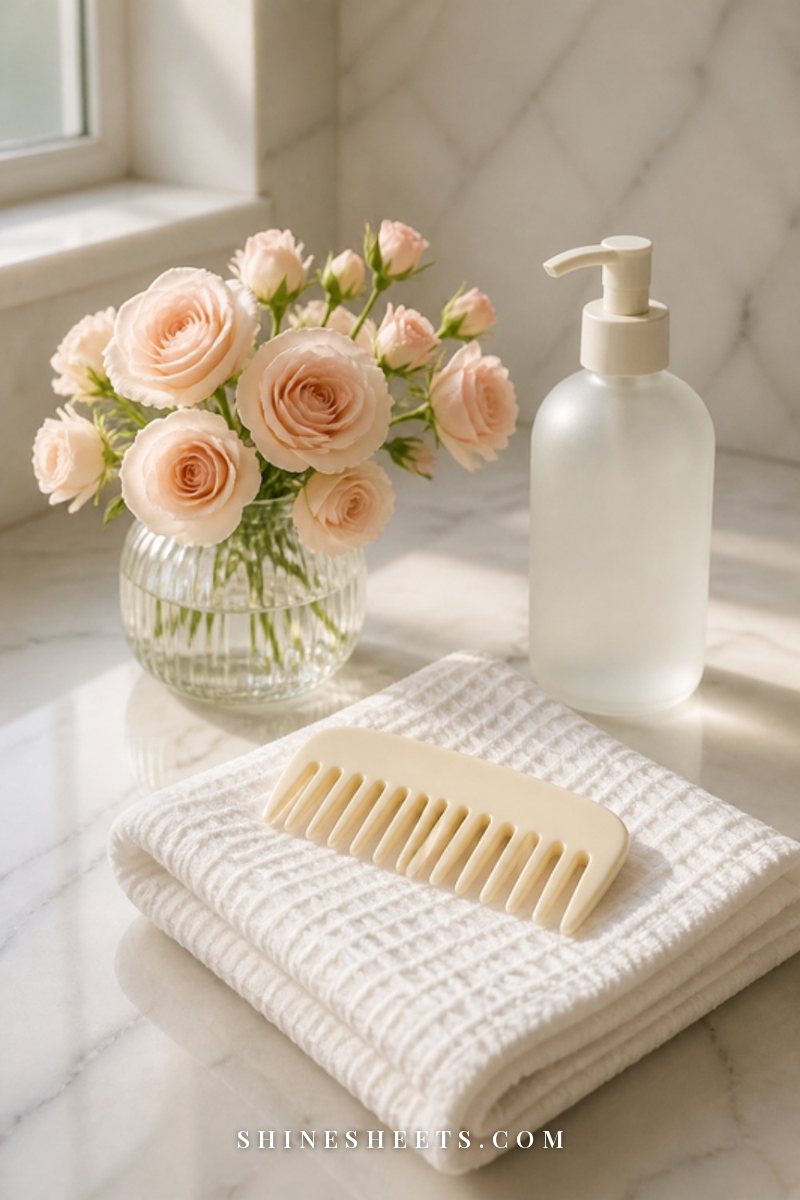
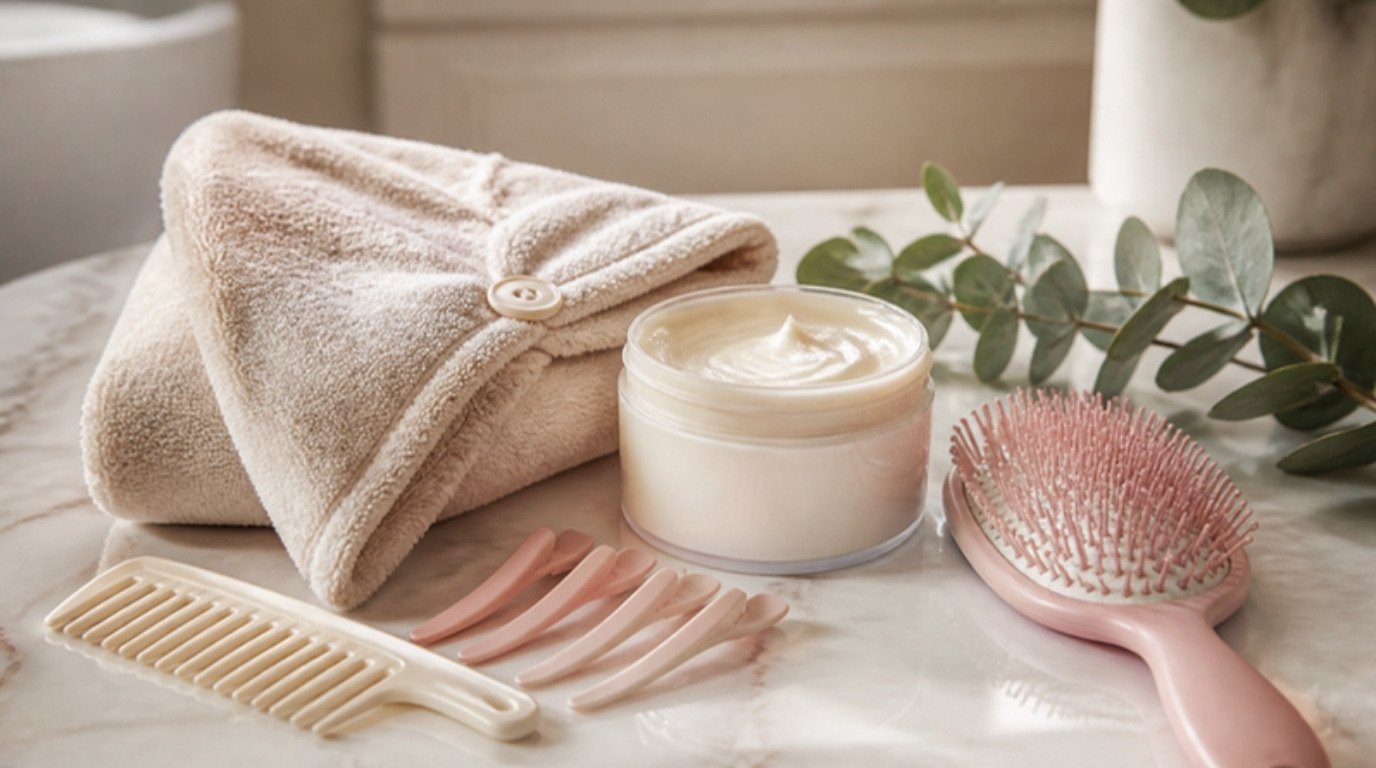
Start at the ends and work your way up in small sections, never from the roots down in one long pull. Detangle wet hair only after applying conditioner, which gives it slip. A wide tooth comb is the gentlest tool for this. It lets shed hairs slide out without snapping the healthy ones around them. If you prefer a brush on dry hair, choose one with flexible bristles and go slowly.
2. Wash Regularly With a Gentle Shampoo
A common myth is that washing less means losing less hair. It doesn't, it just means the shed hairs come out all at once. A clean scalp is a happier scalp, so wash as often as your hair type needs. A gentle sulfate-free shampoo is a good pick if your scalp is sensitive or dry. Focus the shampoo on your scalp and let the suds rinse through the lengths.
3. Care for Your Scalp

Your scalp is where hair begins, so a little attention there goes a long way. A few minutes of gentle massage with your fingertips (or a soft silicone scalp massager brush in the shower) helps lift buildup and feels wonderfully calming. Use small circles, light pressure and never scratch. My scalp care routine covers the full weekly rhythm, and the scalp massage guide shows exactly how to do it.
4. Dry With Care
Wet hair is at its most fragile. Rubbing it hard with a rough bath towel can snap strands that weren't ready to go. Instead, squeeze and press the water out with a microfiber hair towel, which absorbs water faster with less friction. If you blow-dry, use a heat protectant and a medium setting, keep the dryer moving and stop when your hair is about 90 percent dry.
5. Loosen Your Styles
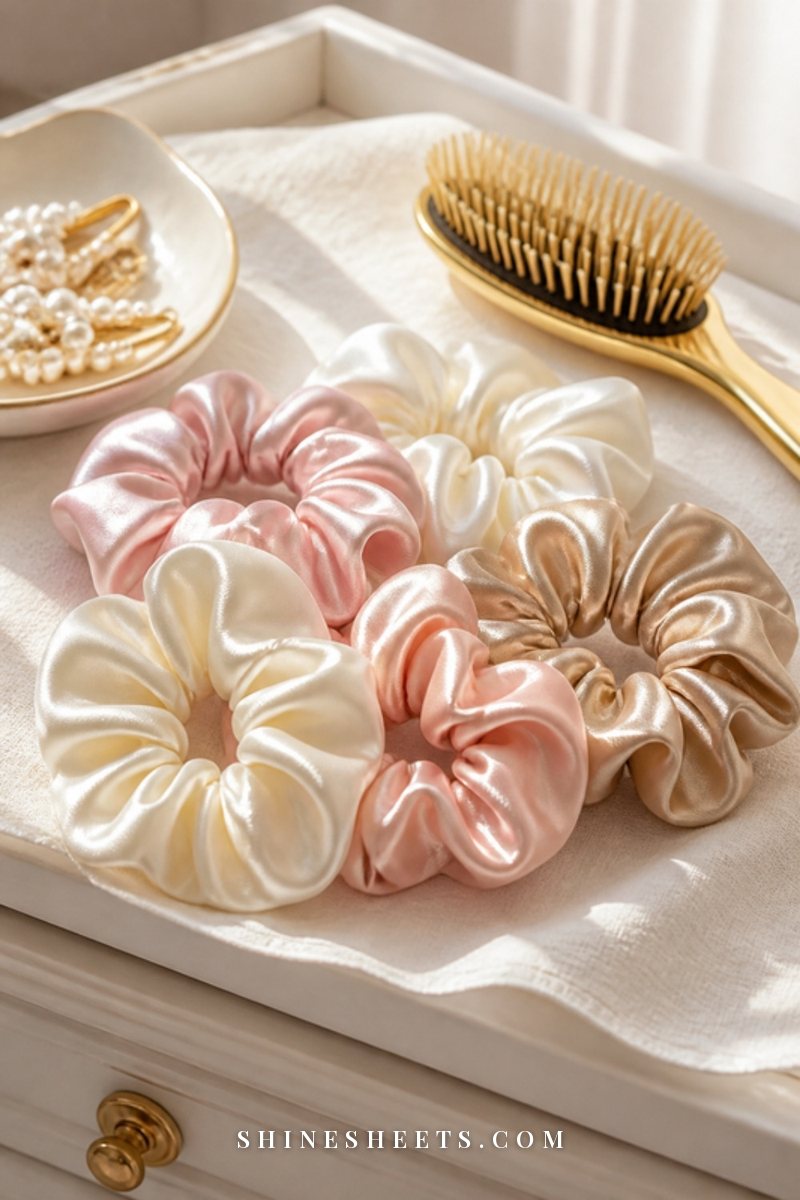
Give your roots regular breaks from tension. Wear your hair down on some days, change the position of your ponytail, and swap tight elastic bands for soft silk scrunchies, which hold without gripping and creasing as much. At night, a loose braid or loose scrunchie is kinder than a tight bun. Your hairline in particular will thank you over the years.
6. Feed Your Hair Through Food
Hair is made mostly of protein, and your body needs enough energy, protein and iron to keep making it. Aim for a protein source at each meal, include iron-rich foods regularly and avoid drastic diets. Please don't start supplements on your own to "fix" shedding. Some, like iron, can cause problems when you don't actually need them. If you're worried about low levels, ask your doctor for a simple blood test first.
7. Manage Stress Kindly
Since stress is one of the most common triggers, caring for your nervous system is hair care too. That can look like a regular bedtime, short walks, slow breathing before sleep or simply lowering your expectations during a hard season. And here's the kind part: worrying about shedding is stressful in itself, so be gentle with yourself while you wait for it to settle.
Hair Shedding Myths To Let Go Of
A few common beliefs cause more worry than they deserve:
- "Washing makes my hair fall out." Washing just releases hairs that were already on their way out.
- "Brushing 100 strokes a day makes hair stronger." Over-brushing causes breakage. Brush only as much as you need to detangle and style.
- "Wearing hats causes hair loss." Normal hats don't. Very tight headwear worn constantly can add tension, but a cozy winter beanie is fine.
- "If it's shedding, it's permanent." Most shedding from stress, illness or pregnancy grows back on its own over several months.
- "Only older people lose hair." Hair changes can happen at any stage of life, which is exactly why it's worth checking unusual changes with a doctor.
If your hair is naturally fine and every strand feels precious, my fine hair care guide has extra tips for making the most of what you have while you wait for new growth.
How Long Until Shedding Settles?
Patience is the hardest part. Because of the three-month resting phase, temporary shedding often lasts a few months and then slowly tapers off. New growth then needs time to become visible, so you might notice short baby hairs around your hairline and part before your ponytail feels full again.
A rough, gentle timeline for temporary shedding looks like this:
- Two to three months after the trigger: shedding increases.
- Three to six months after the trigger: shedding is at its peak and then begins to ease.
- Six to nine months after the trigger: short new hairs become noticeable.
- A year or so after the trigger: volume often feels close to normal again.
Everyone is different, so treat this as a loose guide rather than a promise. If the shedding doesn't ease after about six months, or if you notice any of the warning signs above, that's your cue to see a professional.
Final Thoughts
Understanding hair shedding vs hair loss takes so much fear out of an ordinary wash day. Most of the hair you see in your brush is simply part of a healthy cycle, and even a stressful wave of shedding usually passes with time and gentle care.
Treat your hair softly, feed your body well, keep an eye on your part and your scalp, and reach out to a dermatologist when something feels off. Your hair is resilient, and so are you.