Choosing between a duvet and a comforter isn't really about which one is "better." It's about how you wash, how warm you run, and how often you like to change the look of your room. Once you know those three things, the answer usually picks itself.
Both will keep you warm. Both can look beautiful. The difference is in the everyday stuff: the Sunday laundry, the 2 a.m. kick-it-off-the-bed moments, the day you fall in love with a new color and wish your bed could change with you.
This guide breaks down duvet vs comforter in plain words: what each one actually is, the words people mix up, a side-by-side table, how they compare on warmth, washing, cost and allergies, which one suits 6 different bed types, and the easiest way to put a duvet cover on without wrestling it for twenty minutes.
What Is a Duvet?
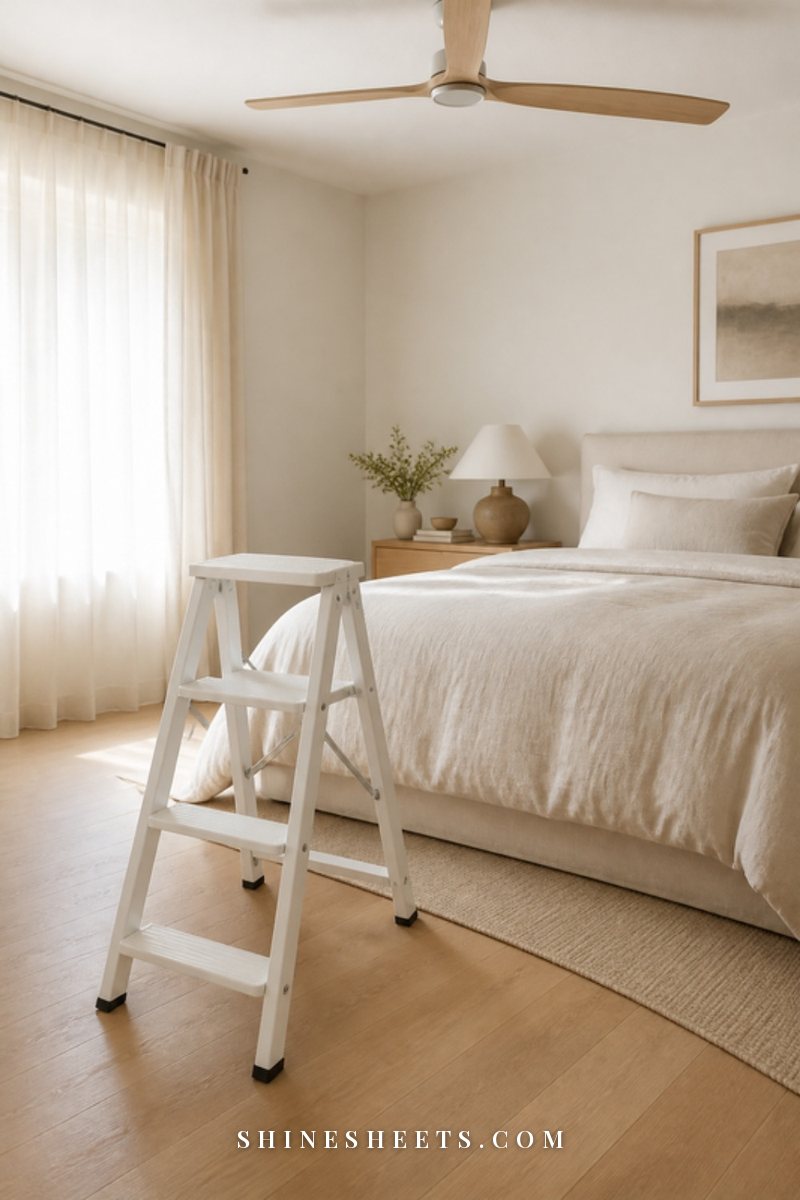
A duvet is a two-part system. There's the insert (a soft, plain bag filled with down, down alternative or wool) and the duvet cover, which works like a giant pillowcase. You slide the insert into the cover, close it with buttons, a zipper or ties, and that's your bed.
The insert is usually white and fairly plain, because nobody sees it. All the color, pattern and texture come from the cover. That's the whole magic of a duvet: the expensive, fluffy part stays the same for years, while the cheap, washable part does all the styling.
Most good inserts have small loops or tabs in each corner, and most covers have matching ties inside. Tying them together keeps the insert from sliding around (more on that later, because it matters more than people think).
What Is a Comforter?
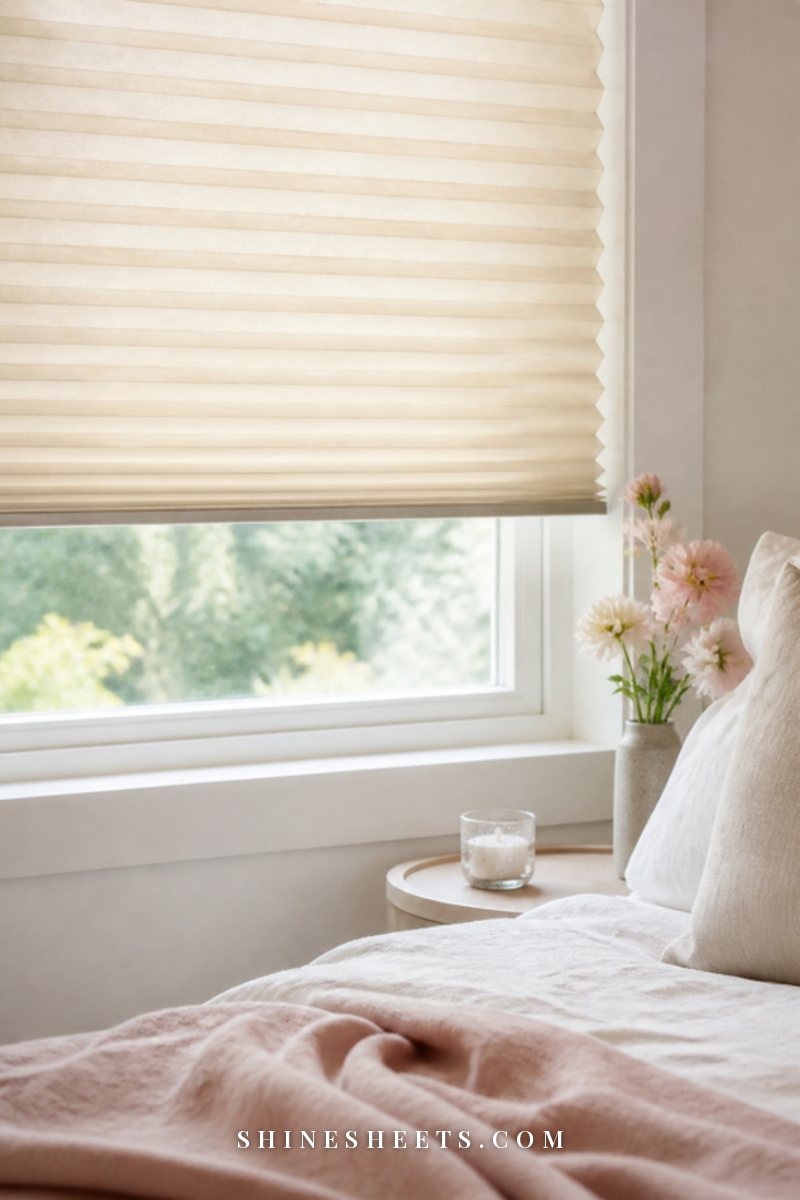
A comforter is one single piece. The fill and the fabric are sewn together, usually with stitching in squares, channels or a decorative pattern so the fill stays evenly spread. You don't put it in anything. You just spread it on the bed.
Comforters are often sold as a set, sometimes called a "bed in a bag," with matching pillow shams and sometimes a bed skirt or sheets. That's why they're such an easy way to make a room look finished on day one. Most comforters are filled with polyester fiber, though you'll also find down and wool versions.
A cream quilted comforter set is a lovely example of the style: look for a soft cotton or brushed microfiber shell, stitching close enough (roughly every 8–12 inches) that the fill can't slide, and a "machine washable" care label you'll actually follow.
The Words People Mix Up
Part of the confusion is simply language. A few quick notes so shopping feels less like a riddle:
- "Duvet" in stores: In the US, some shops call the insert alone a "duvet," while others use it to mean insert plus cover. Always check whether a cover is included.
- "Duvet" in the UK and Europe: There, a duvet usually means just the insert, and the warmth is often given as a "tog" rating (lower tog = lighter).
- "Down comforter": In the US, this phrase is often used for what is really a duvet insert. If it's plain white with corner loops, it's meant to go inside a cover.
- Quilt: Thinner than both, with a flat layer of batting stitched between two fabrics. Lovely for warm nights or layering.
- Coverlet: A light, decorative top layer, often with a quilted or textured pattern. More about looks than warmth.
When in doubt, look at the product photos and the care label. If it's meant to be washed often and seen, it's a comforter. If it's plain and has corner loops, it's an insert.
Duvet vs Comforter at a Glance
Here's the whole comparison in one table. Screenshot it before you go shopping, it makes the decision a lot quicker.
| Feature | Duvet | Comforter | Best for |
|---|---|---|---|
| What it is | Insert + removable cover | One sewn, quilted piece | Duvet if you like options, comforter if you like simple |
| Warmth | Easy to adjust by swapping the insert | Fixed; add or remove a throw | Duvet for people whose temperature changes by season |
| Washing | Cover weekly or every two weeks; insert 2–3 times a year | Whole piece every 1–3 months; often needs a big machine | Duvet for frequent washers and pet owners |
| Making the bed | Cover change takes 3–5 minutes with practice | Spread it out and you're done | Comforter for guest rooms and busy mornings |
| Look | Fluffy, relaxed, slightly rumpled | Neat, flatter, tailored | Duvet for a hotel look, comforter for a tidy, finished look |
| Upfront cost | Higher (two pieces) | Lower, especially in a set | Comforter for tight budgets right now |
| Cost over time | Lower; only the cover gets replaced | Higher; a new look means a new comforter | Duvet for long-term value |
| Changing your style | New cover, new room | Whole new piece needed | Duvet for renters and redecorators |
| Storage | Covers fold flat like sheets | Bulky to store | Duvet for small closets |
| Allergies | Cover acts as a washable barrier | Allergens build up in the whole piece | Duvet with a hypoallergenic insert |
Duvet vs Comforter: The Full Comparison
The table gives you the quick version. Here's the "why" behind each row, so you can decide which points actually matter for your bed.
Warmth and Fill Options
Warmth depends on the fill and how much of it there is, not on whether it's a duvet or a comforter. The three fills you'll see most often:
- Down: The lightest, loftiest option. Down is measured in "fill power" – around 600 is cozy and airy, 700–800 is very warm for its weight. It traps heat well, so it can feel too warm for some sleepers.
- Down alternative: Usually polyester microfiber made to feel like down. It's affordable, easy to wash, and a good pick if feathers bother you. It's a little heavier and less breathable than real down.
- Wool: Flatter and denser, but excellent at regulating temperature and handling moisture. It keeps you warm without that sweaty feeling, which is why many hot and cold sleepers both love it.
Most inserts and comforters come in weights like "lightweight," "all-season" and "winter" (or tog ratings, if you shop European brands). The duvet's big advantage here: you can own a light insert and a warm one and swap them when the season turns, while keeping the same cover. A down alternative duvet insert in an all-season weight is the easiest starting point. Look for baffle-box or box-stitched construction, corner loops on all four corners, and a soft cotton or microfiber shell.
If you prefer natural fibers, a wool duvet insert is worth a look. I'd choose one with a cotton shell and a clear note on whether it can be machine washed or needs spot cleaning only.
Washing and Care
This is the point that decides it for most people, so let's be very practical.
With a duvet, you wash the cover along with your sheets, every one to two weeks. It goes into a normal machine like any sheet. The insert itself only needs washing two or three times a year, or when there's a spill. If you use a top sheet too, you can stretch that even further.
With a comforter, the whole thing needs washing, roughly every one to three months (more often if you skip a top sheet, since it's touching your skin every night). A queen or king comforter often doesn't fit well in a standard top-loading machine, which means a trip to a laundromat with a large front-loader. Drying takes a long time too: low heat, a couple of hours, and checking every 30 minutes until it's dry all the way to the center, because damp fill can get musty.
Whatever you choose, always read the care label first. For more general advice on keeping bedding fresh, soft and bright, my laundry tips for keeping fabrics looking new cover water temperature, detergent amounts and drying.
Look and Styling
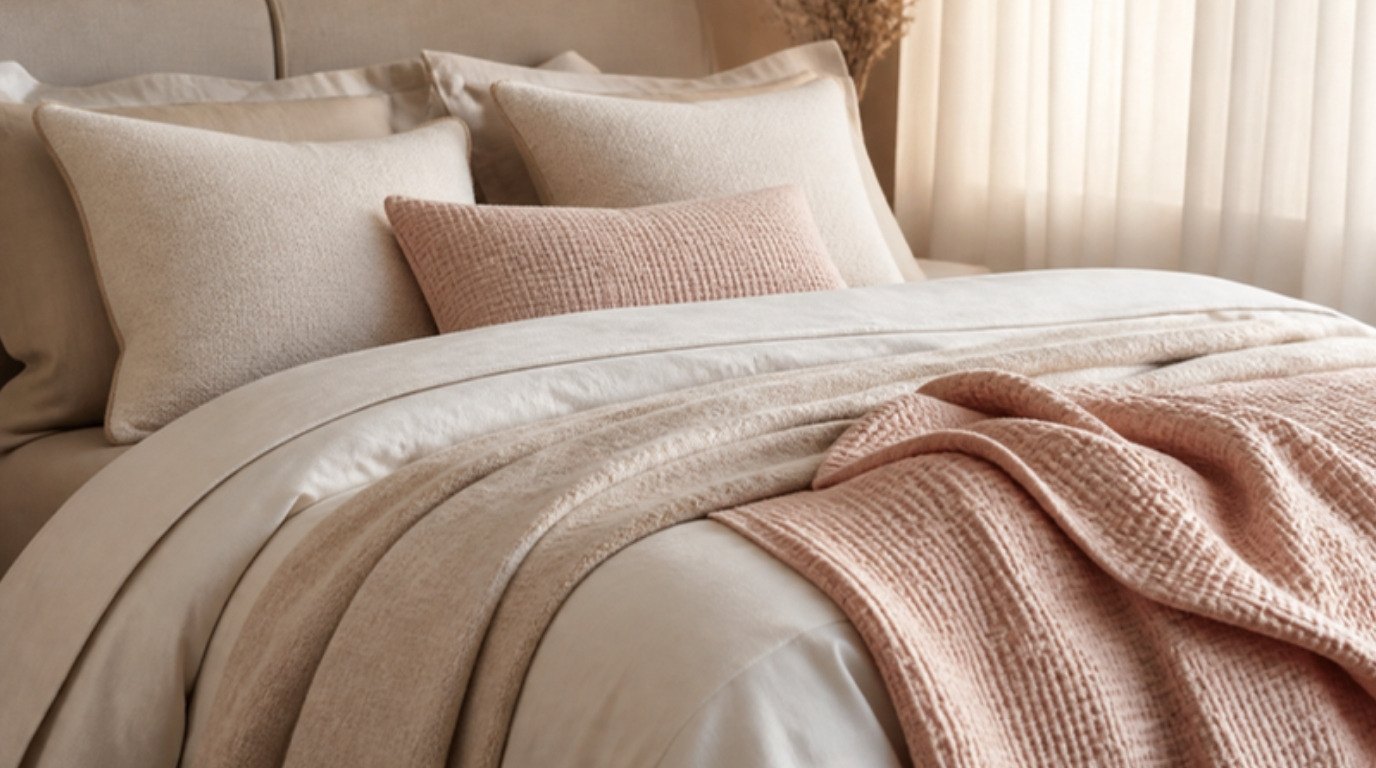
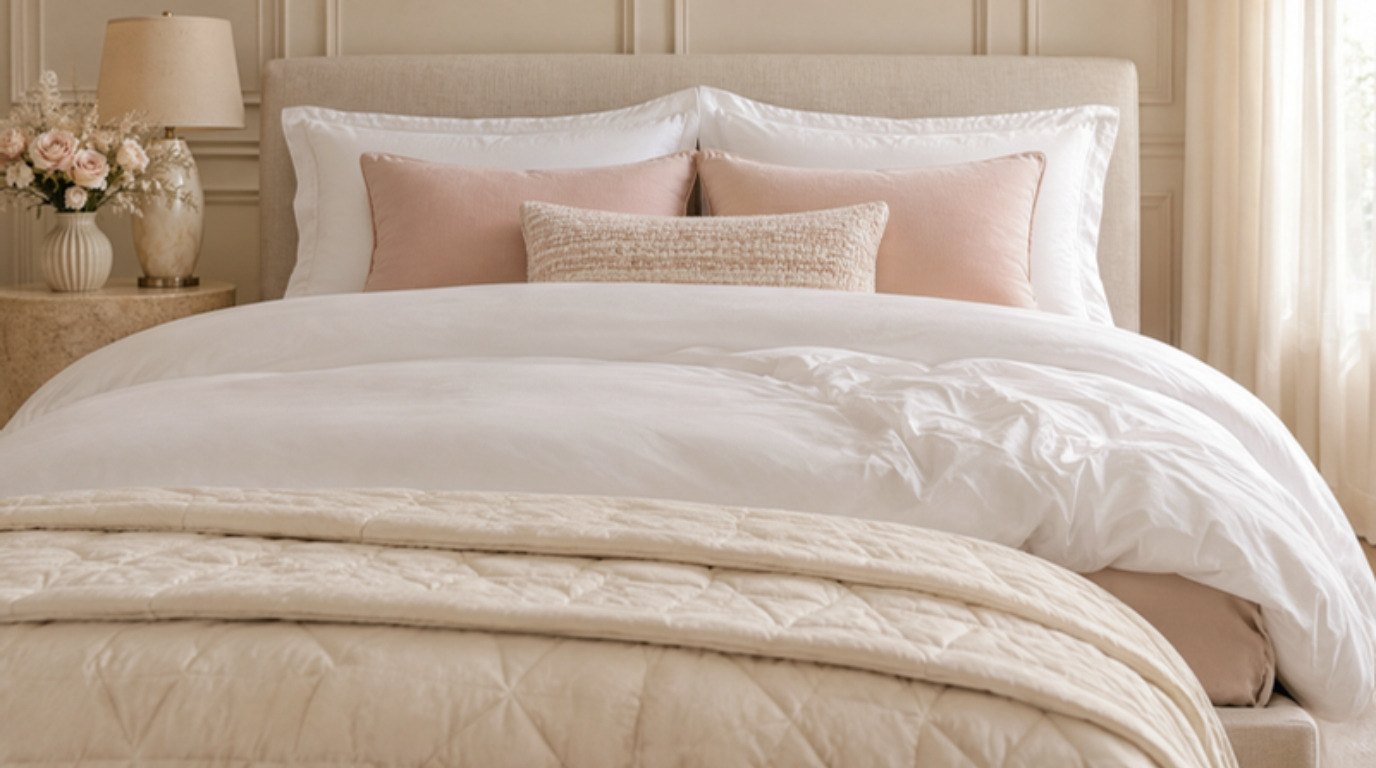
A duvet has that soft, cloud-like, slightly rumpled look you see in hotels and magazine bedrooms. Because the insert sits loosely inside the cover, it puffs up and drapes over the sides of the bed. It looks lived-in in the nicest way.
A comforter looks neater and flatter, especially with dense stitching. It gives you clean lines and a tailored, "made" bed with very little effort. If you love a crisp, finished look and hate fluffing, that's a real plus.
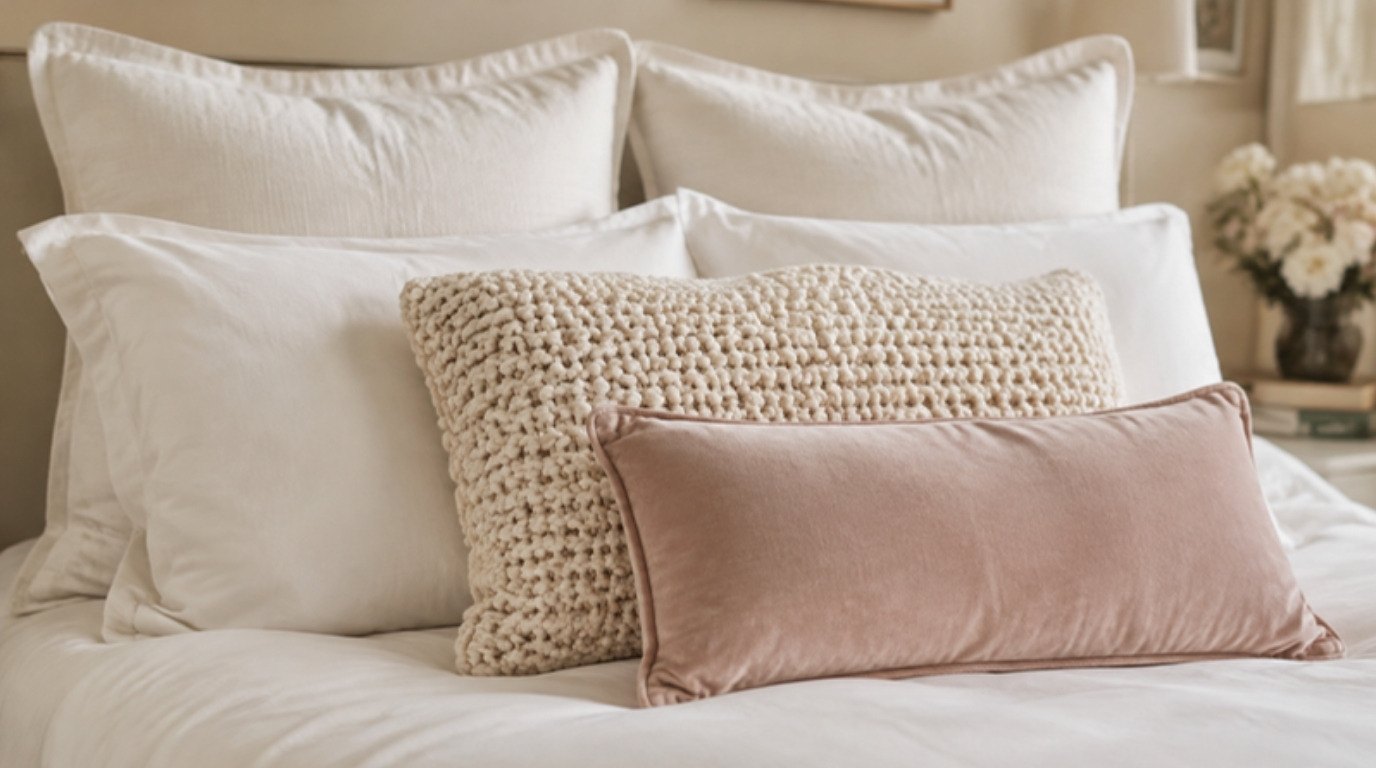
Either one can be layered. A folded throw at the foot of the bed, a pair of Euro shams and a couple of soft pillowcases make both look more styled. Sage linen pillowcases are a calm, easy way to add a little color to a white or cream bed. Look for stonewashed linen, an envelope closure and a size that matches your pillows.
Cost Over Time
Upfront, a comforter set is usually the cheaper choice. You get a finished bed, often with shams, in one purchase.
A duvet costs more at the start, because you're buying an insert and at least one cover. But think about the next five years. A good insert can last 5–10 years (down even longer with care), and you only replace covers, which cost much less than a new comforter. If you like changing your bedroom look every year or two, a duvet almost always comes out cheaper.
A budget tip: buy the best insert you can comfortably afford, and a simple cover. Covers are where you can save, splurge or swap later.
Changing Your Style
This is where the duvet really shines. New cover, new room. A white cotton duvet cover set is the most flexible base there is: it works with any wall color, any season and any throw you add. Look for long-staple cotton in percale (crisp and cool) or sateen (smooth and a little warmer), a hidden button or zipper closure, and interior corner ties.
When you want a change, you just add a second cover in blush, sage or soft stripes. The covers fold flat like a set of sheets, so storing two or three takes almost no space. A comforter can only be restyled with throws and pillows, or replaced.
Allergies
If you're sensitive to dust or feathers, a duvet makes life easier. The cover acts as a barrier you can wash weekly, and you can pick an insert labeled hypoallergenic, usually down alternative or tightly woven down-proof fabric.
A comforter can still work, but because you wash it less often, dust can build up inside. If you go that route, choose a down alternative fill and wash it on the more frequent end of the range. A gentle note: if you're waking up stuffy or itchy, a doctor can help you figure out what's actually triggering it, and that's often more helpful than guessing with new bedding.
Which Should You Pick? 6 Bed Types
Here's how I'd decide based on who's sleeping in the bed and how it's used. Find yours and you have your answer.
1. Hot Sleepers
Pick: a duvet with a lightweight insert. Hot sleepers need breathability more than anything. A lightweight wool or summer-weight down alternative insert inside a cotton percale or linen cover lets heat escape. On the warmest nights, you can even use the cover alone as a thin blanket, which is a trick a comforter can't do.
If you already have a comforter, choose a lightweight one and keep a top sheet underneath, so on warm nights you can fold the comforter down and sleep under just the sheet.
2. Cold Sleepers
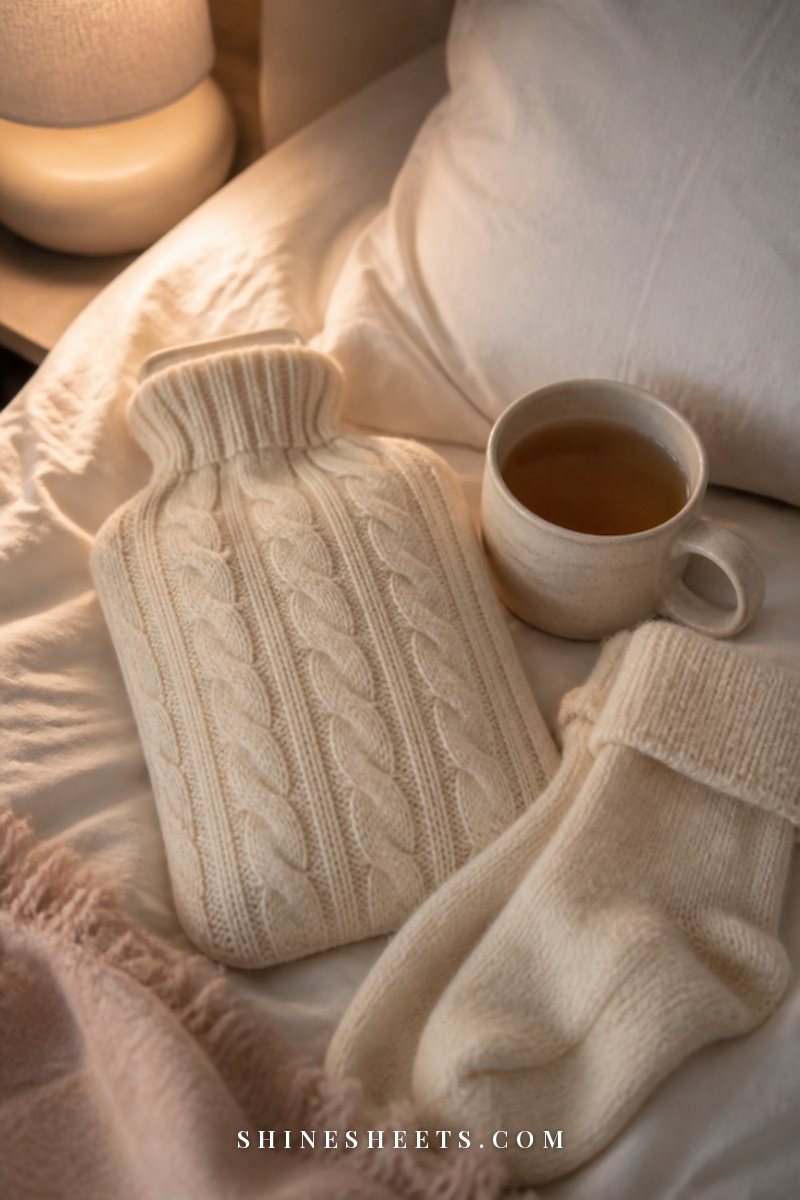
Pick: a duvet with a winter-weight insert, or a warm comforter plus a throw. If you're always cold, a high-fill down or warm down alternative insert is wonderful. Some people even use two lightweight inserts inside one cover in the coldest months (the corner ties keep them together).
A thick comforter works well too. Just add a knit throw or a quilt on top on cold nights, so you can adjust without changing the whole bed. For more ways to warm up your room, these renter-friendly ways to make your bedroom feel like a hug are full of soft, simple ideas.
3. Renters Who Redecorate Often
Pick: a duvet. If you move every year or two, or love changing your room with the seasons, a duvet is the most flexible choice. One good insert moves with you, and covers are light, flat and easy to pack. You can match a new apartment's light and colors with a new cover instead of a whole new bed.
Space is often tight in rentals, so the flat-folding covers help too. My guide to small bedroom ideas that make a room feel bigger and calmer has more tricks for making a compact bedroom feel open and restful.
4. Pet Owners
Pick: a duvet with a tightly woven cover. If your cat or dog sleeps on the bed, you'll be washing often, and a cover is far easier than a whole comforter. Tightly woven fabrics like cotton percale or sateen don't grab fur as much as textured or fluffy ones. Keep a spare cover so the bed is never bare on laundry day.
A blanket or washable throw at the foot of the bed, right where your pet likes to curl up, protects the cover and cuts down on full washes even more.
5. Guest Rooms

Pick: a comforter. A guest bed is used a few times a year, so easy wins. A comforter set looks finished, takes 30 seconds to make, and your guests never have to figure out a duvet cover. Between visits, wash the sheets and pillowcases and give the comforter an airing or a wash every few visits.
Store a spare set of sheets right in the guest room or a closet nearby. If you'd like a neat system for that, my linen closet organization guide shows how to fold and group bedding by room so it stays tidy.
6. Kids' or Teen Rooms
Pick: a duvet for younger kids, either one for teens. Kids spill, get sick and change favorite colors constantly, so a washable cover over a down alternative insert is very practical. For teens, a comforter can be the easier choice because making the bed is quick, which means it might actually get made. Let them choose the cover or set, it makes the room feel like theirs.
A quick safety note: babies shouldn't sleep with duvets, comforters or any loose bedding. Save these for when your little one is old enough for a regular bed, and check with your pediatrician if you're unsure.
How To Put a Duvet Cover On Easily
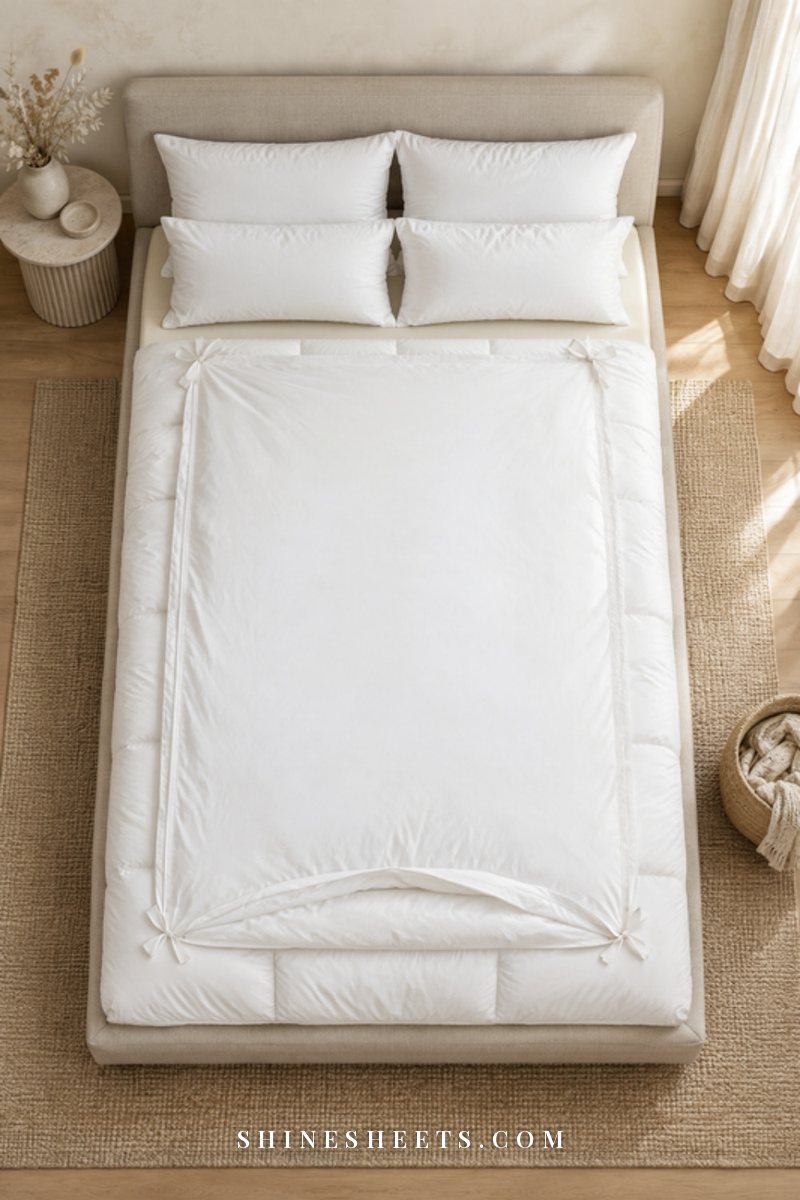
This is the part that scares people off duvets, and it really doesn't have to. With either method below, you'll be done in about three to five minutes, no climbing inside the cover required.
The Burrito Method
- Turn the duvet cover inside out and lay it flat on the bed, with the opening at the foot of the bed.
- Lay the insert flat on top of the cover, lining up all four corners.
- Tie the corner ties to the insert's corner loops (if your cover has them).
- Starting at the head of the bed, roll both layers together tightly toward the opening, like a burrito.
- At the end, tuck the open ends of the cover around the roll, turning them right side out. It's like putting a sock over the roll.
- Close the buttons or zipper, then unroll toward the head of the bed. Give it a good shake.
The Inside-Out Method
- Turn the duvet cover inside out and reach your hands inside to the two top corners.
- Through the fabric, grab the two top corners of the insert.
- Hold them up and shake so the cover slides down over the insert, turning right side out as it goes.
- Lay it on the bed, fix the bottom corners, tie any inside ties and close the opening.
- Shake from the top edge a few times to spread the fill evenly.
The burrito method is easiest if you're doing it alone on a large bed. The inside-out method is faster once you've done it a couple of times. Pick whichever feels less fiddly to you.
How To Keep a Duvet Insert From Bunching
A lumpy duvet is almost always a sliding insert. Here's how to fix it:
- Use the corner ties. If both your insert and cover have them, always tie all four. It takes 30 seconds and solves most of the problem.
- Add clips if there are no ties. Duvet corner clips grip the cover and insert together at each corner without sewing. I'd choose ones with smooth, rounded edges so they don't snag the fabric.
- Match the sizes. An insert that's much smaller than the cover will always drift. The insert should be the same size or up to 2 inches bigger.
- Shake it daily. Hold the top two corners and give it two or three firm shakes when you make the bed. This re-spreads the fill.
- Choose stitched inserts. Box-stitched or baffle-box inserts keep the fill in small pockets, so it can't all slide to one end.
Size Up for a Fuller, Hotel-Style Look
The secret to that generous, hotel-bed look is size. Many standard duvets and comforters barely cover the top of the mattress, so the sides look skimpy.
- Go one size up. For a queen bed, try a king-size duvet or comforter. It drapes further over the sides and covers more of the mattress edge.
- Measure first. Add your mattress width plus twice its height. Then add a few inches on each side for drape. Compare that to the product dimensions, which vary a lot between brands.
- Overstuff slightly. An insert that's 1–2 inches larger than the cover fills every corner and looks plumper.
- Check your space. In a small room or a bed pushed against a wall, the extra fabric can pool on the floor. Sizing up works best when the bed has a little space around it.
For the rest of the layering, from sheets to pillows, my step-by-step guide on how to make your bed look like a hotel bed walks you through it.
Final Thoughts
If you like changing things up, wash often, share your bed with a pet or run hot one month and cold the next, a duvet will make your life easier. If you want simple, quick and finished, especially for a guest room or a busy morning routine, a comforter is a perfectly good choice.
And if you're still deciding about what goes underneath, my guide to linen vs cotton sheets pairs nicely with this one. Whichever you choose, a soft bed you look forward to getting into each night is always worth the effort.