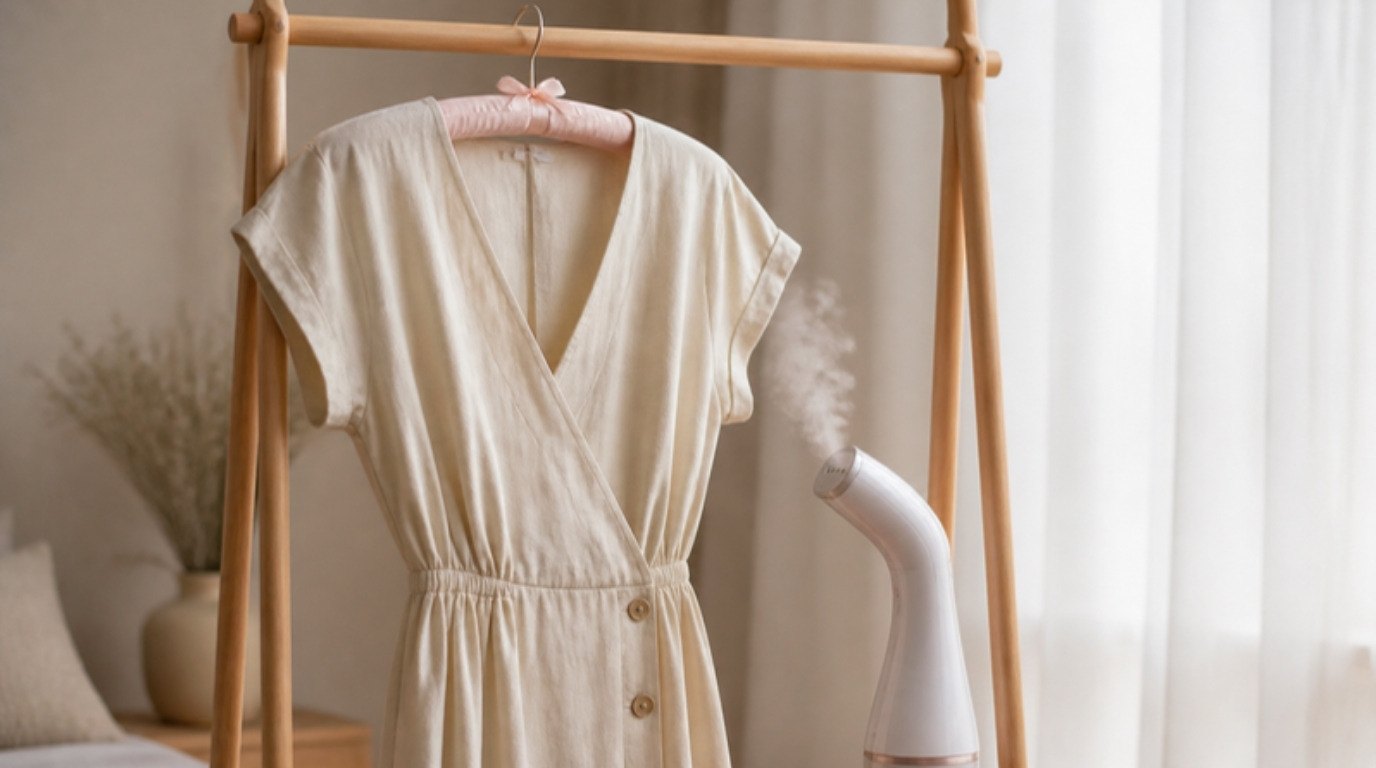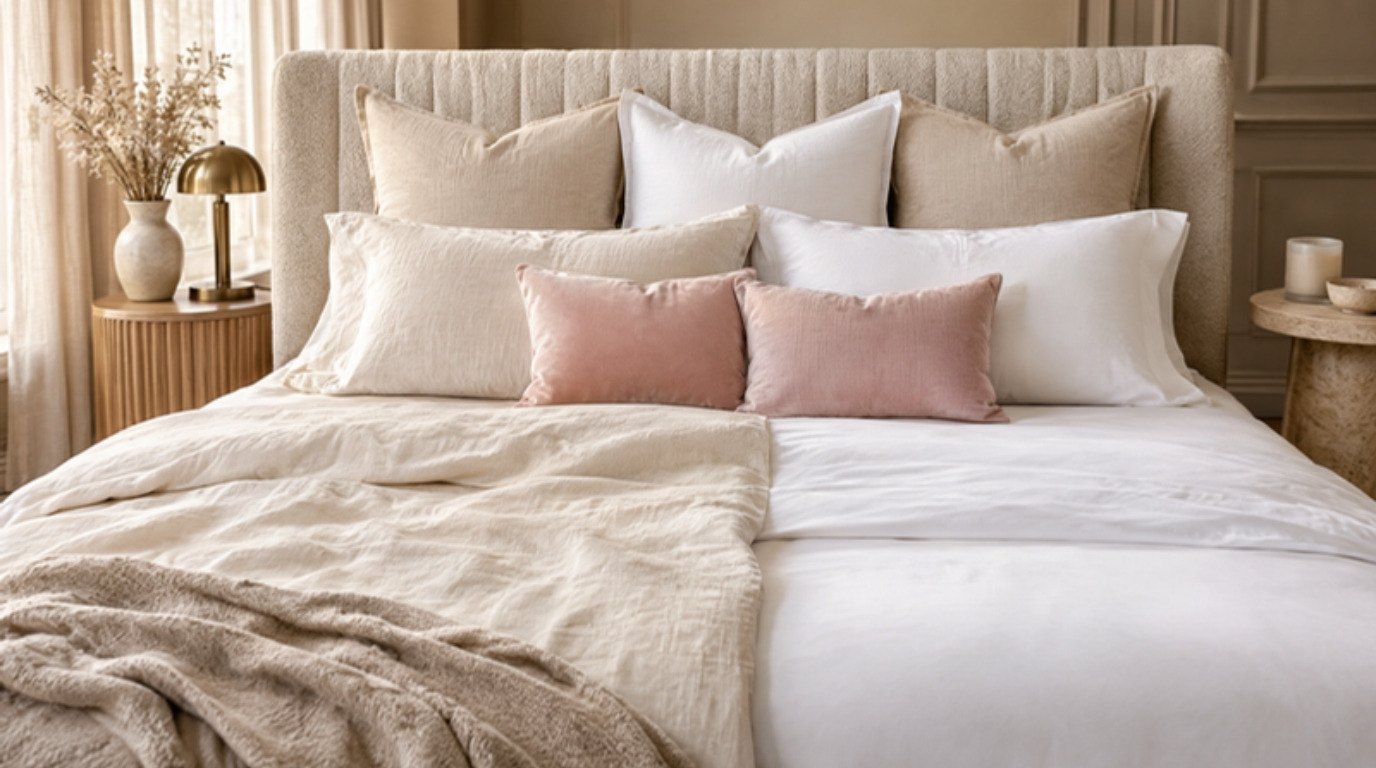
Linen and cotton sheets aren't really competing for the same job. Linen is about airflow, texture and a relaxed look that gets better with time. Cotton is about smoothness, choice and that clean, familiar feel most of us grew up with. The right one depends far more on how you sleep than on which one costs more.
The other thing worth knowing upfront: "cotton" isn't one feeling. A crisp percale and a silky sateen can feel more different from each other than percale feels from linen. So the real comparison is three-way, and once you see it like that, choosing gets much easier.
This guide covers linen vs cotton sheets honestly and simply: how each fabric is made and why they feel so different, the three main cotton weaves, why thread count isn't the whole story, a side-by-side table, which fabric suits 6 kinds of sleepers, and how to wash, soften and rotate your sheets so they last.
How Linen and Cotton Sheets Are Made
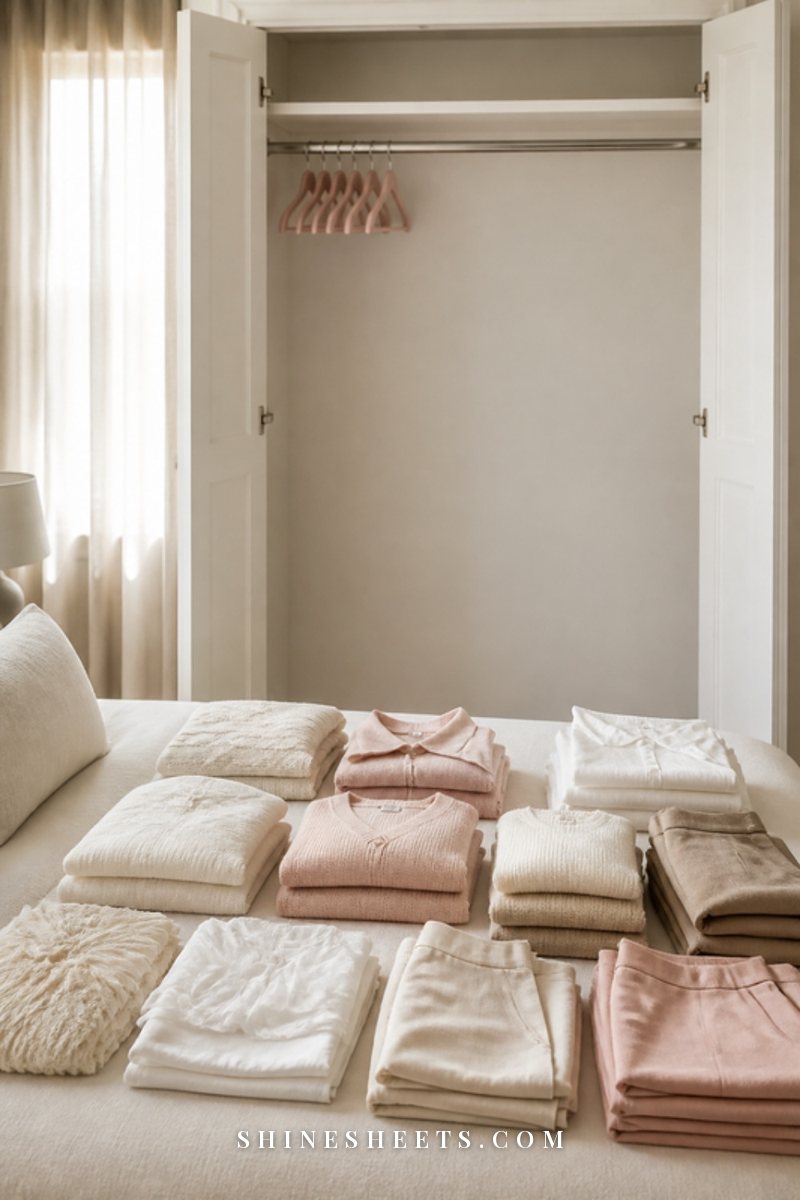
Linen comes from the stalk of the flax plant. The fibers are long, thick and slightly hollow, and they're spun into a fairly loose, textured weave. That's why linen looks a little slubby (those small natural bumps in the yarn) and why air moves through it so easily. Most linen sheets today are "stonewashed" or "garment washed," which means they've been pre-washed to soften them before they reach you.
Cotton comes from the fluffy fiber around cotton seeds. Those fibers are shorter and finer, so they can be spun into thin, smooth yarn and woven tightly. Longer fibers, called long-staple or extra-long-staple (you'll see names like Egyptian or Pima), make yarn that's smoother, stronger and less likely to pill.
In short: linen is a thicker fiber in a looser weave, cotton is a finer fiber in a tighter one. Almost every difference you'll feel comes back to that.
Cotton Sheets Explained: Percale, Sateen and Jersey
The weave changes cotton completely. Here are the three you'll see most often, explained simply.
Percale: Crisp and Cool
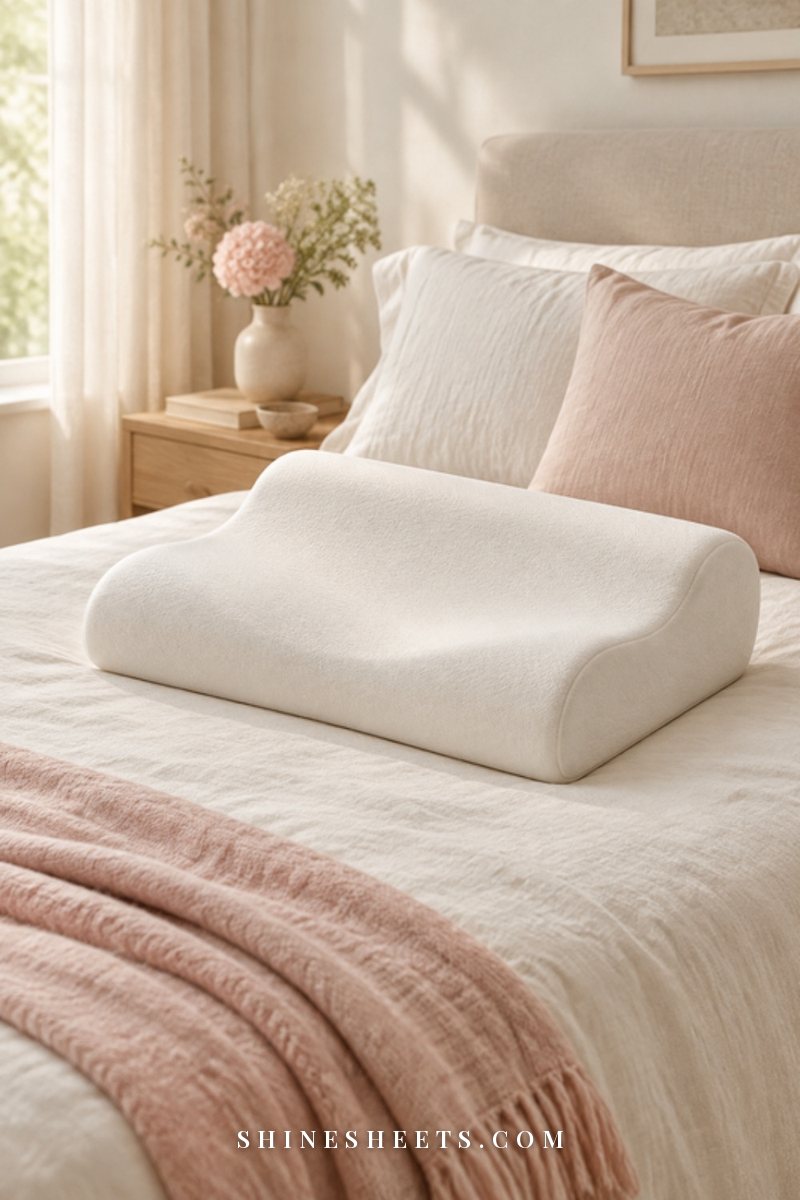
Percale uses a simple one-over, one-under weave, like a basket. The result is matte, light and crisp, the feeling of a cool, freshly ironed shirt. It breathes well and gets softer with washing. It does wrinkle a little, though less than linen.
A white cotton percale sheet set is the classic choice for that fresh, hotel-like bed. Look for long-staple cotton, a thread count somewhere around 200–400, and deep pockets that match your mattress height.
Sateen: Smooth and Warm
Sateen uses a weave where more threads float on the surface (often four over, one under). That's what gives it a soft sheen and a silky, buttery feel. It drapes beautifully and wrinkles less than percale, but it holds a bit more warmth and can pill over time if the cotton is short-staple.
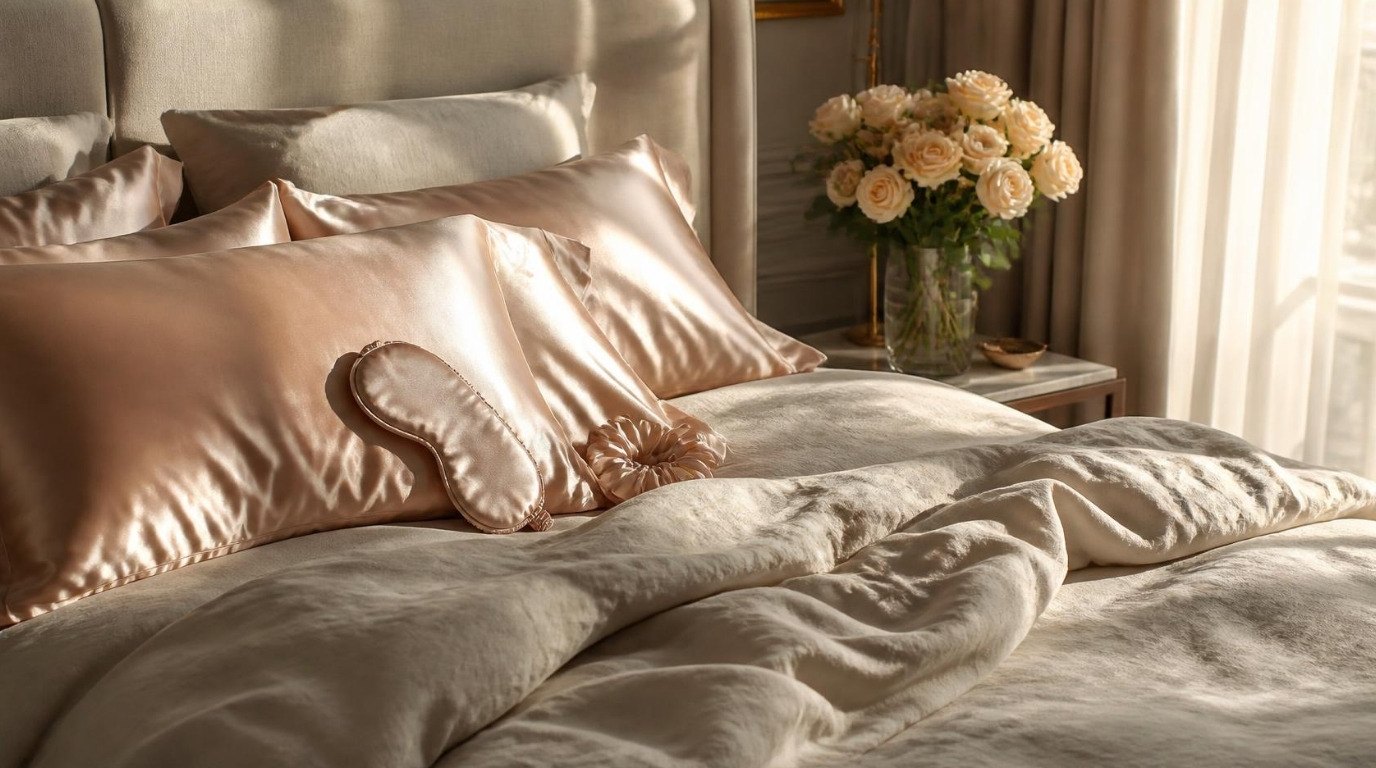
If you love the feel, start small with blush cotton sateen pillowcases. They add a soft touch of color and a smooth surface for your face and hair. I'd choose long-staple cotton with an envelope closure.
Jersey: Soft and Stretchy
Jersey isn't woven at all. It's knitted, exactly like your favorite T-shirt. It's stretchy, soft from day one and very forgiving, with no crispness at all. It's warm and cuddly, which makes it lovely for cold sleepers, but it can stretch out or pill over the years.
A cream cotton jersey sheet set is an easy, budget-friendly pick for winter or a guest bed. Look for a mid-weight knit and a fitted sheet with elastic all the way around.
Why Thread Count Is Not the Whole Story
Thread count is the number of threads woven into one square inch of fabric. It sounds like "higher is better," but it really isn't that simple.
- Fiber quality matters more. A 300-thread-count sheet made from long-staple cotton can feel nicer and last longer than an 800-thread-count sheet made from short fibers.
- Very high numbers can be inflated. Some brands use thin, twisted multi-ply yarn and count each strand separately. The fabric ends up heavier and less breathable, not softer.
- Sweet spots exist. Roughly 200–400 is ideal for percale, and around 300–600 for sateen.
- Linen doesn't use thread count. Its fibers are thicker, so counts are naturally low. Look at fabric weight instead, usually given in GSM (grams per square meter). Around 150–190 GSM is a comfortable everyday weight.
Also look for a certification like OEKO-TEX Standard 100, which means the finished fabric was tested for certain harmful substances. It's a helpful extra signal of quality, whatever fabric you choose.
Linen vs Cotton at a Glance
Here's how linen compares to the two most common cotton weaves. Screenshot it for your next bedding shop.
| Quality | Linen | Cotton percale | Cotton sateen |
|---|---|---|---|
| Feel on day one | Textured, a little stiff unless stonewashed | Crisp, cool, matte | Smooth, silky, soft sheen |
| Feel after many washes | Much softer, almost suede-like | Softer, still light and crisp | Stays smooth; may pill if short-staple |
| Breathability | Excellent | Very good | Moderate |
| Temperature | Coolest in summer, comfortable year-round | Cool | Warmer |
| Durability | Very high; can last many years | High | Good; more delicate surface |
| Wrinkles | Wrinkles a lot (part of the look) | Some wrinkling | Least wrinkling |
| Care | Gentle, cool wash; low heat or line dry | Easy; warm wash, tumble dry | Gentle cycle, low heat |
| Cost | Highest | Low to mid | Low to mid |
| Best for | Hot sleepers, relaxed look, long-term buy | Crisp hotel feel, everyday ease | Cold sleepers, silky feel |
Linen vs Cotton Sheets: The Full Comparison
Now the details behind each row, so you know which ones actually matter for your bed.
Feel on Day One vs After Many Washes
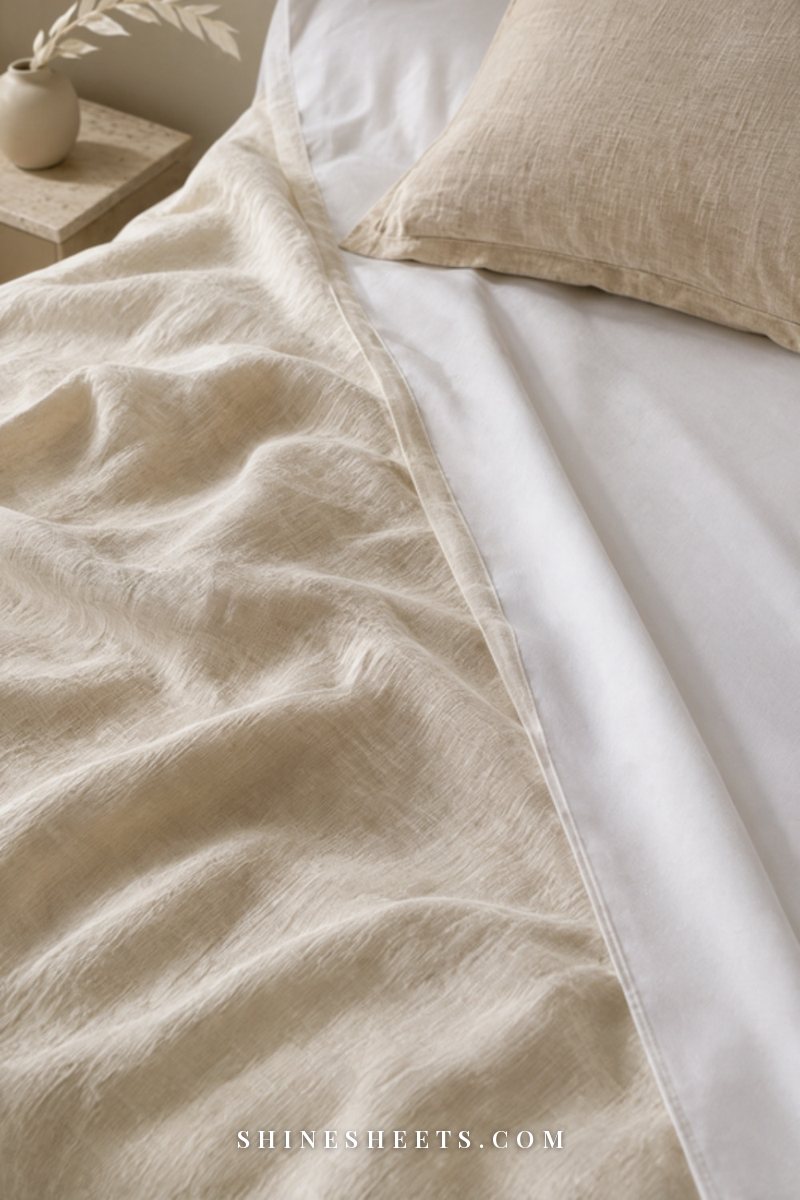
This is where people get surprised. New linen can feel a little rough or stiff, especially if it isn't pre-washed. It's not unpleasant, just textured. Then, wash after wash, it gets softer and softer until it feels almost like worn-in suede. Linen is a fabric you grow into.
Cotton feels lovely right away. Percale is crisp and cool on night one, sateen is silky, jersey is soft. Over time percale softens nicely, while sateen keeps its smoothness (good quality sateen, anyway). So if you want "wow" on the first night, cotton wins. If you're thinking about how the sheets will feel in a year, linen catches up and often pulls ahead.
Breathability and Temperature
Linen's thick, hollow fibers and looser weave let air and moisture move through easily. It absorbs moisture and dries quickly, so it feels cool and dry on warm nights. It's also comfortable in cooler weather, since it doesn't feel clammy.
Percale is the next coolest, thanks to its simple, airy weave. Sateen holds more warmth because its weave is denser. Jersey is the warmest of all. If you wake up warm, the order from coolest to warmest is roughly: linen, percale, sateen, jersey.
Durability
Linen fibers are very strong, so good linen sheets can last for many years with gentle care, softening the whole time. Cotton durability depends on the fiber length and weave. Long-staple percale holds up very well. Sateen's floating threads make the surface a little more delicate, and lower-quality sateen can pill or snag sooner.
A small honest admission: durability only matters if you like the sheets enough to keep them. A cheaper set you love and use for three years is a better buy than an expensive set you never reach for.
Wrinkles
Linen wrinkles. A lot. That's simply how the fiber behaves, and it's part of the relaxed, lived-in look people love. You don't need to iron linen sheets, and nobody expects you to.
Percale wrinkles a little, sateen the least. If a smooth, crisp bed matters to you, take sheets out of the dryer while very slightly damp and put them straight on the bed. They'll smooth out as they finish drying. There's no wrong answer here. Wrinkled is not messy, and smooth is not fussy.
Care
Cotton is the easier fabric to care for: a regular warm wash and a tumble dry work for most percale. Sateen and jersey prefer gentler cycles and lower heat.
Linen needs a bit more thought, mostly around heat. It likes cool or lukewarm water, a mild detergent and low heat or line drying. Get those right, and it's actually very low-effort, since it never needs ironing. Full washing steps are further down.
Cost
Linen costs more, because flax takes longer to process into fabric. A good linen set can cost two to three times as much as a good cotton set. Cotton offers a much wider range, and a well-made percale set is one of the best-value bedding purchases there is.
Budget tip: if you're curious about linen, try a linen duvet cover or pillowcases first. You get the look and feel for a fraction of the cost, and you'll know if you love it before buying a full set.
Eco Notes
Flax generally needs less water and fewer chemicals to grow than conventional cotton, and almost the whole plant can be used. That's why linen is often seen as the more eco-friendly fiber. Organic cotton is a good option if you prefer cotton, since it's grown without synthetic pesticides.
The kindest choice for the planet, whatever the fabric: buy sheets you'll keep for years, wash them in cooler water, and line dry when you can.
Which Should You Choose? 6 Sleeper Types
Find the description that sounds most like you. If you fit two, go with the one that bothers you most at night.
1. Hot Sleepers

Choose: linen, or cotton percale. If you wake up warm or kick off the covers, linen is the most breathable and moisture-friendly choice. Percale is a great runner-up for less money. Skip jersey and very high-thread-count sateen, which trap more heat.
A stonewashed linen sheet set in cream is a soft, calm place to start. Look for 100% flax linen, a weight around 150–190 GSM, and a fitted sheet with deep pockets. For more ways to sleep cooler and calmer, my tips for the best sleep every night cover the bedroom habits that help most.
2. Cold Sleepers
Choose: cotton sateen or jersey. If you always reach for an extra blanket, sateen's denser weave and jersey's knit hold warmth close to your body. Linen can work too in colder months, layered under a warm duvet, but it won't feel as snug on its own.
Not sure what to put on top? My guide to duvet vs comforter helps you pick the warm layer that suits you.
3. Sensitive Skin
Choose: soft cotton percale or well-softened linen. Both are natural fibers and breathable, which many people with sensitive skin prefer. Smooth long-staple cotton is gentle from night one. Linen can feel scratchy when new, so choose stonewashed linen and wash it a few times before sleeping on it.
Whatever you pick, wash new sheets before the first use, use a fragrance-free detergent, and look for OEKO-TEX certified fabric. If your skin stays irritated, a dermatologist can help you figure out the real trigger.
4. Low-Maintenance People
Choose: cotton percale, or linen if you never want to iron. Percale is easy: warm wash, tumble dry, done. Linen is a lovely surprise here, too. As long as you avoid high heat, it's very forgiving, and since wrinkles are expected, there's zero ironing. Sateen is the fussiest of the three.
If laundry tends to pile up, my simple weekly laundry routine makes washing sheets an easy, regular habit instead of a weekend project.
5. People Who Love a Crisp Hotel Feel
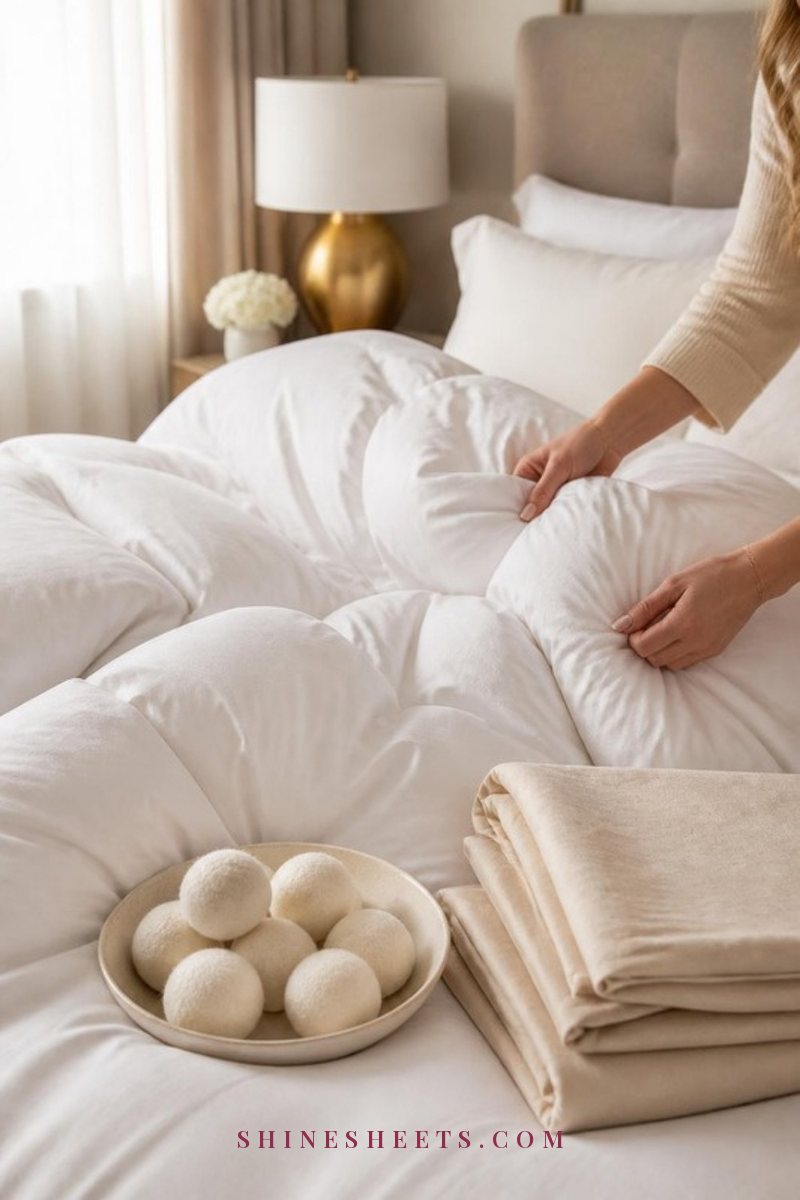
Choose: white cotton percale. That cool, crisp, slightly snappy feeling you get in a good hotel is almost always percale. Pair it with a white duvet, fold the top sheet over the duvet by about 12 inches, and add two layers of pillows.
My step-by-step guide on how to make your bed look like a hotel bed shows exactly how to layer and tuck everything.
6. People Who Love a Relaxed, Lived-In Look
Choose: linen. If you love beds that look softly rumpled and inviting, the kind you want to fall straight into, linen is made for you. Its natural texture and soft wrinkles look effortless in cream, oatmeal, sage or soft blush. You can mix colors, too; linen in different shades looks intentional rather than mismatched.
For more ideas on making your whole bedroom feel soft and welcoming, take a look at these renter-friendly ways to make your bedroom feel like a hug.
How To Wash and Dry Linen and Cotton Sheets
Most sheets do best with a wash every week (every two weeks at most). Always check the care label first, then use these as your guide.
Washing and Drying Linen Sheets
- Wash in cool or lukewarm water (around 30–40°C or 85–105°F) on a gentle cycle.
- Use a mild liquid detergent. Skip bleach and fabric softener, which can weaken the fibers and coat them so they absorb less.
- Don't overload the machine. Linen needs room to move, or it can crease harshly.
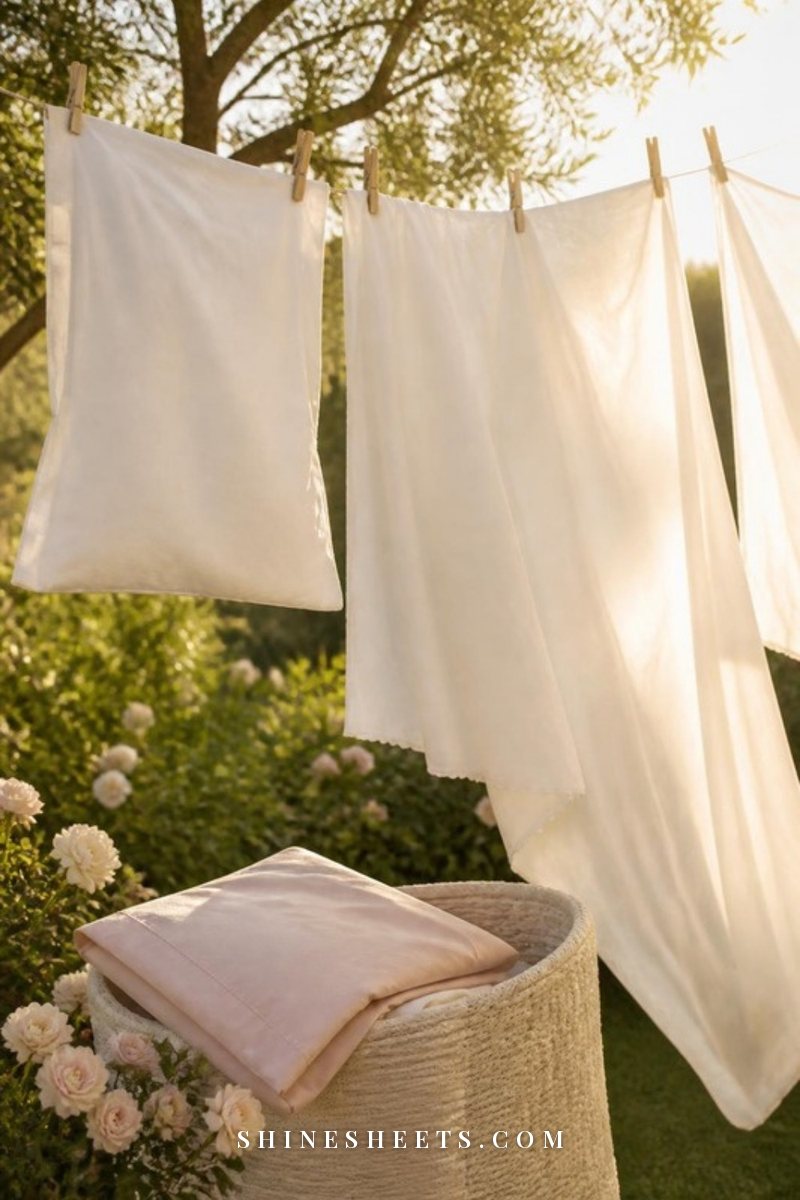
- Tumble dry on low and remove while very slightly damp, or line dry indoors or out.
- Shake each piece out well and smooth it with your hands before putting it on the bed or folding.
Washing and Drying Cotton Sheets
- Percale: Warm water, regular cycle, tumble dry on medium. Remove promptly to keep wrinkles down.
- Sateen: Cool or warm water on a gentle cycle, tumble dry on low. High heat makes sateen lose its sheen and pill faster.
- Jersey: Cool water on a gentle cycle and low heat, so it doesn't shrink or stretch out of shape.
- For all cotton: Wash sheets on their own, not with towels (towel lint sticks to sheets, and heavy towels rub the fabric).
A couple of wool dryer balls help both fabrics. They separate the sheets in the dryer, so they dry faster and come out softer with fewer twists. Look for 100% wool, and use 3–6 per load. If you love a light scent, mist a lavender linen spray over the made bed instead of using scented softener. I'd choose a gentle, water-based one and spray from about a foot away (test it on a hidden spot first, and skip it if you have sensitive skin).
How To Soften New Linen Sheets
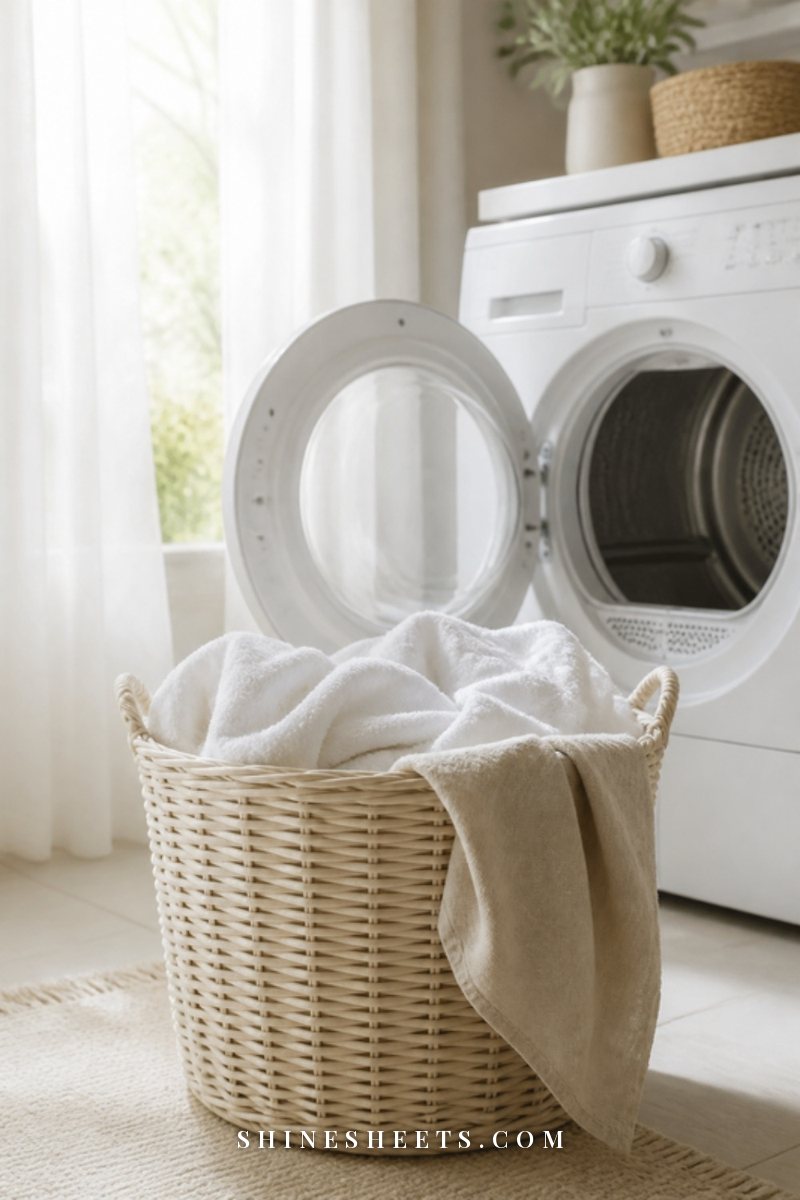
If your new linen feels stiff, it doesn't mean you bought the wrong sheets. It just hasn't been broken in yet. Here's how to speed things up:
- Wash it two or three times before first use. Cool water, mild detergent, low heat. Each wash breaks the fibers in a little more.
- Add white vinegar to the rinse. About half a cup (120 ml) in the softener compartment helps rinse out detergent residue. Never mix vinegar with bleach.
- Use dryer balls. Their gentle tumbling softens the fibers as the sheets dry.
- Line dry, then tumble briefly. Air-drying followed by 10 minutes in the dryer on low gives you soft linen without harsh creases.
- Simply use them. Linen softens most from being slept on and washed regularly. Give it a month before you decide.
How Many Sheet Sets To Own and Rotate
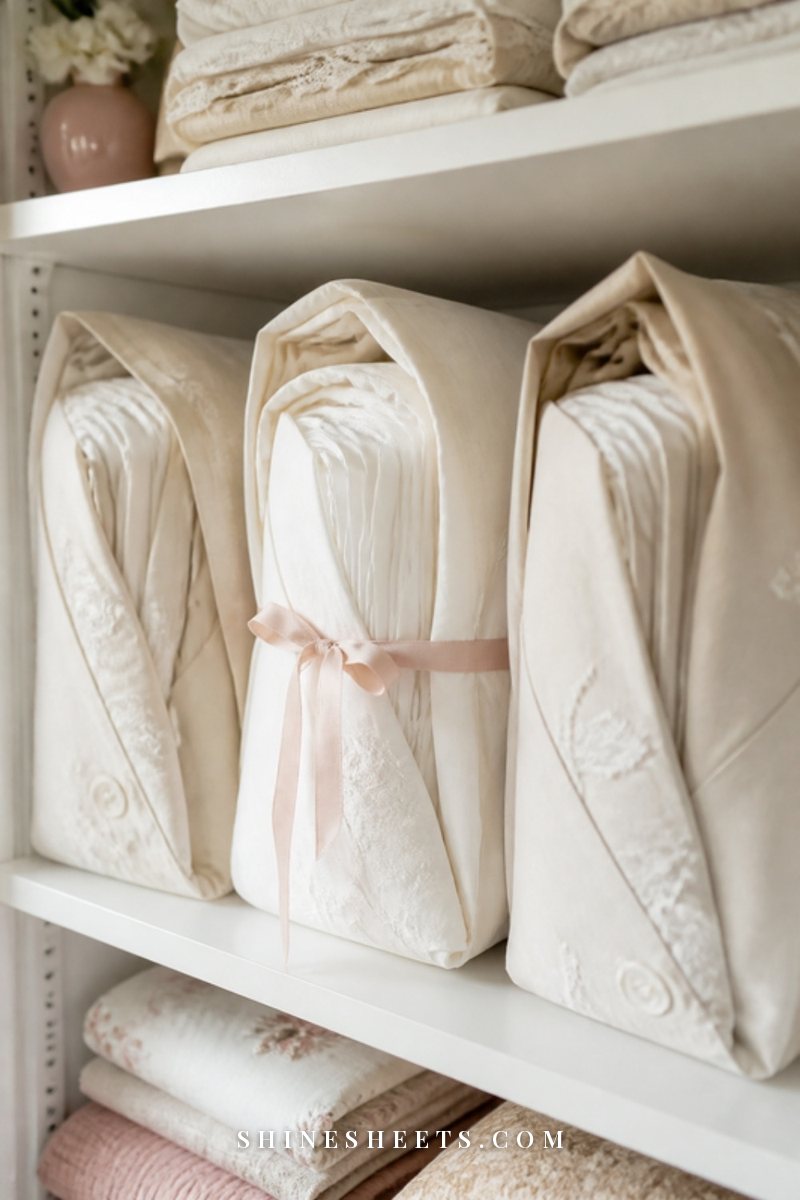
For most beds, two to three sets is the sweet spot: one on the bed, one in the wash, and one spare for guests, emergencies or a spontaneous change. More than that and some sets barely get used.
- Rotate evenly. Put freshly washed sets at the bottom of the pile and take from the top, so every set wears at the same rate.
- Mix fabrics by season. A lovely, budget-friendly setup is one linen or percale set for warmer months and one sateen or jersey set for colder ones.
- Store each set together. Fold the fitted sheet, flat sheet and one pillowcase, then tuck them inside the second pillowcase. The whole set stays together and you'll never hunt for a match.
- Keep them breathable. Store sheets in a cool, dry closet, not in sealed plastic, so they stay fresh.
If your shelves need a little order, my linen closet organization guide shows how to fold and group bedding so it stays neat.
Final Thoughts
There's no snobbery needed when it comes to sheets. Linen is wonderful if you sleep warm and love a soft, relaxed bed that improves with time. Cotton is wonderful if you want crisp or silky comfort from the very first night, at a gentler price. Plenty of people end up with a little of both, and that's a perfectly good answer.
Choose the fabric that matches how you actually sleep, wash it gently, and let your sheets become one of the small, steady comforts of your day.