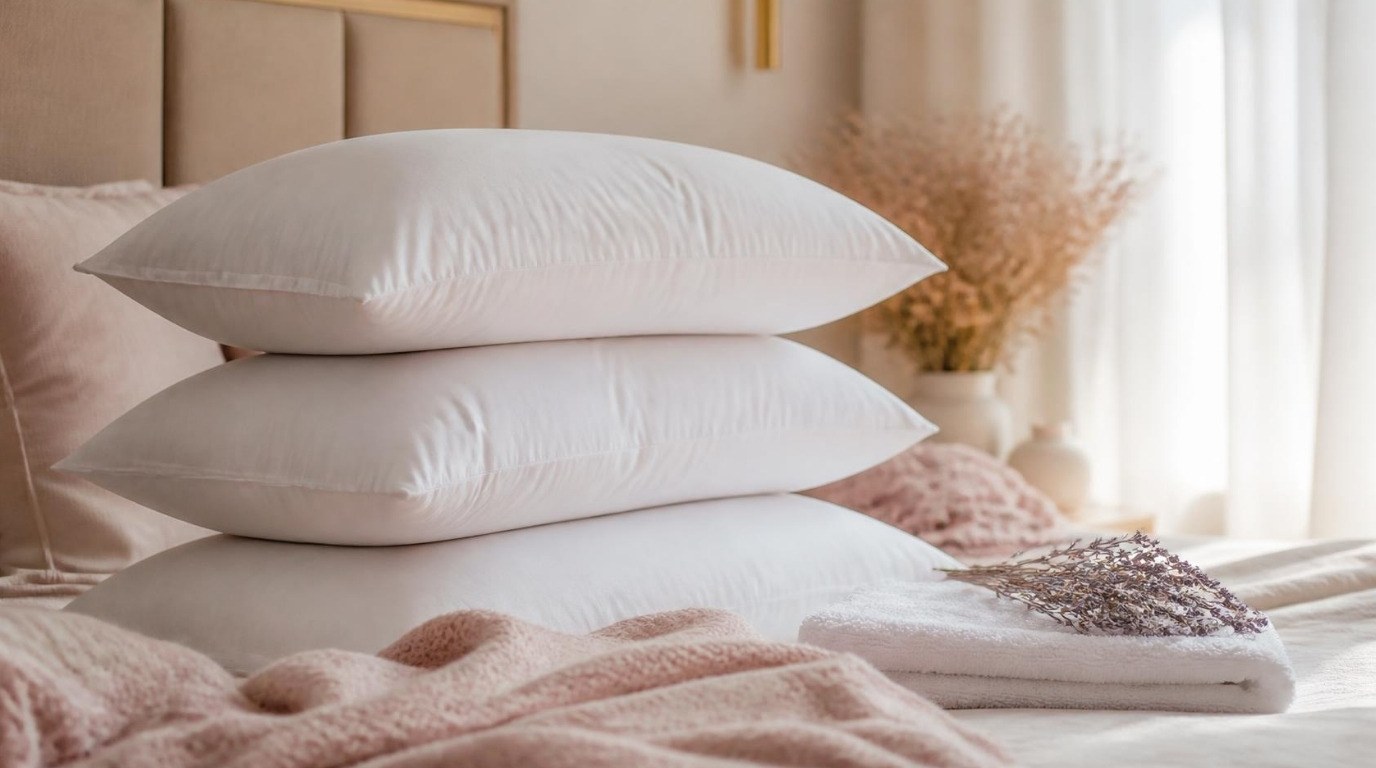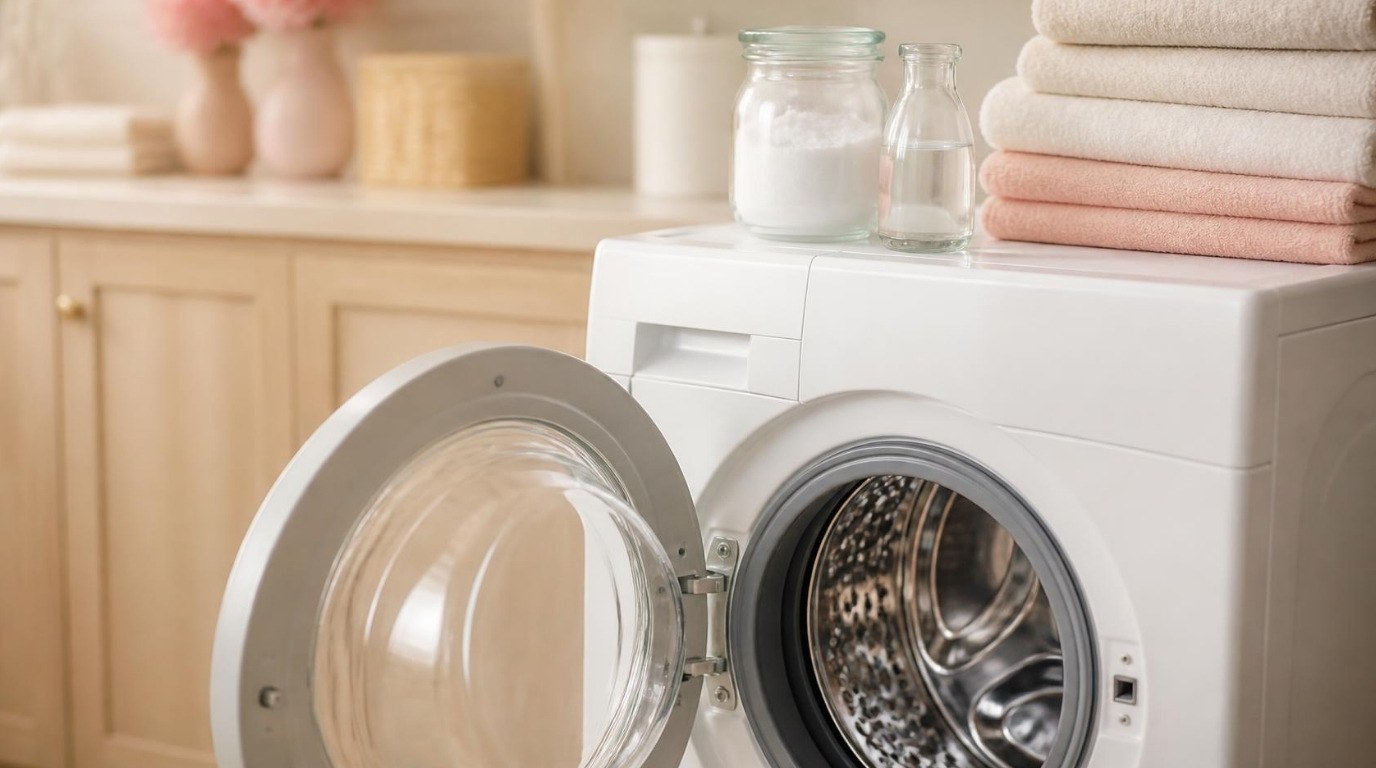
Throw pillows and blankets are the hardest-working decor in your home. They get hugged during movie nights, used as lap desks, napped on, sat on by guests and quietly collect dust, skin oils, pet hair and the faint scent of whatever you cooked last week. Because they look fine from across the room, they're also the things most of us forget to wash.
The good news is that most of them are much easier to clean than you'd think, as long as you match the method to the fabric. A cotton cover can go straight into the washer. A foam insert should never get soaked. A chunky knit throw needs a gentle hand, and faux fur hates heat. Get those few details right and your living room will look and smell noticeably fresher, without a single shrunken cover or lumpy insert.
This guide is all about how to clean throw pillows and blankets without ruining them. You'll learn how to read care labels, how to wash covers and inserts (down, polyester and foam), how to dry everything so it stays fluffy and mildew-free, how to wash blankets by fabric, how to freshen things between washes and how often to do it all. There's also a fabric care table you can screenshot for laundry day.
Start With the Care Label
Before anything goes into water, check the tag. It's usually sewn into a side seam of the cover, inside the zipper or on the insert itself. The symbols tell you more than you'd expect:
- A washtub means machine washable. Dots inside show the maximum temperature (one dot is cold, two is warm). A hand in the tub means hand wash only.
- A crossed-out washtub means don't wash in water. Spot clean or dry clean instead.
- A square with a circle is tumble drying. One dot means low heat; a crossed-out version means air dry only.
- A circle on its own means professional dry cleaning.
- Letter codes on some upholstery-style pillows: W (water-based cleaner), S (solvent only, no water), W/S (either) and X (vacuum only).
No label at all? Treat the piece as delicate: spot test, wash cold on a gentle cycle and air dry. That's the safest default for almost everything.
What You'll Need
You don't need special equipment, just a few basics gathered in one place so laundry day goes smoothly:
- A mild, gentle liquid detergent (and a wool detergent if you own wool or cashmere throws)
- A lint roller or a rubber pet-hair brush
- A large mesh laundry bag for fringe, tassels and loose knits
- Two or three dryer balls
- A few clean white cloths for spot cleaning (white, so no dye transfers)
- A vacuum with an upholstery attachment
- Large bath towels for rolling out water and drying knits flat
- A drying rack, ideally a wide one that fits a full blanket
Keeping these together in one basket in your laundry area means you're far more likely to actually wash that throw instead of meaning to for another month.
Removable Covers vs Whole Pillows
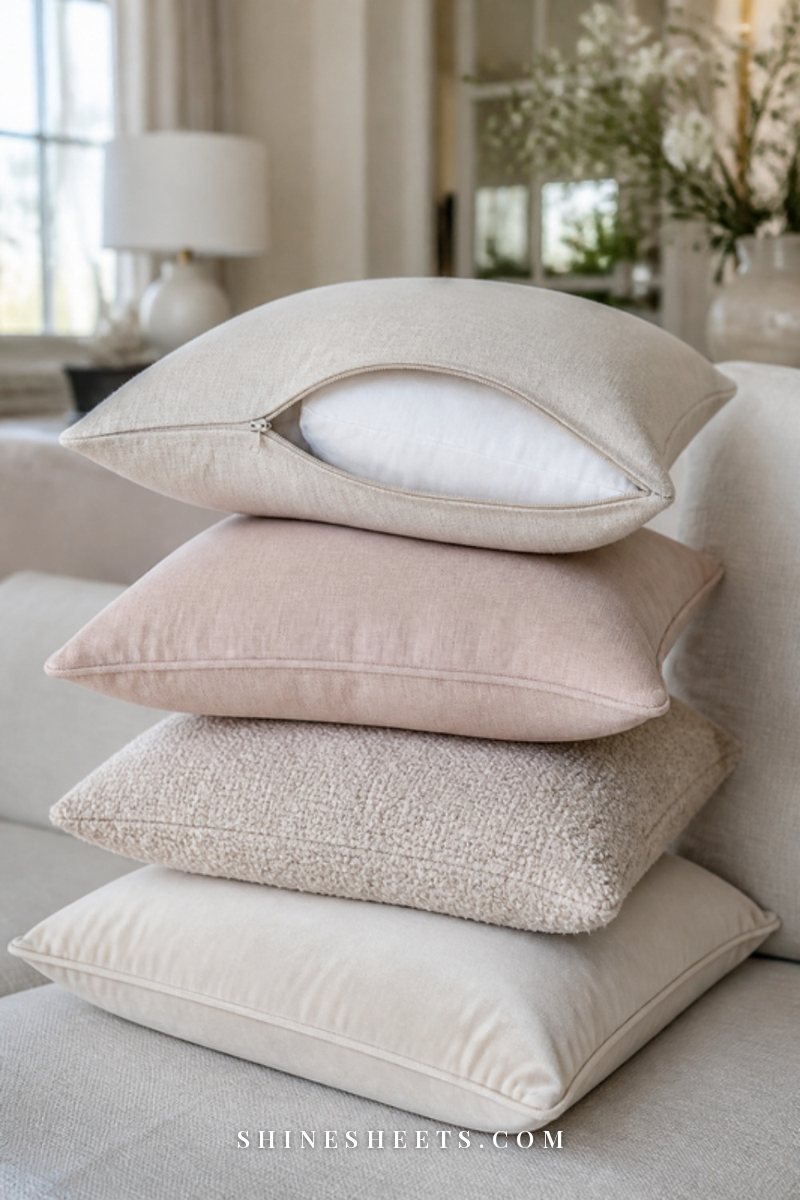
The first big question is whether the cover comes off. Look for a zipper along the bottom seam or an envelope opening on the back.
- Removable covers are the easy case. Wash the cover on its own and deal with the insert separately (most inserts need washing far less often).
- Sewn-shut pillows are washed as a whole, so the fill decides the method. Polyester and down can usually go in the washer; foam and decorative pieces with beading, sequins or embroidery should be spot cleaned only.
If you love changing your decor with the seasons, choosing pillows with removable covers makes life so much easier, and it's one reason I'm a fan of building your look around inserts and swapping covers instead. My guide to throw pillow combinations has plenty of ideas for that.
How To Machine Wash Throw Pillow Covers
Most cotton, linen, polyester and cotton-blend covers are machine washable. Here's the routine:
- Shake the cover outside and use a lint roller to lift pet hair and crumbs. A sticky lint roller gets far more off than the washer will.
- Pre-treat stains. Dab (never rub) a small amount of detergent onto any spots and let it sit for 10 minutes. Test on an inside seam first.
- Close the zipper and turn the cover inside out. This protects the outer fabric, keeps prints and colors brighter and stops the zipper from snagging other things.
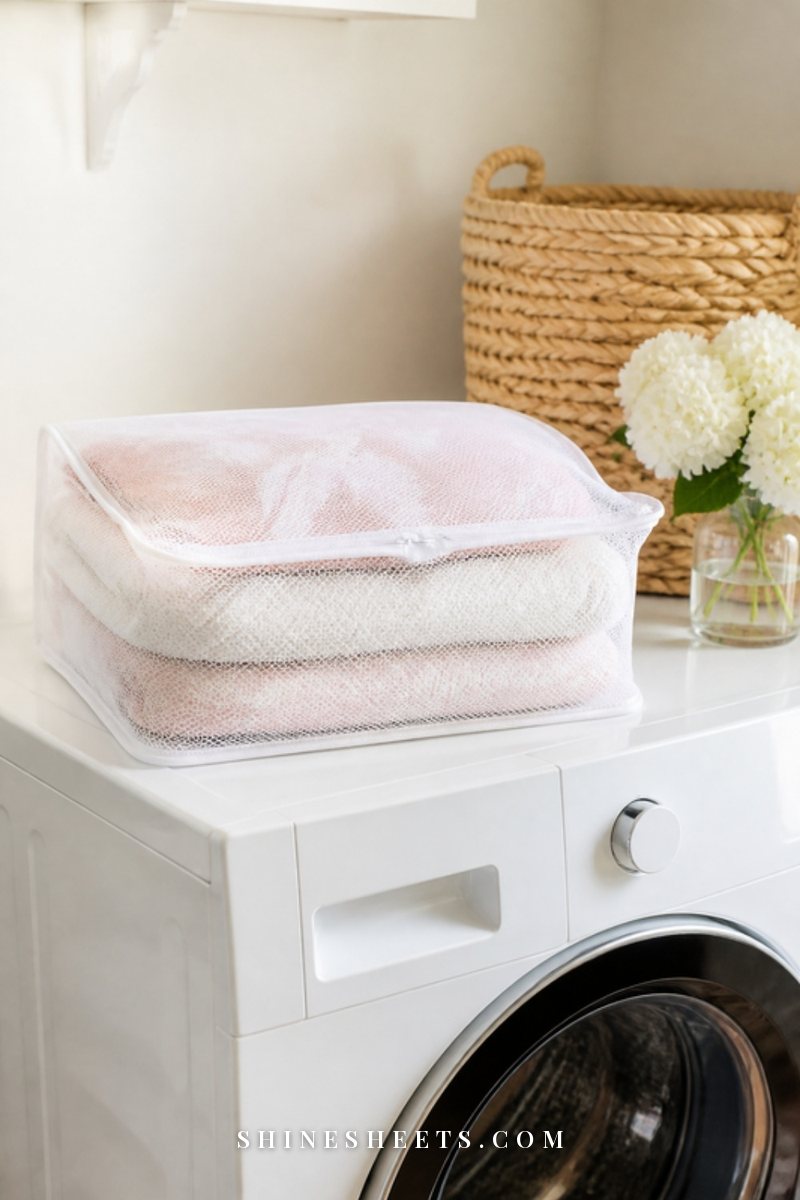
- Use a mesh bag for anything delicate. Covers with tassels, pom-poms, fringe or a loose weave do best in a large mesh laundry bag.
- Wash cold on a gentle or delicate cycle with a mild detergent. A gentle, fragrance-free detergent rinses out cleanly and is kind to natural fibers.
- Wash similar colors together and keep new, deeply dyed covers separate for the first few washes.
- Skip fabric softener on linen and performance fabrics, as it can leave a coating that attracts dust.
For drying, most covers do best hung or laid flat until just slightly damp, then put back on the insert to finish drying in shape. This avoids shrinkage and makes ironing almost unnecessary.
How To Wash Pillow Inserts
Inserts get washed much less often than covers, usually once or twice a year, but they make a big difference to how fresh a pillow feels. Check the fill first; it's usually written on the insert's own tag.
Down and Feather Inserts
Most down and feather inserts can be machine washed, carefully. Wash two at a time if possible so the drum stays balanced. Use a gentle cycle, cold or lukewarm water and a small amount of mild detergent (too much is hard to rinse out of feathers). Add an extra rinse cycle and an extra spin to remove as much water as possible. Down needs to dry completely, which takes longer than you'd think (see the drying section below).
Polyester Fiberfill Inserts
Polyester inserts are the easiest of all. Wash on a gentle cycle in warm water with a mild detergent, ideally two at a time. Fiberfill can clump in the wash, so give each insert a good shake and massage when it comes out, breaking up any lumps with your hands before drying.
Foam and Memory Foam Inserts
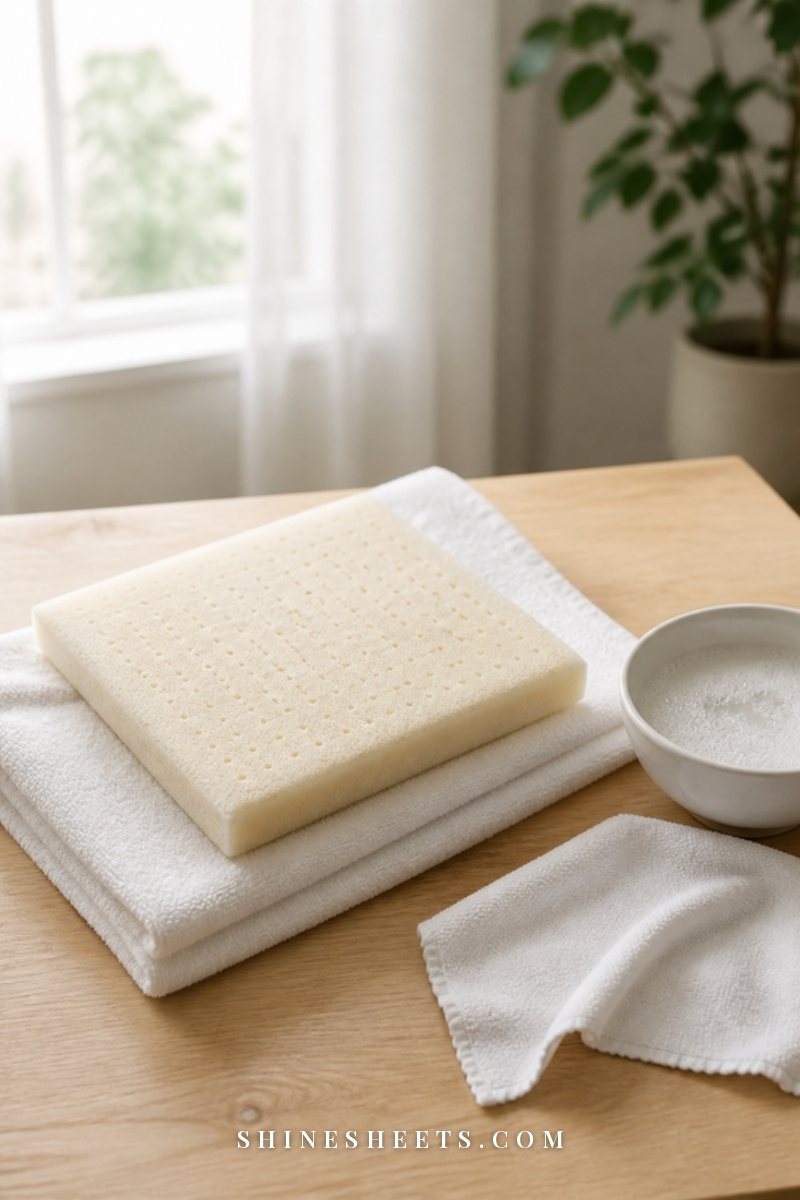
Foam should never go into a washing machine. Soaking can break it down, and it holds water for a very long time, which invites mildew. Spot clean instead:
- Vacuum both sides with an upholstery attachment.
- Mix a few drops of mild detergent into a bowl of lukewarm water.
- Dip a soft cloth, wring it out until just damp and gently dab stained areas.
- Blot with a clean, dry towel to lift moisture.
- Let the foam air dry completely in a well-ventilated room, away from direct heat and direct sun, turning it every few hours.
For general freshness, a light dusting of baking soda left for an hour and then vacuumed off helps absorb odors. My guide on how to wash pillows covers bed pillows in more detail, and most of the same rules apply here.
How To Dry Pillows Without Lumps or Mildew
Drying is where most pillow mistakes happen. A pillow that feels dry on the outside can still be damp inside, and trapped moisture is what leads to musty smells and mildew spots weeks later.
- Use low heat. High heat can scorch fabric, melt synthetic fibers and damage down. Low or air-fluff settings are safest.
- Add dryer balls. Two or three wool dryer balls (or clean tennis balls tucked into socks) bounce around and break up clumps, so fill dries evenly and stays lofty.
- Stop and fluff every 30 minutes. Take the pillow out, shake it hard and massage any clumps, then put it back in.
- Be patient. Polyester inserts often take one to two hours. Down can take two to three hours or more.
- Do the squeeze test. Squeeze the pillow firmly and sniff it. Any coolness, heaviness or faint mustiness means it needs more time.
- Finish with fresh air. On a dry, breezy day, an hour on a drying rack near an open window is a lovely final step.
How To Clean Blankets by Fabric
Throw blankets vary even more than pillows, and the fabric decides everything. Here's how to handle the most common ones.
Fleece and Sherpa Blankets
Fleece is easy to wash but hates heat. Wash cold on a gentle cycle with a small amount of detergent and no fabric softener, which makes fleece pill and lose its softness. Tumble dry on the lowest setting or air dry. If sherpa gets matted, brush it gently with a soft-bristle brush once it's dry.
Knit and Chunky Knit Throws
Machine-knit acrylic or cotton throws can usually go in the washer on a delicate cycle, inside a mesh bag, in cold water. Hand-knit and chunky knit throws are better washed by hand in a clean bathtub with cool water and a gentle detergent. Press the water through rather than wringing, then roll the blanket in towels to remove moisture and dry it flat. Never hang a wet chunky knit; the weight will stretch it out of shape.
Wool and Cashmere Blankets
Wool often needs less washing than you think, because it naturally resists odors. Air it out regularly and spot clean small marks. When it does need a wash, follow the label: many wool throws are hand wash or wool-cycle only, using a wool-specific detergent in cold water. Dry flat, away from heat. Agitation and heat together cause felting and shrinkage, which can't be undone.
Faux Fur Throws
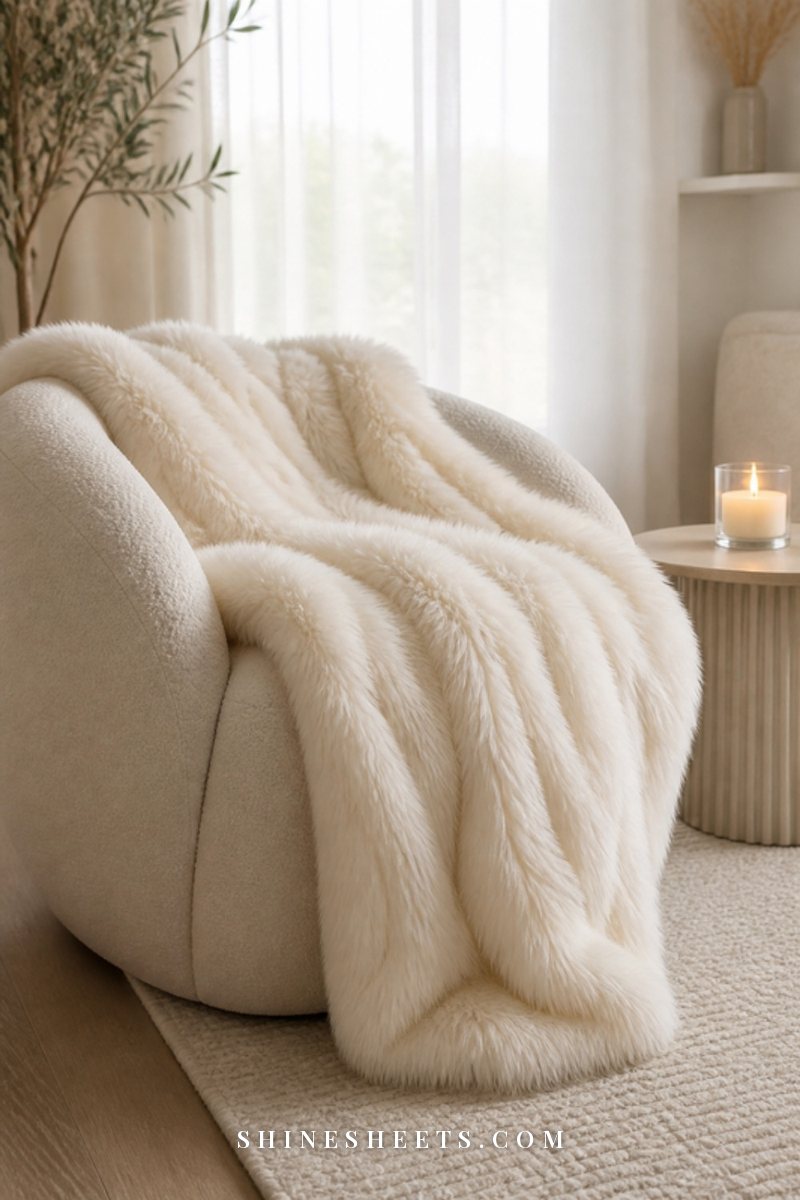
Faux fur is made from synthetic fibers that can melt or mat with heat. Shake it out well, then wash it cold on a gentle cycle, alone or with other soft items, in a mesh bag if it fits. Skip fabric softener. Air dry by laying it flat or draping it over a drying rack, then gently brush the fibers in one direction with a wide-tooth comb or soft brush to bring back the fluff.
Cotton and Linen Throws
Cotton and linen are the most forgiving. Wash on a regular or gentle cycle in cold or warm water, then tumble dry on low or line dry. Linen softens beautifully with each wash, and a little wrinkling is part of its charm. Remove both from the dryer while slightly damp to avoid stiffness.
Throw Pillow and Blanket Fabric Care Table
Screenshot this for laundry day. Always check the care label first, because it overrides any general rule.
| Material | How to wash | How to dry | Avoid |
|---|---|---|---|
| Cotton covers and throws | Machine, cold or warm, gentle | Low tumble or line dry | Hot dryer (shrinkage) |
| Linen covers and throws | Machine, cold, gentle | Line dry or low until slightly damp | Fabric softener, over-drying |
| Polyester covers | Machine, cold, gentle | Low tumble | High heat |
| Velvet covers | Check label; often spot clean or dry clean | Air dry flat | Wringing, direct iron contact |
| Down or feather inserts | Machine, cold or lukewarm, gentle, extra rinse | Low tumble with dryer balls, 2–3 hours | Too much detergent, putting away damp |
| Polyester fiberfill inserts | Machine, warm, gentle | Low tumble with dryer balls | Skipping the fluff breaks |
| Foam inserts | Spot clean only | Air dry, well ventilated | Washer, dryer, soaking |
| Fleece and sherpa | Machine, cold, gentle | Lowest tumble or air dry | Fabric softener, heat |
| Chunky or hand knits | Hand wash, cool | Dry flat on towels | Hanging wet, wringing |
| Wool and cashmere | Hand wash or wool cycle, cold | Dry flat away from heat | Hot water, agitation, dryer |
| Faux fur | Machine, cold, gentle, alone | Air dry, then brush | Dryer heat, softener |
| Beaded, sequined or embroidered | Spot clean only | Air dry | Washer, steam on embellishments |
Spot Cleaning and Freshening Between Washes
You don't need to fully wash pillows and throws every time they look a little tired. Small, regular care keeps them fresh for much longer.
- Fluff and air weekly. Give every pillow a good punch and shake, and air blankets near an open window when you can.
- Lint roll as part of your tidy-up. A quick pass on the sofa side of each pillow removes hair and dust before it works into the fabric.
- Vacuum monthly. Use the upholstery attachment on pillows and on the sofa side of throws. It's one of the easiest ways to reduce dust in your living room.
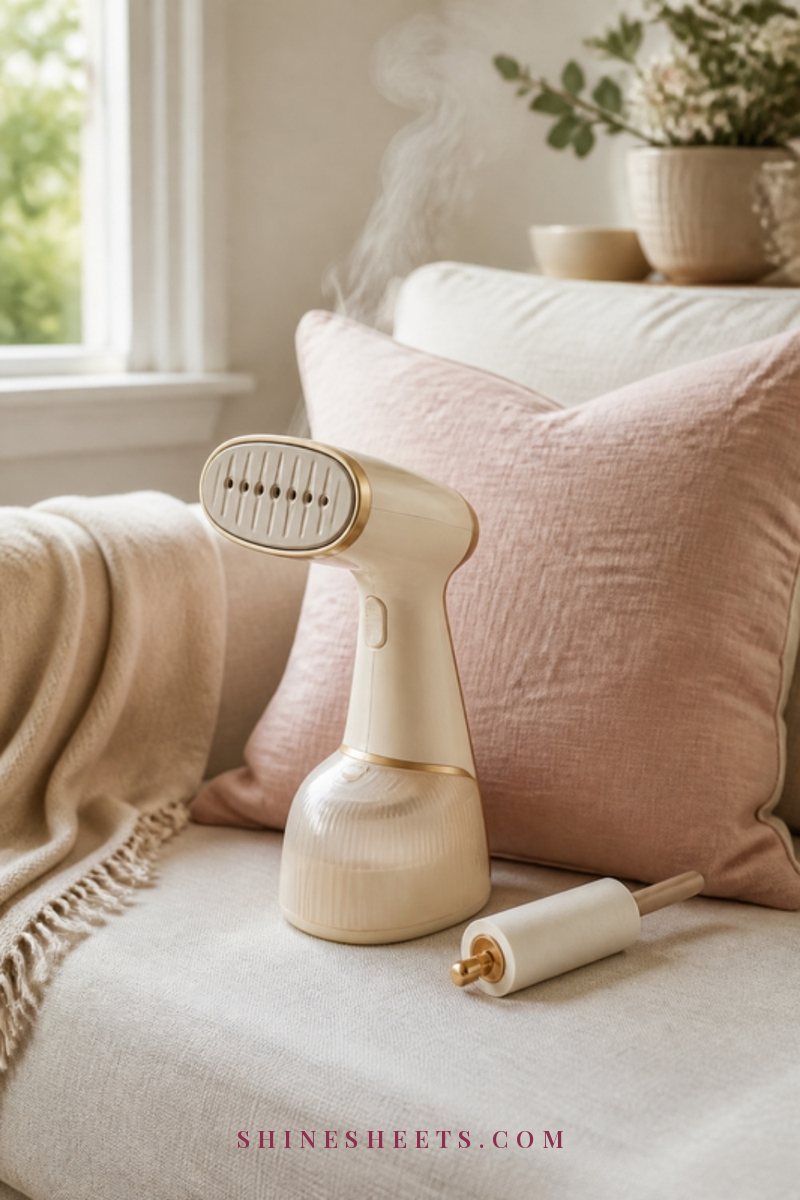
- Steam to refresh. A handheld steamer relaxes wrinkles and refreshes fabric between washes. Hold it a few inches away and keep it moving; don't steam velvet directly (steam from the back if the label allows) and skip anything with glued embellishments.
- Mist lightly. A light spritz of fabric refresher spray from about 12 inches away can make pillows smell fresh again. Test on a hidden spot first and let it dry fully before anyone leans on it.
- Treat spills right away. Blot (don't rub) with a clean white cloth, then dab with a little mild detergent in cool water. Work from the outside of the stain inward so it doesn't spread.
A quick safety note on DIY stain removers: never mix bleach with vinegar or ammonia, as the fumes are dangerous. And always test any cleaner on an inside seam or the back of the pillow first. If your sofa needs the same treatment, my guide on how to clean a couch walks through upholstery by fabric code.
Velvet, Silk and Embellished Pillows
Some pillows are more decorative than practical, and they need the gentlest care of all.
- Velvet: many velvet covers are dry clean or spot clean only, because water can crush the pile and leave watermarks. Vacuum with a soft brush attachment, lift dust with a lint roller and blot spills immediately with a barely damp cloth. To revive crushed pile, steam lightly from the back of the fabric (if the label allows) and brush the pile gently in one direction once it's dry.
- Silk: silk covers are usually best dry cleaned. If the label says hand wash, use cool water and a silk-friendly detergent, never wring and dry flat out of the sun.
- Beads, sequins and embroidery: spot clean only. Water and agitation can loosen threads and glue. Dab carefully around the embellishments, never on them.
- Pillows with a fabric code of S or X: skip water entirely. S means a solvent-based cleaner only (or a professional), and X means vacuum only.
If a special pillow gets badly stained, a professional cleaner is usually the safest choice. It costs less than replacing a piece you love.
How To Store Throws Between Seasons
Heavier throws like wool, faux fur and chunky knits often rotate out in spring. Store them clean and completely dry, because stains and body oils set over time and attract moths. Fold them loosely (sharp creases can weaken fibers), and keep them in breathable cotton storage bags rather than plastic, which traps moisture. A cedar block or a sachet of dried lavender helps keep wool fresh. When you bring them back out, air them for a few hours by an open window before use.
How Often To Clean Throw Pillows and Blankets
There's no strict rule, but this rhythm keeps things fresh without wearing them out:
- Weekly: fluff, shake and lint roll.
- Monthly: vacuum pillows and throws; wash any throw that gets daily use, like the one on your bed or favorite reading chair.
- Every 1 to 3 months: wash removable pillow covers, more often if you have pets, kids visiting or eat on the sofa.
- Every 6 to 12 months: wash or deep clean inserts.
- Seasonally: wash wool, faux fur and knit throws before storing them, and air them out before bringing them back.
If allergies are a concern, wash covers more often and dry inserts thoroughly, as dust and dander settle into soft furnishings quickly. And if you're building a laundry rhythm for the whole home, my laundry tips make it all a little easier.
Mistakes That Ruin Throw Pillows and Blankets
- Washing a foam insert. It may never fully dry, and it can crumble.
- High heat on synthetics. Faux fur, fleece and polyester can melt, mat or pill.
- Too much detergent. It leaves a residue that makes fabrics stiff and attracts dirt faster.
- Putting inserts back while damp. This is the number one cause of musty pillows.
- Wringing knits and wool. Press and roll in towels instead.
- Washing a new, deeply colored cover with light pieces. Color can bleed, especially in the first few washes.
- Skipping the zipper. An open zipper can snag delicate fabrics and pull threads.
Final Thoughts
Learning how to clean throw pillows and blankets properly is one of those small home skills that pays off every single day. Fresh covers, fluffy inserts and soft, clean throws make your living room feel brand new, even if nothing else changed.
Start with the pillow you lean on most, check its label and give it a little care this weekend. Once you've done it once, it becomes an easy, satisfying part of your routine, and your sofa will look and smell like the calm, welcoming place it's meant to be.