Decluttering makeup and skincare isn't really about owning less. It's about owning products that still work, still feel good on your skin and are easy to find on a busy morning. Most of us keep things far past their best simply because there's no clear rule for when to let go, and an open jar never sends a reminder.
The good news is that beauty products give you plenty of signals once you know what to look for: a change in smell, a texture that turns grainy, a little symbol on the packaging that tells you how long it lasts once opened. Learn those, add a simple way of deciding what stays, and the whole drawer becomes calm and easy in an afternoon.
In this guide, I'll show you how to declutter makeup and skincare step by step: the signs a product has expired, how to read the period-after-opening symbol, a shelf-life table for everyday products, what to toss right away, how to decide what to keep, how to dispose of old products responsibly and how to organize what's left so it stays tidy. Put on some music, clear a table and let's go.
Why Decluttering Makeup and Skincare Matters
A crowded beauty drawer feels like abundance, but it usually works against you. Here's why a regular clear-out is worth it:
- Your skin gets fresher products. Old formulas can grow bacteria, lose their preservatives' strength or simply stop working. That can mean irritation, breakouts or products that just don't do much anymore.
- Actives lose power. Ingredients like vitamin C and retinol break down over time, especially with air, light and warmth.
- You use what you love. When you can see everything, your favorites actually get used instead of buried.
- Mornings get faster. Fewer products, clearly sorted, means less rummaging and fewer decisions before coffee.
- You buy more thoughtfully. Seeing three nearly identical nude lipsticks side by side is a very effective shopping lesson.
My combination skin is the first to complain when something in my routine has quietly gone off, so a clear-out every few months has become one of those small habits I genuinely look forward to.
Signs a Product Has Expired
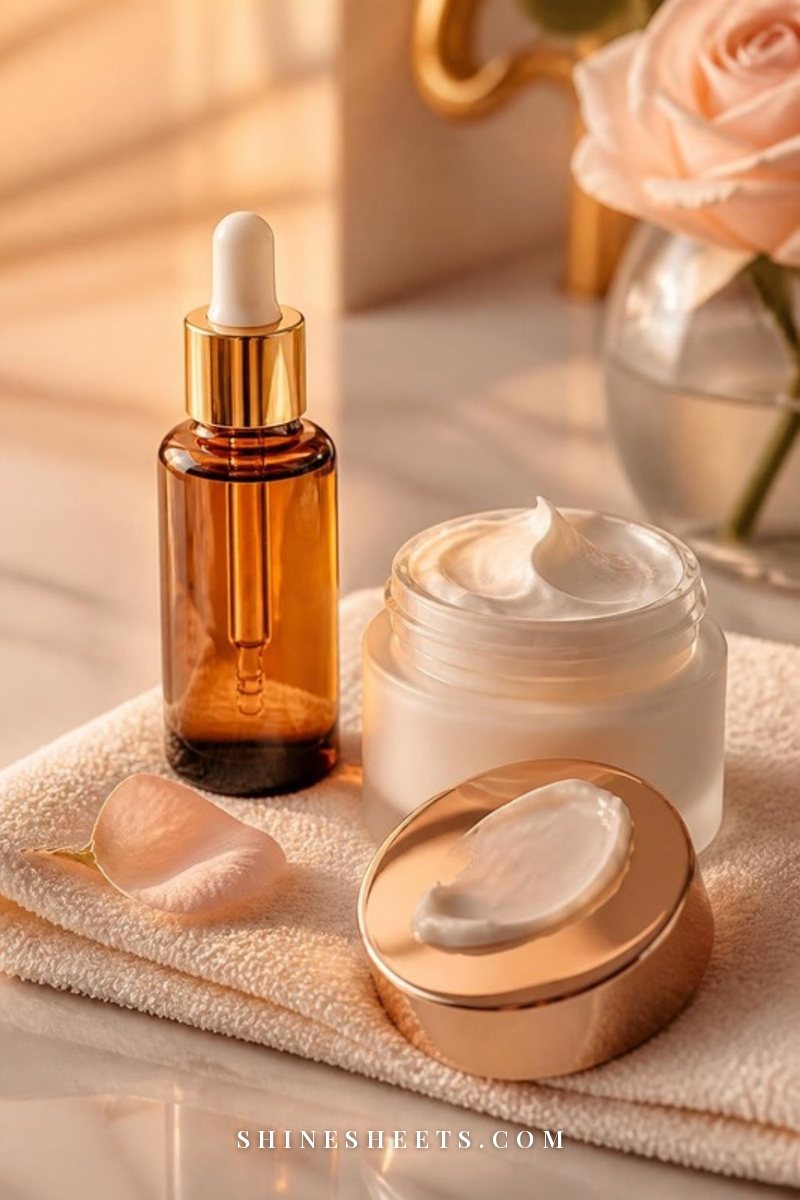
Before you think about dates at all, trust your senses. A product can go off early if it's stored somewhere warm or used with fingers, and it can also last a bit longer when it's kept well. These are the four big signs it's time to toss it:
- Smell. A sour, rancid, waxy or simply "different" smell is the clearest sign. Oils, lipsticks and creams often smell like crayons or old nuts when they've turned.
- Texture. Creams that turn grainy, lumpy or watery, foundation that feels thick and sticky, mascara that's dry and clumpy, powders with a hard shiny film on top.
- Separation. A little separation in some foundations or sunscreens is normal if a quick shake brings it back. If it won't mix back together, or there's a layer of liquid that stays separate, let it go.
- Color change. Serums that darken, creams that yellow, concealer that oxidizes in the tube or a lipstick with a whitish bloom that comes back after wiping.
Also toss anything with visible spots of mold, anything that stings or itches when it never did before, and products that have been stored somewhere hot for long stretches (a car, a sunny windowsill).
How To Read the Period-After-Opening Symbol
Turn a product around and look near the ingredients or on the bottom. Many products have a tiny drawing of an open jar with its lid lifted. Inside or next to that little jar, you'll see a number followed by the letter M, like 6M, 12M or 24M.
That's the period-after-opening symbol, and it means the number of months the product is meant to stay good once you've opened it. So a little open jar with 12M means about twelve months after the first use. It's different from an expiry date, which is the "use by" date for the product sealed or unopened and is usually stamped on the crimp of a tube or the bottom of a bottle.
The symbol only helps if you know when you opened something, which is where a tiny habit makes all the difference (more on that in the last section). If a product has no symbol and no date, use the shelf-life table below as your guide. For a deeper look at skincare specifically, my guide on how long skincare lasts after opening goes product by product.
Makeup and Skincare Shelf Life Table
These are typical times once a product is opened. They're general guidelines, not hard rules: always follow the symbol or date on your own product first, and toss sooner if you notice any of the signs above. Screenshot it for your next clear-out.
| Product | Typically lasts after opening | Toss sign |
|---|---|---|
| Mascara | 3 months | Dry, clumpy, smells odd, or any eye irritation |
| Liquid eyeliner | 3–6 months | Patchy, dried tip, separated formula |
| Pencil eyeliner, lip liner, brow pencil | 1–2 years (sharpen often) | Hard, scratchy, white film that won't sharpen away |
| Liquid foundation, concealer | 6–12 months | Separated, thick, color shift, sour smell |
| Cream blush, cream eyeshadow | 6–12 months | Dry, cracked, hard surface, odd smell |
| Powder blush, bronzer, eyeshadow, setting powder | 1–2 years | Hard shiny film, crumbling, changed color |
| Lipstick | 1–2 years | Waxy or crayon smell, beads of moisture, white bloom |
| Lip gloss, liquid lipstick | About 12 months | Sticky, thick, smells off |
| Cleanser | About 12 months | Smell or color change, thin or lumpy |
| Moisturizer (jar) | 6–12 months | Grainy, watery, yellowed, rancid smell |
| Moisturizer (pump or tube) | About 12 months | Separated, changed smell |
| Serums | 6–12 months | Darkened, cloudy, changed smell |
| Vitamin C serum | About 3–6 months | Turns dark orange or brown |
| Retinol | About 6–12 months | Color or smell change, less effective |
| Sunscreen | Until the expiry date | Past the date, separated, grainy, or stored in heat |
| Facial oils | 6–12 months | Rancid, nutty or crayon smell |
| Makeup sponges | 1–3 months | Tears, stains that don't wash out, smell |
Products With a Shorter, Trickier Shelf Life
A few product types need a little extra attention because they don't always show obvious signs.
Sunscreen
Sunscreen is one place where dates really matter, because you can't see or smell whether the protection is still there. Check the expiry date on the tube or bottle and toss it once that date passes. Also replace it sooner if it's been sitting in a hot car or beach bag for weeks, or if the texture has changed. If there's no date, write the purchase month on it.
Vitamin C
Vitamin C serums are sensitive to air and light. A fresh one is usually clear to pale yellow or light straw. Once it turns deep orange or brownish, it has oxidized and isn't worth putting on your face. Close the cap tightly after every use and keep it out of sunlight.
Retinol and Other Actives
Retinol, exfoliating acids and other actives can quietly lose strength without looking different. Keep them in their original opaque packaging, away from steamy showers, and note when you opened them. If a retinol you've used for months suddenly stings more or seems to do nothing, it may be time for a fresh one.
Natural and Preservative-Free Products
Products with very few preservatives often have the shortest life once opened, sometimes just a few months. Follow the symbol carefully and keep them cool and closed.
What To Toss Right Away
Some products don't need a debate. These go straight in the toss pile:
- Anything used during an eye infection or stye. Mascara, eyeliner, eyeshadow applicators and brushes used near the eyes. Clean or replace tools too.
- Lip products used during a cold sore. Lipsticks, glosses and balms you applied while it was active.
- Broken compacts that can't be repaired. Shattered powder with sharp edges or pieces that fall out every time you open it.
- Anything with mold, even a tiny spot.
- Products that caused a reaction. If something made you itch, sting, burn or break out, don't keep it "just in case."
- Dried-out mascara and eyeliner. Don't add water to revive them. That brings bacteria in.
- Old sponges and puffs that are torn, stained or smell, even after washing. My guide on how to clean a makeup sponge explains when washing is enough and when it isn't.
If a product has irritated your skin or eyes and the redness, swelling or itching doesn't settle quickly after you stop using it, please check in with a doctor or dermatologist.
How To Declutter Makeup and Skincare Step by Step
Set aside about an hour for a full clear-out (less if your collection is small). Here's the order that makes it feel easy rather than overwhelming.
Step 1: Gather Everything in One Place
Bring out every beauty product you own: the bathroom drawer, the vanity, your makeup bag, your handbag, the travel kit, the gym bag, the little pile on the nightstand. Lay a clean towel on a table or bed and put it all on top. Seeing the full collection at once is what makes duplicates and forgotten items obvious.
Group items by category as you go: face makeup, eyes, lips, cheeks, cleansers, serums, moisturizers, sunscreen, body care.
Step 2: Toss the Expired and the Off
Go through each category and pull out anything that's past its period-after-opening, past its expiry date, or showing a toss sign (smell, texture, separation, color change). Then add anything from the "toss right away" list above. This first pass is the easiest because the decisions are already made for you.
Step 3: Keep What You Actually Use
For everything that's still fresh, ask one simple question: have I reached for this in the last three months? If yes, it stays. If no, ask why. A seasonal product (a richer cream for winter, a bronzer for summer) can stay. A product you "should" use but never reach for probably won't get used next month either.
A gentle tip: keep a small "maybe" pouch. Anything you're unsure about goes in it, with today's date on a sticky note. If you haven't opened the pouch in six weeks, you have your answer.
Step 4: Spot Duplicates
Line up similar items side by side: all your nude lipsticks, all your moisturizers, all your brown eyeliners. Keep the one or two you like best and that are still fresh. Use up the rest first if they're nearly empty, or let them go if they're not quite right. If you have backups of something you love, keep them sealed and in a separate spot so you don't open three at once.
Step 5: Be Honest About Wrong Shades and Formulas
The foundation that's a shade too dark, the lipstick that looked lovely in the store, the serum that made you break out. These are hard to let go because you paid for them, but keeping them doesn't get the money back. It only takes up space. If a wrong shade can be mixed or used another way (a too-dark foundation as a light contour, for example), try it once this week. If it still doesn't work, release it.
Step 6: Decide What Can Be Given Away
Only unopened, sealed, unexpired products are suitable to give away. Some women's shelters, community organizations and charities accept new toiletries and cosmetics, but rules vary a lot, so call or check their website before dropping anything off. Never pass on opened eye or lip products, even to a close friend. A sealed product you simply don't want can also make a lovely small gift.
How To Dispose of Old Makeup and Skincare Responsibly
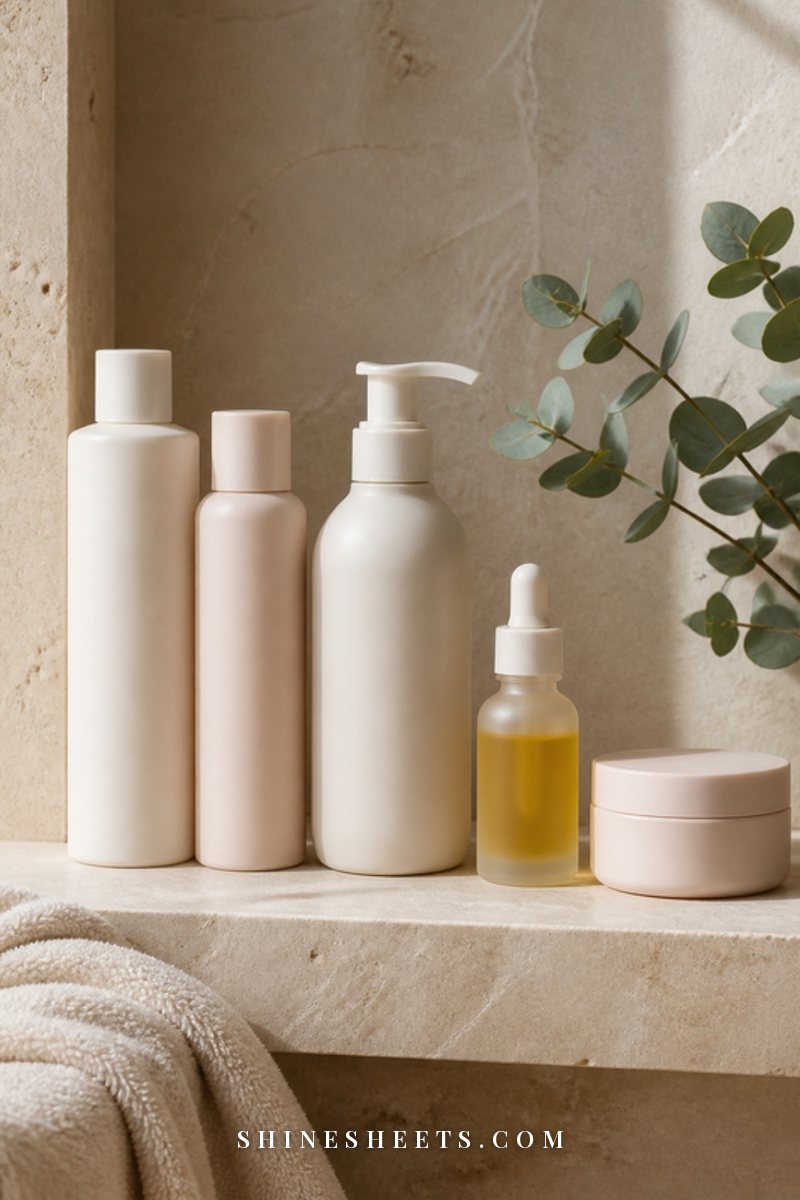
Throwing a whole bag of half-full products in the trash feels wasteful, and a few extra minutes can make a real difference. Here's a calm way to do it:
- Empty containers into the trash. Scoop out creams and wipe the inside with a paper towel. Small amounts of most products are fine in household trash.
- Don't pour large amounts down the drain. Especially oils, actives, sunscreens and thick creams. They can clog pipes and aren't great for waterways.
- Rinse and recycle where possible. Glass jars and simple plastic bottles are often recyclable once clean. Pumps, droppers, mirrored compacts and mixed-material packaging usually aren't accepted curbside, so remove those parts.
- Check your local rules. Recycling guidelines differ from town to town. Nail polish, nail polish remover, aerosols and some perfumes may count as household hazardous waste in your area, so look up how your local collection handles them.
- Look for take-back programs. Some beauty brands and stores collect empties for recycling. It's worth a quick look on the website of brands you buy often.
- Reuse pretty glass jars. Once washed and fully dry, small jars are lovely for cotton swabs, hair ties or bobby pins.
How To Organize What's Left
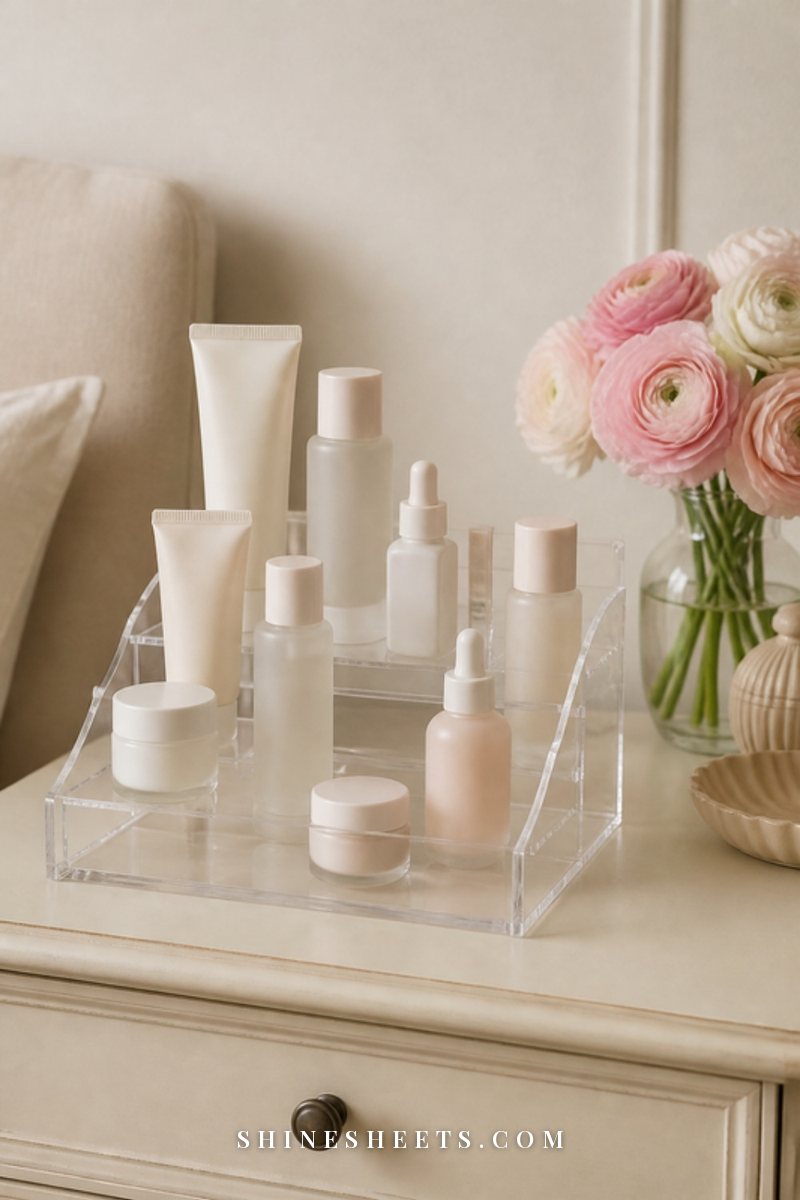
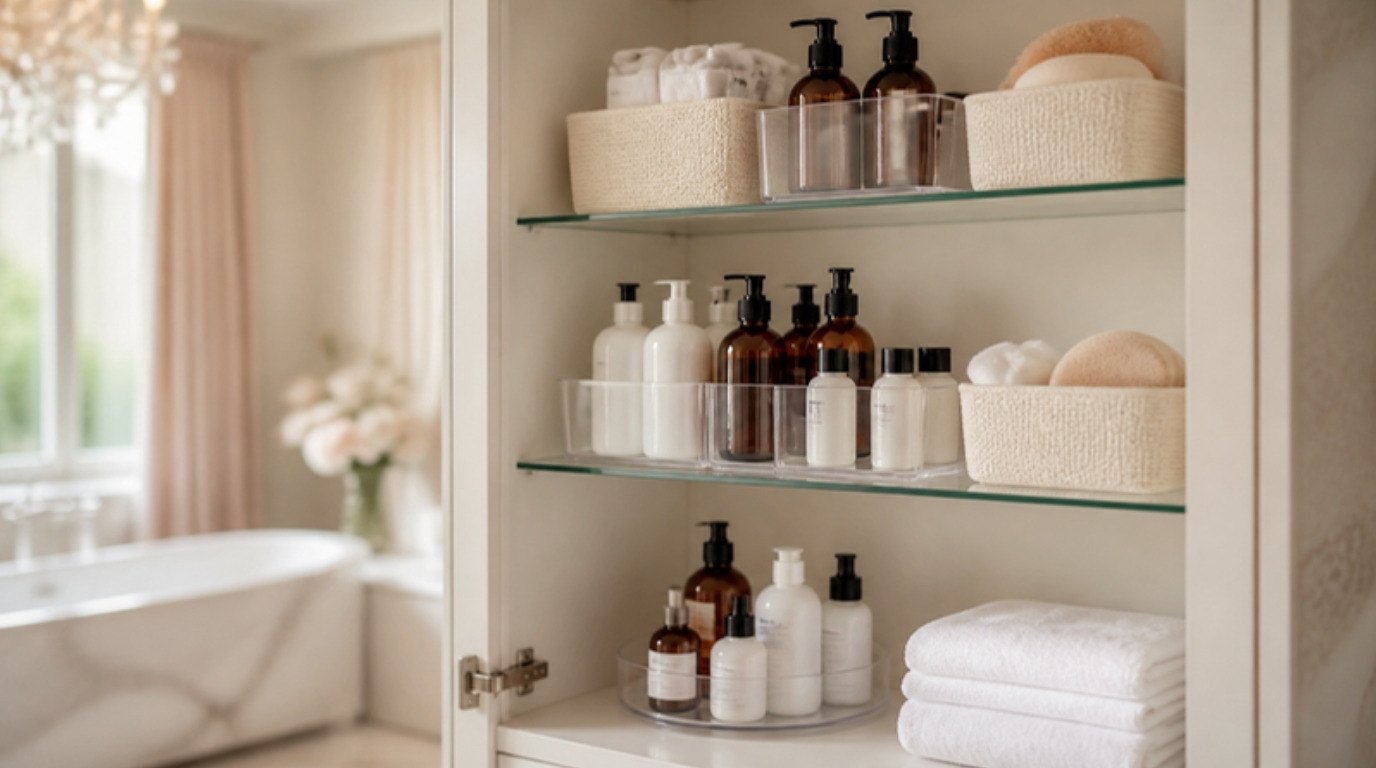
Now the fun part. A smaller collection is easy to organize, and a good system keeps it that way. Before you put anything back, wipe the drawers and shelves, and give your makeup bag a proper wash too (my guide on how to clean your makeup bag walks through it).
Then sort into two zones:
- Daily zone: the products you use every morning and evening. These go front and center, at eye level or in the top drawer, ideally in one tray or organizer so your whole routine lives together.
- Occasional zone: evening makeup, special treatments, backups, travel sizes. These can go in a lower drawer, a lidded box or the back of a cabinet.
A few organizers that make a real difference:
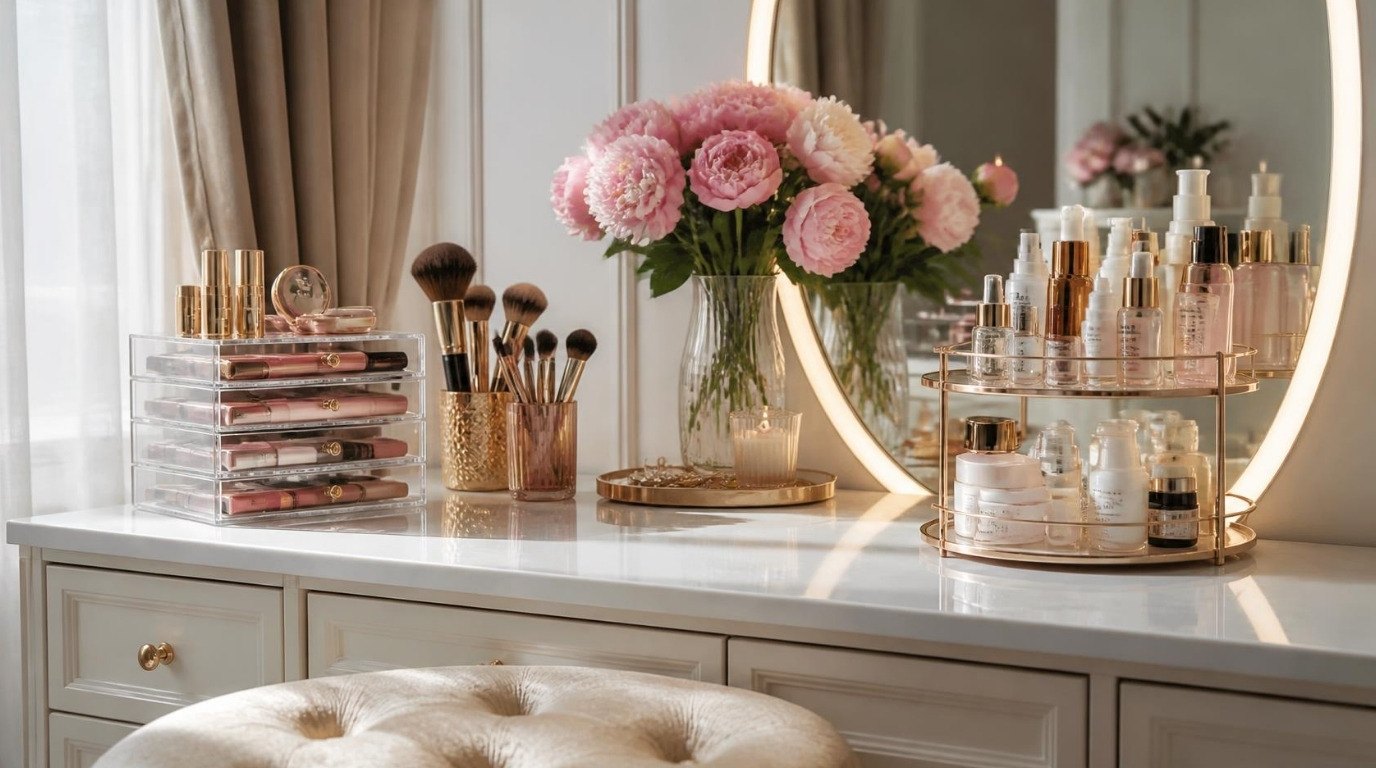
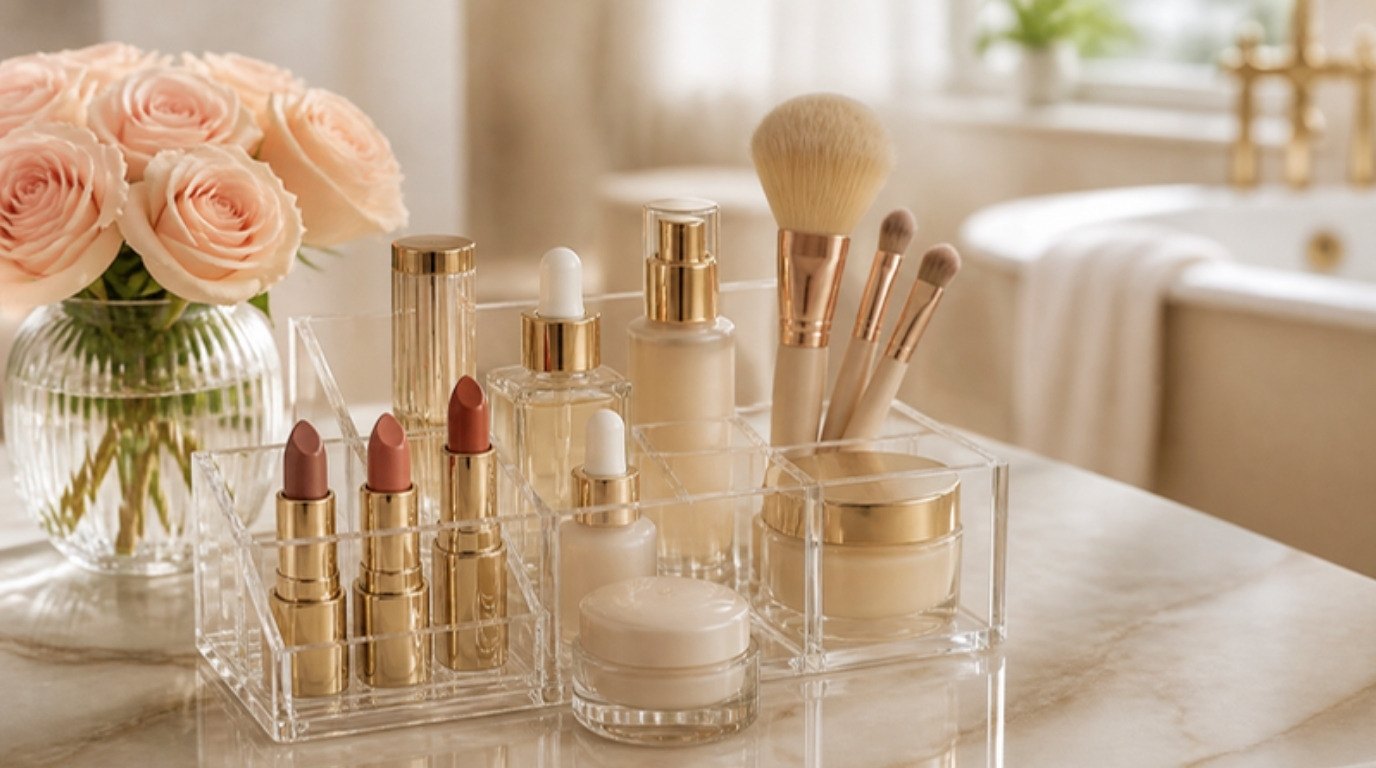
- Clear storage for makeup. An acrylic makeup organizer with drawers lets you see every product at a glance, so nothing gets forgotten again.
- Drawer dividers. Clear drawer organizer bins in mixed sizes keep lipsticks, pencils and compacts from rolling into a jumble.
- A turntable for skincare. A white lazy Susan in a cabinet or on the counter brings bottles at the back to the front with one spin.
- Brushes upright. A cup or jar for clean brushes, bristles up. Keep them fresh with a gentle makeup brush cleaner every week or two.
- A cool spot for sensitive products. A bathroom gets warm and steamy, which shortens shelf life. A drawer in your bedroom works well for actives and sunscreen. A mini skincare fridge is a fun, optional extra if you love cool eye creams or sheet masks, but it's absolutely not necessary.
Want your counter to feel as pretty as it is practical? My guide to vanity area ideas has lots of simple ways to style a getting-ready spot.
How To Keep It Tidy
The clear-out is the big step. These small habits keep you from needing another one any time soon:
- Mark the open date. Keep a sheet of small blank round dot stickers in your beauty drawer. When you open something new, add a sticker and write the month and year on it with a fine pen. Now the period-after-opening symbol actually means something.
- Use the color-dot trick. Prefer not to write? Give each season its own sticker color, so you can see at a glance which products have been open the longest.
- One in, one out. When a new mascara arrives, the old one leaves. My sister guide on the one in, one out rule explains how to make this a habit across the whole home.
- Finish before you open. Keep backups sealed until the current product is truly empty.
- Do a mini check every season. Ten minutes, four times a year: sniff, look, toss what's turned. A full clear-out once a year is plenty after that.
- Close everything properly. Caps on tight, compacts shut, droppers back in their bottles. Air and light are what age products fastest.
- Wash hands before dipping into jars. Or use a small spatula. Fewer germs in, longer life out.
And when you add a new skincare product, patch test it on your inner arm or behind your ear for a day or two before putting it on your face, especially if your skin is sensitive.
Final Thoughts
A decluttered beauty drawer is such a quiet luxury. Every product in it is fresh, every product is one you actually love, and your morning routine starts with a calm little moment instead of a search.
Start with the obvious toss pile, keep only what earns its place, mark your open dates and give it a quick look each season. That's all it takes to keep your makeup and skincare feeling as lovely as the day you brought it home.