Crepey skin rarely needs anything dramatic. It needs the same few gentle steps, done on the parts of the body most of us forget – the neck, the chest, the backs of the arms, the knees. Those areas get years of sun and very little care, and that's exactly where thin, crinkly texture tends to show first.
This guide is a realistic, kind look at crepey skin: what it is, why it happens, what good care can and can't do, and a simple routine you can stick to. You'll find a six-step plan, a table that maps morning and evening steps to each area, area-by-area tips and an honest note on professional treatments.
One thing up front, because it matters: no lotion turns back time, and anyone promising that is selling you something. What care can do is make skin look smoother, softer and better hydrated, protect it from getting thinner faster and help it feel comfortable in your own sleeves. That's a lovely goal on its own.
What Is Crepey Skin?
Crepey skin looks thin and finely wrinkled, a bit like crepe paper or a crinkled silk scarf. It often feels slightly loose and soft, and the fine lines can show more when you bend your arm, turn your head or sit down. It is different from deep wrinkles (which form in lines where skin folds) and from sagging (where the skin drops lower overall), though all three can appear together.
The most common places for it are:
- Upper arms and inner arms, especially the soft skin on the underside.
- Neck, where the skin is naturally thin and moves all day.
- Chest and décolleté, which get a lot of sun with summer necklines.
- Knees and above the knees, where skin stretches and folds constantly.
- Under the eyes and the backs of the hands (the routine here works for hands too).
A quick self-check: gently pinch a little skin on your forearm, then let go. Thin, dehydrated skin often looks crinkly in the pinch and settles a little slowly. That doesn't diagnose anything – it simply shows you where extra moisture and protection would be welcome.
What Causes Crepey Skin

Crepey skin is almost never caused by one thing. It's usually a mix of slow, everyday factors that stack up quietly over years:
- Years of sun. UV light is the biggest outside factor. It breaks down collagen and elastin – the proteins that keep skin firm and bouncy – and the damage builds up even from short daily exposure, like driving or walking to the bus.
- Natural collagen loss. As time goes on, skin makes less collagen and becomes thinner. This is simply part of being human.
- Dryness. Dehydrated skin shows every fine line more. Hot showers, harsh soaps, central heating and cold wind all make it worse.
- Weight changes. When skin stretches and then has less underneath it, it can look looser and more crinkled.
- Genetics. Some of us simply have thinner or drier skin by nature. If your mother's arms looked this way, yours may follow a similar pattern.
- Other factors. Smoking, very little sleep, some medicines (like long-term steroid creams on the same area) and hormonal shifts can all play a role.
The good news hiding in that list: two of the biggest drivers – sun and dryness – are things you can do something about starting today.
What Care Can (and Can't) Do
Let's be honest about expectations so the routine feels rewarding instead of disappointing.
What consistent care can do: make the surface look smoother by removing dull, dry cells; plump the skin with moisture so fine lines look softer; strengthen the skin barrier so it holds water better; and, with retinoids, support the skin's own renewal over months. Daily sunscreen also protects what you have from getting thinner faster.
What it can't do: reverse years of sun damage, restore lost collagen fully or tighten loose skin the way a procedure might. "Firming" on a label usually means the skin looks and feels tighter thanks to hydrating or film-forming ingredients – pleasant, but temporary.
Think of it as a slow, steady practice rather than a quick fix. Most people notice softer, more comfortable skin within two to four weeks and a smoother look after about three months of regular care.
The Crepey Skin Routine: 6 Steps
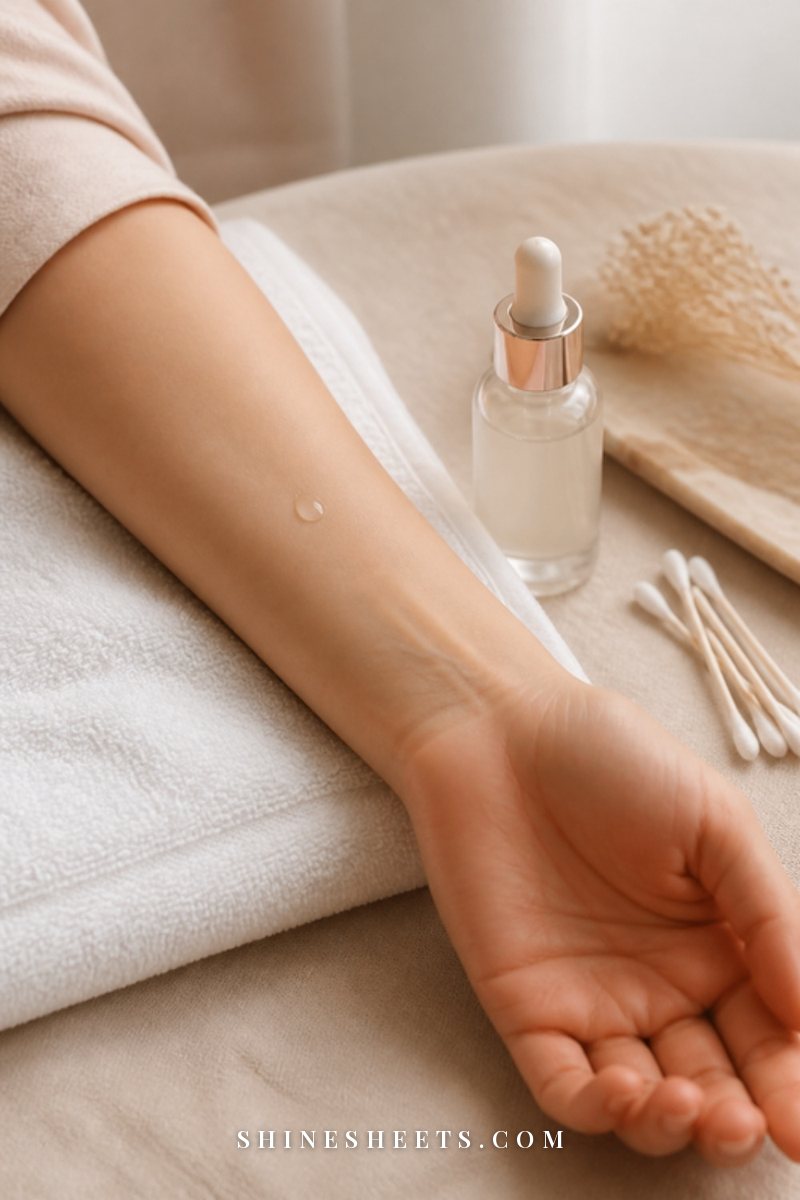
This is the core of the guide. You don't need all six steps on day one – start with sunscreen and moisturizer, then add one new step every two weeks. Patch test anything new on a small spot (inside your elbow is ideal) for 2–3 days before using it on a larger area.
1. Wear Sunscreen on Your Neck, Chest and Arms Every Day
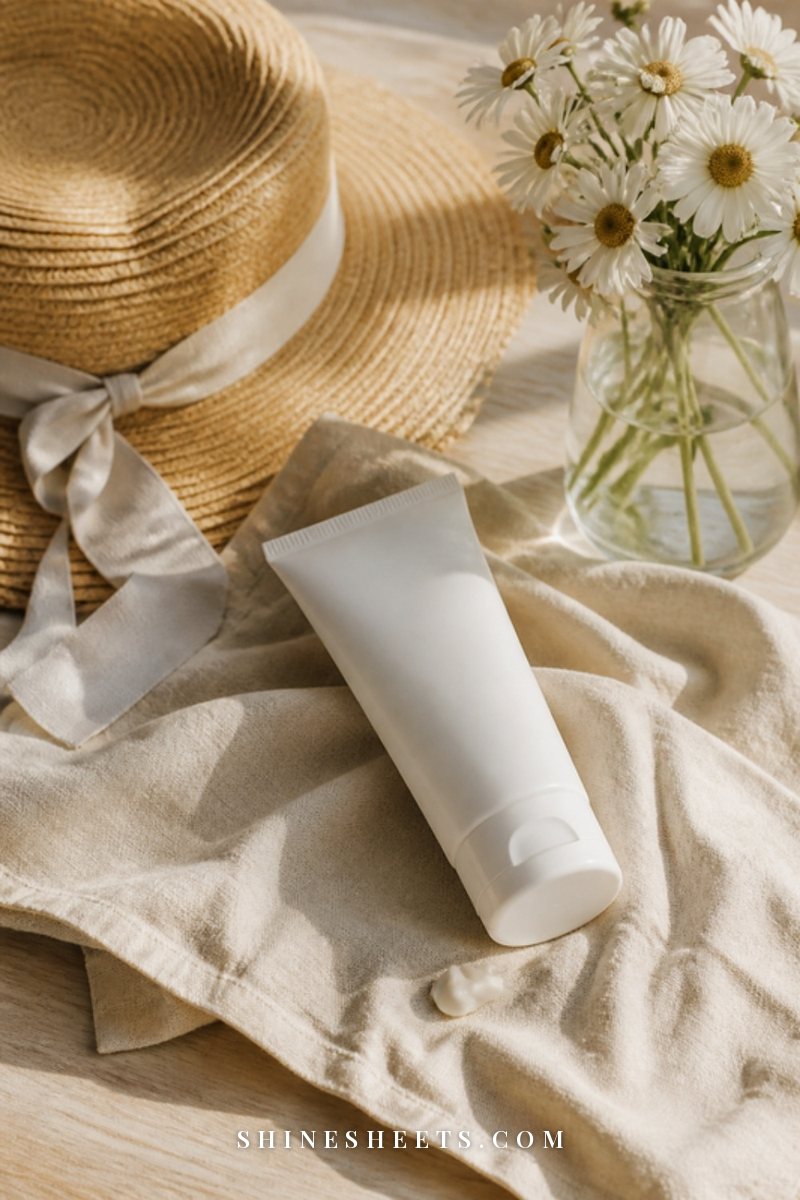
If you only do one thing from this whole article, make it this. Daily broad-spectrum SPF 30 or higher on every area your clothes don't cover is the single best way to keep crepey skin from getting worse. Yes, even in winter and on cloudy days.
For the body, I'd choose a mineral body sunscreen with zinc oxide if your skin is sensitive (mine is, so I always lean mineral). Look for a lotion texture that blends without a heavy white cast and a fragrance-light formula. Apply it as the last morning step, about 15 minutes before going out, and reapply every two hours if you're outdoors or after swimming or sweating.
Easy amount guide: one generous strip along your fingers per arm, the same for the neck and chest together. Don't forget the sides and back of the neck and the backs of your hands.
2. Exfoliate Gently With Lactic Acid or Urea

Gentle chemical exfoliation clears away the dull, dry layer that makes crinkles look more visible, and it helps moisturizer sink in. Body skin usually tolerates this better than facial skin, but crepey areas are thin, so go slowly.
Two ingredients are especially kind here. Lactic acid smooths and hydrates at the same time – a lactic acid body lotion with around 10–12% is the classic pick. Urea softens rough texture and pulls water into the skin; a urea body lotion at about 10% is a great gentle option, especially if your skin is also dry or bumpy.
How to use them: apply in the evening, two to three times a week, on dry skin. Skip the neck at first and start with the arms and knees, which are a little tougher. If you feel stinging that lasts longer than a minute, or see redness, take a few days off. On days you use an acid, don't layer retinol on the same area. Acids can make skin more sensitive to the sun, which is one more reason step one matters.
3. Introduce Retinol Slowly

Retinoids are the most studied ingredients for supporting the skin's renewal and the look of fine lines over time. They're not instant, and they can irritate if you rush, so the rule is low and slow.
Look for a gentle retinol body cream made for the body, ideally with soothing ingredients like ceramides or niacinamide in the same formula. Start with two evenings a week on the arms or chest for the first month, a pea-sized amount per area, applied on fully dry skin. If your skin stays calm, move to every other evening. Expect a little dryness at the beginning – that's why moisturizer comes right after.
For the neck, which is thinner and more reactive, a softer formula is wise. A neck and chest cream with peptides and a gentle retinoid is a good middle ground; look for one labeled for sensitive skin, and apply it with upward strokes rather than tugging. My retinol for beginners guide has a step-by-step start plan that works for the body too.
A kind but important note: avoid retinol and retinoids if you're pregnant, trying to conceive or breastfeeding, and ask your doctor or pharmacist what's safe for you.
4. Moisturize on Damp Skin
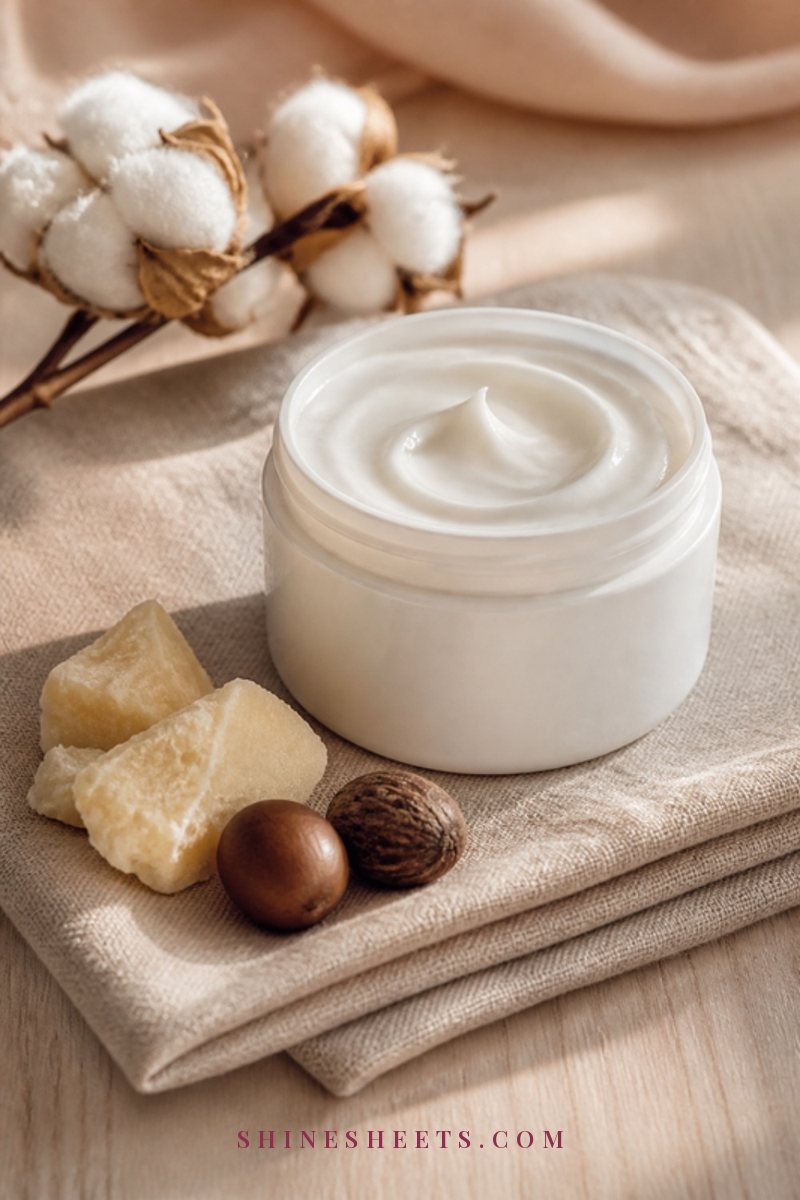
Moisturizer is the step that makes crepey skin look better the fastest, because well-hydrated skin simply looks plumper and smoother. The secret is timing: apply it within two or three minutes of stepping out of the shower, while the skin is still slightly damp, so it seals that water in.
Pat yourself mostly dry, leaving a little moisture, then smooth on a rich cream. A ceramide body cream helps rebuild the skin barrier, and shea butter adds a lovely cushiony layer for very dry areas like knees and elbows. On evenings when you use an acid or retinol, apply those first, wait a few minutes, then moisturize on top.
Use moisturizer at least once a day on all crepey areas and twice a day on very dry days. If you're not sure which texture suits your skin, my body lotion guide explains the difference between lotions, creams and butters.
5. Keep Showers Short and Lukewarm

Long, hot showers feel wonderful, but they strip the natural oils that keep thin skin supple. Keep showers to around 5–10 minutes and the water warm rather than hot – comfortable on the inside of your wrist.
Use a gentle, fragrance-light body wash or a cream cleanser instead of harsh bar soap, and only on the areas that really need it. Pat dry with a soft towel instead of rubbing, then go straight to step four. Skip rough scrubs and stiff brushes on crepey areas; thin skin needs gentleness, not friction.
6. Add Humidity in Winter

Indoor heating can drop the humidity in your home very low, and dry air pulls moisture out of your skin all night long. Running a cool mist humidifier in the bedroom helps your skin hold on to the moisturizer you applied. Aim for indoor humidity around 30–50%, clean the tank as the instructions recommend (usually every few days) and use fresh water each time.
Winter is also the time to switch to a richer cream and to moisturize twice a day if your skin feels tight. My winter body care routine covers the whole cold-season plan.
Your Crepey Skin Care Table by Area
Here's the whole routine mapped to each area, so you know exactly what to do and when. Screenshot it and keep it handy for the first few weeks, until it becomes automatic.
| Area | Morning step | Evening step | Weekly extra |
|---|---|---|---|
| Neck | Light moisturizer, then SPF 30+ on front, sides and back | Gentle neck cream, applied with upward strokes | Gentle retinoid 2 evenings a week once your skin is used to it |
| Chest (décolleté) | Moisturizer, then SPF 30+ down to your neckline | Ceramide cream on damp skin | Retinol body cream 2–3 evenings a week |
| Upper and inner arms | SPF 30+ on any uncovered skin | Rich cream on damp skin after a lukewarm shower | Lactic acid or urea lotion 2–3 evenings a week; retinol on other evenings |
| Knees and legs | SPF 30+ when bare (dresses, shorts) | Shea or ceramide cream on damp skin | Urea lotion 2–3 evenings a week |
| Backs of hands | SPF 30+, reapplied after washing | Hand cream after the last wash of the day | A thick layer of cream with cotton gloves overnight once a week |
Rule of thumb: never use an acid and a retinoid on the same area on the same night, and always follow both with moisturizer.
Area-by-Area Tips
Each area has its own little quirks. These extra tips help the routine work a bit better where you need it most.
Arms
Upper arms are usually the most tolerant area, so they're a good place to start actives. Apply lotion with long upward strokes from elbow to shoulder, and remember the inner arm, which is thinner and gets overlooked. If you're often outdoors in summer, a light, loose long-sleeve linen shirt is a pretty and very effective form of sun protection.
Neck and Chest
Treat your neck as an extension of your face: whatever gentle moisturizer and sunscreen you use on your face, simply carry it down. Avoid strong acids and high-strength retinol here until you know how your skin reacts. Sleeping on your back, or on a silky pillowcase if you sleep on your side, may reduce the creasing you see on your chest in the morning. My neck and décolleté care routine goes deeper into this area.
Knees and Legs
Knees take a lot of stretching and folding, so moisture is the hero here. Urea lotion a few evenings a week plus a rich cream every day often makes a visible difference in softness. Leg-strengthening movement like walking, squats and lunges supports the muscles underneath, which can help the area look more toned overall – my guide on sagging skin on legs has a gentle plan for that.
Everyday Habits That Support Smoother-Looking Skin
Skin care happens in the bathroom, but skin health happens all day. These small habits won't replace the routine, but they help it work better and keep your skin more resilient over time.
- Drink water through the day. It won't erase lines on its own, but dehydration shows quickly on thin skin. Keep a glass or bottle nearby and sip regularly instead of catching up all at once.
- Eat enough protein and colorful plants. Your skin is built from what you eat, and very restrictive eating often shows up as dull, dry skin. Regular, balanced meals matter more than any single "skin food."
- Move your body most days. Strength exercises for arms and legs build the muscle under the skin, which helps those areas look more toned. Two or three short sessions a week are a great start.
- Protect your sleep. Skin does a lot of its repair work overnight. A steady bedtime and seven to nine hours when you can manage it make a real difference in how rested your skin looks.
- Avoid smoking. Smoking speeds up collagen breakdown, so stepping away from it is one of the kindest things you can do for your skin (and the rest of you).
- Choose sun-smart clothing. Light long sleeves, a wide-brim hat and a scarf over your chest on bright days protect crepey areas without any product at all.
If you're thinking about supplements for skin, talk to your doctor first. They can check what you actually need and what's safe alongside anything else you take.
Professional Treatments: What To Know
If you've followed a good routine for several months and want more visible change, professional treatments exist – things like certain lasers, radiofrequency, microneedling and injectable treatments that aim to stimulate collagen. Results vary a lot from person to person, they usually need several sessions, and none of them are permanent or guaranteed.
If you're curious, book a consultation with a board-certified dermatologist rather than a salon or spa offering quick fixes. A dermatologist can look at your skin, explain what's realistic for you, talk through side effects and costs and make sure nothing else is going on. Also see a doctor if skin suddenly becomes very thin, bruises easily or tears, or if you notice any spot that changes, bleeds or doesn't heal – that deserves a proper check, not a cream.
5 Mistakes That Make Crepey Skin Look Worse
- Saving sunscreen for summer. UV reaches you through windows and clouds all year, and that daily exposure adds up.
- Scrubbing hard. Gritty scrubs and stiff brushes irritate thin skin. Gentle acids two to three times a week do the job more kindly.
- Starting every active at once. Acid plus retinol plus a new firming cream in the same week is a fast route to redness. Add one product at a time, two weeks apart.
- Moisturizing bone-dry skin. Cream applied long after a shower does far less than cream applied on damp skin.
- Expecting results in a week. Skin renews slowly. Give any routine about 12 weeks before judging it.
Final Thoughts
Crepey skin is one of the most ordinary things in the world. It's the mark of summers spent outside, of years lived in your body, and it deserves the same gentleness you'd give any other part of you.
Start with sunscreen and a rich cream on damp skin, add one step at a time and let the weeks do their quiet work. Softer, smoother, more comfortable skin is a very realistic goal, and you can begin tonight with nothing more than a lukewarm shower and a few minutes of care.