Colloidal oatmeal is one of those rare skincare ingredients that is both humble and genuinely well studied. It isn't new, it isn't flashy and it won't promise you a different face by Friday. What it does is calm. It soothes skin that feels tight, itchy or cranky, and it does it so gently that dermatologists have been recommending it for sensitive skin for a very long time.
If your skin runs dry, reactive or easily irritated, oats might be the quiet helper you've been overlooking. And the best part is that you don't need a complicated routine to use them well. A soak, a lotion or a cream cleanser can be enough.
This guide covers everything about colloidal oatmeal for skin: what it actually is, why it soothes, five real benefits, who it suits best, how to take a proper oatmeal bath, the product types worth knowing (with a handy table), the honest limits and the safety basics. Let's keep it calm and simple, just like the ingredient itself.
What Is Colloidal Oatmeal?
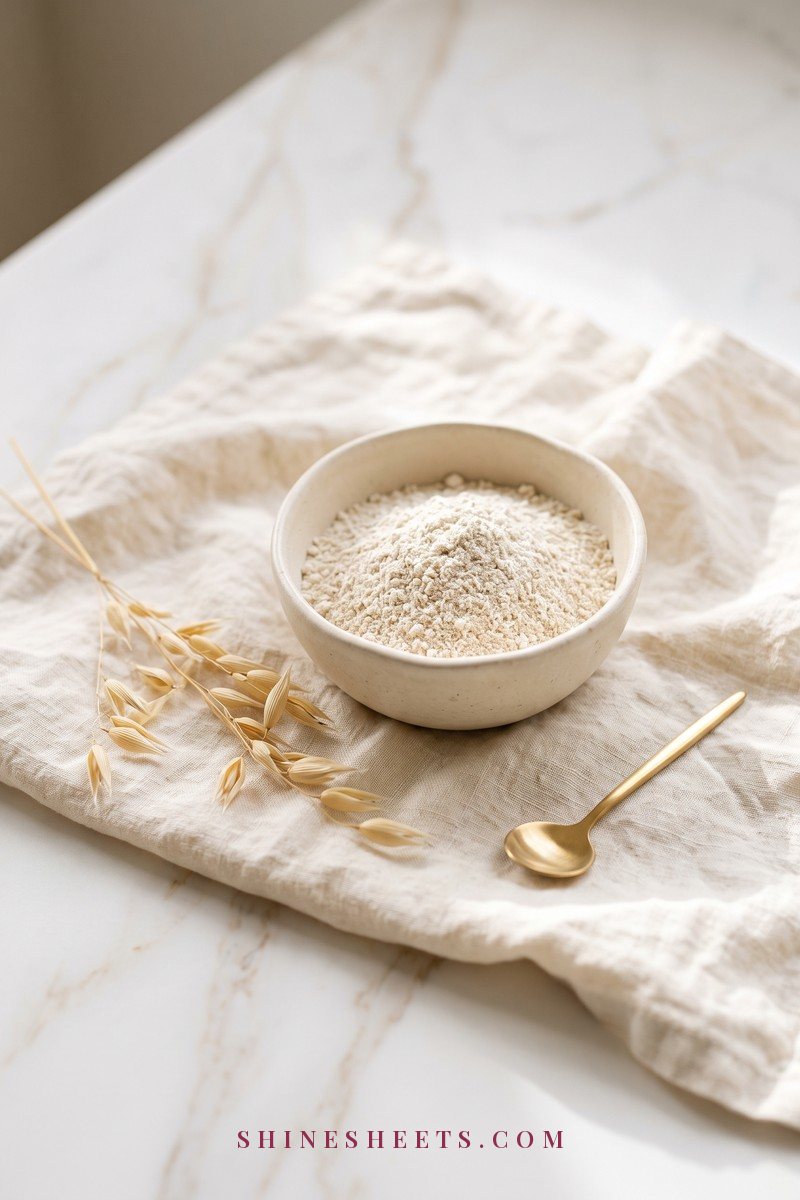
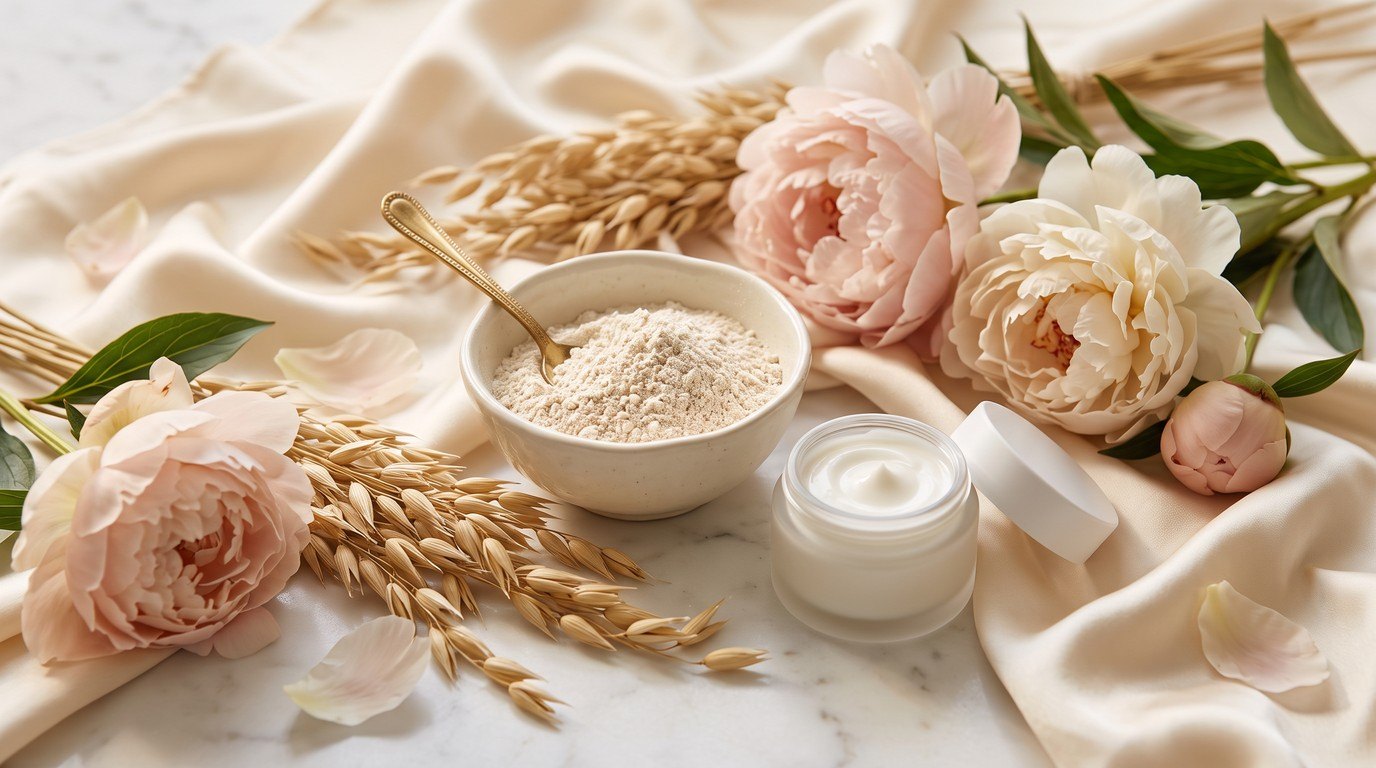
Colloidal oatmeal is whole oats ground so finely that the powder disperses evenly in water instead of sinking to the bottom like breakfast oats would. Stir it into a bath and the water turns soft and milky. That cloudy, silky feel is the whole point: the tiny particles stay suspended, so they can coat your skin all over.
The word "colloidal" simply describes that fine, evenly suspended texture. It's not a special type of oat or a lab invention. In the US, colloidal oatmeal is actually one of the few natural ingredients recognized as an over-the-counter skin protectant, which is why you'll sometimes see it listed as an "active ingredient" on bath soaks and creams.
What it is not: the rolled oats in your pantry. Kitchen oats are too coarse to disperse well, and they can leave a gritty mess in the tub (and the drain). If you want the real soothing effect, look for products made with true colloidal oatmeal, often listed on the label as Avena sativa kernel flour.
Why Colloidal Oatmeal Soothes Skin
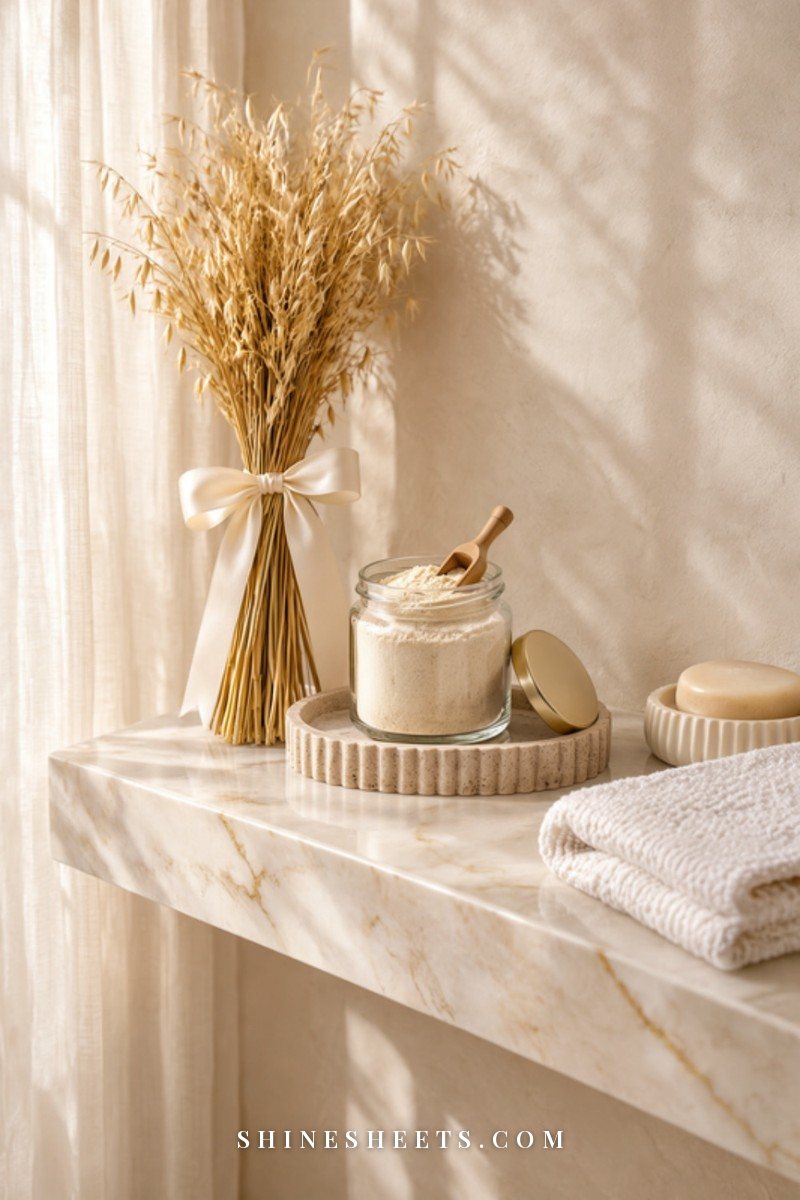
Oats look simple, but they carry a surprisingly useful little team of compounds. Here's what researchers point to when they explain why colloidal oatmeal feels so comforting on dry or irritated skin.
Avenanthramides
These are antioxidants found almost only in oats. Studies suggest they help calm the signals in skin that lead to redness and itch. They're a big reason oatmeal products feel "soothing" rather than just "moisturizing."
Beta-Glucan
Beta-glucan is a type of soluble fiber that holds onto water. On skin, it helps attract and keep moisture, which is why oat products leave skin feeling softer and less tight. It's also lightweight, so it rarely feels heavy.
Starches and a Protective Film
When colloidal oatmeal meets water, its starches and proteins form a thin, invisible film on the skin. That film helps slow down water loss and acts as a soft buffer between your skin and dry air. Think of it as a light veil rather than a thick coat.
Put together, these three explain the classic oatmeal feeling: calmer, softer, less itchy skin that holds onto its moisture a little longer. It took me a while to appreciate that "gentle" can still mean "effective," and oats are the perfect example.
5 Benefits of Colloidal Oatmeal for Skin
Here's what colloidal oatmeal can realistically do. No miracles, just reliable, gentle comfort.
1. Calms Itch
This is the benefit oatmeal is best known for. The avenanthramides and the soothing film work together to take the edge off itchy, irritated skin. It's why oatmeal baths have been a go-to for itchy skin for generations. For best results, use it consistently (a soak a few times a week or a lotion once or twice a day) rather than only on your worst days.
2. Eases Dryness
Beta-glucan and the protective film help skin hold onto water. If your shins, arms or hands feel tight after showering, an oat lotion applied on damp skin can make a noticeable difference within a few days. Pair it with shorter, cooler showers for the biggest change.
3. Supports the Skin Barrier
Your skin barrier is the outermost layer that keeps moisture in and irritants out. When it's weakened, skin stings, flakes and reacts to everything. Colloidal oatmeal helps support that barrier by reducing water loss and calming irritation, giving skin a better environment to recover. If your barrier feels truly upset, my guide on how to restore your skin barrier walks through the full rescue plan.
4. Gentle on Sensitive Skin
My skin is combination and sensitive (shiny T-zone, easily irritated cheeks), so I'm always drawn to ingredients that don't start drama. Oats are one of the most tolerated ingredients in skincare. They're usually paired with simple, fragrance-free formulas, which makes them a natural fit for reactive skin. Just remember "usually" is not "always," which is why the patch test section below matters.
5. Suits Many Ages
Colloidal oatmeal is used across a wide range of ages and skin types, from very delicate skin to mature skin that has become drier over time. It's a calm, low-fuss ingredient that rarely needs special timing or careful layering. For babies and young children, though, always check with a pediatrician first, especially if the skin is broken or very inflamed.
Who Colloidal Oatmeal Is Best For
Oats are wonderfully versatile, but they shine brightest for a few specific situations. Colloidal oatmeal may help if you have:
- Dry skin that feels tight, rough or flaky, especially on the body.
- Itchy skin from dry indoor air, long hot showers or harsh soaps.
- Sensitive or reactive skin that stings with many products.
- Eczema-prone skin as part of a gentle routine, alongside whatever your doctor recommends.
- Skin after too much sun, once it feels warm and tight (a cool oatmeal soak can feel lovely, but a blistering burn needs a doctor).
- Skin after shaving that feels prickly or bumpy. Let it soak in before getting dressed.
If your skin is oily and acne-prone, oats can still be a gentle option (many oat cleansers are light and non-stripping), but richer oat creams might feel too heavy on your face. Keep those for your body and choose a lighter gel or cleanser for your T-zone.
How To Take a Colloidal Oatmeal Bath
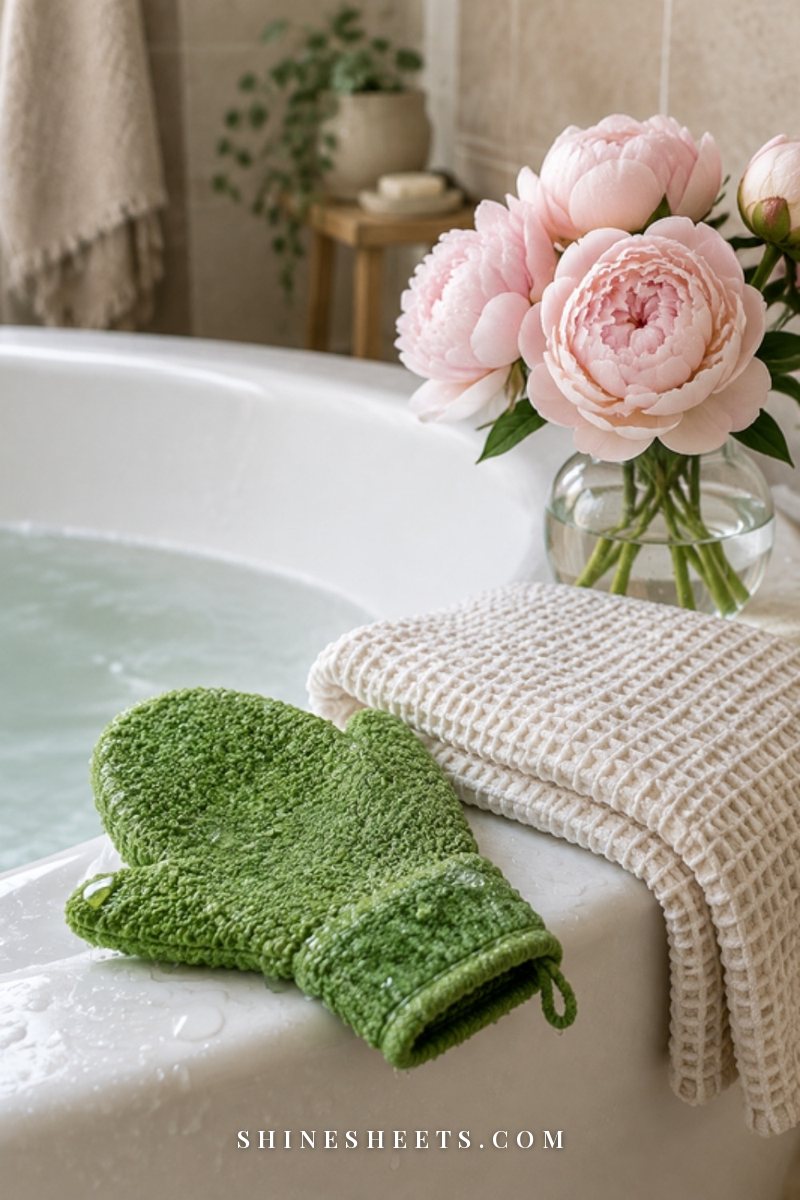
An oatmeal bath is the classic way to use colloidal oatmeal, and it's the most soothing when your whole body feels dry or itchy. Here's the routine I'd follow, step by step.
- Run lukewarm water. Not hot. Hot water strips natural oils and can make itching worse. Aim for water that feels comfortably warm on your wrist, not steamy.
- Add the oatmeal while the tub fills. Sprinkle the colloidal oatmeal under the running tap so it disperses evenly. Follow the package for the amount (most soaks use one packet or a measured scoop per bath). Swirl with your hand to break up any clumps.
- Soak for 10 to 15 minutes. That's the sweet spot. Longer soaks can start to dry your skin out again. Set a gentle timer if you tend to drift off.
- Get out carefully. Oatmeal can make the tub slippery, so hold onto the edge as you stand up and step out.
- Pat dry, don't rub. Use a soft towel and press it gently against your skin, leaving it slightly damp. A soft, plush white bath towel feels much kinder than a rough one on itchy skin.
- Moisturize within 3 minutes. This is the step people skip, and it's the one that locks everything in. Smooth on a fragrance-free lotion or cream while your skin is still a little damp.
- Rinse the tub. A quick rinse with warm water keeps the oat film from building up and keeps the tub from staying slippery for the next person.
A pick for the bath itself: look for a colloidal oatmeal bath soak that lists colloidal oatmeal as the active ingredient and keeps the rest of the formula short and fragrance-free. Two or three soaks a week is plenty for most people. Daily soaks are fine for short stretches when skin is really itchy, as long as you moisturize afterward every time.
To keep everything within reach, I'd store your soak, lotion and a washcloth in a cream bathtub caddy that rests across the tub. It makes the whole thing feel like a small, calm ritual (and with an evening tea waiting afterward, it honestly becomes one of the nicest parts of the day). For more ways to make bath time feel restorative, my list of relaxing bath ideas has plenty.
Other Ways To Use Colloidal Oatmeal
Not everyone has a bathtub, and not everyone wants to soak. The good news is that colloidal oatmeal shows up in many everyday products, and each has its own job.
Oat Lotions and Creams
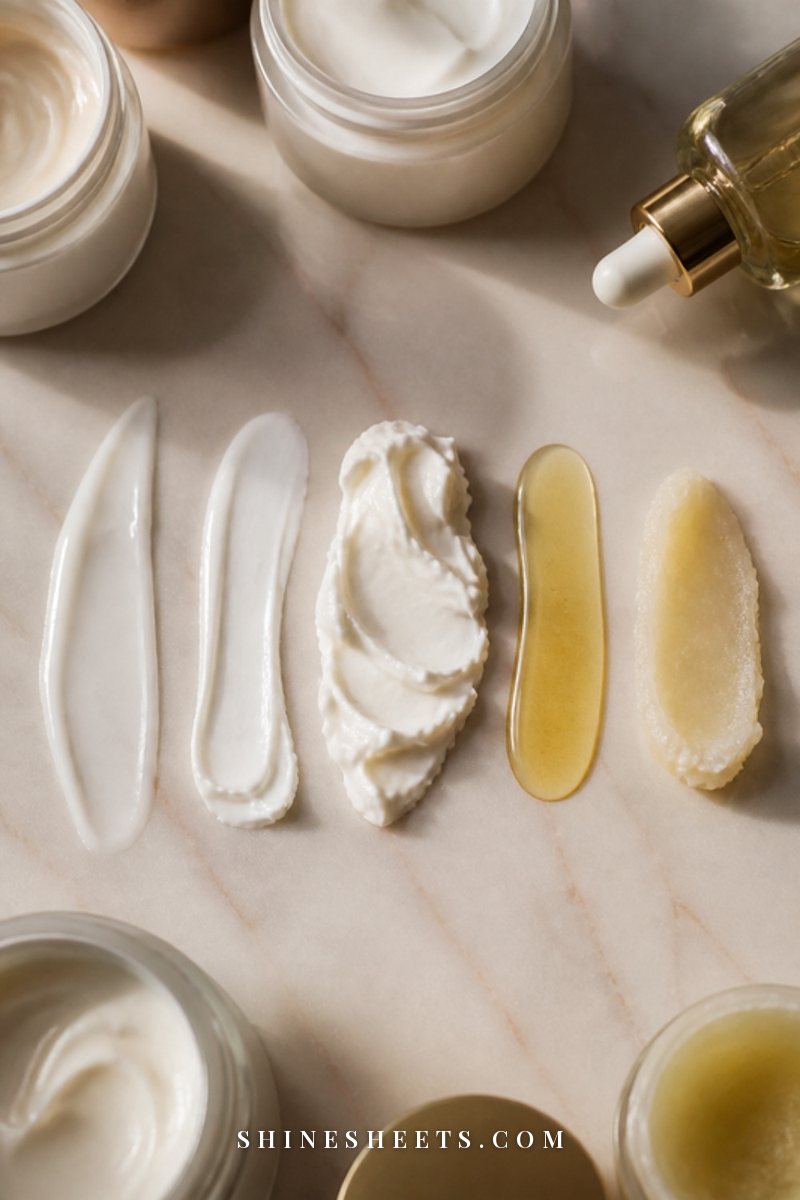
This is the easiest daily option. A body lotion with colloidal oatmeal, applied right after your shower, gives you the soothing benefits without the soak. Lotions feel lighter and absorb faster; creams are thicker and better for very dry areas like elbows, knees and shins. A pick for everyday use: a fragrance-free oat body lotion in a pump bottle, which is one of the most popular drugstore categories for dry, sensitive skin. Apply once or twice a day, always on slightly damp skin.
Oat Cleansers
Cleansers with colloidal oatmeal are a gentle option for faces that feel tight after washing. Look for a creamy, low-foam texture. I'd choose an oat cream cleanser for sensitive skin without added fragrance and use it with lukewarm water, massaging for about 30 seconds before rinsing. If your face still feels tight afterward, a calmer overall routine helps, and my sensitive skin routine shows exactly how to build one.
Oat Masks
Ready-made oat masks are a soothing treat for days when your face feels stressed and warm. Apply a thin layer, leave it on for 10 to 15 minutes (or as the package says), then rinse with lukewarm water and follow with moisturizer. Once or twice a week is plenty. Skip DIY kitchen-oat versions on very sensitive skin, since coarse oats can scratch and homemade mixes are hard to keep clean.
Hand Creams
Hands get washed constantly, so they're often the first place dryness shows up. A small tube of oat hand cream by the sink or in your bag is an easy way to keep them comfortable. Apply after every few washes and once more before bed.
Colloidal Oatmeal Product Guide: What To Use and How Often
Here's the unique bit of this guide: a quick table so you can match the product to your skin's mood. Screenshot it for your next drugstore run.
| Product type | How to use | How often | Best for |
|---|---|---|---|
| Oatmeal bath soak | Disperse in lukewarm bath, soak 10–15 min, pat dry, moisturize within 3 min | 2–3 times a week (daily for short itchy spells) | Whole-body dryness and itch |
| Oat body lotion | Smooth onto damp skin right after showering | 1–2 times a day | Everyday dryness, tight shins and arms |
| Oat body cream | Massage a thicker layer into rough areas | Once a day, ideally at night | Very dry elbows, knees, heels |
| Oat cream cleanser | Massage 30 seconds with lukewarm water, rinse | Once or twice a day | Sensitive faces that feel tight after washing |
| Oat face mask | Thin layer for 10–15 min, rinse, moisturize | 1–2 times a week | Stressed, warm, reactive skin |
| Oat hand cream | Rub in after washing and before bed | Several times a day | Hands dried out by frequent washing |
You don't need all six. One soak or one lotion, used consistently, does more than a shelf full of products used now and then.
A Simple Oat Routine for Dry, Itchy Skin
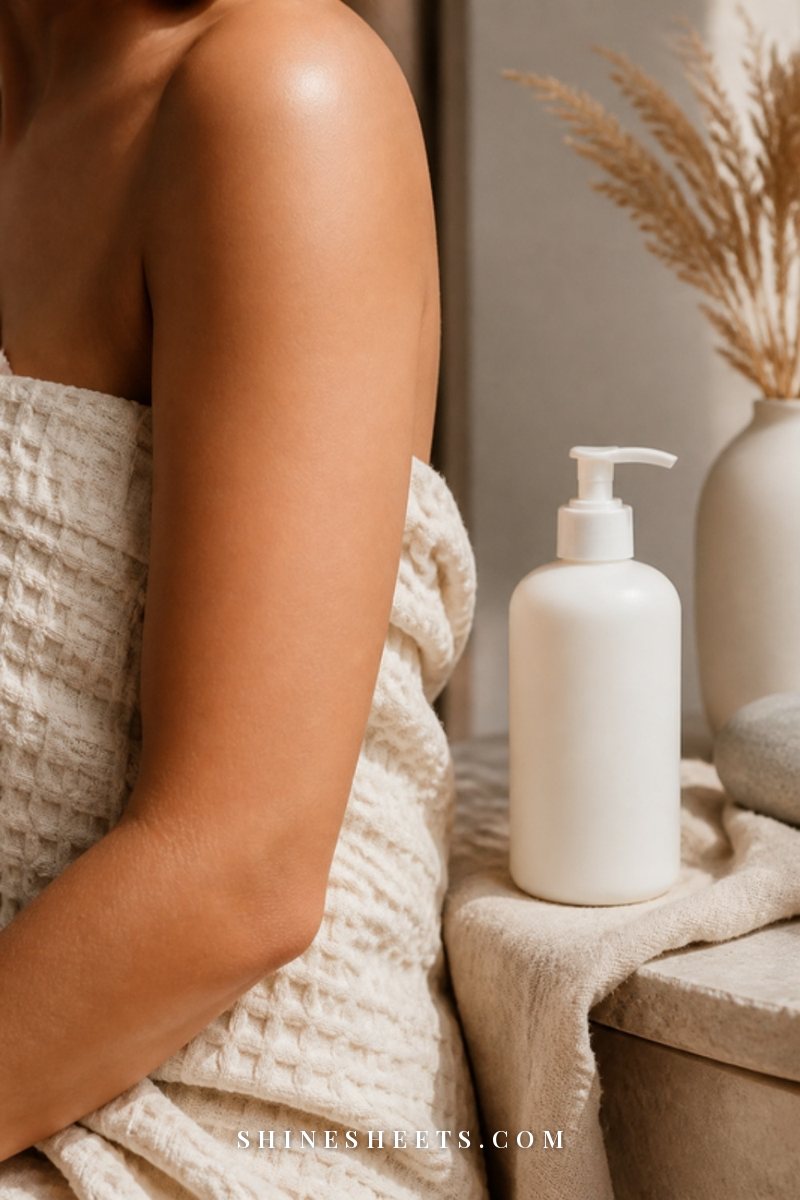
If you're not sure where to start, here's an easy weekly rhythm built around colloidal oatmeal. It pairs nicely with the habits in my skincare routine for dry skin.
- Every day: short lukewarm shower (5 to 10 minutes), gentle cleanser only where you need it, oat lotion on damp skin within 3 minutes of stepping out.
- Two or three evenings a week: a 10 to 15 minute oatmeal bath instead of a shower, followed by a richer oat cream on the driest spots.
- Once a week: an oat face mask if your face feels stressed, or simply an extra layer of moisturizer before bed.
- All week: soft cotton or breathable fabrics against itchy areas, a humidifier if your air is very dry, and fragrance-free laundry detergent if you notice itching after wearing freshly washed clothes.
Give it two to three weeks before deciding how well it works. Skin barriers take a little time to settle, and consistency is where oats really earn their reputation.
Colloidal Oatmeal Mistakes To Avoid
Oats are gentle, but a few small habits can undo their good work. Here are the ones I see most often:
- Using hot water. A steaming bath feels amazing for a minute and leaves skin drier afterward. Lukewarm, always.
- Soaking too long. More isn't better. Stick to 10 to 15 minutes.
- Skipping moisturizer after. The soak soothes; the moisturizer seals. Use both.
- Choosing heavily fragranced oat products. "Oat" on the front doesn't mean gentle inside. Check the ingredient list for added fragrance if your skin is reactive.
- Using breakfast oats in the bath. They don't disperse, they clog drains and they can scratch. Choose true colloidal oatmeal.
- Expecting overnight results. Oats are a steady, calming ingredient, not a quick fix. Give them a few weeks.
Showering habits matter just as much as what you put on afterward, so if your skin keeps feeling tight, my list of shower habits that dry out your skin is worth a quick read.
Honest Limits and Safety Notes
I love how gentle colloidal oatmeal is, but I also want to be honest about what it can't do.
- It doesn't cure eczema. Colloidal oatmeal can make eczema-prone skin feel more comfortable, but it is a supportive step, not a treatment. Never stop or replace a prescribed treatment without talking to your doctor.
- Oat allergy is rare but possible. Some people react to oats, and people with very sensitive or eczema-prone skin can occasionally be more reactive. If you notice redness, hives, swelling or stinging, stop using the product and rinse your skin.
- Patch test first. Apply a small amount to your inner arm or behind your ear once or twice a day for a few days before using it all over. My guide on how to patch test skincare explains the full method.
- Avoid broken or infected skin. If skin is cracked, weeping, crusted or very painful, check with a doctor before soaking or applying products.
- Gluten worries. Oats are naturally gluten-free but are often processed alongside wheat. If you have celiac disease or a gluten sensitivity and react through skin contact, ask your doctor and look for products labeled gluten-free.
- See a dermatologist if a rash is persistent, spreading or getting worse, if itching keeps you up at night, or if nothing you try is helping after a few weeks. Persistent itch can have many causes, and a professional can find the real one.
This article is for general information and isn't medical advice. Your doctor or dermatologist knows your skin best, and it's always okay to ask.
Final Thoughts
Colloidal oatmeal is proof that skincare doesn't have to be complicated to be kind. A lukewarm soak, a fragrance-free lotion on damp skin and a little patience can turn tight, itchy, unhappy skin into skin that feels calm again.
Start small with one product, give it a few weeks and let it become a quiet part of your routine. Your skin will thank you in the gentlest way possible.