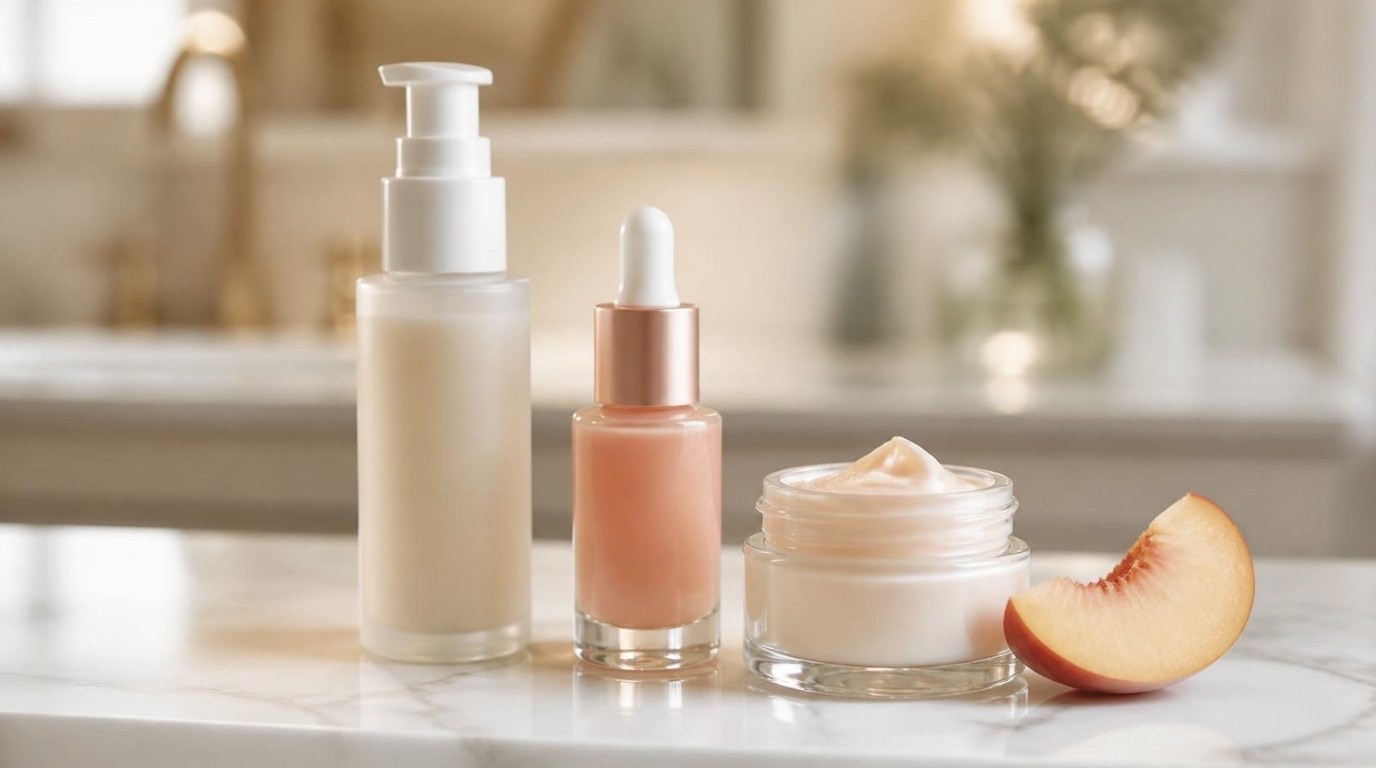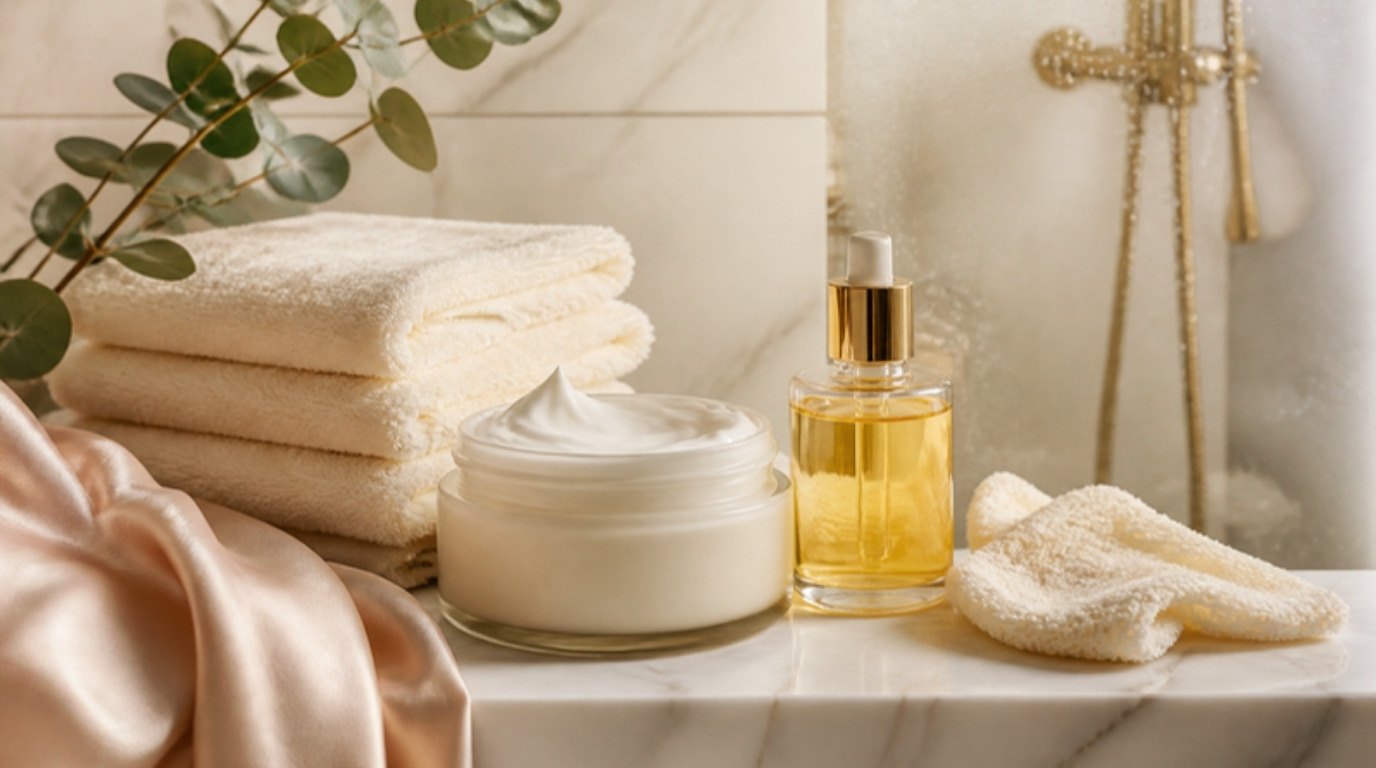
Dry, tight, itchy skin after a shower usually isn't about the products you put on afterward. It's about what happens in the ten minutes before: the water temperature, how long you stand there, what you wash with and how you dry off. Small shower habits add up, and a few easy swaps can make a bigger difference than any expensive cream.
The good news is that none of these swaps take extra time. Most actually save you a few minutes, and they don't require giving up the hot, steamy shower you love entirely – just turning it into something your skin can handle.
Below are 12 common shower habits that dry out your skin, each with a simple swap, plus a quick habit-to-swap table, winter adjustments, and when it's time to see a dermatologist. If your skin feels like it shrinks a size every time you step out of the shower, this one's for you.
Why Showers Can Leave Your Skin Dry

Your skin's outer layer works like a brick wall: skin cells are the bricks, and natural fats (ceramides, cholesterol and fatty acids) are the mortar that holds everything together and keeps water in. That barrier is what keeps skin soft and comfortable.
Water itself, especially hot water, softens and loosens those natural fats. Cleansers then lift them away along with dirt and sweat. Rubbing, scrubbing and long soaks all speed up the process. Afterward, as water evaporates from the surface, it can pull more moisture out of the skin with it, which is why skin often feels tighter ten minutes after a shower than it did in the shower.
None of this means showers are bad. It just means the details matter, and that a few kind changes can keep your barrier intact. If you're building a full routine around this, my body skin care routine guide covers the whole picture from cleansing to sunscreen.
Signs Your Shower Is Drying Out Your Skin
Not sure if your shower is the culprit? These are the most common clues:
- Tightness within 10–15 minutes of getting out, especially on your shins, arms and stomach.
- Itching after showering, or the urge to scratch while you get dressed.
- White, flaky lines when you run a fingernail gently over your shin.
- Red or blotchy skin right after the shower that takes a while to fade.
- Lotion "disappears" instantly, and your skin feels thirsty again an hour later.
- Rough patches on elbows, knees, heels and the backs of your hands.
If two or three of these sound familiar, your shower routine is a great place to start. Many people notice a difference within one to two weeks of making a few swaps, because the skin barrier renews itself constantly when you stop wearing it down.
12 Shower Habits That Dry Out Your Skin
You don't need to change all twelve at once. Read through them, notice which two or three sound most like you, and start there.
1. Very Hot Water

A scalding shower feels incredible, especially on a cold morning, but hot water strips natural oils much faster than warm water. If your skin looks pink or blotchy when you step out, the water was too hot.
Swap: Turn it down to warm – comfortable on the inside of your wrist, like bathwater for a baby. If you love the heat, enjoy one minute of it at the start for your muscles, then turn it down for the actual washing.
The same goes for the end of your shower. Some people like finishing with a few seconds of cooler water because it feels refreshing; that's entirely optional, but there's no need to finish on a blast of heat. A good rule of thumb: if the mirror is completely fogged and the bathroom feels like a sauna, the water is probably hotter than your skin would choose.
2. Long Showers
The longer your skin sits in water, the more those protective fats soften and wash away. Twenty-minute showers are lovely for thinking, but they're hard on dry skin.
Swap: Aim for 5–10 minutes. A short playlist helps: two or three songs, and you're done. Save longer soaks for an occasional bath with a few drops of body oil in the water.
If the shower is your only quiet time of day (no judgment, it's mine some days too), keep the thinking time and lose the water time: wash first, then turn the water off and wrap up in a warm towel for a few minutes before you get out. You get the pause without the extra soaking.
3. Harsh Soap
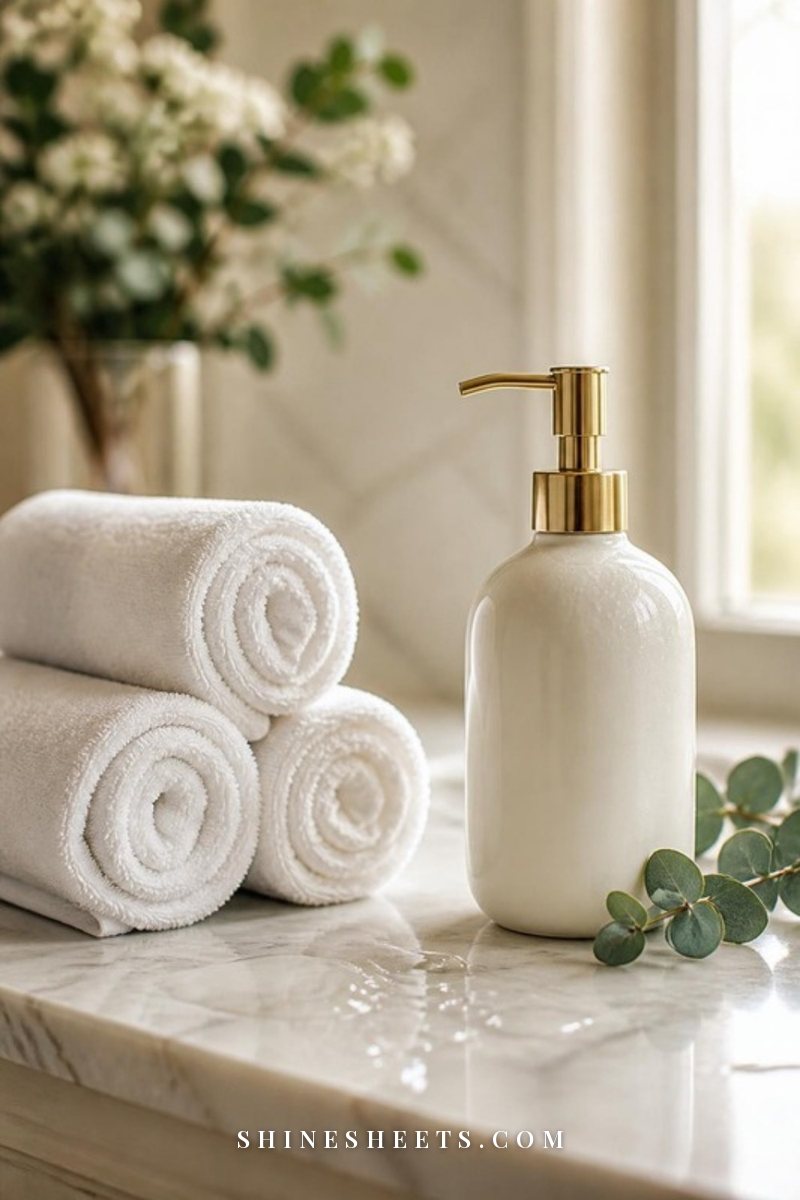
Traditional bar soaps and very foamy, squeaky-clean body washes often have a high pH and strong cleansing agents. That "squeaky" feeling is actually your skin's natural oils being stripped.
Swap: Choose a gentle, hydrating body wash labeled soap-free or for dry or sensitive skin, ideally with ingredients like glycerin or ceramides. Look for a creamy, low-foam texture. You also don't need to soap up your whole body every day: the areas that truly need cleanser are underarms, groin, feet and anywhere sweaty. Arms, legs and back are often fine with water on non-workout days.
Use about a coin-sized amount on your hands or cloth, work it into a light lather and rinse thoroughly. Leftover cleanser on the skin can be irritating too, especially on the back where it's easy to miss.
4. Scrubbing Every Day
Exfoliating removes dead skin cells, which can make skin feel smoother at first. But scrubbing daily also chips away at your barrier and leaves skin more prone to dryness and irritation.
Swap: Exfoliate one to two times a week, not daily. Use a gentle scrub with light pressure, or a lotion with lactic acid or urea a couple of nights a week instead. My guide on how to exfoliate your body explains which method suits which skin.
5. A Rough Loofah or Scrubby Mitt
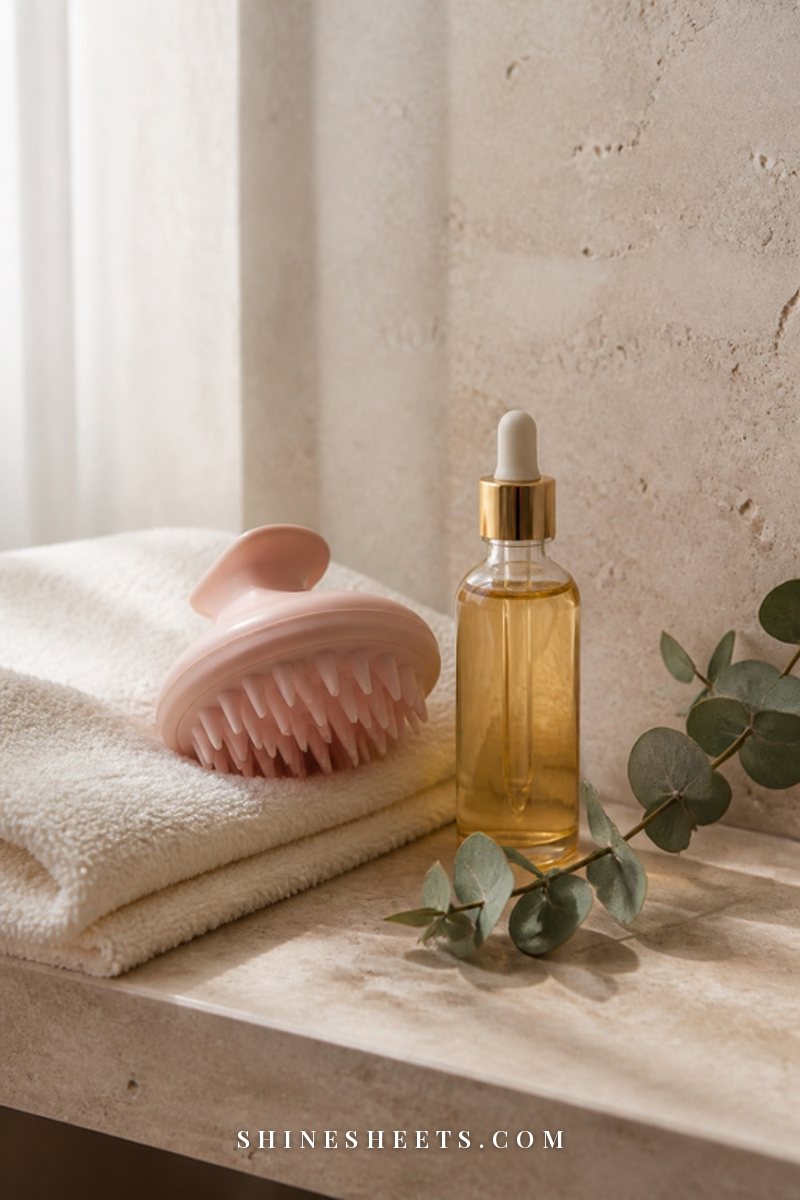
Plastic loofahs, stiff brushes and textured mitts used every day act like a scrub, even if your body wash is gentle. They also stay damp and can harbor bacteria between showers.
Swap: Wash with your hands or a few soft cotton washcloths. Use a fresh cloth every one or two showers and toss them in the laundry, so you're never scrubbing with yesterday's damp cloth.
6. Rubbing Yourself Dry With the Towel
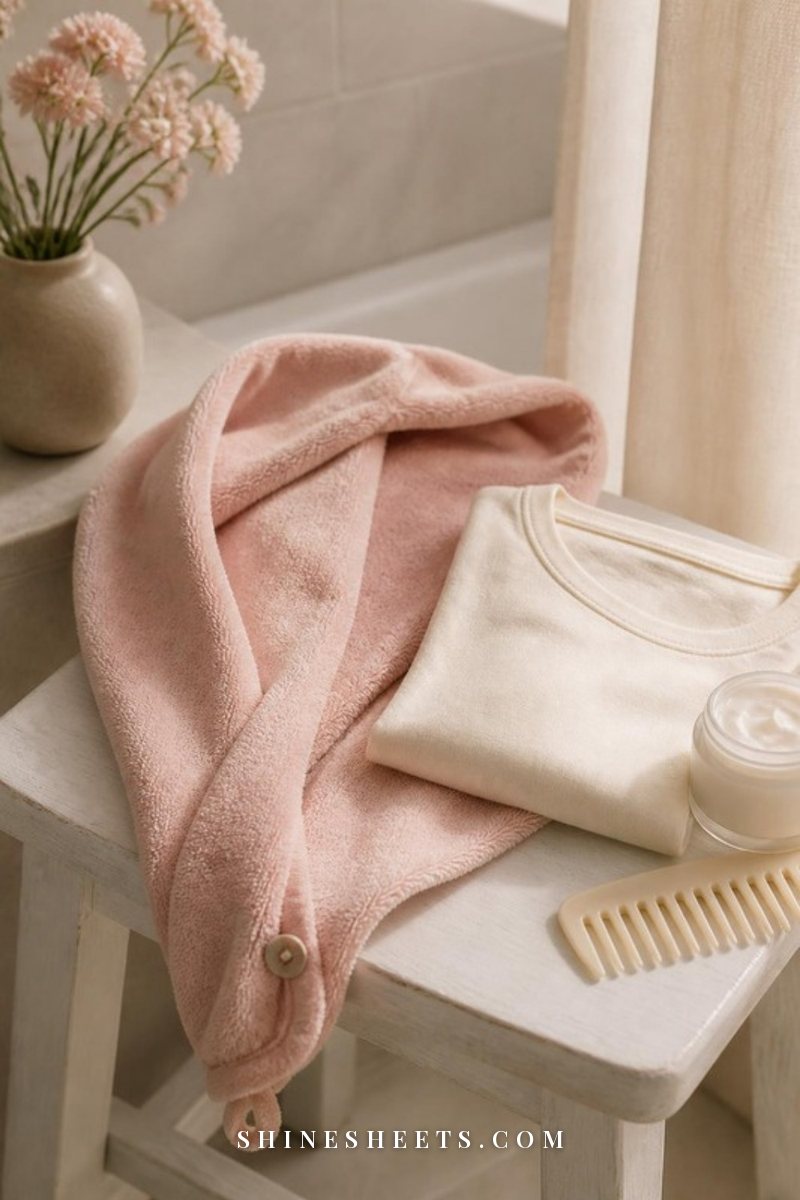
Brisk towel rubbing adds friction to skin that's already softened and vulnerable from the water. It can leave skin red and irritated, especially on the legs and arms.
Swap: Pat dry gently, leaving your skin slightly damp. A soft, absorbent plush cream bath towel makes this easy because it soaks up water without rubbing. Wash towels every three or four uses so they stay soft and fresh.
7. Waiting Too Long To Moisturize
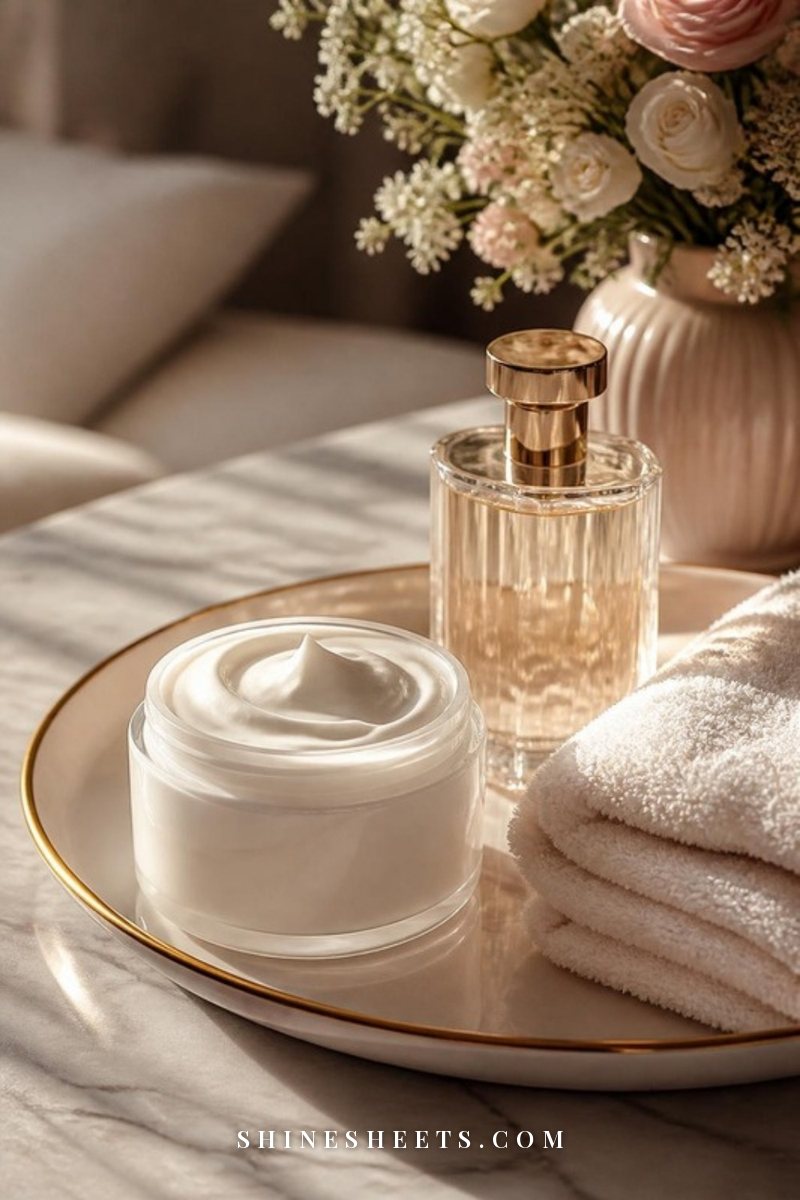
This is the big one. If you wait until you've done your hair, picked an outfit and answered two messages, the water on your skin has already evaporated and taken some of your skin's moisture with it.
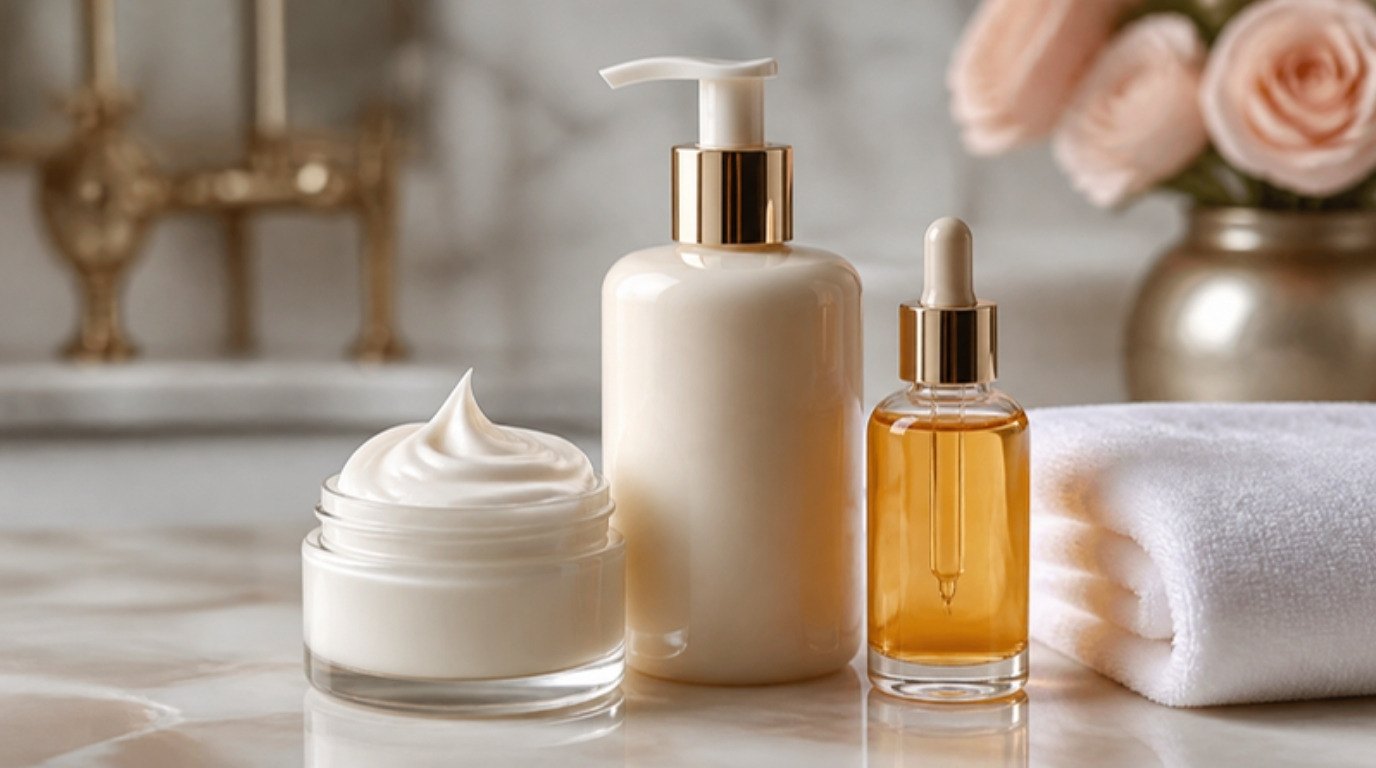
Swap: Moisturize within about three minutes of stepping out, while skin is still slightly damp. A ceramide body cream helps rebuild the barrier, and on very dry days you can press a few drops of body oil over the top to seal everything in. Keep your moisturizer inside the bathroom, within arm's reach of the shower, so it's the first thing you grab. If you're not sure which formula fits your skin, my body lotion guide breaks down lotions, creams, balms and oils.
8. Skipping Hands and Feet
Hands and feet get washed constantly and moisturized rarely. Heels and knuckles are often the first places to crack, especially in winter.
Swap: After your body cream, give hands and feet a second, thicker layer. Massage it into heels and cuticles. On extra dry nights, slip on cotton socks after moisturizing your feet so the cream can work while you sleep.
Don't forget the other often-missed spots: elbows, knees, the backs of your arms and the area around your ankles. These have fewer oil glands than your face and chest, so they dry out faster. If your elbows and knees feel rough no matter what, a cream with urea or lactic acid a few nights a week can soften them gently over time.
9. Heavily Fragranced Everything
A strongly scented shower can be a mood lifter, but fragrance is one of the most common irritants for sensitive or dry skin. When your body wash, scrub, lotion and laundry detergent are all perfumed, it adds up.
Swap: If your skin is sensitive, choose fragrance-free cleansers and moisturizers. Get your scent from a candle in the bathroom, a eucalyptus bundle hanging from the showerhead, or a light body mist on your clothes instead of your skin. Patch test new products on a small area of your inner arm for a few days before using them all over.
10. Shaving on Dry or Barely Wet Skin
Shaving already removes a thin layer of skin cells along with the hair. Doing it on dry skin, with only soap or with a dull blade adds friction and can leave legs dry, red and bumpy.
Swap: Shave at the end of your shower, when hair and skin are soft. Use a shaving gel or cream, a sharp razor (replace blades or cartridges every five to seven shaves), and shave with light pressure. Moisturize straight after.
11. Ignoring Hard Water
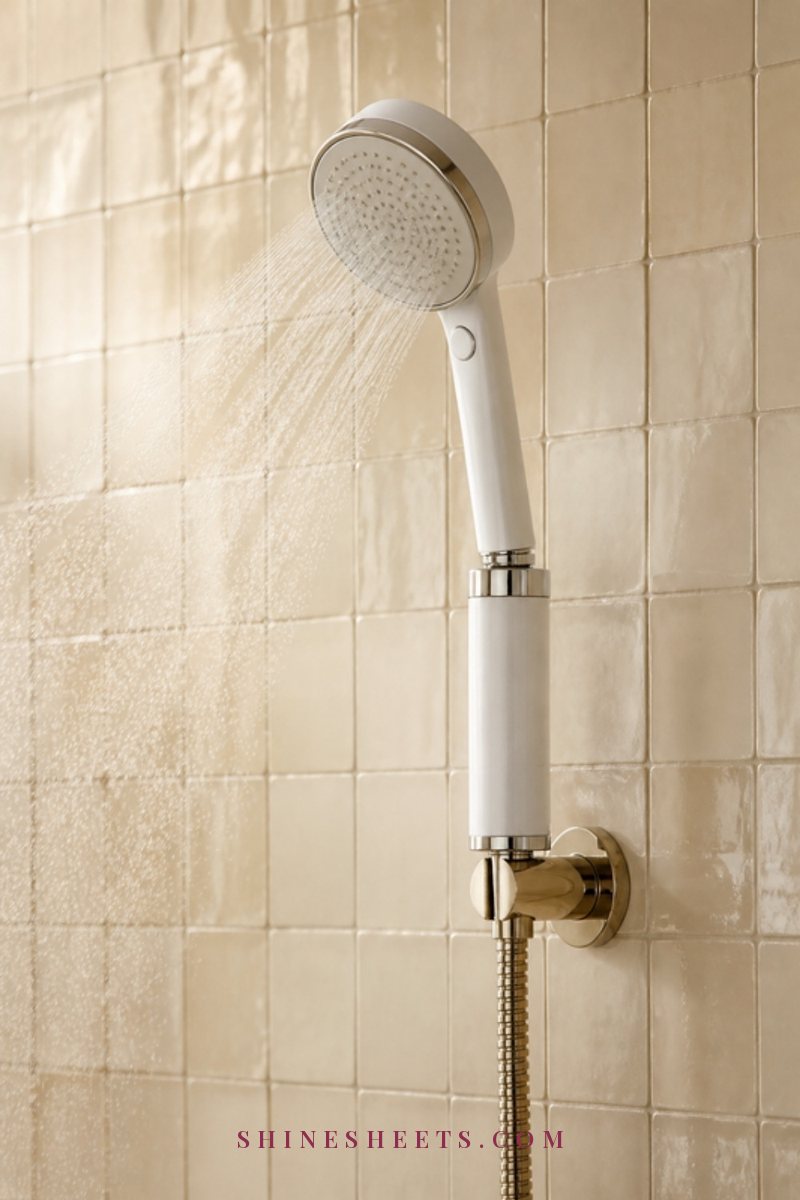
If you see white chalky build-up on taps and glass, you probably have hard water. Its minerals can combine with cleansers to leave a film on skin and hair, and many people find their skin feels drier and tighter in hard-water homes.
Swap: A filtered shower head is an easy upgrade in many homes and rentals, and it's usually a simple twist-off, twist-on job. Follow the manufacturer's instructions for installation and cartridge changes (usually every few months). Keep your shower head clean too; my guide on how to clean a shower head walks through descaling.
12. Never Cleaning Your Shower Tools
Loofahs, puffs, washcloths and brushes that stay damp in a warm bathroom become a home for bacteria and mold, which isn't kind to dry, cracked skin.
Swap: Rinse tools well and hang them to dry outside the shower. Replace plastic puffs every few weeks, wash cloths after a couple of uses, and clean body brushes weekly with warm soapy water and let them dry completely.
The same goes for your bath towel. A towel that hangs damp in a steamy bathroom for days can start to smell musty and feel scratchy. Hang it fully open so it dries between uses, and wash it every three or four uses on a warm cycle.
Habit to Swap Table
Here's everything in one place. Screenshot it and pick two swaps to try this week.
| Drying habit | Easy swap |
|---|---|
| Very hot water | Warm water; a minute of heat at the start if you love it |
| Long showers | 5–10 minutes (about two or three songs) |
| Harsh, squeaky soap | Gentle, soap-free hydrating body wash |
| Scrubbing every day | Exfoliate 1–2 times a week |
| Rough loofah or mitt | Hands or a soft cotton washcloth |
| Rubbing dry | Pat dry and leave skin slightly damp |
| Moisturizing later | Within 3 minutes, on damp skin |
| Skipping hands and feet | A second, thicker layer on heels and hands |
| Fragranced everything | Fragrance-free for sensitive skin |
| Shaving dry | Shaving gel, sharp razor, end of shower |
| Hard water | Filtered shower head and a clean shower head |
| Dirty shower tools | Hang to dry, wash and replace regularly |
A Simple Shower Routine for Dry Skin
Putting it all together, a skin-friendly shower might look like this:
- Turn the water to warm and keep the bathroom door closed to hold in humidity.
- Wash your hair first if you're washing it, so conditioner residue rinses off your body afterward.
- Cleanse only where you need to with a gentle body wash, using hands or a soft cloth.
- Shave last, if you're shaving, with gel and a sharp razor.
- Keep it to 5–10 minutes total.
- Pat dry, leaving skin a little damp.
- Apply body cream within three minutes, then oil on the driest areas.
- Finish with a thicker layer on hands and feet.
For more ideas on making shower time feel like a ritual rather than a rush, my everything shower routine guide has the full step-by-step version.
Common Myths About Showers and Dry Skin
A few ideas float around that can keep dry skin stuck. Here's the gentler truth:
- "Drinking more water fixes dry skin." Staying hydrated is good for you, but dry skin is mostly about your skin barrier and what happens on the surface. Moisturizing and gentle habits make the bigger difference.
- "Squeaky clean means really clean." That squeak is the sound of stripped natural oils. Clean skin can still feel soft.
- "If skin is flaky, scrub it off." Flakes are a sign of a stressed barrier. More scrubbing usually makes it worse; moisturizing usually makes it better.
- "Oil alone is enough." Body oil is lovely for sealing, but on its own it doesn't add water to the skin. Cream first on damp skin, oil on top, is the winning combination for very dry skin.
- "You need to shower twice a day." After a workout or a hot day, sure. Otherwise, once a day (or even every other day for some people) is plenty for most skin.
Winter Adjustments
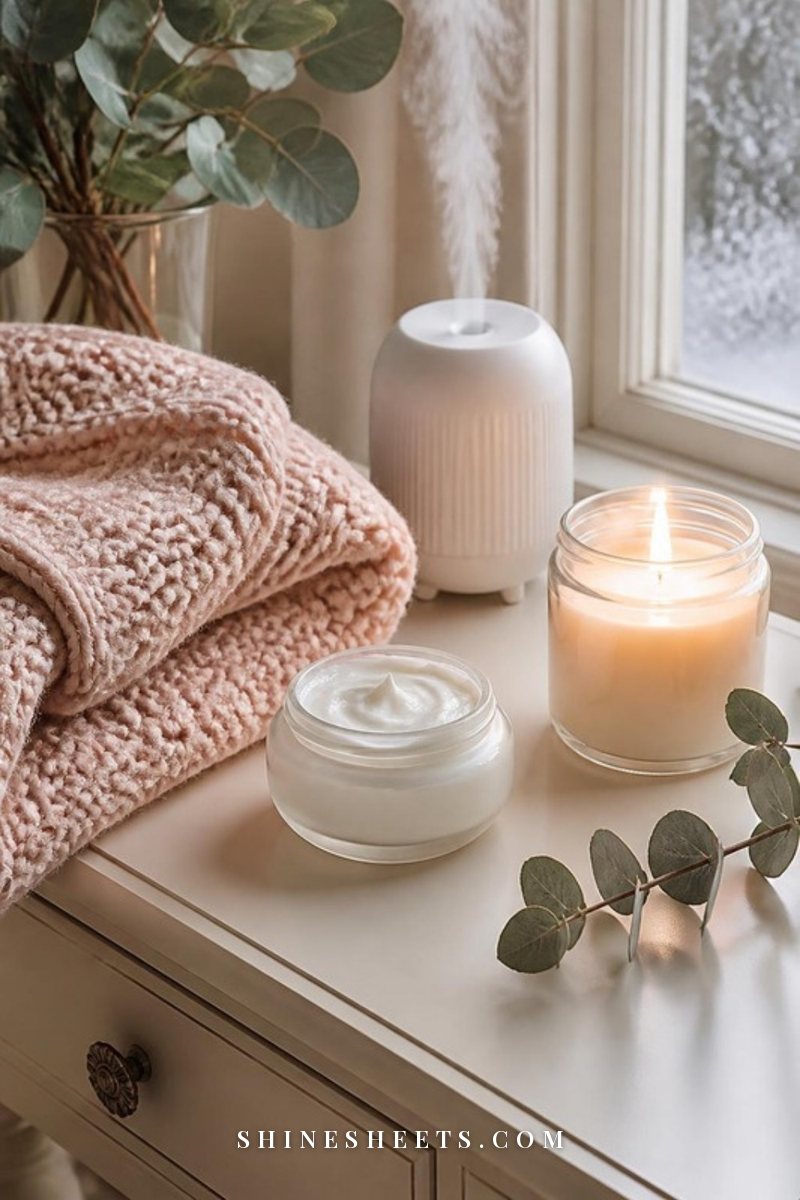
Cold air outside and heated air inside both pull moisture from skin, so dry-skin habits matter even more in winter. A few seasonal tweaks:
- Go a little cooler and shorter. It's tempting to stand under hot water to warm up, so warm the bathroom first instead (a closed door and a few minutes of running water does it).
- Switch to richer textures. Swap a light lotion for a cream or balm, and add body oil on top.
- Cleanse less. If you're not sweating much, you may only need body wash on key areas every day.
- Add humidity. A humidifier in the bedroom can help skin feel less tight overnight. Clean it as the manufacturer recommends.
- Protect hands outside. Gloves make a real difference for cracked knuckles.
If your face feels as dry as your body this time of year, my skincare routine for dry skin covers gentle cleansing and layering for your face too.
When To See a Dermatologist
Most shower-related dryness improves within a couple of weeks of gentler habits. But it's a good idea to check in with a dermatologist or your doctor if:
- Your skin is cracking, bleeding or very painful.
- Itching keeps you up at night or doesn't improve with moisturizing.
- You notice red, scaly or rough patches that come and go (which can be eczema or psoriasis).
- Dryness appears suddenly or comes with other symptoms like tiredness or changes in your hair or nails.
- Over-the-counter creams sting or make things worse.
A dermatologist can tell you what's going on and recommend products or treatments that suit your skin. There's no need to just put up with skin that feels uncomfortable every day.
Final Thoughts
Dry skin after a shower is one of those everyday frustrations that's surprisingly easy to fix once you know where it starts. Warm instead of hot, shorter instead of longer, patting instead of rubbing, and moisturizer within a few minutes – those small changes do most of the work.
Start with the two swaps that feel easiest, give your skin a couple of weeks, and let your shower become something that leaves you feeling soft and comfortable, not tight and itchy. Your skin deserves a little gentleness every day.