White cast isn't a sign that sunscreen "doesn't work" for your skin. It's a sign that the formula you picked wasn't designed with your skin tone in mind – and that's a very fixable problem. The right filter type, the right texture and a slightly different way of applying it can take you from chalky and gray to completely invisible.
And this matters beyond looks. If sunscreen leaves you looking ashy, it's natural to skip it or use a little less. Neither helps your skin. Finding a formula you actually enjoy wearing is what makes daily sun protection stick.
This guide to sunscreen white cast explains what causes it, why it shows more on medium and deep skin tones, how mineral, chemical and hybrid filters compare, and 7 practical ways to avoid it – plus a comparison table so you can choose a formula in a minute. It works for every skin tone, from very fair to very deep.
What Is Sunscreen White Cast?

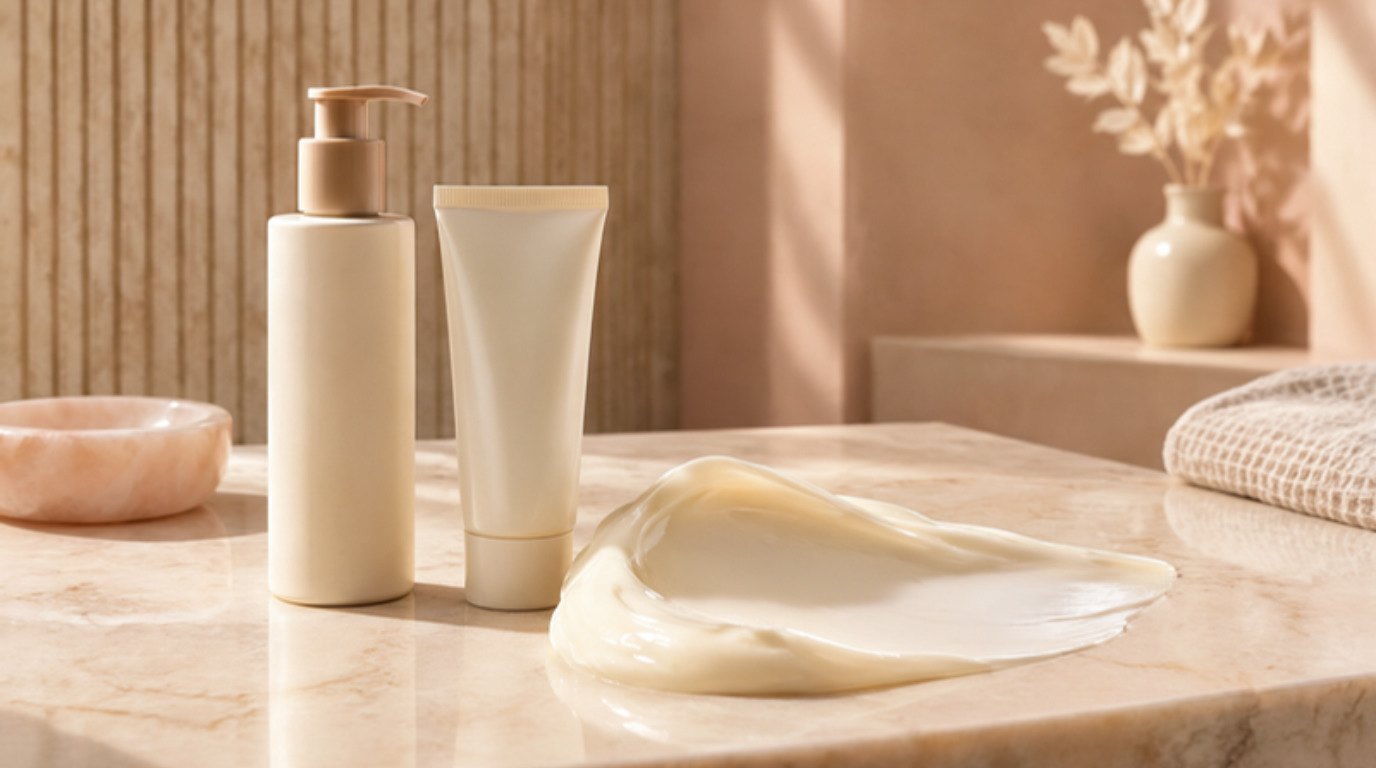
White cast is the pale, chalky, sometimes grayish or purple-ish film that some sunscreens leave behind. You'll notice it most in daylight photos, in the creases around your nose and along your hairline, or as a "ghostly" sheen when you look at yourself in natural light.
It comes mostly from the two mineral filters: zinc oxide and titanium dioxide. These are white powders. They sit on top of the skin, and as well as protecting you from UV, they scatter and reflect some visible light. That reflected light is exactly what your eyes read as a white layer.
A few other things make it worse:
- A high percentage of mineral filters (common in very high SPF mineral formulas).
- Thick, rich textures that sit on the surface rather than melting in.
- Dry or flaky patches, where product clings and looks patchy.
- Rubbing too hard, which can pill the product and leave streaks.
Why It Shows More on Medium and Deep Skin Tones
White cast happens on every skin tone – it's just much easier to see when the contrast is bigger. A white film over fair skin blends in. The same film over olive, brown or deep skin stands out right away, and it can look gray or ashy rather than white.
For years, a lot of sunscreen development and marketing simply didn't center deeper skin tones, which is part of why so many people with melanin-rich skin grew up thinking sunscreen "isn't for them." Thankfully, there are now many more sheer, tinted and invisible formulas. Every skin tone benefits from daily sun protection, and every skin tone deserves a sunscreen that disappears.
Mineral, Chemical and Hybrid Filters in One Minute
You don't need a chemistry degree, just the basics:
- Mineral sunscreens use zinc oxide and/or titanium dioxide. They're often a good pick for sensitive skin, but they're the ones most likely to leave a cast.
- Chemical sunscreens (also called organic filters) absorb UV inside the top layers of skin. They're usually clear, lightweight and leave little to no cast.
- Hybrid sunscreens combine both – often a little zinc oxide with chemical filters – for a sheerer finish than pure mineral.
Neither type is "better" overall; it depends on your skin, your sensitivities and what you'll actually wear every day. If you want the full side-by-side, my guide to mineral vs chemical sunscreen covers it in detail, and this explainer on choosing active sunscreen ingredients helps you read an ingredient list with confidence.
Sunscreen White Cast Comparison Table
This is the quick way to choose. Find your skin tone and your priorities, then look at the risk column. Screenshot it for your next shopping trip.
| Sunscreen type | White cast risk | Best for skin tone | Typical finish | Tip |
|---|---|---|---|---|
| Classic mineral (untinted, high zinc) | High | Fair to light | Matte to slightly chalky | Apply over a hydrating layer so it glides instead of dragging |
| Sheer or micronized mineral | Medium | Fair to medium | Soft matte | Press in with fingertips and give it time to settle |
| Tinted mineral | Low (if the shade matches) | All tones – choose the shade carefully | Natural, skin-like | Test on your jawline in daylight, not the back of your hand |
| Hybrid (mineral + chemical) | Low to medium | Light to deep | Natural to satin | A good middle ground if pure mineral looks ashy on you |
| Chemical lotion or cream | Very low | All tones, especially medium to deep | Satin to dewy | Patch test first if you have sensitive skin |
| Chemical fluid or gel | Very low | All tones | Lightweight, often invisible | Lovely for oily or combination skin and under makeup |
| Korean-style sun essence | Very low | All tones | Dewy, watery | Shake if the formula asks you to, and apply in two layers |
A quick note: "low risk" is a general guide, not a promise. Formulas vary a lot even within one category, so a little testing is always part of finding your match.
7 Ways To Avoid Sunscreen White Cast
You can use one of these or combine a few. Most people find their answer in the first two, then fine-tune with application.
1. Try a Chemical or Hybrid Formula
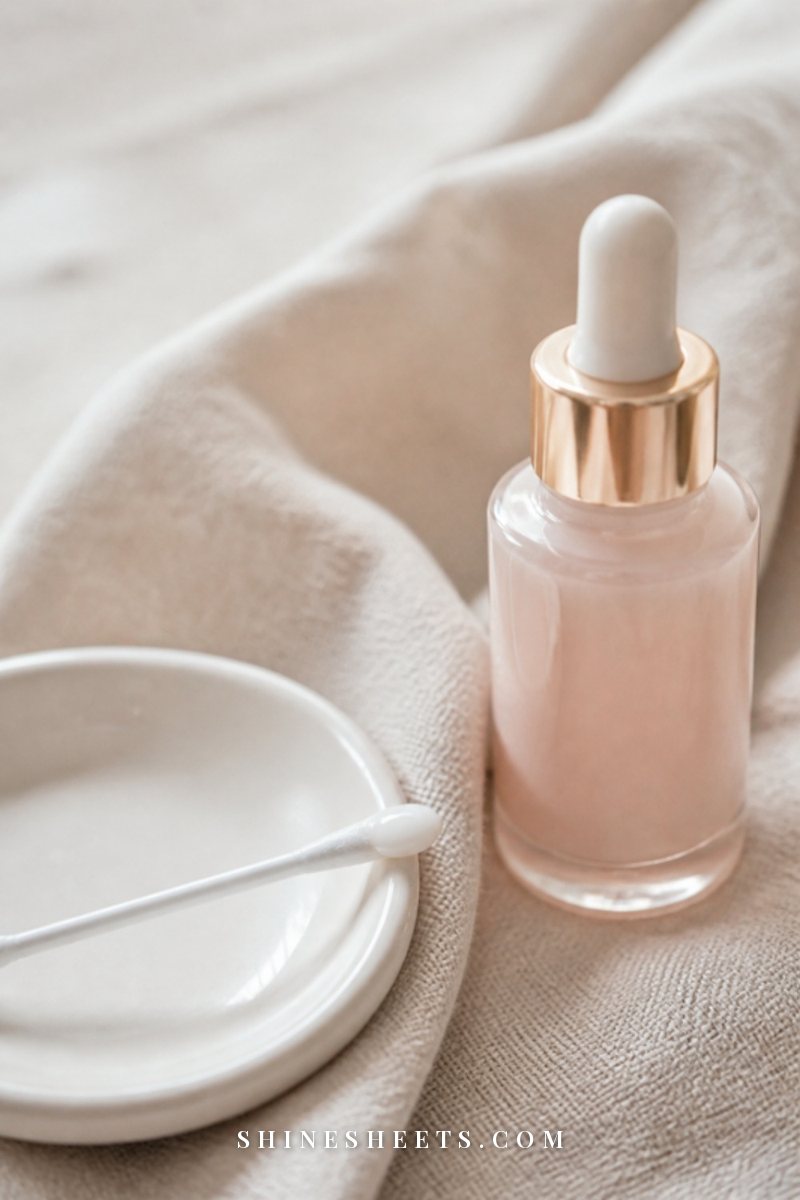
If mineral sunscreens always look ashy on you, the simplest fix is switching filter types. Chemical filters are clear once absorbed, and hybrids use only a small amount of mineral filter, so the cast is much softer.
- Look for words like "invisible," "sheer," "clear," "fluid" or "gel" on the packaging.
- Choose broad-spectrum protection with SPF 30 or higher for daily wear.
- For a lighter feel, a lightweight chemical sun fluid tends to sink in fast and wear beautifully under makeup.
- If you want a little mineral protection but a sheer finish, a hybrid daily sunscreen is a nice middle ground.
My skin is combination and sensitive (with a T-zone that turns shiny by lunch), so I always patch test new chemical filters before putting them all over my face. More on that below.
2. Choose a Tinted Mineral Sunscreen in a Matching Shade
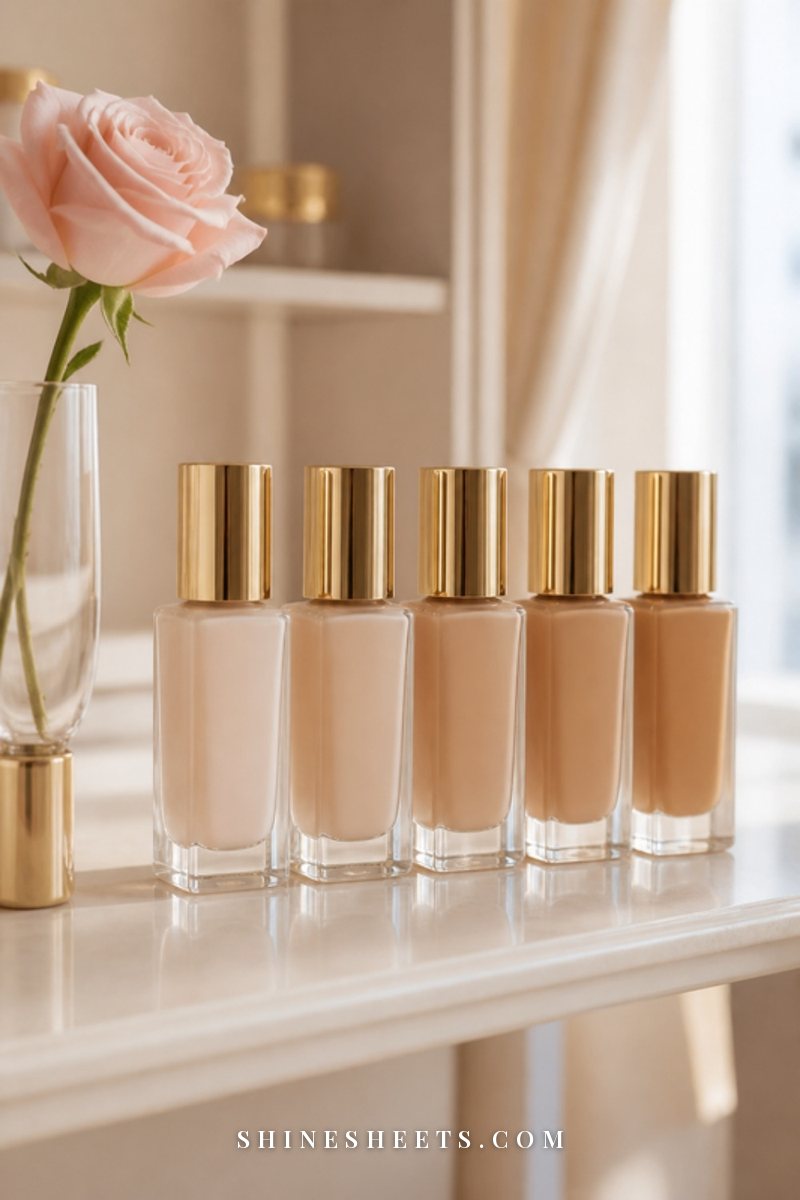
If you love mineral sunscreen – maybe because your skin is sensitive – tint is your best friend. Tinted formulas use iron oxides to add color, which cancels out the white of the zinc and titanium so the finish looks like skin.
- Shade matters most. A "universal tint" can still look gray on deep skin. Brands that offer several shades are a better bet.
- Test on your jawline, not your hand, and look at it in daylight near a window.
- Check undertone. If a shade looks gray or orange, try one warmer or cooler.
Look for a tinted mineral sunscreen that comes in more than one shade, and treat it like a very sheer skin tint. On many days, it can replace foundation entirely.
3. Pick Micronized or Sheer Mineral Formulas
Many newer mineral sunscreens use smaller, finely milled particles of zinc oxide or titanium dioxide (often labeled "micronized" or "sheer"). Smaller particles scatter less visible light, so the cast is noticeably lighter than old-school thick mineral creams.
They're not always completely invisible on deep skin, but they can be a huge improvement – especially paired with a hydrating layer underneath and a pressing technique (tip 6). If you've written off mineral sunscreen after one chalky experience years ago, it may be worth another look.
4. Apply in Two Thin Layers
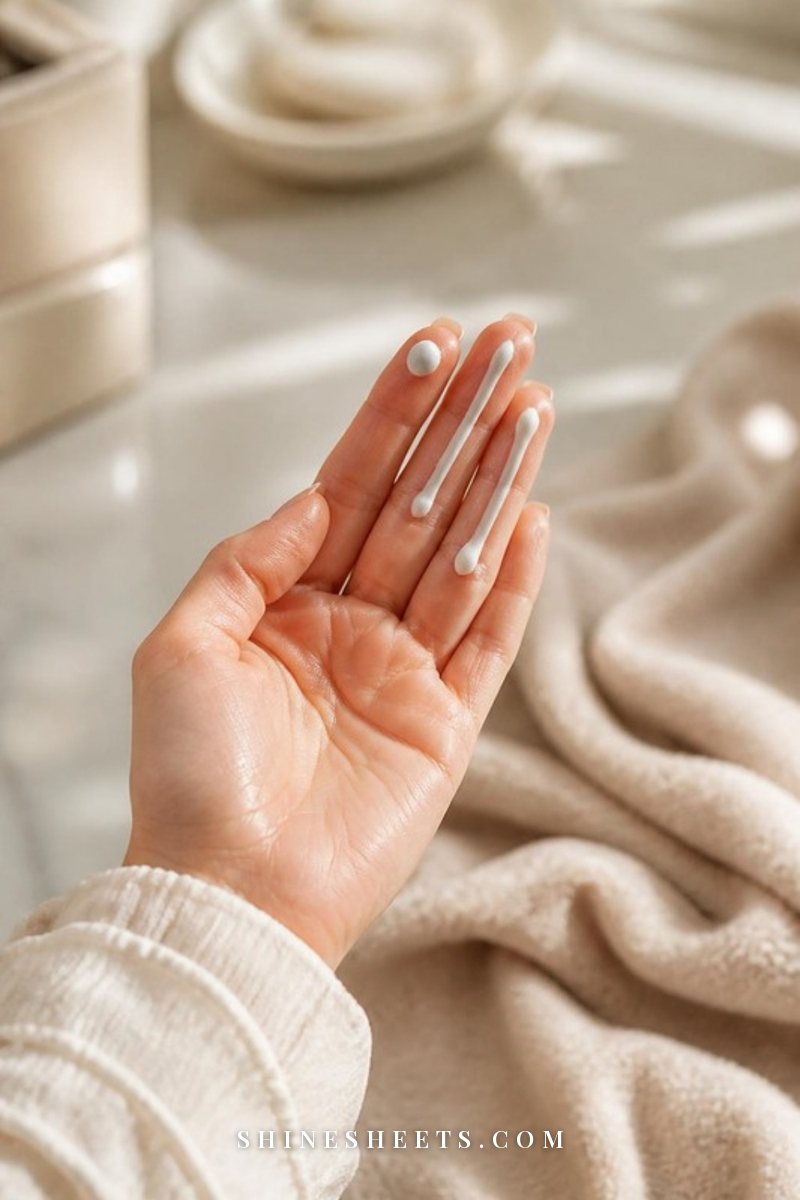
This is the single biggest technique change for most people. Instead of putting the whole amount on at once, split it in half.
- Squeeze out the first half (roughly one finger's length) and dot it across your forehead, cheeks, nose and chin.
- Spread it gently in thin sections, starting from the center of your face and moving outward.
- Wait about 1–2 minutes for it to settle.
- Apply the second half the same way, including your neck and ears.
Two thin layers melt in far more evenly than one thick layer, which means less pilling, less streaking and much less visible cast – while you still get the full amount. If you're not sure how much "the full amount" is, my guide on how much sunscreen to use on your face explains the two-finger rule.
5. Let It Set Before Makeup
Rushing straight from sunscreen to foundation is a classic cause of a gray, patchy finish. The sunscreen hasn't settled yet, so the foundation mixes with it and slides around.
- Give your sunscreen 5 to 10 minutes before makeup – the perfect time to make tea, brush your hair or get dressed.
- Touch your skin lightly with a clean fingertip. If it feels tacky-dry rather than wet, you're ready.
- If your sunscreen and makeup still don't play nicely, a thin layer of the right makeup primer can sometimes help, though many sunscreens work well as a primer on their own.
6. Press, Don't Rub
Vigorous rubbing pushes mineral particles into fine lines and pores, where they show up as white streaks. It can also cause pilling – those little rolled-up flakes of product.
Instead, spread the sunscreen lightly with your fingertips, then press and gently pat it into the skin for 20–30 seconds. Warm fingertips help it melt in. For a final soft blend, especially around the nose and hairline, you can tap a damp blush makeup sponge over any spots that still look pale. Pat lightly so you're blending rather than wiping product away.
7. Try a Korean-Style Essence or Fluid Texture
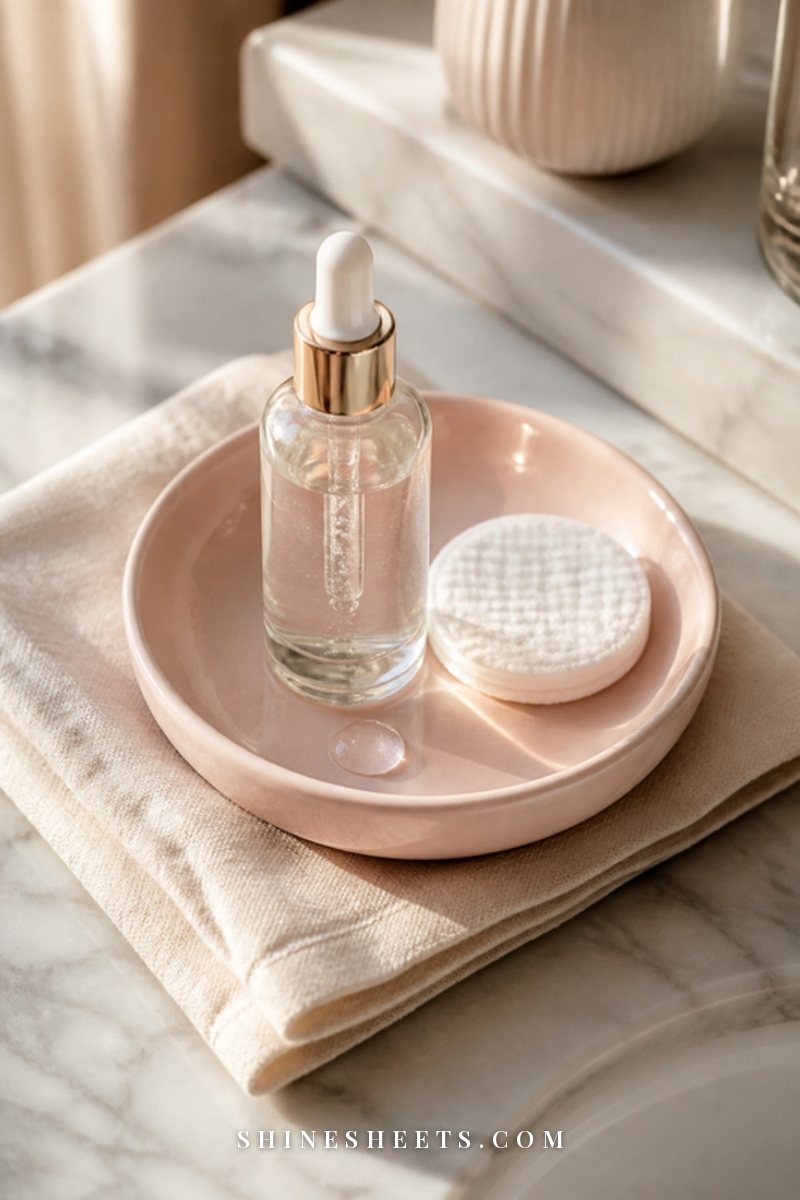
Korean sunscreens are famous for their watery essences, light gels and milky fluids, and for good reason: many of them are designed to look like nothing on the skin. The textures spread thinly and evenly, which is exactly what you want to avoid white cast.
- Look for words like "essence," "watery," "aqua" or "sun serum."
- Many of these formulas feel hydrating, which can be lovely for dry or combination skin.
- Some K-beauty sun essences are among the global best-sellers precisely because they disappear on so many skin tones.
A Korean-style sun essence is a great place to start if you've struggled with cast before and want something that feels more like skincare than sunscreen.
Never Use Less To Hide the Cast
This is the most important part of the whole guide, so I'll say it plainly: if a sunscreen leaves a cast, change the formula or the technique – not the amount.
The SPF number on the bottle is measured with a generous layer. Using a thin smear to "hide" the white means you get a lot less protection than the label suggests. That's true for every skin tone.
- Use about two finger lengths for your face and neck (the two-finger rule).
- If that amount looks chalky, it's a sign to try another formula from the table above.
- Reapply roughly every two hours when you're outdoors, and after swimming or sweating.
For your bag, a small cream travel case keeps a sunscreen, a sponge and a lip balm together, so reapplying on the go is easy.
How To Wear Makeup Over Sunscreen Without a Gray Tint
Sometimes the sunscreen itself looks fine, but it turns ashy once makeup goes on. A few small changes usually solve it:
- Match the base to your sunscreen. Water-based foundations tend to sit well over water-based sunscreens; silicone-based over silicone-based. If they clash, you'll often see pilling or a gray film.
- Go lighter with powder. Translucent or white setting powders can add their own cast on medium and deep skin, especially in flash photos. A tinted or shade-matched powder, pressed only where you get shiny, is kinder.
- Warm it back up. If you still look a little gray, a touch of bronzer or blush in a warm shade brings life back to the face.
- Reapply the smart way. My guide to reapplying sunscreen over makeup walks through sprays, sticks and sponge techniques that won't wreck your base.
One more note: SPF in foundation or powder is a lovely bonus, but on its own it usually isn't enough, because you'd need far more product than anyone actually wears. Use a dedicated sunscreen first, then makeup on top. My article on SPF in makeup explains why.
Choosing by Skin Type, Not Just Skin Tone
Skin tone decides how visible a cast will be. Skin type decides how a formula sits on you – and a texture that fights your skin type will look patchy no matter the shade. A few pointers:
Oily and Combination Skin
Gels, fluids and lightweight lotions are usually the easiest wear. Rich creams can slide around in the T-zone and leave a pale sheen on the forehead and nose by midday. If you get shiny, blot with a tissue before reapplying rather than piling product on top of oil. I'd choose a fluid with a soft satin finish over anything labeled "rich" or "nourishing."
Dry Skin
Dry, flaky patches grab onto mineral particles and make cast look worse. Apply a hydrating moisturizer first and give it a couple of minutes to sink in, so the sunscreen glides over smooth skin. Dewy essences and creamy chemical or hybrid formulas tend to look most natural.
Sensitive Skin
Many people with sensitive skin prefer mineral filters because they're often well tolerated. In that case, tinted and sheer mineral options are your best route to a cast-free finish. Fragrance-free formulas are a sensible place to start, and patch testing (below) is non-negotiable.
Common White Cast Mistakes
If you've tried a "no cast" sunscreen and still looked ashy, one of these small habits might be the culprit:
- Judging it too fast. Many formulas look pale for the first minute and settle into skin after two or three. Wait before you decide.
- Testing on your hand. The back of your hand is often a different shade from your face. Always check along the jawline.
- Checking only under bathroom lights. Warm indoor bulbs hide a cast that daylight reveals. Step to a window.
- Skipping the shake. Some fluids separate in the bottle. If the label says shake, shake – otherwise the filters can go on unevenly.
- Layering too many products. Serum, oil, moisturizer, primer and sunscreen can roll into a pilled mess. Keep the routine under sunscreen simple.
Patch Testing and When To See a Dermatologist
Whenever you try a new sunscreen – especially if you're switching filter types – patch test first:
- Apply a small amount to a spot along your jawline or behind your ear.
- Do it once a day for 3 to 5 days.
- If you notice redness, itching, stinging or bumps, stop using it.
Some stinging around the eyes is fairly common with certain chemical filters; a mineral or eye-specific stick can be gentler there. But if a sunscreen stings your whole face, causes breakouts, or leaves your skin irritated even after you stop, please see a dermatologist. They can help you figure out which ingredient is the problem and which formulas are likely to suit you. And if you have a skin condition or a history of reactions, they're the best person to guide your choice from the start.
Final Thoughts
White cast isn't your skin's fault, and it's not a reason to give up on sunscreen. It's simply a sign that you haven't met your formula yet. With the right filter, the right shade and a gentle two-layer, press-in routine, sunscreen can look like nothing at all on every skin tone.
Start with the table, try one new formula at a time and give it a fair week. The sunscreen you love wearing is the one that protects you best, because it's the one you'll reach for every single morning.