The dirtiest spots in a clean-looking home are often the smallest ones. Light switches, doorknobs and remotes get touched dozens of times a day, by every hand in the house, and almost never make it onto the cleaning list. They don't look dirty from across the room, so they quietly collect a film of skin oil, lotion, dust and whatever was on your fingers a minute ago.
The good news is that these are also the fastest spots to fix. A damp cloth, a cotton swab and about ten minutes a week will do more for how fresh your home feels than another round of mopping. It took me a while to notice that the grubby gray halo around a light switch was what made a hallway look tired, not the floor.
This guide walks you through how to clean light switches, doorknobs and remotes safely, one item at a time, plus 6 more high-touch spots most of us forget. You'll also find cleaning vs disinfecting explained in plain words, a simple table with what to use and how often, and the safety rules that keep your electronics dry and your lungs happy.
Why High-Touch Spots Get Grimy So Fast
Think about how many times a day you flip a switch, open a door or pick up the remote. Now multiply that by everyone in your home, plus guests. Each touch leaves a tiny layer behind:
- Natural skin oils. Even freshly washed hands carry some oil, and it builds up into that slightly sticky, shiny film.
- Hand cream and lotion. Lovely on your hands, less lovely on a white switch plate, where it grabs dust and turns gray.
- Food residue. Cooking hands open the fridge, touch cabinet pulls and grab the remote on the way to the sofa.
- Germs. Cold and stomach bug germs can sit on hard surfaces for a while, which is why these spots matter most when someone is sick.
- Dust. Once a surface is a little oily, dust sticks to it instead of drifting past.
None of this means your home is dirty or that you've been doing anything wrong. It just means these spots need their own small habit, because a regular dusting pass usually skips right over them.
A quick note on what this guide is and isn't: it's about everyday upkeep, the weekly wipe that keeps things fresh. If someone in your home has just been ill and you want a full room-by-room reset, my guide on how to clean your home after being sick covers bedding, bathrooms and the rest.
Cleaning vs Disinfecting, Explained Simply
These two words get used as if they mean the same thing, but they don't, and knowing the difference saves you time and harsh fumes.
Cleaning removes dirt, oil and most germs from a surface. Soap and water do this beautifully, because soap lifts grime and the cloth carries it away. For most weeks, in most homes, cleaning is all you need.
Disinfecting uses a product (like a disinfecting spray, diluted bleach or isopropyl alcohol) to kill the germs that are left. It works best on a surface that's already clean, because grease and grime can shield germs from the product.
The detail almost everyone skips is contact time, sometimes called dwell time. A disinfectant only works if the surface stays visibly wet for the time printed on the label, often anywhere from 30 seconds to 10 minutes. A quick spray-and-wipe looks clean but may not disinfect at all. Read the label once, remember the number, and let the surface sit.
My simple rule:
- Normal weeks: clean with a damp, soapy cloth.
- When someone is sick, or after guests during cold season: clean first, then disinfect, and respect the contact time.
If you prefer gentler products in general, my guide to natural cleaning explains which simple swaps actually work and which combinations you should never mix.
What You Need: A Small High-Touch Kit
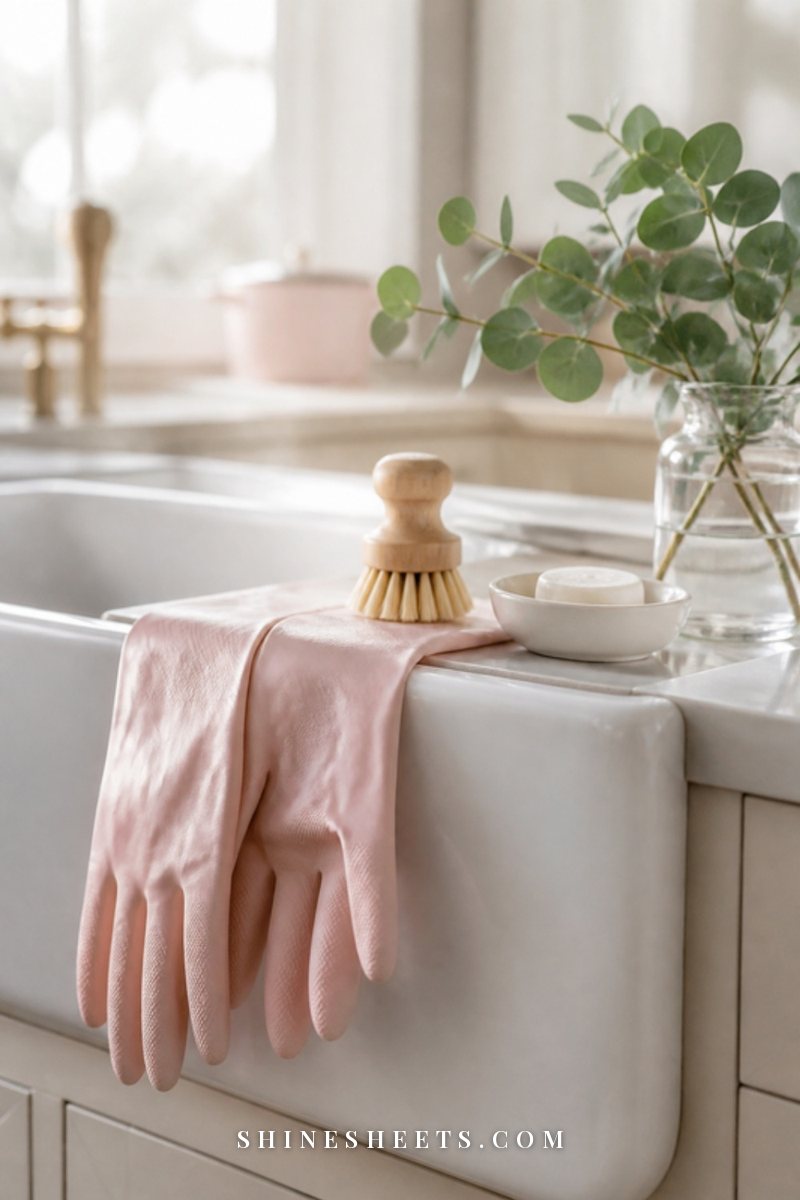
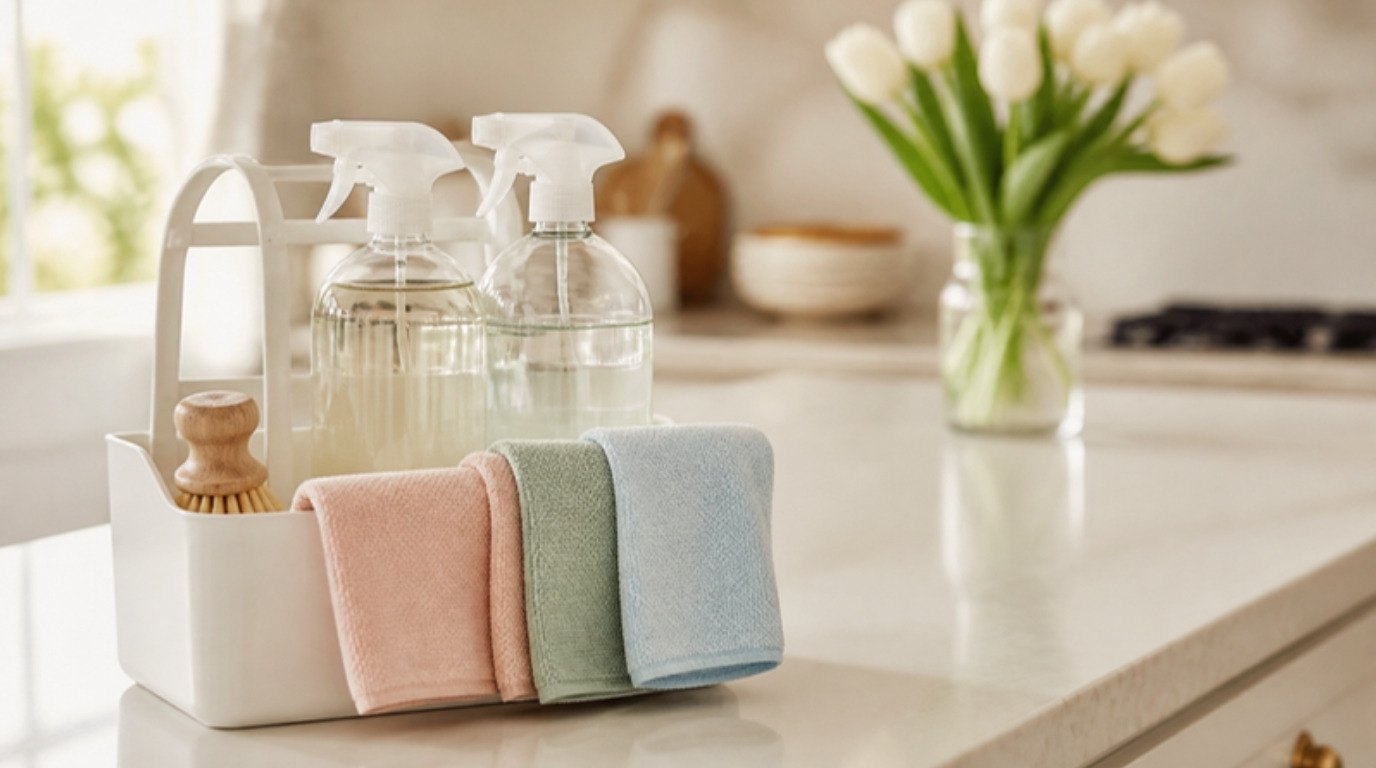
You don't need anything special, and you probably have most of this already. Keeping it together in one small caddy makes the weekly wipe much more likely to happen:
- Microfiber cloths. They grab oil and dust far better than paper towels. A soft set of microfiber cleaning cloths in a light color lets you see the grime come off, which is oddly satisfying.
- Cotton swabs. For switch edges, button gaps and the seams around knobs. A jar of cotton swabs on the cleaning shelf means you'll actually reach for them.
- A spray bottle. Fill it with warm water and a few drops of dish soap. A sage glass spray bottle is a pretty pick, and glass is easy to rinse and refill.
- Isopropyl alcohol (70%). For electronics and quick disinfecting. Pre-moistened isopropyl alcohol wipes are the easiest option for remotes and phones because they're damp, not dripping.
- Gloves. Any time you use a disinfectant or bleach solution, a pair of reusable rubber cleaning gloves protects your hands from drying out.
- A wooden toothpick. For the gunk stuck between remote buttons. Wood is softer than metal, so it won't scratch.
To keep everything in one place, a small cleaning caddy with a handle you can carry room to room works well. If your cleaning shelf is more chaos than calm right now, my guide on how to organize cleaning supplies helps you set up a spot where everything is easy to grab.
How To Clean Light Switches and Switch Plates
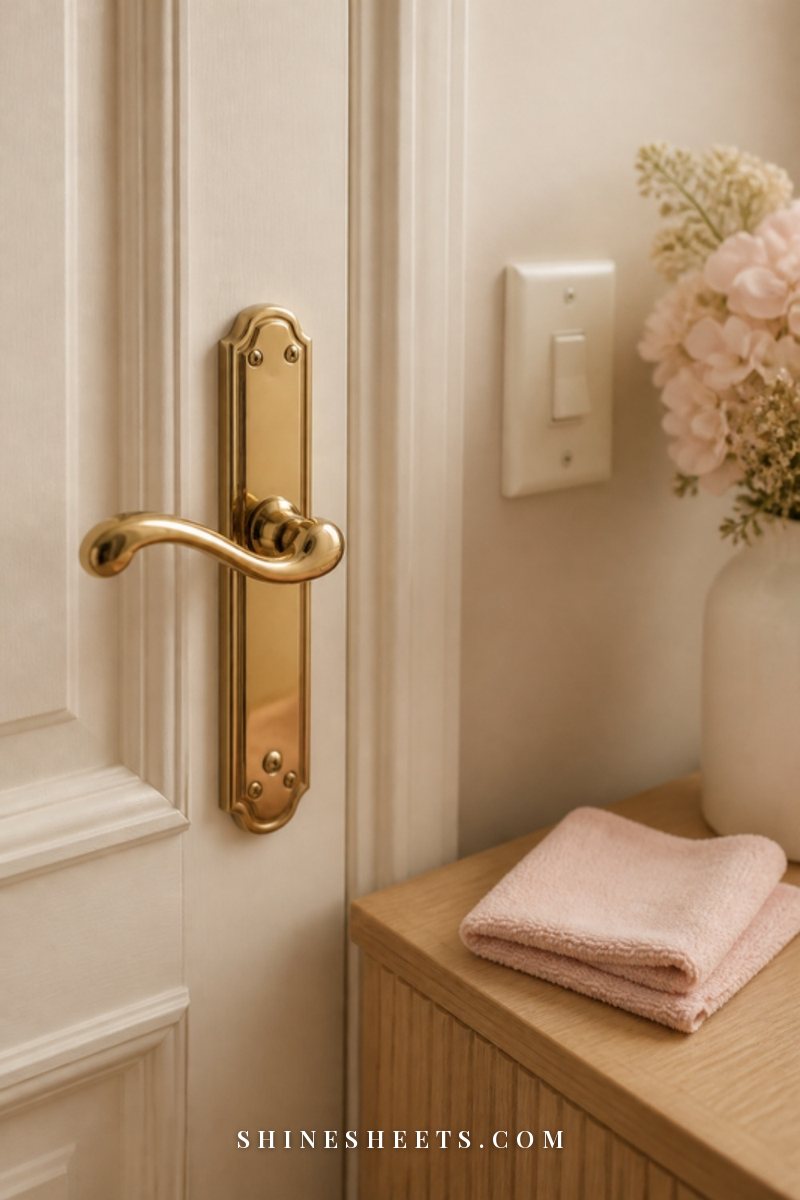
Light switches are the classic forgotten spot, and they're the one place you really need to be careful with liquid. Water and electricity don't mix, so the golden rule is simple: never spray the switch directly. Always spray the cloth.
- Turn the switch off if you can. If it controls a light you need, that's fine, just work with a barely damp cloth.
- Dampen your cloth, then wring it out. Spray your soapy water onto the microfiber cloth, then squeeze it so it's damp, not wet. If it drips, it's too wet.
- Wipe the plate in small circles. Start at the outer edge of the plate and work toward the switch. Most of the gray film comes off in 15 to 20 seconds.
- Clean the edges with a cotton swab. Dip a swab in your soapy water or alcohol, squeeze off the extra, and run it along the edge of the toggle and around the screws.
- Dry right away. Go over everything with a dry corner of the cloth so no moisture sits near the openings.
- Disinfect only if needed. Wipe with an alcohol wipe that's squeezed until almost dry, and let it air dry for the contact time on the package.
A few extra notes:
- Smudges on the wall around the switch: these are usually the bigger eyesore. Test a damp cloth on a hidden spot first, especially on flat or matte paint, which can mark easily. My guide on how to clean walls without ruining the paint goes through each paint finish.
- Brass, gold or decorative plates: skip alcohol and harsh sprays, which can dull a lacquered finish. Mild soapy water and a soft cloth are enough.
- Very old, yellowed plates: plastic plates sometimes yellow with age rather than dirt. If cleaning doesn't change the color, a replacement plate is inexpensive and makes a surprising difference.
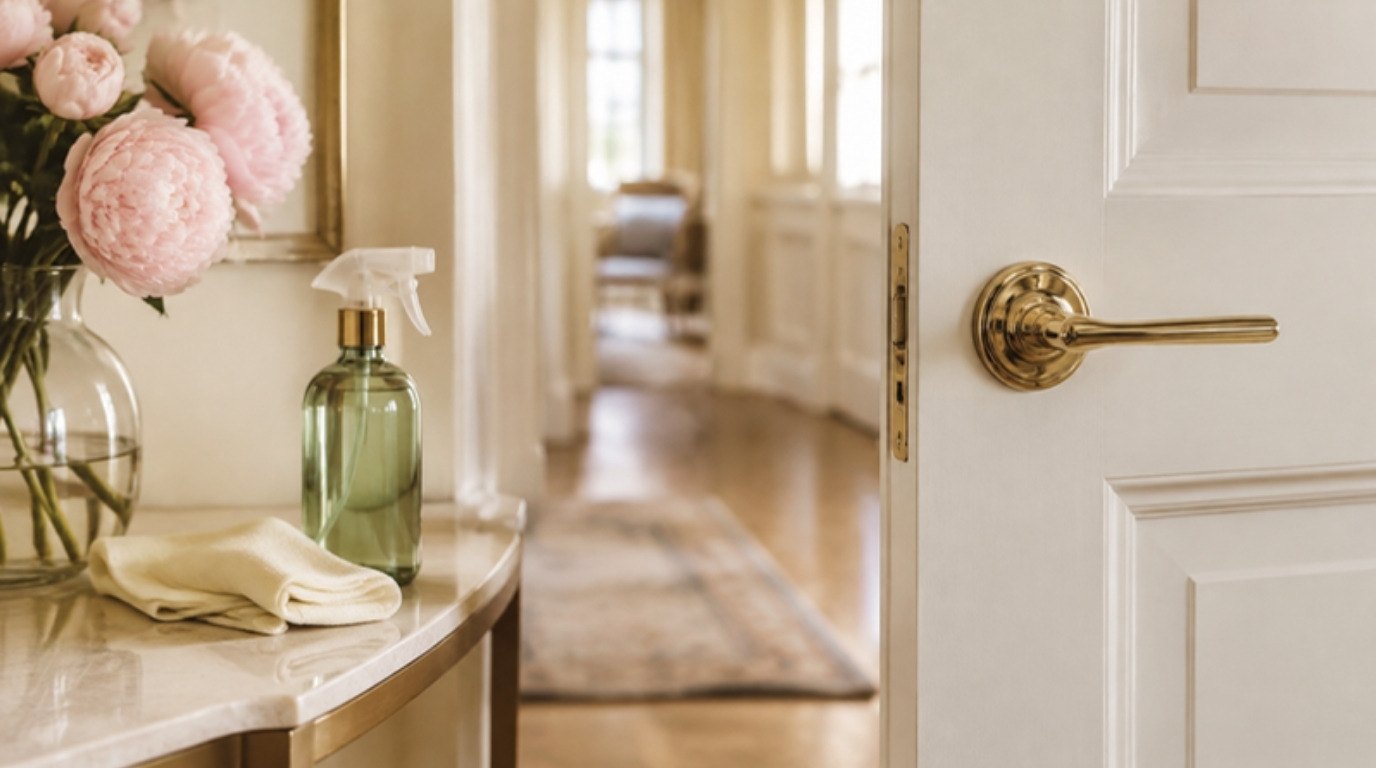
How To Clean Doorknobs and Door Handles
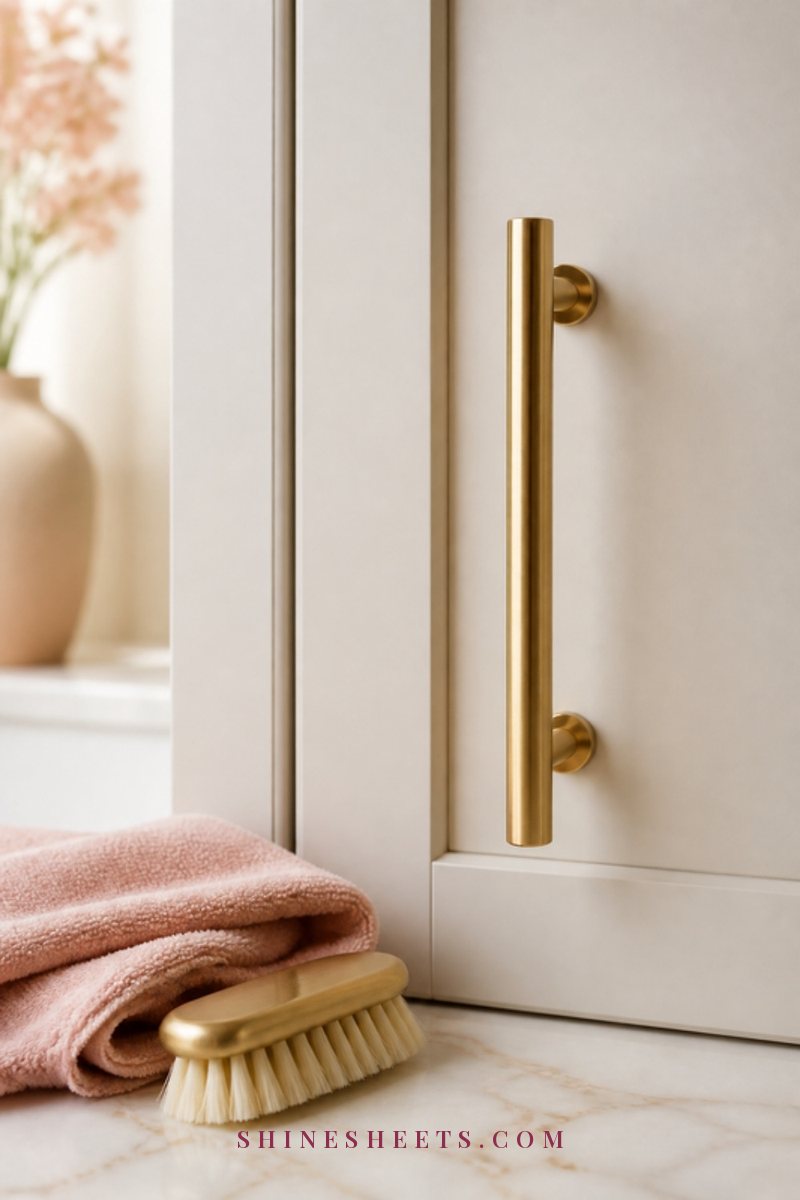
Doorknobs take the most hands of anything in your home, especially the front door, the bathroom door and the door to the kitchen or pantry. They're also sturdy, so you can be a little more generous with liquid here.
- Wash with soapy water. Spray your cloth (or the knob itself, if there's no electronic lock), and wipe the whole handle, including the underside and the back plate where fingers actually rest.
- Get into the seams. Run a cotton swab around the base of the knob and the edge of the rose (the round plate against the door), where grime builds up in a ring.
- Rinse and dry. Wipe with a clean damp cloth, then a dry one, so soap doesn't leave a dull film.
- Disinfect when needed. Spray a disinfectant onto the handle, leave it visibly wet for the full contact time on the label, then wipe or let it air dry as the label says.
Finish-friendly tips:
- Stainless steel and chrome: soap and water, then buff dry to prevent spots.
- Brass and bronze: mild soap only. Many brass handles have a protective lacquer, and alcohol or acidic cleaners can strip it. Unlacquered brass naturally darkens over time, which many people love as patina.
- Matte black hardware: gentle soap and a soft cloth. Avoid anything abrasive, which can leave shiny patches.
- Smart locks and keypads: treat them like electronics. Spray the cloth, never the lock, and keep moisture away from the keypad edges.
While you're at the door, give the area around the handle a quick wipe too. A lot of hands push the door itself, and that's where the faint gray patch on a white door comes from.
How To Clean a TV Remote
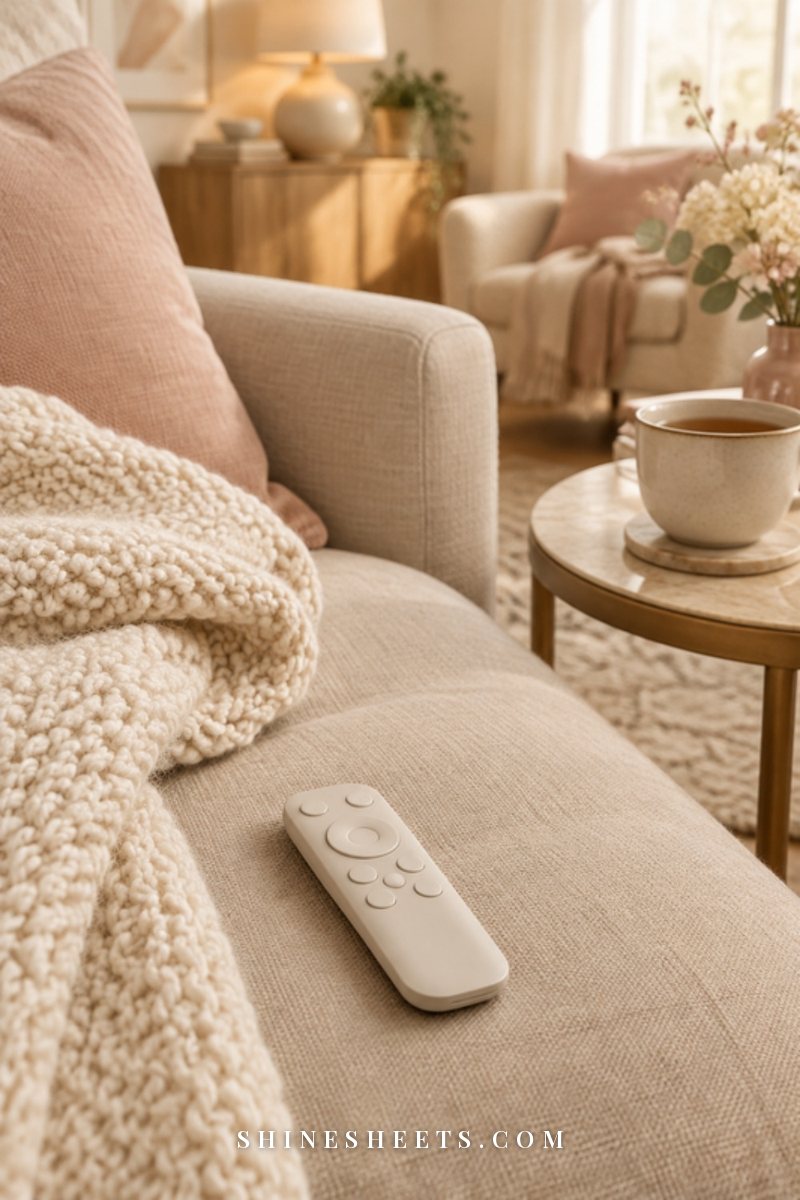
The remote might be the grubbiest object in the living room. It gets passed around, dropped between cushions, and held with snack fingers. Here's how to clean it without harming it:
- Take the batteries out. This protects the remote if any moisture sneaks in, and stops you changing the channel twelve times while you clean.
- Shake out the crumbs. Turn it button-side down and tap it gently against your palm. You'll be surprised what falls out.
- Clear the gaps. Run a wooden toothpick around each button to loosen built-up grime, then sweep it away with a dry cotton swab.
- Wipe with alcohol. Use an alcohol wipe, or a cloth lightly dampened with 70% isopropyl alcohol and squeezed well. Alcohol is great here because it evaporates quickly and doesn't leave water behind.
- Swab between buttons. Dip a cotton swab in alcohol, squeeze it against the bottle rim, and trace around each button.
- Let it dry for 5 minutes. Then put the batteries back.
Don't forget the back and the battery cover, which your hand touches more than the buttons do. And the same method works for game controllers, air conditioner remotes and any small handheld device with buttons. Never soak a remote or run it under the tap.
6 More High-Touch Spots To Wipe
Once you start noticing high-touch spots, you see them everywhere. These six are worth adding to the same weekly pass.
1. Your Phone
Your phone goes everywhere your hands go, including the bathroom and the kitchen counter. Power it off, remove the case, and wipe the outside with an alcohol wipe or a microfiber cloth lightly dampened with 70% isopropyl alcohol. Keep moisture away from the charging port, speakers and buttons. Wash the case separately with warm soapy water (if it's silicone or plastic), and let it dry completely before putting it back. Avoid paper towels on the screen, which can leave fibers and fine scratches, and skip bleach or abrasive powders entirely. Check your phone maker's guidance if you're unsure about your model.
2. Keyboard and Mouse
Unplug the keyboard or switch it off. Turn it upside down and tap gently to release crumbs, then use a dry cotton swab between the keys. Wipe the key tops and the mouse with a barely damp alcohol wipe, and let everything air dry for a few minutes before switching back on. For a laptop, shut it down first and follow the same idea: damp cloth, never wet, nothing poured or sprayed directly.
3. Faucet Handles
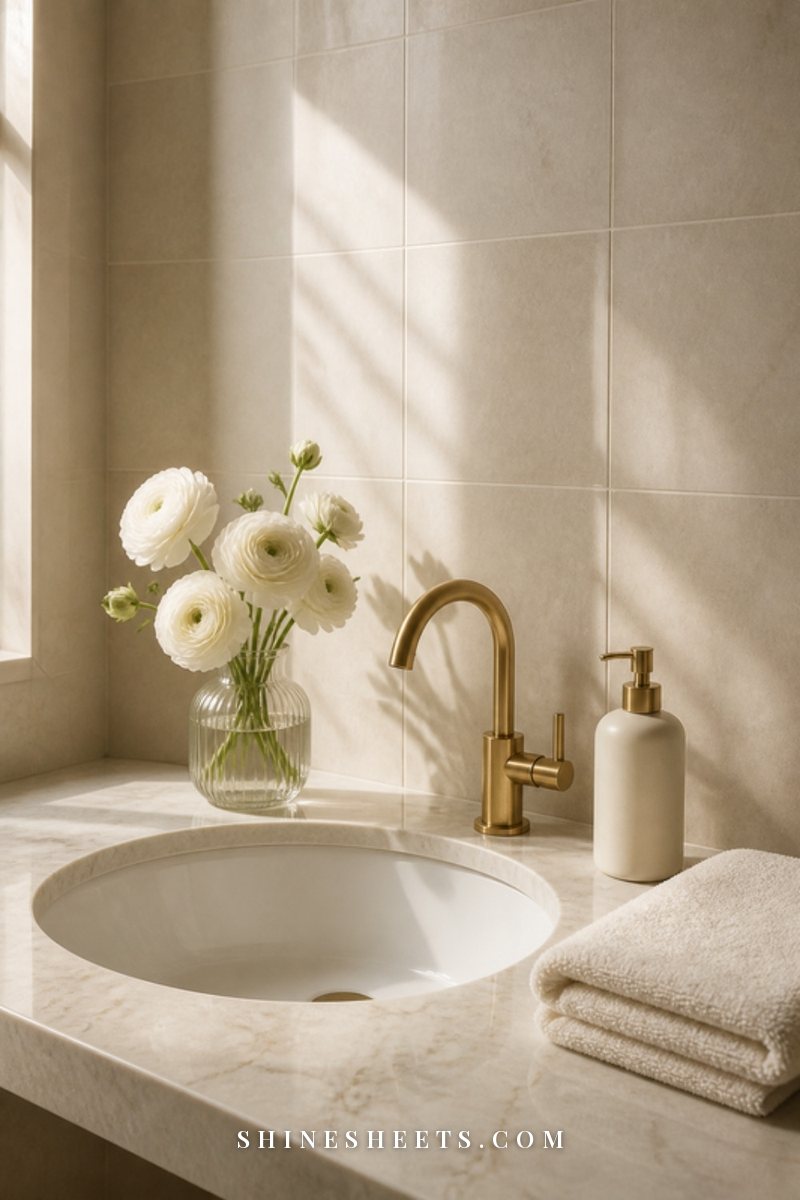
Faucet handles are touched with dirty hands, by definition, since you touch them before you've washed. Wipe them with soapy water every time you clean the sink, using a cotton swab around the base where grime and water spots gather. Buff dry with a microfiber cloth to prevent spots. During cold and flu season, disinfect the handles in the bathroom and kitchen and let the product sit for its full contact time. Skip harsh or acidic cleaners on gold, brass or matte finishes, since they can strip the coating.
4. Fridge Handle
The fridge handle collects a mix of cooking hands and grabbing-a-drink hands. Spray your soapy water onto a cloth and wipe the full length of the handle, including the inside where fingers curl around it. On stainless steel, wipe in the direction of the grain and buff dry. Do the freezer handle, the dishwasher handle and the microwave door handle while you're there, since they're right next to each other.
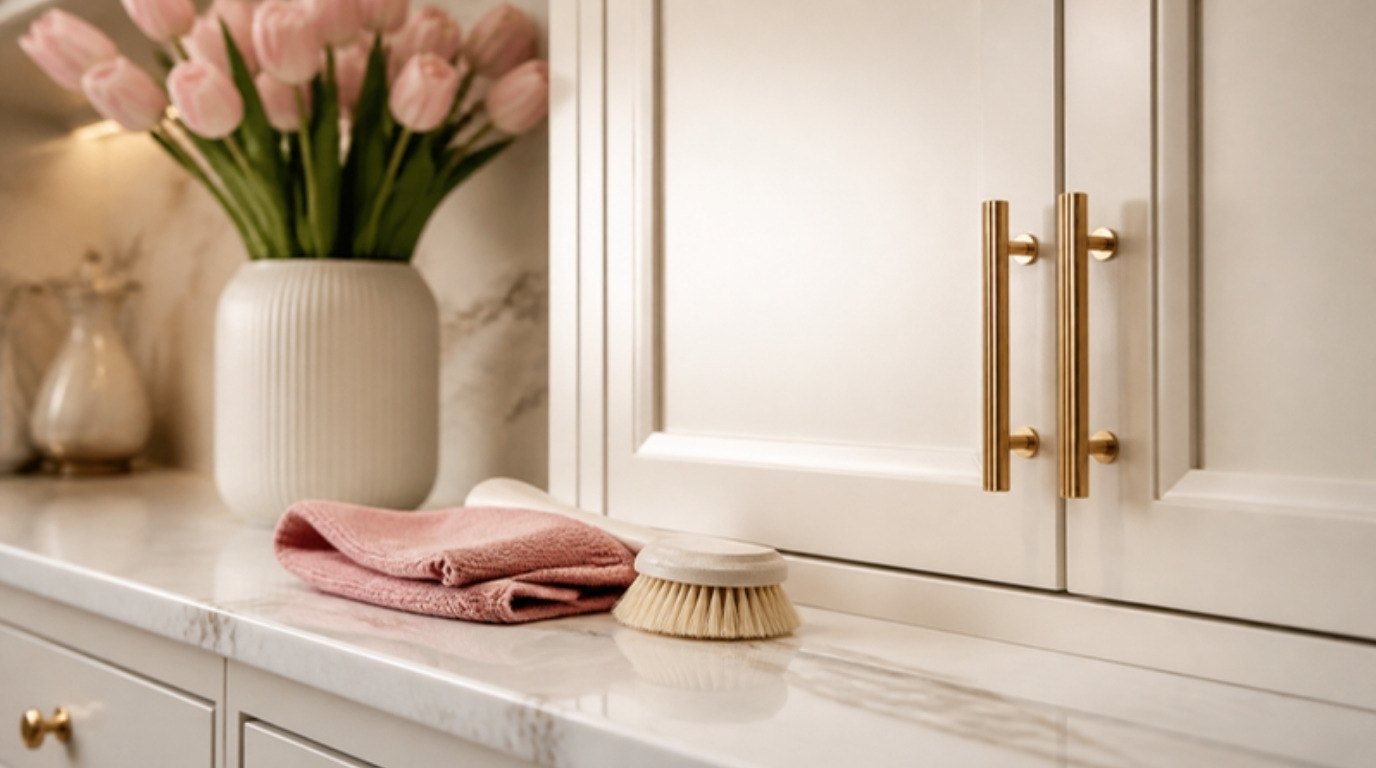
5. Cabinet Pulls and Drawer Knobs
Kitchen cabinet pulls often feel slightly tacky, especially near the stove, because cooking grease settles on them. Wipe each one with warm soapy water, use a cotton swab around the base where it meets the cabinet door, and dry. For the cabinet fronts around the pulls, a degreasing dish soap solution usually does the trick. Bathroom drawer pulls and the knob on the linen closet count too.
6. Stair Rail and Banister
Everyone holds the rail on the way up and down, often in socks and pajamas with sleepy hands. Run a damp, soapy microfiber cloth along the length of the rail, then follow with a dry cloth. For wood rails, use only a lightly damp cloth and dry right away, since standing water can dull the finish. Don't forget the newel post at the bottom, which gets grabbed for balance on the last step.
A few bonus spots, if you're on a roll: the toilet flush handle, the light pull in a closet, thermostat buttons (spray the cloth, never the device), car keys, and the handle of your purse or tote.
How Often To Clean High-Touch Spots
Here's the whole guide in one table. Screenshot it, or keep it near your cleaning caddy, and adjust the timing to your home. More people, pets or kids' hands means more often. Illness in the home means daily for the busiest spots until everyone is well.
| Item | Cleaner | Method | How often |
|---|---|---|---|
| Light switches and plates | Soapy water or 70% alcohol on the cloth | Barely damp cloth, swab the edges, dry right away | Weekly; daily when someone is sick |
| Doorknobs and handles | Soapy water; disinfectant when needed | Wipe all sides, swab the base, rinse and dry | Weekly; front and bathroom doors twice weekly |
| TV remotes and controllers | 70% alcohol wipe | Batteries out, toothpick in gaps, wipe, dry 5 minutes | Weekly |
| Phone | 70% alcohol wipe | Power off, case off, wipe gently, keep ports dry | Every few days |
| Keyboard and mouse | Dry swab, then alcohol wipe | Unplug, tap out crumbs, wipe keys | Weekly |
| Faucet handles | Soapy water; disinfectant when needed | Wipe, swab the base, buff dry | Every time you clean the sink |
| Fridge and appliance handles | Soapy water | Wipe full length, follow the grain, buff dry | Weekly |
| Cabinet pulls and drawer knobs | Warm soapy water | Wipe, swab the base, dry | Weekly in the kitchen, monthly elsewhere |
| Stair rail and banister | Soapy water, lightly damp cloth | Wipe length of rail, dry right away | Weekly |
If you'd like to fit these into a bigger rhythm, my cleaning schedule shows what to clean daily, weekly and monthly, and high-touch spots slot neatly into the weekly list.
Safety Notes Worth Remembering
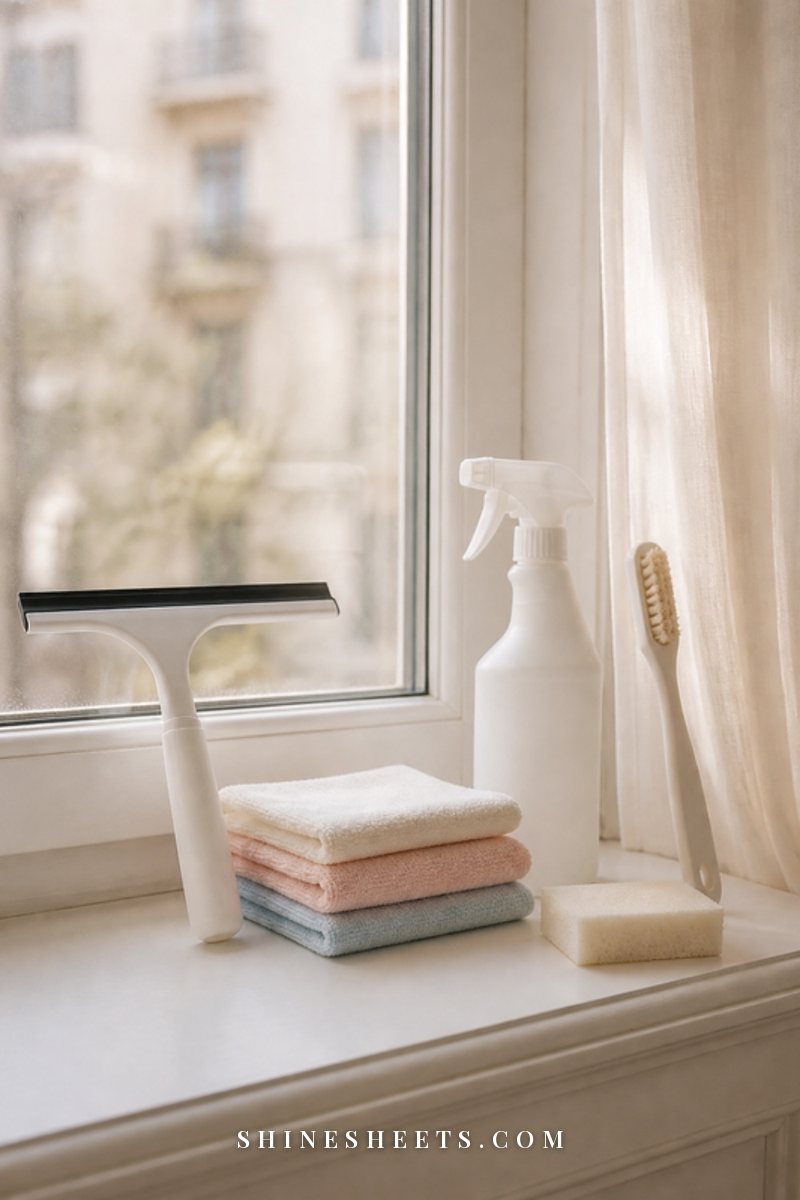
These spots are small, but the products we use on them can be strong. A few rules keep everyone safe:
- Never mix bleach with ammonia or vinegar. Bleach plus ammonia creates toxic chloramine fumes, and bleach plus vinegar (or any acid) releases chlorine gas. Also avoid mixing different cleaning products in general, and rinse a surface with water before switching from one product to another.
- If you use bleach, dilute it. Follow the label on the bottle for disinfecting hard surfaces, mix it in cool water, and make a fresh batch each day you use it. Bleach isn't a good choice for metal hardware, electronics or colored finishes.
- Ventilate. Open a window or turn on a fan when you disinfect, especially in a small bathroom or hallway.
- Wear gloves for disinfectants and bleach solutions, and wash your hands afterward.
- Keep electronics dry. Power off, spray the cloth not the device, and never let liquid drip into ports, buttons or switch openings.
- Test finishes first. Try any new cleaner on a hidden spot of a decorative plate, a painted wall or a specialty handle before using it everywhere.
- Store products safely. Keep disinfectants and alcohol out of reach of children and pets, in their original containers with the labels on.
A 10-Minute Weekly High-Touch Routine
Here's how to make it a habit instead of a chore you remember once a season. Pick one day, and walk through your home with your caddy in this order, so you never double back:
- Minute 0 to 1: Fill your spray bottle with warm water and a few drops of dish soap, and grab two cloths (one damp, one dry), swabs and alcohol wipes.
- Minute 1 to 3: Front door handle, entry light switch, any keys or bowl by the door.
- Minute 3 to 5: Kitchen: fridge handle, appliance handles, cabinet pulls, faucet handles, light switches.
- Minute 5 to 7: Living room: remotes, lamp switches, door handles, the stair rail on your way past.
- Minute 7 to 9: Bathroom and bedrooms: faucet handles, flush handle, door handles, light switches, drawer pulls.
- Minute 9 to 10: Phone and keyboard, then toss the cloths in the wash.
On low-energy days, just do the front door, the kitchen and the remote. That covers the spots with the most hands on them, and that's genuinely enough.
One tip that helps me: I keep this routine paired with something I already do each week, like changing the sheets or emptying the bins. Habits stick so much better when they hitch a ride on an old one.
Final Thoughts
Learning how to clean light switches, doorknobs and remotes isn't about chasing germs or keeping a spotless home. It's about giving a little attention to the places your hands touch most, so your home feels fresh where it counts.
Ten minutes, a damp cloth and a cotton swab, once a week. That small habit is enough to make a whole house feel lighter, and you deserve a home that feels good under your fingertips.