The best time to clean your home after being sick isn't the moment you feel a flicker of energy. It's once the worst has passed and you can move around without wobbling, and even then the goal is smart, not spotless. A short, focused round of cleaning on the things everyone touches does far more than a frantic top-to-bottom scrub.
Being sick tends to leave a trail: tissues on the nightstand, a mug you lived out of for three days, sheets that have seen things, a remote that went everywhere with you. None of that is a reason to feel embarrassed. It's just a home that took care of you, and now it's your turn to take care of it, gently.
This guide walks you through how to clean your home after being sick, room by room: when to start, which surfaces matter most, the difference between cleaning and disinfecting, how to handle bedding and laundry, and what you can happily skip. There's also a post-sick cleaning table you can screenshot and work through at your own pace. Before you start, pull on a pair of long rubber cleaning gloves, open a window and keep a glass of water nearby.
When To Clean After Being Sick
There's no prize for scrubbing the bathroom with a fever. If you're still in the thick of it, rest is your only job. Clean only what truly can't wait (a spill, a full trash can, a bathroom that someone else also has to share) and leave the rest.
The sweet spot is usually once your symptoms are clearly easing and you feel steady on your feet. That's when a reset makes sense, because you're no longer adding new germs to everything you touch every hour. If someone else in your home is still sick, do a light daily wipe of shared spots and save the big reset for when everyone is on the mend.
A simple way to think about it:
- While sick: trash out, tissues contained, wash your hands often, one quick wipe of the bathroom faucet and flush handle if you share a bathroom.
- Turning the corner: high-touch surfaces, a fresh set of sheets, laundry.
- Feeling like yourself again: the full room-by-room reset below.
If the illness was serious, if someone in your home has a weakened immune system, or if a doctor gave you specific instructions, follow their guidance first. This guide is about everyday home care, not medical advice.
Clean vs. Disinfect: The Two-Step Rule
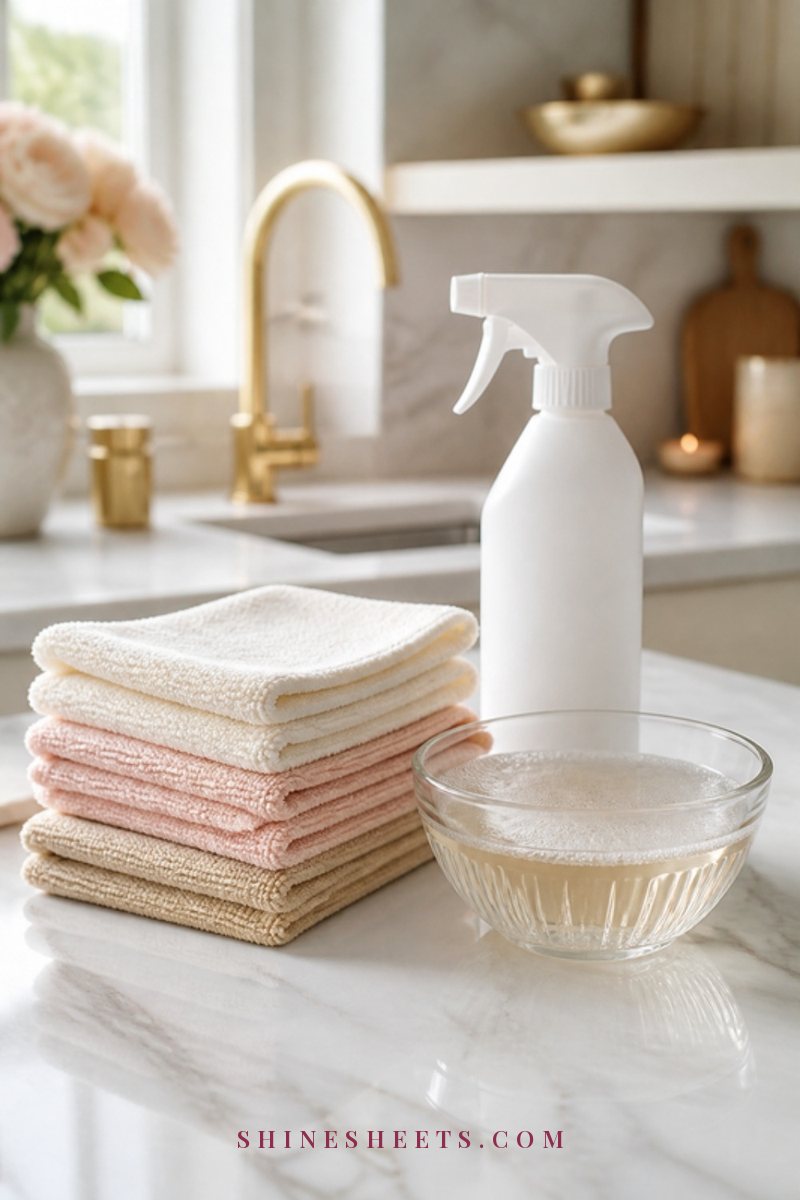
This is the part most people skip, and it's the one that makes the biggest difference. Cleaning and disinfecting are two different jobs:
- Cleaning removes dirt, grime and a lot of germs with soap or a general cleaner and a cloth. It's the physical part.
- Disinfecting uses a product made to kill the germs listed on its label. It only works properly on a surface that's already clean.
The rule, then: clean first, then disinfect. If you spray a disinfectant over a sticky film of fingerprints and spilled tea, the product spends its effort on the grime instead of the germs.
The second half of the rule is dwell time (sometimes called contact time). Most disinfectants need the surface to stay visibly wet for a set number of minutes, often somewhere between one and ten, to do what the label says. Spray-and-wipe-instantly doesn't count. Read the back of the bottle, set a timer on the oven if you need to, and let it sit.
When you shop, look for an EPA-registered disinfecting spray (the registration number is printed on the label) and check which surfaces it's safe for. Some are fine on sealed stone, others aren't, and many shouldn't touch unsealed wood.
Your Post-Sick Cleaning Plan
Here's the whole reset in one place. Work top to bottom, one row at a time, and stop whenever you need a break. Product type matters more than brand, and dwell times are typical ranges: always follow the label on what you have.
| Room | What to clean | Product type | Dwell time |
|---|---|---|---|
| Everywhere | Door handles, light switches, cabinet pulls | Cleaner, then disinfectant spray or wipe | Per label, often 1–10 min |
| Everywhere | Phone, remote, keyboard, tablet case | Electronics-safe wipe (check maker's guidance) | Per label, then air dry |
| Bedroom | Sheets, pillowcases, blanket, pajamas | Detergent plus laundry sanitizer if you like | Warmest setting the care label allows |
| Bedroom | Nightstand, lamp switch, water glass | All-purpose cleaner, then disinfectant; glass in dishwasher | Per label |
| Bathroom | Toilet flush handle, seat, faucet, sink | Bathroom cleaner, then disinfectant | Per label, often 5–10 min |
| Bathroom | Hand towels, bath mat | Detergent, hot wash if care label allows | Full wash cycle |
| Kitchen | Fridge handle, kettle, microwave buttons, faucet | Dish soap wipe, then food-safe disinfectant | Per label, rinse food-contact areas if label says |
| Kitchen | Sponges, dish towels | Replace sponge; wash towels hot | Full wash cycle |
| Living room | Remote, couch throw, cushion covers | Wipe plus washable covers in the machine | Per label / full cycle |
| Air | Sick room and living areas | Fresh air: windows open | 10–15 min, a few times a day |
If the table feels like a lot, just do the first row today. That one row covers the spots every hand in the house touches.
Start With the High-Touch Surfaces
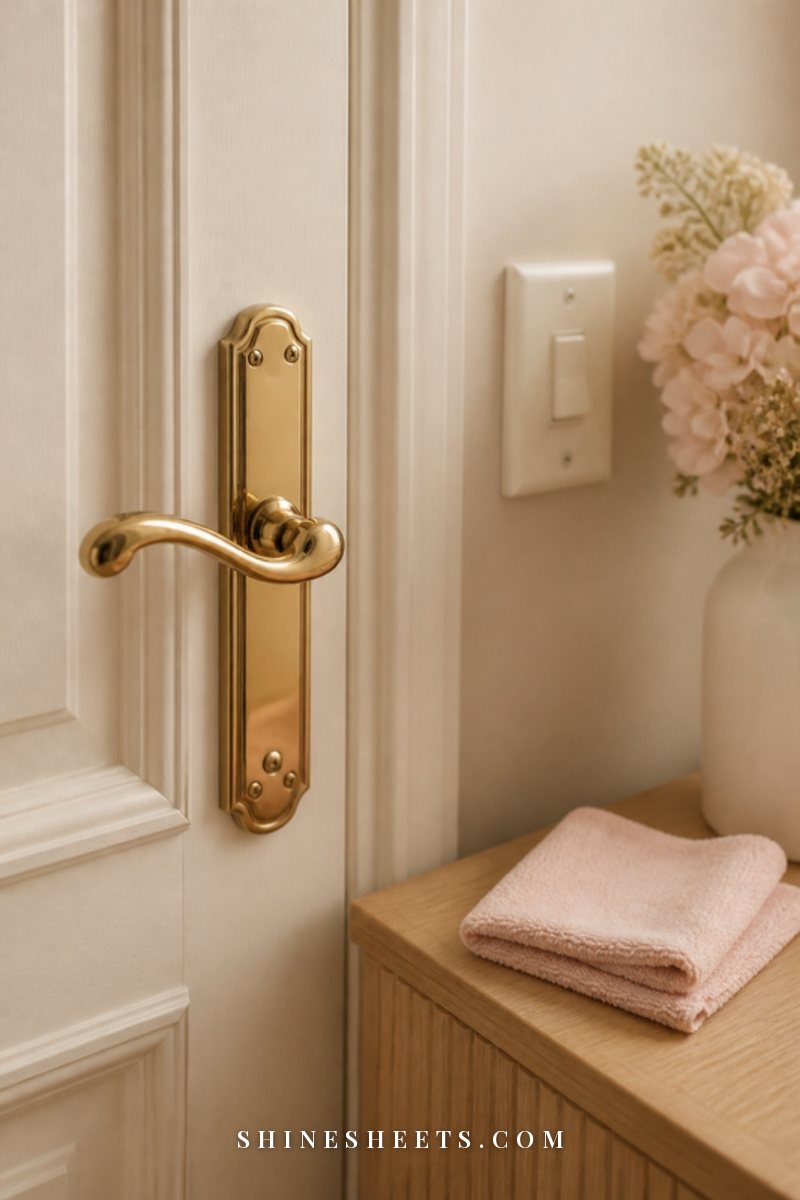
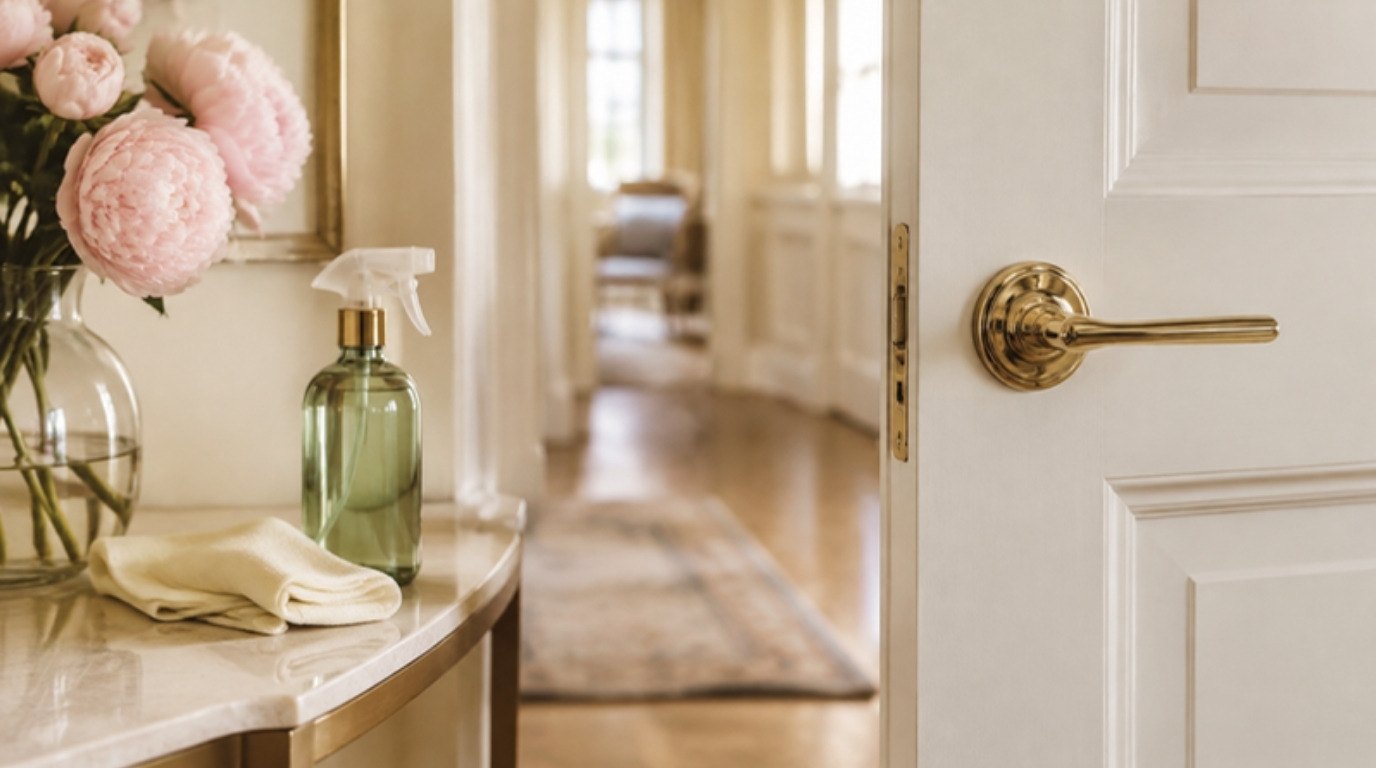
If you only have energy for twenty minutes, spend them here. These are the places germs hitch a ride from hand to hand, and they're tiny, so they go fast. Walk through your home with a cloth in one hand and your spray in the other and hit:
- Door handles and knobs (front door, bedroom, bathroom, fridge)
- Light switches and lamp switches
- Cabinet and drawer pulls
- Faucet handles in the kitchen and bathroom
- The toilet flush handle
- TV remotes and game controllers
- Your phone and its case
- Stair railings and the handle of the trash can
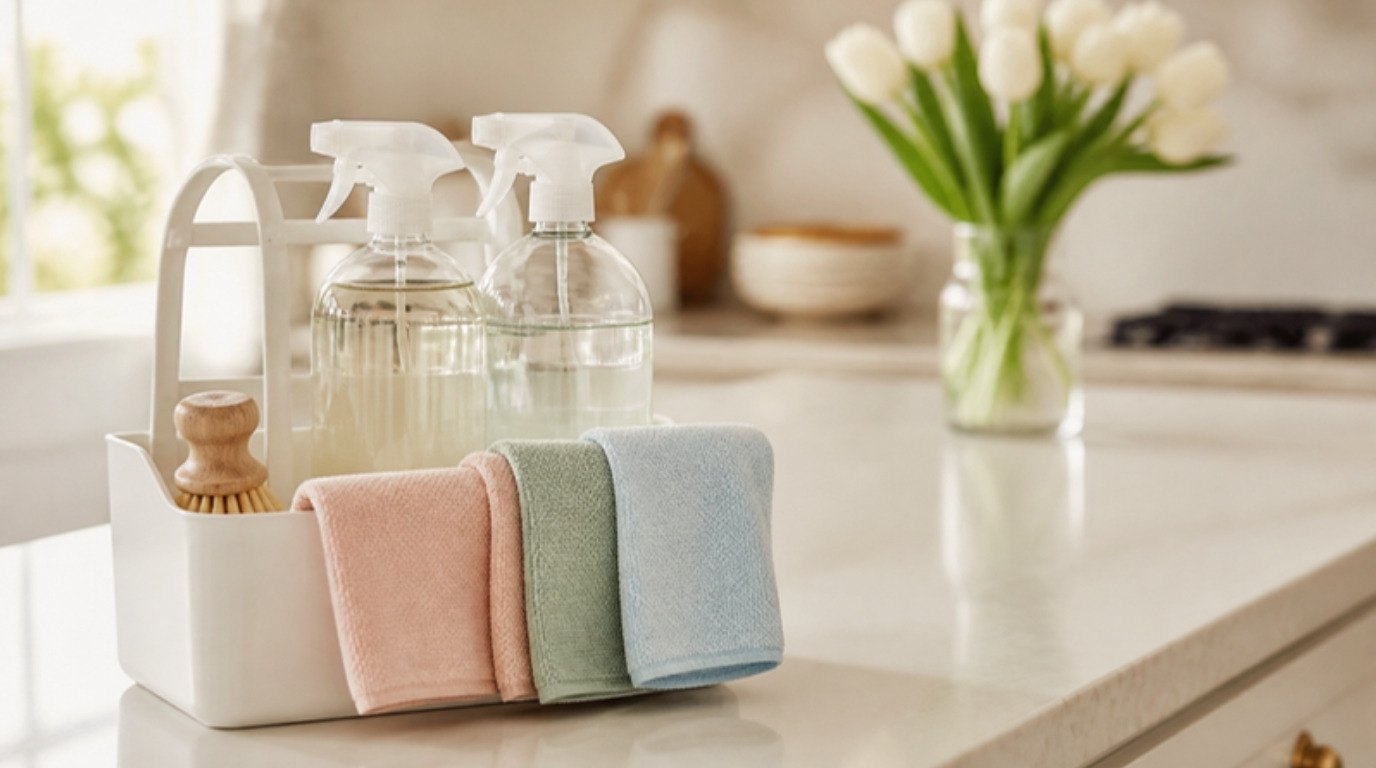
For each one: wipe with a damp soapy cloth (or a cleaning wipe) to lift grime, then mist with disinfectant and leave it wet for the label time. A stack of soft microfiber cleaning cloths makes this easier because you can grab a fresh one for each room instead of carrying bathroom germs into the kitchen. Toss the used cloths straight into the wash.
Electronics deserve their own small note. Never spray liquid directly onto a phone, remote or keyboard. Mist a cloth lightly or use a pre-moistened wipe, and check what the manufacturer recommends for screens and ports.
Clean Your Home After Being Sick, Room by Room
Once the high-touch spots are done, the rest is easier because you're not racing anything. Pick one room per session. Two short sessions on two days are perfectly fine.
The Sick Room and Bedroom
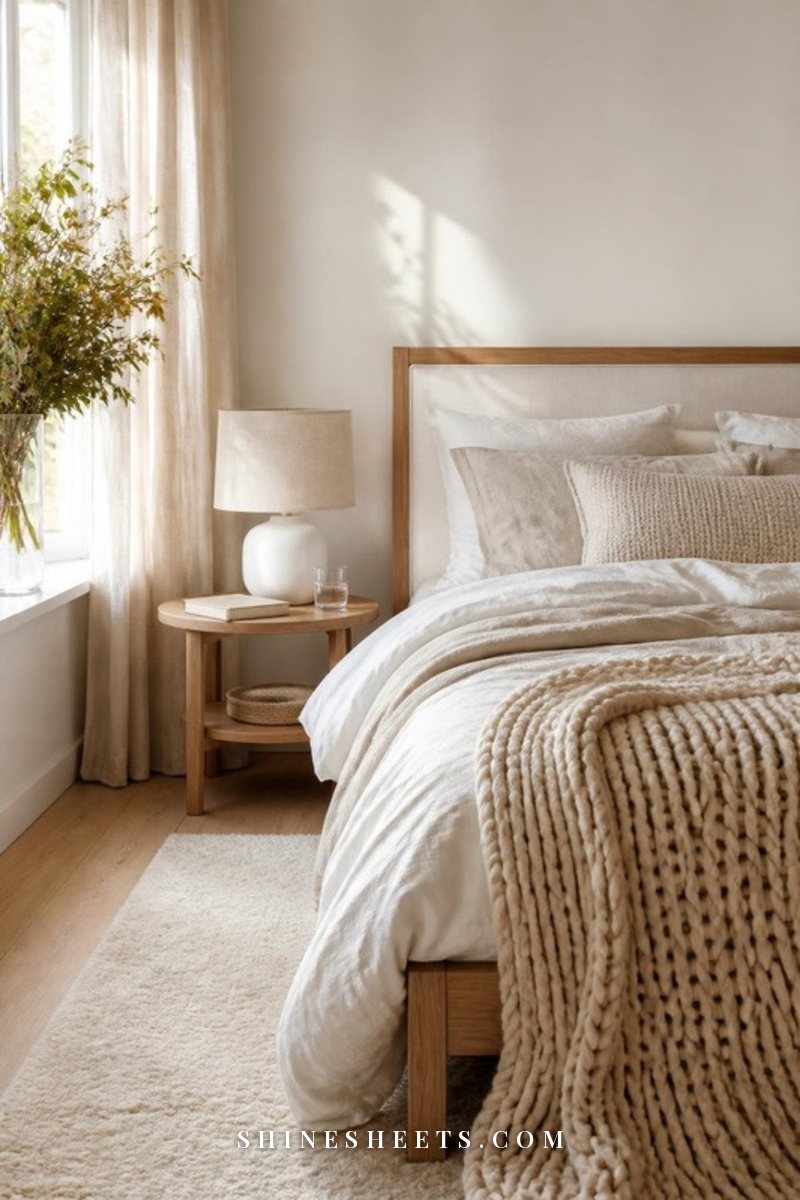
This is where you spent the most time, so it gets the most love. Go in this order and you won't have to clean anything twice:
- Clear first. Gather every tissue, wrapper, mug, glass and medicine box. Trash goes out, dishes go to the kitchen, anything you'll keep goes back where it lives.
- Strip the bed. Sheets, pillowcases, duvet cover and any blanket you were wrapped in all go to the laundry (more on that below).
- Wipe the nightstand. Clean, then disinfect the surface, the lamp switch and the drawer pull.
- Check the pillows. If they're washable, now is a good time. If not, air them by an open window for a few hours.
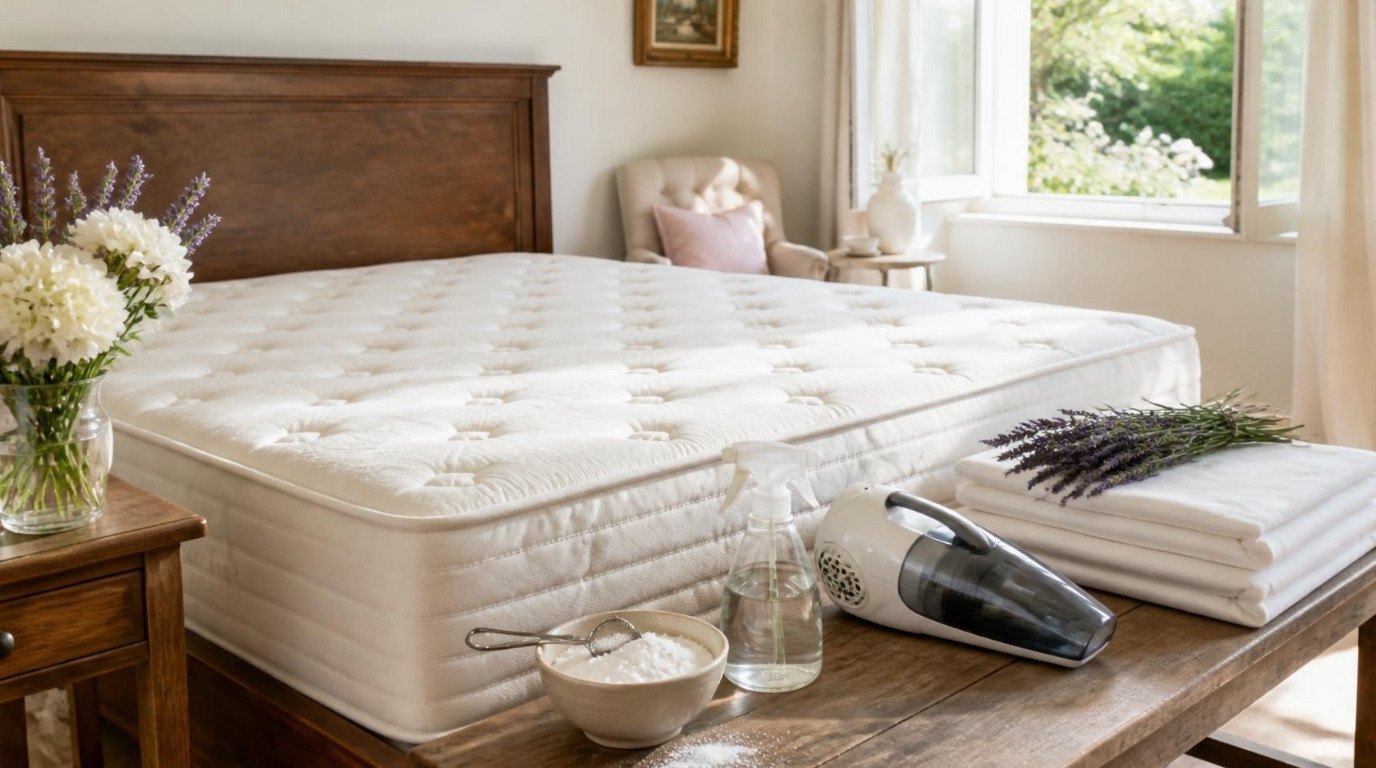
- Air the mattress. With the bed stripped, leave the mattress uncovered for an hour with the window open. If there were any spills, spot-clean them following the mattress maker's instructions and let the area dry completely before you remake the bed.
- Remake with fresh sheets. There's something healing about getting into a clean bed when you feel almost human again.
For the full routine on water temperature and drying, my guide on how to wash sheets the right way has every detail.
The Bathroom
Bathrooms collect the most germs during a sick week, so take your time with the shared surfaces:
- Toilet: flush handle first, then the seat (both sides), lid, and the rim. Clean, then disinfect, and let the product sit for the full label time before you wipe or flush.
- Sink and faucet: wash away toothpaste and soap residue, then disinfect the handles and the edge of the sink.
- Counter and cabinet pulls: clear everything off, wipe, disinfect.
- Towels and bath mat: swap them all for fresh ones and wash the used set.
If the toilet needs more than a quick refresh, here's my step-by-step guide on how to clean a toilet properly, including under the rim. And if you just want the shared bathroom presentable again in a hurry, my routine for cleaning your bathroom fast gets it done in about fifteen minutes.
One more small thing: replace the shared hand towel with a fresh one every day or two while anyone in the house is still unwell. It's an easy habit that keeps everyone from drying their hands on the same damp cloth.
The Kitchen
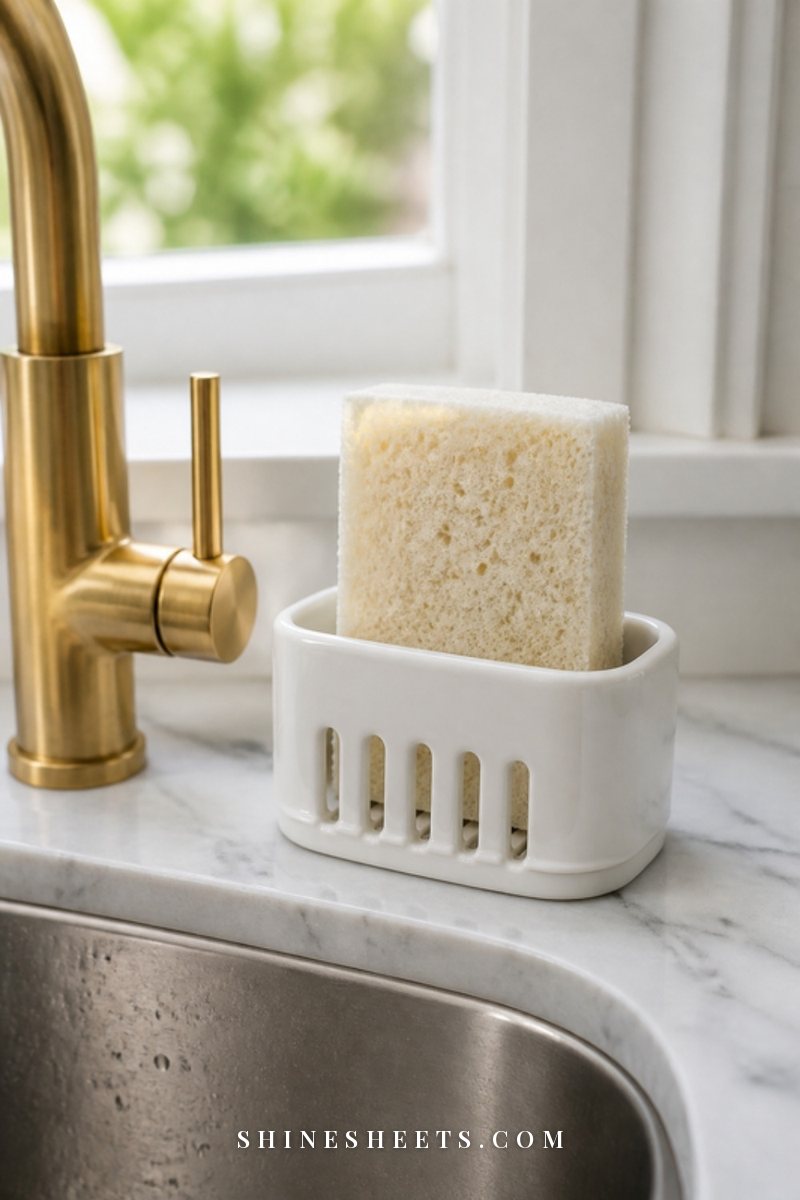
Even if you barely cooked, the kitchen got visits: tea, toast, the fridge door a hundred times. Focus on:
- Fridge and freezer handles, the microwave door and buttons, the kettle handle
- Faucet and the dish soap pump
- Counters where you set down mugs and medicine
- Any reusable water bottle or travel mug you used while sick (dishwasher or hot soapy water, including the lid and straw)
On food-contact surfaces, check whether your disinfectant needs a rinse with clean water afterward. Many labels say so. And this is a good moment to retire the kitchen sponge and start fresh. Dish towels go in the wash.
The Living Room
The couch is where a lot of sick days actually happen. Wipe and disinfect the remote, the coffee table and any side table. Throw blankets and removable cushion covers go into the wash if the care label allows. For fabric you can't wash, let fresh air and a bit of time do the work, and give it a proper clean later on a normal cleaning day.
Bedding, Towels and Laundry
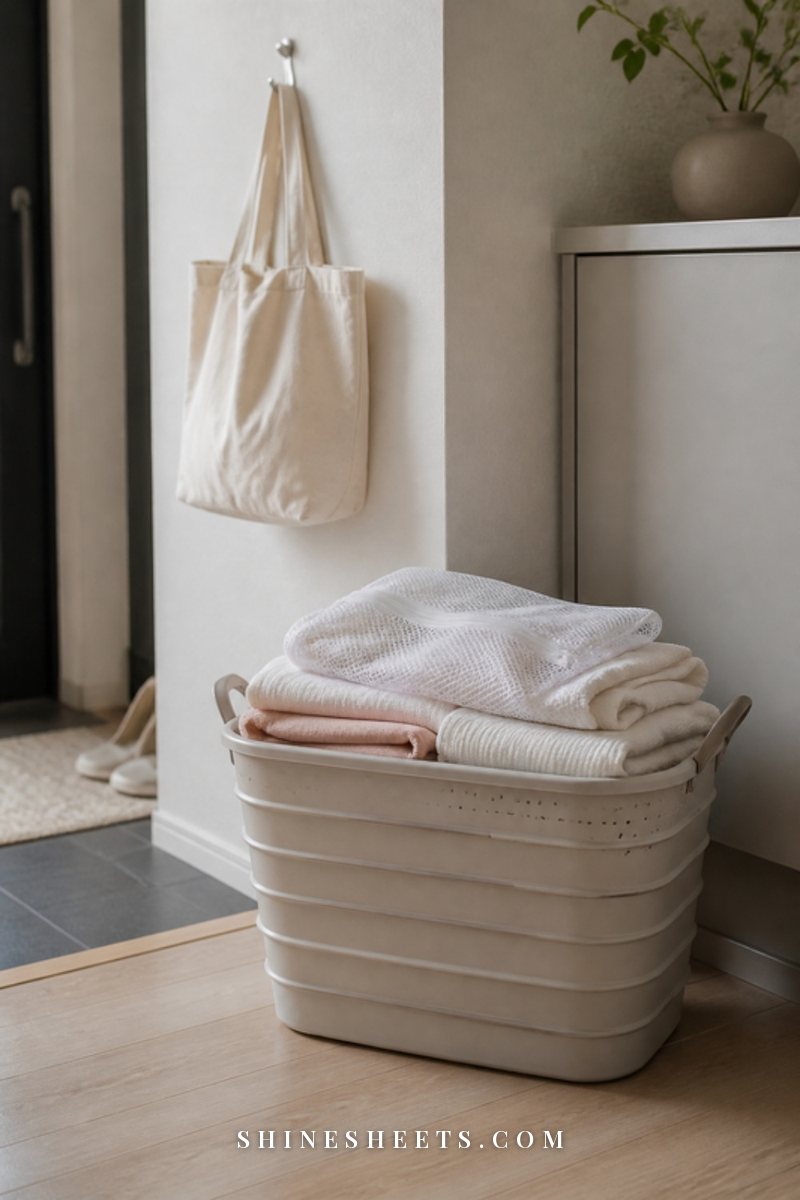
Laundry is the most satisfying part of the post-sick reset, because it's one load and suddenly everything smells clean again. A few tips:
- Don't shake it out. Carry used bedding and towels to the machine gently, ideally in a basket you can wash or wipe afterward, instead of hugging the bundle.
- Use the warmest water the care label allows. Cotton sheets and towels usually handle warm or hot. Delicates, silk and wool don't, so follow their labels.
- Dry completely. A full, hot-enough dryer cycle (or a sunny line) matters as much as the wash.
- Wash your hands after loading the machine and before you touch the clean load.
- Wipe the hamper. Clean and disinfect the inside of a plastic hamper, or wash a fabric liner.
For fabrics that can't go hot, a laundry sanitizer made for cold washes is a reasonable add-on. Use it exactly as the bottle says (usually in the fabric softener slot) and never mix it with bleach.
Toothbrushes, Tissues and Small Personal Things
The small stuff is easy to forget, and it's often what you touched most:
- Toothbrush: many people simply start a new one after being sick. It's inexpensive and it feels like a fresh start. At the very least, store it upright and apart from other toothbrushes so the heads don't touch.
- Tissues: gather every single one and get them out of the house in a tied trash bag. A small white pedal bin with a lid in the bedroom or bathroom makes this much less gross next time, because you never touch the lid.
- Water bottle, mug and glasses: dishwasher or hot soapy water, inside and out.
- Hair ties, glasses, reading glasses, headphones: wipe or wash what you can, following the maker's guidance for electronics.
- Makeup: if you had something like an eye infection, talk to your doctor about what to replace. For a regular cold, wash your brushes and sponges and wipe the outside of products you touched.
Freshen the Air

After a few days shut inside, rooms start to feel heavy. Fresh air is the simplest thing you can do: open the windows in the sick room and the living space for ten to fifteen minutes, a couple of times a day, even when it's chilly. Opening two windows on opposite sides of the room moves the air much faster.
If you have an air purifier, run it and check whether the filter is due for a change. Skip heavy fragrances and plug-ins if you still feel sensitive, because they cover smells rather than clearing the air. A clean room with fresh air smells better than any scent.
What You Can Skip
This is your permission slip. You don't need to:
- Disinfect walls, ceilings or floors you didn't touch. Regular cleaning on your normal schedule is fine.
- Wash every curtain or every pillow in the house.
- Bleach anything that isn't a hard, non-porous surface the label approves.
- Throw out books, clothes or cushions because you used them while sick.
- Do it all in one day. The reset works just as well spread over three.
- Buy a cupboard full of new products. One cleaner, one disinfectant and a stack of cloths cover almost everything.
If you like gentler products for everyday cleaning, my natural cleaning guide covers the basics. Just keep in mind that plain vinegar or essential oils aren't registered disinfectants, so for the high-touch spots right after being sick, a labeled disinfectant is the more reliable choice.
Pace Yourself While You Recover
Your body just did a lot of work. Cleaning can wait an extra day; your recovery can't be rushed. A few ways to make the reset gentler:
- Work in short rounds. Fifteen minutes of cleaning, then sit down with something warm to drink.
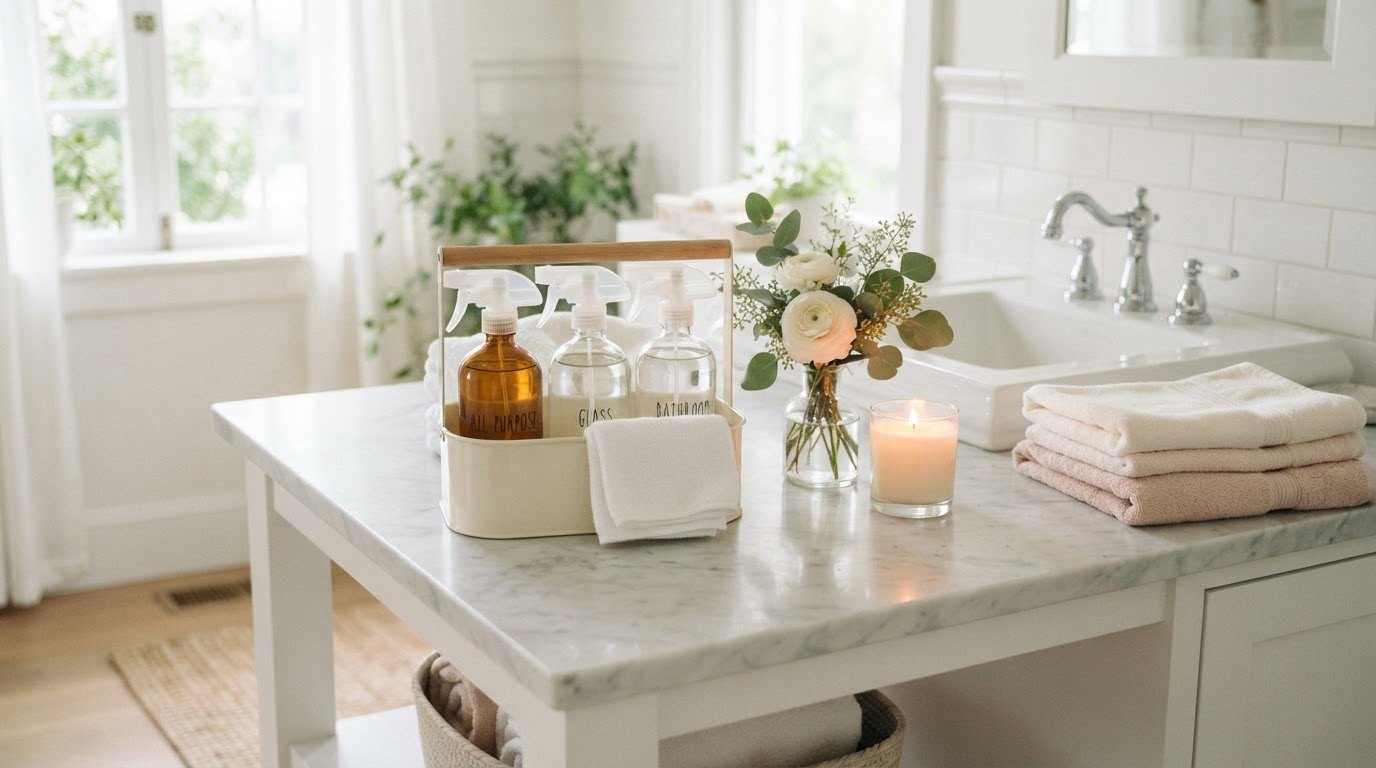
- Carry a caddy. Keep your spray, cloths, gloves and a trash bag in one white cleaning caddy so you're not walking back and forth to the cupboard.
- Ask for help. If you live with someone who's well, they can take laundry and trash while you handle the lighter wiping.
- Stop when you're tired. Dizziness or shortness of breath is your cue to rest, not to push through.
Once everything feels normal again, folding a few of these tasks into your regular weekly cleaning schedule (handles and switches once a week, for example) means the next sick-day reset will be much smaller.
Safety Notes Worth Remembering
A few rules keep the reset safe for you and everyone at home:
- Never mix bleach with vinegar, ammonia or other cleaners. The combination can release harmful fumes.
- Read the label every time for dwell time, surface compatibility and whether to rinse.
- Ventilate while you use any disinfectant and wear gloves to protect your hands.
- Test on a hidden spot before using a product on natural stone, wood, painted surfaces or anything delicate.
- Keep products away from children and pets and store them in their original bottles.
- Follow manufacturer instructions for electronics, appliances and mattresses.
Restock for Next Time
Once your home is fresh again, take five minutes to restock so the next sick week is easier on everyone. Refill the tissue boxes, replace the disinfectant if it's nearly empty, put a fresh pack of cloths and a spare pair of gloves in your caddy, and keep a clean set of sheets and towels folded together where you can grab them without thinking. A small basket in the bathroom with a box of tissues, spare toothbrushes and hand soap means nobody has to go hunting while they feel awful. It's a quiet bit of care for your future self, and it turns the next post-sick reset into a short, calm job instead of a project.
Final Thoughts
Cleaning up after being sick is less about perfection and more about drawing a soft line under a hard week. Clean the high-touch spots, give your bed fresh sheets, open the windows, and let the rest come when you have the energy.
Your home looked after you while you were down. A gentle reset, done at your own pace, is a lovely way to say thank you and step back into your normal days feeling fresh.