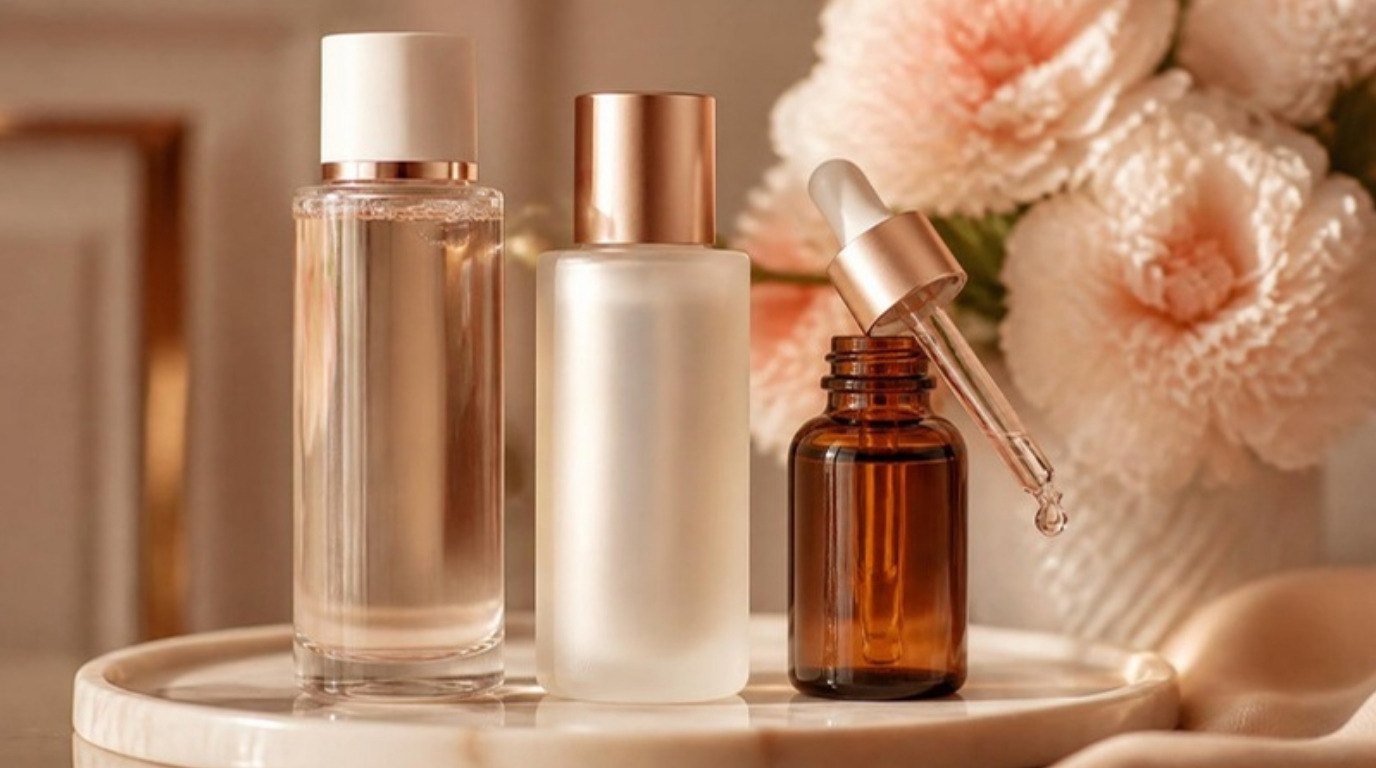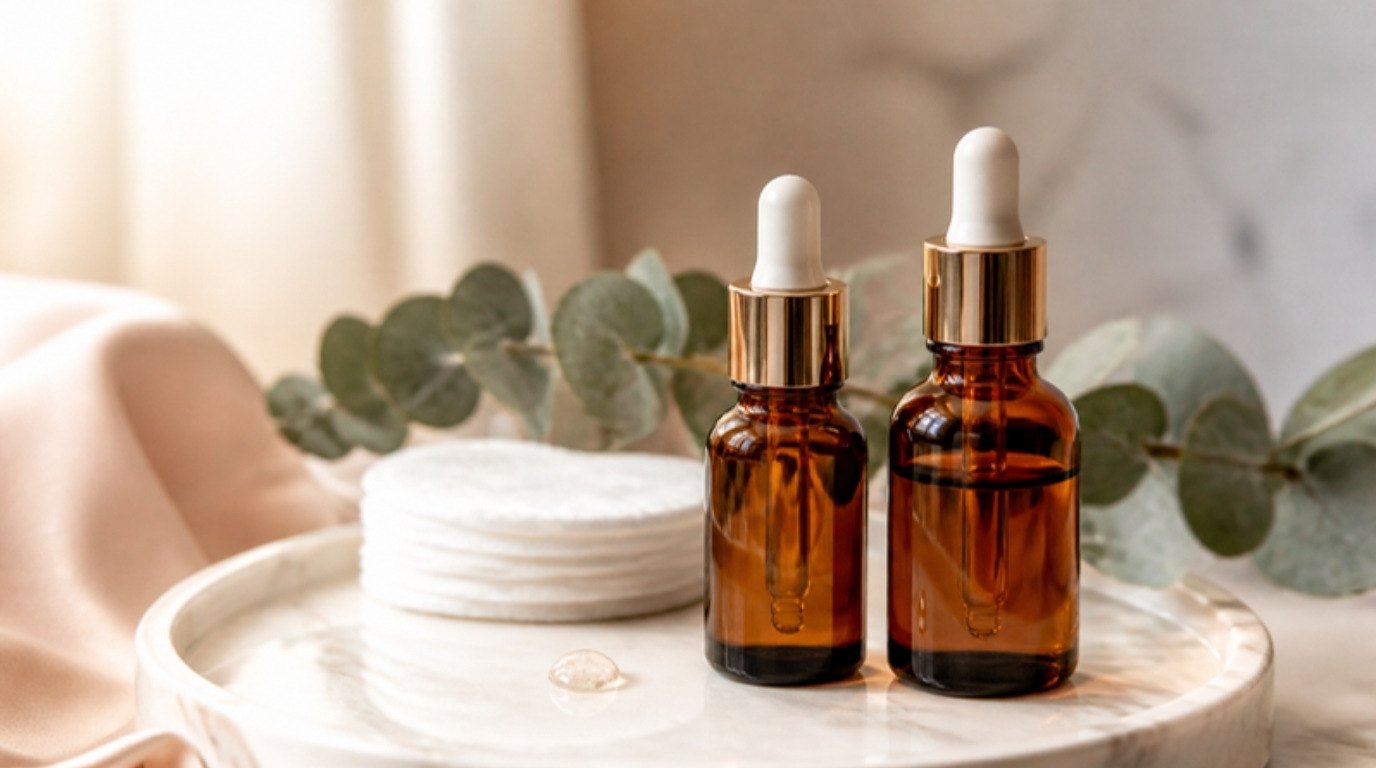
An ampoule isn't a magical upgrade of a serum. In most cases it's simply a more concentrated, more focused version of one, usually sold in a smaller bottle and meant to target one need for a while. Once you see it that way, the whole ampoule vs serum question gets much less confusing, and much less expensive.
Skincare names can make two very similar products sound like completely different categories. That's why so many of us end up with three watery bottles on the shelf and no real idea which one is doing what. The good news: you rarely need both, and when you do, there's a simple order that keeps your skin barrier happy.
This guide breaks down ampoule vs serum in plain words: what each one really is, where ampoules come from, typical ingredients, how ampoules are often used as a short course, who benefits and who can skip them, four simple layering rules, and how to introduce something new without upsetting your skin. You'll also find a side-by-side table so you can decide in about a minute.
What Is an Ampoule?
The word "ampoule" originally describes a small sealed glass vial, the kind used to keep a single dose of something fresh and protected from air. Skincare borrowed the word for products that feel like a concentrated "dose" for your skin.
In skincare today, an ampoule is usually:
- More concentrated than the brand's regular serum, with a higher amount of one or two hero ingredients.
- Sold in a smaller bottle, often 15–30 ml, sometimes in single-use vials.
- Focused on one goal, like calming, hydrating or brightening, rather than doing a bit of everything.
- Used for a limited time in many routines, as a boost when skin needs extra support.
Here's the honest part: there's no official, regulated definition of "ampoule." One brand's ampoule can be lighter than another brand's serum. The label tells you how the brand positions the product, not exactly what's inside. That's why reading the ingredient list (and how the product feels) matters more than the name.
What Is a Serum?
A serum is a lightweight treatment step that delivers active ingredients after cleansing and toning, and before moisturizer. Serums come in watery, gel, milky or slightly oily textures, and they're usually designed for daily, long-term use.
Most serums have a moderate concentration of their key ingredient so they can be used every day without overwhelming the skin. Think of a serum as your steady, everyday helper: the thing you rely on for months to keep skin hydrated, even-looking or calm.
If you're also trying to understand where toners and essences fit, my guide on toner vs essence vs serum explains those watery steps side by side, so I won't repeat it all here.
Ampoule vs Serum at a Glance
Here is the quick comparison to keep in mind whenever you see "ampoule" on a label. Remember that these are typical differences, not rules every brand follows.
| Feature | Ampoule | Serum | What it means for you |
|---|---|---|---|
| Concentration | Usually higher amount of one or two key ingredients | Moderate, balanced amounts | Ampoules can work faster but may be more likely to irritate sensitive skin |
| Focus | One specific need (calming, deep hydration, brightening) | Often one main need, sometimes several | Choose an ampoule only when you have a clear, current concern |
| Texture | Often slightly thicker or richer, sometimes very watery | Watery, gel or light lotion | Texture, not name, decides layering order |
| Bottle size | Small (15–30 ml) or single-use vials | Standard (30–50 ml) | Ampoules can cost more per ml, so check value |
| How long you use it | Often a few weeks as a boost, then pause or switch | Daily, long term | A serum is your base; an ampoule is an optional extra |
| Who it suits | Dull, stressed or dehydrated skin needing extra support | Almost everyone with a simple goal | If your skin is happy, a serum alone is usually enough |
| Risk of overdoing it | Higher, especially combined with other actives | Lower | Introduce slowly and keep the rest of the routine gentle |
Screenshot the table if it helps. The short version: a serum is the everyday staple, an ampoule is a concentrated, temporary helper.
Where Ampoules Come From
Ampoules became popular through Korean skincare, which loves layering lightweight products in small, targeted steps. In that approach, an ampoule is the "intensive" step you add when skin is going through a rough patch: after travel, during a dry winter, or when your skin just looks tired.
The idea behind it is lovely and practical: instead of switching your entire routine when skin changes, you add one focused product for a while, then go back to your basics. If you enjoy that gentle, layered philosophy, my list of skin-saving tips from a Korean skincare routine covers more of it, including why hydration comes first.
Typical Ingredients in Ampoules and Serums
Both ampoules and serums can contain almost any active ingredient. These five are the ones you'll see most often. The difference is usually how much is inside and how many other ingredients surround it.
Vitamin C
Vitamin C is an antioxidant often used to help skin look brighter and more even. Pure forms (like L-ascorbic acid) are effective but can sting, especially on sensitive skin, and they're sensitive to light and air. Many vitamin C ampoules are sold in small bottles for exactly that reason: you use them up before they oxidize. If a vitamin C product turns dark orange or brown, it's past its best.
Niacinamide
Niacinamide (vitamin B3) is a gentle multitasker that supports the skin barrier and helps the skin look more balanced, including that shiny T-zone (mine is the classic combination kind). It's usually well tolerated. A simple niacinamide serum is one of the easiest everyday serums to start with. Higher concentrations aren't always better; some sensitive skin types feel happier with lower amounts. My full guide to how to use niacinamide goes into the details.
Hyaluronic Acid
Hyaluronic acid is a humectant, which means it attracts and holds water. It gives that plump, bouncy feel and suits almost every skin type. It works best on damp skin and always needs a moisturizer on top to keep the hydration in. A lightweight hyaluronic acid hydrating serum is the kind of product that fits nearly any routine. For the full how-to, see my guide on using hyaluronic acid with the damp skin rule.
Peptides
Peptides are short chains of amino acids that act as building blocks in the skin. In skincare they're often used for a smoother, firmer-looking feel over time. They're generally gentle and pair well with most other ingredients, which is why you'll often find them in richer serums and "firming" ampoules.
Centella Asiatica
Centella asiatica (often called cica) is a plant extract loved in Korean skincare for calming and soothing. It's one of the most common hero ingredients in ampoules, because a calming boost is exactly what stressed, reactive skin tends to need. A Korean centella ampoule is a pick for skin that feels a bit irritated from cold wind, travel or a too-ambitious routine. You can read more in my guide to centella asiatica for calm skin.
How Ampoules Are Used as a Short Course
Many people use an ampoule like a short skincare "course" rather than a forever product. That isn't a strict rule (some ampoules are gentle enough for daily, ongoing use), but it's a helpful way to think about them.
A simple approach:
- Name the reason. "My skin feels tight and dull since the heating came on" is a clear reason. "Everyone online has one" is not.
- Pick one ampoule for that reason, such as calming, hydrating or brightening.
- Use it once a day for two to four weeks, usually in the evening, so you can watch how your skin responds.
- Reassess. If your skin has settled, pause the ampoule and go back to your usual serum. If it's helping and your skin is comfortable, you can keep going.
Since many ampoules come in small bottles, a two- to four-week course often matches the bottle size nicely. When it's finished, you can decide calmly whether you really want another.
Who Benefits From an Ampoule
An ampoule can make sense when your skin has a specific, temporary need and a gentle serum alone isn't quite enough. For example:
- Dehydrated skin that feels tight even with moisturizer, often in winter or after flights.
- Dull, tired-looking skin after a stressful stretch or a run of late nights.
- Stressed or slightly reactive skin that needs calming, like after too many actives or harsh weather.
- Seasonal changes, when your usual routine suddenly feels like it isn't doing enough.
In each case, the best ampoule is usually a calming or hydrating one rather than a strong exfoliating or brightening formula. Stressed skin wants support first.
Who Doesn't Need One
You can happily skip an ampoule if:
- Your skin feels comfortable and looks the way you like with your current routine.
- You're new to skincare and still finding your basics.
- Your skin is very sensitive and reacts easily to new products.
- You already use a strong active (like retinoids or exfoliating acids) and your skin is still adjusting.
- You'd simply prefer a shorter routine. A simple routine that you do every day beats a long one that you skip.
Not needing an ampoule isn't "doing less." It often means your skin is in a good place, and that's the whole point.
Do You Need Both?
Most people don't. A good serum plus a moisturizer and daily sunscreen covers the basics beautifully. Adding an ampoule makes sense only when you have a clear, temporary goal and your skin is calm enough to handle another step.
If you do use both, choose ingredients that support each other rather than compete. A calming centella ampoule plus a hydrating hyaluronic acid serum is a gentle pairing. A strong vitamin C ampoule plus an exfoliating serum plus a retinoid is a lot to ask of any skin barrier.
A quick way to decide:
- Skin happy, routine working: keep your serum, skip the ampoule.
- Skin dull, tight or stressed for a few weeks: add one calming or hydrating ampoule for a short course.
- Skin red, stinging or reactive: skip both actives for now and focus on cleanser, moisturizer and sunscreen until it settles.
- Short on time or budget: one well-chosen serum is the better investment.
4 Rules for Layering Ampoule and Serum
If you decide to use both, these four rules keep things simple.
1. Go From Thinnest to Thickest
Apply products from the most watery to the richest. This lets each layer reach the skin instead of sitting on top of something heavier. Texture decides the order, not the name on the bottle.
2. Keep One Active per Step
Let each product have one clear job. Stacking several strong actives in one routine is the fastest way to irritation. If your ampoule is a brightening one, choose a hydrating or calming serum to go with it.
3. Apply the Ampoule Before the Serum When Using Both
If both have a similar texture, apply the ampoule first so its concentrated ingredient goes on clean, prepped skin. Use two to three drops, press it in gently, wait about 30–60 seconds, then follow with your serum. (If your ampoule is noticeably thicker than your serum, rule one wins: thinner first.)
4. Seal Everything With a Moisturizer
A moisturizer helps hold hydration in and supports the skin barrier. A gentle ceramide moisturizer is a pick for almost any skin type, including combination and sensitive. In the morning, finish with sunscreen, especially if you use vitamin C or any exfoliating ingredients.
A small glass vanity tray with gold accents is a sweet way to keep your current lineup together in order. When the bottles sit left to right in the order you use them, there's no guessing at night.
A Simple Routine With an Ampoule
If you've decided to try an ampoule, here's what a calm, barrier-friendly routine can look like. Notice how short it still is.
Morning
- Gentle cleanse or simply rinse with lukewarm water if your skin is dry or sensitive.
- Hydrating serum, such as hyaluronic acid, pressed into slightly damp skin.
- Moisturizer, a thin layer is enough on an oily T-zone, a little more on dry cheeks.
- Sunscreen, every single day, even when it's cloudy.
Evening
- Cleanse well, especially if you wore sunscreen or makeup.
- Ampoule, two to three drops pressed in with clean hands.
- Serum, only if it does a different, gentle job (for example, a hydrating serum after a calming ampoule).
- Moisturizer to seal it all in.
Using the ampoule only at night keeps your morning routine light and makes it easier to notice how your skin responds. Many people find that's all the boost they need.
Common Ampoule Mistakes To Avoid
Ampoules are easy to love and just as easy to overdo. These are the slip-ups I see most often:
- Using too much. More drops won't work faster. Two to three drops cover the whole face for most formulas.
- Stacking several ampoules at once. Three "intensive" products in one routine is a lot of concentrated ingredients for one skin barrier. Choose one.
- Adding an ampoule to already irritated skin. If your skin is red, stinging or peeling, strip your routine back to cleanser, moisturizer and sunscreen first. Calm comes before boosting.
- Keeping an opened bottle for ages. Check the little open-jar symbol on the packaging for how many months it lasts after opening, and store it away from sunlight and the steamy shower.
- Judging it after three days. Most skin needs a few weeks to show a real difference. Give a gentle product time before you decide.
How To Introduce a New Ampoule Safely
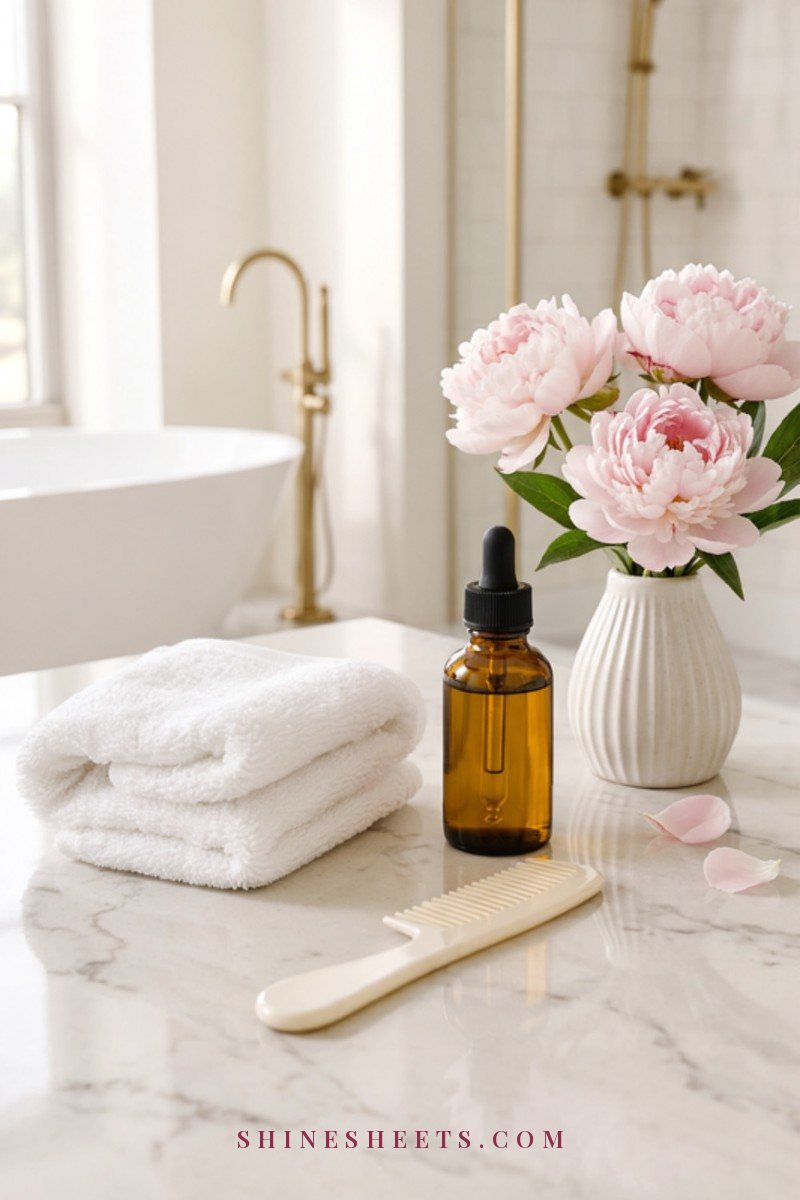
Concentrated products deserve a slow, careful start. Here's the gentle way I'd do it:
- Patch test first. Apply a small amount behind the ear or along the jawline for a few days before using it on your whole face. My step-by-step guide on how to patch test skincare walks you through it.
- Introduce one new product at a time. Wait at least one to two weeks before adding anything else, so you know what your skin is reacting to.
- Start every other day if your skin is sensitive, then move to daily if all is calm.
- Watch for warning signs like stinging that doesn't fade, redness, itching or new bumps. Stop using the product if your skin reacts.
- Keep the rest of your routine gentle while you test something new: mild cleanser, simple moisturizer, sunscreen.
And please be kind to yourself here: if irritation lasts, or if you have a skin condition like eczema, rosacea or acne that needs real care, see a dermatologist. An ampoule is a cosmetic boost, not a treatment, and a professional can tell you what your skin actually needs.
Final Thoughts
The ampoule vs serum question has a calm answer: a serum is your steady everyday helper, and an ampoule is an optional, concentrated boost for when skin needs a little extra. You don't need both to have lovely skin.
Start with your barrier, keep your routine simple, and add an ampoule only when there's a clear reason. Your skin will thank you for the patience far more than for one more bottle.