"Non-comedogenic" on a label is a promise of intent, not a guarantee. It means a product was formulated to be less likely to clog pores – which is helpful – but it doesn't mean it can't clog yours, and it doesn't mean a product without the label will. The words on the front of the bottle are a starting point. The ingredient list on the back, and how your own skin reacts over a few weeks, tell you much more.
That gap between the label and real life is why so many clog-prone people feel confused. You buy the "pore-friendly" moisturizer, you still get tiny bumps along your jaw, and you start to wonder whether any of it means anything at all. It does – you just need to know how to read it.
This guide explains what non-comedogenic actually means, why the label isn't regulated, why those comedogenic rating charts from old lab tests are only a rough guide, how to find pore-friendly products by reading the whole formula, which ingredients commonly bother clog-prone skin (and which are usually lighter), 5 common myths, a product-by-product table, and how to test one new product at a time so you know what's really working.
I have combination, sensitive skin with a shiny T-zone, so I've spent plenty of time squinting at ingredient lists. Here's what I wish someone had told me sooner.
What Does Non-Comedogenic Mean?

A comedo (plural: comedones) is a clogged pore – a blackhead when it's open at the surface, a whitehead or a tiny skin-colored bump when it's closed. "Comedogenic" means likely to contribute to those clogs. "Non-comedogenic" means the brand formulated the product with the aim of not clogging pores, usually by avoiding ingredients that are known troublemakers for many people and keeping the texture light.
You'll also see related phrases like "won't clog pores," "oil-free" and "suitable for acne-prone skin." They're all trying to say roughly the same thing, but none of them are a guarantee for your specific face. Pores clog for many reasons: oil production, how quickly your skin sheds dead cells, hormones, friction, sweat, and how much product you layer on top. A label can only influence one piece of that picture.
Think of non-comedogenic as a helpful filter that narrows the shelf. It's a good place to start shopping, not a reason to stop paying attention.
Is the Non-Comedogenic Label Regulated?
Not in the way most people assume. In the US, there's no official legal definition or required standard test a product must pass before it can say "non-comedogenic" on the bottle. Brands decide whether to use the term, and the testing behind it (if any) can vary a lot from one company to another.
Some brands do run their own testing, often on human volunteers over several weeks, and those results can be genuinely useful. Others use the word mostly because their formula avoids a few well-known heavy ingredients. From the outside, you usually can't tell which is which.
That's not a reason to ignore the label. It's a reason to treat it as one clue among several – and to learn to read the ingredient list yourself. If ingredient lists still feel like a foreign language, my guide on how to read skincare labels walks through it step by step.
What About Comedogenic Ratings?
You've probably seen charts that rate ingredients from 0 (won't clog) to 5 (very likely to clog). They're everywhere online, and they look wonderfully precise. The trouble is where most of those numbers came from.
Many of the classic ratings trace back to older lab tests, often done on animal ear skin or on human skin with the ingredient applied pure, in a high concentration, under occlusion. That's very different from a small amount of the same ingredient sitting inside a well-balanced moisturizer on your cheek. Results also didn't always agree from study to study, so the same ingredient can show up with different numbers on different charts.
The ratings aren't useless – a high number is a reasonable "be a little cautious" flag, especially if your skin clogs easily. But a single 3 or 4 on an ingredient list doesn't automatically make a product bad for you, and a list full of zeros doesn't guarantee smooth skin either. Use the charts as a rough guide, then let the whole formula and your own skin have the final say.
How To Find Pore-Friendly Products
Instead of trusting one word on the front, look at four things together. It takes about a minute per product once you get used to it.
Read the Ingredient List
Ingredients are listed from highest to lowest concentration (until the 1% mark, after which the order can be loose). The first five to seven ingredients make up most of the formula, so that's where to focus. If a heavy butter or a known pore-clogger sits right at the top, that matters much more than if it appears near the end after the fragrance and preservatives.
A quick habit that helps: look at the first line, then look for anything on your personal "maybe not" list. That's it. You don't need to research every single ingredient to make a sensible choice.
Look at the Whole Formula
Ingredients don't behave alone. A small amount of a richer oil in a light gel with lots of water and humectants can feel completely different on your skin than the same oil in a thick balm. Look at the overall texture and base: is it water-based, a light lotion, a gel, a cream, an oil, a balm? For clog-prone skin, gels, gel-creams and light lotions usually feel easiest, while balms and thick creams are more likely to sit heavily on the surface.
Consider How Much and Where
A rich hand cream isn't going to touch your forehead. A thick body butter on your legs is a different story from the same butter on your chest and back, where many people get clogged pores. Think about where the product goes and how much you use. A pea-sized amount of moisturizer spread thinly is very different from three layers of rich products under makeup.
Rinse-off products (like cleansers) sit on your skin for a minute or less, so they're generally less of a worry than leave-on products. Leave-on products – moisturizer, sunscreen, primer, foundation – deserve the closest look.
Match the Texture to Your Skin
Oily and combination skin often does best with gels and light lotions. Dry, clog-prone skin is trickier: it needs real moisture but may still react to heavy occlusives. In that case, look for moisturizers built on humectants and lighter emollients rather than heavy butters. My moisturizer guide breaks down gel, cream and balm textures if you're not sure which one your skin is asking for.
Ingredients That Commonly Bother Clog-Prone Skin

None of these are "bad" ingredients. Plenty of people use them happily every day. But if your skin clogs easily, these are the ones worth noticing, especially near the top of a leave-on product:
- Heavy butters. Cocoa butter and very rich shea-heavy formulas can feel lovely on dry body skin but may be too occlusive for some faces.
- Some plant oils. Coconut oil is the one people mention most often for facial clogging. Some other rich oils, like wheat germ oil, show up on caution lists too.
- Isopropyl myristate and isopropyl palmitate. These are emollients that help products glide and absorb, and they're common in lotions and makeup. Clog-prone people often find them troublesome.
- Some thick waxes and occlusives in high amounts. Very waxy balms and heavy layers of occlusive ingredients can trap things under them on already congested skin.
- Some algae extracts. These pop up on certain caution lists; reactions vary a lot from person to person.
- Heavy, layered makeup. Not an ingredient, but worth mentioning: thick foundation plus primer plus powder, worn all day, makes any formula more likely to cause trouble.
Oils in general get a bad reputation they don't fully deserve. Some lighter oils are often tolerated well even by oily skin. I go through which ones tend to work and which are usually too rich in my guide to the best oils for oily and acne-prone skin.
Usually Lighter Options

These ingredients tend to be well tolerated by clog-prone skin and show up often in pore-friendly formulas. Again, "usually" is the key word – any ingredient can bother someone.
- Squalane. A light, stable emollient that softens skin without a greasy film. Many clog-prone people find it a gentler alternative to richer oils.
- Hyaluronic acid. A humectant that draws water into the skin's surface. Great for hydration without heaviness.
- Glycerin. One of the most common, reliable humectants. Simple and usually very well tolerated.
- Niacinamide. Often used to support the skin barrier and help skin look less shiny and more even. A niacinamide serum is a pick for a shiny T-zone; look for a moderate strength (around 5%) if your skin is sensitive, since very high percentages can sting for some people.
- Ceramides. Support the barrier and help skin hold onto moisture, which matters because a stressed, dehydrated barrier can make congestion worse.
- Light silicones like dimethicone. They often get blamed, but in normal amounts they're generally considered low risk for clogging and give that smooth, velvety finish.
Pore-Friendly Product Guide by Type
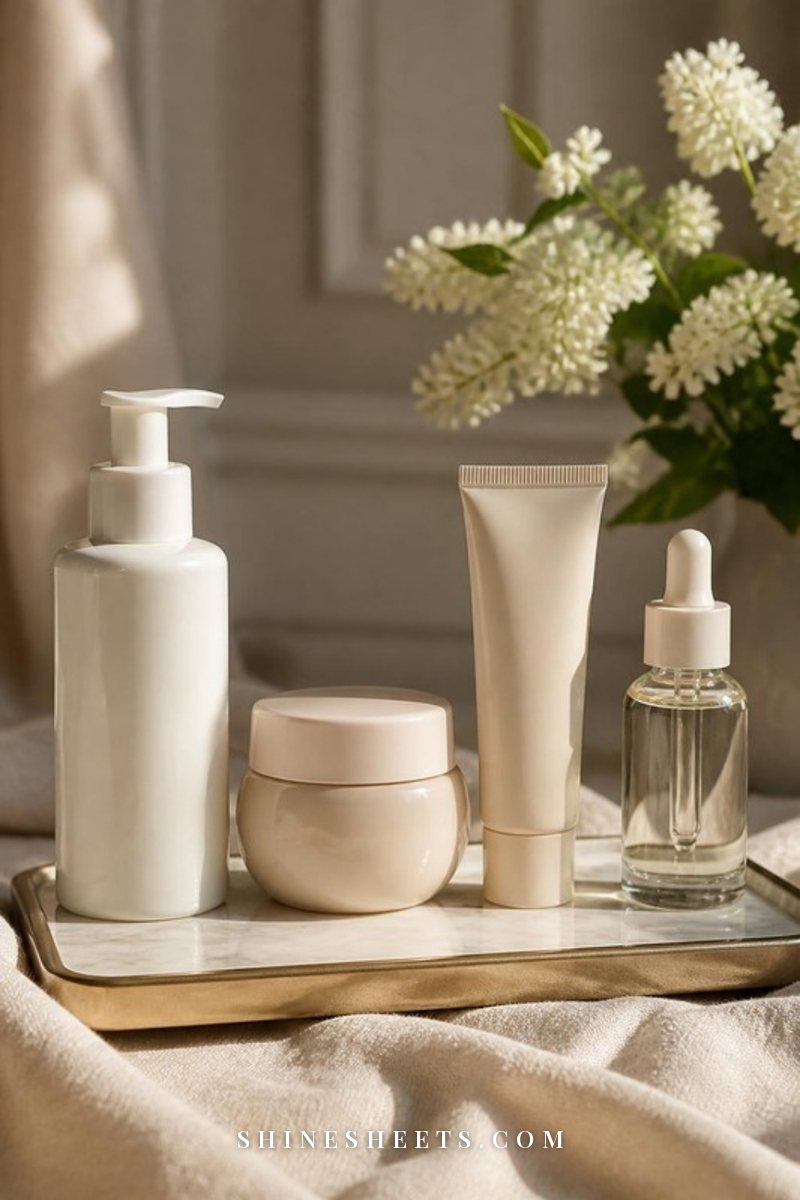
Here's how to shop each step of a routine with clog-prone skin in mind. Screenshot it for your next drugstore trip:
| Product type | What to look for | May clog for some | Lighter swap |
|---|---|---|---|
| Cleanser | Gentle foam or gel, low fragrance, leaves skin comfortable (not squeaky) | Very rich cream or oil cleansers left on too long or not rinsed well | A gentle foaming or gel cleanser, rinsed with lukewarm water |
| Moisturizer | Gel or gel-cream, humectants near the top, ceramides | Thick butters, coconut oil or isopropyl myristate high on the list | A lightweight gel moisturizer with glycerin or hyaluronic acid |
| Sunscreen | Fluid, gel or light lotion texture labeled for oily or acne-prone skin | Heavy, greasy formulas made for body or beach use | A light, oil-free facial sunscreen with a fluid finish |
| Serum | Water-based, short ingredient list, one main active | Rich oil serums or very heavy layered actives | Niacinamide or hyaluronic acid serum |
| Facial oil | Single light oil, a few drops only | Coconut oil, very rich blends | Squalane, mixed into moisturizer |
| Foundation and primer | Light, buildable, labeled for oily or acne-prone skin | Thick, long-wear layers worn all day without proper removal | A sheer, light base and a thorough evening cleanse |
| Body lotion (chest and back) | Lotion or gel texture, light emollients | Heavy cocoa butter or very rich shea creams | A light body lotion; keep butters for legs and elbows |
A few easy places to start: a gentle foaming cleanser that doesn't leave your skin tight, a lightweight gel moisturizer with humectants near the top of the list, and a Korean oil-free sunscreen with a fluid, fast-absorbing finish – K-beauty sunscreens are known for textures that sit nicely under makeup. If your skin wants a little extra hydration underneath, a simple hyaluronic acid serum is usually a safe, light layer.
5 Non-Comedogenic Myths
These come up again and again, and they keep people buying the wrong things (or avoiding the right ones).
1. "Non-comedogenic means it can't clog my pores."
It means it was formulated to be less likely to. Skin is individual, and things like layering, sweat and hormones play a role too. Treat the label as a good sign, not a promise.
2. "Oil-free is the same as non-comedogenic."
Not quite. Oil-free products can still contain heavy emollients or waxes, and some products with a light oil are perfectly pore-friendly. "Oil-free" describes one thing that's missing; it doesn't describe the whole formula.
3. "Oily skin should skip moisturizer."
Dehydrated skin can feel tight, look dull and sometimes seem even shinier. A light gel moisturizer usually helps oily and combination skin feel more balanced. My T-zone is the shiniest part of my face, and it still does better with a thin layer of gel than with nothing.
4. "If one ingredient has a high rating, the whole product is bad."
The amount, the position on the list and the rest of the formula all matter. A tiny amount of a "4-rated" ingredient near the end of a light lotion is a very different situation from the same ingredient as the second item in a balm.
5. "New bumps after a new product always mean it's clogging you."
Sometimes, yes. But some active ingredients (like exfoliating acids or retinoids) can speed up skin turnover and bring existing clogs to the surface faster for a few weeks. Other times, it's a true breakout or an irritation reaction. If you're not sure which you're dealing with, my guide to purging vs breakout explains how to tell them apart.
How To Test One New Product at a Time

This is the most useful habit for anyone with clog-prone skin, and the one most of us skip because it requires patience. If you add three new products in one week and break out, you'll never know which one caused it.
- Keep the rest of your routine the same. Change one product only. Everything else stays exactly as it was for the whole test.
- Give it 2 to 4 weeks. Clogged pores can take a while to form and show, so a few days isn't enough to judge. Four weeks is ideal for a moisturizer or sunscreen.
- Write down the date you started. Add a quick note every few days: "forehead smooth," "two small bumps on chin." Your memory will not be reliable at week three.
- Watch your usual trouble spots. For many people that's the forehead, chin, jawline or along the hairline. Check in the same light each time.
- Decide calmly. If you notice more small bumps or blackheads in the same area after a couple of weeks, stop the product and give your skin a few weeks to settle before trying anything else new.
It feels slow, but it saves money and frustration. One clearly tested product is worth more than five you're not sure about.
Patch Test First

Before you start a full-face test, do a quick patch test for irritation. Apply a small amount to a spot like the side of your neck or behind your ear once or twice a day for several days. If you notice redness, itching, burning or swelling, wash it off and skip that product.
A patch test checks for irritation or an allergic-type reaction – it won't tell you much about clogged pores, because those take longer to show. That's why the patch test comes first, then the slow one-product-at-a-time test on your face.
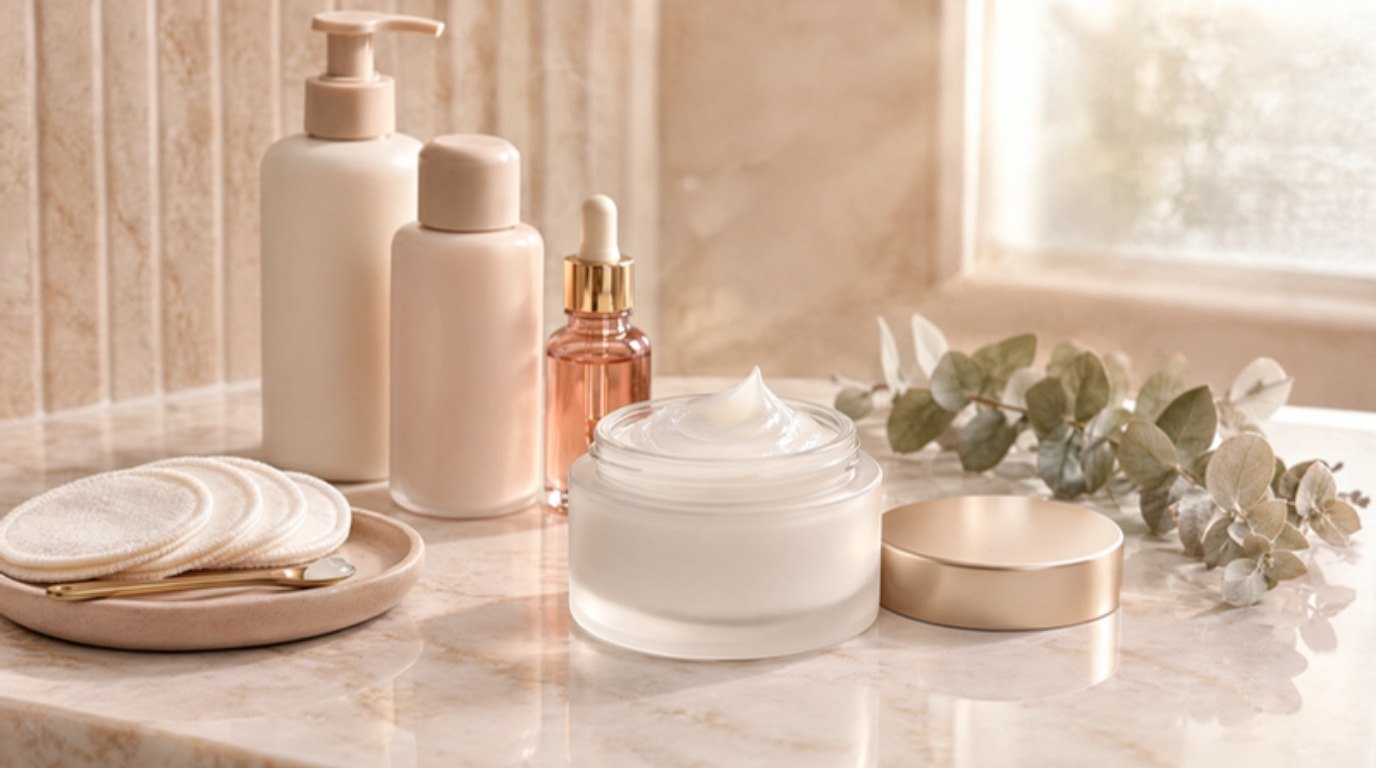
Keep your removal step gentle while you test, too. A few soft cream cotton pads with micellar water or your cleanser make it easy to take off sunscreen and makeup without scrubbing, which matters because rough rubbing can irritate already congested skin.
When To See a Dermatologist

Choosing pore-friendly products can make a real difference for mild clogged pores and the occasional bump. But products alone have limits. Please see a dermatologist or your doctor if:
- Breakouts are persistent, painful, deep or leaving marks.
- You've tried a simple, gentle routine for a couple of months with little change.
- A product causes swelling, a rash, burning or blistering.
- Your skin is affecting how you feel about yourself day to day.
A dermatologist can look at your skin in person, work out what's really going on and suggest options that aren't available on a store shelf. There's no prize for struggling alone with it.
In the meantime, a few everyday habits help any routine: wash pillowcases weekly, cleanse after sweating, keep hair products away from your forehead where possible, and resist picking. For more on keeping pores looking clearer without harsh scrubs, my guide to gentle pore care goes deeper.
Final Thoughts
Non-comedogenic is a helpful word, but your skin is the real judge. Read the first few ingredients, think about texture and where the product goes, treat rating charts as a rough guide and give each new product a fair, patient test.
You don't need a perfect routine or a list of forbidden ingredients – just a few light, well-chosen products and the calm confidence to notice what your own skin is telling you.