Most wrinkles don't need an iron at all. They need three things an iron happens to provide: moisture, gentle heat and a little tension to pull the fibers straight. Once you know that, you can get the same smooth result with steam from your shower, a few minutes in the dryer, a spray bottle or even your hands.
The trick is matching the method to the fabric. A linen shirt can handle a lot of heat and moisture. A silk blouse wants a soft touch. Some synthetics can melt or go shiny if you rush them. Pick the right method and wrinkles disappear in minutes; pick the wrong one and you can end up with water spots or a scorch mark.
This guide shows you how to get wrinkles out of clothes without an iron, method by method: what each one works best on, exactly how long it takes, which fabrics to avoid, plus fabric-specific tips, travel tricks and simple habits that stop wrinkles before they start.
Start With the Care Label
Before you try any method, take ten seconds to check the care label inside the garment. It tells you two important things: how much heat the fabric can take and whether it can get wet.
- The iron symbol with dots: one dot means low heat (silk, many synthetics), two dots medium (wool, polyester blends), three dots high (cotton, linen).
- A crossed-out iron or steam symbol: skip heat and steam entirely. Use the no-heat tricks further down.
- "Dry clean only": be careful with water-based methods. A gentle steam from a distance is often fine, but test first.
- Tumble dry symbol: a square with a circle inside means it's dryer-safe. A crossed-out version means keep it out of the dryer.
Whatever you choose, test on a hidden spot first, like the inside of a hem or the underside of a cuff. It takes a minute and protects your favorite pieces. For more help reading care symbols and treating fabrics kindly, my laundry tips guide covers the basics.
Method → Best For → Time → Avoid On
Here's the whole guide at a glance. Screenshot it for busy mornings:
| Method | Best for | Time | Avoid on |
|---|---|---|---|
| Handheld steamer | Almost everything: dresses, blouses, trousers, knits | 3–5 minutes per garment | Leather, suede, waxed fabrics, some plastic-coated prints |
| Shower steam | Light wrinkles on dresses, blouses, suits, travel outfits | 15–20 minutes, door closed | Silk prone to water spots (hang it farther from the spray) |
| Wrinkle-release spray or water mist | Cotton tees, casual shirts, dresses, last-minute fixes | 2–5 minutes plus drying | Silk and acetate (water spots); always test first |
| Dryer with damp cloth or ice cubes | Cotton, polyester blends, bedding, everyday basics | 10–15 minutes on medium | Wool, silk, delicates, anything not dryer-safe |
| Hair straightener | Collars, cuffs, button plackets, hems | 1–2 minutes | Silk, synthetics, sequins, anything with a low-heat label |
| Rolling and pressing | Tees, knits, travel clothes, light creases | A few hours or overnight | Deep, set-in creases in linen |
| Smoothing by hand with damp palms | Small creases while dressing | 1–2 minutes | Silk (water marks) |
Handheld Steamer: The Best Overall
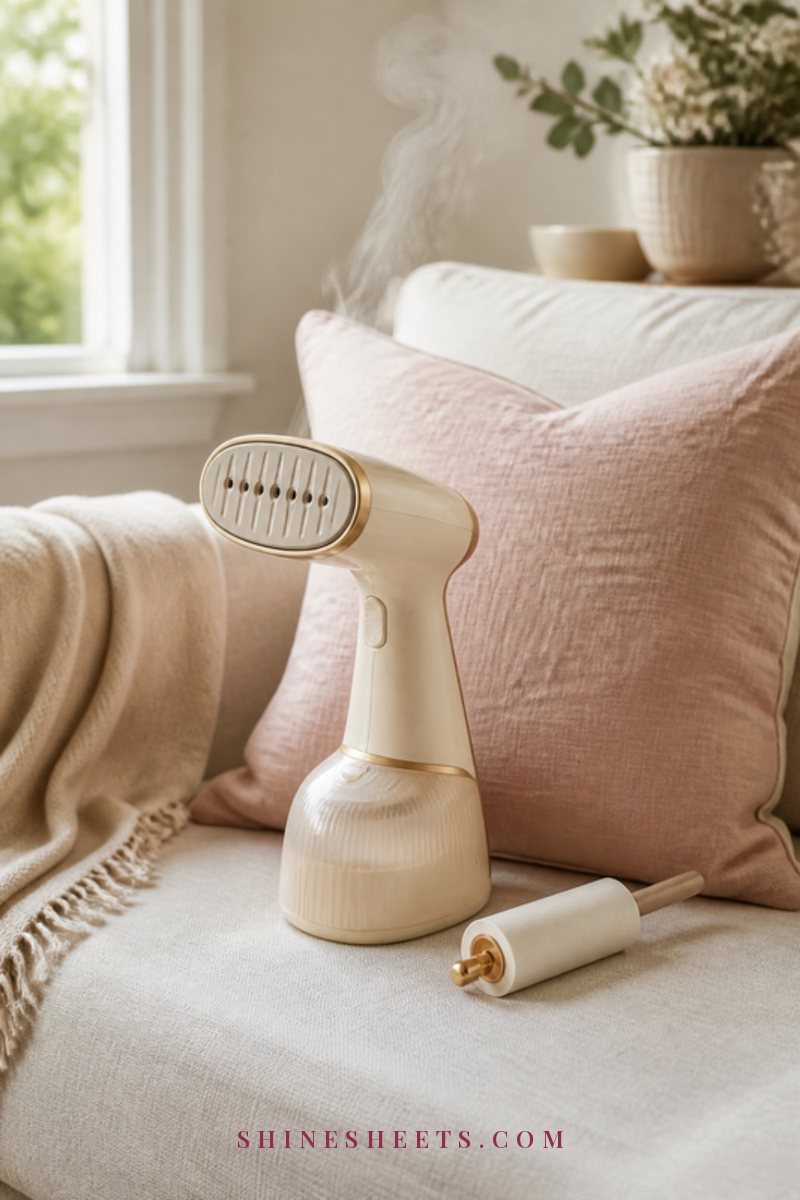
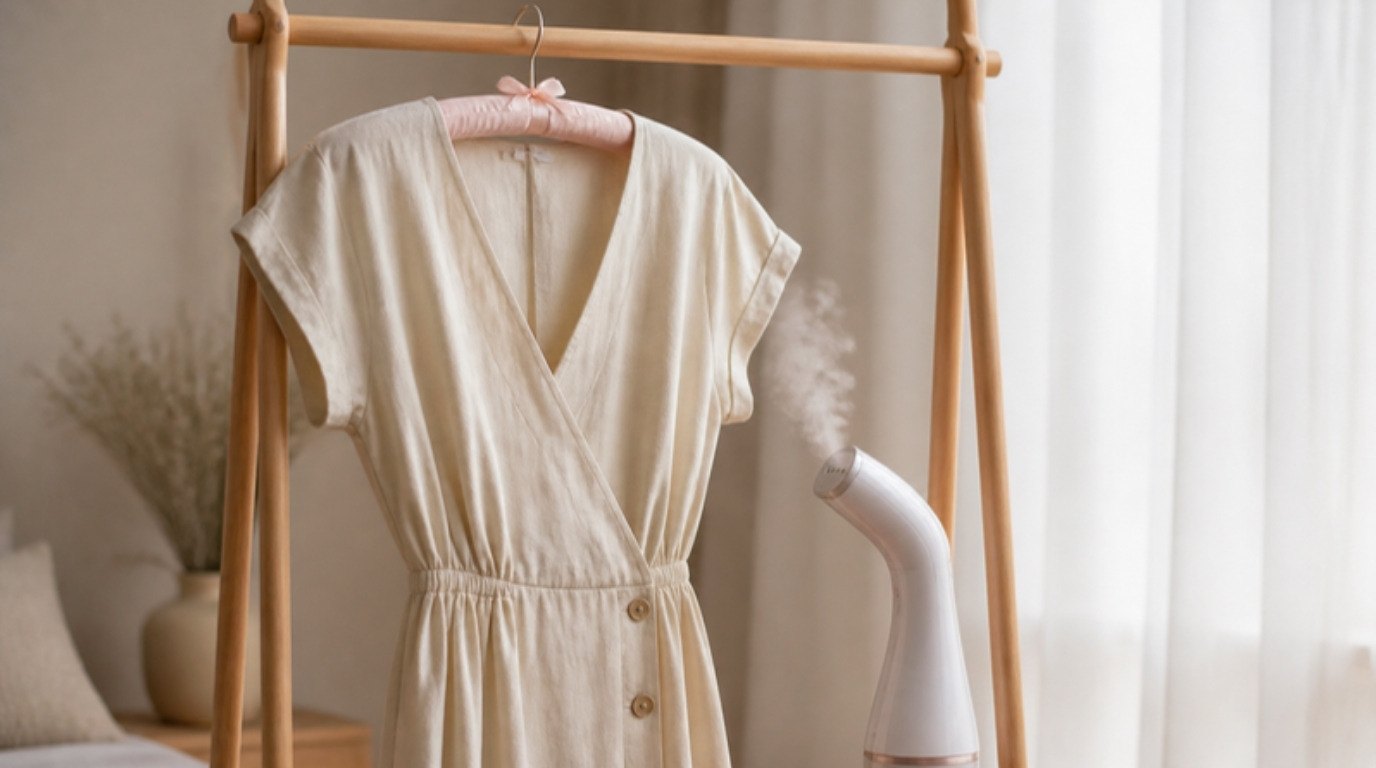
If you only buy one wrinkle tool, make it a handheld garment steamer. It's faster than ironing for most clothes, works on fabrics an iron can damage and doesn't need a board. Look for one with a water tank that holds at least 150 ml, a heat-up time under a minute and a fabric brush attachment.
How to use it:
- Fill the tank with distilled water if your tap water is hard (it prevents mineral spots and buildup). Follow the manufacturer's manual for your model.
- Hang the garment on a sturdy hanger, ideally from a door frame or rack where it can hang freely.
- Heat up for 30–60 seconds until steam flows steadily.
- Pull the fabric gently taut at the bottom with your free hand, keeping your fingers away from the steam.
- Move the steamer slowly from top to bottom, about 2–5 cm from the fabric. Steam the inside of the garment for thicker fabrics.
- Let it hang for 5 minutes to dry and set before wearing.
Why a steamer often beats an iron: it never presses the fabric flat, so it won't leave shiny patches on dark trousers or crush the texture of knits and crepe. It also refreshes clothes between wears and can relax light odors from a crowded closet. The one thing it can't do is make a sharp crease, so for crisp trouser lines or a structured shirt collar, an iron (or the straightener trick below) still has the edge.
Safety notes: steam is hotter than it looks, so never steam clothes while wearing them. Always unplug the steamer and let it cool before refilling or emptying it, and empty the tank after each use so it stays fresh. On delicate fabrics like silk and chiffon, hold the steamer a little farther away and keep it moving.
Shower Steam

The shower trick is the easiest method when you're traveling or don't own a steamer. It works best on light to medium wrinkles in fabrics that relax easily, like rayon, polyester blends, wool suits and many dresses.
- Hang the garment on a hanger from the shower rod or a hook, as far from the water spray as possible so it doesn't get wet.
- Close the bathroom door and any windows, and turn off the exhaust fan.
- Run the shower on its hottest setting for 10 minutes, or take your shower as usual.
- Leave the garment in the steamy room for 15–20 minutes in total.
- Gently tug the hem and smooth any stubborn creases with your hands while the fabric is warm and damp.
- Move it to a dry room and let it hang for 10 minutes before wearing.
For deeper wrinkles, combine this method with a light mist from a spray bottle first. And open the window or switch the fan back on afterward, because bathroom humidity is lovely for clothes but not for your walls.
Wrinkle-Release Spray or a Light Water Mist
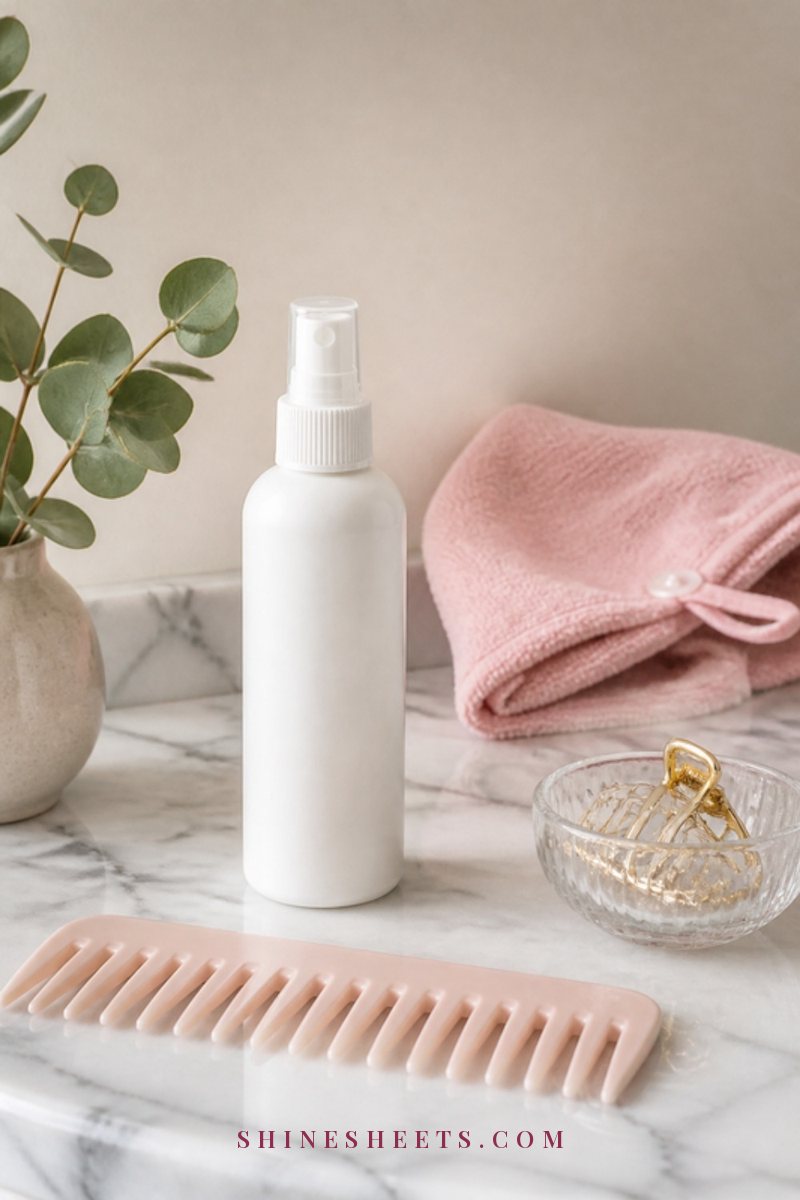
A wrinkle-release spray relaxes fibers so you can smooth creases out by hand. It's ideal for cotton tees, casual shirts and dresses when you have five minutes before you leave the house.
- Hang the garment or lay it flat on a clean bed.
- Spray from about 20–30 cm away until the fabric is lightly damp, not soaked.
- Gently pull the fabric along the seams and smooth the wrinkles with your palms, working outward.
- Let it dry for 3–5 minutes (hanging is best).
No spray on hand? Fill a fine mist spray bottle with plain water. A continuous-mist style gives a more even dampness, which means fewer water spots. Some people add a tiny splash of hair conditioner or fabric softener to the water, but it can leave marks on some fabrics, so test first or keep it simple with water.
Avoid spraying silk, acetate and some rayons, because water can leave visible rings on them. Use the steamer from a distance or the hanging method instead.
The Dryer With a Damp Cloth or Ice Cubes
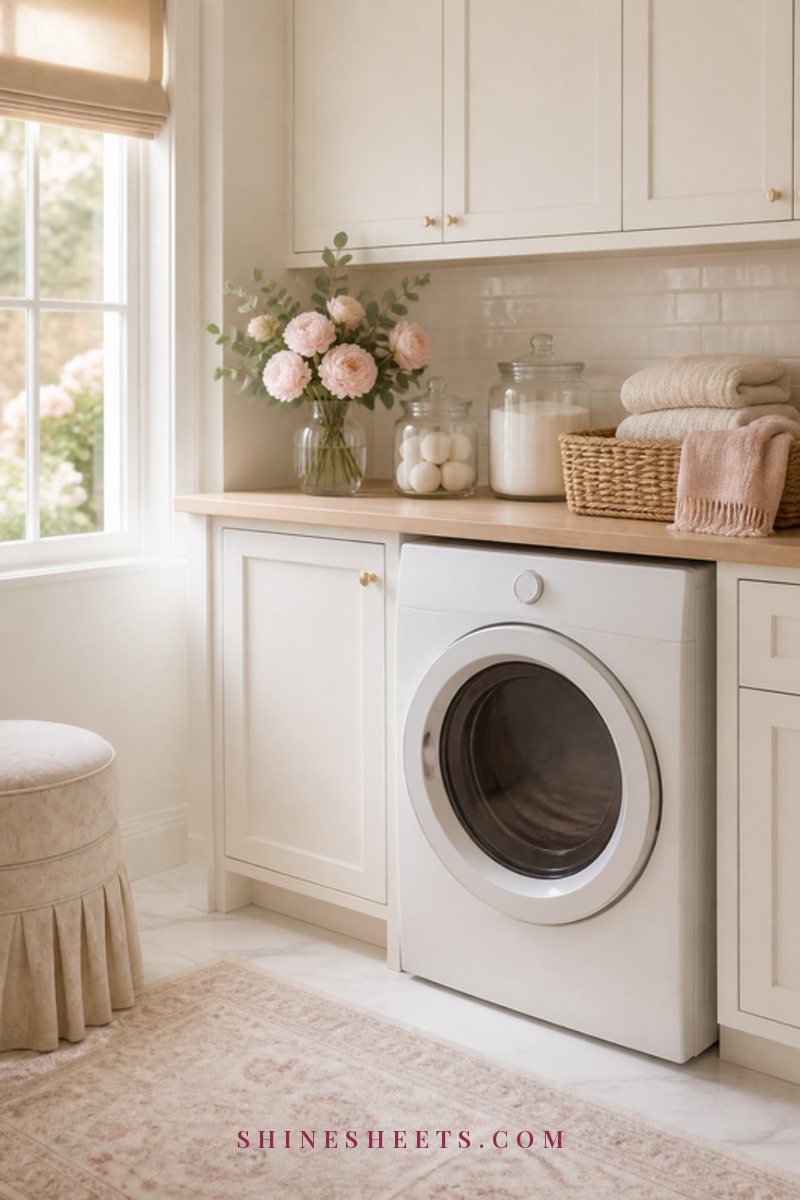
The dryer turns moisture into steam inside the drum, which is perfect for everyday basics that crease in a drawer. This only works for dryer-safe fabrics, so check the label first.
- Clean the lint filter before you start. A clean filter keeps the dryer safer and more efficient.
- Add 1–3 wrinkled garments, not a full load. They need room to tumble.
- Add moisture: either a clean, damp (not dripping) washcloth or 2–3 ice cubes. The ice melts and turns into steam.
- Run on medium heat for 10–15 minutes. High heat can shrink cotton or set wrinkles in synthetics.
- Remove immediately and hang or fold right away while warm. This step matters most: leaving clothes in the drum creates new wrinkles.
Skip this method for wool, cashmere, silk, lace, anything with embellishments and anything labeled "do not tumble dry." Knits like cashmere need much gentler care, which I cover in my guide on how to care for cashmere.
A Hair Straightener for Collars and Hems
A flat iron is surprisingly useful for small areas that a steamer struggles with: shirt collars, cuffs, button plackets, pleats and hems.
- Clean the plates first. Wipe them with a damp cloth while the straightener is cold and unplugged. Hair product residue can transfer onto fabric.
- Use the lowest setting that works. Start low and increase gradually. Cotton and linen can handle medium heat; anything else should stay on low or skip this method.
- Clamp and glide. Clamp the fabric lightly and glide along the collar or hem in one smooth motion for 2–3 seconds. Never hold it still.
- Test inside first. Try it on the inside of the collar or the underside of the hem.
Avoid silk, polyester, nylon and anything shiny or sequined. They can scorch or melt in seconds. When you're done, unplug the straightener and leave it on a heat-safe surface to cool, and never leave it switched on unattended.
No-Heat Tricks: Rolling, Pressing and Smoothing
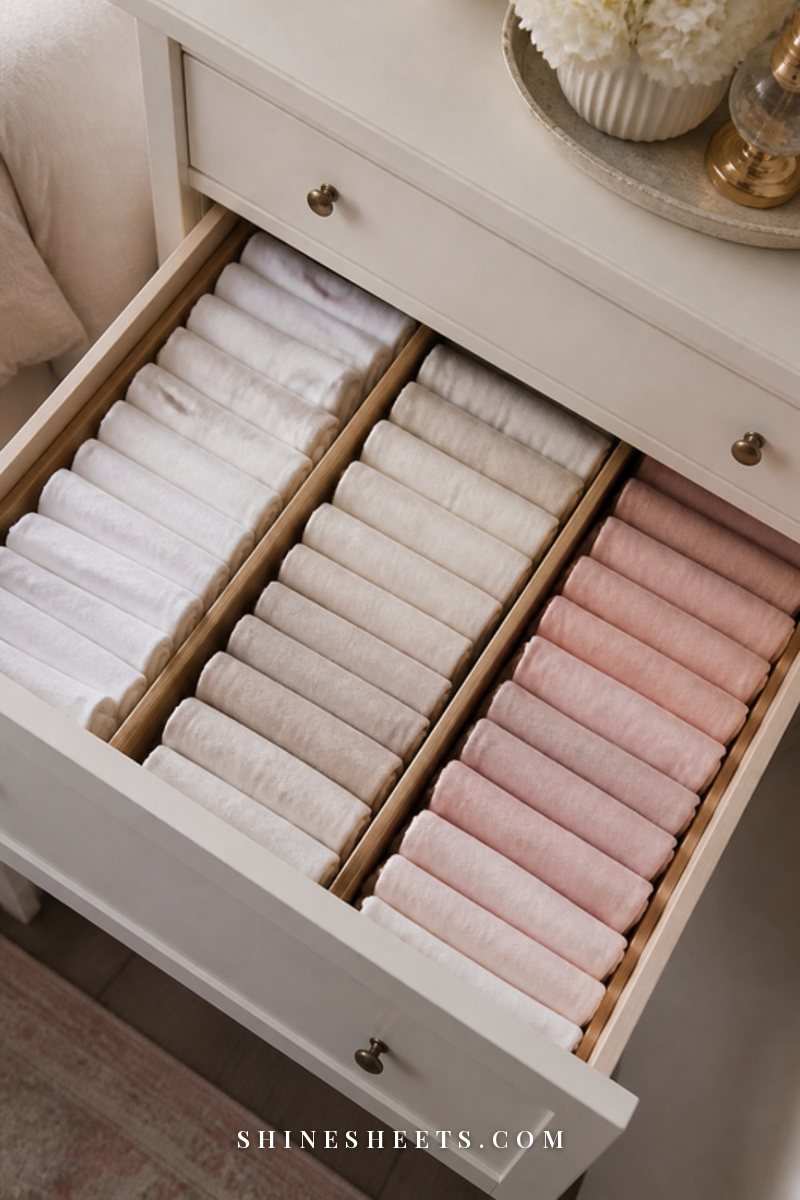
When a fabric's label says no heat, or you have no tools at all, these gentle methods still help:
- Rolling. Lay a tee or knit flat, smooth it with your hands, fold the sleeves in and roll it tightly from the hem up. Leave it for a few hours. Rolling creates fewer sharp folds than stacking.
- Pressing under weight. Lay the garment flat, mist it very lightly with water, cover it with a clean towel and place a few heavy books on top for 1–2 hours or overnight. This is an old trick for scarves, tees and pillowcases.
- Damp palms. Wet your hands lightly, then smooth and pat the creases while pulling the fabric taut. Great for a small crease in a skirt or a tee while you're getting dressed.
- Hanging with weight. Hang trousers or a skirt by the hem using clip hangers. Gravity slowly pulls out light creases over a few hours.
- Body heat. Light creases in knits and jersey often relax on their own after 20–30 minutes of wear.
Fabric-by-Fabric Guide
Different fibers wrinkle and relax in different ways. Here's what works best for each one:
- Cotton: wrinkles easily, but responds well to almost any method. Steamer, dryer with ice cubes or spray and smooth.
- Linen: wrinkles more than any other fabric, and a soft crumple is part of its charm. Use a steamer or shower steam on a damp garment. Expect a relaxed, not crisp, finish without an iron.
- Silk: delicate and prone to water spots. Steam from a distance (10 cm or more), shower steam away from the spray, or hang overnight. No spray, no straightener.
- Wool and cashmere: relax beautifully with gentle steam. Keep the steamer moving and don't touch the fabric with the head. No dryer.
- Polyester and blends: wrinkle less but can go shiny with high heat. Shower steam, steamer on low, or a short low-heat dryer cycle if the label allows.
- Rayon and viscose: can shrink or spot with water. Steam from a distance and test first.
- Knits and jersey: rarely need much. Rolling, a quick steam or wearing them for a while usually does it.
When in doubt, the gentlest method is always the right place to start. You can add more heat or moisture later, but you can't undo a scorch mark.
A 10-Minute Morning Rescue Plan
When you've got one wrinkled outfit and ten minutes before you leave, this order gets the most done in the least time:
- Minute 0: check the care label, then hang the garment in the bathroom and start the hot shower with the door closed.
- Minutes 1–8: shower and do your skincare while the room fills with steam.
- Minute 8: mist any deep creases lightly with water and tug the hem and sleeves gently.
- Minute 9: fix the collar and cuffs with damp palms (or a quick pass with a steamer if you have one).
- Minute 10: hang it in a dry room or by an open window while you finish getting ready, then dress last.
If the garment is dryer-safe and you're not showering, the damp washcloth in the dryer for 10–15 minutes is the hands-off alternative.
Common Mistakes To Avoid
A few small slips cause most of the trouble with iron-free methods:
- Soaking instead of misting. Fabric should feel lightly damp, not wet. Too much water means long drying times and possible water rings.
- Using high heat on synthetics. Polyester and nylon can go shiny or melt. Start low every time.
- Steaming while wearing the clothes. It's tempting for a quick fix, but steam can burn skin. Take the garment off first.
- Forgetting the hidden-spot test. Especially with sprays, straighteners and new fabrics.
- Putting a damp garment straight on. Damp fabric wrinkles again the moment you sit down. Give it 5–10 minutes to dry and set.
- Treating delicates like everyday cotton. Silk, lace and fine knits need low heat and patience. My guide on how to wash delicates covers the gentle care that keeps them looking new.
Travel Tips
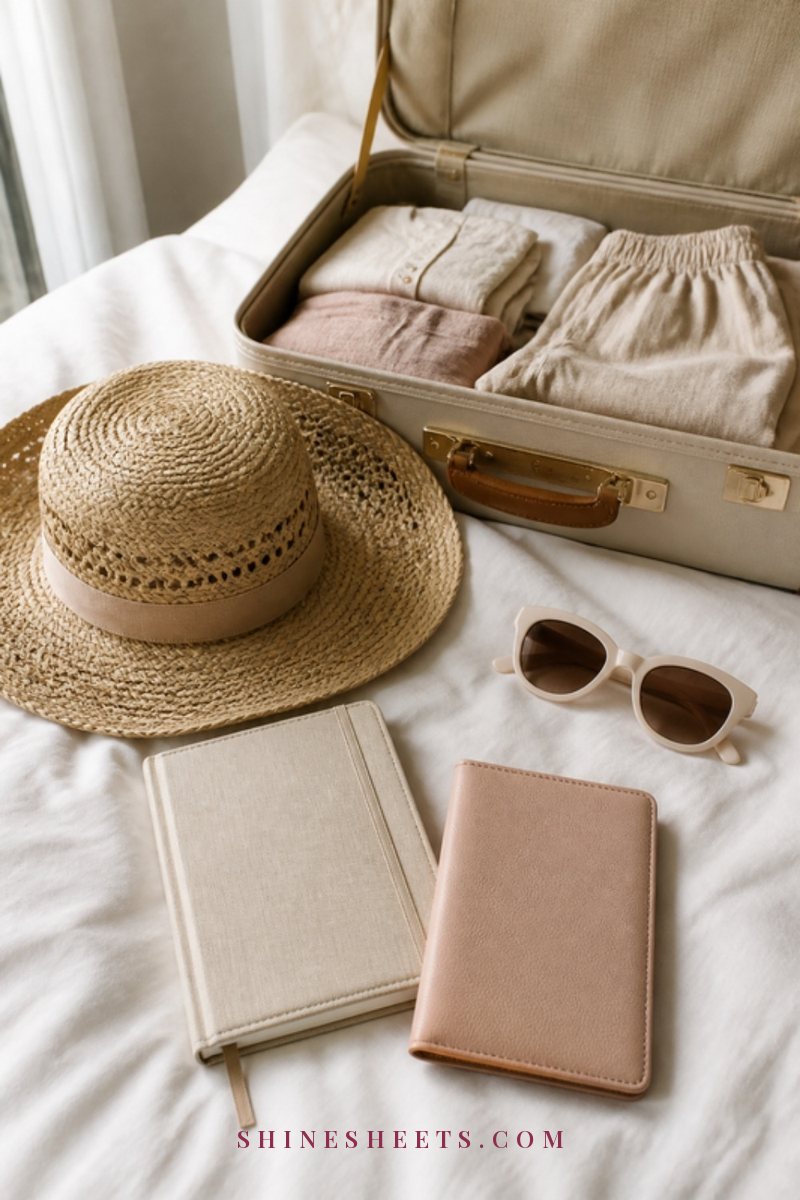
Travel is where wrinkles feel most annoying, and where most of these methods shine. A few habits make a big difference:
- Pack wrinkle-resistant fabrics. Knits, jersey, merino, polyester blends and crepe travel much better than linen and crisp cotton.
- Roll, don't fold, for tees, knits and casual dresses.
- Use packing cubes. A set of soft packing cubes keeps clothes snug, so they don't shift and crease in transit. Don't overstuff them, though, because tight compression creates its own wrinkles.
- Fold delicate pieces with tissue paper between the layers. It reduces friction and sharp creases.
- Unpack right away. Hang everything as soon as you arrive, then use the shower steam trick while you get ready.
- Carry a travel-size spray. A small wrinkle-release spray fits in a toiletry bag (check your airline's liquid rules).
For a light wardrobe that mixes and matches and travels well, my capsule wardrobe guide is a good place to start planning.
How To Prevent Wrinkles in the First Place
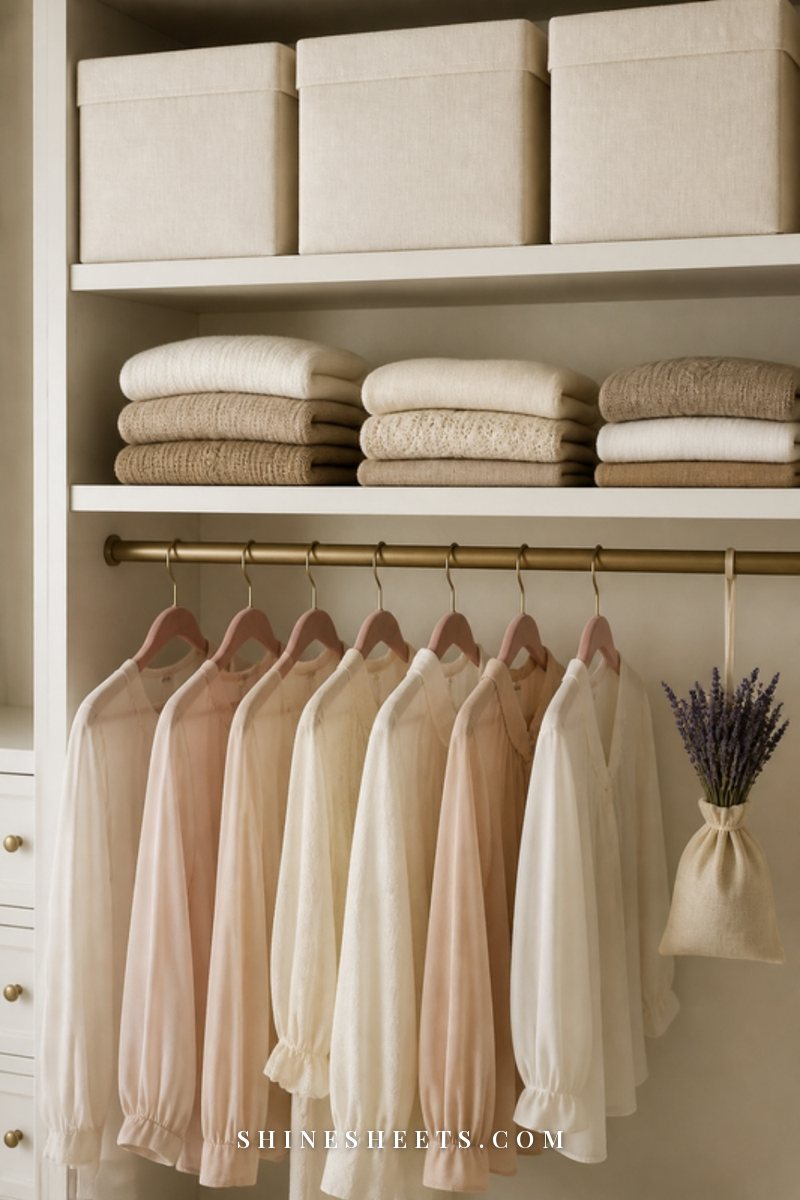
The easiest wrinkle is the one that never forms. These small habits save a lot of steaming:
- Don't overload the washer or dryer. Clothes need room to move. Crowded loads come out creased.
- Remove clothes from the dryer promptly. Set a timer and take them out while they're still warm. Shake each piece out once.
- Hang or fold right away. A pile of clean laundry on a chair is a wrinkle factory.
- Use the right hangers. Padded satin hangers are gentle on blouses, knits and delicate dresses, and they prevent shoulder bumps.
- Give your closet breathing room. Packed rails crush clothes. Leave a finger's width between hangers.
- Shake and snap. Before hanging wet laundry to dry, give each piece a firm shake and smooth the seams. It removes most creases before they set.
- Use a gentle spin cycle for wrinkle-prone fabrics. A lower spin speed means fewer deep creases.
If you'd like a simple system that makes all of this automatic, my laundry routine guide breaks it into easy weekly steps.
Final Thoughts
You don't need an iron or a board to look polished. A little steam, a few minutes in the dryer or a light mist and your hands can handle almost any wrinkle, as long as you match the method to the fabric and check the care label first.
Start with the gentlest option, test on a hidden spot, and let a few prevention habits do the quiet work for you. Smooth, fresh clothes can be the easiest part of your morning.