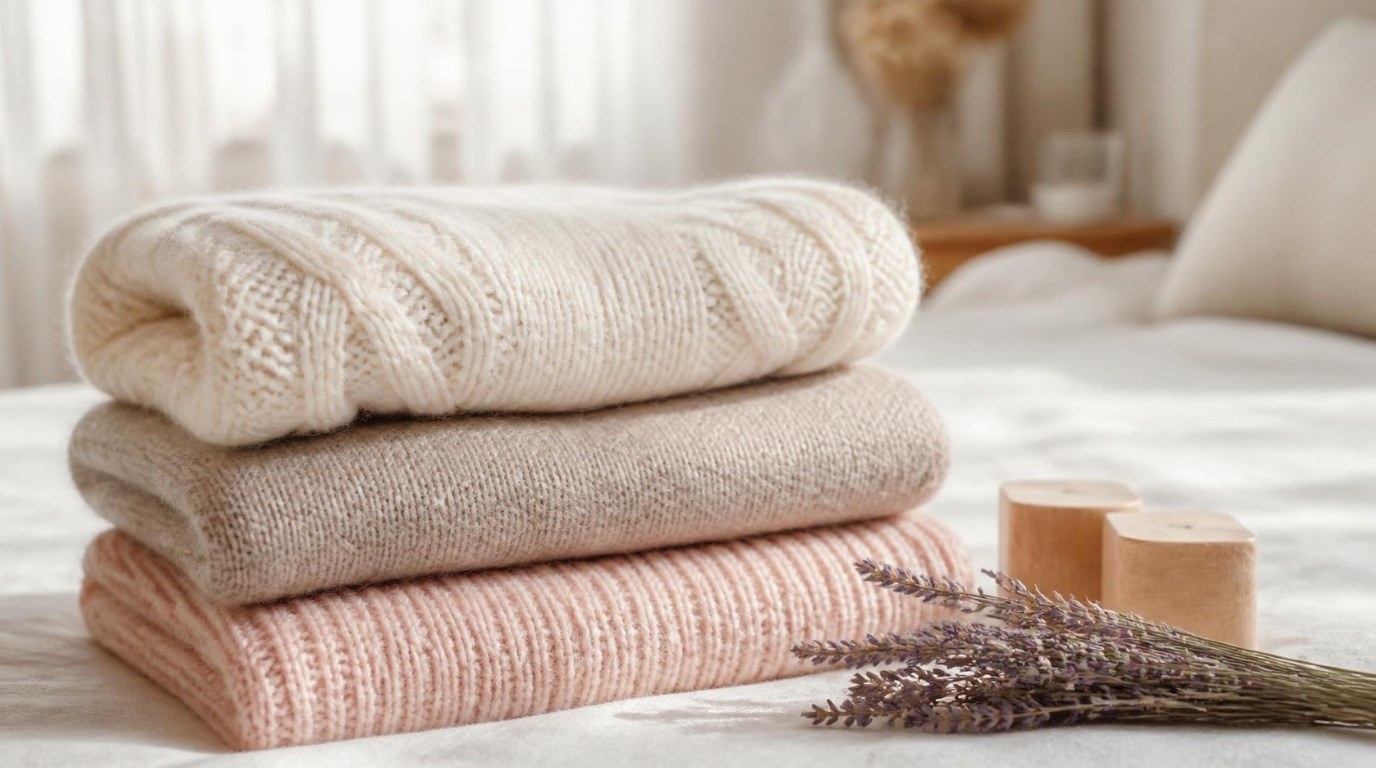
Pilling doesn't mean a sweater is cheap or ruined. Those tiny fuzzy balls are just loose fibers that worked their way to the surface and tangled together, and almost every knit gets them eventually, including expensive cashmere. The difference between a sweater that looks tired and one that looks new for years usually comes down to two things: removing pills the right way and preventing new ones from forming.
The right way matters, because the wrong tool or too much pressure can thin the fabric or even cut a hole. A thick wool-blend cardigan can take a lot more than a fine merino layering knit, and knowing the difference saves you from heartbreak.
In this guide on how to remove pilling from sweaters, you'll learn why pilling happens, which fabrics pill the most, the safe tools and when to use each one, a step-by-step method, the mistakes to avoid and a simple prevention routine. There's also a fabric table so you can match each sweater to the best tool at a glance.
Why Sweaters Pill in the First Place
Pills form when short or loose fibers get rubbed out of the yarn and twist into little balls that stay anchored to the fabric. Three things make it more likely:
- Friction. Anywhere the sweater rubs against something: under the arms, the sides where your arms swing, the cuffs, the front where a bag strap or seatbelt sits, and the back if you lean against chairs.
- Short fibers. Yarns spun from shorter fibers have more loose ends that can escape. Softer, fluffier yarns often feel lovely precisely because of those loose ends, which is also why they pill.
- Blends. When a natural fiber like wool is blended with a strong synthetic like acrylic or polyester, the natural fibers break loose but the strong synthetic ones hold the pill in place. On pure wool, pills tend to fall off on their own over time; on blends, they stay.
Washing adds friction too, especially in a crowded machine or a hot dryer. That's why how you wash and dry knits matters as much as how you remove the pills.
Which Fabrics Pill the Most
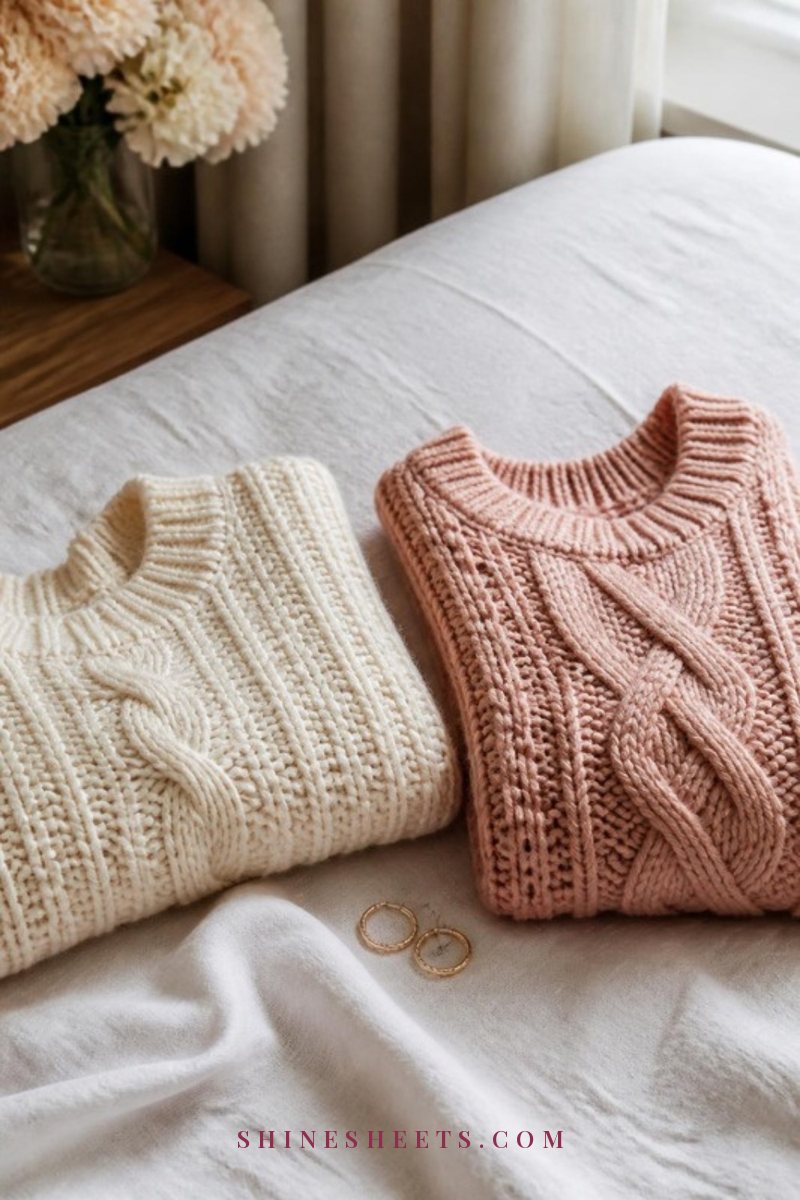
Some knits barely pill at all, and others start after just a few wears. Here's a rough order from most to least likely:
- Acrylic and acrylic blends: pill quickly and the pills cling tightly.
- Wool blends with nylon or polyester: common in budget knits; pills hold on because of the synthetic part.
- Cashmere: pills at friction points, especially in the first few wears, then usually settles down.
- Soft merino and lambswool: some pilling at the sides and cuffs.
- Cotton knits: pill less, but loose, chunky cotton can fuzz.
- Tightly knit, long-fiber wool: pills least of all.
When you shop, a tighter knit (you can't see much light through it when you hold it up) and longer fibers will generally pill less. That's not a rule, just a helpful hint.
Fabric, Best Tool and Prevention Table
Use this table to choose the gentlest tool that will do the job. When in doubt, start with the softest option and only move up if you need to.
| Fabric | Best tool | Pressure | Prevention |
|---|---|---|---|
| Cashmere | Sweater comb | Very light, short strokes | Hand wash cold, dry flat, rest a day between wears |
| Merino and fine wool | Sweater comb or fabric shaver on lowest setting | Light | Wool cycle or hand wash, mesh bag, never tumble dry |
| Chunky wool and wool blends | Electric fabric shaver | Light to medium | Wash inside out, cold gentle cycle, fold to store |
| Acrylic and synthetic knits | Electric fabric shaver | Light to medium | Inside out, mesh bag, low or no heat |
| Cotton knits | Electric fabric shaver | Light | Inside out, gentle cycle, air dry |
| Thin or loose-knit sweaters | Pick off large pills with small scissors | No pressure | Hand wash, avoid bag straps and rough surfaces |
| Sturdy, tight knits only | Disposable razor (with caution) | Barely any | Wash inside out, air dry |
Screenshot it and keep it handy for the next time you pull out your winter knits.
The Safe Tools for Removing Pills
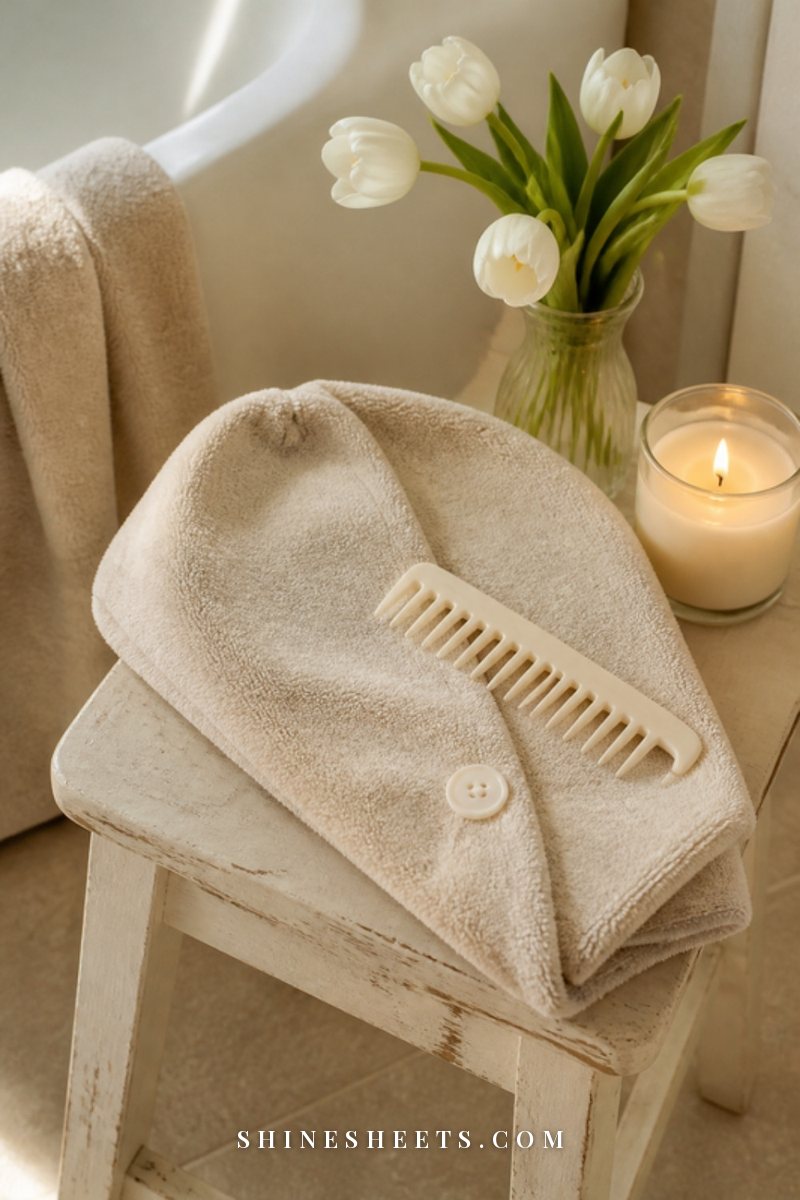
You only need one or two tools. Here's what each one does well and where it can go wrong.
Electric Fabric Shaver
An electric fabric shaver has small rotating blades behind a perforated guard. The pills poke through the holes and get sliced off, then drop into a little lint chamber. It's fast and works on most medium and thick knits.
Look for one with an adjustable height guard (so you can keep the blades further from thin fabric), a removable lint chamber and a rechargeable battery. Always use it on a flat surface, with light pressure, and test it on an inside seam first. Switch it off and empty the chamber regularly, and keep your fingers away from the blades when cleaning it.
Sweater Comb
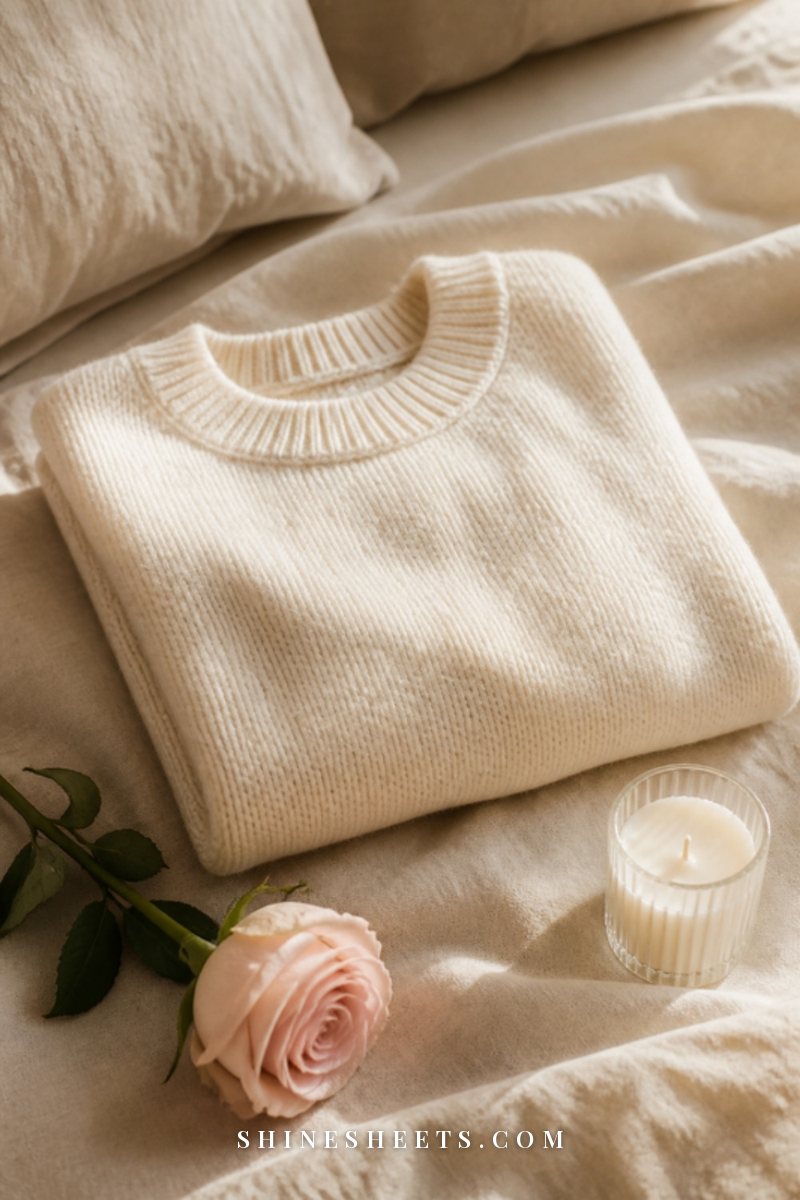
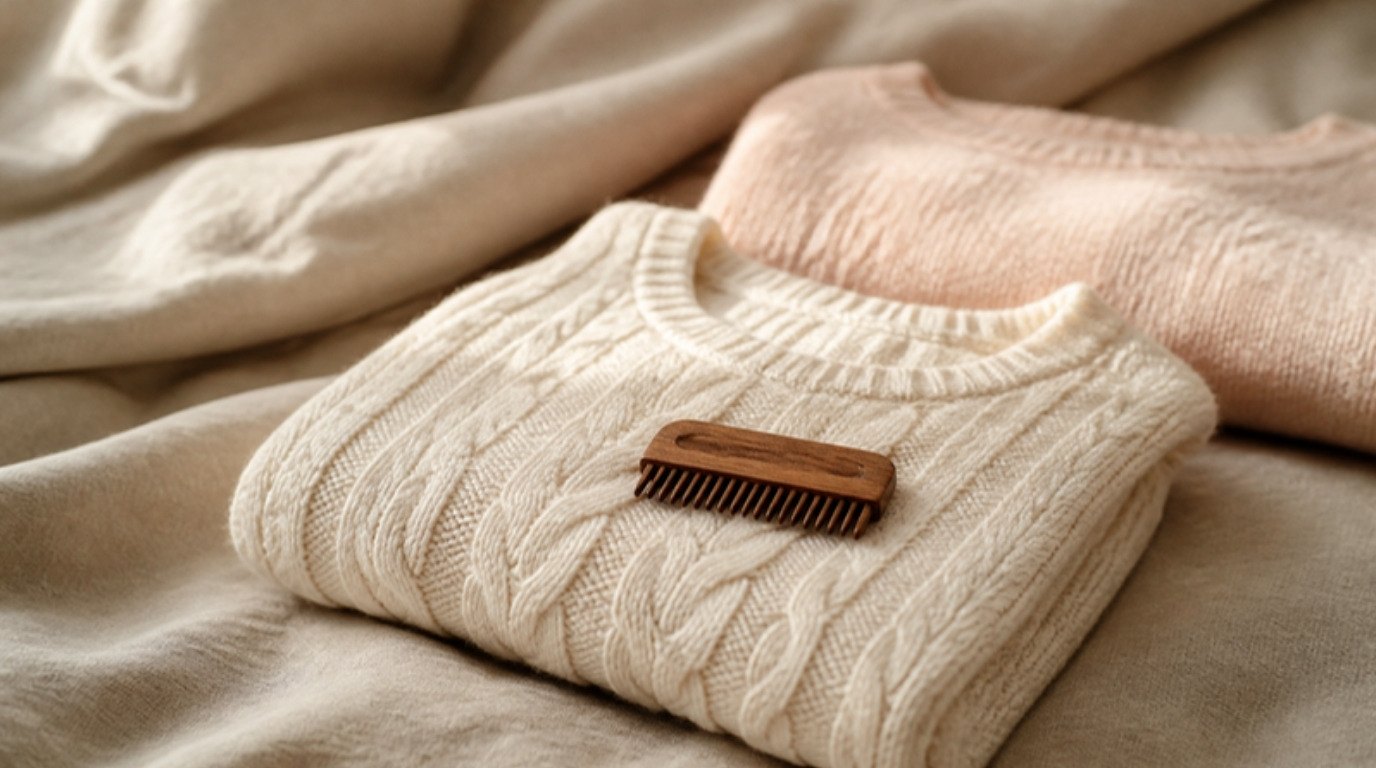
A sweater comb is a small, fine-toothed tool that catches pills and lifts them away without blades. It's the gentlest option and the one I'd choose for cashmere and fine wool. It takes longer than a shaver, but it's very hard to damage a sweater with it.
Use short strokes in one direction, holding the fabric taut with your other hand, and lift the comb off at the end of each stroke rather than scrubbing back and forth.
The Razor Method (Sturdy Knits Only)
A new, clean disposable razor can remove pills from sturdy, tightly knit sweaters in a pinch. It's the riskiest method, so use it only on thick knits you're not too precious about. Lay the sweater flat and taut, hold the razor almost flat against the fabric and use short, feather-light downward strokes. Never use a razor on cashmere, fine merino, thin knits or anything with an open, loose weave. One slip can cut a hole, so go slowly and stop if you see the fabric thinning.
How To Remove Pilling From Sweaters, Step by Step

This method works with a fabric shaver or a sweater comb. Plan about 10–20 minutes per sweater, depending on how pilled it is.
- Read the care label. Check the fiber content so you know which tool and pressure to use.
- Make sure it's clean and completely dry. Damp fibers stretch and are easier to damage.
- Lay it flat on a hard surface. A table or ironing board is better than a bed, because a soft surface lets the fabric bunch up into the blades.
- Test on a hidden spot. Try a small area on an inside seam or the inside hem first and check the result.
- Hold the fabric taut. Smooth one section with your free hand so there are no wrinkles or folds.
- Work in small sections. Use light pressure and slow circles with the shaver, or short one-direction strokes with the comb. Let the tool do the work.
- Focus on friction zones. Underarms, sides, cuffs and the front where bags rub usually need the most attention.
- Empty the lint chamber often. A full chamber makes a shaver less effective.
- Finish with a lint roller or a soft brush. This picks up loose fuzz so the sweater looks fresh.
- Turn it over and repeat on the back and sleeves.
Don't aim for perfect. A sweater that looks smooth from arm's length is a sweater that looks great when you're wearing it.
How Often Should You De-Pill?
There's no fixed schedule, because it depends on the fabric and how often you wear the piece. A good rule of thumb: de-pill when you notice the pills from a normal distance, not when you spot one or two up close. For most people that means:
- Cashmere and fine wool: a light comb-through two or three times a season.
- Everyday wool blends: about once a month during the colder months.
- Acrylic and synthetic knits: as needed, sometimes every few wears, since they pill fastest.
New cashmere often pills a lot in the first weeks and then calms down once the loosest fibers are gone, so don't panic if a brand-new sweater fuzzes quickly. A gentle comb after the first few wears is usually all it needs.
What Not To Do
Most sweater damage happens with good intentions. Avoid these common mistakes:
- Pulling pills off by hand. It drags more fibers out of the yarn and creates new pills (and sometimes small holes).
- Shaving thin knits. Fine, lightweight sweaters don't have enough fabric to spare. Snip the biggest pills carefully with small scissors instead.
- Pressing too hard. Heavy pressure pushes the fabric into the blades and can thin or cut it.
- Working on a soft surface. Folds and bunches are where holes happen.
- De-pilling every week. Each session removes a little fiber. Do it only when the pills are noticeable, maybe a few times a season.
- Ignoring the care label. It tells you what the fabric can handle, so it's always worth a look.
How To Prevent Pilling
Removing pills is satisfying, but preventing them is even better. These habits slow pilling down a lot.
Wash Smarter
- Wash less often. Wool and cashmere don't need washing after every wear. Air them out overnight and wash every five or six wears, or when they actually look or smell like they need it.
- Turn sweaters inside out so the outer surface rubs less against the drum and other clothes.
- Use a cold, gentle or wool cycle, or hand wash in cool water for 5–10 minutes with minimal rubbing.
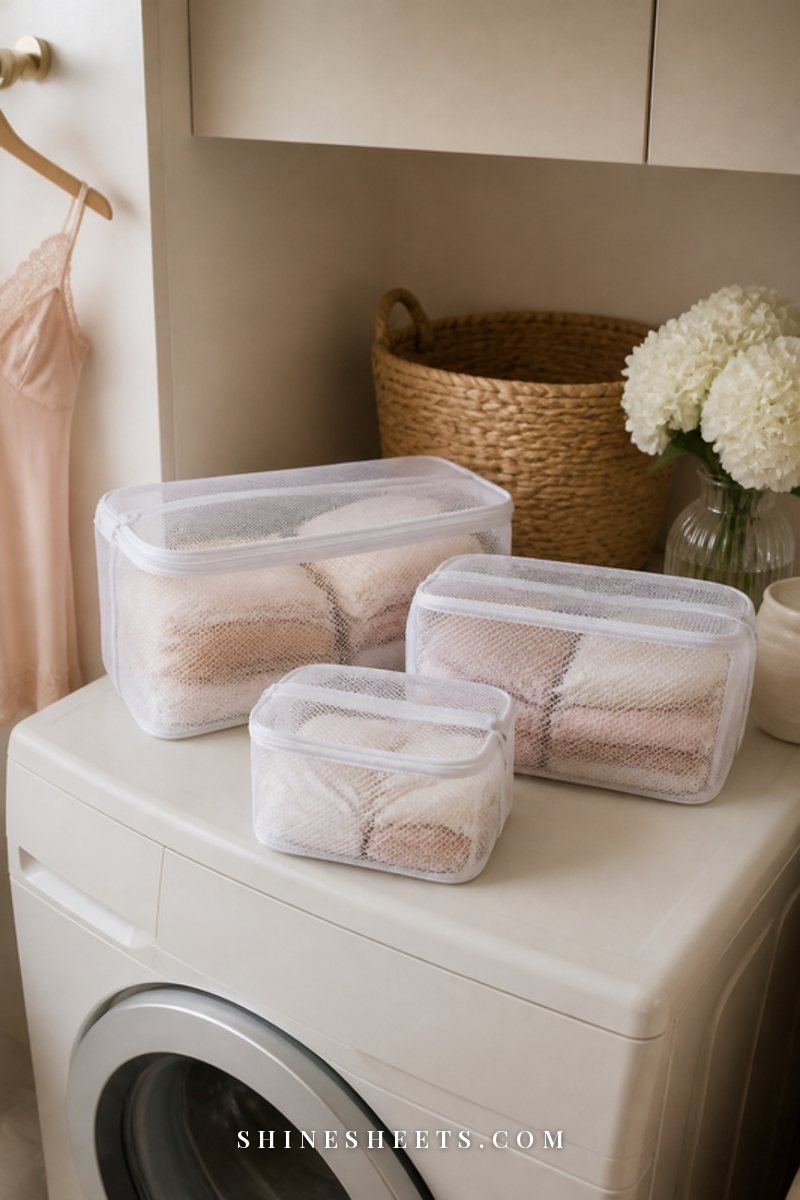
- Use mesh bags. Placing each knit in its own mesh laundry bag cuts down on friction in the machine.
- Choose a gentle detergent. A wool wash detergent is milder on natural fibers than a regular heavy-duty formula.
- Don't overload the machine. A half-full drum means less rubbing.
For more on gentle washing, my laundry tips cover sorting, temperatures and the small habits that make clothes last.
Skip the Dryer
Tumble drying is one of the biggest causes of pilling (and shrinking). Gently press out water by rolling the sweater in a clean towel, then lay it flat to dry on a towel or a drying rack, reshaping it as you go. Keep it away from radiators and direct sun. Most knits dry in 24–48 hours.
Change a Few Wear Habits
- Rest sweaters between wears. Giving fibers a day off lets them recover their shape.
- Watch your bag straps. Crossbody straps and backpacks rub constantly. On delicate knits, carry your bag by hand or wear a coat over the sweater.
- Be mindful of rough surfaces. Textured desks, rough chair backs and seatbelts all add friction.
- Layer thoughtfully. A smooth coat lining causes less pilling than a rough wool coat over a soft knit.
If you have cashmere pieces in your closet, my guide on how to care for cashmere goes deeper into washing, drying and storing it.
How To Hand Wash a Sweater Gently
Hand washing is the kindest option for cashmere, fine merino and any knit you love a little too much to risk in the machine. It takes about 20 minutes of actual work, plus drying time.
- Fill a clean basin or sink with cool water. Lukewarm at most. Hot water can shrink and felt wool.
- Add a small amount of wool wash. Follow the dose on the bottle; usually about a capful is plenty for one or two sweaters.
- Turn the sweater inside out and submerge it. Press it gently under the water so it soaks evenly.
- Let it soak for 10 minutes. Swish it softly once or twice, but don't rub, twist or scrub.
- Drain and rinse. Refill with cool clean water and press the sweater a few times until the water runs clear. Some wool washes are no-rinse; check the label.
- Press out the water. Gather the sweater into a ball and press it against the side of the basin. Never wring it.
- Roll it in a towel. Lay it flat on a clean, thick towel, roll the towel up like a sleeping bag and press firmly to absorb more water.
- Dry flat. Unroll, reshape the sweater on a dry towel or drying rack and let it air dry away from heat.
If a care label says "dry clean only," follow it, especially for structured or embellished knits. When in doubt, a professional cleaner is the safer choice.
Quick Fixes When You're Heading Out the Door
Sometimes you notice the pills when you're already dressed and running late. A few calm, low-risk options:
- Use a lint roller. It won't remove firmly attached pills, but it lifts loose fuzz and makes the sweater look tidier in seconds.
- Snip the two or three biggest pills. Small, sharp scissors held flat against the fabric, cutting only the pill, never the knit.
- Layer strategically. A blazer or coat over a sweater hides pilled sides and underarms beautifully.
- Save the full de-pilling for later. Rushing with a shaver or razor is how holes happen.
How To Store Sweaters So They Stay Smooth
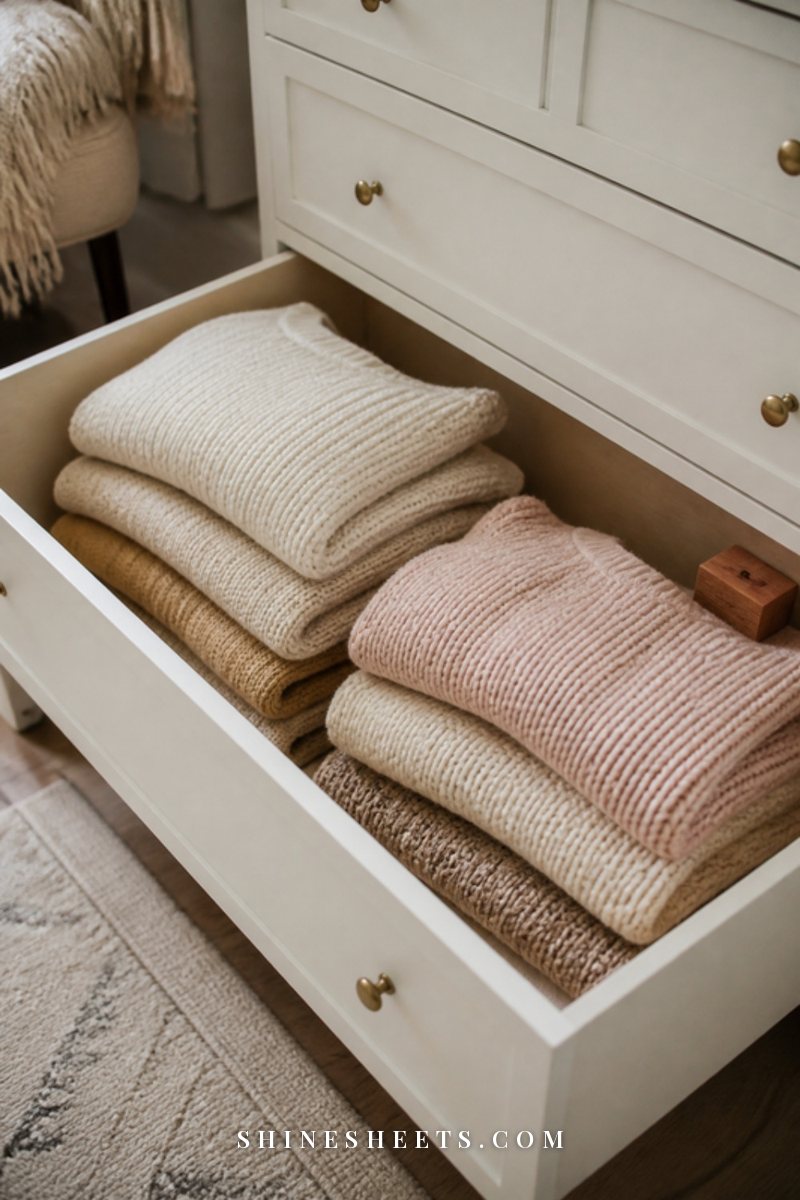
Good storage protects knits from stretching and from moths, which can damage fibers and make pilling worse.
- Fold, don't hang. Hanging stretches the shoulders and can pull the knit out of shape. Fold sweaters and store them on a shelf or in a drawer.
- Hang only light knits, carefully. If you must hang a thin knit, use padded hangers and fold it over the bar rather than hanging from the shoulders.
- Don't overstuff. Crammed drawers crush fibers and add friction.
- Add cedar. A few cedar blocks tucked between sweaters help deter moths. Lightly sand them every few months to refresh the scent.
- Store clean. Moths are drawn to body oils and food traces, so always wash or air out sweaters before putting them away for the season.
- Use breathable storage for off-season knits: cotton bags or lidded boxes, not airtight plastic.
If seasonal sweater storage is part of a bigger closet refresh, my weekly laundry routine helps keep the washing side of things under control.
When a Sweater Is Past Saving
Sometimes a sweater has been de-pilled so many times that the fabric is noticeably thin, see-through in places or developing holes. Other times the pills return within a single wear no matter what you do. At that point, it's okay to let it go.
A few ideas for well-loved knits:
- Keep it as a lounge or sleep sweater at home, where pills don't matter.
- Donate it if it's still in wearable condition.
- Take it to a textile recycling drop-off if it's worn out.
- Use the lesson when you shop next: check the fiber content and knit tightness before buying.
Letting go of a few tired pieces can also make room for the knits you truly love wearing. If your sweater drawer is overflowing, my guide on how to declutter your wardrobe makes those decisions feel a lot less emotional.
When you buy your next sweater, a few quick checks help you choose one that pills less:
- Read the fiber content. A high percentage of a single natural fiber usually pills less stubbornly than a wool-acrylic mix.
- Hold it up to the light. A tighter knit lets less light through and holds its fibers better.
- Rub a hidden spot gently. If fuzz appears right away in the store, it will pill quickly at home.
- Feel the surface. Very fluffy, brushed yarns feel lovely but tend to shed and pill more.
Final Thoughts
Pilling is a normal part of owning knits, not a sign you did something wrong. With the right tool for each fabric, a light hand and a flat surface, you can remove pilling from sweaters in a few calm minutes and bring them right back to life.
The real magic happens before the pills even form: washing less and more gently, skipping the dryer, folding instead of hanging and giving your favorite pieces a little rest. Treat your sweaters kindly, and they'll keep you warm and polished for many winters to come.