Your lips are one of the easiest places on your body to burn and one of the easiest to forget. Most of us are careful with face sunscreen, then walk out the door wearing a plain balm, a gloss or nothing at all on the one spot that has almost no natural defense against the sun.
The good news is that fixing this takes about five seconds and one small swap. A lip balm with SPF does the same comforting job as your usual balm, and it quietly protects the delicate skin that sits right in the middle of your face, in full sun, all day long.
This guide covers everything you need to know about lip sunscreen: why lips burn so easily, what to look for on the label, mineral versus chemical filters (without the drama), how to apply and reapply it, how to wear it under lipstick and gloss, and a simple table that matches each type of lip SPF to the moment it suits best.
It took me far too long to realize that my "lip care" stopped at moisture. Think of this as the gentle nudge I wish I'd had.
Why Your Lips Burn So Easily
Lip skin is different from the skin on your cheeks, and those differences explain why lips can feel tight, hot and peely after a day outside even when the rest of your face looks fine.
- The skin is very thin. The outer protective layer on your lips is much thinner than on the rest of your face, so UV light reaches the living layers more easily.
- There is little melanin. Melanin is the pigment that gives skin some natural protection from UV. Lips have very little of it, which is part of why they look pink or rosy in the first place.
- There are no oil glands. Your lips can't make their own oils the way your T-zone can (mine certainly makes enough for both). That means less natural barrier and faster drying, especially in sun and wind.
- They face the sky. The lower lip in particular sticks out a little and catches direct sunlight, plus light bouncing off water, sand, snow and pavement.
Put those together and you have skin that is thin, low in pigment, can't moisturize itself and sits in the sun for hours. Lip sunscreen isn't fussy or extra. It is simply filling a gap your body leaves open.
What Sun Exposure Can Mean for Lips Over Time
A single day without protection usually shows up as dryness, tightness, a little swelling or peeling. That alone is reason enough to care, because sun-dried lips are much more likely to crack and stay chapped. If you're stuck in a loop of flakes that never quite settle, my guide to chapped lips that won't heal walks through the other common causes too.
Over years, repeated sun exposure can show up in quieter ways:
- Lips that feel dry most of the time, even with balm
- A less defined lip line, where the edge of the lip looks blurrier
- Darker or uneven patches of color, which many people notice on the lower lip first
- Rough, scaly spots that come back in the same place
Uneven color can have many causes beyond the sun, and if that's your main worry, my article on dark lips and gentle ways to even them goes deeper. For everything on this list, though, daily SPF is the most realistic prevention step you have.
One kind but important note: a sore that doesn't heal within a few weeks, a scaly or crusty patch that keeps returning, a lump, bleeding or a new change in color on your lip is a reason to see a dermatologist. Most of the time it's something simple. Still, lip skin is worth having checked by a professional, and an early look is always the easy route.
What To Look For in a Lip Balm With SPF
The lip SPF aisle can look busy, but you really only need to check five things. Here they are in the order I'd read a label.
1. Broad Spectrum and SPF 30 or Higher
"Broad spectrum" means the product protects against both UVA rays (the ones linked to long-term damage and darkening) and UVB rays (the ones that cause burning). If those two words aren't on the label, keep looking.
For SPF, I'd choose 30 or higher for everyday wear. SPF 15 is better than nothing on a short errand, but most of us apply lip products thinly and lick or rub some away, so starting higher gives you more room for real life. For long days outside, at the beach or on the slopes, SPF 30 to 50 is a comfortable range.
A simple formula to remember: broad spectrum + SPF 30 or more + a texture you'll actually wear. That last part matters as much as the numbers.
2. Mineral or Chemical Filters
Both kinds of filters work when you apply enough and reapply. The choice is mostly about texture and how your skin reacts.
- Mineral filters are zinc oxide and titanium dioxide. They tend to be gentle on sensitive skin and work straight away, but they can leave a slightly whitish or chalky finish on the lips, especially in thicker formulas.
- Chemical (organic) filters include ingredients like avobenzone, homosalate, octisalate and octocrylene. They usually feel smoother and invisible, which many people prefer, though a small number of people find certain filters irritating.
If your face reacts easily to sunscreen, a mineral zinc oxide lip balm is a sensible place to start. If you've never had an issue and you hate a white cast, a chemical formula is perfectly fine. Neither is "clean" or "dirty"; they're just two different tools. For a calm, detailed comparison, read my guide to mineral vs chemical sunscreen, which applies to lips as much as to your face.
3. A Moisturizing Base That Actually Cushions
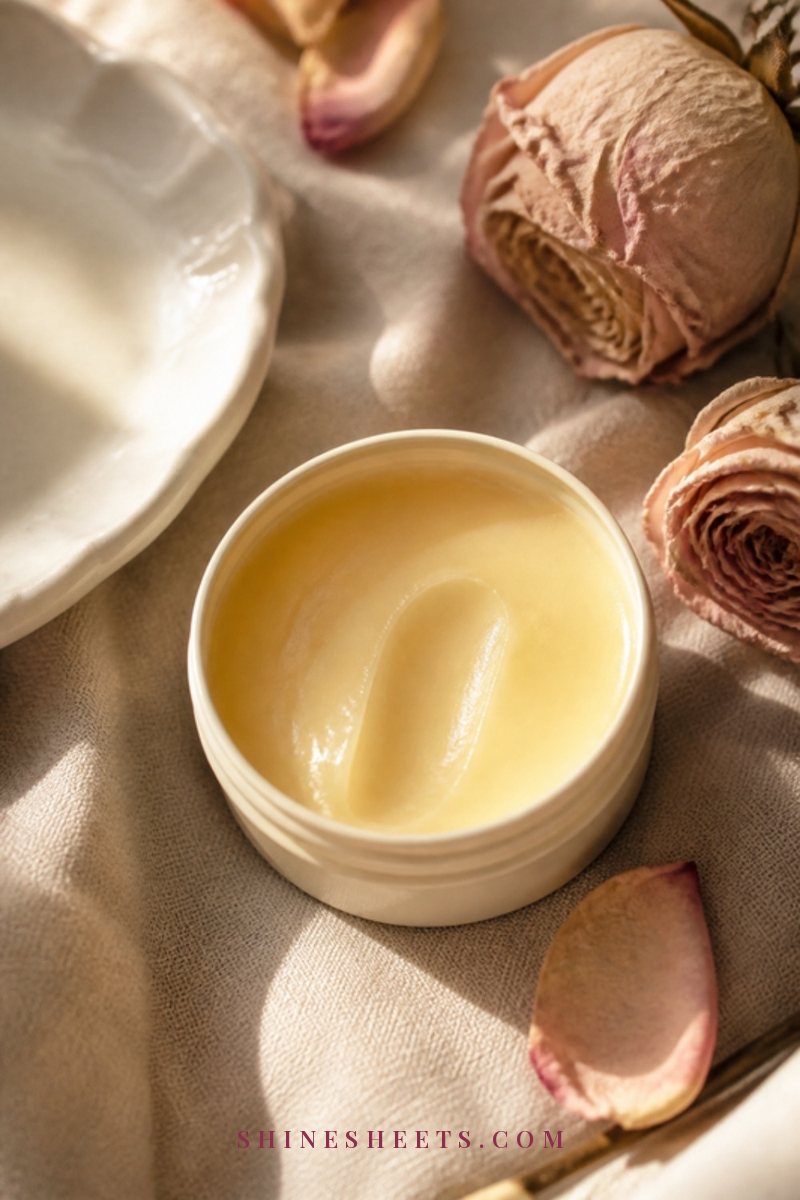
A lip sunscreen should still feel like lip care. Look for a base with comforting ingredients such as shea butter, ceramides, squalane, plant oils, beeswax or petrolatum. These help soften dry lips and slow down moisture loss, which matters on sunny, windy days.
A quick tip: if a formula feels waxy and stiff, warm the tube in your hand for a few seconds before applying. It will glide more evenly, and an even layer protects better than a patchy one.
4. Fragrance-Free If Your Lips Are Sensitive
Flavors and fragrances are some of the most common reasons lip products sting or cause dryness around the mouth. Mint, cinnamon and strong fruity flavors can feel tingly in a fun way for some people and irritating for others. If your lips burn, itch or peel more after a new balm, a fragrance-free SPF lip balm is the kindest choice.
A tingle that fades in a second is one thing. Ongoing stinging, redness or small bumps around your lip line means it's time to stop using that product.
5. Water Resistance for Swimming and Sweat
If you'll be swimming, sweating or spending a long day outdoors, choose a formula labeled water resistant. In the US, that label comes with a time, either 40 or 80 minutes, and it tells you how long the protection holds up in water or sweat before you need to reapply.
A water resistant SPF lip balm belongs in your beach bag next to your body sunscreen. Remember that toweling off removes it no matter what the label says, so reapply after drying your face.
Lip SPF Types at a Glance
Here's the unique part of this guide: a quick table that matches each kind of lip sunscreen to the moment it suits best. Screenshot it for your next shopping trip.
| Lip balm type | Filter type | Best for | Finish | Reapply tip |
|---|---|---|---|---|
| Classic SPF stick | Mineral or chemical | Everyday errands, commuting, walks | Clear to slightly waxy | Every 2 hours and after meals |
| Mineral SPF balm | Zinc oxide and/or titanium dioxide | Sensitive or reactive lips | Soft, can look a little white | Pat on a thin second layer instead of rubbing |
| Tinted SPF balm | Mineral or chemical | No-makeup days, a hint of color | Sheer pink or rosy wash | Reapply after drinking, color fades with protection |
| SPF lip oil or gloss | Usually chemical | Shine lovers, dinner outdoors | Glossy, cushiony | Reapply more often, gloss wears off quickly |
| Water resistant SPF stick | Mineral or chemical | Swimming, sports, sweaty days | Thicker, protective | After 40 or 80 minutes in water and after toweling |
| High SPF balm (SPF 40 to 50) | Mineral or chemical | Beach, hiking, snow and high altitude | Richer, more cushion | Keep it in a pocket, not a bag, so you actually use it |
If shine is your thing and you're torn between textures, my comparison of lip oil vs lip balm explains what each one does for dry lips.
How To Apply Lip Sunscreen So It Works
Lip sunscreen only protects the areas it covers, and most of us apply it in a quick swipe that misses half the lip. A little more care makes a real difference.
- Start with clean, dry lips. Blot away drinks or old gloss with a tissue so the new layer sits evenly.
- Apply two full passes. One swipe across each lip is rarely enough. Glide twice over the upper lip and twice over the lower lip.
- Go right to the edges. Take the balm just over your lip line and into the corners, where burning and dryness often start.
- Give the lower lip extra love. It gets the most direct sun, so an extra pass there is worth it.
- Wait a minute before lipstick. Let the SPF settle for about 60 seconds before adding color on top.
And if you wear face sunscreen, don't stop it at the lip line and leave a gap. Bring your face SPF up to the edge of your lips, then let lip SPF take over from there.
How Often To Reapply (and the Moments People Forget)
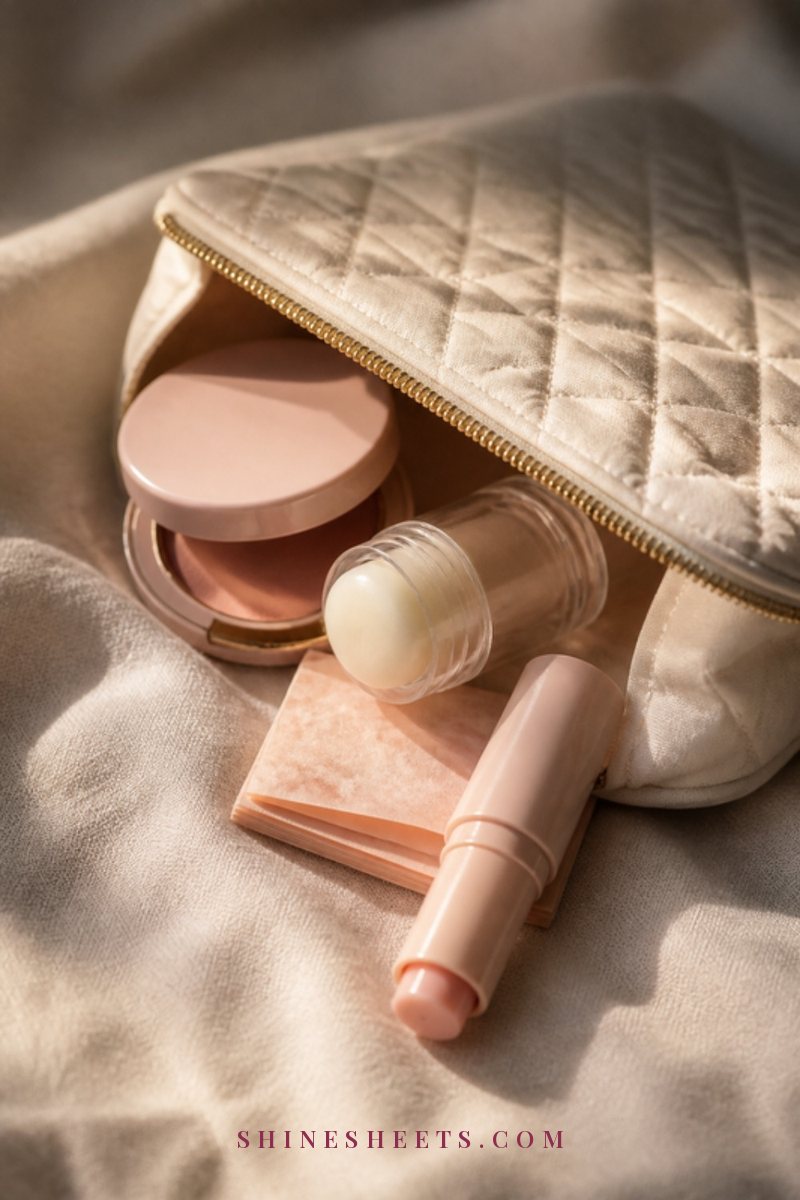
Lip SPF wears off faster than face sunscreen, simply because lips move, eat, drink, talk and get licked (we all do it). A good rule is to reapply at least every 2 hours when you're outside, and sooner after any of these moments:
- After eating a meal or a snack
- After drinking, especially from a cup or bottle
- After swimming, sweating heavily or drying your face with a towel
- After wiping your mouth with a napkin
- After blotting or removing lipstick
The easiest way to keep this habit is to make the balm impossible to forget. Keep one tube by your keys, one in your work bag and one in a small cream makeup pouch with your sunglasses. I like the idea of pairing reapplication with a habit you already have: every time you refill your water bottle, swipe on SPF.
Wearing Lip SPF Under Lipstick and Gloss
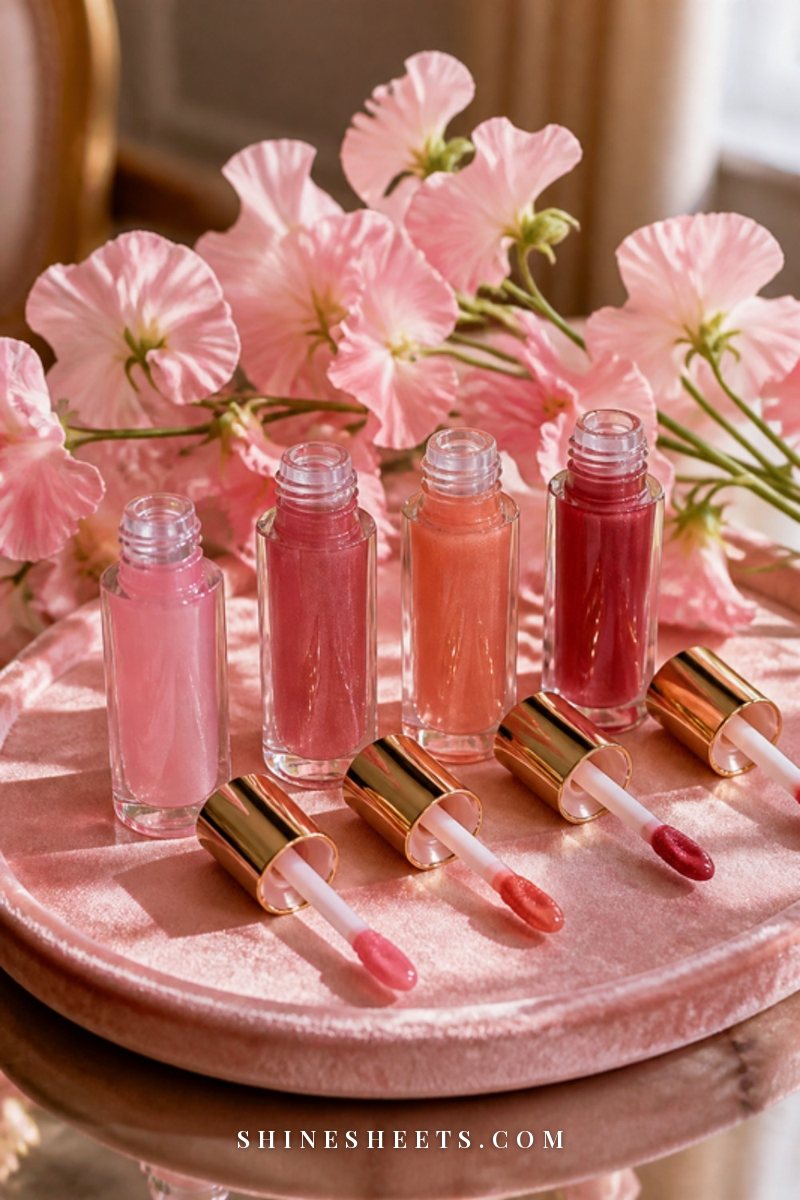
You don't have to choose between red-carpet lips and sun protection. Old Hollywood glamour and good habits can absolutely live together.
Under lipstick: Apply your SPF balm first, wait about a minute, then blot very lightly with a tissue so the surface isn't slippery. Your lipstick will grip better and last longer. Opaque lipsticks block some light on their own, but they aren't tested as sunscreen, so don't count them as your protection.
Under gloss: Most clear glosses offer no real protection, and the shine can even focus attention on the lips without guarding them. Put an SPF balm underneath, or choose a gloss that lists broad spectrum SPF on the label.
Instead of lipstick: A tinted SPF lip balm in a soft pink gives your lips a fresh flush and protection in one step, which is perfect for no-makeup days.
The same idea applies to the rest of your makeup. If you've ever wondered whether your SPF foundation or powder is enough on its own, my honest take on SPF in makeup explains why it usually works best as a bonus layer.
Why a Glossy Balm Without SPF Isn't Enough
Plain balms are lovely. They soften, they smell nice, they feel like a little treat. But a balm without SPF only seals in moisture. It does nothing to block UV light, and very shiny, oily textures can let light reach your lips easily.
There's no need to throw your favorites away. Just give them a new job:
- Daytime outdoors: SPF balm first, always.
- Indoors with little sun, at night or on a cloudy evening at home: your plain balm, oil or gloss is perfect.
- Both: If you love a particular gloss for shine, layer it on top of your SPF balm.
Cloudy days count too, by the way. Much of the sun's UV light passes through clouds, so a gray sky isn't a reason to skip it.
Patch Testing and Sensitive Lips
If your lips react easily, test a new lip sunscreen before you trust it on a sunny day. Here's a simple, gentle way:
- Apply a small amount on the inside of your wrist or just below your jawline once a day for 2 to 3 days.
- If there's no itching, redness or bumps, try it on a small section of your lower lip for one day.
- If your lips still feel fine, it's safe to use normally.
Common triggers for sensitive lips include fragrance, flavor oils (like peppermint and cinnamon), some chemical filters, lanolin and propolis. If you notice a pattern, write down the ingredients of the products that bothered you. Over time you'll see your personal "no" list, and shopping gets much easier.
A dermatologist can help if reactions keep happening, especially if the skin around your mouth gets red, itchy or scaly. Sometimes it's one ingredient you'd never suspect, and a professional can help you find it.
A Simple Day-to-Night Lip Routine
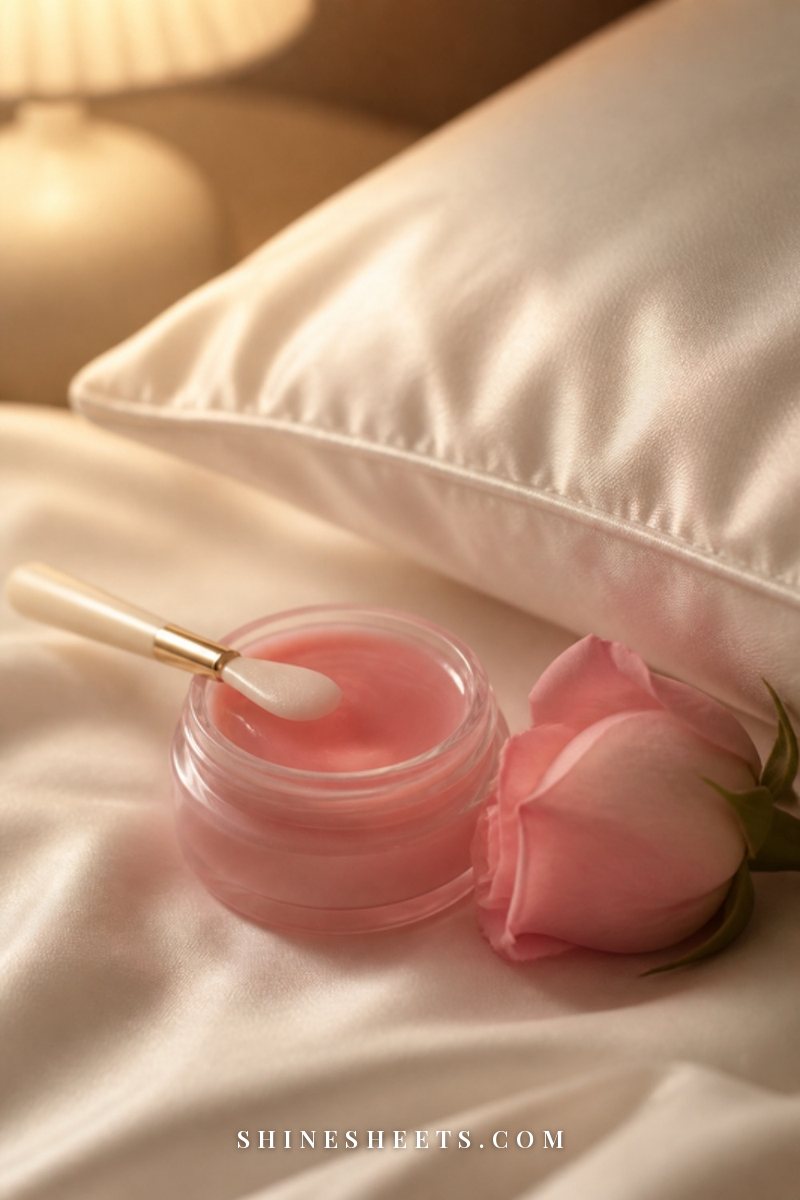
Lip care works best as a simple rhythm instead of a long list of products. Here's the routine I'd follow:
- Morning: After face sunscreen, apply your lip SPF with two full passes. Add tint or lipstick on top if you like.
- Midday: Reapply after lunch and after your coffee or tea. If you're outside, set a mental reminder every 2 hours.
- Afternoon outdoors: Switch to your water resistant stick for swimming or sports, and reapply after toweling off.
- Evening: Gently remove lipstick and SPF with a little cleansing balm or micellar water on a cotton pad. No scrubbing.
- Night: Smooth on an overnight lip mask or a thick plain balm. This is where moisture-only products shine.
I love tucking the night step in after my evening tea, right before journaling. It feels like closing the day with something kind, and my lips wake up much softer for it.
When To See a Dermatologist
Lip sunscreen is about prevention, not treatment. Please book a visit with a dermatologist or your doctor if you notice any of these:
- A sore, crack or blister on your lip that doesn't heal within 2 to 3 weeks
- A rough, scaly or crusty patch that keeps coming back in the same spot
- A new lump, bump or area that feels firm or different
- A new white, dark or red patch, or a change in the color of your lip line
- Bleeding without a clear reason
- Strong reactions like swelling or blistering after a product or after sun
None of this is meant to scare you. It's simply that lips are easy to overlook, and a quick professional check gives you peace of mind. If you had a bad burn on your lips, cool compresses and a gentle, fragrance-free balm can feel soothing while they recover, and staying out of the sun for a few days helps too.
Final Thoughts
Lip sunscreen is one of the smallest habits in skin care and one of the most worthwhile. Choose a broad spectrum formula with SPF 30 or higher, find a texture you genuinely enjoy, apply two full passes and keep a tube wherever your hands naturally reach.
You don't need a perfect routine to protect your lips. You just need a balm that's within reach and the gentle intention to use it. Your future self, with soft, even, comfortable lips, will be so grateful you started today.