Chapped lips that won't heal rarely need a stronger product. Most of the time, they need fewer products and one small change you haven't spotted yet. When lips stay dry, flaky or cracked for weeks, something is usually irritating them again every single day: a habit, an ingredient, the air in your bedroom, even your toothpaste.
That's the good news hidden inside the frustration. Once you find the trigger, lips tend to recover surprisingly fast, often within a week or two. Lip skin is thin, has no oil glands of its own and loses moisture quickly, which is exactly why it's so sensitive, and also why it responds so well when you give it a calm, simple routine.
This guide covers chapped lips that won't heal: the ten most common reasons they keep coming back, a cause-and-fix table so you can spot your own clue at a glance, a simple day-and-night healing routine, a two-week reset plan, how to keep them smooth afterward, and when it's time to see a dermatologist.
My combination, sensitive skin taught me early on that "more" is rarely the answer for anything on my face, and lips are no exception.
Why Chapped Lips Keep Coming Back
Healthy lips depend on a very thin protective layer that keeps water in. When that layer gets damaged, by cold wind, saliva, a harsh ingredient or dry indoor air, water escapes faster than your lips can replace it. They tighten, flake and crack.
Here's the tricky part: many of the things we reach for to fix dryness are the very things that keep the cycle going. A tingly balm feels like it's working, so you reapply it ten times a day. Your lips feel tight, so you lick them. A flake looks rough, so you pull it off. Each of these brings a few seconds of relief and then a little more damage.
The goal isn't to find a miracle product. It's to find what keeps re-injuring your lips and stop it long enough for them to repair. If you'd like the bigger picture on keeping lips comfortable all season, my winter lip care routine covers the everyday habits; this guide is for when those basics aren't enough.
10 Reasons Your Chapped Lips Won't Heal
Read through these and notice which ones sound familiar. Most people find two or three at once, and fixing just one of them often makes a visible difference.
1. Licking and Biting Your Lips
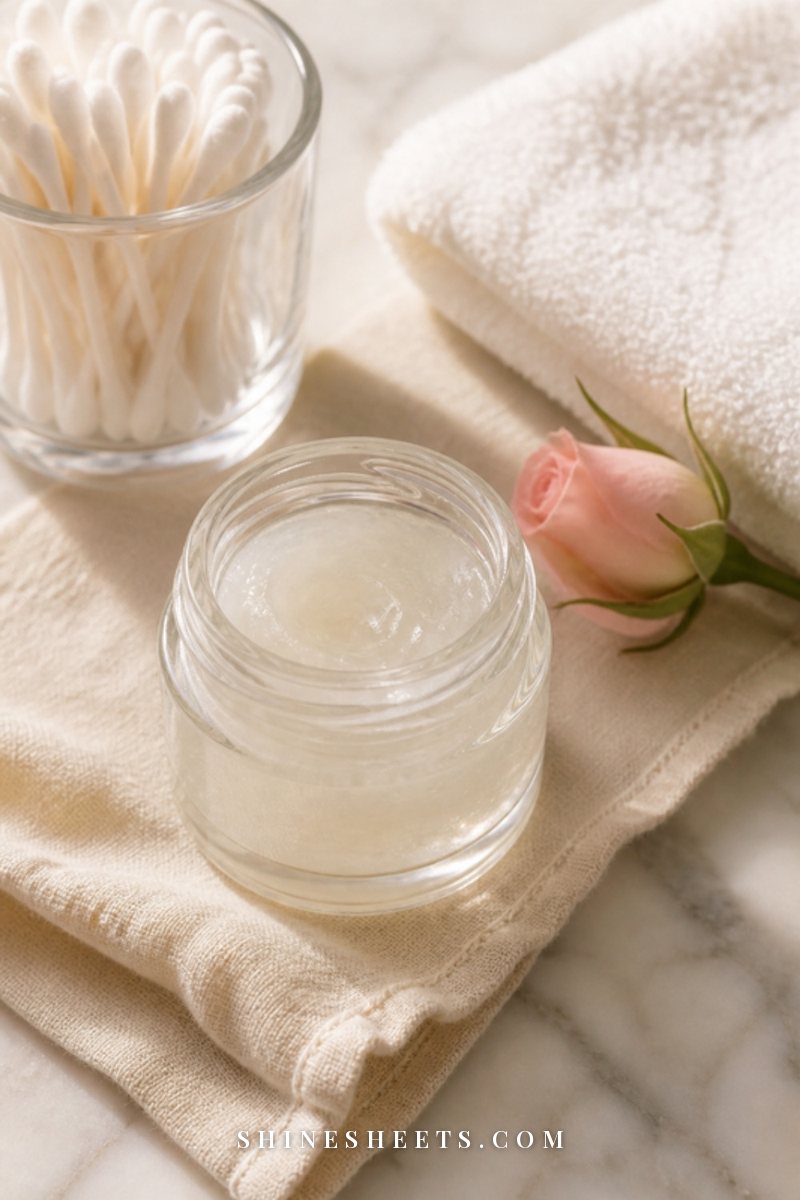
Licking feels soothing for a second, but saliva evaporates quickly and takes your lips' own moisture with it. Saliva also contains digestive enzymes that are gentle on food and not so gentle on thin lip skin. Biting or peeling flakes opens tiny wounds that then need to heal all over again.
These habits often happen without you noticing, especially when you're concentrating, stressed or reading. A few simple ways to interrupt them:
- Keep a balm in your pocket, on your desk and by your bed, so you reach for it instead of licking.
- When you feel a flake, smooth ointment over it rather than touching it.
- Notice your triggers. For a lot of people it's screens, anxious moments or long drives.
2. Dry Air and Wind
Cold outdoor air holds very little moisture, and indoor heating dries the air even further. Add wind, which strips the protective layer from your lips in minutes, and you have the perfect recipe for constant chapping.
Before you go outside on a cold or windy day, apply a thick layer of balm and pull a scarf loosely over your mouth. Reapply as soon as you come back in. If wind also leaves your cheeks red and stinging, the same protective approach works for windburned skin too.
3. Mouth Breathing at Night
If your lips are at their worst first thing in the morning, mouth breathing during sleep might be the reason. Hours of air moving over your lips dries them out, no matter how good your daytime routine is.
A stuffy nose, allergies or simply sleeping on your back can all make it more likely. A thick layer of ointment at bedtime helps a lot, and so does more humid air in the bedroom (more on that in the night routine below). If you're congested for weeks or snore heavily, mention it to your doctor; it's worth checking.
4. A Lip Balm That Irritates
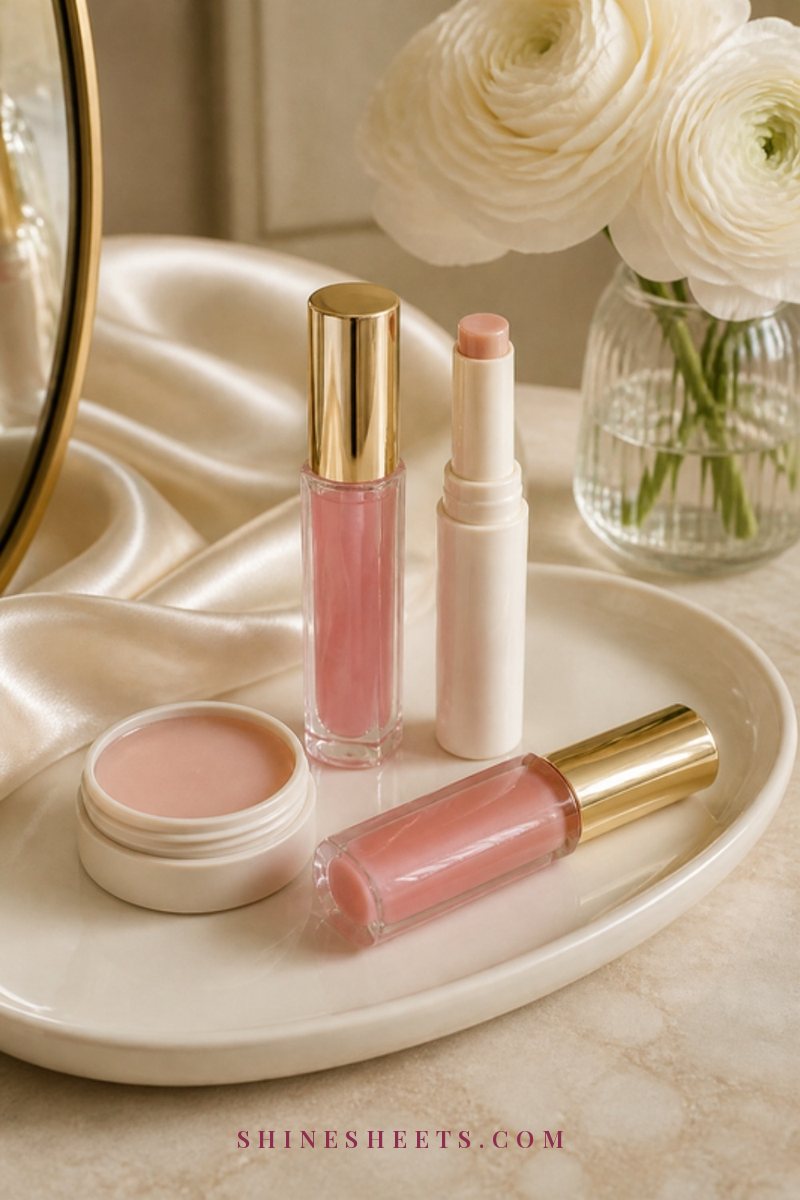
This is the most common hidden cause. Many popular balms contain ingredients that create a cooling or tingling sensation, which feels like "working" but can actually irritate already damaged lips. The usual suspects:
- Menthol, camphor and phenol: they cool and tingle, and can dry lips out with frequent use.
- Strong flavors and fragrance: mint, cinnamon, citrus and "sweet" flavors are frequent irritants.
- Cinnamon and peppermint oils: especially in plumping glosses.
- Salicylic acid or exfoliating balms: fine for healthy lips, too much for cracked ones.
A classic sign: you feel like you need to reapply your balm constantly, and your lips feel worse when you skip it. That's often a balm keeping the irritation going rather than calming it.
The fix is to swap to an unscented lip balm for sensitive lips with a short, plain ingredient list. Look for no fragrance, no flavor and no tingling ingredients. If you're curious which texture suits you best once your lips are healthy again, here's how lip oil and lip balm compare.
5. Matte Long-Wear Lipstick
Long-wear and matte formulas are designed to stay put, and many do that by drying down to a firm, flexible film. That's great for a long evening, but worn daily on lips that are already dry, it can pull moisture out and make flaking worse. Liquid lipsticks and lip stains are the most common culprits.
While your lips heal, take a break from matte and long-wear formulas. If you want color, choose a sheer, creamy lipstick or a tinted balm, and put a thin layer of ointment underneath. When you do wear a long-wear formula again, remove it gently with an oil-based cleanser instead of scrubbing.
6. Your Toothpaste
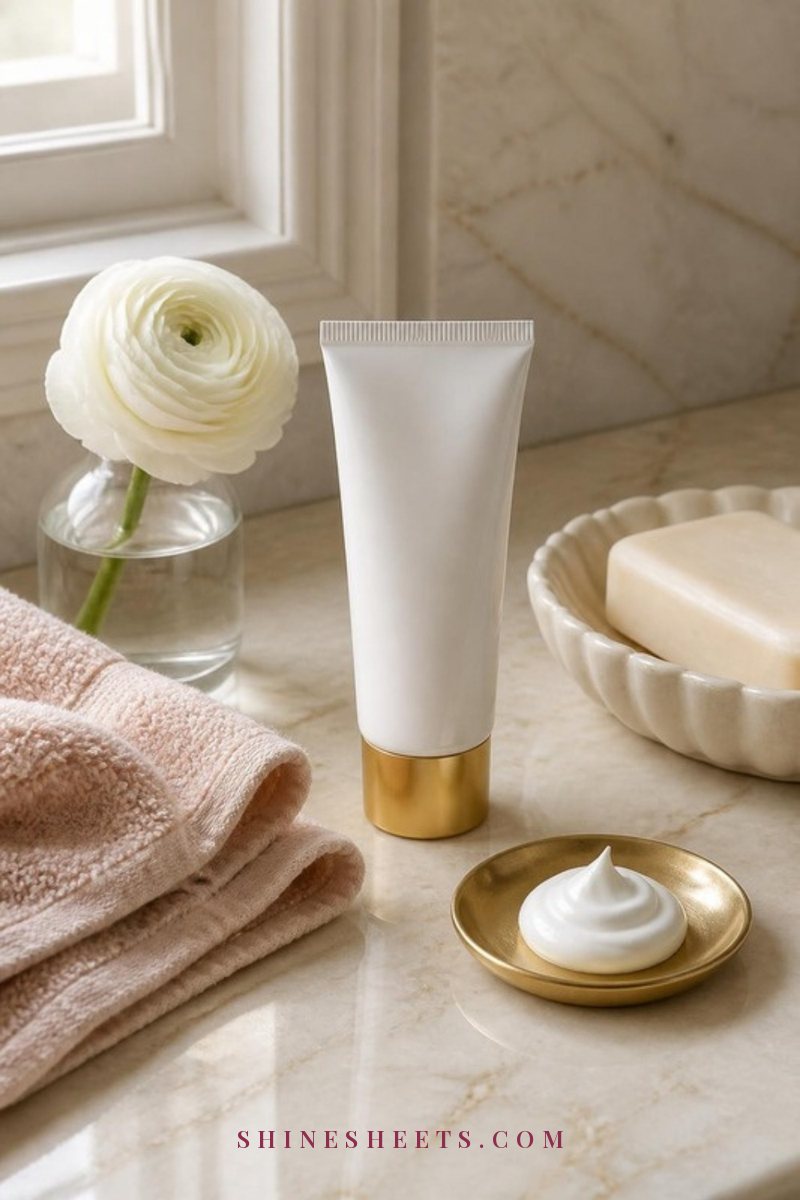
This one surprises a lot of people. Some toothpastes contain ingredients that can irritate lips and the skin around the mouth, especially if you have sensitive skin:
- Sodium lauryl sulfate (SLS): the foaming agent in many toothpastes.
- Strong mint and cinnamon flavors: including "extra fresh" and whitening varieties.
- Tartar-control formulas: some people react to them as well.
The clue is dryness or redness right at the edges of your lips, or flaking that's worse after you brush. Try switching to a sensitive toothpaste without SLS and a mild flavor for two weeks, and rinse the skin around your mouth with plain water after brushing.
7. An Ingredient Allergy
Sometimes the problem isn't irritation but a true contact allergy. Lanolin, beeswax, propolis, certain fragrances, flavorings and some sunscreen filters can all cause it in some people. Even "natural" balms can contain allergens.
The signs tend to be slightly different: itching, burning, swelling, or a rash that spreads past the edge of your lips. If that sounds familiar, switch to the plainest product you can find, ideally pure petrolatum, and keep a simple list of everything you put on your lips. A dermatologist can do patch testing to pinpoint the exact ingredient, which is really helpful if the problem keeps returning.
8. Not Drinking Enough Water
Dehydration alone rarely causes stubborn chapped lips, but it doesn't help. In winter, when you're not hot and thirsty, it's easy to drink far less than you realize, especially if coffee and tea are doing most of the work.
Keep a glass or bottle within reach and sip through the day. A warm mug of herbal tea in the evening counts too (it's one of my favorite small rituals). Pale yellow urine is a simple sign you're on track.
9. Cracked Corners of the Mouth
Painful cracks at the corners of your mouth are a slightly different problem called angular cheilitis. Saliva collects in those folds, keeping the skin damp and irritated, and sometimes yeast or bacteria join in. It's more common in winter, with mouth masks, braces or dentures, and when lips are licked often.
A thick dab of ointment on the corners, several times a day, helps protect them. But if the cracks don't improve within about a week or two, see a doctor or dermatologist, because they may need a specific treatment.
10. Medicines and Other Medical Causes
Some medicines are well known for drying the lips, including certain acne treatments (especially oral retinoids), some blood pressure medicines and others that dry the mouth. Certain vitamin deficiencies, skin conditions like eczema, and sun damage can also cause lips that stay dry, scaly or sore.
Never stop a prescribed medicine on your own. If your lips got worse after starting something new, talk to the doctor who prescribed it; there are often easy ways to manage the dryness.
Cause-and-Fix Table
Use this table to match your clue to the most likely cause. Screenshot it if it helps, and focus on the one or two rows that sound most like you.
| Possible cause | Clue | What to change |
|---|---|---|
| Licking or biting | Dry ring around the lips, flakes that keep reappearing | Keep a balm everywhere, smooth flakes with ointment instead of peeling |
| Dry air and wind | Worse after time outside or in heated rooms | Thick balm before going out, scarf over the mouth, humidifier indoors |
| Mouth breathing at night | Lips worst in the morning | Thick ointment at bedtime, more humid bedroom air, check a stuffy nose |
| Irritating balm | Need to reapply constantly, tingling or burning | Switch to an unscented balm with no menthol, camphor, phenol or flavor |
| Matte long-wear lipstick | Flaking after wearing it, tight feeling | Pause matte formulas, wear sheer color over ointment |
| Toothpaste | Dryness at the lip edges, worse after brushing | Try a mild-flavored toothpaste without SLS for two weeks |
| Ingredient allergy | Itching, swelling, rash beyond the lip line | Use plain petrolatum only, note every product, ask about patch testing |
| Dehydration | Generally dry skin, low water intake | Keep water within reach, sip through the day |
| Cracked corners | Painful splits at the corners of the mouth | Ointment on the corners; see a doctor if no better in 1–2 weeks |
| Medicines or medical causes | Started after a new medicine, or lips stay scaly or sore | Talk to your doctor or a dermatologist; don't stop medicine on your own |
What Actually Helps: A Simple Healing Routine
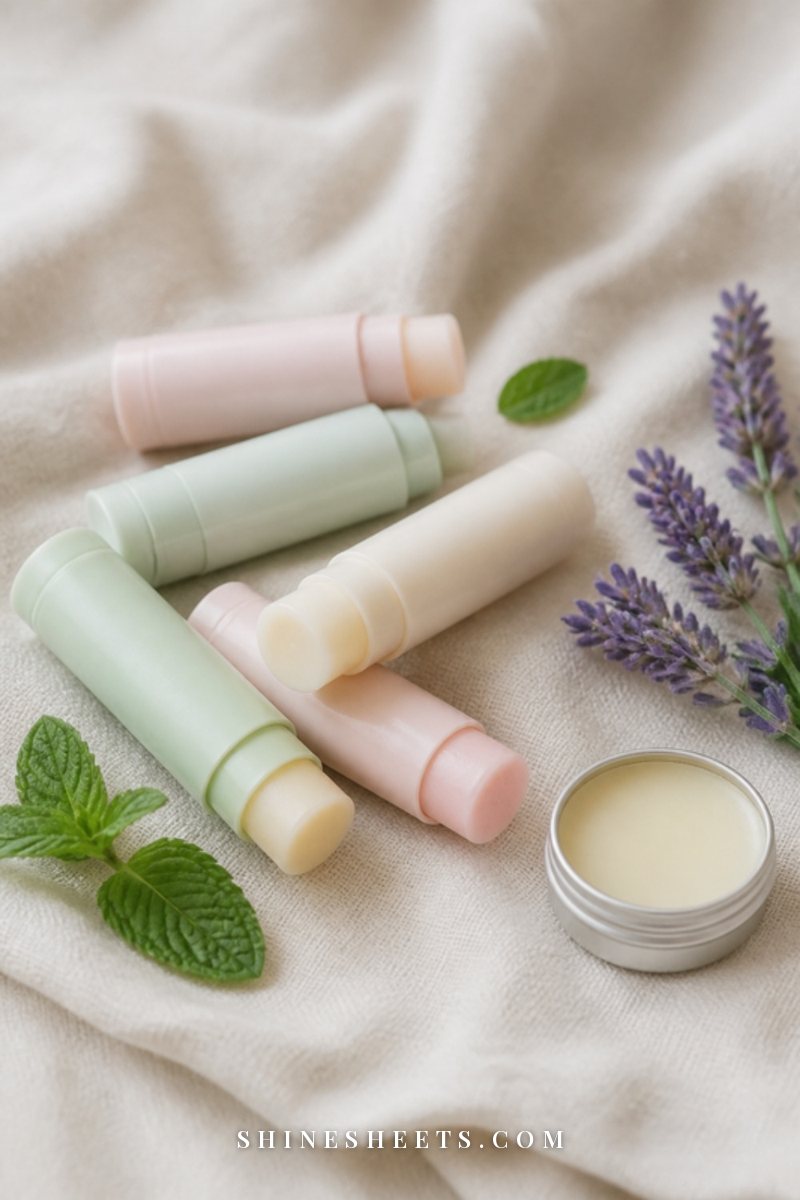
While your lips are healing, simple wins. The heart of this routine is a bland occlusive, a product that sits on top of your lips and stops water from escaping. Plain petrolatum is the classic choice because it's very protective and rarely irritates. A tube of petrolatum lip ointment is perfect for this, and it's inexpensive.
The rules are short: no peeling, no scrubbing, no tingling products, and reapply more often than feels necessary for the first few days.
Morning
- After brushing your teeth, rinse the skin around your mouth with plain water and pat dry.
- Apply a thin layer of ointment and let it settle while you get ready.
- If you'll be outside, finish with a balm that has sunscreen (see below).
During the Day
Reapply ointment or an unscented balm every two to three hours, after eating and drinking, and whenever your lips feel tight. That's often five or six times a day at first, and that's completely fine.
Sun exposure dries and damages lips too, even in winter (snow reflects a lot of sunlight). When you're outdoors, use a lip balm with SPF 30 or higher, and reapply it about every two hours. Mineral formulas with zinc oxide tend to be gentle on sensitive lips. As with any new lip product, if you've reacted to things before, test it on a small area first.
Night
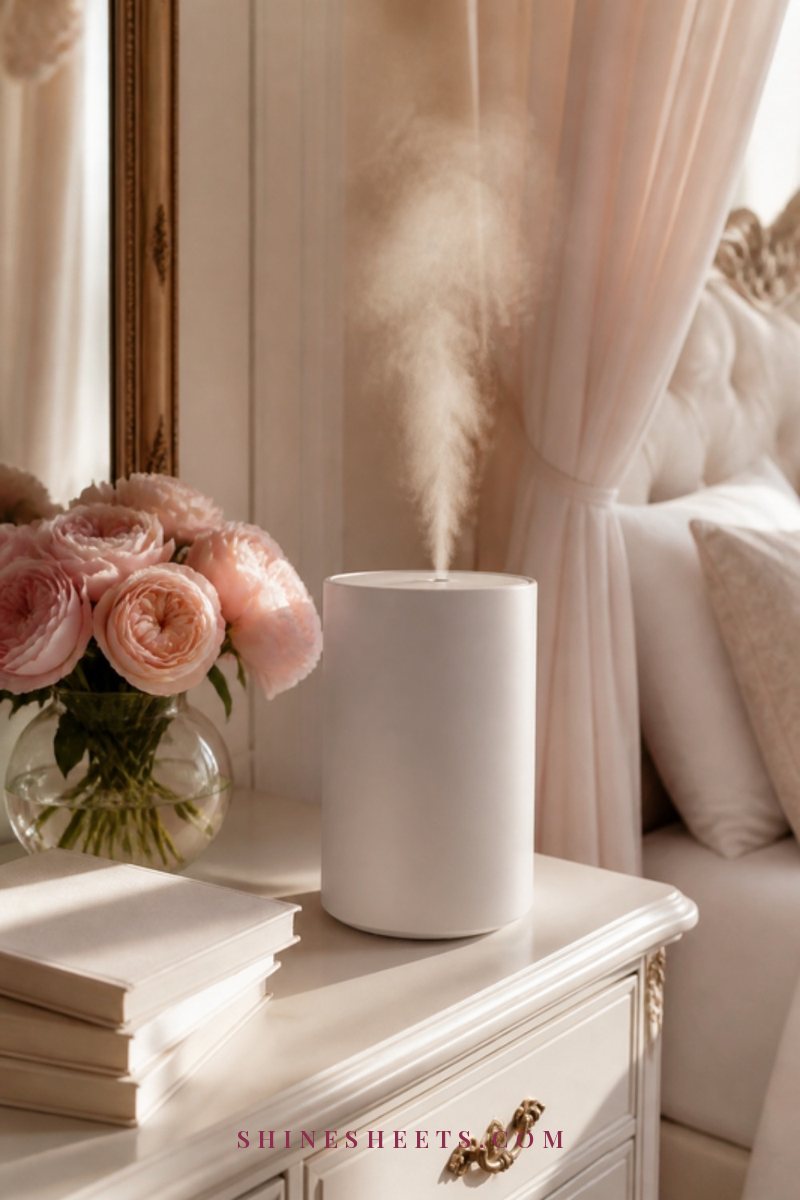
Nighttime is when lips do most of their repair, so make it count. Apply a thick layer of ointment right before bed, thicker than you'd ever wear during the day. You can also use an overnight lip sleeping mask, the popular Korean-style kind with a rich, balmy texture, but choose an unscented or lightly scented version while your lips are still sore.
Then add moisture to the air. A white cool-mist humidifier on the nightstand can make a big difference, especially if your heating runs all night. Aim for a comfortable humidity around 40–50% and clean it regularly so it stays fresh. My guide to humidifier benefits for skin explains how to get the most out of one.
The 2-Week Reset Plan
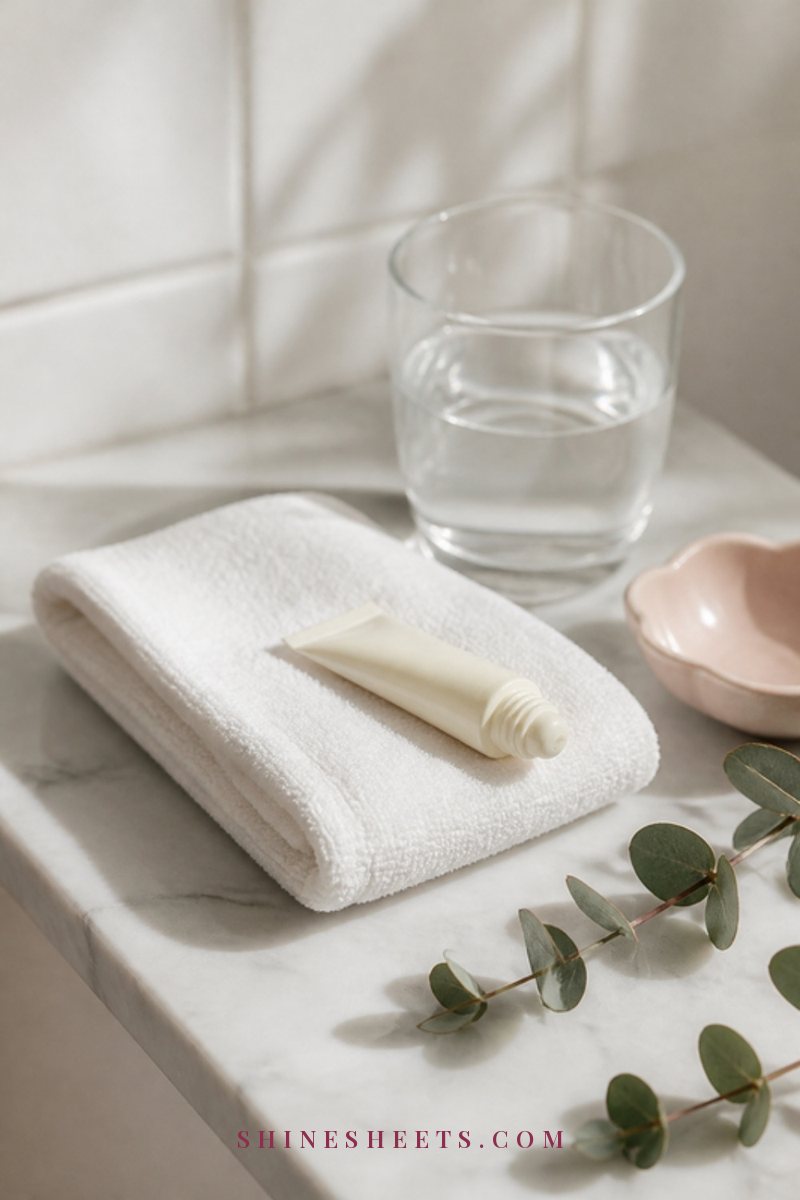
If you're not sure what's causing your lips to stay chapped, this reset removes the most common triggers all at once. It's simple, and two weeks is usually enough to see a real difference.
Days 1–3: Strip it back. Put away every flavored, scented, tingling or plumping lip product, plus matte and long-wear lipsticks. Switch to plain ointment or an unscented balm and a mild toothpaste without SLS. Apply ointment every two to three hours and thickly at night.
Days 4–7: Protect. Keep going with the basics. Add the humidifier at night, the SPF balm outdoors and a scarf in the wind. Pay attention to licking and biting, and gently interrupt the habit each time you notice it.
Days 8–14: Observe. Most lips look and feel noticeably better by now. If they do, slowly reintroduce one product at a time, giving each one three to four days. If your lips flare up again, you've found a likely culprit.
If there's little or no improvement after two weeks of this, that's a helpful sign too: it's time to talk to a dermatologist.
After They Heal: How To Keep Lips Smooth
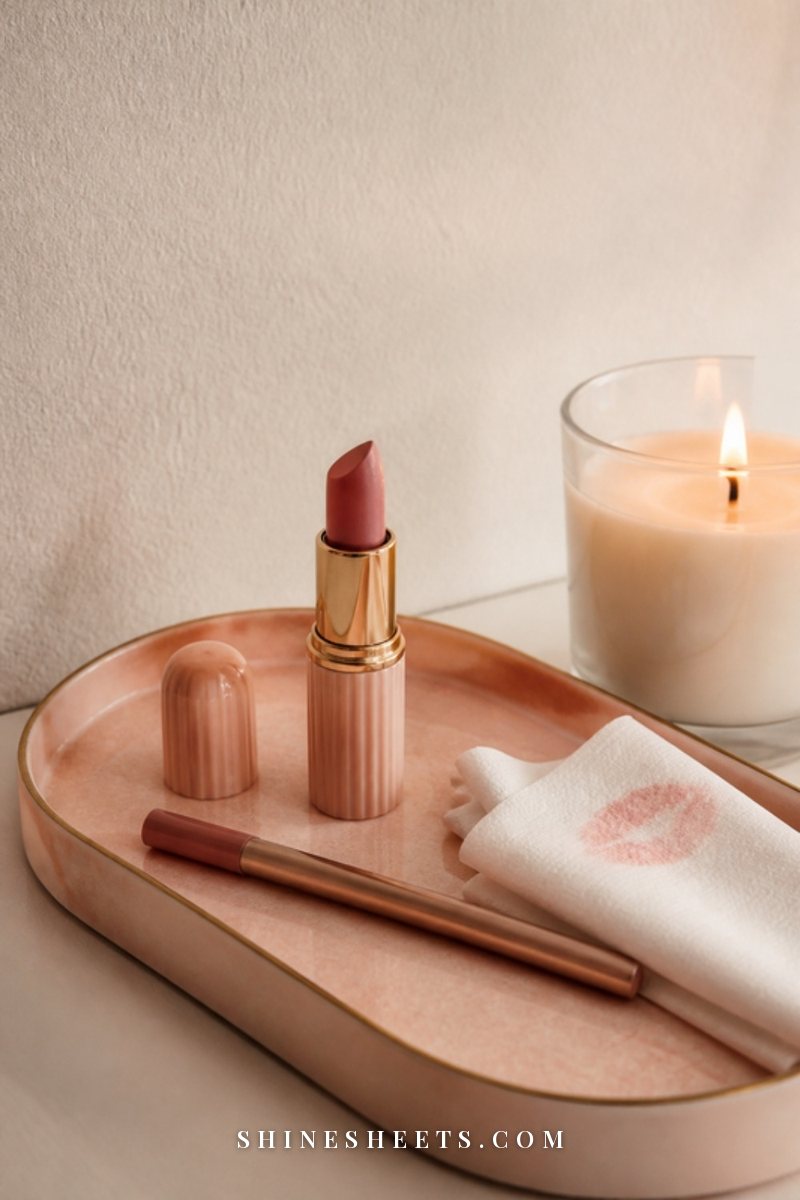
Once your lips are smooth, with no cracks, sore spots or raw patches, you can bring back gentle care to keep them that way:
- Exfoliate only once healed. If you'd like, soften leftover dry bits once a week with a warm damp washcloth, using a very light touch. Skip it whenever your lips feel sore.
- Keep the night layer. A thick balm or lip mask at bedtime is the easiest habit for keeping lips comfortable all winter.
- Prep before color. Apply balm ten minutes before lipstick, then blot, so color glides on smoothly.
- Stay with gentle formulas. If a product made your lips worse during the reset, leave it out for good.
If the skin on your face also feels tight, stinging or reactive this time of year, these ways to restore your skin barrier follow the same gentle logic.
When To See a Dermatologist
Most chapped lips improve within a week or two of gentle care. Please see a dermatologist or doctor if:
- Your lips don't improve after two to three weeks of a simple routine.
- The corners of your mouth keep cracking or don't heal.
- Your lips bleed, swell, ooze or crust.
- You notice a scaly, rough or sore patch that won't heal, or a spot that looks different from the rest of your lip.
- The dryness started after a new medicine.
A patch that won't heal, especially on the lower lip, is always worth having checked, because sun damage can show up there. This guide is general information, not medical advice, and a professional can look at your lips and find the real cause quickly.
Final Thoughts
Chapped lips that won't heal can feel like such a small thing, and yet they're uncomfortable every time you smile, talk or sip your tea. The good news is that they usually respond beautifully once you stop the daily irritation and give them a plain, protective routine.
Start with the clue that sounds most like you, keep a thick layer of ointment close by, and give your lips two calm weeks. They're more resilient than they seem, and soft, comfortable lips are often just a few small swaps away.