Here's the honest answer up front: you can't train your scalp to make less oil by skipping washes. The oil glands on your scalp take their cues from hormones, genetics and your own skin biology, not from your shampoo calendar. What you can change is how oily your hair looks, how quickly it starts to feel heavy and how much the whole thing stresses you out.
That's still a lot of change, and it's good news. In this guide on whether you can train your hair to be less oily, I'll walk you through where scalp oil really comes from, why the "training" idea feels so convincing, a myth-or-fact table you can screenshot, seven habits that genuinely help and a kind way to stretch wash days if you want to.
No miracle promises here, just the science made friendly and a routine that respects your scalp exactly as it is.
Can You Really Train Your Hair To Be Less Oily?

Short answer: not in the way the internet usually means it. The popular claim says that if you wash less, your scalp will "realize" it doesn't need to produce so much oil and slow down. It sounds logical, but sebum production isn't a feedback loop that reacts to shampoo. Your glands don't check whether your hair was washed yesterday.
What does happen when people stretch their washes is a mix of three things: they switch to gentler products, they get better at hiding second-day roots and they simply get used to the feeling. All three are real and useful. They just aren't the same as your scalp producing less oil.
I find this freeing, to be honest. If your hair gets greasy by the evening of day one, it isn't because you've "ruined" it by washing too much. It's how your scalp is built, and the goal is to work with it instead of fighting it.
Where Scalp Oil Actually Comes From
Every hair on your head grows from a follicle, and most follicles come with a tiny sebaceous gland attached. That gland makes sebum, a natural oil that protects your scalp and keeps hair from drying out. Sebum is a good thing. The trouble starts only when there's more of it than your hair can comfortably hold.
How much your glands make depends mostly on things you can't wash away:
- Hormones. Androgens in particular nudge oil glands to work harder, which is why oiliness can shift during puberty, around your cycle, after pregnancy or during menopause.
- Genetics. Some people simply inherit larger or more active oil glands. If your mom always had to wash daily, there's a good chance it runs in the family.
- Hair texture. Fine, straight hair lets oil slide down the strand quickly, so it looks greasy sooner. Curly and coily hair often feels drier at the ends because oil travels down the twists more slowly, even when the scalp itself is just as oily.
- Heat and humidity. Warm, sticky weather and sweaty workouts make the oil you have spread faster and feel heavier.
- Your skin overall. If your face has an oily T-zone, your scalp often behaves similarly. My combination skin with its shiny T-zone is a good example, and my roots follow the same pattern.
Notice what's missing from that list: how often you wash. That's the heart of the whole myth.
Why the "Training" Myth Feels So True
If you've ever stretched your washes and felt like your hair changed, you're not imagining things. Something did change. It just wasn't your oil glands. Here are the three most likely reasons the myth sticks around.
You Stopped Using a Harsh Cleanser
Very stripping shampoos can leave the scalp feeling tight and squeaky, and many people respond by layering on heavy conditioner or oils, which then makes roots look greasy faster. Switching to a milder shampoo and a lighter conditioner at the same time as washing less can make hair feel fresher for longer. The products did the work, but the calendar gets the credit.
Your Hair Adjusted to New Products
When you change shampoo, conditioner or styling products, it can take a couple of weeks for buildup from the old ones to wash out. During that time hair can feel odd, then suddenly better. That "settling in" period often lines up with someone deciding to wash less, so it looks like proof.
Dry Shampoo Made the Gaps Easier
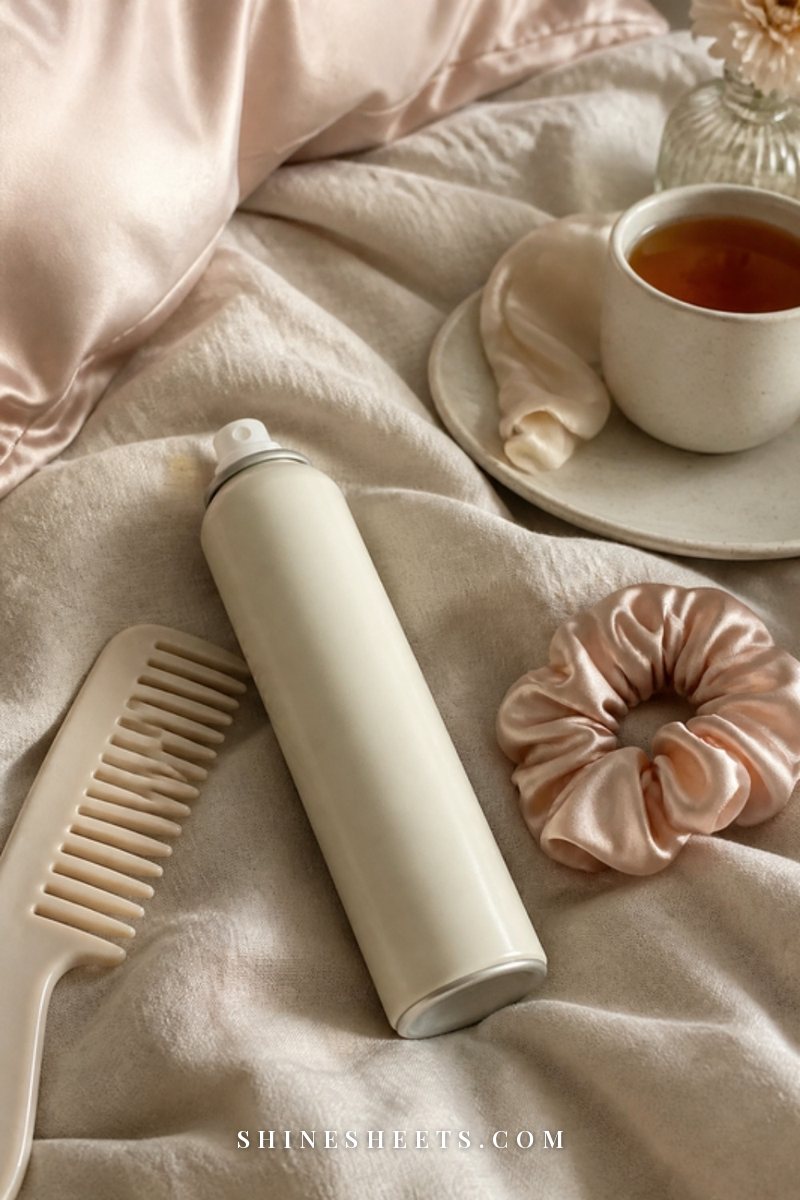
A good dry shampoo absorbs oil at the roots and adds a little texture, so day-two hair looks much closer to day-one hair. Pair that with a few weeks of practice and a looser hairstyle, and suddenly a three-day gap feels normal. Again, a real change. It's just that the oil is being managed, not reduced at the source.
And one more quiet factor: you get used to it. Hair that felt unbearable on day two at the start can feel perfectly fine a month later, simply because your expectations shifted. There's nothing wrong with that, as long as your scalp is comfortable.
Myth or Fact: The Oily Hair Claims Table
Here are the claims I hear most often, sorted kindly but clearly. Screenshot it for the next time someone tells you to "just push through" greasy week.
| Claim | Myth or fact | What science says | What to do instead |
|---|---|---|---|
| Washing less trains your scalp to make less oil | Myth | Sebum output is driven by hormones, genetics and gland size, not by wash frequency | Wash as often as your scalp needs and focus on gentle products |
| Washing every day damages your hair | Mostly myth | A gentle shampoo used on the scalp is fine daily for many people; the lengths are what can dry out | Shampoo the scalp, condition the ends, rinse with lukewarm water |
| Harsh shampoo makes your scalp "overcompensate" | Partly true | Stripping can leave the scalp irritated and uncomfortable, and people often add heavy products to fix the dryness | Choose a mild shampoo and keep heavier products away from the roots |
| Conditioner on the roots makes hair greasy | Fact | Conditioner leaves a light film by design, which weighs down roots that already have plenty of oil | Apply conditioner from mid-lengths to ends only |
| Touching your hair makes it oilier | Fact | Fingers move oil from your skin and scalp along the strands and flatten the roots | Keep hands busy and clip hair back on long work days |
| Dirty pillowcases and brushes add grease | Fact | Fabric and bristles collect oil and product, then spread it back onto clean hair | Wash pillowcases weekly and brushes every week or two |
| Hot water makes oily roots worse | Partly true | Very hot water can irritate the scalp and dry out lengths, but it doesn't directly switch on oil glands | Use warm or lukewarm water and finish with a cooler rinse if you like it |
| Oily hair means you're not clean enough | Myth | Oil level is mostly biology; very clean people can have very oily scalps | Drop the guilt and build a routine that fits your scalp |
If you only take one row with you, make it the first one. Washing frequency is a comfort and lifestyle choice, not a training program.
7 Habits That Really Help Oily Hair
None of these change your biology, but together they change how your hair looks and feels day to day. Pick the ones that fit your life and texture. You don't need all seven at once.
1. Wash As Often as Your Scalp Needs
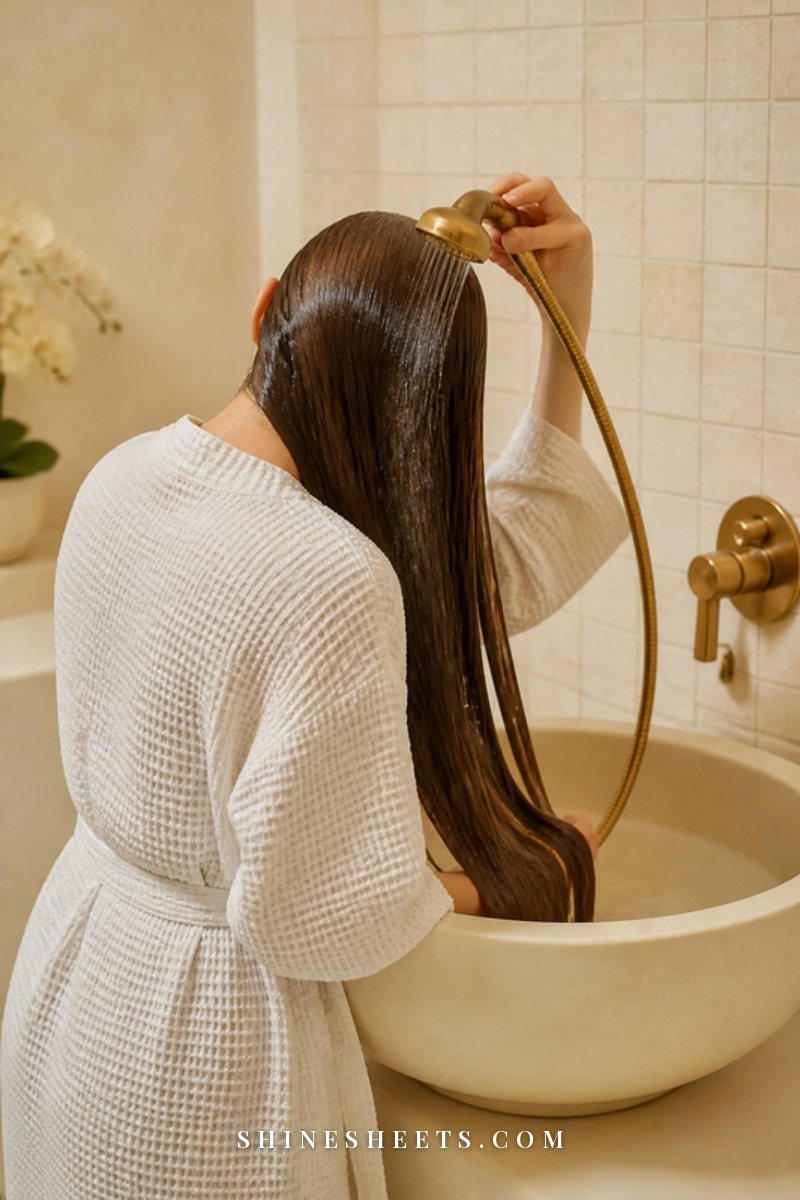
For some people that's daily. For others it's every two or three days, and for many curly and coily textures it's once a week or less. All of those are normal. The right number is the one where your scalp feels comfortable, not itchy, tight or coated.
A simple way to find yours: for two weeks, wash on the day your roots first start to bother you, and jot down how many days that was each time. The average is your rhythm. If you'd like more detail by texture, my guide on how often to wash your hair based on hair type breaks it down.
2. Use a Gentle Shampoo Focused on the Scalp
Oil lives at the roots, so that's where shampoo belongs. Squeeze a coin-sized amount into your palm, add a splash of water, then work it into your scalp with your fingertips (not your nails) for about 30 to 60 seconds. Let the suds rinse through your lengths on the way out. That's enough to clean them.
Look for a mild, everyday shampoo labeled for normal to oily hair or for frequent use. Very greasy roots on a busy day might tempt you to scrub twice with something harsh, but a gentle double cleanse (two small rounds of the same mild shampoo) usually works better and keeps your scalp calm.
3. Keep Conditioner on the Mid-Lengths and Ends
Conditioner is designed to leave a soft, smoothing film behind, which is exactly what dry ends want and exactly what oily roots don't. Start about ear level and work down, leave it for a minute or two, then rinse well.
If your hair is fine and goes flat quickly, a lightweight conditioner made for fine or oily hair is a pick for keeping ends soft without weighing anything down. Curly and coily hair often needs richer conditioning on the lengths, and that's fine, as long as you keep it a few inches away from the scalp.
4. Clarify Occasionally
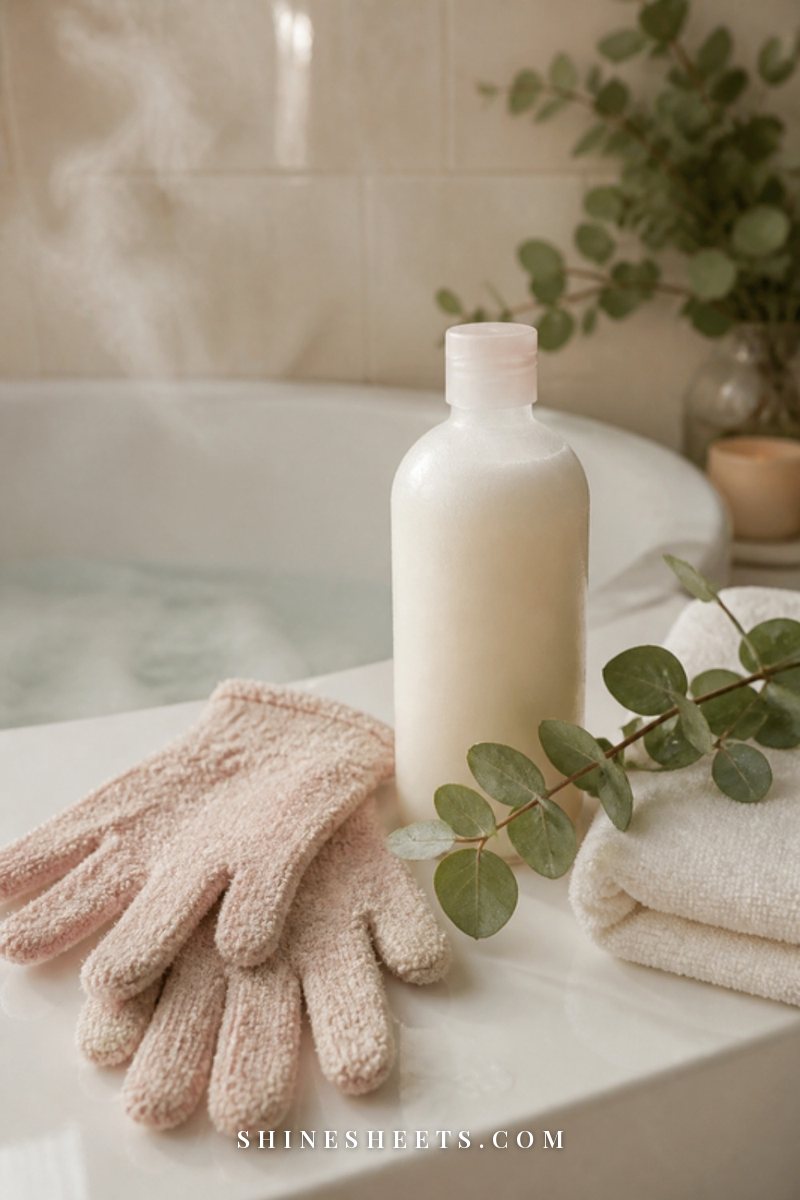
Dry shampoo, styling products, hard water and even your own oil can build up over time and make hair feel heavy no matter how often you wash. A clarifying shampoo removes that layer so your regular routine can work properly again.
Once every one to four weeks is plenty for most people; color-treated or very dry hair usually does best at the slower end. A gentle clarifying shampoo is the one I'd choose for regular use, followed by conditioner on the ends. My full guide to clarifying shampoo covers how to fit it into a routine without drying your hair out.
5. Avoid Heavy Oils at the Roots
Hair oils, rich masks, thick leave-ins and heavy serums can be lovely on dry ends. Near the scalp they simply add more of what you're trying to manage. Keep them to the bottom few inches of your hair and use less than you think: one or two drops warmed between your palms is often enough for shoulder-length hair.
Watch for hidden heaviness, too. Some heat protectants and smoothing creams are surprisingly rich, so apply them from mid-lengths down and let your roots stay product-free whenever you can.
6. Touch Your Hair Less
This one sounds too simple, but it makes a visible difference. Every time you run your fingers through your roots, tuck your hair behind your ears or rest your head on your hand, you move oil from your skin onto your strands and press the roots flat.
A soft claw clip or a loose low twist on long desk days keeps hands away without any tight pulling. If you're a nervous hair toucher (I am, on anxious days), give your hands something else to do, like a warm mug of tea or a pen.
7. Wash Pillowcases and Brushes Regularly

Pillowcases soak up oil, skincare and product night after night, and then press it all back into clean hair. Brushes do the same thing with every stroke. Washing your pillowcase once a week (or flipping it midweek) and cleaning your brush every week or two helps fresh hair stay fresh longer.
A smooth silk pillowcase in blush is a pick for less friction on your lengths, and it's easy to keep a spare so you can swap mid-week. For brushing, I'd choose a cream bristle brush with boar or soft nylon bristles: brush from the lengths up, and clean it regularly so it moves oil off your roots instead of back onto them. Pull out trapped hair, swirl the bristles in warm water with a drop of shampoo, rinse, and let it dry bristles down on a towel.
How To Stretch Wash Days Kindly (If You Want To)

Maybe you want fewer wash days to save time, protect color or give your hair a break from heat styling. That's a perfectly good reason. The key is doing it for comfort and convenience, not because you think you're fixing something. Here's how to make it easier:
- Dry shampoo at the roots, the night before. Spraying it before bed gives the powder hours to absorb oil. Hold the can about 6 to 8 inches away, spray in sections along your part and hairline, then massage it in the next morning. A dry shampoo for oily roots in a light, sheer formula is a pick for most hair colors; check that it blends well on darker shades. My guide on how to use dry shampoo walks through the full technique.
- Loose hairstyles on in-between days. Anything soft that lifts hair off the scalp helps roots look fresher, as long as it doesn't pull tightly at your hairline.
- Wash only the front. If you have bangs or face-framing pieces that get greasy first, wash just that section over the sink with a tiny drop of shampoo, then blow-dry. It takes about five minutes.
- Stretch slowly. Add half a day or one day at a time rather than jumping from daily to every four days. If your scalp starts to itch, flake or smell, that's your sign to wash, not to push on.
- Rinse after sweaty workouts. A water-only rinse and a little conditioner on the ends can refresh hair without a full shampoo.
And if stretching just doesn't feel good for you, let it go. Washing every day with a gentle shampoo is a completely valid routine. For more quick ideas for greasy days, my list of things to try if your hair gets oily too fast pairs nicely with this guide.
When To See a Dermatologist
Oily hair on its own is usually just how your scalp works. But oiliness that comes with other symptoms deserves a proper look from a professional rather than another product swap. Book a visit with a dermatologist or your doctor if you notice:
- Flaking or yellowish, greasy scales that don't settle with regular washing
- Itching, burning or tenderness on the scalp
- Redness, rash or patches along the hairline, eyebrows or behind the ears
- A sudden change in how oily your scalp is, especially alongside other body changes
- Hair shedding or thinning that worries you
These can point to common, very treatable scalp conditions, and a dermatologist can recommend the right medicated shampoo or routine for you. Please don't self-diagnose from photos online. A short appointment can save you months of guessing and a cabinet full of products that don't help. In the meantime, a gentle scalp care routine can keep things calm.
A quick note on new products: patch test anything new on a small area behind your ear for a day or two before using it all over, especially if your scalp is sensitive. If something stings, burns or makes you itchy, rinse it off and stop using it.
A Simple Weekly Routine for Oily Hair
If you like to see it all in one place, here's a gentle starting point. Adjust the wash days to your own rhythm.
- Wash days: mild shampoo on the scalp for 30 to 60 seconds, conditioner from ear level down, lukewarm rinse.
- In-between days: dry shampoo at the roots the night before, a loose hairstyle, hands off your hair.
- Once a week: fresh pillowcase and a quick brush clean.
- Every one to four weeks: clarify, then condition the ends.
- Ongoing: oils and rich products only on the bottom few inches, and a check-in with your scalp. Comfortable is the goal.
Final Thoughts
You can't train your oil glands, and that's not a failure on your part. Your scalp is doing what it was built to do. What you can do is clean it gently, keep heavy products where they belong, take care of the things that touch your hair and pick a wash rhythm that feels good rather than one that feels like a test.
Oily hair is just hair with a little extra protection built in. Treat it kindly, give yourself permission to wash it whenever you need to and enjoy that fresh, light feeling on your own schedule.