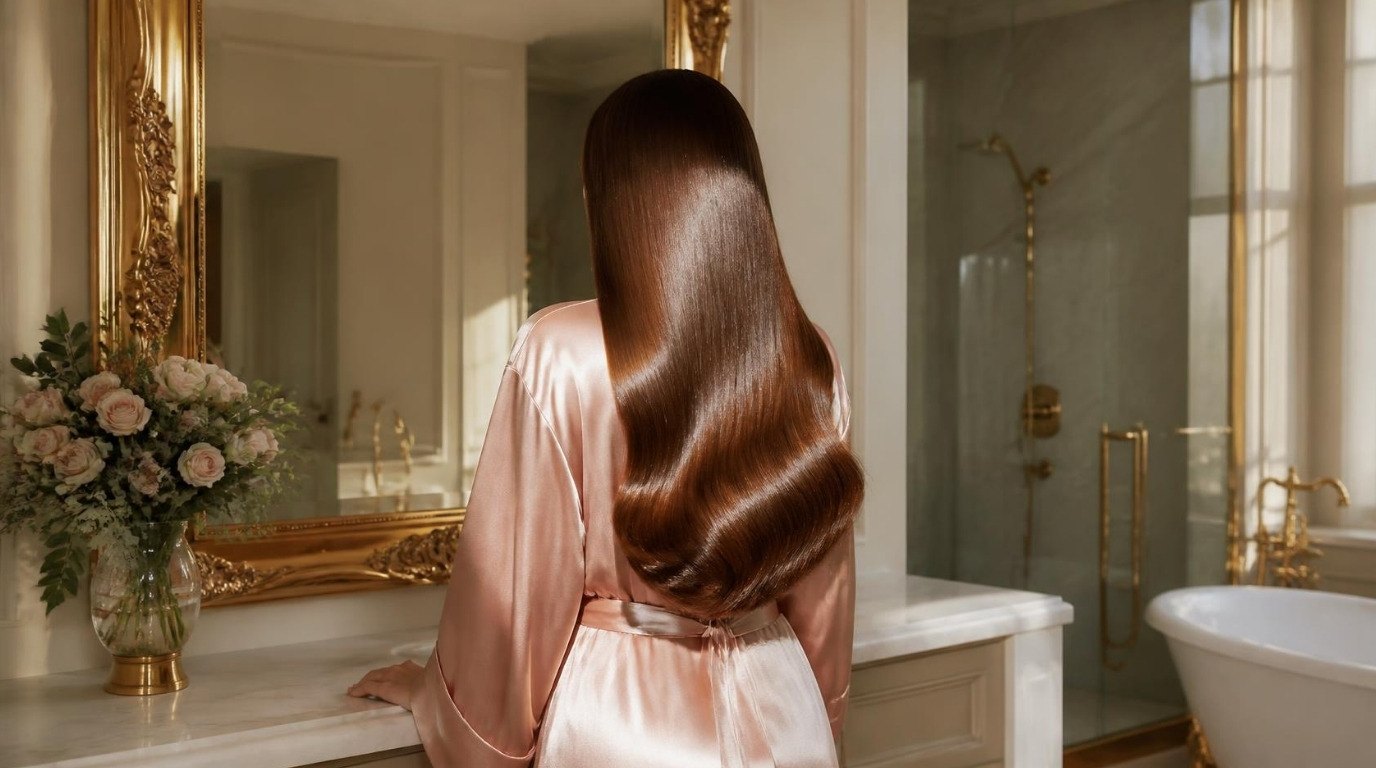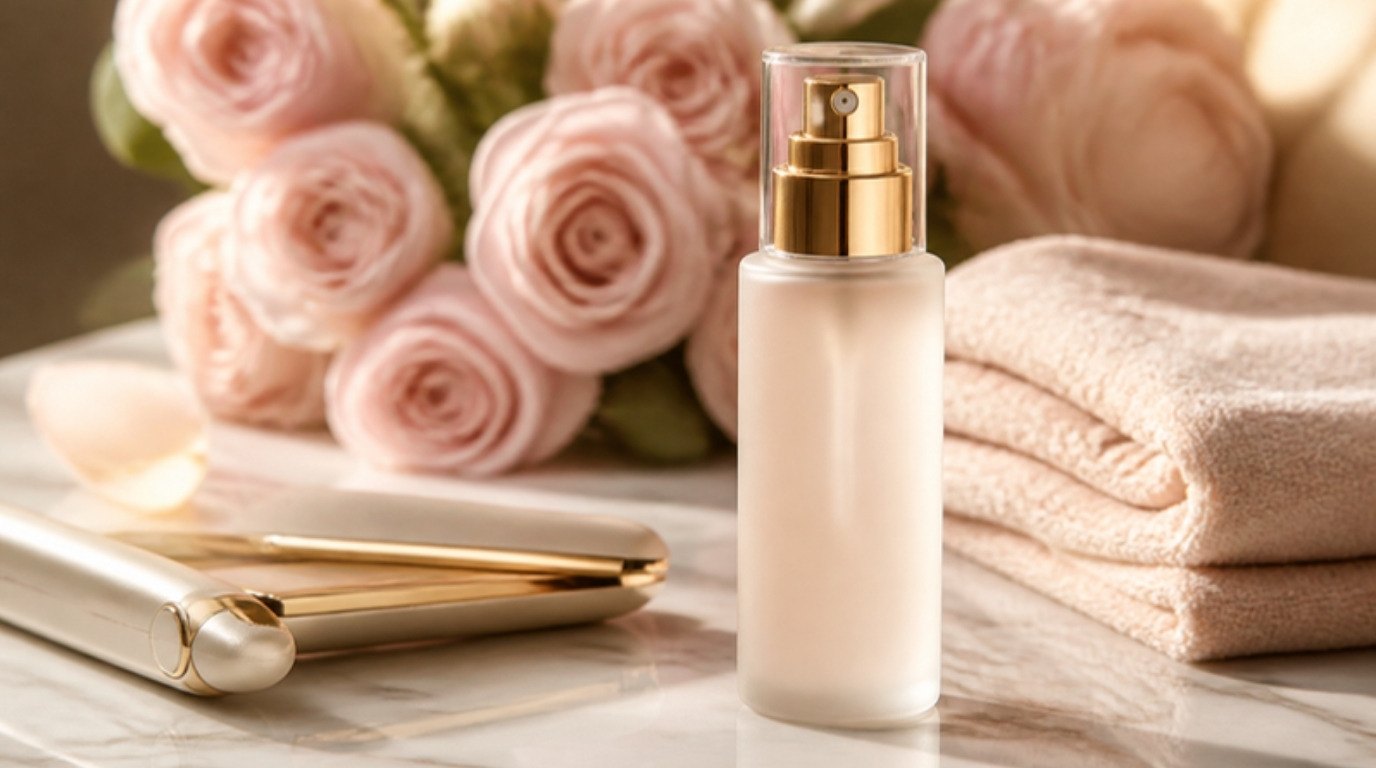
Combination hair isn't confusing once you stop treating it as one thing. Your scalp and your ends live completely different lives: the roots sit right next to your oil glands and get a fresh coat of sebum every day, while the ends are the oldest part of your hair, a few years of brushing, sun and heat away from that oil supply. One head, two climates.
That's why one product rarely fixes both. A rich shampoo that soothes your ends weighs down your roots by lunch, and a strong shampoo that keeps roots fresh leaves your ends crunchy. The answer is a split routine: clean and light at the top, soft and protected at the bottom.
This guide on combination hair covers why it happens, the signs to look for, 12 simple steps for an oily scalp and dry ends, a weekly routine table you can follow without thinking, what to avoid and when it's worth seeing a dermatologist. No styling tutorials here, just care.
Why Your Hair Is Oily at the Roots and Dry at the Ends
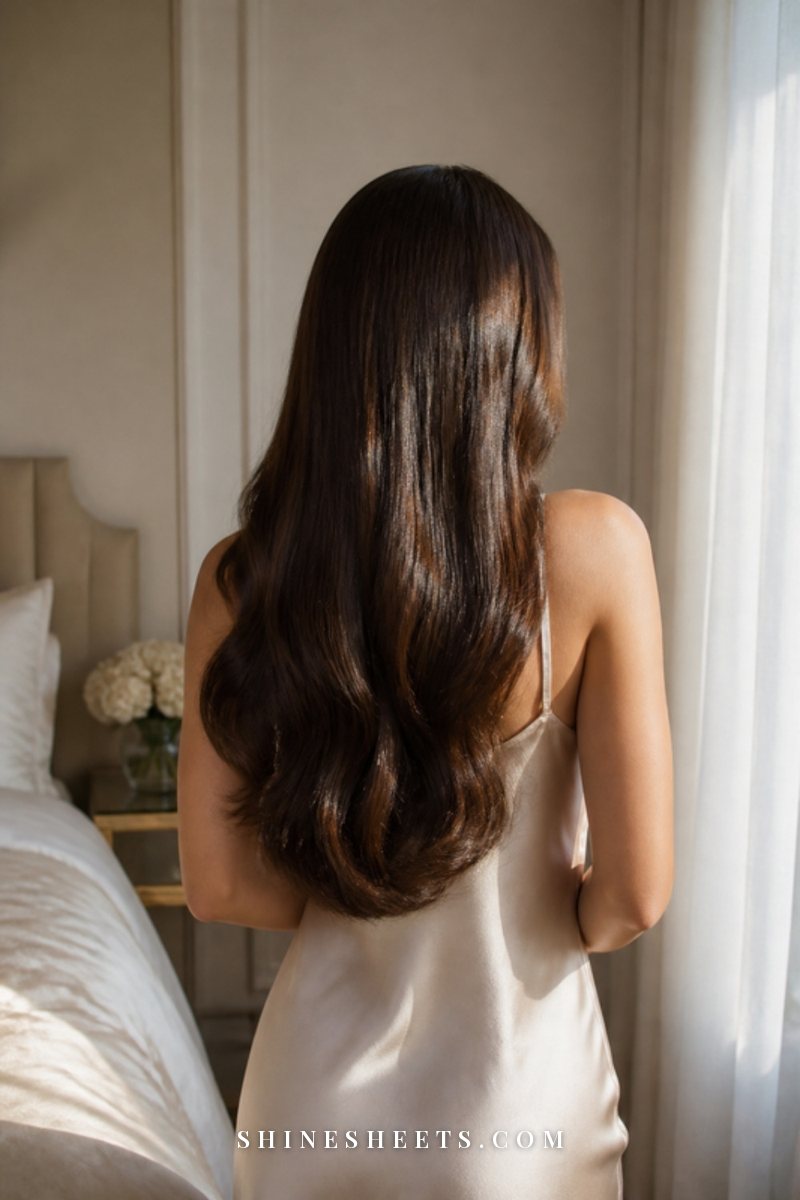
Every hair grows from a follicle with a tiny oil gland attached. That oil, called sebum, is supposed to coat the strand and protect it. On straight or fine hair it slides down the first few inches easily, so roots look flat and shiny quickly. But it rarely makes the full journey to the ends, especially on longer hair, and that's where the dryness shows up.
A few more things make the gap wider:
- Age of the hair. If your hair is shoulder length or longer, the ends may be two or three years old. They've been washed, brushed and dried hundreds of times, so the outer cuticle layer is more lifted and lets moisture escape.
- Porosity. Lifted cuticles make ends more porous: they drink up water fast and lose it just as fast, which is why they can feel dry an hour after conditioning.
- Heat and color. Blow-drying, hot tools, bleach and dye all hit the lengths hardest, because that's where the heat lands most often.
- Over-washing. Shampooing the whole head every day to fix greasy roots strips the ends again and again.
- Hormones, stress and weather. Scalp oil can rise with stress, hormonal shifts or humid weather, while dry indoor heat in winter pulls moisture from the lengths.
None of this means something is wrong with your hair. It's simply a normal pattern that asks for two kinds of care at once.
Signs You Have Combination Hair
You might have combination hair if several of these sound familiar:
- Your roots look flat or shiny within a day or two of washing.
- Your ends feel dry, rough or frizzy even right after conditioner.
- Conditioner on the roots makes them greasy by the evening.
- Your ends tangle easily or show split ends soon after a trim.
- Dry shampoo is your best friend by day two.
- Your hair looks great for about half a day and then the two halves go in opposite directions.
If your scalp is also itchy, flaky or red, read the dermatologist section at the end before changing too much at once.
How To Care for Combination Hair: 12 Simple Steps
You don't need a cabinet full of new bottles. Most of these steps are about where you put what you already have. Start with the first four, then add the rest as they feel easy.
1. Find Your Wash Rhythm

There's no rule that says you must wash every three days. Combination hair usually does best with washing every one to two days, or simply when your roots tell you. If your roots are greasy every morning, washing daily with a gentle formula is kinder than stretching it and scrubbing harder later.
Try this for two weeks: write down the day you wash and how your roots and ends feel on the following day. You'll see your natural rhythm quickly. Most people land on every other day with a dry shampoo day in between, but your hair gets the final vote. If you're not sure what kind of formula suits you, my guide on what shampoo to use walks you through choosing one in three easy steps.
2. Shampoo Only the Scalp
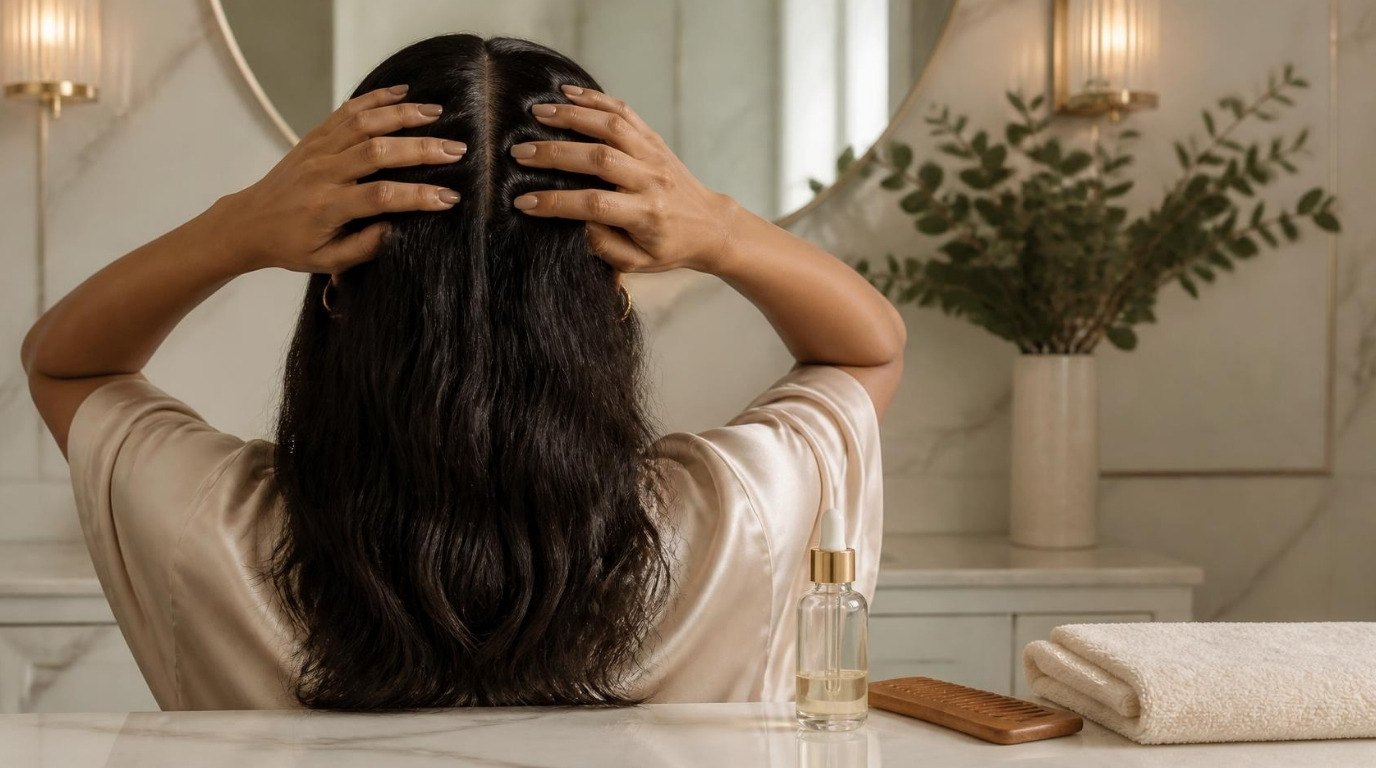
This is the single biggest change. Put a coin-sized amount of shampoo in your palm, add a splash of water, and work it into your scalp only, using the pads of your fingers (not your nails) for about 60 seconds. Focus on the crown, the hairline and behind the ears, where oil builds up most.
Don't pile your lengths on top of your head and scrub. When you rinse, the suds that run down are enough to clean the ends gently. If your hair is very oily, you can shampoo twice: the first wash breaks down oil, the second actually cleans. Just keep both rounds on the scalp.
3. Condition Only the Mid-Lengths to Ends
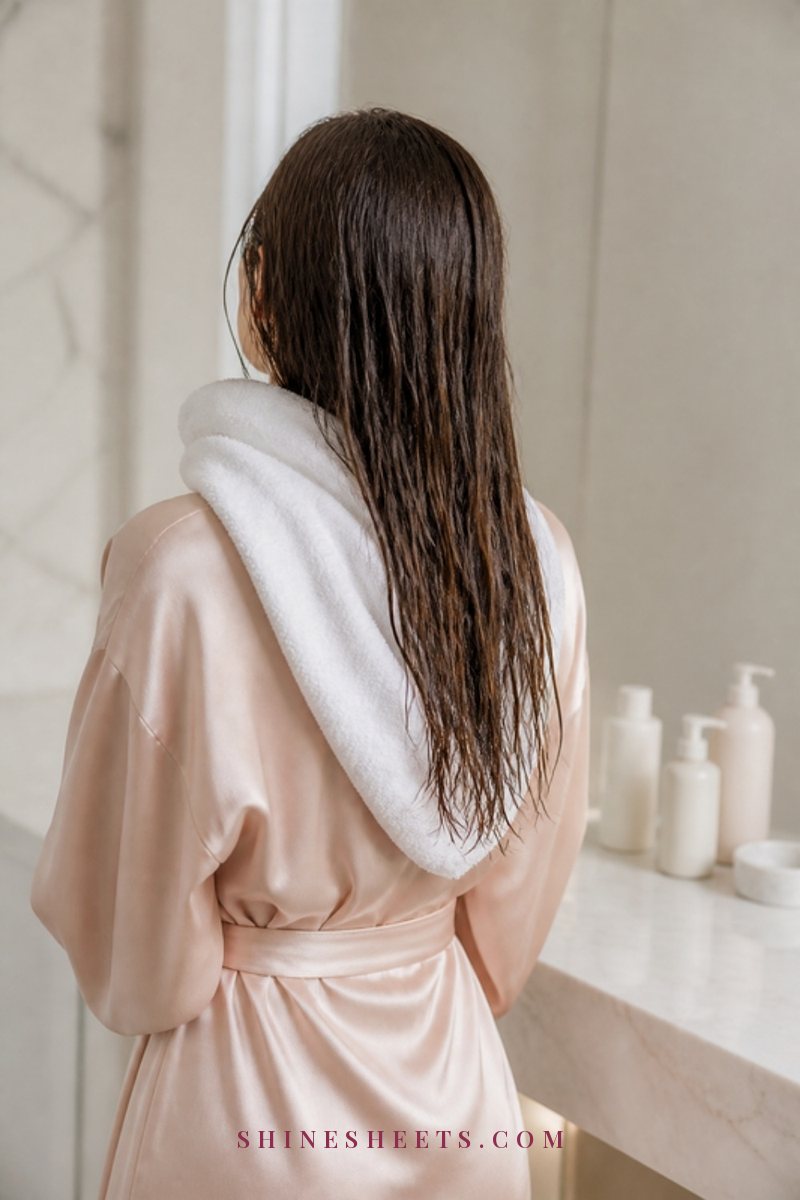
Squeeze excess water out of your hair first, so the conditioner doesn't slide straight off. Then apply it from about ear level down, concentrating on the last few inches. Comb it through with your fingers or a wide-tooth comb, leave it for two to three minutes and rinse with lukewarm water.
Choose a lightweight conditioner rather than a heavy, buttery one for daily use, and save richer formulas for your weekly mask. Your roots get zero conditioner. They're already getting plenty of natural conditioning from your scalp.
4. Clarify When Buildup Shows Up
Dry shampoo, leave-ins and oils slowly build up, and buildup makes roots greasy faster and ends feel coated rather than soft. Every two to four weeks (or when your hair suddenly looks dull and limp), swap your usual wash for a gentle clarifying shampoo. Use it on the scalp the same way, then follow with conditioner on the ends right away, because clarifying formulas can be drying.
If you color your hair, ask your stylist how often clarifying is safe for your shade, since it can fade color faster.
5. Exfoliate Your Scalp Gently Once a Week
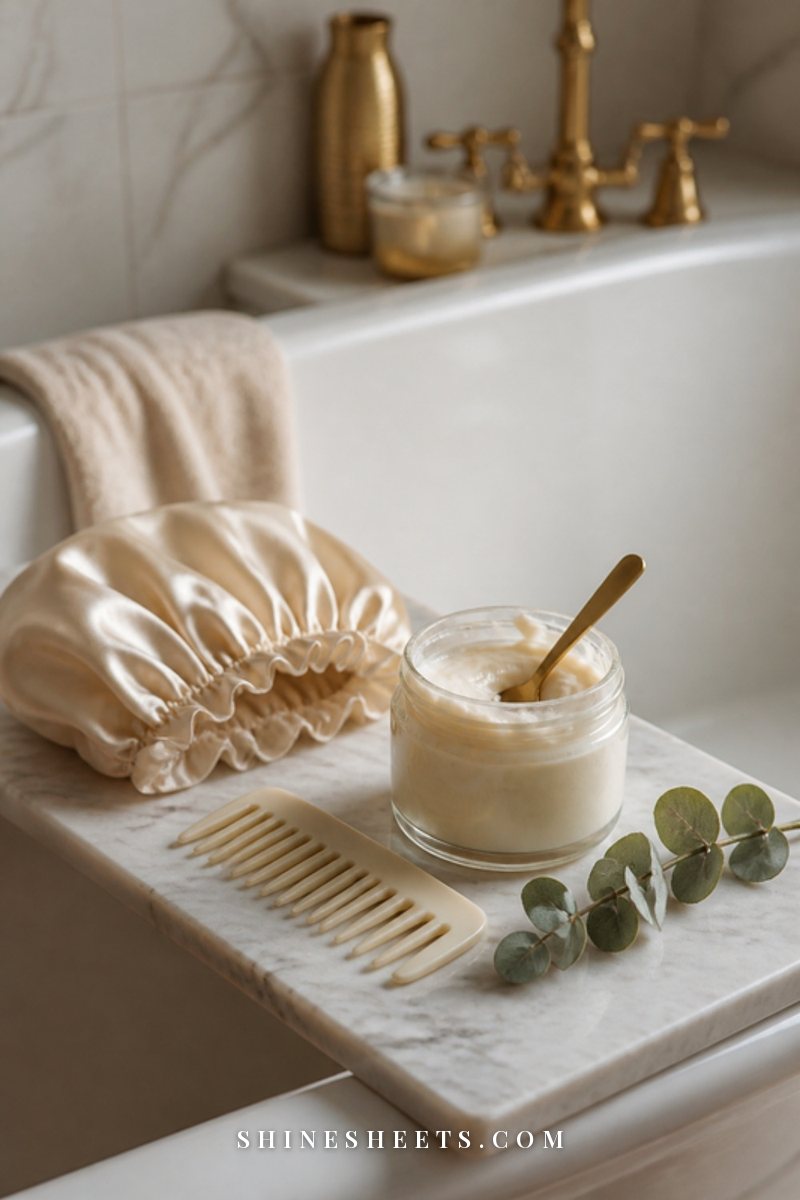
A scalp that's clean down to the follicle often looks fresh for longer. Once a week, before shampooing, massage a gentle scalp scrub into a damp scalp in small circles for one to two minutes, section by section, then shampoo as usual. Keep the pressure soft: you're loosening buildup, not sanding your skin.
Skip it if your scalp is sore, sunburned or has open spots, and patch test a new scrub on a small area first. My full guide to scalp exfoliation compares physical scrubs with chemical exfoliants if you'd like to go deeper.
6. Treat Your Ends With a Weekly Mask
Once a week, give your lengths a little extra. After shampooing, squeeze out the water and apply a hair mask from mid-lengths to ends, comb it through and leave it for 5 to 10 minutes (or whatever the label suggests). A warm towel wrapped around your hair helps it sink in.
Rinse well with lukewarm water. If your ends are feeling very fragile and stretchy, a mask with protein can help, while rough, straw-like ends usually want moisture. The roots, once again, stay out of it.
7. Use a Leave-In Only Where You Need It
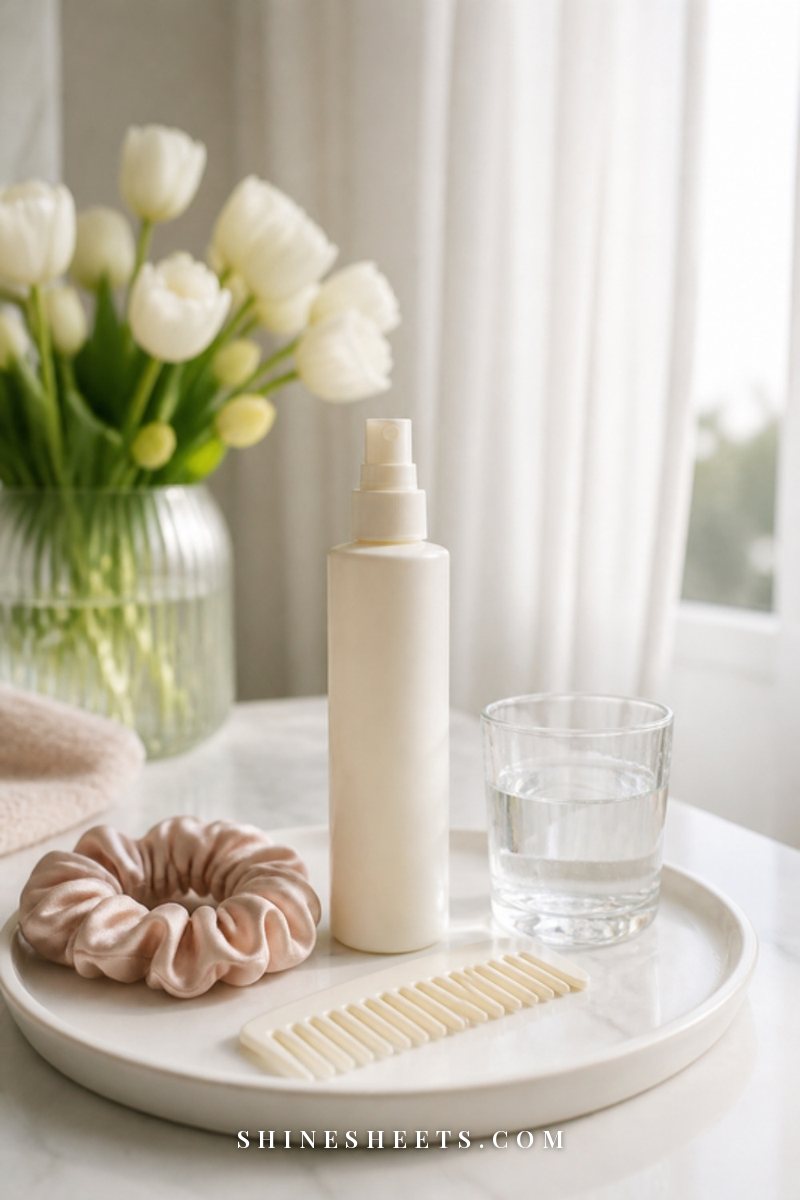
Leave-in products are where combination hair can go wrong, because one spray too high makes roots flat. Hold a leave-in conditioner spray about six inches from your hair and spray only the bottom third, two or three spritzes, then comb through. Think of it as a raincoat for the oldest, most tired part of your hair.
If your ends are very dry, apply it while hair is still damp, which helps hold in moisture. On fine hair, less is more: one spray you can't feel is better than four you can.
8. Keep Oil Below the Ears
Hair oil and combination hair can be friends, as long as you keep them apart from your roots. After drying, rub one or two drops of a light oil between your palms and smooth it over the last few inches only. That's enough to tame frizz and add shine without traveling upward.
If you love pre-wash oiling, apply oil only to your lengths and ends 30 minutes before washing, then shampoo the scalp as usual. My guide to hair oiling has the full step-by-step, including which oils suit fine or thick hair. Heavy oils massaged into the scalp are usually not the best idea for oily roots.
9. Use Dry Shampoo the Smart Way
Dry shampoo works best before your roots are greasy, not after. Spray a dry shampoo on clean, dry roots the night before day two, about 8 to 10 inches from your head, section by section along your part and hairline. Let it absorb overnight and brush or massage it through in the morning.
Keep it at the roots only (it can make ends feel even drier) and don't use it more than a couple of days in a row without washing. For more ideas between washes, I've gathered things to try if your hair gets oily too fast.
10. Dry Roots Cool, Protect Ends From Heat
Hot air on your scalp can make it feel more oily and leaves the ends brittle. Gently squeeze water out with a soft towel or old cotton T-shirt rather than rubbing. Then use a medium or cool setting on the roots, pointing the dryer downward from the top of your head to keep things smooth.
Before any heat touches your lengths, apply a heat protectant to the ends and mid-lengths. Let hair air-dry about 70 percent of the way if you have time, then finish with the dryer. Stop when your hair is just dry, not hot to the touch.
11. Brush With a Boar Bristle Brush (in Moderation)
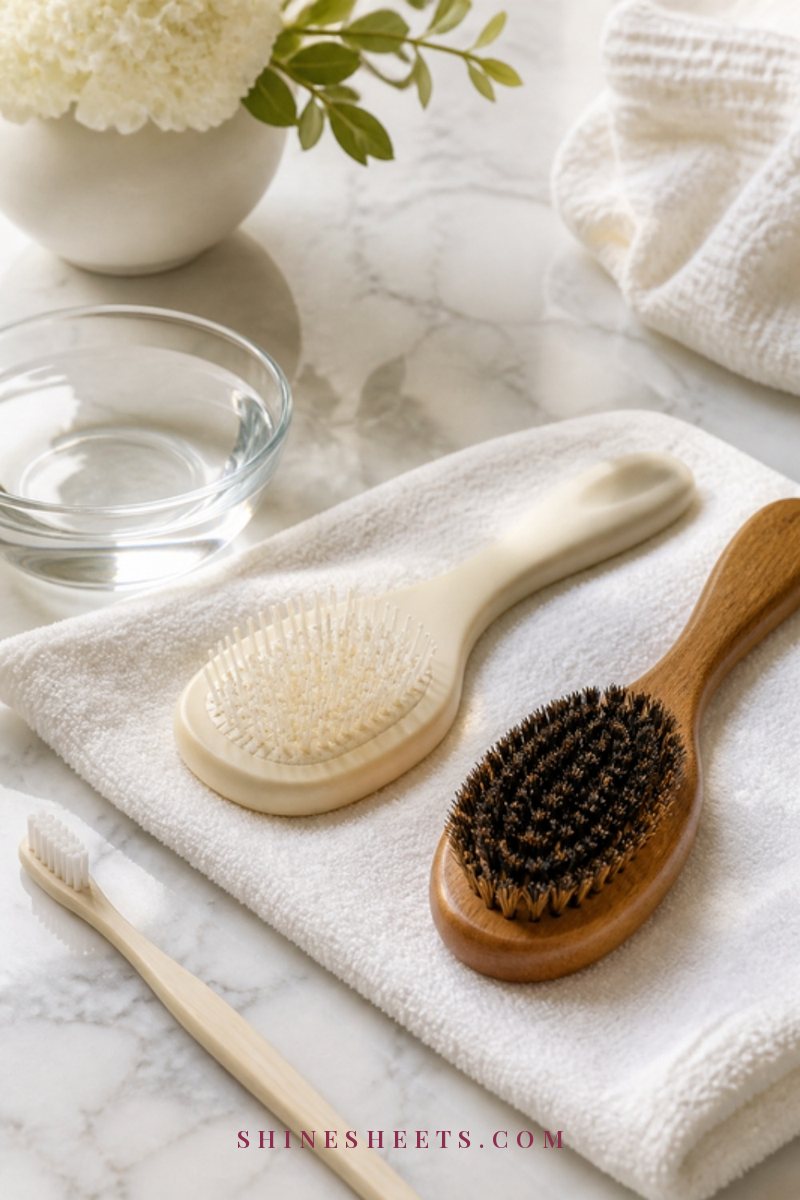
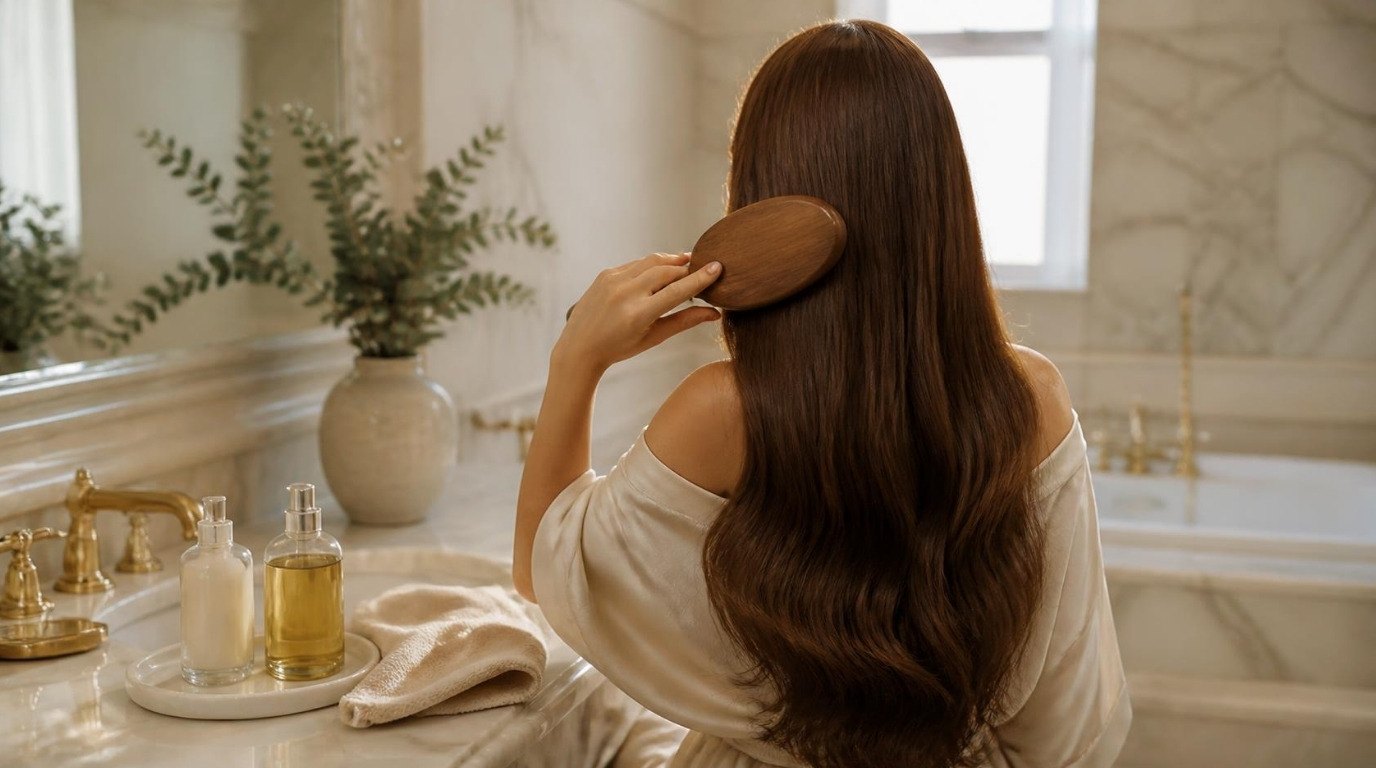
A boar bristle brush is a classic tool for combination hair because its natural bristles carry a little oil from the roots down toward the drier lengths. Brush dry, detangled hair from the scalp down in slow strokes, 10 to 20 strokes in the evening is plenty.
The moderation part matters. Too much brushing spreads oil faster and can make roots look flatter sooner. Detangle first with a wide-tooth comb if your hair knots easily, never brush wet hair with a boar bristle brush, and wash the brush every week or two so you're not brushing old oil and product back in.
12. Sleep Smoothly and Keep Up With Trims
A rough cotton pillowcase rubs your ends all night. A smooth silk or satin one creates less friction, which is kind to dry ends. My article on silk pillowcase benefits covers what it can and can't do. Change it at least once a week, because oily roots leave oil on the fabric too.
Trims are the honest fix for very dry, split ends. Every 8 to 12 weeks, a small trim removes the oldest, most porous part of your hair before splits travel upward. Between trims, my guide on how to fix split ends has gentle tricks to keep them in check.
Your Weekly Combination Hair Routine
Here's a simple week that keeps roots fresh and ends soft, based on washing roughly every other day. Screenshot it and adjust the days to your own rhythm. If you need to wash daily, use your gentle shampoo on the scalp each day and keep the ends plan exactly the same.
| Day | Scalp | Mid-lengths | Ends |
|---|---|---|---|
| Monday | Gentle shampoo, scalp only | Lightweight conditioner | Conditioner, then leave-in spray |
| Tuesday | Dry shampoo at night if needed | Nothing | One drop of light oil |
| Wednesday | Scalp scrub, then gentle shampoo | Lightweight conditioner | Weekly hair mask, 5 to 10 minutes |
| Thursday | Rest day, a few brush strokes | Nothing | Leave-in spray if frizzy |
| Friday | Gentle shampoo, scalp only | Lightweight conditioner | Conditioner, leave-in, heat protectant before drying |
| Saturday | Dry shampoo at night if needed | Nothing | Optional pre-wash oil on ends |
| Sunday | Gentle shampoo (clarifying every 2 to 4 weeks) | Lightweight conditioner | Conditioner, leave-in, fresh pillowcase |
Notice the pattern: the scalp column is about cleansing and balance, the ends column is about protection and softness, and the middle mostly gets left alone. That's the whole idea of combination hair care in one table.
What To Avoid With Combination Hair

A few common habits quietly make both halves worse. Here are seven to skip:
- Very hot water. It stimulates oil at the scalp and roughens the cuticle on your ends. Lukewarm is best, with a cooler final rinse if you like.
- Heavy oils or butters at the roots. Keep rich products below ear level.
- Strong shampoo on the whole head every day. It strips the ends faster than it helps the roots.
- Conditioner from root to tip. Even a little at the top can mean greasy roots by evening.
- Constantly touching your hair. Your fingers move oil from your face and scalp straight into your hair.
- Too many products at once. Leave-in, cream, serum and oil all together usually means buildup. Two well-placed products beat five.
- Skipping heat protection. The ends take the most heat and have the least natural protection.
Also be gentle with yourself about the in-between days. Some weeks your scalp will be oilier (stress and hormones play a part), and that's normal. Adjust the routine rather than starting over.
Adjusting for Your Hair Type and Season
The basic split stays the same for everyone, but the details shift a little depending on your hair:
- Fine, straight hair shows oil fastest. Wash more often with a gentle formula, keep conditioner to the last few inches and choose sprays over creams.
- Thick or wavy hair can usually stretch an extra day between washes. The ends often want a richer mask and a cream leave-in rather than a spray.
- Color-treated or lightened hair needs the most care at the ends. Use a color-safe shampoo, clarify less often and never skip heat protection.
- Curly or coily hair is rarely truly oily, because oil travels slowly down a curl. If your scalp feels greasy but your curls are dry, focus on scalp cleansing and keep the rest of your moisture routine as it is.
Seasons matter too. In summer, heat and humidity often make roots oilier, so you might wash a little more and lighten your leave-in. In winter, indoor heating dries the ends, so a weekly mask and a smooth pillowcase become more important, while your scalp may calm down and let you stretch a wash day.
Give any change about two to three weeks before deciding it doesn't work. Your scalp often needs a short adjustment period after you change how often you wash, and roots can feel oilier for a few days before they settle.
When To See a Dermatologist
Oily roots and dry ends are usually just a care puzzle. But please see a dermatologist if your scalp is persistently itchy, flaky, red or sore, if you notice yellowish greasy scales, or if you see sudden shedding, thinning or patches of hair loss. Conditions like seborrheic dermatitis can look like simple oiliness at first and respond much better to proper treatment than to more scrubbing.
Patch test new scalp products on a small area for 24 to 48 hours if your skin is sensitive, and stop using anything that stings or burns.
Final Thoughts
Combination hair asks for a little more thought, but not a lot more time. Clean at the top, soft at the bottom, and a gentle middle that you mostly leave alone: once that becomes a habit, you'll stop fighting your hair and start working with both halves of it.
Give the routine two or three weeks before judging it. Your roots and your ends will both thank you, each in their own way.